

Free Northern Hungary Travel Guide & Mobile App
Explore Northern Hungary with free travel guides. Discover regional history, expert tips, proposed trips, and audio guides on web or mobile app.


Explore Northern Hungary for Eger’s wine cellars, Bükk and Mátra hikes, historic castles, karst caves and traditional mountain villages.
Read more about Northern Hungary
When is the best time to visit Northern Hungary?
Best: June–August · 25–26°C| Month | High (°C) | Rainfall (mm) |
|---|---|---|
| January | 5 | 30 |
| February | 7 | 25 |
| March | 13 | 30 |
| April | 17 | 35 |
| May | 21 | 45 |
| June (best) | 25 | 55 |
| July (best) | 26 | 50 |
| August (best) | 26 | 45 |
| September | 21 | 40 |
| October | 16 | 35 |
| November | 9 | 30 |
| December | 4 | 30 |
Getting to and around Northern Hungary
How to get there
Transportation
Top city travel guides in Northern Hungary
The cities of Northern Hungary, and the easiest places to base yourself.
-

-

-

-

-

-


Swipe for more cities
Destinations in Northern Hungary
Resorts, valleys and scenic spots worth a trip of their own.
-

-

-

-

-
-


Swipe for more destinations
Best attractions in Northern Hungary
Northern Hungary’s attractions range from historic towns and castles to extensive protected landscapes. Eger combines a major castle complex, Baroque architecture, museums, thermal bathing and wine cellars, while Miskolc provides access to Miskolctapolca, Lillafüred and the wooded Bükk Mountains. The Bükk National Park is suited to hiking, cycling, geology and wildlife observation, with limestone valleys and caves adding a distinctive dimension. Further north, the Aggtelek National Park protects a karst landscape whose cave system is shared with Slovakia and recognised as UNESCO World Heritage. Hollókő offers an exceptionally well-preserved village setting and living folk traditions, while the Mátra appeals to walkers, winter visitors and those seeking higher mountain viewpoints around Kékestető. In the east, Sárospatak, Füzér and the Zemplén Hills combine castle heritage with forest trails, lookout points and small settlements. Across the region, former industrial sites, narrow-gauge railways, museums and local craft centres show how closely nature, work and settlement have been connected.
-
Castle
Castle of Eger
Explore the Castle of Eger, a stunning historical landmark in Hungary, rich in history and breathtaking views, perfect for every traveler.
-
Park
Valley of the Beautiful Woman
Experience the enchanting Valley of the Beautiful Woman in Eger, Hungary, where scenic views and exquisite wines come together for an unforgettable getaway.
-
Tourist attraction
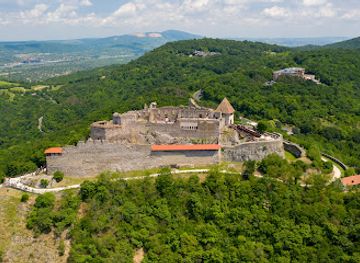
Visegrád Castle - Citadel
Discover the rich history and breathtaking views at Visegrád Castle, a remarkable fortress overlooking the Danube River in Hungary.
-
Tourist attraction
Royal Palace of Gödöllő
Explore the Royal Palace of Gödöllő, a baroque masterpiece surrounded by lush gardens, steeped in royal history and architectural beauty.


Best landmarks in Northern Hungary
Eger Castle is Northern Hungary’s most recognisable historic landmark, its walls and bastions recalling the 1552 defence that became central to Hungarian national memory. The town’s Baroque cathedral and dense historic centre provide a contrasting architectural legacy from the eighteenth-century rebuilding of Eger. Diósgyőr Castle, on the edge of Miskolc, represents the medieval royal presence in the Bükk foothills, while the Castle of Sárospatak reflects the political and educational importance of the eastern region. Füzér Castle rises dramatically on a volcanic hill in the Zemplén, and the village of Hollókő preserves a traditional settlement pattern beneath the Cserhát landscape. Natural landmarks are equally important: Kékestető marks Hungary’s highest point in the Mátra, the limestone formations of the Bükk reveal the region’s geological character, and the Baradla cave system at Aggtelek extends through a karst world shaped by water over immense periods. Together these places express Northern Hungary’s combination of frontier history, mountain geology and long-settled rural culture.
-
Historical landmark
Castle District
Explore the Castle District of Budapest, where history, stunning architecture, and breathtaking views combine to create an unforgettable experience.
-
Fortress
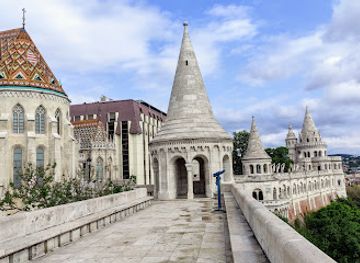
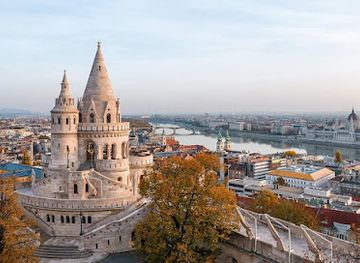
Fisherman's Bastion
Discover the breathtaking views and rich history at Fisherman's Bastion, Budapest's enchanting neo-Romanesque fortress overlooking the city.
-
Plaza
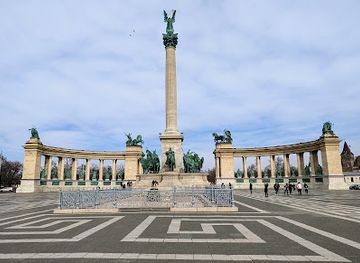
Heroes' Square
Explore Heroes' Square in Budapest, a majestic plaza celebrating Hungary's rich history with stunning monuments and vibrant atmosphere.
-
Bridge
Széchenyi Chain Bridge
Discover the iconic Széchenyi Chain Bridge in Budapest, a stunning architectural masterpiece connecting Buda and Pest across the majestic Danube River.

Explore Northern Hungary on the map
Plan your trip on one map. See where the top cities, national parks and sights are, and book hotels and experiences in a few clicks.
Best hotels in Northern Hungary
Best restaurants in Northern Hungary
Dining in Northern Hungary is shaped by mountain produce, historic town culture and the region’s vineyards. Eger is the principal wine destination, with cellar restaurants and tasting rooms serving Egri Bikavér and other local wines alongside hearty Hungarian cooking. Around the Mátra and Bükk, rural inns and village restaurants commonly draw on game, mushrooms, freshwater fish, smoked meats, seasonal vegetables and traditional soups, while bakeries and cafés provide pastries and lighter meals. Miskolc and Eger have the widest choice of contemporary restaurants, international food and coffee houses; smaller towns tend towards family-run establishments and traditional menus. Regional fruit, honey, preserves and pálinka appear in markets and farm-based outlets, although producers and availability vary by season. In the Tokaj area, which extends beyond Northern Hungary as a whole, wine tourism is especially prominent, but visitors should distinguish local wines from the broader protected wine region when planning tastings.
-
Mediterranean
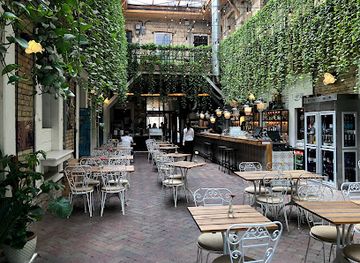
Mazel Tov
Discover Mazel Tov in Budapest: where vibrant Mediterranean flavors meet modern dining in an enchanting atmosphere.
-
Hungarian
Menza Étterem és Kávéház
Experience authentic Hungarian cuisine at Menza Étterem és Kávéház in Budapest, where every dish tells a story of rich culinary traditions.
-
Hungarian
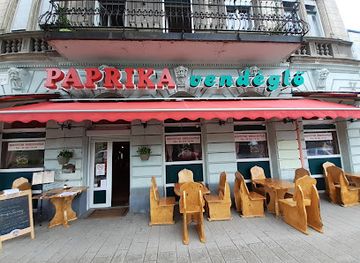
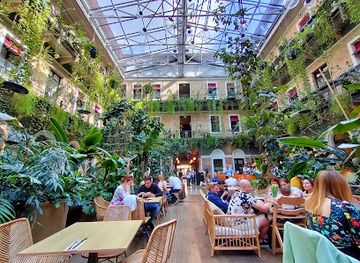
Paprika Vendéglő
Experience authentic Hungarian cuisine at Paprika Vendéglő in Budapest—where tradition meets taste in every delightful dish.
-
Restaurant
Twentysix Budapest
Discover Twentysix Budapest: where Mediterranean flavors meet stunning design in an unforgettable dining experience.
Best bars in Northern Hungary
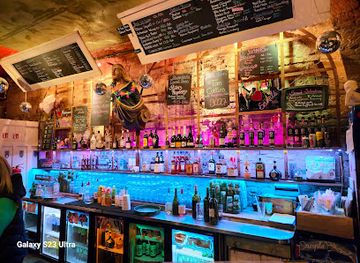
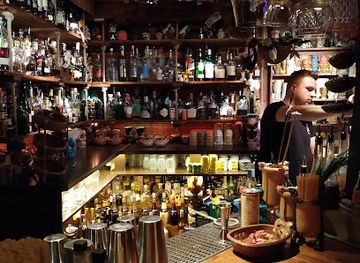
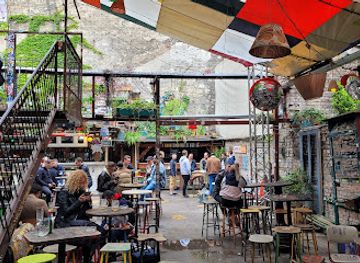
Evening life in Northern Hungary is concentrated in Eger and Miskolc, with a quieter, more local rhythm elsewhere. Eger’s wine-cellar districts, central cafés, traditional pubs and restaurants make it the region’s most established setting for an evening out, while Miskolc offers a broader selection of bars, live-music venues, cultural programmes and late-opening restaurants. University life contributes to Miskolc’s younger nightlife, though the scene changes with the academic year. In Sárospatak and other smaller towns, evenings generally centre on pubs, wine venues and restaurants rather than large clubs. Mountain villages and rural districts are better suited to relaxed meals, local drinks and seasonal cultural events. Visitors should check current arrangements locally, as smaller venues may operate irregularly outside summer and festival periods.
-
Pub
Szimpla Kert
Experience the eclectic charm of Szimpla Kert, Budapest's iconic ruin pub, blending culture, nightlife, and local flavors in a unique setting.
-
Bar
360 Bar
Enjoy breathtaking views and exquisite cocktails at Budapest's iconic 360 Bar, the perfect spot for an unforgettable night out.
-
Cocktail bar
Rumpus Tiki Bar
Discover the enchanting atmosphere of Rumpus Tiki Bar in Budapest, where exotic cocktails and vibrant decor create a tropical escape.
-
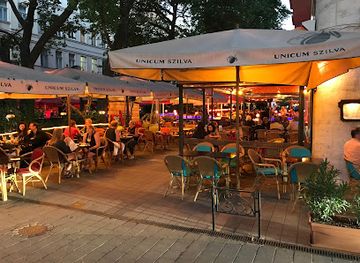
Beer Garden
Ruin Bars Budapest
Discover the vibrant Ruin Bars of Budapest, where eclectic decor meets lively nightlife and unforgettable experiences await.

Best nightclubs in Northern Hungary
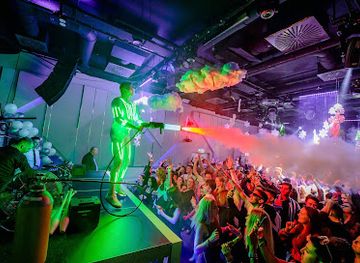
Evening life in Northern Hungary is concentrated in Eger and Miskolc, with a quieter, more local rhythm elsewhere. Eger’s wine-cellar districts, central cafés, traditional pubs and restaurants make it the region’s most established setting for an evening out, while Miskolc offers a broader selection of bars, live-music venues, cultural programmes and late-opening restaurants. University life contributes to Miskolc’s younger nightlife, though the scene changes with the academic year. In Sárospatak and other smaller towns, evenings generally centre on pubs, wine venues and restaurants rather than large clubs. Mountain villages and rural districts are better suited to relaxed meals, local drinks and seasonal cultural events. Visitors should check current arrangements locally, as smaller venues may operate irregularly outside summer and festival periods.
-
Night club
Instant-Fogas Complex
Dive into the electric nightlife of Budapest at Instant-Fogas Complex, where unforgettable parties and diverse music create the perfect night out.
-
Night club
Club Heaven Budapest
Experience the vibrant nightlife of Budapest at Club Heaven, where music, dancing, and unforgettable memories come alive in the heart of the city.
-
Night club
Ötkert
Dive into Budapest's nightlife at Ötkert, a vibrant night club with an eclectic atmosphere, exquisite cocktails, and unforgettable music.
-
Night club
Peaches And Cream Club
Experience the electrifying nightlife of Budapest at Peaches And Cream Club, where music, dancing, and unforgettable memories await.



Best shops in Northern Hungary
Shopping in Northern Hungary is strongest in the historic centres and market towns rather than in large destination malls. Eger’s central streets offer wine shops, delicatessens, bookshops, galleries and small stores selling regional products, while the wine-cellar districts are useful for purchasing bottles directly from producers. Miskolc provides the broadest urban choice, including everyday retail, independent shops and food markets. In Hollókő and other traditional villages, visitors may find embroidered textiles, pottery, carved objects and locally made foods, though selection varies by season. Markets across the region can be good places to look for honey, preserves, fruit products, paprika, cheeses and baked goods. Sárospatak and the Zemplén towns have a more modest, locally oriented retail scene, with crafts and farm produce taking precedence over designer shopping. Buy wine and other liquids with transport and customs rules in mind, and favour clearly labelled products from established producers.
-
Nature preserve
Ipolytarnóc Fossils
Explore the Ipolytarnóc Fossils: A Nature Preserve with Ancient Wonders and Scenic Trails in the Heart of Hungary.
-
Gift shop
Market1 Hungarian Souvenir and Gift Shop
Discover the heart of Hungary at Market1, your one-stop shop for unique souvenirs and gifts in Budapest.
-
Gift shop
Szputnyik shop D20
Explore Szputnyik Shop D20 in Budapest for unique vintage clothing, jewelry, and quirky gifts that capture the essence of local culture.
-
Gift shop
The Biggest Souvenir Shop-Market in Budapest
Discover the largest souvenir shop-market in Budapest, featuring unique gifts, traditional crafts, and local delicacies to cherish forever.


Get your free copy of our complete guide to Northern Hungary, delivered straight to you.
Everything on this page, from attractions and restaurants to essentials and local phrases, in one PDF you can read offline, print or share.
Already have an account? Sign in
Your Northern Hungary guide is ready.
We'll send it to · Not you? Sign out

Getting your guide ready…
We are putting together a fresh copy of the Northern Hungary guide. This can take up to a minute.
This can take a few moments. If your browser asks, choose Allow so the download can start. You'll find the guide in your Downloads folder.
Nothing happened? Download it again
Sorry, the guide is taking longer than usual. Please try again in a minute, or get it by email instead.
Northern Hungary essentials
Currency and Payment
Safety
Emergency Situations
Do's and Don'ts
Local Tips
From Eve
Local phrases worth knowing
You don't need to get them perfect. A few words go a long way, and locals appreciate the effort.
Basics
| English | Local | Say it |
|---|---|---|
| Hello | Szia | [See-ya] |
| Goodbye | Viszlát | [Veest-laht] |
| Yes | Igen | [Ee-gen] |
| No | Nem | [Nem] |
| Please/You’re welcome | Kérem/ Szívesen | [Kay-rem/ See-veshen] |
| Thank you | Köszönöm | [Kuh-suh-nuhm] |
| Excuse me/Sorry | Elnézést | [El-nay-zayst] |
| How are you? | Hogy vagy? | [Hohd vahj?] |
| Fine. And you? | Jól. És te? | [Yohl. Aysh tay?] |
| Do you speak English? | Beszélsz angolul? | [Beh-sayls ahn-goh-lul?] |
| I don't understand | Nem értem | [Nem air-tem] |
Eating & Drinking
| English | Local | Say it |
|---|---|---|
| I’d like to see the menu, please | Szeretném megnézni az étlapot, kérem | [Seh-reht-naym mehg-nayzni ahz ayt-lah-poht, kay-rem] |
| I don't eat meat | Nem eszem húst | [Nem eh-sem hoosht] |
| Cheers! | Egészségedre! | [Eh-geh-sheh-ged-reh!] |
| I would like to pay, please | Szeretnék fizetni, kérem | [Seh-reht-nayk fee-zet-ni, kay-rem] |
Emergencies
| English | Local | Say it |
|---|---|---|
| Help! | Segítség! | [Sheh-geet-sheg!] |
| Go away! | Menj el! | [Men-ny el!] |
| Call the Police! | Hívd a rendőrséget! | [Heevd ah ren-dor-sheh-get!] |
| Call a doctor! | Hívd az orvost! | [Heevd ahz or-vosh-t!] |
| I’m lost | Elvesztem | [El-veh-stem] |
| I’m ill | Beteg vagyok | [Beh-tehg vah-yok] |
Shopping
| English | Local | Say it |
|---|---|---|
| I’d like to buy... | Szeretnék venni... | [Seh-reht-nayk veh-nee...] |
| I’m just looking | Csak nézelődöm | [Chahk nay-zeh-loh-dohm] |
| How much is it? | Mennyibe kerül? | [Men-nee-be keh-rool?] |
| That’s too expensive | Ez túl drága | [Ez tool drah-gah] |
| Can you lower the price? | Le tudnád vinni az árat? | [Leh tood-nahd veen-nee ahz ah-raht?] |
Time & Numbers
| English | Local | Say it |
|---|---|---|
| What time is it? | Hány óra van? | [Hahn-ee oh-rah vahn?] |
| It’s one o'clock | Egy óra van | [Edj oh-rah vahn] |
| Half past (10) | Fél (10) | [Fehl (10)] |
| Morning | Reggel | [Rehg-gel] |
| Afternoon | Délután | [Day-loo-tahn] |
| Evening | Este | [Es-teh] |
| Yesterday | Tegnap | [Teh-nahp] |
| Today | Ma | [Mah] |
| Tomorrow | Holnap | [Hol-nahp] |
| 1 | 1 | [Egy] |
| 2 | 2 | [Kettő] |
| 3 | 3 | [Három] |
| 4 | 4 | [Négy] |
| 5 | 5 | [Öt] |
| 6 | 6 | [Hat] |
| 7 | 7 | [Hét] |
| 8 | 8 | [Nyolc] |
| 9 | 9 | [Kilenc] |
| 10 | 10 | [Tíz] |
Transport & Directions
| English | Local | Say it |
|---|---|---|
| Where's a/the...? | Hol van a...? | [Hol vahn ah...?] |
| What’s the address? | Mi a cím? | [Mee ah teem?] |
| Can you show me (on the map)? | Meg tudod mutatni (a térképen)? | [Mehg toot-dohd moo-taht-nee (ah tayr-kay-pen)?] |
| When's the next (bus)? | Mikor jön a következő (busz)? | [Mee-kor yohn ah keh-vet-keh-zoh (booz)?] |
| A ticket (to ....) | Egy jegy (....-ra) | [Edj yehd (....-rah)] |
History of Northern Hungary
Prehistoric and Ancient Landscapes
Northern Hungary contains important evidence of prehistoric settlement, particularly in the Bükk and karst regions. Caves provided shelter and preserved traces of Palaeolithic communities, while later farming societies occupied the river valleys and fertile foothills. The area was subsequently influenced by Celtic groups and incorporated into the Roman frontier world, although the Roman province of Pannonia did not cover all of modern Northern Hungary. Archaeological finds from settlements, burial grounds and hilltop sites reveal a long history of movement through the Carpathian Basin and help explain why the region’s valleys and passes remained strategically important.
Medieval Castles and Royal Borderlands
After the Hungarian conquest and the formation of the medieval kingdom, Northern Hungary developed around castle districts, market towns, churches and estates. Strongholds such as Diósgyőr, Füzér, Sárospatak and Eger guarded routes through the northern uplands and supported royal or aristocratic power. Mining and metalworking also developed in several mountain districts. Monastic foundations, episcopal institutions and expanding town privileges encouraged trade, while the region’s proximity to the Kingdom of Poland and other northern territories gave it an enduring frontier character.
The Ottoman Wars and the Defence of Eger
The sixteenth and seventeenth centuries transformed Northern Hungary as Ottoman expansion reached the central kingdom. Eger Castle became famous for the 1552 siege, when István Dobó and the defenders resisted a much larger Ottoman force. The castle eventually fell in 1596 and Eger remained under Ottoman rule until 1687. The conflict left a visible legacy in fortifications, ruined settlements and the region’s political division. Other strongholds, including Diósgyőr and the castles of the northern borderlands, formed part of a broader defensive system contested by Habsburg, Hungarian and Ottoman forces.
Reformation, Schools and the Sárospatak Tradition
The northern counties became important centres of Protestant learning during the Reformation and early modern period. The Reformed College of Sárospatak, founded in the sixteenth century, developed into one of Hungary’s influential educational institutions and remains closely associated with the town’s identity. Protestant congregations, schools and printing traditions shaped cultural life across the region, while Catholic institutions also expanded during the Counter-Reformation. This mixture of religious communities left a substantial architectural and intellectual heritage in towns such as Sárospatak, Eger and Miskolc.
Wine, Agriculture and the Tokaj-Eger Cultural Zone
Viticulture became one of Northern Hungary’s defining economic and cultural activities. Vineyards around Eger, the Mátra foothills and the Tokaj-Hegyalja area were shaped by volcanic and loess soils, varied exposures and centuries of cellar-building. Tokaj’s aszú wines gained international renown under early modern and Habsburg-era trade networks, while Eger developed its own red- and white-wine traditions. The wine landscape includes press houses, cellars, vineyard villages and market towns, making agriculture an important part of both regional history and present-day tourism.
Industrialisation and the Rise of Miskolc
From the nineteenth century, coal, iron, lime and timber resources supported rapid industrial growth in Northern Hungary. Miskolc expanded as a manufacturing and transport centre, while nearby Diósgyőr became associated with large iron and steel works. Railways connected the mountain districts to national markets and helped transform former market towns into industrial settlements. Heavy industry later declined or was restructured, but its influence remains visible in Miskolc’s urban form, working landscapes, transport history and museums. The contrast between industrial valleys and nearby forests is one of the region’s defining modern features.
Twentieth-Century Borders and Rural Heritage
The Treaty of Trianon in 1920 altered Hungary’s northern frontier and disrupted long-established economic and social connections with neighbouring territories. Border settlements and transport routes faced new political realities, while the Second World War and the post-war socialist period brought further upheaval. Collectivisation, industrial expansion and later economic restructuring changed village life and employment patterns. Since the late twentieth century, heritage conservation has gained importance, notably at Hollókő and in historic towns, while protected landscapes, cave tourism, wine and cultural tourism have provided alternatives to declining heavy industry.
Northern Hungary in Photos
Browse through our photo collection highlighting the charm and character of the destination.
Neighbouring regions of Northern Hungary
The closest regions to Northern Hungary, if you have time for more than one.
-

-

-

-

-


Swipe for more regions
Explore more

Explore more of Hungary
Discover Hungary: A land of historic cities, scenic landscapes, thermal baths, and rich culinary traditions in the heart of Europe.
Explore Hungary