

Free Mátra Travel Guide & Mobile App
Explore Mátra with free travel guides. Discover regional history, expert tips, proposed trips, and audio guides on web or mobile app.


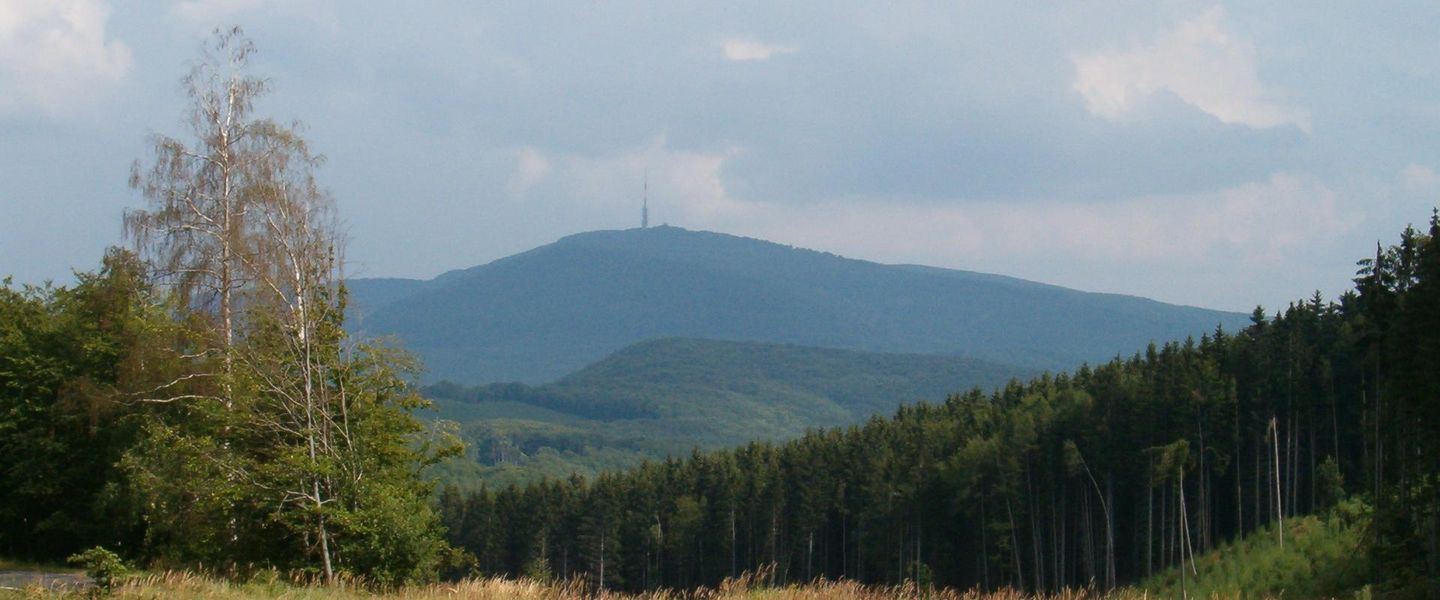


Discover Mátra’s forested peaks, Kékes summit, castle villages, mountain trails, Palóc heritage and vineyards in northern Hungary.
Read more about Mátra
When is the best time to visit Mátra?
Best: June–August · 23–25°C| Month | High (°C) | Rainfall (mm) |
|---|---|---|
| January | 3 | 25 |
| February | 4 | 25 |
| March | 10 | 30 |
| April | 15 | 40 |
| May | 20 | 50 |
| June (best) | 23 | 60 |
| July (best) | 25 | 60 |
| August (best) | 25 | 55 |
| September | 21 | 50 |
| October | 15 | 40 |
| November | 8 | 35 |
| December | 4 | 30 |
Getting to and around Mátra
How to get there
Transportation
Destinations in Mátra
Resorts, valleys and scenic spots worth a trip of their own.

Swipe for more destinations
Best attractions in Mátra
The Mátra’s attractions are distributed across a compact but hilly region, with the main emphasis on landscape and outdoor activity. Kékestető, Hungary’s highest summit, is the best-known objective, while Galyatető and the surrounding marked paths offer quieter ridge walks and wide views. Around Mátrafüred and Sástó, visitors find woodland trails, a high-elevation lake, family recreation and access to forest railway journeys. The southern foothills provide a gentler mix of wine villages, museums and rural scenery, including the Mátra Museum in Gyöngyös. Historic excursions lead to Sirok Castle, dramatically set on volcanic rock, and Kisnána Castle in the eastern foothills. Parádfürdő adds spa heritage and wooded valley walks, while the northern settlements introduce Palóc architecture and traditions. Birdwatching, cycling, hiking, winter sports and scenic driving are more characteristic of the region than large-scale theme attractions. Conditions and opening arrangements vary seasonally, so the most rewarding itineraries leave room for weather changes and slower travel on mountain roads.
-
Tourist attraction
Oxygen Adrenalin Park
Experience the thrill of adventure at Oxygen Adrenalin Park in Gyöngyös-Sástó, Hungary, where nature meets exhilarating amusement rides.
-
Tourist attraction
TV and observation tower
Explore the stunning Kékestető TV and Observation Tower, Hungary’s highest peak, and enjoy breathtaking views and outdoor adventures.
-
Tourist attraction
Mátrai Landscape Protection Area
Discover the breathtaking beauty of Mátrai Landscape Protection Area, a serene escape in Hungary's majestic mountains, perfect for nature lovers and adventurers alike.
-
Tourist attraction
Galya-kilátó
Experience the breathtaking views and natural beauty at Galya-kilátó, a must-visit scenic spot in Hungary's Mátraszentimre.
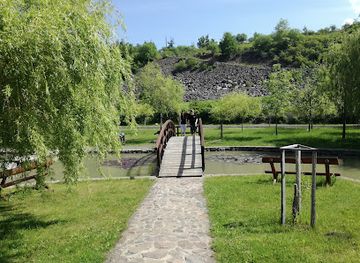
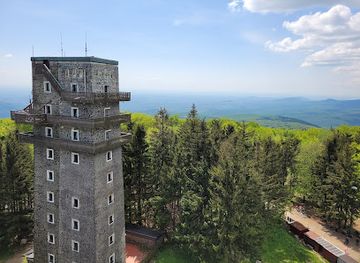
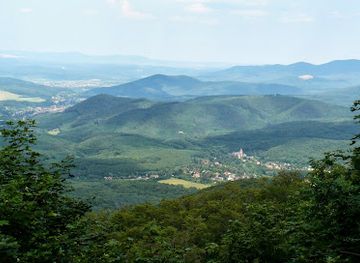
Best landmarks in Mátra
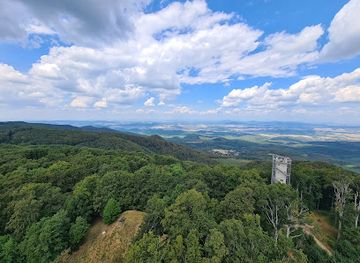
Kékestető is the Mátra’s defining natural landmark and Hungary’s highest point, marked by its summit area and lookout tower above the surrounding forested ridges. Galyatető forms another major highland landmark, recognised for its elevated resort setting, panoramic viewpoints and position on important walking routes. Sirok Castle is among the region’s most striking historic structures: its ruins follow a volcanic rock formation and reflect the strategic importance of the mountain routes during the medieval and Ottoman periods. Kisnána Castle offers a contrasting landmark in a settled foothill village, where fortification, church architecture and rural surroundings are closely connected. Sástó’s lake and lookout area represent the recreational face of the southern Mátra, while the historic spa landscape of Parádfürdő recalls the region’s nineteenth- and twentieth-century health-tourism tradition. In Gyöngyös, the town’s churches, historic streets and civic buildings provide an urban counterpoint to the mountain landmarks above it.
-
 Fortress
Fisherman's Bastion
Explore the enchanting Fisherman's Bastion in Budapest, where history, stunning architecture, and breathtaking views come together in perfect harmony.
-
Plaza
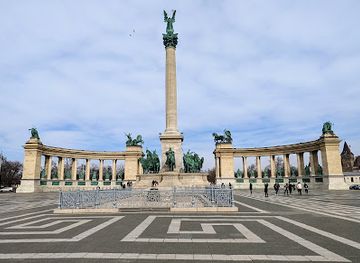
Heroes' Square
Discover the majestic Heroes' Square in Budapest, a symbol of national pride and a stunning example of architectural beauty and historical significance.
-
Basilica
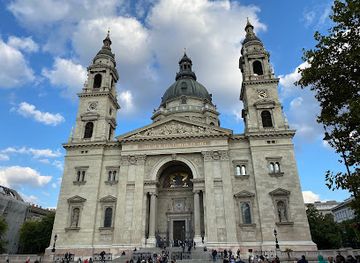
St. Stephen's Basilica
Explore the architectural splendor and spiritual depth of St. Stephen's Basilica, a must-visit landmark in Budapest's vibrant heart.
-
Traditional market
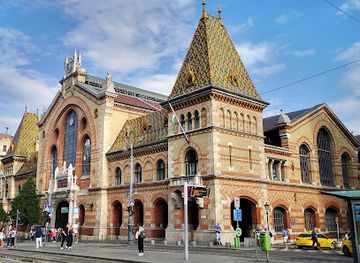
Central Market Hall
Experience the bustling atmosphere and rich flavors at Budapest's Central Market Hall, a must-visit for culinary enthusiasts and culture lovers alike.
Explore Mátra on the map
Plan your trip on one map. See where the top cities, national parks and sights are, and book hotels and experiences in a few clicks.
Best hotels in Mátra
Best restaurants in Mátra
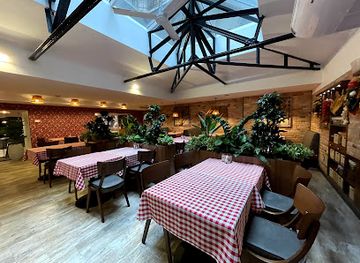
Mátra dining links the vineyards of Mátraalja with the cooking traditions of northern Hungary. In Gyöngyös and the foothill villages, restaurants and wine venues commonly feature soups, stews, roast meats, freshwater fish, seasonal mushrooms and game, with menus changing according to the agricultural calendar. Palóc-influenced food is associated with hearty potato and cabbage dishes, smoked meats, sour cream and distinctive pastries, although recipes differ between communities and family kitchens. Rural inns and guesthouses are useful places to look for home-style cooking, while cafés and bakeries in larger settlements provide simpler options for walkers. The Mátra wine region is particularly associated with white and lighter red wines from vineyards around the southern slopes; local tasting rooms may offer varieties such as Olaszrizling, Leányka and Muscat Ottonel. Farmers' markets and village producers can also provide honey, fruit preserves and seasonal produce. In higher resorts, dining is often geared towards hikers and winter visitors rather than elaborate gastronomy.
-
Restaurant
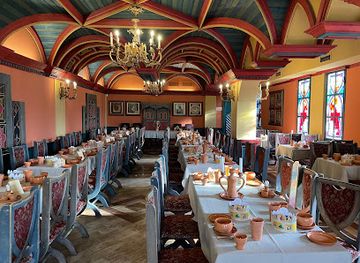
Renaissance Restaurant
Experience authentic Hungarian cuisine at Renaissance Restaurant in Visegrád, where tradition meets taste in a stunning setting.
-
Hungarian
Náncsi Néni
Discover authentic Hungarian cuisine at Náncsi Néni, where traditional flavors meet warm hospitality in Budapest's charming District II.
-
Restaurant
Nagy Fa-Tál Konyhája // Hungarian Hell's Kitchen
Experience authentic Hungarian cuisine at Nagy Fa-Tál Konyhája in Budapest - a culinary adventure awaits you!
-
Restaurant
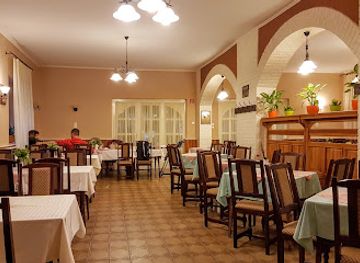
Benevár Étterem
Experience authentic Hungarian cuisine at Benevár Étterem with stunning mountain views and a warm atmosphere perfect for any occasion.
Best bars in Mátra
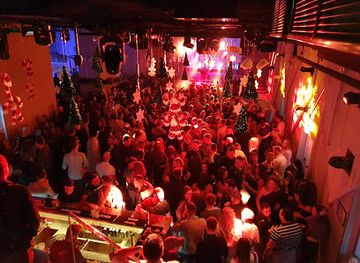
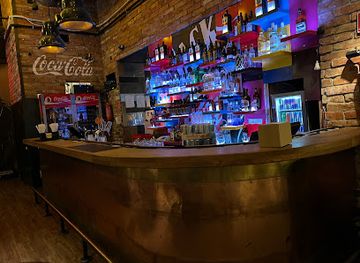
Evening life in the Mátra is modest and centred on traditional pubs, hotel bars, wine cellars and restaurants rather than a concentrated nightclub scene. Gyöngyös offers the broadest choice of cafés, bars and places for an evening meal, while Mátrafüred, Mátraháza, Sástó and the higher resorts tend to quieten after outdoor attractions close. In the foothills, wine tastings and informal cellar settings provide a more characteristic night out than late dancing, and local pálinka may appear alongside beer and regional wines. Some resorts and village venues host occasional music, cultural programmes or seasonal gatherings, but schedules change. Visitors staying in rural accommodation should expect peaceful evenings, limited late transport and an atmosphere shaped by mountain walks, conversation and dining rather than fixed nightlife districts.
-
Bar
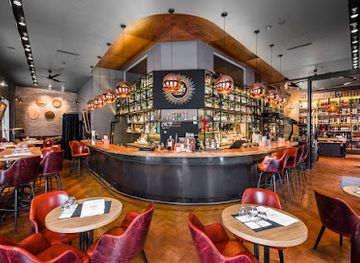
GoodSpirit Whisky & Cocktail Bar
Experience the finest whiskies and handcrafted cocktails at Budapest's premier bar, GoodSpirit Whisky & Cocktail Bar.
-
Restaurant
LIFESTYLE HOTEL Superior MÁTRA
Experience the perfect blend of luxury, nature, and wellness at Lifestyle Hotel Superior MÁTRA in Mátraháza.
-
Restaurant
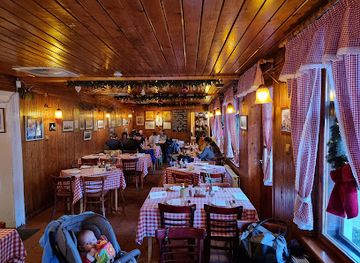
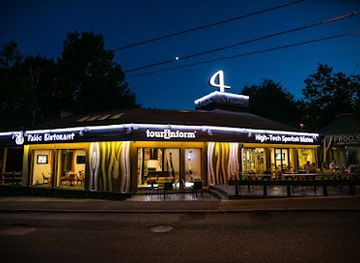
4 Évszak - Palóc Bistorant
Discover the heart of Hungarian cuisine at 4 Évszak - Palóc Bistorant, a delightful restaurant in Mátrafüred offering traditional dishes in a cozy atmosphere.
-
Restaurant
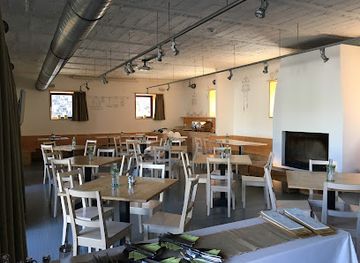
Galyatető Turistacentrum
Discover Galyatető Turistacentrum: A delightful restaurant serving traditional Hungarian cuisine amidst the stunning Mátra mountains.
Best nightclubs in Mátra
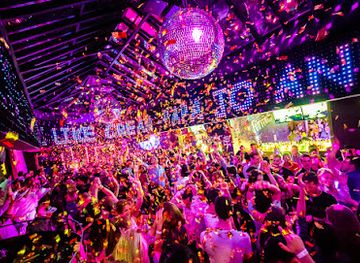
Evening life in the Mátra is modest and centred on traditional pubs, hotel bars, wine cellars and restaurants rather than a concentrated nightclub scene. Gyöngyös offers the broadest choice of cafés, bars and places for an evening meal, while Mátrafüred, Mátraháza, Sástó and the higher resorts tend to quieten after outdoor attractions close. In the foothills, wine tastings and informal cellar settings provide a more characteristic night out than late dancing, and local pálinka may appear alongside beer and regional wines. Some resorts and village venues host occasional music, cultural programmes or seasonal gatherings, but schedules change. Visitors staying in rural accommodation should expect peaceful evenings, limited late transport and an atmosphere shaped by mountain walks, conversation and dining rather than fixed nightlife districts.
-
Night club
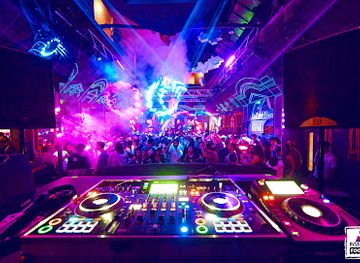
Instant-Fogas Complex
Discover the ultimate nightlife experience at Instant-Fogas Complex in Budapest, where lively bars, disco clubs, and vibrant entertainment await.
-
Night club
Club Heaven Budapest
Discover the vibrant nightlife of Budapest at Club Heaven, where electrifying music and a lively atmosphere await every night.
-
Night club
Ötkert
Experience the vibrant nightlife of Budapest at Ötkert, a premier night club offering exquisite cocktails and an unforgettable atmosphere.
-
Night club
Peaches And Cream Club
Discover the heart of Budapest's nightlife at Peaches And Cream Club, where music, dance, and unforgettable moments collide in a vibrant atmosphere.
Best shops in Mátra
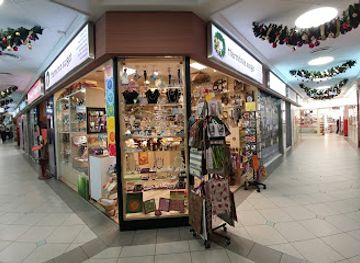
Shopping in the Mátra is concentrated in Gyöngyös and the larger foothill settlements, where visitors find everyday high-street services, bakeries, cafés and shops supplying walkers and rural communities. The most distinctive purchases are regional rather than luxury goods: Mátra wines, honey, preserves, dried fruit, herbs and seasonal produce from the vineyard belt and surrounding farms. Village fairs and occasional local markets are good places to encounter Palóc-inspired textiles, ceramics, woodwork and food products, though dates and locations vary. Around castles, museums and resorts, small visitor shops may carry books, postcards and modest craft souvenirs, but retail choice becomes limited in the higher mountain villages. Wine from the Mátra foothills makes a practical gift, provided it is packed securely for travel, while locally made preserves and honey offer a lighter alternative. Visitors should carry some cash for small producers and market stalls, even where larger businesses accept cards.
-
Shopping mall
Mammut
Discover a shopping haven in Budapest at Mammut, where diverse retail, dining, and entertainment options await every visitor.
-
Amusement park ride
Oxygen Adrenalin Park
Experience the thrills of Oxygen Adrenalin Park, an exciting amusement park in Gyöngyös-Sástó, perfect for all ages and adventure lovers.
-
Internet shop
KütyüBazár
Explore KütyüBazár, a vibrant internet and gift shop offering unique treasures, gaming supplies, and kitchen gadgets for every traveler.
-
Scenic spot
Sástó Lookout Tower
Discover breathtaking views and serene natural beauty at Sástó Lookout Tower, a must-visit scenic spot in Hungary.

Get your free copy of our complete guide to Mátra, delivered straight to you.
Everything on this page, from attractions and restaurants to essentials and local phrases, in one PDF you can read offline, print or share.
Already have an account? Sign in
Your Mátra guide is ready.
We'll send it to · Not you? Sign out

Getting your guide ready…
We are putting together a fresh copy of the Mátra guide. This can take up to a minute.
This can take a few moments. If your browser asks, choose Allow so the download can start. You'll find the guide in your Downloads folder.
Nothing happened? Download it again
Sorry, the guide is taking longer than usual. Please try again in a minute, or get it by email instead.
Mátra essentials
Currency and Payment
Safety
Emergency Situations
Do's and Don'ts
Local Tips
From Eve
Local phrases worth knowing
You don't need to get them perfect. A few words go a long way, and locals appreciate the effort.
Basics
| English | Local | Say it |
|---|---|---|
| Hello | Hello | [həˈloʊ] |
| Goodbye | Goodbye | [ɡʊdˈbaɪ] |
| Yes | Yes | [jɛs] |
| No | No | [noʊ] |
| Please/You're welcome | Please/You're welcome | [pliːz/ jʊr ˈwɛlkəm] |
| Thank you | Thank you | [θæŋk ju] |
| Excuse me/Sorry | Excuse me/Sorry | [ɪkˈskjuːz mi/ˈsɔri] |
| How are you? | How are you? | [haʊ ɑr ju] |
| Fine. And you? | Fine. And you? | [faɪn. ənd ju] |
| Do you speak English? | Do you speak English? | [du ju spiːk ˈɪŋɡlɪʃ] |
| I don't understand | I don't understand | [aɪ doʊnt ˌʌndərˈstænd] |
Eating & Drinking
| English | Local | Say it |
|---|---|---|
| I'd like to see the menu, please | I'd like to see the menu, please | [aɪd laɪk tu si ðə ˈmɛnjuː, pliːz] |
| I don't eat meat | I don't eat meat | [aɪ doʊnt iːt miːt] |
| Cheers! | Cheers! | [tʃɪrz] |
| I would like to pay, please | I would like to pay, please | [aɪ wʊd laɪk tu peɪ, pliːz] |
Emergencies
| English | Local | Say it |
|---|---|---|
| Help! | Help! | [hɛlp] |
| Go away! | Go away! | [ɡoʊ əˈweɪ] |
| Call the Police! | Call the Police! | [kɔl ðə pəˈliːs] |
| Call a doctor! | Call a doctor! | [kɔl ə ˈdɒktər] |
| I'm lost | I'm lost | [aɪm lɔst] |
| I'm ill | I'm ill | [aɪm ɪl] |
Shopping
| English | Local | Say it |
|---|---|---|
| I'd like to buy... | I'd like to buy... | [aɪd laɪk tu baɪ...] |
| I'm just looking | I'm just looking | [aɪm dʒʌst ˈlʊkɪŋ] |
| How much is it? | How much is it? | [haʊ mʌtʃ ɪz ɪt] |
| That's too expensive | That's too expensive | [ðæts tu ɪkˈspɛnsɪv] |
| Can you lower the price? | Can you lower the price? | [kæn ju ˈloʊər ðə praɪs] |
Time & Numbers
| English | Local | Say it |
|---|---|---|
| What time is it? | What time is it? | [wʌt taɪm ɪz ɪt] |
| It's one o'clock | It's one o'clock | [ɪts wʌn əˈklɒk] |
| Half past (10) | Half past (10) | [hæf pæst (10)] |
| Morning | Morning | [ˈmɔrnɪŋ] |
| Afternoon | Afternoon | [ˌæftərˈnuːn] |
| Evening | Evening | [ˈiːvnɪŋ] |
| Yesterday | Yesterday | [ˈjɛstərdeɪ] |
| Today | Today | [təˈdeɪ] |
| Tomorrow | Tomorrow | [təˈmɔroʊ] |
| 1 | 1 | [wʌn] |
| 2 | 2 | [tuː] |
| 3 | 3 | [θriː] |
| 4 | 4 | [fɔːr] |
| 5 | 5 | [faɪv] |
| 6 | 6 | [sɪks] |
| 7 | 7 | [sɛvən] |
| 8 | 8 | [eɪt] |
| 9 | 9 | [naɪn] |
| 10 | 10 | [tɛn] |
Transport & Directions
| English | Local | Say it |
|---|---|---|
| Where's a/the...? | Where's a/the...? | [wɛrz ə/ðə...?] |
| What's the address? | What's the address? | [wʌts ði əˈdrɛs] |
| Can you show me (on the map)? | Can you show me (on the map)? | [kæn ju ʃoʊ mi (ɒn ðə mæp)?] |
| When's the next (bus)? | When's the next (bus)? | [wɛn's ðə nɛkst (bʌs)?] |
| A ticket (to ....) | A ticket (to ....) | [ə ˈtɪkɪt (tu ....)] |
History of Mátra
Volcanic origins and prehistoric settlement
The Mátra is an ancient volcanic mountain system whose resistant rocks and uplifted ridges shaped the region’s present landscape. Human settlement in the wider foothills reaches back to prehistoric times, while later communities used the valleys, woodland and lower slopes for farming, grazing and hunting. Archaeological remains and earthworks in the broader Mátra area reflect successive periods of occupation, although much of the high range remained comparatively sparsely settled because of its steep terrain and forest cover. The mountains’ geology later influenced quarrying, mineral springs and the character of local soils and vineyards.
Medieval castles and royal frontier country
During the Middle Ages, the Mátra’s ridges and valleys formed part of the defended interior of the Hungarian Kingdom. Castles at Sirok and Kisnána, together with other fortified sites in the surrounding foothills, controlled routes linking the northern highlands with the Great Plain. Kisnána developed as a noble estate and ecclesiastical centre, while Sirok’s elevated position made it strategically valuable. Churches, village layouts and fragments of medieval fortifications remain important reminders that the Mátra was not an isolated wilderness but a settled borderland crossed by routes, estates and military interests.
Ottoman wars and the changing borderland
The sixteenth and seventeenth centuries brought repeated conflict as Ottoman power expanded into central Hungary. The castles around the Mátra acquired renewed military importance, and settlements experienced the disruption, taxation and population movement associated with the wars. Sirok Castle was held and contested during this period, while Kisnána and other estates were affected by the instability of the frontier zone. After the Ottoman era, landowners, churches and communities gradually rebuilt the villages and agricultural economy, leaving a layered historical landscape in which medieval, Ottoman-period and later Baroque influences can still be traced.
Forestry, mining and rural industries
From the eighteenth century onwards, the Mátra’s forests became increasingly valuable for timber, charcoal and other resources. Forestry shaped roads, settlements and employment, while mineral springs and local craft production supported the growth of places such as Parádfürdő. Lignite extraction expanded in the southern foothills during the twentieth century, particularly around Visonta, and became linked to the Mátra Power Plant. This industrial landscape contrasts with the protected forests and tourist settlements higher in the range, illustrating the region’s continuing balance between resource use, energy production and recreation.
The rise of mountain tourism
Organised tourism developed in the Mátra during the nineteenth and early twentieth centuries, encouraged by improved roads, rail connections to the foothills, spa culture and growing interest in walking and fresh mountain air. Mátrafüred, Mátraháza and later Kékestető became recognised leisure and health resorts, while lookout towers, marked trails and forest railways broadened access to the uplands. Winter sports also gained a place in the region’s tourism economy. The legacy of this period is visible in resort architecture, mountain hostels, recreational infrastructure and the established tradition of using the Mátra as Hungary’s principal highland escape.
Palóc culture and contemporary regional identity
The northern Mátra and its foothills form part of the wider Palóc cultural area, whose communities are associated with distinctive speech patterns, folk dress, architecture, music and food traditions. Palóc identity is not confined to a single village or a museum display; it developed through the shared history of settlements across northern Hungary. Today, local heritage, village festivals, crafts, rural hospitality and regional cooking help maintain that identity alongside newer economies based on tourism, viticulture, forestry and outdoor recreation.
Mátra in Photos
Browse through our photo collection highlighting the charm and character of the destination.
Neighbouring regions of Mátra
The closest regions to Mátra, if you have time for more than one.
-

-

-

-

-


Swipe for more regions

