

Free Southern Great Plain Travel Guide & Mobile App
Explore Southern Great Plain with free travel guides. Discover regional history, expert tips, proposed trips, and audio guides on web or mobile app.


Explore Southern Great Plain landscapes, Szeged’s architecture, thermal towns, paprika traditions, river wetlands and the open grasslands of Hungary.
Read more about Southern Great Plain
When is the best time to visit Southern Great Plain?
Best: June, August–September · 23–28°C| Month | High (°C) | Rainfall (mm) |
|---|---|---|
| January | 4 | 30 |
| February | 5 | 35 |
| March | 11 | 40 |
| April | 17 | 45 |
| May | 22 | 50 |
| June (best) | 26 | 55 |
| July | 28 | 50 |
| August (best) | 28 | 45 |
| September (best) | 23 | 40 |
| October | 17 | 35 |
| November | 9 | 30 |
| December | 4 | 35 |
Getting to and around Southern Great Plain
How to get there
Transportation
Top city travel guides in Southern Great Plain
The cities of Southern Great Plain, and the easiest places to base yourself.
-

-

-


Swipe for more cities
Destinations in Southern Great Plain
Resorts, valleys and scenic spots worth a trip of their own.
-

-

-


Swipe for more destinations
Best attractions in Southern Great Plain
The Southern Great Plain offers a varied set of attractions across a broad, mostly level landscape. Szeged provides museums, theatres, riverside walks and architecturally important public buildings, while Kecskemét is a centre for Art Nouveau architecture and cultural institutions. Békéscsaba and Gyula combine local history with distinctive food traditions, and Gyula’s castle and thermal facilities make it one of the region’s best-known visitor bases. Ópusztaszer National Heritage Park interprets early Hungarian history, traditional rural life and folk culture. Outdoors, Kiskunság National Park protects sand dunes, alkaline grasslands, marshes and pastoral landscapes, while the Tisza, Körös and Maros river systems offer birdwatching, canoeing, fishing and cycling opportunities. Around Makó, agricultural heritage and onion cultivation remain important themes; Kalocsa is noted for folk art, paprika and ecclesiastical culture. The region also contains village museums, farm attractions, wineries, seasonal festivals and thermal baths, but distances between them can be considerable. Its appeal lies less in a single headline attraction than in the contrast between university-city life, historic market towns, spa culture, river wetlands and the spacious landscapes of the puszta.
-
Fortress
Fisherman's Bastion
Discover the enchanting Fisherman's Bastion, a historic fortress in Budapest offering stunning views, rich history, and beautiful architecture.
-
Zoo
Tropicarium-Oceanarium Kft.
Discover the vibrant world of wildlife and marine life at Budapest's Tropicarium-Oceanarium, where adventure awaits for the whole family.
-
Government office
Hungarian Parliament Building
Explore the grandeur of Budapest's Hungarian Parliament Building, a stunning architectural marvel filled with rich history and breathtaking views along the Danube.
-
Fortress
Citadella
Explore the Citadella in Budapest: A historic fortress offering stunning views, rich heritage, and a beautiful park for relaxation and reflection.


Best landmarks in Southern Great Plain
Szeged’s Votive Church, with its twin towers and patterned brickwork, is the Southern Great Plain’s most recognisable urban landmark and a powerful reminder of the city’s rebuilding after the 1879 flood. The surrounding historic centre contains broad boulevards and civic buildings from the reconstruction era. In Kecskemét, the ornate Cifra Palace and the Town Hall represent the city’s distinguished late nineteenth- and early twentieth-century architecture. Gyula Castle is an unusually well-preserved medieval brick fortress whose walls and towers convey the town’s former frontier role, while its nearby historic streets create a strong architectural ensemble. The Great Church and Slovak cultural heritage of Békéscsaba express another strand of the region’s settlement history. At Ópusztaszer, the landscape and buildings associated with the National Heritage Park are important symbols of Hungarian historical memory. Beyond the towns, the open grasslands of Kiskunság National Park are landmarks in a geographical rather than monumental sense: alkaline plains, sandy ridges and traditional grazing landscapes define the visual identity of the western part of the region. River embankments, floodplain woods and the wide Tisza also provide major natural reference points.
-
Fortress
Fisherman's Bastion
Experience breathtaking views and rich history at Fisherman's Bastion, Budapest's iconic neo-Romanesque architectural gem overlooking the Danube.
-
Plaza
Heroes' Square
Explore Heroes' Square, Budapest's iconic landmark, celebrating the nation's heroes with stunning architecture and rich history in every corner.
-
Traditional market
Central Market Hall
Explore Budapest's Central Market Hall, where local flavors and vibrant culture blend in a historic setting, creating an unforgettable experience in the heart of the city.
-
Bridge
Széchenyi Chain Bridge
Discover the stunning Széchenyi Chain Bridge in Budapest, a masterpiece of engineering and a symbol of the city’s rich history, offering breathtaking views.


Explore Southern Great Plain on the map
Plan your trip on one map. See where the top cities, national parks and sights are, and book hotels and experiences in a few clicks.
Best hotels in Southern Great Plain
Best restaurants in Southern Great Plain
Food in the Southern Great Plain reflects fertile farmland, river fisheries, livestock raising and the long importance of paprika cultivation. Szeged is strongly associated with fish soup, usually prepared with freshwater fish and paprika, while Békéscsaba and the surrounding area are known for paprika-rich sausages and related pork products. Makó’s onions are a celebrated regional ingredient, and fruit, vegetables, honey and preserves appear in markets and seasonal cooking across the plain. Restaurants range from traditional csárdas and family-run eateries to modern kitchens in Szeged and Kecskemét, with cafés and bakeries providing pastries, cakes and excellent coffee. Rural inns may serve hearty soups, stews, grilled meats and dumplings, while larger towns offer broader Hungarian and international menus. Local wines and fruit brandies are available, though individual producers and availability vary. Farmers’ markets are useful for discovering produce, smoked goods and regional specialities, but visitors should distinguish genuinely local products from souvenirs simply labelled with the name of the wider area.
-
Mediterranean
Mazel Tov
Discover the vibrant flavors of Mediterranean cuisine at Mazel Tov, Budapest's unique restaurant oasis surrounded by lush greenery.
-
Restaurant
Sir Lancelot Medieval Restaurant
Immerse yourself in medieval charm at Sir Lancelot Medieval Restaurant in Budapest—where every meal is an adventure filled with Eastern European flavors.
-
Hungarian
Hungarikum Bisztró
Discover the flavors of Hungary at Hungarikum Bisztró – where tradition meets taste in the heart of Budapest.
-
Hungarian
Parisi 6
Experience the vibrant flavors of vegetarian Hungarian cuisine at Parisi 6, Budapest's top destination for health-conscious food lovers.


Best bars in Southern Great Plain
Evening life is concentrated in Szeged, Kecskemét, Békéscsaba and the larger spa towns rather than spread evenly across the countryside. Szeged has the region’s broadest choice, including cafés, wine bars, traditional pubs, student-oriented venues, live music and cultural performances, with activity especially noticeable around the central streets and university areas. Kecskemét and Békéscsaba offer a smaller mix of bars, restaurants and occasional live entertainment, while Gyula’s evening scene is tied to its historic centre, spa visitors and seasonal cultural programming. In rural towns, the traditional pub or village restaurant remains more significant than the nightclub. Thermal resorts may have relaxed evening hospitality but are not generally late-night destinations. Local wines, pálinka and Hungarian beer can be sampled responsibly, and non-alcoholic options are widely available. Opening arrangements and festival programmes change, so visitors should check locally rather than assume that every venue operates throughout the week or outside the summer season.
-
Pub
Szimpla Kert
Explore Szimpla Kert, Budapest's iconic ruin pub, where eclectic decor meets vibrant nightlife and cultural experiences.
-
Bar
360 Bar
Discover breathtaking panoramic views and exquisite cocktails at 360 Bar, Budapest's premier rooftop bar, perfect for an unforgettable evening.
-
Cocktail bar
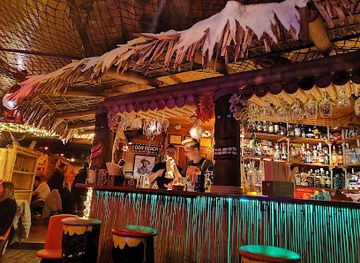
Rumpus Tiki Bar
Discover Rumpus Tiki Bar, Budapest's lively cocktail haven with unique drinks and a vibrant tropical atmosphere.
-
Beer Garden
Ruin Bars Budapest
Explore Budapest's Ruin Bars: A unique fusion of history, art, and nightlife in the heart of the city.



Best nightclubs in Southern Great Plain
Evening life is concentrated in Szeged, Kecskemét, Békéscsaba and the larger spa towns rather than spread evenly across the countryside. Szeged has the region’s broadest choice, including cafés, wine bars, traditional pubs, student-oriented venues, live music and cultural performances, with activity especially noticeable around the central streets and university areas. Kecskemét and Békéscsaba offer a smaller mix of bars, restaurants and occasional live entertainment, while Gyula’s evening scene is tied to its historic centre, spa visitors and seasonal cultural programming. In rural towns, the traditional pub or village restaurant remains more significant than the nightclub. Thermal resorts may have relaxed evening hospitality but are not generally late-night destinations. Local wines, pálinka and Hungarian beer can be sampled responsibly, and non-alcoholic options are widely available. Opening arrangements and festival programmes change, so visitors should check locally rather than assume that every venue operates throughout the week or outside the summer season.
-
Night club
Instant-Fogas Complex
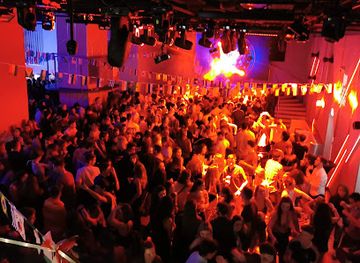
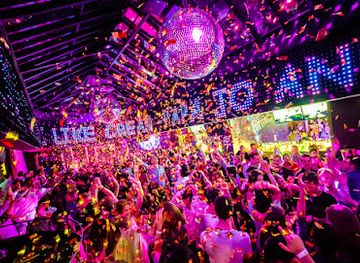
Discover the electric atmosphere of Instant-Fogas Complex, Budapest's premier night club offering an unforgettable nightlife experience.
-
Night club
Club Heaven Budapest
Discover the pulse of Budapest's nightlife at Club Heaven, where music, dance, and energy come together for an unforgettable experience.
-
Night club
Ötkert
Experience the vibrant nightlife of Budapest at Ötkert, a premier night club offering eclectic music, stylish cocktails, and an unforgettable atmosphere.
-
Night club
Peaches And Cream Club
Discover the heartbeat of Budapest's nightlife at Peaches And Cream Club, where every night is a celebration of music and dance.


Best shops in Southern Great Plain
Shopping in the Southern Great Plain is centred on traditional market towns, covered markets, central high streets and independent food shops rather than large luxury districts. Szeged and Kecskemét offer the widest choice of bookshops, clothing shops, cafés, galleries and contemporary retailers, while Békéscsaba, Gyula, Baja, Kalocsa and Makó provide more localised shopping experiences. Farmers’ markets are useful places to look for paprika, onions, honey, preserves, smoked meats, seasonal fruit and regional pastries, although quality and provenance vary between sellers. Kalocsa is particularly associated with brightly coloured folk embroidery and painted decorative motifs, while ceramics, wooden objects, woven goods and locally made crafts can be found in town shops and heritage centres. In spa towns, souvenir shops often feature paprika products, soaps and practical thermal-bathing items. Supermarkets are convenient for packaged gifts, but specialist delis and market stalls offer a better sense of the region’s agricultural identity. Check transport and packaging requirements before buying liquids, pálinka or delicate handmade goods.
-
Shopping mall
Westend
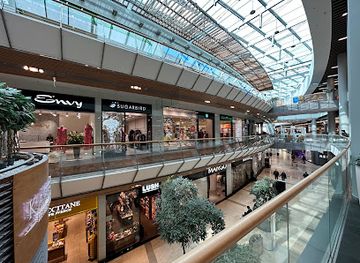
Explore Westend, Budapest's bustling shopping mall with over 400 stores, diverse dining options, and exciting entertainment experiences for all.
-
Shopping mall
Allee Mall
Discover Allee Mall, Budapest's vibrant shopping haven with a variety of stores, delightful dining, and entertainment options for every visitor.
-
Gift shop
Campona
Experience the best of shopping, dining, and entertainment at Campona, Budapest's vibrant hub for tourists and locals alike.
-
Outlet mall
Premier Outlet
Discover unbeatable deals and a vast selection of brands at Premier Outlet, Biatorbágy's ultimate shopping destination for fashion and lifestyle.


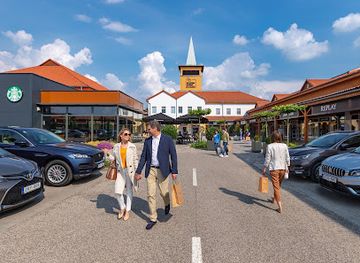
Get your free copy of our complete guide to Southern Great Plain, delivered straight to you.
Everything on this page, from attractions and restaurants to essentials and local phrases, in one PDF you can read offline, print or share.
Already have an account? Sign in
Your Southern Great Plain guide is ready.
We'll send it to · Not you? Sign out

Getting your guide ready…
We are putting together a fresh copy of the Southern Great Plain guide. This can take up to a minute.
This can take a few moments. If your browser asks, choose Allow so the download can start. You'll find the guide in your Downloads folder.
Nothing happened? Download it again
Sorry, the guide is taking longer than usual. Please try again in a minute, or get it by email instead.
Southern Great Plain essentials
Currency and Payment
Safety
Emergency Situations
Do's and Don'ts
Local Tips
From Eve
Local phrases worth knowing
You don't need to get them perfect. A few words go a long way, and locals appreciate the effort.
Basics
| English | Local | Say it |
|---|---|---|
| Hello | Szia | [see-yah] |
| Goodbye | Viszlát | [vees-laht] |
| Yes | Igen | [ee-gen] |
| No | Nem | [nem] |
| Please/You're welcome | Kérem | [kay-rem] |
| Thank you | Köszönöm | [kuh-suh-nuhm] |
| Excuse me/Sorry | Elnézést | [el-nay-zayst] |
| How are you? | Hogy vagy? | [hodj vadj] |
| Fine. And you? | Jól. És te? | [yole. es teh] |
| Do you speak English? | Beszélsz angolul? | [be-sailz ahn-goh-lul] |
| I don't understand | Nem értem | [nem air-tem] |
Eating & Drinking
| English | Local | Say it |
|---|---|---|
| I'd like to see the menu, please | Szeretném megnézni az étlapot, kérem | [se-retnem meg-nayz-nee az ayt-lah-pot, kay-rem] |
| I don't eat meat | Nem eszem húst | [nem es-em hoosht] |
| Cheers! | Egészségedre! | [eh-gay-shay-gay-dreh] |
| I would like to pay, please | Szeretnék fizetni, kérem | [se-retnayk fee-zet-nee, kay-rem] |
Emergencies
| English | Local | Say it |
|---|---|---|
| Help! | Segíts! | [sheh-geets] |
| Go away! | Menj el! | [menj el] |
| Call the Police! | Hívd a rendőrséget! | [heevd ah ren-door-say-ged] |
| Call a doctor! | Hívd az orvost! | [heevd az or-vosh-t] |
| I'm lost | Elvesztem | [el-ves-tem] |
| I'm ill | Beteg vagyok | [beh-teg vah-yok] |
Shopping
| English | Local | Say it |
|---|---|---|
| I'd like to buy... | Szeretnék venni... | [se-retnayk ven-nee] |
| I'm just looking | Csak nézelődök | [chok nay-zay-lo-dok] |
| How much is it? | Mennyibe kerül? | [men-yee-beh keh-rul] |
| That's too expensive | Az túl drága | [az tool drah-gah] |
| Can you lower the price? | Le tudnád csökkenteni az árat? | [leh tood-nahd chuh-kken-tee az ah-raht] |
Time & Numbers
| English | Local | Say it |
|---|---|---|
| What time is it? | Hány óra van? | [hahn-ee oh-rah vahn] |
| It's one o'clock | Egy óra van | [edj oh-rah vahn] |
| Half past (10) | Fél tíz | [fayl tees] |
| Morning | Reggel | [reg-gel] |
| Afternoon | Délután | [day-loo-tahn] |
| Evening | Este | [esh-teh] |
| Yesterday | Tegnap | [teg-nahp] |
| Today | Ma | [mah] |
| Tomorrow | Holnap | [hol-nahp] |
| 1 | Egy | [edj] |
| 2 | Kettő | [ket-tuh] |
| 3 | Három | [hah-rom] |
| 4 | Négy | [nayj] |
| 5 | Öt | [oht] |
| 6 | Hat | [haht] |
| 7 | Hét | [hayt] |
| 8 | Nyolc | [nyolts] |
| 9 | Kilenc | [kee-lents] |
| 10 | Tíz | [tees] |
Transport & Directions
| English | Local | Say it |
|---|---|---|
| Where's a/the...? | Hol van a...? | [hol vahn ah] |
| What's the address? | Mi a cím? | [mee ah teem] |
| Can you show me (on the map)? | Meg tudnád mutatni (a térképen)? | [meg tood-nahd moo-taht-nee (ah tayr-kay-pen)] |
| When's the next (bus)? | Mikor jön a következő (busz)? | [mee-kor yohn ah keh-vet-keh-zoe (booz)?] |
| A ticket (to ....) | Egy jegy (....-ra) | [edj yeh-dj (....-rah)] |
History of Southern Great Plain
Prehistoric Settlements and the River Plain
The Southern Great Plain has supported human settlement since prehistoric times, when communities used the rivers, marshes and fertile soils for fishing, farming and animal husbandry. Archaeological sites across the region reveal changing settlement patterns, burial customs and material cultures long before the formation of the Hungarian state. The landscape was never simply empty steppe: rivers shifted course, wetlands expanded and contracted, and people adapted their economies to a lowland environment that could offer both rich soils and serious flood risks.
Roman Frontier Landscapes
Although the central Southern Great Plain lay beyond the core of the Roman province of Pannonia, Roman influence reached the region through frontier trade, military contacts and settlements near the Danube and Tisza systems. The wider lowland formed part of a frontier zone between the Roman world and peoples living beyond imperial control. Archaeological remains and imported objects indicate connections across the riverine borderlands, while the later importance of the area’s waterways continued a pattern of movement established in antiquity.
The Medieval Hungarian Kingdom
After the Magyar conquest and the establishment of the Hungarian kingdom, the plain became a landscape of villages, ecclesiastical estates, market centres and livestock routes. Monasteries and churches helped organise settlement, while the rivers connected communities with larger regional markets. The heritage park at Ópusztaszer preserves one of the region’s most important historical associations with early Hungarian tradition, although the site’s modern interpretation reflects later national memory as well as medieval history.
Ottoman Rule and Depopulation
The Ottoman conquest of central Hungary in the sixteenth century disrupted settlement across much of the Southern Great Plain. Warfare, taxation and insecurity caused many villages to decline or disappear, while some areas became sparsely populated grazing land. Towns and strongholds such as those at Szeged and Gyula occupied strategic positions in a contested borderland. The period left a lasting mark on settlement patterns, agriculture and the architectural remains that survive in the region.
Resettlement, Agriculture and Market Towns
Following the Ottoman period, Habsburg authorities and landowners encouraged the repopulation and economic reorganisation of the plain. Hungarian, Slovak, Serbian, German and other communities contributed to the region’s distinctive cultural mix. New villages, estates and market towns developed, and livestock raising was increasingly joined by grain cultivation, viticulture, fruit growing and horticulture. The agricultural identities of Békéscsaba, Kalocsa, Makó and the Kiskunság were shaped substantially during these centuries.
Flood Control, Railways and Urban Growth
Nineteenth-century engineering transformed the relationship between the region and its rivers. Flood-control works and river regulation opened land for more dependable agriculture, although they also altered wetlands and floodplain ecosystems. Railways connected Szeged, Kecskemét, Békéscsaba, Gyula and other towns with Budapest and wider European markets. The catastrophic 1879 flood that destroyed much of Szeged led to a planned rebuilding with broad streets, formal squares and substantial public buildings, creating the urban character visible today.
Twentieth-Century Industry and Contemporary Regional Identity
The twentieth century brought collectivised agriculture, food processing, light industry and major changes to rural society. Towns expanded, while traditional crafts and minority cultural practices adapted to modern conditions. Since the political and economic changes of the late twentieth century, tourism has increasingly drawn on thermal water, historic towns, protected landscapes, gastronomy and folk culture. Contemporary regional identity combines agricultural production and riverine landscapes with university life, cross-border connections and renewed interest in local heritage.
Southern Great Plain in Photos
Browse through our photo collection highlighting the charm and character of the destination.
Neighbouring regions of Southern Great Plain
The closest regions to Southern Great Plain, if you have time for more than one.
-

-

-

-

-


Swipe for more regions
Explore more

Explore more of Hungary
Discover Hungary: A land of historic cities, scenic landscapes, thermal baths, and rich culinary traditions in the heart of Europe.
Explore Hungary