

Free Szeged-Csanád Travel Guide & Mobile App
Explore Szeged-Csanád with free travel guides. Discover regional history, expert tips, proposed trips, and audio guides on web or mobile app.


Explore Szeged-Csanád for riverside architecture, paprika-rich cuisine, thermal towns, market-town heritage and the wide southern Hungarian plains.
Read more about Szeged-Csanád
When is the best time to visit Szeged-Csanád?
Best: June, August–September · 22–27°C| Month | High (°C) | Rainfall (mm) |
|---|---|---|
| January | 3 | 30 |
| February | 4 | 30 |
| March | 10 | 35 |
| April | 16 | 45 |
| May | 22 | 55 |
| June (best) | 25 | 60 |
| July | 28 | 55 |
| August (best) | 27 | 55 |
| September (best) | 22 | 45 |
| October | 15 | 40 |
| November | 8 | 40 |
| December | 4 | 35 |
Getting to and around Szeged-Csanád
How to get there
Transportation
Top city travel guides in Szeged-Csanád
The cities of Szeged-Csanád, and the easiest places to base yourself.
-

-


Swipe for more cities
Best attractions in Szeged-Csanád
Szeged-Csanád’s attractions range from an architecturally coherent city centre to river landscapes, thermal complexes and agricultural market towns. In Szeged, the post-flood boulevards, Dóm tér, museums, galleries and riverside promenades provide the principal urban experience, while the University of Szeged contributes a substantial programme of cultural and scientific activity. Ópusztaszer National Heritage Park combines historical interpretation, reconstructed rural buildings, traditional crafts and large-scale presentations of the Hungarian past. Makó offers the Hagymatikum thermal complex and a chance to explore the town’s onion-growing identity, while Mórahalom is another established destination for bathing and wellness. Hódmezővásárhely is notable for ceramics, visual culture and market-town traditions. The Tisza and Maros corridors add a quieter dimension through cycling, fishing, birdwatching and floodplain walks, although paths and access can depend on seasonal water conditions. Csongrád and the surrounding river country are suited to visitors seeking low-key outdoor excursions rather than dense sightseeing. The attraction landscape is therefore varied in scale: concentrated cultural sites in Szeged, interpretive heritage beyond the city, and open lowland environments that reward slower travel.
-
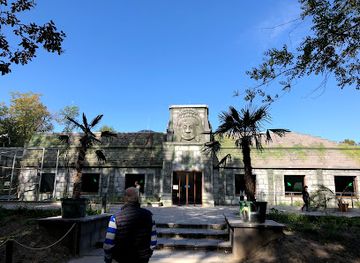
Zoo
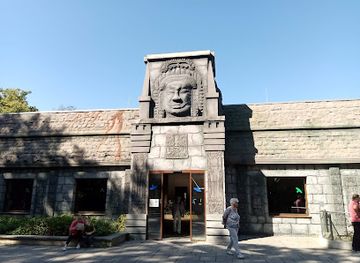
Szeged Zoo
Explore Szeged Zoo, a family-friendly destination showcasing a diverse range of wildlife and dedicated to conservation and education in a beautiful setting.
-
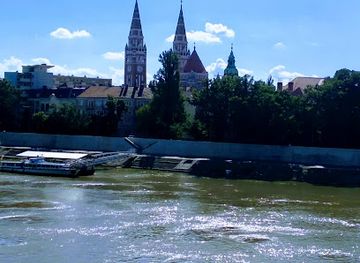
Catholic church
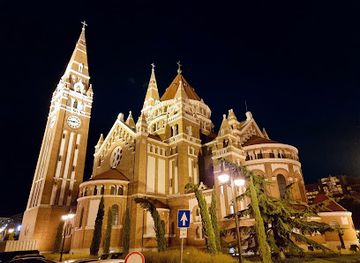
Votive Church of Szeged
Discover the architectural splendor and rich history of the Votive Church of Szeged, a must-visit landmark in Hungary’s picturesque city.
-
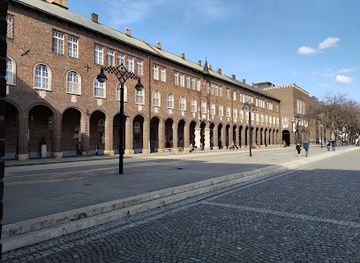
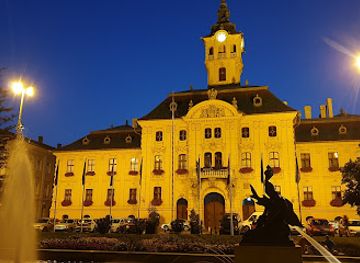
Park
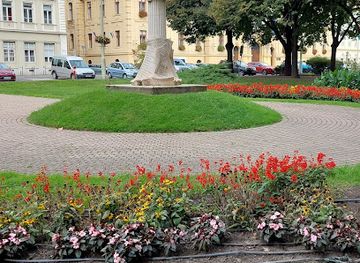
Szechenyi Square
Explore Szechenyi Square, a picturesque park in Szeged, Hungary, where culture, nature, and community come together in a vibrant setting.
-
Aquatic centre
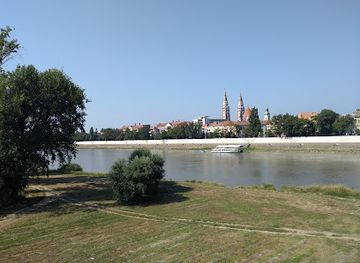
Sunshine Aquapolis Szeged
Discover the ultimate aquatic adventure at Sunshine Aquapolis Szeged, where thrilling slides meet serene spa experiences for a perfect day out.
Best landmarks in Szeged-Csanád
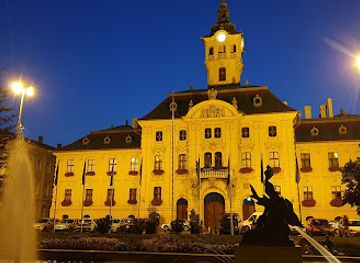
The Votive Church and the surrounding Dóm tér form Szeged’s most recognisable architectural ensemble, built as part of the city’s post-flood renewal and associated with the annual open-air theatrical tradition. The ornate Reök Palace represents the local expression of Hungarian Secession architecture, while Széchenyi tér and the buildings around it convey the scale and ambition of the nineteenth-century rebuilding. The Tisza riverfront is a geographical landmark as well as a civic landscape, linking the city’s history to water management and trade. Outside Szeged, Ópusztaszer’s heritage park is an important place of national historical memory, though much of its visitor presentation is reconstructed and interpretive. Makó’s onion heritage and thermal architecture give the town a distinctive modern identity, while Hódmezővásárhely’s pottery and market-town streets reflect long-established craft and agricultural traditions. The broad Tisza and Maros floodplains are less monumental but equally significant: their levees, channels, wetlands and open horizons explain the region’s settlement history and remain central to its visual character.
-
Zoo
Szeged Zoo
Explore Szeged Zoo: A family-friendly destination showcasing global wildlife, conservation efforts, and interactive learning experiences.
-
Catholic church
Votive Church of Szeged
Discover the Votive Church of Szeged, a breathtaking neo-Romanesque masterpiece and a key cultural landmark in Hungary, offering spiritual serenity and architectural beauty.
-
Park
Szechenyi Square
Explore Szechenyi Square, a charming park in Szeged, where history, culture, and nature converge for an unforgettable experience.
-
Aquatic centre
Sunshine Aquapolis Szeged
Discover the refreshing world of Sunshine Aquapolis Szeged, where aquatic fun meets wellness in Hungary's vibrant city. Perfect for relaxation and adventure.
Explore Szeged-Csanád on the map
Plan your trip on one map. See where the top cities, national parks and sights are, and book hotels and experiences in a few clicks.
Best hotels in Szeged-Csanád
Best restaurants in Szeged-Csanád
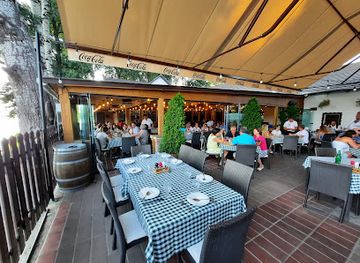
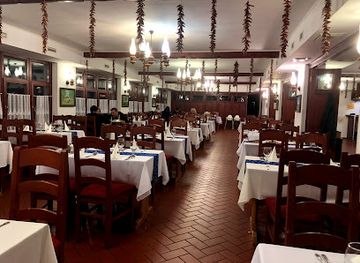
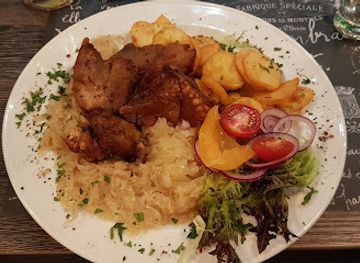
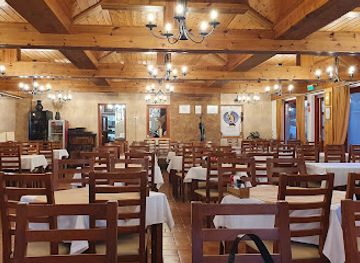
Dining in Szeged-Csanád is closely associated with the produce of the southern Great Plain and with the freshwater rivers that have long influenced local cooking. Szeged-style fish soup, usually served with paprika and freshwater fish, is the county’s best-known regional speciality, while paprika, onions, seasonal vegetables and fruit appear across home-style and restaurant menus. Traditional Hungarian restaurants and rural inns provide dishes such as stews, grilled meats, dumplings and savoury pastries; contemporary kitchens in Szeged reinterpret these ingredients in more modern formats. Makó’s onion association is particularly visible in local food culture, although it is best understood as an agricultural and regional tradition rather than a single dish. Cafés, bakeries and ice-cream shops are important parts of Szeged’s public life, especially around the central squares and university areas. Farmers’ markets and town markets offer useful introductions to peppers, onions, preserves, honey and seasonal produce. In smaller settlements, dining choices can be limited outside the main meal periods, so visitors should plan ahead rather than expect late-night service in every village.
-
Restaurant
Kiskörössy Fish Tavern
Experience the essence of Hungarian cuisine at Kiskörössy Fish Tavern by the Tisza River – where every meal is a celebration of flavor.
-
Restaurant
Fehértói Fish Restaurant and Pension
Savor fresh fish dishes at Fehértói Fish Restaurant and Pension in Szeged - A perfect blend of local flavors and warm hospitality.
-
Hungarian
Régi Híd Vendéglő
Experience authentic Hungarian flavors at Régi Híd Vendéglő in Szeged - where tradition meets culinary excellence.
-
Hungarian
Jobb Mint Otthon Kisvendéglő
Experience authentic Hungarian cuisine at Jobb Mint Otthon Kisvendéglő in Szeged – where tradition meets taste.
Best bars in Szeged-Csanád
Szeged is the county’s main centre for evening life, with cafés, wine bars, traditional pubs, craft-beer venues, restaurants and live cultural programming concentrated around the central streets and university quarter. Students give the city a younger atmosphere during the academic year, while theatres, concert venues and open-air performances broaden the choices beyond drinking. The Tisza-side areas can be sociable in warm weather, though arrangements and individual venues change over time. In Makó, Hódmezővásárhely, Csongrád and Mórahalom, evenings are generally quieter and centre on restaurants, cafés, pubs and occasional cultural events rather than a large club scene. Rural communities are better suited to a relaxed meal or local gathering than to late-night entertainment. Visitors should check current programmes and closing arrangements, particularly outside Szeged, and should arrange transport before staying late in a smaller town.
-
British
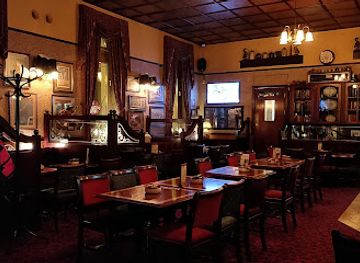
John Bull Pub
Experience authentic British cuisine in Szeged at John Bull Pub, where hearty dishes and a vibrant atmosphere await you.
-
Pub
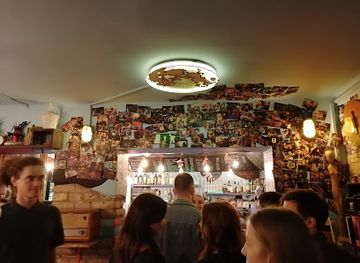
Nyugi Kert
Experience the vibrant and modern atmosphere of Nyugi Kert, a unique pub in Szeged known for its extensive drink selection and welcoming ambiance.
-
Restaurant
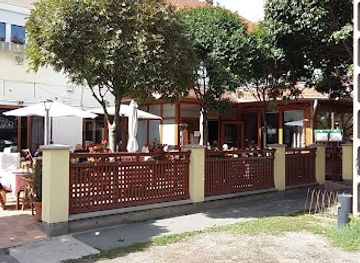
Fasor Vendéglő és Semiramis Kávézó
Discover the best of Hungarian cuisine at Fasor Vendéglő és Semiramis Kávézó in Szeged, where tradition meets taste in a cozy atmosphere.
-
Bar
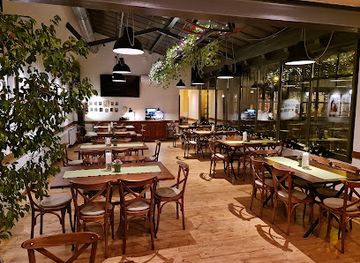
Napfény Műterem
Experience the vibrant ambiance and local flavors at Napfény Műterem, a premier bar in Szeged offering artisanal drinks and a welcoming atmosphere.
Best nightclubs in Szeged-Csanád
Szeged is the county’s main centre for evening life, with cafés, wine bars, traditional pubs, craft-beer venues, restaurants and live cultural programming concentrated around the central streets and university quarter. Students give the city a younger atmosphere during the academic year, while theatres, concert venues and open-air performances broaden the choices beyond drinking. The Tisza-side areas can be sociable in warm weather, though arrangements and individual venues change over time. In Makó, Hódmezővásárhely, Csongrád and Mórahalom, evenings are generally quieter and centre on restaurants, cafés, pubs and occasional cultural events rather than a large club scene. Rural communities are better suited to a relaxed meal or local gathering than to late-night entertainment. Visitors should check current programmes and closing arrangements, particularly outside Szeged, and should arrange transport before staying late in a smaller town.
-
Night club
Hungi Vigadó
Discover the lively nightlife of Szeged at Hungi Vigadó, where unforgettable moments and electrifying music await in a stylish atmosphere.
-
Night club
JATE klub
Discover Szeged's nightlife at JATE Klub, a vibrant venue offering music, drinks, and unforgettable evenings in the heart of the city.
-
Pub
Cool club
Discover the lively Cool Club in Szeged, a vibrant pub offering great drinks, music, and a welcoming atmosphere for all nightlife enthusiasts.
-
Night club
Tisza DOKK
Discover Szeged's nightlife at Tisza DOKK, a lively night club and bar offering unforgettable music and riverside views.



Best shops in Szeged-Csanád
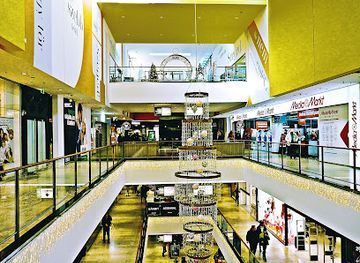
Shopping in Szeged-Csanád combines Szeged’s pedestrian-centre boutiques, bookshops, galleries, cafés and everyday retail with the more practical markets and independent shops of its market towns. Szeged is the best place for a broad choice of regional food products, including paprika, onions, preserves, honey, wines from elsewhere in Hungary and packaged versions of local specialities. Town markets in Makó, Hódmezővásárhely and other larger settlements are useful for seasonal fruit, vegetables and household goods, although opening days and stall numbers vary. Hódmezővásárhely has a particularly strong association with ceramics and folk-art traditions, making locally made pottery more distinctive than generic souvenirs. Independent craft shops and galleries in Szeged may offer ceramics, textiles, prints and contemporary works connected with the wider southern Hungarian cultural scene. Visitors seeking food products should check labelling and packaging requirements before crossing an international border, and those visiting rural markets should carry forints because small stalls may not accept cards.
-
Shopping mall
Árkád Szeged
Experience the ultimate shopping and dining destination at Árkád Szeged, where modern retail meets Hungarian charm.
-
Zoo
Szeged Zoo
Explore the enchanting Szeged Zoo, a top tourist attraction in Hungary, where wildlife and education come together in a beautiful setting.
-
Park
Szechenyi Square
Discover the lush greenery and rich culture of Szeged at Szechenyi Square, a must-visit urban park perfect for relaxation and exploration.
-
Shopping mall
Szeged Plaza
Explore Szeged Plaza, the ultimate shopping and entertainment destination in Szeged, Hungary, featuring a variety of stores, restaurants, and activities.
Get your free copy of our complete guide to Szeged-Csanád, delivered straight to you.
Everything on this page, from attractions and restaurants to essentials and local phrases, in one PDF you can read offline, print or share.
Already have an account? Sign in
Your Szeged-Csanád guide is ready.
We'll send it to · Not you? Sign out

Getting your guide ready…
We are putting together a fresh copy of the Szeged-Csanád guide. This can take up to a minute.
This can take a few moments. If your browser asks, choose Allow so the download can start. You'll find the guide in your Downloads folder.
Nothing happened? Download it again
Sorry, the guide is taking longer than usual. Please try again in a minute, or get it by email instead.
Szeged-Csanád essentials
Currency and Payment
Safety
Emergency Situations
Do's and Don'ts
Local Tips
From Eve
Local phrases worth knowing
You don't need to get them perfect. A few words go a long way, and locals appreciate the effort.
Basics
| English | Local | Say it |
|---|---|---|
| Hello | Helló | [heh-loh] |
| Goodbye | Viszlát | [veez-laht] |
| Yes | Igen | [ee-gehn] |
| No | Nem | [nehm] |
| Please/You're welcome | Kérem | [keh-rem] |
| Thank you | Köszönöm | [kuh-soh-nuhm] |
| Excuse me/Sorry | Elnézést | [el-neh-zehst] |
| How are you? | Hogy vagy? | [hodj vahd?] |
| Fine. And you? | Jól. És te? | [yohl. es teh?] |
| Do you speak English? | Beszélsz angolul? | [beh-sehls ahn-goh-lool?] |
| I don't understand | Nem értem | [nehm air-tehm] |
Eating & Drinking
| English | Local | Say it |
|---|---|---|
| I'd like to see the menu, please | Szeretném megnézni az étlapot, kérem | [seh-reht-neem mehg-nehz-nee ahz eht-lah-poh-t, keh-rem] |
| I don't eat meat | Nem eszem húst | [nehm eh-sehm hoosht] |
| Cheers! | Egészségedre! | [eh-gehs-sheh-gehd-reh] |
| I would like to pay, please | Szeretnék fizetni, kérem | [seh-reht-neek fee-zet-nee, keh-rem] |
Emergencies
| English | Local | Say it |
|---|---|---|
| Help! | Segítség! | [seh-geet-shehg!] |
| Go away! | Menj el! | [men-yel!] |
| Call the Police! | Hívd a rendőrséget! | [heevd ah ren-dor-sheh-get!] |
| Call a doctor! | Hívd az orvost! | [heevd ahz or-vost!] |
| I'm lost | Elvesztem | [el-ves-tem] |
| I'm ill | Beteg vagyok | [beh-tehg vah-yok] |
Shopping
| English | Local | Say it |
|---|---|---|
| I'd like to buy... | Szeretnék venni... | [seh-reht-neek veh-nee...] |
| I'm just looking | Csak nézelődöm | [chahk nay-zeh-loh-dohm] |
| How much is it? | Mennyibe kerül? | [men-nee-beh keh-rul?] |
| That's too expensive | Ez túl drága | [ehz tool drah-gah] |
| Can you lower the price? | Le tudná csökkenteni az árat? | [leh tood-nah choh-kken-teh-nee ahz ah-raht?] |
Time & Numbers
| English | Local | Say it |
|---|---|---|
| What time is it? | Hány óra van? | [hahn-ee oh-rah vahn?] |
| It's one o'clock | Egy óra van | [ehj oh-rah vahn] |
| Half past (10) | Fél (10) | [fehl (10)] |
| Morning | Reggel | [rehg-gel] |
| Afternoon | Délután | [day-loo-tahn] |
| Evening | Este | [esh-teh] |
| Yesterday | Tegnap | [teh-nahp] |
| Today | Ma | [mah] |
| Tomorrow | Holnap | [hol-nahp] |
| 1 | 1 | [eggy] |
| 2 | 2 | [kettő] |
| 3 | 3 | [három] |
| 4 | 4 | [négy] |
| 5 | 5 | [öt] |
| 6 | 6 | [hat] |
| 7 | 7 | [hét] |
| 8 | 8 | [nyolc] |
| 9 | 9 | [kilenc] |
| 10 | 10 | [tíz] |
Transport & Directions
| English | Local | Say it |
|---|---|---|
| Where's a/the...? | Hol van a...? | [hol vahn ah...?] |
| What's the address? | Mi a cím? | [mee ah teem?] |
| Can you show me (on the map)? | Meg tudnád mutatni (a térképen)? | [meg tood-nahd moo-tat-nee (ah tayr-kay-pen)?] |
| When's the next (bus)? | Mikor jön a következő (busz)? | [mee-kor yuhn ah keh-vet-keh-zoe (booz)?] |
| A ticket (to ....) | Egy jegy (....-ra) | [ehj yehd (....-rah)] |
History of Szeged-Csanád
Prehistoric and Early Settlement Landscapes
The Tisza and Maros floodplains have supported human settlement for thousands of years, although their channels and wetlands have changed repeatedly. Archaeological finds from the wider southern Great Plain reveal prehistoric farming communities, later steppe peoples and settlements connected to long-distance movement along the river corridors. The region’s flat geography made agriculture possible but also exposed communities to flooding and shifting watercourses. This enduring relationship between settlement, cultivation and river management remains one of the most important historical facts about Szeged-Csanád.
The Medieval Árpádian Kingdom
After the establishment of the Hungarian kingdom, settlements developed along the Tisza and Maros and around important ecclesiastical and trading centres. Szeged’s position at a river junction helped it grow as a place of commerce, salt distribution and transport, while villages and estates spread across the fertile plain. Ópusztaszer later became associated with the traditional narrative of the early Hungarian conquest, although the site’s modern heritage presentation combines historical interpretation, reconstructed buildings and cultural memory rather than representing an untouched medieval settlement.
Ottoman Rule and the Borderland Centuries
The Ottoman conquest of central Hungary in the sixteenth century brought the southern plain into a militarised border zone. Szeged and surrounding settlements experienced warfare, changing administration and population disruption, while fortified places and river routes gained strategic importance. Following the Habsburg reconquest, settlement patterns were gradually reorganised and agricultural production expanded again. The region’s later mixture of market towns, villages and large farming estates was shaped partly by these periods of depopulation, resettlement and frontier insecurity.
Market Towns, Agriculture and Craft Production
From the eighteenth and nineteenth centuries, communities across the county developed as agricultural and commercial centres. Szeged benefited from river trade and food processing, while Hódmezővásárhely became a major market town with strong livestock, pottery and folk-art traditions. Makó became closely associated with onion cultivation, supported by fertile soils and specialised local knowledge. These economies were not isolated rural practices: fairs, transport routes, milling, craft production and regional trade connected settlements across the southern plain and helped give them distinctive identities.
The Great Flood of 1879 and the Rebuilding of Szeged
In March 1879, catastrophic flooding destroyed or severely damaged most of Szeged after the Tisza broke through its defences. The disaster prompted national and international assistance and led to a comprehensive rebuilding programme. New embankments, broad boulevards, radial streets and substantial public buildings reshaped the city. Much of central Szeged’s architectural character dates from this post-flood reconstruction, making the disaster a turning point rather than simply a local tragedy. The city’s modern plan and monumental centre are its most visible legacy.
Borders after the First World War
The Treaty of Trianon radically altered the southern Hungarian borderland after 1920. Formerly connected economic and cultural areas were divided between states, and Szeged became a frontier city rather than an inland regional centre. The border’s influence remains visible in transport patterns, family and commercial connections, and the strategic importance of the southern approaches. The present county’s position beside Serbia and Romania gives it a distinct borderland perspective within Hungary, while the legacy of the twentieth-century boundary changes continues to shape regional geography.
University, Industry and Modern Regional Culture
Szeged’s modern cultural importance grew with the development of higher education and research, particularly after the University of Kolozsvár was relocated to the city in the aftermath of the First World War. Food processing, paprika production and other agricultural industries also became important parts of the local economy. During the twentieth century, the county combined an expanding university city with agricultural market towns and industrial settlements. Today, festivals, research, theatre, museums and food traditions reflect both this modern urban development and the region’s older rural foundations.
Szeged-Csanád in Photos
Browse through our photo collection highlighting the charm and character of the destination.
Neighbouring regions of Szeged-Csanád
The closest regions to Szeged-Csanád, if you have time for more than one.
-

-

-

-

-


Swipe for more regions
Explore more

Explore more of Hungary
Discover Hungary: A land of historic cities, scenic landscapes, thermal baths, and rich culinary traditions in the heart of Europe.
Explore Hungary