

Kőrös-Maros National Park, Hungary Travel Guide
Discover the natural and cultural wonders of Kőrös-Maros National Park, a haven of biodiversity and traditional heritage in the heart of Hungary.
Kőrös-Maros National Park in Hungary is a stunning natural haven that offers a serene escape into nature. Established in 1997, this park spans over 800 square kilometers and is home to a diverse array of flora and fauna. It is a paradise for bird watchers, with over 200 species of birds recorded, including rare and protected species like the great bustard and the red-footed falcon. The park is divided into several regions, each with its own unique landscapes and ecosystems. The floodplains of the Kőrös and Maros rivers are a highlight, featuring lush meadows, forests, and wetlands. These areas are perfect for hiking and provide an excellent opportunity to observe wildlife in their natural habitat. The park also has several educational trails and lookout towers, making it accessible for visitors of all ages. In addition to its natural beauty, Kőrös-Maros National Park holds significant cultural value. The area is dotted with historical landmarks and traditional Hungarian villages where visitors can experience the rich heritage of the region. Local festivals and events often take place within the park, offering a glimpse into the local culture and traditions. Whether you are an avid nature lover, a bird enthusiast, or someone looking to immerse yourself in the tranquility of the Hungarian countryside, Kőrös-Maros National Park is a destination that should not be missed.

Know before you go
Hi, I'm Eve. Here are a few practical things to know before exploring Kőrös-Maros National Park.
- Visit during spring or autumn for the best bird-watching opportunities.
- Wear comfortable hiking shoes and bring binoculars for wildlife observation.
- Check local schedules for festivals and events to experience the cultural side of the park.
- Explore the educational trails for a deeper understanding of the park's ecosystems.
- Stay in nearby traditional villages for an authentic Hungarian experience.
Explore Kőrös-Maros National Park: Things to Do, Places to Eat, Hotels & More
Handpicked recommendations for top attractions, local dining, accommodations, and more

Top Attractions & Sightseeing in Kőrös-Maros National Park
Top-rated picks
Best Attractions

Cris Valley Visitors Center and Animal Park
Explore the Cris Valley Visitors Center and Animal Park, a perfect blend of wildlife and education in the heart of Szarvas, Hungary.

Körös-Maros National Park
Explore the stunning Körös-Maros National Park, a haven for nature lovers and adventure seekers in the heart of Hungary, rich in biodiversity and scenic beauty.

Sterbetz István Túzokvédelmi Látogatóközpont KMNP
Explore the natural wonders and wildlife conservation efforts at Sterbetz István Tűzokvédelmi Látogatóközpont in the stunning Körös-Maros National Park.

Körös-Maros Nemzeti Park Igazgatóság - Kardoskúti Múzeum
Explore the Körös-Maros National Park Museum for a unique blend of nature, history, and conservation in Hungary's stunning landscapes.

Best landmarks in Kőrös-Maros National Park
Top-rated picks
Best Landmarks

Fisherman's Bastion
Explore Fisherman's Bastion in Budapest, a stunning historical fortress offering breathtaking views of the city and rich cultural heritage.

Széchenyi Chain Bridge
Discover the stunning Széchenyi Chain Bridge in Budapest, a historic landmark connecting Buda and Pest with breathtaking views and rich cultural significance.

Buda Castle
Discover the majestic Buda Castle, a UNESCO World Heritage site in Budapest, where history, culture, and stunning views converge in one iconic landmark.

Cris Valley Visitors Center and Animal Park
Explore the Cris Valley Visitors Center and Animal Park for an unforgettable wildlife experience in Szarvas, Hungary, where nature education meets family fun.

Best restaurants in Kőrös-Maros National Park
Top-rated picks
Best Restaurants

Mazel Tov
Experience the essence of Mediterranean cuisine at Mazel Tov in Budapest—a culinary gem surrounded by lush greenery.

Menza Étterem és Kávéház
Experience the vibrant taste of Hungary at Menza Étterem és Kávéház—where tradition meets modern dining in Budapest's heart.

Twentysix Budapest
Discover the exquisite flavors of Mediterranean cuisine at Twentysix Budapest—a culinary gem in the heart of Hungary's capital.

Sir Lancelot Medieval Restaurant
Dine like royalty at Sir Lancelot Medieval Restaurant in Budapest – where history and flavor meet for an unforgettable experience.

Best bars in Kőrös-Maros National Park
Top-rated picks
Best Bars
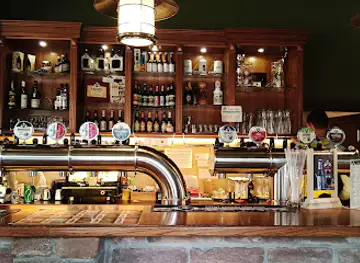
Szent András Sörfőzde
Discover the heart of Hungarian craft beer at Szent András Sörfőzde, where tradition meets taste in a cozy brewpub setting.

360 Bar
Experience breathtaking views and crafted cocktails at Budapest's premier rooftop bar, 360 Bar, the perfect nightlife destination.

Róka és Mackó
Experience the unique flavors of Szarvas at Róka és Mackó, a cozy espresso bar and bakery that delights with every bite.

Westend Söröző
Experience the vibrant atmosphere and local flavors at Westend Söröző, an inviting pub in the heart of Szarvas.

Best nightclubs in Kőrös-Maros National Park
Top-rated picks
Best Nightclubs

Instant-Fogas Complex
Discover Budapest's nightlife at Instant-Fogas Complex, a vibrant nightclub offering fantastic drinks, music, and unforgettable experiences.

Club Heaven Budapest
Dive into the electrifying nightlife at Club Heaven Budapest, where unforgettable nights and vibrant energy await in the heart of the city.

Ötkert
Discover Ötkert, a vibrant night club in Budapest offering an electrifying atmosphere, skilled mixologists, and unforgettable nightlife experiences.

Peaches And Cream Club
Dive into Budapest's nightlife at Peaches And Cream Club, where music, dance, and vibrant energy come together for an unforgettable experience.

Best shops in Kőrös-Maros National Park
Top-rated picks
Best Shops

Shopmark
Experience the best of shopping and dining at Shopmark, Budapest's vibrant retail destination with something for everyone.

Cris Valley Visitors Center and Animal Park
Discover wildlife and nature at the Cris Valley Visitors Center and Animal Park in Szarvas, Hungary, an engaging spot for family fun and education.

Ildikó Cukrászda
Experience the sweet essence of Hungary at Ildikó Cukrászda, where traditional pastries meet delightful flavors in a charming atmosphere.

Körös-Maros National Park
Discover the serene landscapes and rich biodiversity of Körös-Maros National Park, a perfect escape for nature lovers and adventure seekers.

Explore Kőrös-Maros National Park on the Map
A handpicked selection of must-see spots in Kőrös-Maros National Park, mapped for you.
Kőrös-Maros National Park Essentials
-
Kőrös-Maros National Park is located in southeastern Hungary, near the towns of Szarvas, Békéscsaba, and Orosháza. The nearest international airport is Budapest Ferenc Liszt International Airport, approximately 2.5 to 3 hours away by car. From Budapest, you can take a train or a bus to Szarvas or Békéscsaba, followed by a local bus or taxi to the park. The journey by train from Budapest to Békéscsaba takes around 2-2.5 hours. For those driving, the park is accessible via the M5 and M44 highways.
-
Within Kőrös-Maros National Park, the best way to get around is by car, as public transportation options are limited. Renting a car will give you the freedom to explore the park at your own pace. Bicycles can also be rented in nearby towns, offering a more eco-friendly way to navigate the park. Some areas within the park are only accessible by foot, so be prepared for some hiking. Local taxis are available but can be more expensive compared to other transportation options.
-
The official currency in Hungary is the Hungarian Forint (HUF). Credit and debit cards are widely accepted in hotels, larger restaurants, and shops in nearby towns, but it is advisable to carry some cash, especially for smaller establishments and rural areas. ATMs are available in towns like Szarvas and Békéscsaba. Ensure you have enough Forints before venturing into the park, as ATMs and card payment facilities are scarce within the park boundaries.
-
Kőrös-Maros National Park is generally a safe destination for tourists. However, it is always wise to take standard precautions. Avoid leaving valuables unattended and be cautious in less crowded areas. There are no specific high-crime areas targeting tourists within the park or the nearby towns. As with any travel, staying vigilant and aware of your surroundings is always recommended.
-
In case of emergency, dial 112 for immediate assistance. This number is valid for police, ambulance, and fire services. Medical facilities are available in nearby towns such as Békéscsaba and Szarvas. It is highly recommended to have travel insurance that covers medical emergencies. For minor health issues, pharmacies are available in these towns where you can purchase over-the-counter medications.
-
Fashion: Do wear comfortable, weather-appropriate clothing for outdoor activities. Avoid wearing high heels or formal attire. Religion: Do respect local customs, even though the park is largely secular. Public Transport: Do use public transport respectfully; offer your seat to elderly passengers. Don’t eat or drink on public transport. Greetings: Do greet people with a friendly 'Hello' (Szia) or 'Good day' (Jó napot). A handshake is common. Eating & Drinking: Do try local Hungarian dishes and accept food offerings graciously. Don’t refuse hospitality, as it is considered impolite.
-
To experience Kőrös-Maros National Park like a local, visit during the annual Crane Migration in autumn, a spectacular event. Engage with park rangers and locals to learn about the unique flora and fauna. Don't miss the chance to explore the Körös River by canoe or kayak for a different perspective of the park. Make sure to try local culinary specialties such as fish soup (Halászlé) at nearby restaurants. For a unique experience, consider staying in a traditional Hungarian farmhouse (tanya) in the region.
When is the best time to visit Kőrös-Maros National Park?
Useful Local Phrases for Kőrös-Maros National Park
You don't need to speak the language perfectly. Even learning a few simple words can make conversations warmer—and locals usually appreciate the effort.
— Eve

Here are the phrases I use most often in Kőrös-Maros National Park. Try a few—you'll be surprised how far they go! 😊
❤️
-
- HelloSzia
[see-yah] - GoodbyeViszlát
[vees-laht] - YesIgen
[ee-gen] - NoNem
[nem] - Please/You're welcomeKérem
[kay-rem] - Thank youKöszönöm
[kuh-suh-nuhm] - Excuse me/SorryElnézést
[el-nay-zayst] - How are you?Hogy vagy?
[hodj vahd?] - Fine. And you?Jól vagyok. Te?
[yohl vah-yohk. tay?] - Do you speak English?Beszélsz angolul?
[beh-sayls ahn-goh-lool?] - I don't understandNem értem
[nem air-tem]
- HelloSzia
-
- I'd like to see the menu, pleaseSzeretném megnézni az étlapot, kérem
[se-retnaym meg-nayzni az ait-lah-pot, kay-rem] - I don't eat meatNem eszem húst
[nem eh-sem hoosht] - Cheers!Egészségedre!
[eh-gehsh-ay-ged-reh] - I would like to pay, pleaseSzeretném kifizetni, kérem
[se-retnaym kee-fi-zet-nee, kay-rem]
- I'd like to see the menu, pleaseSzeretném megnézni az étlapot, kérem
-
- Help!Segítség!
[seh-geet-sayg!] - Go away!Menj el!
[men-yel!] - Call the Police!Hívd a rendőrséget!
[heevd ah ren-door-shay-get!] - Call a doctor!Hívd az orvost!
[heevd az or-vosht!] - I'm lostElvesztem
[el-ves-tem] - I'm illBeteg vagyok
[beh-teg vah-yok]
- Help!Segítség!
-
- I'd like to buy...Szeretnék venni...
[se-retnayk ven-nee] - I'm just lookingCsak nézelődöm
[chahk nay-zeh-loh-dohm] - How much is it?Mennyibe kerül?
[men-nee-beh keh-rool?] - That's too expensiveEz túl drága
[ez tool drah-gah] - Can you lower the price?Le tudnád csökkenteni az árat?
[leh tood-nahd chuh-kent-eh-nee az ah-rat?]
- I'd like to buy...Szeretnék venni...
-
- What time is it?Hány óra van?
[hahn-y oh-rah vahn?] - It's one o'clockEgy óra van
[edj oh-rah vahn] - Half past (10)Fél (10)
[feh-l (10)] - MorningReggel
[reh-gel] - AfternoonDélután
[day-lu-tahn] - EveningEste
[esh-teh] - YesterdayTegnap
[teh-nahp] - TodayMa
[mah] - TomorrowHolnap
[hol-nahp] - 11
[1] - 22
[2] - 33
[3] - 44
[4] - 55
[5] - 66
[6] - 77
[7] - 88
[8] - 99
[9] - 1010
[10]
- What time is it?Hány óra van?
-
- Where's a/the...?Hol van a...?
[hol vahn ah...?] - What's the address?Mi a cím?
[mee ah teem?] - Can you show me (on the map)?Meg tudnád mutatni (a térképen)?
[meg tood-nahd moo-tat-nee (ah tayr-kay-pen)?] - When's the next (bus)?Mikor jön a következő (busz)?
[mee-kor yohn ah keh-vet-keh-zoh (booz)?] - A ticket (to ....)Egy jegy (valahova)
[edj yehg (vah-lah-hoh-vah)]
- Where's a/the...?Hol van a...?
History of Kőrös-Maros National Park
-
Kőrös-Maros National Park, located in the southeastern part of Hungary, is an expansive area characterized by its unique floodplain ecosystems. The region has been inhabited for thousands of years, with archaeological finds indicating the presence of early human settlements dating back to the Neolithic period. These early communities were attracted to the area due to its abundant natural resources and fertile lands.
-
During the medieval period, the area that is now Kőrös-Maros National Park was part of the Kingdom of Hungary. The rivers Kőrös and Maros served as important transportation and trade routes, facilitating the movement of goods and people. Many medieval ruins and artifacts have been discovered in the park, shedding light on the rich history of the region during this time.
-
From the 16th to the 17th centuries, the region was under Ottoman control. The presence of the Ottomans left a lasting impact on the cultural landscape, including the introduction of new agricultural practices and architectural styles. The park contains remnants of Ottoman fortifications and settlements that provide insight into this transformative period in Hungarian history.
-
In the 18th and 19th centuries, the area became part of the Austro-Hungarian Empire. This period saw significant agricultural development and changes in land use patterns. The establishment of large estates and the introduction of modern farming techniques transformed the landscape. Many of the park's historic buildings and structures date back to this era, reflecting the architectural styles and cultural influences of the time.
-
World War II had a profound impact on the region, with many areas suffering damage and depopulation. The post-war period saw efforts to restore and preserve the natural and cultural heritage of the area. The establishment of Kőrös-Maros National Park in 1997 was a significant milestone in these conservation efforts, aiming to protect the unique ecosystems and historical sites within its boundaries.
-
Today, Kőrös-Maros National Park is recognized for its biodiversity and cultural heritage. Modern conservation efforts focus on maintaining the delicate balance between human activity and natural preservation. The park is home to numerous protected species and habitats, including rare birds and plant communities. Ongoing research and educational programs aim to raise awareness about the importance of preserving this unique region for future generations.
Neighbouring Regions of Kőrös-Maros National Park
The closest regions to Kőrös-Maros National Park, if you have time for more than one.


Your all‑in‑one travel companion app
Explore expert travel guides, compare and book tours, experiences, hotels, and more—all from the palm of your hand. Download now for seamless trip planning wherever your wanderlust takes you.


Explore More of Hungary

Looking beyond Kőrös-Maros National Park? Discover Hungary for broader travel guides, local hot-spots, and regional highlights.
Explore HungaryKőrös-Maros National Park in Photos
Browse through our photo collection highlighting the charm and character of the destination.


The Breathtaking Beauty of Kőrös-Maros National Park
Kőrös-Maros National Park in Hungary is a stunning natural haven that offers a serene escape into nature. Established in 1997, this park spans over 800 square kilometers and is home to a diverse array of flora and fauna. It is a paradise for bird watchers, with over 200 species of birds recorded, including rare and protected species like the great bustard and the red-footed falcon. The park is divided into several regions, each with its own unique landscapes and ecosystems. The floodplains of the Kőrös and Maros rivers are a highlight, featuring lush meadows, forests, and wetlands. These areas are perfect for hiking and provide an excellent opportunity to observe wildlife in their natural habitat. The park also has several educational trails and lookout towers, making it accessible for visitors of all ages. In addition to its natural beauty, Kőrös-Maros National Park holds significant cultural value. The area is dotted with historical landmarks and traditional Hungarian villages where visitors can experience the rich heritage of the region. Local festivals and events often take place within the park, offering a glimpse into the local culture and traditions. Whether you are an avid nature lover, a bird enthusiast, or someone looking to immerse yourself in the tranquility of the Hungarian countryside, Kőrös-Maros National Park is a destination that should not be missed.