

Northern Great Plain, Hungary Travel Guide
Discover the tranquil beauty of Hungary's Northern Great Plain, where vast landscapes, cultural heritage, and traditional cuisine await eager explorers.
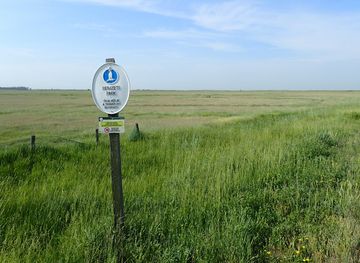
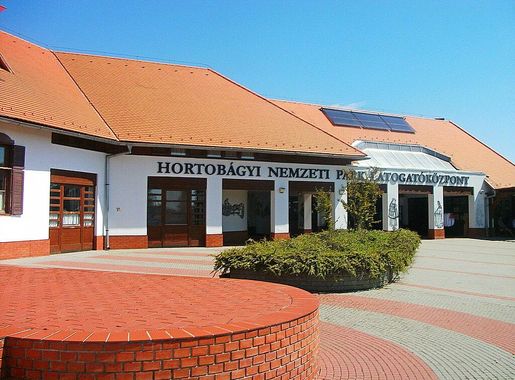
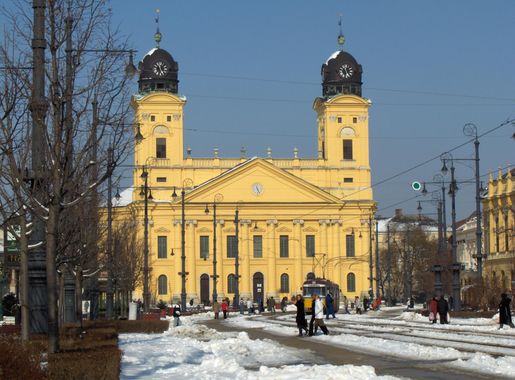
The Northern Great Plain of Hungary is a land of vast horizons and serene landscapes that beckon travelers seeking a blend of natural beauty and cultural heritage. This region is characterized by its sweeping plains, picturesque rivers, and charming towns, making it an ideal destination for those who wish to immerse themselves in the tranquility of rural Hungary. One of the highlights of the Northern Great Plain is the Hortobágy National Park, a UNESCO World Heritage site known for its unique Puszta landscape, rich wildlife, and traditional shepherding culture. Visitors can explore the open plains, spot rare bird species, and experience the local way of life through traditional events and horse shows. The region's towns, such as Debrecen, Hajdúszoboszló, and Nyíregyháza, offer a mix of historical and modern attractions. Debrecen, often referred to as the 'Calvinist Rome,' boasts a wealth of historical architecture, including the Great Reformed Church and the Déri Museum. Hajdúszoboszló is famous for its thermal baths, providing an excellent opportunity for relaxation and wellness. Nyíregyháza, with its charming city center and the popular Sóstó Zoo, is perfect for family outings. In addition to its natural and cultural attractions, the Northern Great Plain is also known for its culinary delights. The region's cuisine features hearty dishes such as goulash and stuffed cabbage, complemented by fine Hungarian wines. Local markets and festivals provide ample opportunities to savor these traditional flavors and engage with the friendly locals.

Know before you go
Hi, I'm Eve. Here are a few practical things to know before exploring Northern Great Plain.
- Visit Hortobágy National Park in the spring or autumn for the best wildlife viewing opportunities.
- Take a guided tour to learn about the traditional shepherding culture and see a horse show.
- Spend a day at the thermal baths in Hajdúszoboszló for a relaxing experience.
- Explore Debrecen's historical sites, especially the Great Reformed Church.
- Try local dishes at traditional restaurants and visit local markets for fresh produce and handmade goods.
- If traveling with family, don't miss the Sóstó Zoo in Nyíregyháza for a fun and educational day out.
Top City Travel Guides in Northern Great Plain
The cities of Northern Great Plain, and the easiest places to base yourself.

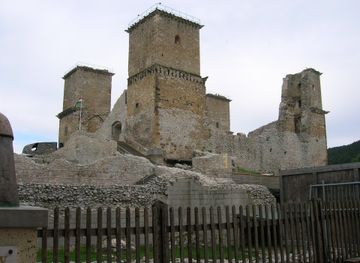


Destinations in Northern Great Plain
Resorts, valleys and scenic spots worth a trip of their own.


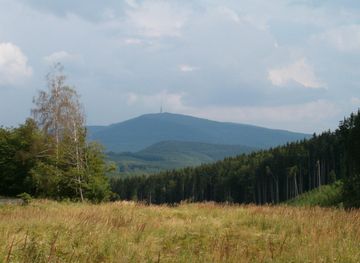
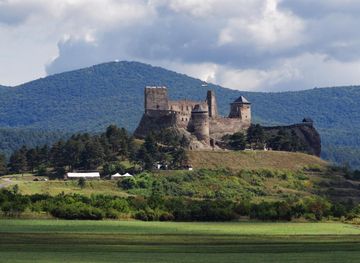
Explore Northern Great Plain: Things to Do, Places to Eat, Hotels & More
Handpicked recommendations for top attractions, local dining, accommodations, and more

Top Attractions & Sightseeing in Northern Great Plain
Top-rated picks
Best Attractions
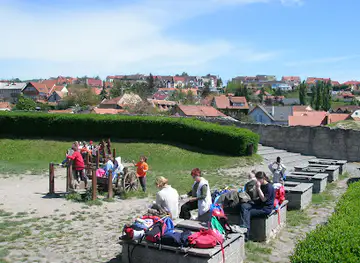
Castle of Eger
Explore the Castle of Eger, a historic landmark and museum offering breathtaking views and rich cultural insights in the heart of Hungary.
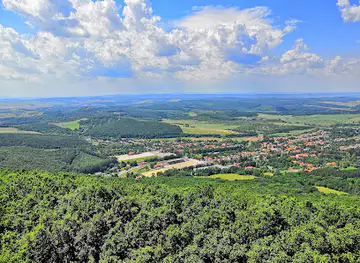
Valley of the Beautiful Woman
Explore the Valley of the Beautiful Woman in Eger, where picturesque landscapes meet remarkable wines and rich cultural traditions.

IKONO Budapest
Experience the fusion of art and technology at IKONO Budapest, where interactive exhibits redefine your museum journey in the heart of Hungary.
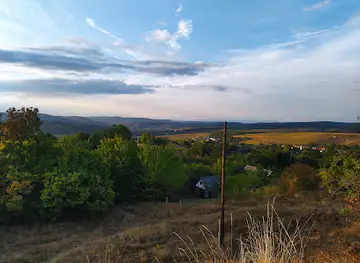
Bükki National Park
Explore the breathtaking wonders of Bükki National Park, Hungary, featuring diverse wildlife, scenic trails, and rich cultural heritage.

Best landmarks in Northern Great Plain
Top-rated picks
Best Landmarks

Fisherman's Bastion
Experience the enchanting Fisherman's Bastion, a historical fortress in Budapest offering breathtaking views and rich cultural heritage.

Heroes' Square
Discover the rich history of Hungary at Heroes' Square, an iconic plaza adorned with monumental statues and surrounded by stunning architecture.

Széchenyi Chain Bridge
Discover the breathtaking Széchenyi Chain Bridge, a historical masterpiece connecting the banks of Budapest, offering stunning views and rich cultural significance.

Buda Castle
Discover the grandeur of Buda Castle, a UNESCO World Heritage Site in Budapest, showcasing stunning architecture, rich history, and breathtaking views.

Best restaurants in Northern Great Plain
Top-rated picks
Best Restaurants

Mazel Tov
Experience the vibrant flavors of Mediterranean cuisine at Mazel Tov, Budapest's premier destination for culinary delight.

Menza Étterem és Kávéház
Discover authentic Hungarian flavors at Menza Étterem és Kávéház in Budapest - where tradition meets modern dining.
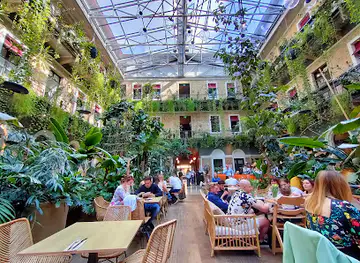
Twentysix Budapest
Discover exquisite Mediterranean flavors at Twentysix Budapest, where lush gardens meet culinary artistry in a charming atmosphere.

Sir Lancelot Medieval Restaurant
Experience medieval dining at Sir Lancelot Restaurant in Budapest - where Eastern European flavors meet captivating entertainment.

Best bars in Northern Great Plain
Top-rated picks
Best Bars
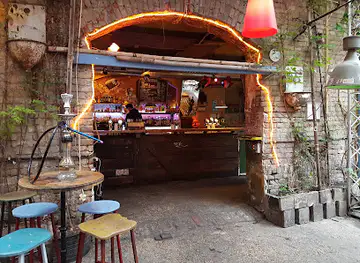
Szimpla Kert
Discover the vibrant atmosphere of Szimpla Kert, Budapest's iconic ruin pub, blending art, culture, and nightlife in a unique setting.

Mazel Tov
Experience the vibrant Mediterranean cuisine at Mazel Tov, Budapest's premier restaurant offering delicious food and a lively atmosphere.

Instant-Fogas Complex
Experience the electrifying nightlife of Budapest at Instant-Fogas Complex, a vibrant night club offering music, drinks, and unforgettable moments.
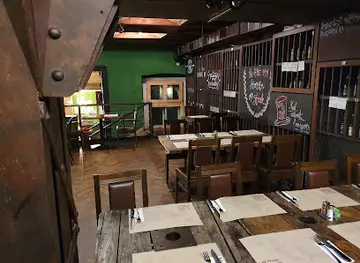
360 Bar
Enjoy stunning panoramic views and delicious cocktails at Budapest's iconic 360 Bar, the ultimate destination for nightlife enthusiasts.

Best nightclubs in Northern Great Plain
Top-rated picks
Best Nightclubs

Instant-Fogas Complex
Discover the vibrant nightlife of Budapest at Instant-Fogas Complex, where eclectic music and delicious drinks create an unforgettable experience.

Ötkert
Experience the vibrant nightlife of Budapest at Ötkert, a stylish nightclub offering eclectic music and a lively atmosphere for unforgettable nights.

Club Heaven Budapest
Dive into Budapest's nightlife at Club Heaven—where music, dance, and vibrant energy create an unforgettable experience.

Peaches And Cream Club
Experience the electrifying nightlife at Peaches And Cream Club, Budapest's premier destination for dancing, music, and unforgettable memories.

Best shops in Northern Great Plain
Top-rated picks
Best Shops

Premier Outlet
Discover unbeatable deals at Premier Outlet, the top shopping destination near Budapest for fashionable bargains and delightful dining.

Printa Design Shop
Discover unique sustainable fashion and art at Printa Design Shop in Budapest – a creative haven for eco-conscious shoppers.

Rododendron Art & Design Shop
Explore Rododendron Art & Design Shop in Budapest for unique art, handcrafted jewelry, and local souvenirs that capture the essence of Hungary.

Ludovika
Discover unique vintage clothing and accessories at Ludovika, a charming boutique in the heart of Budapest's vibrant District VII.

Explore Northern Great Plain on the Map
A handpicked selection of must-see spots in Northern Great Plain, mapped for you.
Northern Great Plain Essentials
-
The Northern Great Plain in Hungary is easily accessible by various means of transportation. The nearest international airport is Debrecen International Airport, which offers flights from numerous European cities. From Budapest, the capital of Hungary, you can take a train or bus to major cities in the Northern Great Plain, such as Debrecen, Nyíregyháza, and Szolnok. The train journey from Budapest to Debrecen typically takes around 2.5 hours. Additionally, the region is well-connected by highways, making it convenient for those traveling by car.
-
Public transportation in the Northern Great Plain is efficient and reliable. Trains and buses connect major cities and towns within the region. In cities like Debrecen, you can use trams and local buses to get around. Taxis are also available, but it's advisable to use registered taxi services or ride-sharing apps. Renting a car is a good option if you plan to explore rural areas and smaller villages at your own pace.
-
The official currency in Hungary is the Hungarian Forint (HUF). Credit and debit cards are widely accepted in cities, hotels, restaurants, and shops. However, it is advisable to carry some cash, especially when traveling to smaller towns and rural areas. ATMs are readily available in cities like Debrecen and Nyíregyháza. Currency exchange offices can be found at airports and in city centers.
-
The Northern Great Plain is generally a safe destination for tourists. However, like any travel destination, it is important to take standard precautions. Avoid walking alone at night in unfamiliar areas and keep an eye on your belongings in crowded places. Major cities like Debrecen and Nyíregyháza have low crime rates, but it's always best to stay vigilant and aware of your surroundings.
-
In case of emergency, dial 112 for immediate assistance. This number connects you to police, fire, and medical services. Most cities and towns in the Northern Great Plain have hospitals or medical clinics. It is recommended to have travel insurance that covers medical emergencies. Pharmacies are available in cities and towns where you can purchase over-the-counter medications for minor health issues.
-
Fashion: Do dress modestly, especially when visiting religious sites. Casual attire is acceptable for most places, but avoid overly revealing clothing. Religion: Do respect local customs and traditions. When visiting churches, it is customary to dress modestly and behave quietly. Public Transport: Do be respectful and give up your seat to elderly passengers. Don't eat or drink on public transport. Greetings: Do greet people with a handshake. A friendly smile and eye contact are appreciated. Eating & Drinking: Do try local delicacies and accept food offerings graciously. Don't be overly critical of local cuisine, as it may be considered impolite.
-
To experience the Northern Great Plain like a local, visit local markets where you can buy fresh produce, traditional Hungarian goods, and handmade crafts. Engage with locals, as they are often friendly and willing to share stories about their history and culture. Don't miss visiting the Hortobágy National Park, which is a UNESCO World Heritage Site and offers a glimpse into traditional Hungarian pastoral life. For a unique experience, attend local festivals and events, such as the Flower Carnival in Debrecen, to immerse yourself in local culture.
When is the best time to visit Northern Great Plain?
Useful Local Phrases for Northern Great Plain
You don't need to speak the language perfectly. Even learning a few simple words can make conversations warmer—and locals usually appreciate the effort.
— Eve

Here are the phrases I use most often in Northern Great Plain. Try a few—you'll be surprised how far they go! 😊
❤️
-
- HelloHelló
[heh-loh] - GoodbyeViszlát
[vees-laht] - YesIgen
[ee-gen] - NoNem
[nem] - Please/You're welcomeKérem
[kay-rehm] - Thank youKöszönöm
[kuh-suh-nuhm] - Excuse me/SorryElnézést
[el-nay-zest] - How are you?Hogy vagy?
[hodj vahd?] - Fine. And you?Jól. És te?
[yohl. es te?] - Do you speak English?Beszélsz angolul?
[beh-sehlz ahn-goh-lool?] - I don't understandNem értem
[nem air-tem]
- HelloHelló
-
- I'd like to see the menu, pleaseSzeretném látni az étlapot.
[seh-reht-nehm laht-nee ahz ayt-lah-poh-t] - I don't eat meatNem eszem húst.
[nem eh-sehm hoosht] - Cheers!Egészségedre!
[eh-gehsh-eh-ged-reh] - I would like to pay, pleaseSzeretném kifizetni, kérem.
[seh-reht-nehm kee-fee-zet-nee, kay-rehm]
- I'd like to see the menu, pleaseSzeretném látni az étlapot.
-
- Help!Segíts!
[seh-geets] - Go away!Menj el!
[men-yel] - Call the Police!Hívd a rendőrséget!
[heevd ah ren-doh-r-say-get] - Call a doctor!Hívd az orvost!
[heevd ahz or-vost] - I'm lostElvesztem.
[el-ves-tem] - I'm illBeteg vagyok.
[beh-tehg vah-dyok]
- Help!Segíts!
-
- I'd like to buy...Szeretnék venni...
[seh-reht-nee-k veh-nee] - I'm just lookingCsak nézelődök.
[chahk nay-zeh-loh-dohk] - How much is it?Mennyibe kerül?
[men-nee-beh keh-rool?] - That's too expensiveEz túl drága.
[ez tool drah-gah] - Can you lower the price?Le tudnád csökkenteni az árat?
[leh tood-nahd chuhk-ken-tay-nee ahz ah-raht?]
- I'd like to buy...Szeretnék venni...
-
- What time is it?Hány óra van?
[hahn-ee oh-rah vahn?] - It's one o'clockEgy óra van.
[ehd-zh oh-rah vahn] - Half past (10)Tíz óra harminc.
[teez oh-rah har-minc] - MorningReggel
[reh-gel] - AfternoonDélután
[day-loo-tahn] - EveningEste
[esh-teh] - YesterdayTegnap
[teh-nahp] - TodayMa
[mah] - TomorrowHolnap
[hohl-nahp] - 11
[egy] - 22
[kettő] - 33
[három] - 44
[négy] - 55
[öt] - 66
[hat] - 77
[hét] - 88
[nyolc] - 99
[kilenc] - 1010
[tíz]
- What time is it?Hány óra van?
-
- Where's a/the...?Hol van a...?
[hohl vahn ah...?] - What's the address?Mi a cím?
[mee ah tseem?] - Can you show me (on the map)?Meg tudnád mutatni (a térképen)?
[meg tood-nahd moo-taht-nee (ah tair-kay-pen)?] - When's the next (bus)?Mikor jön a következő (busz)?
[mee-kor yohn ah keh-vet-keh-zoe (booz)?] - A ticket (to ....)Egy jegy (....-ra).
[ehd-zh yay-gee (....-rah)]
- Where's a/the...?Hol van a...?
History of Northern Great Plain
-
The Northern Great Plain, or 'Észak-Alföld', has been inhabited since ancient times. Archaeological evidence suggests that the area was populated by various tribes and cultures dating back to the Neolithic period. The Tisza River, with its fertile floodplains, provided an ideal environment for early agricultural communities, contributing to the development of complex societal structures.
-
Around the end of the 9th century, the Magyar tribes arrived in the Carpathian Basin, including the Northern Great Plain. Led by Árpád, the Magyars established their presence in the region, which became integral to the formation of the Hungarian state. The vast plains allowed for the continuation of their nomadic lifestyle before transitioning to a more settled agrarian society.
-
During the Middle Ages, the Northern Great Plain saw the rise of towns and the establishment of monasteries and churches. The region prospered as a center of agriculture and trade. However, it also faced significant turmoil, including invasions by the Mongols in 1241-1242, which devastated many settlements. The resilient inhabitants rebuilt their communities, laying the groundwork for future growth.
-
The 16th and 17th centuries brought the Ottoman Empire's influence to the Northern Great Plain. Parts of the region fell under Ottoman control, leading to significant demographic and cultural changes. Many settlements were destroyed, and the population faced hardships, including high taxes and military conscription. Despite these challenges, the local culture and traditions endured, blending with influences from the occupying forces.
-
In the early 18th century, the Northern Great Plain played a crucial role in the Rákóczi War of Independence (1703-1711). Led by Prince Francis II Rákóczi, the Kuruc forces fought against Habsburg rule. The region served as a strategic base for the rebels, and many battles took place on its vast plains. The war's end brought significant political and social changes to the area.
-
The 19th century was a period of significant reform and revolution in Hungary, including the Northern Great Plain. The region was actively involved in the 1848-1849 Hungarian Revolution against Austrian rule. Key figures such as Lajos Kossuth rallied support from the plains' inhabitants. The subsequent Austro-Hungarian Compromise of 1867 brought about modernization and economic development, transforming the region's landscape.
-
The Northern Great Plain experienced profound changes during the 20th century, particularly during the World Wars. The region saw mobilization, battles, and the impact of shifting frontlines. The interwar period was marked by economic challenges and social upheaval. The Treaty of Trianon in 1920, which redrew Hungary's borders, had significant repercussions for the region's demographic and economic landscape.
-
After World War II, the Northern Great Plain underwent extensive reconstruction. The socialist era brought about collectivization of agriculture and industrialization. State farms and cooperatives dominated the landscape, transforming traditional agricultural practices. The region also saw the development of infrastructure, including roads, schools, and healthcare facilities, as part of the broader socialist agenda.
-
Today, the Northern Great Plain is a vibrant region that balances its rich historical heritage with modern development. The area is known for its agricultural productivity, cultural festivals, and natural beauty. Cities like Debrecen, Nyíregyháza, and Szolnok serve as cultural and economic hubs, showcasing a blend of historical architecture and contemporary amenities. The region continues to honor its past while looking towards a dynamic future.
Neighbouring Regions of Northern Great Plain
The closest regions to Northern Great Plain, if you have time for more than one.


Your all‑in‑one travel companion app
Explore expert travel guides, compare and book tours, experiences, hotels, and more—all from the palm of your hand. Download now for seamless trip planning wherever your wanderlust takes you.


Explore More of Hungary

Looking beyond Northern Great Plain? Discover Hungary for broader travel guides, local hot-spots, and regional highlights.
Explore HungaryNorthern Great Plain in Photos
Browse through our photo collection highlighting the charm and character of the destination.





The Enchanting Northern Great Plain of Hungary
The Northern Great Plain of Hungary is a land of vast horizons and serene landscapes that beckon travelers seeking a blend of natural beauty and cultural heritage. This region is characterized by its sweeping plains, picturesque rivers, and charming towns, making it an ideal destination for those who wish to immerse themselves in the tranquility of rural Hungary. One of the highlights of the Northern Great Plain is the Hortobágy National Park, a UNESCO World Heritage site known for its unique Puszta landscape, rich wildlife, and traditional shepherding culture. Visitors can explore the open plains, spot rare bird species, and experience the local way of life through traditional events and horse shows. The region's towns, such as Debrecen, Hajdúszoboszló, and Nyíregyháza, offer a mix of historical and modern attractions. Debrecen, often referred to as the 'Calvinist Rome,' boasts a wealth of historical architecture, including the Great Reformed Church and the Déri Museum. Hajdúszoboszló is famous for its thermal baths, providing an excellent opportunity for relaxation and wellness. Nyíregyháza, with its charming city center and the popular Sóstó Zoo, is perfect for family outings. In addition to its natural and cultural attractions, the Northern Great Plain is also known for its culinary delights. The region's cuisine features hearty dishes such as goulash and stuffed cabbage, complemented by fine Hungarian wines. Local markets and festivals provide ample opportunities to savor these traditional flavors and engage with the friendly locals.