

Matra Mountains, Hungary Travel Guide
Discover Hungary's Matra Mountains: A blend of natural beauty, outdoor adventure, and rich cultural heritage, perfect for hikers, nature lovers, and history buffs.
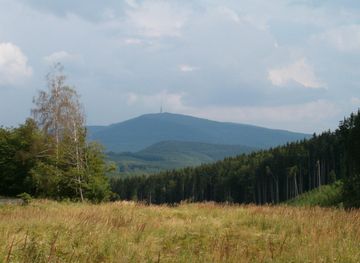
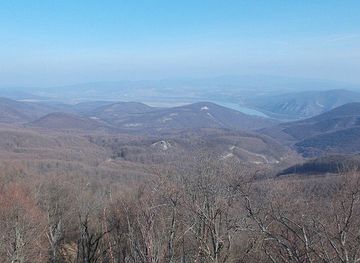
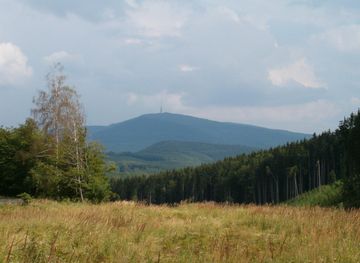
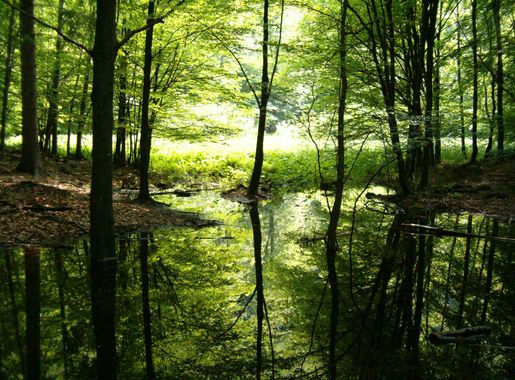
Nestled in northern Hungary, the Matra Mountains offer a captivating escape into nature's embrace. Known for their lush forests, serene lakes, and sweeping vistas, the Matras are a haven for outdoor enthusiasts. The mountains boast Hungary's highest peak, Kékestető, standing proudly at 1,014 meters. This peak offers breathtaking views and is a popular spot for hiking and skiing. The Matra Mountains are rich in biodiversity, home to a variety of flora and fauna that make each trek a journey of discovery. The forests are a mix of oak, beech, and conifer trees, providing a vibrant canopy that changes with the seasons. In spring and summer, the area bursts into a riot of colors with blooming wildflowers, while autumn transforms the landscape into a tapestry of reds, oranges, and yellows. Aside from natural beauty, the region is steeped in history and culture. The quaint villages scattered throughout the Matras, such as Mátrafüred and Mátraháza, offer a glimpse into traditional Hungarian life. Visitors can explore historic castles, taste local wines in cozy cellars, and enjoy authentic Hungarian cuisine in charming eateries. The Matra Mountains are not just a feast for the eyes, but also a cultural and historical treasure trove waiting to be explored.

Know before you go
Hi, I'm Eve. Here are a few practical things to know before exploring Matra Mountains.
- Visit in autumn for stunning foliage and fewer crowds.
- Bring layers; weather can change quickly in the mountains.
- Hike to Kékestető early in the morning to enjoy the sunrise.
- Try local wines, especially in the village of Gyöngyös.
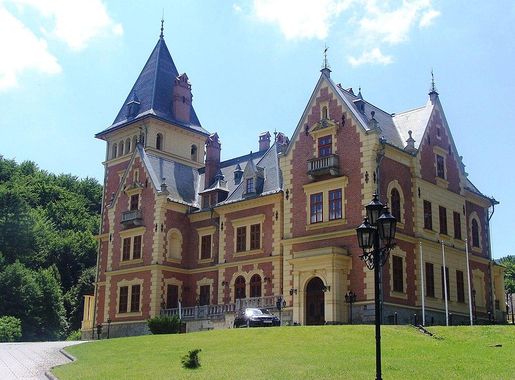
- Explore the historic castles, such as the Sirok Castle ruins.
- Don't miss the Palóc cultural heritage in the village of Hollókő nearby.
Explore Matra Mountains: Things to Do, Places to Eat, Hotels & More
Handpicked recommendations for top attractions, local dining, accommodations, and more

Best attractions in Matra Mountains
Top-rated picks
Best Attractions
Browse the full guide
All Attractions

Oxygen Adrenalin Park
Discover the thrill of adventure at Oxygen Adrenalin Park, a top amusement park in Gyöngyös-Sástó with rides and attractions for all ages.

TV and observation tower
Experience breathtaking views and the beauty of nature at Kékestető TV and Observation Tower, Hungary's highest peak.

Galya-kilátó
Discover the breathtaking views from Galya-kilátó, a scenic lookout in Mátraszentimre, surrounded by the beauty of the Mátra Mountains.

Museum Matra
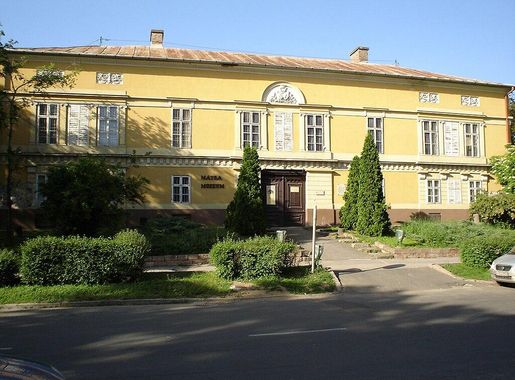
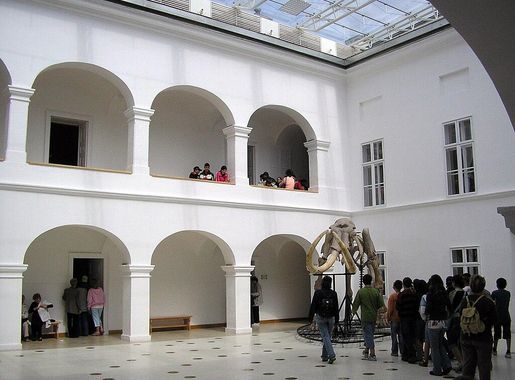
Explore the vibrant history and culture of Hungary at Museum Matra in Gyöngyös, a must-visit destination for tourists.

Best landmarks in Matra Mountains
Top-rated picks
Best Landmarks
Browse the full guide
All Landmarks

Oxygen Adrenalin Park
Unleash your adventurous spirit at Oxygen Adrenalin Park, a thrilling amusement park experience in the heart of Hungary's breathtaking landscapes.

Mátrai Landscape Protection Area
Explore the picturesque landscapes and rich biodiversity of the Mátrai Landscape Protection Area, a national park perfect for adventure and relaxation.

Museum Matra
Explore the captivating history and culture of the Matra region at Museum Matra in Gyöngyös, a must-visit for every traveler.

Ilona Valley Waterfall
Explore the breathtaking Ilona Valley Waterfall near Parád, Hungary, a natural gem perfect for relaxation and outdoor adventures.

Best restaurants in Matra Mountains
Top-rated picks
Best Restaurants
Browse the full guide
All Restaurants
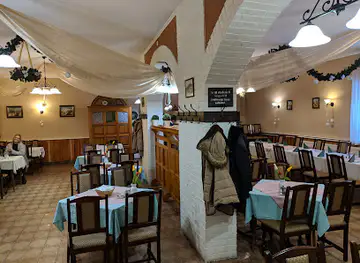
Benevár Étterem
Experience authentic Hungarian cuisine at Benevár Étterem in Gyöngyös - where tradition meets flavor amidst beautiful surroundings.

Feketerigó Étterem Vendégszobákkal
Experience authentic Hungarian cuisine at Feketerigó Étterem Vendégszobákkal in Gyöngyös – where comfort meets culinary delight.

4 Évszak Palóc Bistorant
Experience authentic Hungarian cuisine at 4 Évszak Palóc Bistorant in Mátrafüred - where local flavors meet modern culinary artistry.

Parádi Kisvendéglő
Experience authentic Hungarian cuisine at Parádi Kisvendéglő in Parád – a culinary gem offering local flavors in a charming setting.

Best bars in Matra Mountains
Top-rated picks
Best Bars
Browse the full guide
All Bars

Szimpla Kert
Experience the vibrant nightlife of Budapest at Szimpla Kert, a unique ruin pub blending culture, community, and creativity.

Ruin Bars Budapest
Experience the unique charm of Budapest's Ruin Bars, where history meets modern nightlife in a vibrant, eclectic setting.

Csendes Létterem - Vintage Bar & Café
Discover Csendes Létterem, Budapest's vintage bar and café, a unique blend of charm, delicious drinks, and lively nightlife in the city's heart.

Benevár Étterem
Discover the essence of Hungarian cuisine at Benevár Étterem, where tradition meets flavor in a picturesque setting.

Best nightclubs in Matra Mountains
Top-rated picks
Best Nightclubs
Browse the full guide
All Nightclubs

Blue Box - A Szórakoztató Központ
Discover the electrifying nightlife at Blue Box, Gyöngyös' iconic night club, where unforgettable music and vibrant atmosphere await.

Északi Pont
Experience the vibrant nightlife at Északi Pont in Gyöngyös, where café comfort meets energetic fun in a unique night club setting.

Start Műhely
Discover the lively atmosphere of Start Műhely, a top live music venue in Gyöngyös, offering an unforgettable nightlife experience.

Szörp Terasz
Experience the vibrant nightlife at Szörp Terasz in Gyöngyös, where music, drinks, and local culture blend for an unforgettable evening.

Best shops in Matra Mountains
Top-rated picks
Best Shops
Browse the full guide
All Shops

Agria Park Shopping Center
Discover the perfect blend of shopping, dining, and leisure at Agria Park Shopping Center in Eger, Hungary.

Mátrai Landscape Protection Area
Discover the breathtaking beauty of Mátrai Landscape Protection Area, a national park offering stunning views, diverse wildlife, and outdoor adventures in Hungary.

LIFESTYLE HOTEL Superior MÁTRA
Discover the ultimate retreat at Lifestyle Hotel Superior Mátra, where luxury meets nature in the heart of Hungary's stunning Mátra mountains.
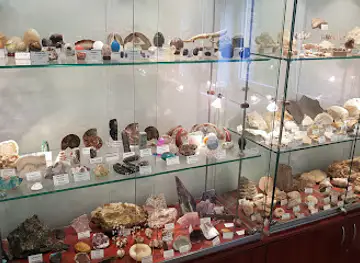
Mátra Ásványház
Discover the stunning mineral collection at Mátra Ásványház, a unique gift shop and museum in the heart of Mátraszentimre.

Explore Matra Mountains on the Map
A handpicked selection of must-see spots in Matra Mountains, mapped for you.
Matra Mountains Essentials
-
The Matra Mountains are located in northern Hungary, approximately 100 kilometers northeast of Budapest. The nearest major city is Gyöngyös, which serves as the gateway to the Matra region. You can reach Gyöngyös by train or bus from Budapest. The train journey takes about 1.5 to 2 hours, while buses are slightly faster. From Gyöngyös, local buses and taxis are available to take you into the mountains and to various attractions within the region.
-
Public transportation within the Matra Mountains includes local buses that connect key towns and tourist spots. However, the most convenient way to explore the area is by car. Car rentals are available in Gyöngyös and Budapest. For those preferring an eco-friendly option, cycling is popular, and there are numerous well-marked biking trails. Additionally, taxis and guided tours offer flexibility and ease for visitors.
-
The official currency in Hungary is the Hungarian Forint (HUF). Credit and debit cards are widely accepted in major hotels, restaurants, and shops. However, smaller establishments, particularly in rural areas, may only accept cash. ATMs are available in Gyöngyös and other larger towns in the Matra region. It is advisable to carry some cash for small purchases and in case of emergencies.
-
The Matra Mountains are generally a safe destination for tourists. Crime rates are low, but it is always wise to exercise common precautions. Avoid leaving valuables unattended and be cautious in crowded areas. There are no specific neighborhoods with high crime rates targeting tourists, but it is always good to stay vigilant, especially during peak tourist seasons.
-
In case of emergency, dial 112 for immediate assistance. This number connects you to police, fire, and medical services. The nearest hospitals are in Gyöngyös, where you can receive medical care. Pharmacies are available in major towns, and many pharmacists speak English. It is recommended to have travel insurance that covers medical emergencies.
-
Fashion: Do wear comfortable, weather-appropriate clothing, especially for hiking and outdoor activities. Avoid overly casual attire in fine dining restaurants. Religion: Do respect local customs. When visiting churches or religious sites, dress modestly and behave respectfully. Public Transport: Do validate your ticket before boarding a train or bus. Don't eat or drink on public transport. Greetings: Do greet people with a handshake or a polite nod. It is customary to say 'Jó napot' (Good day). Eating & Drinking: Do try local dishes and wines; the region is known for its gastronomy. Don't refuse hospitality, as it may be considered rude.
-
To experience the Matra Mountains like a local, visit the local markets and try traditional Hungarian foods such as goulash, chimney cake, and local cheeses. Participate in local festivals and events to immerse yourself in the culture. Engage with the locals; they are often friendly and willing to share the history and stories of the region. Don't miss the chance to visit the historic town of Eger nearby, known for its castle and wine cellars.
When is the best time to visit Matra Mountains?
Useful Local Phrases for Matra Mountains
You don't need to speak the language perfectly. Even learning a few simple words can make conversations warmer—and locals usually appreciate the effort.
— Eve

Here are the phrases I use most often in Matra Mountains. Try a few—you'll be surprised how far they go! 😊
❤️
-
- HelloSzia
[see-ah] - GoodbyeViszontlátásra
[vee-sont-la-tash-ra] - YesIgen
[ee-gen] - NoNem
[nem] - Please/You're welcomeKérem
[kay-rem] - Thank youKöszönöm
[kur-suh-nurm] - Excuse me/SorryElnézést
[el-nay-zay-st] - How are you?Hogy vagy?
[hoj vahdj] - Fine. And you?Jól vagyok. És te?
[yol vahdj-ok. aysh te] - Do you speak English?Beszélsz angolul?
[be-saylz ahn-goh-lool] - I don't understandNem értem
[nem air-tem]
- HelloSzia
-
- I'd like to see the menu, pleaseSzeretnék látni a menüt, kérem
[seh-reht-nayk laht-nee ah meh-noot, kay-rem] - I don't eat meatNem eszem húst
[nem es-em hoost] - Cheers!Egészségedre!
[eg-esh-shay-geh-dreh] - I would like to pay, pleaseSzeretnék fizetni, kérem
[seh-reht-nayk fee-zet-nee, kay-rem]
- I'd like to see the menu, pleaseSzeretnék látni a menüt, kérem
-
- Help!Segítség!
[she-geet-shayg] - Go away!Menj el!
[men-y el] - Call the Police!Hívj rendőrt!
[hee-vey ren-durrt] - Call a doctor!Hívj orvost!
[hee-vey or-vosht] - I'm lostElvesztem
[el-ve-shtem] - I'm illBeteg vagyok
[beh-teg vahdj-ok]
- Help!Segítség!
-
- I'd like to buy...Szeretnék vásárolni...
[seh-reht-nayk vah-shah-rohl-nee] - I'm just lookingCsak nézelődöm
[chahk nay-zeh-loh-dohm] - How much is it?Mennyibe kerül?
[mehn-nyee-beh keh-rool] - That's too expensiveEz túl drága
[ez tool draa-gah] - Can you lower the price?Le tudnád engedni az árat?
[leh too-dnaad eng-ehd-nee ahz ah-raht]
- I'd like to buy...Szeretnék vásárolni...
-
- What time is it?Mennyi az idő?
[mehn-yee ahz ee-d-uh] - It's one o'clockEgy óra van
[ejj oh-rah vahn] - Half past (10)Fél tizenegy
[fayl tee-zen-ayj] - MorningReggel
[reh-gehll] - AfternoonDélután
[dey-loo-tahn] - EveningEste
[eh-shteh] - YesterdayTegnap
[teg-nahp] - TodayMa
[mah] - TomorrowHolnap
[hol-nahp] - 1Egy
[ejj] - 2Kettő
[ket-toe] - 3Három
[haa-rom] - 4Négy
[naydj] - 5Öt
[oht] - 6Hat
[haht] - 7Hét
[hayt] - 8Nyolc
[nyolts] - 9Kilenc
[kee-lents] - 10Tíz
[teeez]
- What time is it?Mennyi az idő?
-
- Where's a/the...?Hol van a...
[hol vahn ah] - What's the address?Mi a cím?
[mee ah cheem] - Can you show me (on the map)?Meg tudnád mutatni (a térképen)?
[mehg too-dnaad moo-taht-nee ah tayr-kay-pen] - When's the next (bus)?Mikor jön a következő (busz)?
[mee-kor yern ah keh-vet-keh-zoh boos] - A ticket (to ....)Egy jegyet (....-ra)
[ejj yej-yet rah]
- Where's a/the...?Hol van a...
History of Matra Mountains
-
The Mátra Mountains have been inhabited since prehistoric times. Archaeological findings suggest that early human settlements existed in the area as far back as the Neolithic period. Tools and artifacts from these early communities have been unearthed, indicating a rich history of human activity and adaptation to the mountainous terrain.
-
During the Roman era, the Mátra Mountains were part of the province of Pannonia. The Romans established several outposts and fortifications in the region to protect their empire's borders. Ruins of these ancient structures can still be found, offering a glimpse into the strategic importance of the Mátra during Roman times.
-
The Middle Ages saw the construction of numerous castles and fortresses in the Mátra Mountains. Notable examples include the castles of Sirok and Kisnána. These medieval strongholds served as both defensive structures and noble residences, playing significant roles in the region's feudal history.
-
The Mátra Mountains were heavily contested during the Ottoman occupation of Hungary in the 16th and 17th centuries. The region witnessed numerous battles and skirmishes between the Ottoman forces and the Hungarian defenders. This period left a lasting impact on the local culture and architecture, with many fortifications being either destroyed or repurposed.
-
The Mátra Mountains have a long history of mining, particularly for precious metals and lignite. The mining activities, which date back to the medieval period, significantly contributed to the economic development of the region. Today, visitors can explore abandoned mines and learn about the mining heritage that shaped the Mátra’s industrial past.
-
The Mátra Mountains played a role in Hungary's revolutionary movements, particularly during the 1848-49 Hungarian Revolution against Habsburg rule. The rugged terrain provided refuge for insurgents and served as a strategic location for organizing resistance. The legacy of these revolutionary activities is commemorated in various monuments and memorials scattered throughout the region.
-
The Mátra region is rich in cultural traditions and hosts numerous festivals throughout the year. One of the most notable is the Mátraalja Festival, which celebrates the local folklore, music, and gastronomy. These festivals provide an immersive experience into the cultural fabric of the Mátra, showcasing its unique heritage and community spirit.
-
In recent decades, significant efforts have been made to preserve the natural beauty and biodiversity of the Mátra Mountains. The establishment of protected areas and national parks has helped conserve the region's flora and fauna. These conservation initiatives ensure that the Mátra remains a pristine and sustainable destination for future generations.
Cities in Matra Mountains
Browse our curated selection of top destinations, scenic points, and must-visit spots in the area.

Neighbouring destination travel guides
Browse our curated selection of top destinations, scenic points, and must-visit spots in the area.



Your all‑in‑one travel companion app
Explore expert travel guides, compare and book tours, experiences, hotels, and more—all from the palm of your hand. Download now for seamless trip planning wherever your wanderlust takes you.


Explore More of Mátra
Looking beyond Matra Mountains? Discover Mátra for broader travel guides, local hot-spots, and regional highlights.
Explore MátraExplore More of Hungary

Looking beyond Matra Mountains? Discover Hungary for broader travel guides, local hot-spots, and regional highlights.
Explore HungaryMatra Mountains in Photos
Browse through our photo collection highlighting the charm and character of the destination.




Majestic Matra Mountains: The Heart of Hungary's Natural Beauty
Nestled in northern Hungary, the Matra Mountains offer a captivating escape into nature's embrace. Known for their lush forests, serene lakes, and sweeping vistas, the Matras are a haven for outdoor enthusiasts. The mountains boast Hungary's highest peak, Kékestető, standing proudly at 1,014 meters. This peak offers breathtaking views and is a popular spot for hiking and skiing. The Matra Mountains are rich in biodiversity, home to a variety of flora and fauna that make each trek a journey of discovery. The forests are a mix of oak, beech, and conifer trees, providing a vibrant canopy that changes with the seasons. In spring and summer, the area bursts into a riot of colors with blooming wildflowers, while autumn transforms the landscape into a tapestry of reds, oranges, and yellows. Aside from natural beauty, the region is steeped in history and culture. The quaint villages scattered throughout the Matras, such as Mátrafüred and Mátraháza, offer a glimpse into traditional Hungarian life. Visitors can explore historic castles, taste local wines in cozy cellars, and enjoy authentic Hungarian cuisine in charming eateries. The Matra Mountains are not just a feast for the eyes, but also a cultural and historical treasure trove waiting to be explored.