

Börzsöny Mountains Travel Guide - Free Web & App
Your ultimate guide to Börzsöny Mountains. Discover top landmarks, proposed trips, and local tips. Free on the web or via the Evendo companion app.


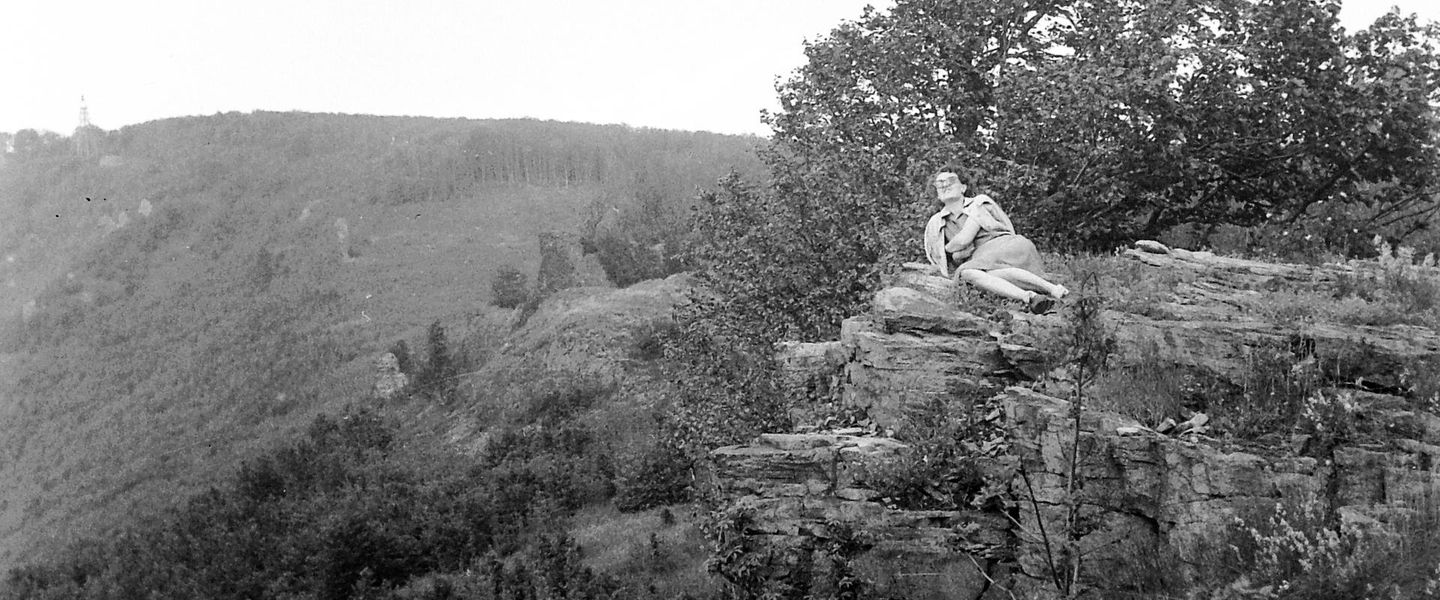


Börzsöny Mountains in Hungary offer volcanic peaks, forest trails, Királyrét railway rides, historic villages and Danube panoramas for active escapes.
Volcanic Landscapes and Forest Trails
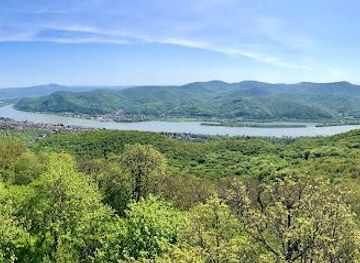
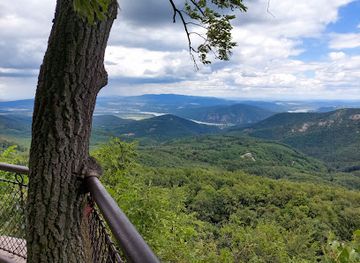
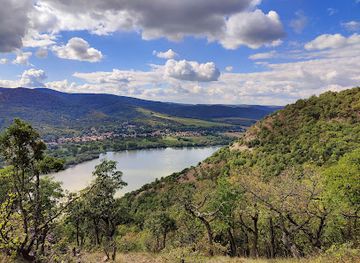
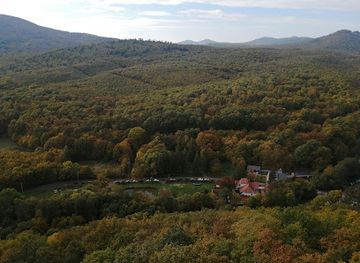
The Börzsöny Mountains rise in northern Hungary between the Danube Bend and the Slovakian border, forming one of the country's most extensive wooded upland areas. Their core lies within the Danube-Ipoly National Park, where beech, oak and mixed mountain forests cover a deeply dissected volcanic landscape. Csóványos, at 938 metres, is the highest summit, while Nagy-Hideg-hegy, the valleys around Királyrét and the ridge paths above Kemence provide the setting for hiking, winter walking and long-distance views. On clear days, higher viewpoints reveal the Danube Bend and distant ranges beyond the forested hills.Read more about Börzsöny Mountains
Villages, Valleys and Narrow-Gauge Railways
Natural Heritage and Local Character
When is the best time to visit Börzsöny Mountains?
Best: May–June, September · 23–29°C| Month | High (°C) | Rainfall (mm) |
|---|---|---|
| January | 1 | 30 |
| February | 3 | 30 |
| March | 9 | 30 |
| April | 16 | 40 |
| May (best) | 23 | 40 |
| June (best) | 29 | 50 |
| July | 32 | 50 |
| August | 31 | 50 |
| September (best) | 26 | 40 |
| October | 18 | 40 |
| November | 11 | 30 |
| December | 5 | 30 |
Getting to and around Börzsöny Mountains
How to get there
Transportation
Best attractions in Börzsöny Mountains
The Börzsöny's principal attraction is its network of forested ridges and valleys, with Csóványos providing the highest summit and one of the defining high points of the massif. Nagy-Hideg-hegy offers another important mountain destination, while Királyrét combines woodland recreation with access by narrow-gauge railway from Kismaros. On the western side, the Kemence Forest Railway reaches into a historic forest valley, and Nagybörzsöny provides a gateway to trails, mining heritage and village architecture. Diósjenő is a useful starting point for routes towards the northern and central hills, while Márianosztra adds religious and cultural interest. Zebegény and the Danube-side approaches bring broader river views and a different landscape character, with the surrounding Danube Bend visible from elevated routes. The attractions are spread across the massif, so visits are best planned around one valley or trail system rather than treated as a compact circuit.
-
Scenic spot
Juliánus Kilátó
Discover breathtaking views and serene landscapes at Juliánus Kilátó, a scenic spot in Nagymaros offering a perfect escape into nature.
-
Tourist attraction
Rezső-kilátó
Experience the stunning vistas of Rezső-kilátó, Hungary's breathtaking observation deck surrounded by natural beauty.
-
Fortress
Castle of Nógrád
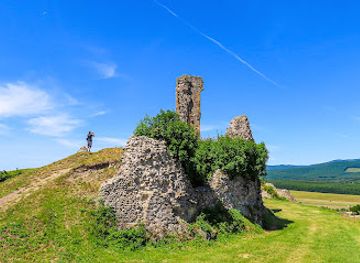
Discover the historical charm of the Castle of Nógrád, Hungary's oldest stone fortress, surrounded by breathtaking landscapes.
-
Tourist attraction
Drégely Castle
Explore Drégely Castle, a historical fortress offering stunning views, rich heritage, and a perfect picnic ground in Hungary's enchanting countryside.
Best landmarks in Börzsöny Mountains
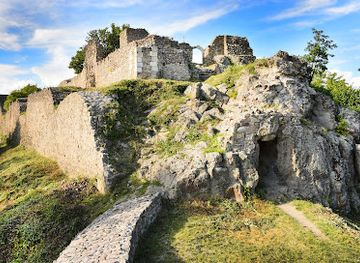
Csóványos, at 938 metres, is the Börzsöny's highest natural landmark and the central reference point for many ridge routes, while Nagy-Hideg-hegy is another prominent summit in the high forest. The volcanic structure of the massif appears in its steep valleys, ridgelines and weathered rock formations, giving the landscape a distinctive physical identity. The Királyrét and Kemence narrow-gauge railways are cultural landmarks as well as practical links into the forest, preserving the memory of forestry and mountain transport. In the villages, the Pauline church and monastery complex at Márianosztra represent the region's religious heritage, while the Church of the Holy Family at Zebegény is a notable architectural feature above the Danube. Nagybörzsöny's mining associations and historic village character add an industrial and rural dimension to the mountain landscape.
-
National park
Duna-Ipoly Nemzeti Park
Explore Duna-Ipoly National Park: A Natural Oasis of Hiking Trails and Diverse Wildlife near Budapest.
-
Railroad company
Királyrét Forest Railway
Discover the breathtaking beauty of Hungary on the historic Királyrét Forest Railway, a scenic adventure through nature's wonders.
-
Railroad company
Nagybörzsöny Forest Railway
Discover the enchanting Nagybörzsöny Forest Railway, a scenic journey through Hungary's breathtaking landscapes and rich natural heritage.
-
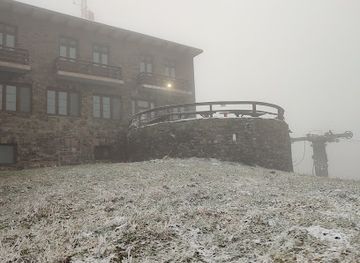
Mountain cabin
Nagy Hideg-hegyi turistaház
Experience the tranquility of Nagy Hideg-hegyi Turistaház, a charming mountain cabin in Hungary perfect for nature lovers and adventurers seeking solace.
Explore Börzsöny Mountains on the map
Plan your trip on one map. See where the top attractions, landmarks, restaurants and hotels are, and book hotels and experiences in a few clicks.
Best hotels in Börzsöny Mountains
Best restaurants in Börzsöny Mountains
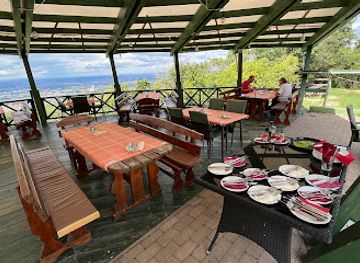
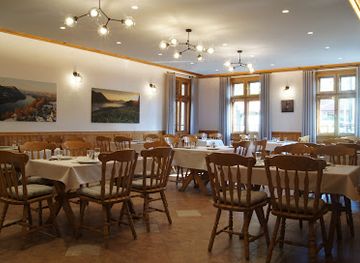
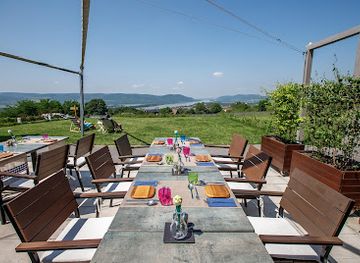
Dining in the Börzsöny is centred on its villages, railway gateways and nearby Danube settlements rather than on the remote mountain interior. Királyrét has visitor-oriented refreshment facilities associated with its recreation area, while Kismaros, Zebegény, Nagybörzsöny, Diósjenő and Szob provide a broader choice of cafés, guesthouse dining and traditional Hungarian cooking. Menus may include familiar regional dishes such as soups, stews, pork and poultry preparations, baked goods and seasonal produce, although individual offerings vary. Local inns and village restaurants are useful places to look for hearty meals after walking, and farm shops or small food producers can supplement provisions for longer routes. In the higher forest, refreshment options are limited, so hikers should not expect a continuous chain of cafés or restaurants between trailheads.
-
Serviced accommodation
Silvanus Hotel
Experience breathtaking views and authentic Hungarian cuisine at Silvanus Hotel in Visegrád – your perfect retreat in nature's embrace.
-
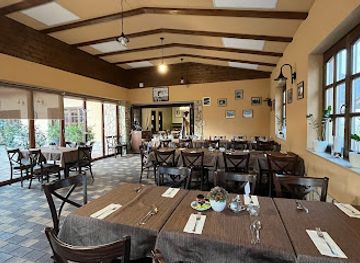
Hungarian
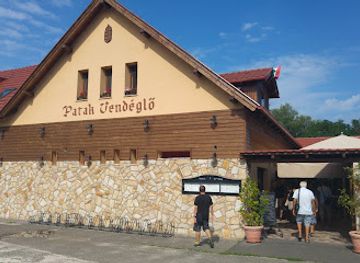
Patak Vendéglő
Discover authentic Hungarian cuisine amidst the scenic beauty of Kismaros at Patak Vendéglő.
-
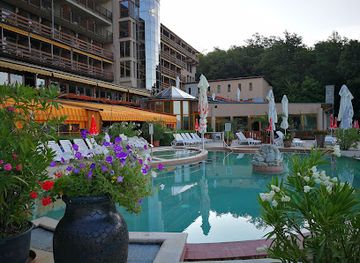
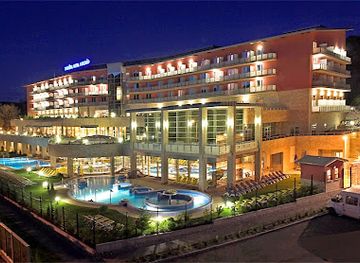
Hotel
Thermal Hotel Visegrad
Discover serenity at Thermal Hotel Visegrad – where luxury meets nature through exceptional spa experiences amidst breathtaking landscapes.
-
Restaurant
Vaskapu Étterem Esztergom
Experience authentic Hungarian flavors at Vaskapu Étterem in Esztergom - where every meal is a celebration of local cuisine.
Best bars in Börzsöny Mountains
The Börzsöny has no concentrated nightlife district and is not a destination for clubs or late-night entertainment. Evening life is generally found in traditional village pubs, restaurants and guesthouses in places such as Kismaros, Zebegény, Nagybörzsöny and Diósjenő, where the atmosphere is informal and closely connected with local community life. Some accommodation areas may provide a quiet drink or seasonal events, but opening arrangements vary and should not be assumed outside the main visitor periods. The Danube-side towns offer a little more evening choice than the mountain valleys, while rural bases are better suited to an early meal, conversation and dark-sky views than to organised nightlife.
-
Hungarian
Patak Vendéglő
Experience the essence of Hungarian cuisine at Patak Vendéglő, a delightful restaurant in Kismaros offering a cozy atmosphere and friendly service.
-
Restaurant
Rácz Fogadó
Discover the charm of Hungarian cuisine and hospitality at Rácz Fogadó in Kisoroszi, where every meal is a celebration of tradition.
-
Restaurant
Natura Hill Vendégház és Étterem
Experience the flavors of Hungary at Natura Hill Vendégház és Étterem, where culinary delights meet stunning natural beauty in Zebegény.
-
Restaurant
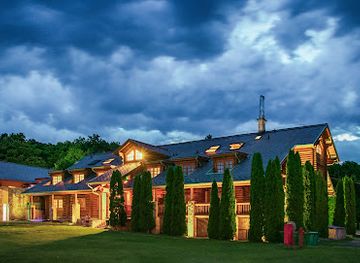
Szent Orbán Erdei Wellness Hotel a Börzsöny szívében
Experience the serenity of the Börzsöny Mountains at Szent Orbán Erdei Wellness Hotel, where relaxation and adventure come together.
Best nightclubs in Börzsöny Mountains
The Börzsöny has no concentrated nightlife district and is not a destination for clubs or late-night entertainment. Evening life is generally found in traditional village pubs, restaurants and guesthouses in places such as Kismaros, Zebegény, Nagybörzsöny and Diósjenő, where the atmosphere is informal and closely connected with local community life. Some accommodation areas may provide a quiet drink or seasonal events, but opening arrangements vary and should not be assumed outside the main visitor periods. The Danube-side towns offer a little more evening choice than the mountain valleys, while rural bases are better suited to an early meal, conversation and dark-sky views than to organised nightlife.
-
Night club
szokolya, St.Hubertus Borozó
Discover the lively nightlife of Szokolya at St.Hubertus Borozó, where music, dance, and local culture come together for an unforgettable experience.
Best shops in Börzsöny Mountains
Shopping in the Börzsöny is modest and practical, with village shops, small food outlets, seasonal producers and craft goods concentrated in gateway settlements rather than along mountain trails. Kismaros, Szob, Zebegény, Diósjenő and Nagybörzsöny are the most useful places to obtain provisions before a walk, while local accommodation providers may offer or recommend regional produce. Visitors may encounter honey, preserves, baked goods, fruit products and other small-scale agricultural specialities, although availability is seasonal and not guaranteed. Handmade objects, artwork and locally inspired souvenirs are more likely to appear through individual workshops, village events or galleries than in a permanent shopping quarter. Outdoor equipment and substantial retail choice are better sought in larger towns outside the immediate mountain area.
-
Restaurant
Natura Hill Vendégház és Étterem
Discover the perfect culinary escape at Natura Hill Vendégház és Étterem in Zebegény, where delicious meals meet stunning landscapes.
-
Mountain range
Börzsöny
Explore the Börzsöny Mountain Range: A Nature Lover's Paradise in Northern Hungary with Stunning Views and Adventurous Trails.
-
Sporting goods store
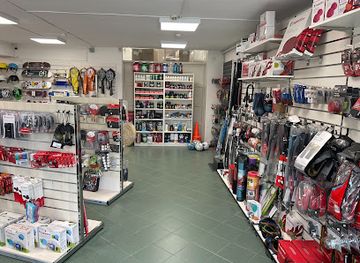
inSPORTline Hungary
Explore the best of sporting goods at inSPORTline Hungary, your ultimate destination for fitness and outdoor adventures in Esztergom.
-
Volunteer organization
Börzsöny Speciális Mentők (Börzsönyi Hegyimentő Szolgálat)
Explore the breathtaking Börzsöny Mountains while learning about the vital work of mountain rescue volunteers at Börzsöny Speciális Mentők.

Get your free copy of our complete guide to Börzsöny Mountains, delivered straight to you.
Everything on this page, from attractions and restaurants to essentials and local phrases, in one PDF you can read offline, print or share.
Already have an account? Sign in
Your Börzsöny Mountains guide is ready.
We'll send it to · Not you? Sign out

Getting your guide ready…
We are putting together a fresh copy of the Börzsöny Mountains guide. This can take up to a minute.
This can take a few moments. If your browser asks, choose Allow so the download can start. You'll find the guide in your Downloads folder.
Nothing happened? Download it again
Sorry, the guide is taking longer than usual. Please try again in a minute, or get it by email instead.
Börzsöny Mountains essentials
Currency and Payment
Safety
Emergency Situations
Do's and Don'ts
Local Tips
From Eve
Local phrases worth knowing
You don't need to get them perfect. A few words go a long way, and locals appreciate the effort.
Basics
| English | Local | Say it |
|---|---|---|
| Hello | Szia | [see-ah] |
| Goodbye | Viszlát | [vee-slaat] |
| Yes | Igen | [ee-gen] |
| No | Nem | [nem] |
| Please/You're welcome | Kérem | [keh-rem] |
| Thank you | Köszönöm | [kur-suh-nurm] |
| Excuse me/Sorry | Elnézést | [el-nay-zayst] |
| How are you? | Hogy vagy? | [hohd-gee vahdj] |
| Fine. And you? | Jól vagyok. És te? | [yol vahdj-ok. ays teh] |
| Do you speak English? | Beszélsz angolul? | [bes-alesz ahn-goh-lool] |
| I don't understand | Nem értem | [nem ayr-tem] |
Eating & Drinking
| English | Local | Say it |
|---|---|---|
| I'd like to see the menu, please | Szeretnék látni a menüt, kérem | [seh-reht-nayk laht-nee ah meh-nooht, keh-rem] |
| I don't eat meat | Nem eszem húst | [nem es-em hoost] |
| Cheers! | Egészségedre! | [egg-ay-sayg-eh-dreh] |
| I would like to pay, please | Fizetnék, kérem | [fee-zet-nayk, keh-rem] |
Emergencies
| English | Local | Say it |
|---|---|---|
| Help! | Segítség! | [sheh-geet-sayg] |
| Go away! | Menj el! | [men yel] |
| Call the Police! | Hívd a rendőrséget! | [heevd ah rehn-dur-say-get] |
| Call a doctor! | Hívd az orvost! | [heevd ahz or-vosht] |
| I'm lost | Elvesztem | [el-veh-stem] |
| I'm ill | Beteg vagyok | [beh-tehg vahdj-ok] |
Shopping
| English | Local | Say it |
|---|---|---|
| I'd like to buy... | Szeretnék vásárolni... | [seh-reht-nayk vah-shah-rohl-nee] |
| I'm just looking | Csak nézelődöm | [chahk nay-zeh-loh-dohm] |
| How much is it? | Mennyibe kerül? | [men-yee-beh keh-rool] |
| That's too expensive | Túl drága | [tool draa-gah] |
| Can you lower the price? | Le tudnád engedni az árat? | [leh too-dnaad ehn-ged-nee ahz ah-raht] |
Time & Numbers
| English | Local | Say it |
|---|---|---|
| What time is it? | Mennyi az idő? | [men-yee ahz ee-doh] |
| It's one o'clock | Egy óra van | [edj oh-rah vahn] |
| Half past (10) | Fél tizenegy | [fayl tee-zen-edge] |
| Morning | Reggel | [rehg-gehl] |
| Afternoon | Délután | [day-loo-tahn] |
| Evening | Este | [ehs-teh] |
| Yesterday | Tegnap | [tehg-nahp] |
| Today | Ma | [mah] |
| Tomorrow | Holnap | [hohl-nahp] |
| 1 | Egy | [edj] |
| 2 | Kettő | [ket-toh] |
| 3 | Három | [hah-rom] |
| 4 | Négy | [nayj] |
| 5 | Öt | [oht] |
| 6 | Hat | [haht] |
| 7 | Hét | [hayt] |
| 8 | Nyolc | [nyolts] |
| 9 | Kilenc | [kee-lents] |
| 10 | Tíz | [tehz] |
Transport & Directions
| English | Local | Say it |
|---|---|---|
| Where's a/the...? | Hol van a/az...? | [hohl vahn ah/ahz] |
| What's the address? | Mi a cím? | [mee ah cheem] |
| Can you show me (on the map)? | Megmutatnád (a térképen)? | [mehg-moo-taht-naad ah tayr-kay-pen] |
| When's the next (bus)? | Mikor jön a következő (busz)? | [mee-kor yuhn ah ku-veht-keh-zoh bus] |
| A ticket (to ....) | Egy jegy (....-ra/ -re) | [edj yedj (rah/ reh)] |
History of Börzsöny Mountains
A Volcanic Mountain Foundation
The Börzsöny is a volcanic mountain massif whose main form was created by ancient volcanic activity and subsequent erosion. Its ridges, steep valleys and scattered rock outcrops reflect the structure of a long-eroded volcanic complex rather than a simple folded mountain chain. Geological features are especially important to understanding why the area has such sharply divided valleys and elevated forested summits. The modern landscape has also been shaped by weathering, streams, forestry and centuries of human movement through the mountains.
Early Settlement and Medieval Villages
People have used the Börzsöny and its surrounding foothills since prehistoric times, although the surviving historical character of the area is found most clearly in its medieval and early modern settlements. Villages such as Nagybörzsöny, Márianosztra and Zebegény developed in valleys and along routes connecting the Danube with the interior. Agriculture, woodland resources and local mineral deposits supported these communities, while religious institutions and estate ownership influenced the pattern of settlement. Churches, village layouts and surviving historic buildings preserve parts of this long rural history.
Mining, Forestry and Mountain Work
Mining and metalworking formed an important part of the Börzsöny's economic past, particularly around Nagybörzsöny, where gold and other ores were extracted over different historical periods. The mountains also supplied timber, fuel and other forest products, and forestry remains an important influence on the landscape. Narrow valleys and difficult terrain limited large-scale industry, but they encouraged distinctive forms of local transport and small-scale mountain enterprise. Reminders of this working history survive in mining heritage, forest roads, settlements and railway lines built to move people and materials.
Religious and Cultural Heritage
Márianosztra became associated with the Pauline order and is known for the Church of Our Lady of the Hungarians, a major religious landmark in the Börzsöny foothills. The settlement's ecclesiastical history forms part of a wider cultural landscape in which village churches, roadside crosses and pilgrimage traditions are closely connected with the surrounding forests. Zebegény, on the Danube side, developed a different identity through river transport, tourism and its striking church architecture. Together, these places show how religious, agricultural and river-based communities shaped the mountain region.
Railways, Tourism and Conservation
The Börzsöny's narrow-gauge railways were developed for forestry, mining and local transport before becoming important heritage and visitor services. The lines at Királyrét and Kemence now provide distinctive ways to enter the mountain valleys, though their operation is subject to current arrangements. In the twentieth century, hiking, forestry education and nature protection grew in importance as the area's forests became valued for recreation as well as production. The establishment of Danube-Ipoly National Park placed much of the Börzsöny within a framework balancing habitat protection, traditional land use and responsible public access.
Börzsöny Mountains in Photos
Browse through our photo collection highlighting the charm and character of the destination.
Cities in Börzsöny Mountains
The towns and cities of Börzsöny Mountains, and the easiest places to base yourself.

Swipe for more cities
Neighbouring destination travel guides
The closest destinations to Börzsöny Mountains, if you have time for more than one.
-

-

-
-


Swipe for more destinations
Explore more
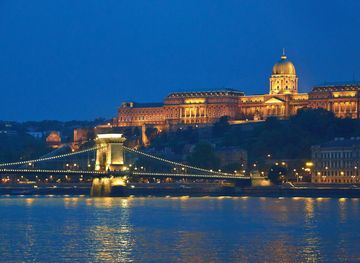
Explore more of Central Hungary
Central Hungary brings together Budapest’s thermal baths and heritage with Danube Bend towns, royal estates, wine country and accessible countryside.
Explore Central Hungary
Explore more of Hungary
Discover Hungary: A land of historic cities, scenic landscapes, thermal baths, and rich culinary traditions in the heart of Europe.
Explore Hungary