

Bukk National Park, Hungary Travel Guide
Discover the natural beauty and rich biodiversity of Bukk National Park, Hungary's largest national park, offering hiking, historical sites, and breathtaking landscapes.
Located in northern Hungary, Bukk National Park is a haven for nature lovers and outdoor enthusiasts. This expansive park is the country's largest national park, boasting over 43,000 hectares of unspoiled beauty. The park is famous for its rich biodiversity, with over 1,000 plant species and numerous animal species, including deer, wild boars, and rare birds. The park's dense forests, rolling hills, and limestone formations create a picturesque landscape that is perfect for hiking, bird watching, and exploring. One of the park's highlights is the Bukk Mountains, which offer some of the most challenging and rewarding hiking trails in Hungary. The highest peak, Istállós-kő, stands at 959 meters and provides stunning panoramic views of the surrounding area. For those who prefer a more leisurely experience, the park also features several well-marked walking paths and cycling routes that cater to all levels of fitness. In addition to its natural beauty, Bukk National Park is home to several cultural and historical sites. The ancient Szeleta Cave, with its prehistoric artifacts, offers a fascinating glimpse into the region's past. The nearby Lillafüred resort town, with its charming hotels and the stunning Palace Hotel, provides a perfect base for exploring the park. Visitors can also enjoy the scenic narrow-gauge railway, which runs through the heart of the park, offering a unique way to experience its beauty. Bukk National Park is an ideal destination for those seeking a peaceful retreat in nature. Whether you're an avid hiker, a history buff, or simply looking to relax and take in the stunning scenery, this park offers something for everyone.

Know before you go
Hi, I'm Eve. Here are a few practical things to know before exploring Bukk National Park.
- Visit during spring or autumn for the best weather and fewer crowds.
- Bring sturdy hiking boots as some trails can be steep and rocky.
- Check out the local visitor centers for maps and information on guided tours.
- Don't miss the narrow-gauge railway for a scenic and nostalgic ride through the park.
- Pack a picnic and enjoy a meal in one of the park's many picturesque spots.
Explore Bukk National Park: Things to Do, Places to Eat, Hotels & More
Handpicked recommendations for top attractions, local dining, accommodations, and more

Best attractions in Bukk National Park
Top-rated picks
Best Attractions
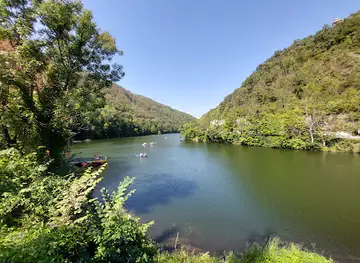
Bükki National Park
Explore the enchanting beauty of Bükk National Park, Hungary's natural treasure, rich in diverse wildlife and stunning landscapes.

Fátyol-vízesés
Experience the breathtaking beauty of Fátyol-vízesés, a stunning waterfall in Szilvásvárad, perfect for nature lovers and adventure seekers alike.

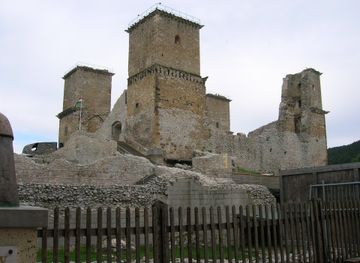
Diósgyőr Castle
Explore Diósgyőr Castle, a stunning medieval fortress in Miskolc, Hungary, rich in history and captivating exhibitions for all ages.

Bükk Astronomical Observatory
Experience the cosmos like never before at Bükki Astronomical Observatory, where stargazing meets breathtaking nature.

Best landmarks in Bukk National Park
Top-rated picks
Best Landmarks

Bükki National Park
Explore the breathtaking beauty and diverse ecosystems of Bükk National Park, Hungary's gem for nature lovers and adventure seekers.

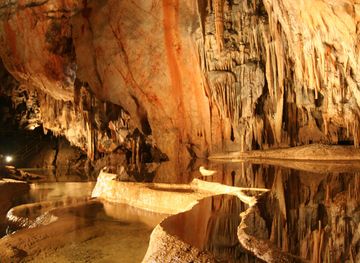
Istállós-kői Cave
Explore the breathtaking Istállós-kői Cave in Szilvásvárad, Hungary, a natural wonder with stunning formations and serene beauty.

Anna Cave
Discover the breathtaking Anna Cave in Miskolc, a stunning natural wonder with captivating formations and rich history waiting to be explored.

Molnár-szikla
Explore the breathtaking rock formations of Molnár-szikla and immerse yourself in the natural beauty of Lillafüred, Miskolc.

Best restaurants in Bukk National Park
Top-rated picks
Best Restaurants

Fehér Sas Panzió és Étterem
Discover comfort and culinary delights at Fehér Sas Panzió és Étterem in Bánkút – your gateway to Hungary's natural beauty.

Bükk-Makk Étterem
Experience the best of Hungarian and Northern Italian cuisine at Bükk-Makk Étterem in Felsőtárkány.

Bükki Nemzeti Park
Discover Bükki Nemzeti Park: A Family-Friendly Haven of Natural Beauty and Adventure in Hungary.

Best bars in Bukk National Park
Top-rated picks
Best Bars

Bükki National Park
Explore the natural wonders of Bükki National Park, Hungary's breathtaking retreat for outdoor enthusiasts and nature lovers.

Molnár Csárda Étterem
Discover the essence of Hungarian cuisine at Molnár Csárda Étterem in Miskolc's enchanting Lillafüred region.

Bambara Hotel Premium
Discover the exquisite Bambara Hotel Premium in Felsőtárkány, where luxury, African cuisine, and relaxation converge in a serene natural setting.

Hotel Tókert Hotel and Restaurant
Discover the perfect blend of relaxation and local cuisine at Hotel Tókert in the stunning Lillafüred region of Miskolc.

Best nightclubs in Bukk National Park
Top-rated picks
Best Nightclubs

Bükki National Park
Explore the enchanting landscapes and rich biodiversity of Bükki National Park, a premier destination for nature lovers and adventurers in Hungary.

Bükk
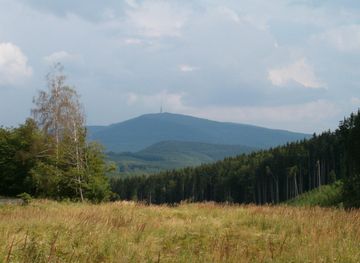
Discover the stunning landscapes and rich biodiversity of Bükk Mountain, a natural gem near Miskolc, Hungary, perfect for outdoor adventures and exploration.

Best shops in Bukk National Park
Top-rated picks
Best Shops

Bükki National Park
Explore the breathtaking beauty of Bükki National Park, Hungary's natural treasure with diverse wildlife and scenic trails for every adventurer.

Kisgergely cukrászda
Experience the sweet side of Miskolc at Kisgergely Cukrászda, where delicious pastries and creamy ice creams await every visitor.

Hotel Tókert Hotel and Restaurant
Discover the charm of Hotel Tókert in Miskolc, where comfort meets exquisite Hungarian cuisine amidst stunning natural beauty.

Bükk Astronomical Observatory
Discover the cosmos at the Bükk Astronomical Observatory, where stargazing meets breathtaking natural beauty in Hungary's scenic national park.

Explore Bukk National Park on the Map
A handpicked selection of must-see spots in Bukk National Park, mapped for you.
Bukk National Park Essentials
-
Bukk National Park is located in Northern Hungary. The nearest major city is Eger, which is approximately 20 kilometers away. The closest international airport is Budapest Ferenc Liszt International Airport, about 140 kilometers from the park. From Budapest, you can take a train to Eger, which takes around 2 hours. From Eger, local buses and taxis can be used to reach the park. Car rentals are also available at the airport and in Eger for a more flexible travel option.
-
Within Bukk National Park, the best way to explore is on foot or by bicycle, as many trails are not accessible by car. However, for longer distances, you can use local buses or taxis. Renting a car can be convenient if you wish to explore the surrounding areas or visit multiple points of interest. Ensure you have a good map or GPS, as some areas of the park have limited signal.
-
The official currency in Hungary is the Hungarian Forint (HUF). Credit cards are widely accepted in hotels, larger restaurants, and shops in nearby towns like Eger. However, it is advisable to carry cash, especially when venturing into the park or smaller establishments. ATMs are available in Eger and other larger towns near the park, but it’s best to withdraw sufficient cash before heading into more remote areas.
-
Bukk National Park is generally a safe destination for tourists. However, it is always wise to take standard precautions. Keep an eye on your belongings, especially in crowded areas. Avoid walking alone in unfamiliar areas at night. There are no specific high-crime areas targeting tourists, but it is best to stay vigilant and aware of your surroundings.
-
In case of emergency, dial 112 for immediate assistance. The nearest medical facilities are in Eger, where you'll find hospitals and pharmacies. It is recommended to have travel insurance that covers medical emergencies. For minor health issues, you can purchase over-the-counter medications at pharmacies in nearby towns.
-
Fashion: Do dress comfortably and wear sturdy shoes suitable for hiking. Don’t wear overly revealing clothing, especially when visiting religious sites. Religion: Do respect local customs and traditions. When visiting churches or chapels, dress modestly and be quiet. Public Transport: Do be respectful and give up your seat to elderly passengers. Don’t eat or drink on public transport. Greetings: Do greet people with a friendly smile and a nod. A handshake is common in formal settings. Eating & Drinking: Do try local Hungarian dishes and accept food offerings graciously. Don’t refuse hospitality, as it is considered impolite.
-
To experience Bukk National Park like a local, consider visiting the smaller, less touristy villages within and around the park. Engage with locals in markets or small eateries, as they are often friendly and willing to share stories and tips. Don’t miss trying traditional Hungarian dishes like goulash and chimney cake. For an authentic experience, consider participating in local festivals or events if your visit coincides with one.
When is the best time to visit Bukk National Park?
Useful Local Phrases for Bukk National Park
You don't need to speak the language perfectly. Even learning a few simple words can make conversations warmer—and locals usually appreciate the effort.
— Eve

Here are the phrases I use most often in Bukk National Park. Try a few—you'll be surprised how far they go! 😊
❤️
-
- HelloSzia
[see-ah] - GoodbyeViszlát
[vees-laht] - YesIgen
[ee-gen] - NoNem
[nem] - Please/You're welcomeKérem
[kay-rem] - Thank youKöszönöm
[kur-suh-nurm] - Excuse me/SorryElnézést
[el-nay-zayst] - How are you?Hogy vagy?
[hoh-dj vahdj] - Fine. And you?Jól vagyok. És te?
[yohl vahdj-ohk. ays teh] - Do you speak English?Beszélsz angolul?
[bes-aylz ahn-goh-lool] - I don't understandNem értem
[nem ayr-tem]
- HelloSzia
-
- I'd like to see the menu, pleaseSzeretnék látni az étlapot, kérem
[ser-et-nayk laht-nee ahs ay-tloh-poht, kay-rem] - I don't eat meatNem eszem húst
[nem es-em hoost] - Cheers!Egészségedre!
[ay-gays-sheg-ay-dreh] - I would like to pay, pleaseFizetnék, kérem
[fi-zet-nayk, kay-rem]
- I'd like to see the menu, pleaseSzeretnék látni az étlapot, kérem
-
- Help!Segítség!
[she-geet-shayg] - Go away!Menj el!
[men yel] - Call the Police!Hívd a rendőrséget!
[heed ah rehn-dur-shay-get] - Call a doctor!Hívd az orvost!
[heed ahz or-vohst] - I'm lostEl vagyok tévedve
[el vahdj-ohk tay-ved-veh] - I'm illBeteg vagyok
[beh-teg vahdj-ohk]
- Help!Segítség!
-
- I'd like to buy...Szeretnék vásárolni...
[ser-et-nayk vah-shah-rohl-nee] - I'm just lookingCsak nézelődöm
[chahk nay-zay-loh-dohm] - How much is it?Mennyibe kerül?
[men-yee-beh keh-rool] - That's too expensiveEz túl drága
[ez tool dra-gah] - Can you lower the price?Le tudnád engedni az árat?
[leh too-dnahd eng-ayd-nee ahs ah-raht]
- I'd like to buy...Szeretnék vásárolni...
-
- What time is it?Mennyi az idő?
[men-yee ahz ee-doh] - It's one o'clockEgy óra van
[ehdj oh-rah vahn] - Half past (10)Fél tizenegy
[fayl tee-zeh-nehj] - MorningReggel
[rehg-gehl] - AfternoonDélelőtt
[day-leh-loht] - EveningEste
[ehs-teh] - YesterdayTegnap
[teg-nahp] - TodayMa
[mah] - TomorrowHolnap
[hol-nahp] - 1Egy
[ehdj] - 2Kettő
[ket-toh] - 3Három
[hah-rom] - 4Négy
[naydj] - 5Öt
[oht] - 6Hat
[haht] - 7Hét
[hayt] - 8Nyolc
[nyolts] - 9Kilenc
[kee-lents] - 10Tíz
[teaze]
- What time is it?Mennyi az idő?
-
- Where's a/the...?Hol van a...
[hol vahn ah] - What's the address?Mi a cím?
[mee ah cheem] - Can you show me (on the map)?Megmutatnád (a térképen)?
[meg-moo-taht-nahd ah tayrk-ay-pen] - When's the next (bus)?Mikor van a következő (busz)?
[mee-kor vahn ah ku-veht-keh-zoh bus] - A ticket (to ....)Egy jegy (....-ra)
[ehdj yedj (rah)]
- Where's a/the...?Hol van a...
History of Bukk National Park
-
The Bukk National Park area has been inhabited since prehistoric times. Archaeological findings in caves such as the Istállós-kő cave reveal evidence of human presence dating back to the Paleolithic era. These caves served as shelters and living quarters for early humans and have since provided valuable insights into ancient life and survival strategies.
-
The Bukk region is dotted with remnants of medieval castles and fortresses, reflecting its strategic importance in Hungary's history. Notable examples include the Diósgyőr Castle, which served as a royal residence in the 14th century. The castle's ruins today offer a glimpse into the region's feudal past and its role in defending the kingdom against invasions.
-
Bukk National Park was established in 1977 to preserve the unique natural and cultural heritage of the Bukk Mountains. The park covers an area of approximately 431 square kilometers and is renowned for its rich biodiversity, including rare plant species and diverse wildlife. The creation of the park marked a significant milestone in Hungary's efforts to protect its natural landscapes.
-
The villages within and around Bukk National Park, such as Szilvásvárad and Lillafüred, are rich in traditional Hungarian culture. These villages have preserved their architectural heritage, folk traditions, and crafts. Visitors can explore historical buildings, local museums, and participate in cultural festivals that celebrate the region's history and traditions.
-
The Lillafüred Forestry Railway, commonly known as the Bükk Train, is a narrow-gauge railway that has been in operation since the early 20th century. Originally built for logging purposes, it now serves as a tourist attraction, offering scenic rides through the dense forests and picturesque landscapes of the Bukk Mountains. The railway stands as a testament to the region's industrial heritage and its adaptation to modern tourism.
-
During World War II, the Bukk Mountains served as a hideout for resistance fighters and partisans. The dense forests provided cover for guerilla activities against occupying forces. Several skirmishes and significant resistance efforts took place in this region, adding a layer of modern historical significance to the park's storied past.
Cities in Bukk National Park
Browse our curated selection of top destinations, scenic points, and must-visit spots in the area.

Neighbouring destination travel guides
Browse our curated selection of top destinations, scenic points, and must-visit spots in the area.



Your all‑in‑one travel companion app
Explore expert travel guides, compare and book tours, experiences, hotels, and more—all from the palm of your hand. Download now for seamless trip planning wherever your wanderlust takes you.


Explore More of Bükk
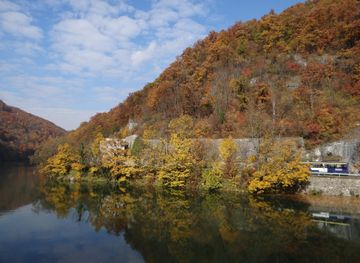
Looking beyond Bukk National Park? Discover Bükk for broader travel guides, local hot-spots, and regional highlights.
Explore BükkExplore More of Hungary

Looking beyond Bukk National Park? Discover Hungary for broader travel guides, local hot-spots, and regional highlights.
Explore HungaryBukk National Park in Photos
Browse through our photo collection highlighting the charm and character of the destination.
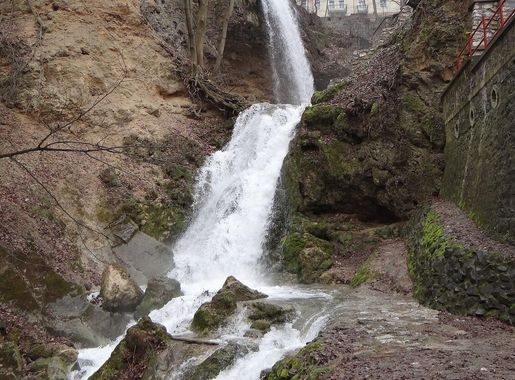


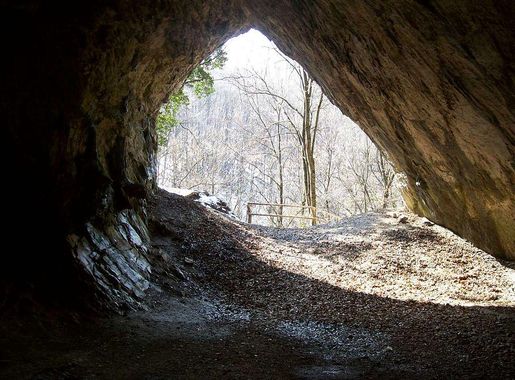
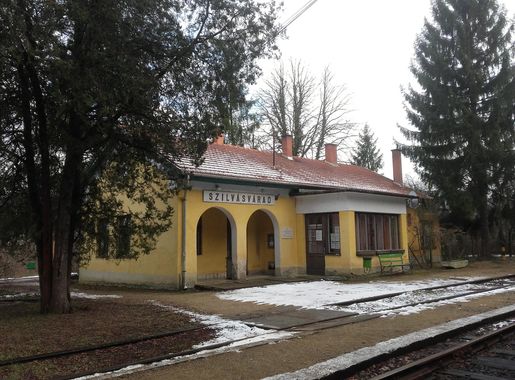


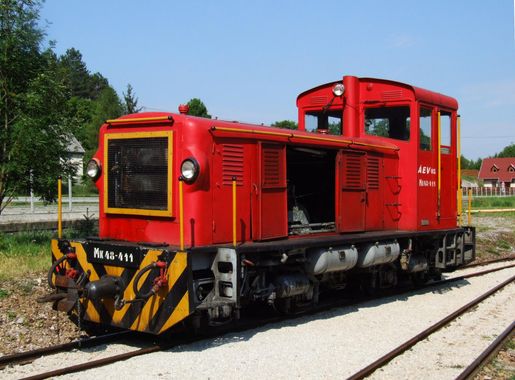
The Enchanting Wilderness of Bukk National Park
Located in northern Hungary, Bukk National Park is a haven for nature lovers and outdoor enthusiasts. This expansive park is the country's largest national park, boasting over 43,000 hectares of unspoiled beauty. The park is famous for its rich biodiversity, with over 1,000 plant species and numerous animal species, including deer, wild boars, and rare birds. The park's dense forests, rolling hills, and limestone formations create a picturesque landscape that is perfect for hiking, bird watching, and exploring. One of the park's highlights is the Bukk Mountains, which offer some of the most challenging and rewarding hiking trails in Hungary. The highest peak, Istállós-kő, stands at 959 meters and provides stunning panoramic views of the surrounding area. For those who prefer a more leisurely experience, the park also features several well-marked walking paths and cycling routes that cater to all levels of fitness. In addition to its natural beauty, Bukk National Park is home to several cultural and historical sites. The ancient Szeleta Cave, with its prehistoric artifacts, offers a fascinating glimpse into the region's past. The nearby Lillafüred resort town, with its charming hotels and the stunning Palace Hotel, provides a perfect base for exploring the park. Visitors can also enjoy the scenic narrow-gauge railway, which runs through the heart of the park, offering a unique way to experience its beauty. Bukk National Park is an ideal destination for those seeking a peaceful retreat in nature. Whether you're an avid hiker, a history buff, or simply looking to relax and take in the stunning scenery, this park offers something for everyone.