

Free Őrség Travel Guide & Mobile App
Explore Őrség with free travel guides. Discover regional history, expert tips, proposed trips, and audio guides on web or mobile app.


Explore Őrség in western Hungary for forest walks, traditional farmsteads, medieval churches, pottery villages and quiet borderland landscapes.
Read more about Őrség
When is the best time to visit Őrség?
Best: June–August · 24–26°C| Month | High (°C) | Rainfall (mm) |
|---|---|---|
| January | 4 | 40 |
| February | 6 | 30 |
| March | 11 | 40 |
| April | 16 | 50 |
| May | 21 | 60 |
| June (best) | 24 | 70 |
| July (best) | 26 | 80 |
| August (best) | 25 | 70 |
| September | 21 | 60 |
| October | 15 | 50 |
| November | 8 | 50 |
| December | 6 | 50 |
Getting to and around Őrség
How to get there
Transportation
Best attractions in Őrség
Őrség’s attractions are closely tied to its landscape and settlement pattern. Őrségi National Park provides the framework for walks, cycling, wildlife observation and interpretation of meadows, forests, wetlands and traditional agricultural habitats. Around Szalafő, visitors can explore the characteristic szer settlement pattern of scattered farmsteads, while Őriszentpéter offers the region’s most practical concentration of local information and cultural facilities. In the south, Magyarszombatfa is associated with pottery workshops and displays, and Velemér combines a small historic church with a rural setting of considerable character. Walking routes and minor roads lead through woods, orchards and villages rather than between large monument complexes. Seasonal farm produce, local craft demonstrations and village festivals add a human dimension to the protected landscape. Őrség is best approached as a network of modest but meaningful experiences: a bell tower, a farmstead, a church fresco, a craft workshop or a quiet meadow can be as representative of the region as any headline attraction.
-
National park
Őrség National Park
Discover the lush landscapes and cultural heritage of Őrség National Park, Hungary's hidden gem for nature lovers and adventurers.
-
Tourist attraction
Hármashatár trail
Explore the breathtaking Hármashatár Trail in Orség National Park, a haven for nature lovers and adventure seekers in Hungary.
-
Museum
Gödörházi harangláb
Discover the Gödörházi Harangláb, a charming museum in Magyarszombatfa celebrating Hungary's bell tower heritage and local history.


Best landmarks in Őrség
The most recognisable landmarks of Őrség express its frontier history and rural building traditions. The Church of the Holy Trinity at Velemér is especially important for its medieval frescoes and its survival in a small, wooded village setting. Pankasz is known for its historic wooden bell tower, a form of vernacular religious architecture that has become strongly associated with the region. The traditional farmsteads of Szalafő are landmarks in a broader cultural sense: their dispersed arrangement illustrates the local szer settlement pattern and the relationship between homes, fields and woodland. Őriszentpéter’s church and settlement areas reflect the long history of the regional centre, while the landscape itself forms a powerful landmark through its succession of forested ridges, meadows and isolated homesteads. In Magyarszombatfa, pottery workshops and local craft heritage provide a visible connection with a tradition that has shaped the identity of the southern villages.
-
Bridge
Széchenyi Chain Bridge
Experience the stunning Széchenyi Chain Bridge, a magnificent architectural marvel connecting Buda and Pest, rich in history and breathtaking views.
-
Tourist attraction
Castle of Eger
Explore the Castle of Eger, a historical masterpiece with breathtaking views and rich narratives of Hungary's heroic past.
-
Tourist attraction
Őrségi Népi Műemlékegyüttes
Experience the rich heritage and stunning architecture of the Őrségi Népi Műemlékegyüttes, a captivating museum in Szalafő, Hungary.
-
National park
Őrség National Park
Explore the untouched beauty of Őrség National Park, Hungary's hidden gem, offering diverse landscapes, rich wildlife, and cultural heritage.


Explore Őrség on the map
Plan your trip on one map. See where the top cities, national parks and sights are, and book hotels and experiences in a few clicks.
Best hotels in Őrség
Best restaurants in Őrség
Dining in Őrség reflects western Hungary’s rural pantry and the region’s proximity to Slovenia and Austria. Small restaurants, guesthouses, rural inns and cafés may feature ingredients such as potatoes, forest produce, mushrooms, seasonal vegetables, fruit, pork, game and locally produced dairy goods. Traditional dishes associated with the wider Őrség and western Transdanubian area include dödölle, a potato-based preparation, as well as hearty soups, stews and filled or baked pastries; recipes vary between households and establishments. Pumpkin seed oil, strongly associated with western Hungarian and neighbouring Slovenian culinary traditions, is another useful regional flavour to look for. Farmers’ markets and direct sales can provide honey, jams, fruit products, smoked goods and baked items. Dining facilities are dispersed and evening choice is limited in the smallest villages, so visitors staying in rural accommodation should check meal arrangements and plan ahead rather than relying on spontaneous restaurant stops.
-
Restaurant
Twentysix Budapest
Experience exquisite Mediterranean cuisine in a stunning setting at Twentysix Budapest—where culinary artistry meets vibrant atmosphere.
-
Brunch
Cirkusz Café
Experience the vibrant flavors of Budapest at Cirkusz Café, where delightful brunches meet exceptional coffee in a charming atmosphere.
-
Restaurant
Határmenti Vigadó
Experience authentic Hungarian cuisine at Határmenti Vigadó in Szőlőhegy – where tradition meets taste in a picturesque setting.
-
Restaurant
Pozsonyi restaurant
Experience authentic Hungarian cuisine at Pozsonyi Restaurant in Budapest – a delightful blend of tradition and flavor awaits you.


Best bars in Őrség
Őrség does not have a major nightclub scene, and evenings are generally centred on the hospitality of guesthouses, village restaurants, traditional pubs and occasional cultural events. Őriszentpéter offers the broadest choice of places for a drink or an informal meal, while smaller settlements tend towards quiet local venues rather than late-night entertainment. Regional wines, beer and fruit-based drinks may appear alongside standard Hungarian choices, although the area is better suited to conversation and relaxed dining than to intensive bar-hopping. Seasonal festivals, craft events and summer programmes can bring temporary evening activity, but arrangements vary from year to year. Visitors staying in a scattered farmstead should expect dark, quiet roads after nightfall and arrange transport rather than planning to walk between distant villages.
-
Pub
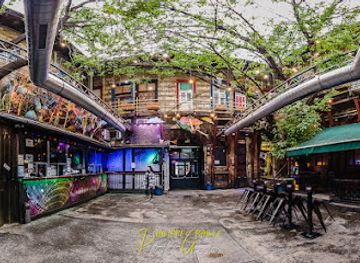
Szimpla Kert
Experience the unique charm of Szimpla Kert, Budapest's iconic ruin pub, where eclectic decor meets vibrant nightlife and cultural events.
-
Bar
Instant-Fogas Complex
Experience the electrifying nightlife of Budapest at Instant-Fogas Complex, where diverse bars and clubs create unforgettable moments.
-
Gastropub
Élesztő
Discover Élesztő, Budapest's premier gastropub and beer garden offering an unforgettable taste of local craft beers and vibrant nightlife.
-
Cocktail bar
Rumpus Tiki Bar
Discover the vibrant Rumpus Tiki Bar in Budapest, where tropical cocktails and lively atmosphere create an unforgettable nightlife experience.


Best nightclubs in Őrség
Őrség does not have a major nightclub scene, and evenings are generally centred on the hospitality of guesthouses, village restaurants, traditional pubs and occasional cultural events. Őriszentpéter offers the broadest choice of places for a drink or an informal meal, while smaller settlements tend towards quiet local venues rather than late-night entertainment. Regional wines, beer and fruit-based drinks may appear alongside standard Hungarian choices, although the area is better suited to conversation and relaxed dining than to intensive bar-hopping. Seasonal festivals, craft events and summer programmes can bring temporary evening activity, but arrangements vary from year to year. Visitors staying in a scattered farmstead should expect dark, quiet roads after nightfall and arrange transport rather than planning to walk between distant villages.
-
Night club
Instant-Fogas Complex
Discover the electrifying nightlife of Budapest at Instant-Fogas Complex, where vibrant music and a lively atmosphere await every night.
-
Night club
Club Heaven Budapest
Discover the nightlife of Budapest at Club Heaven, a top destination for unforgettable parties and vibrant DJ performances.
-
Night club
Ötkert
Experience Budapest's vibrant nightlife at Ötkert, a premier night club with electrifying music, creative cocktails, and unforgettable memories.
-
Night club
Peaches And Cream Club
Dive into Budapest's vibrant nightlife at Peaches And Cream Club, where electrifying music and an energetic atmosphere await.


Best shops in Őrség
Shopping in Őrség is primarily about local produce, craft and small-scale rural enterprise rather than large retail centres. Őriszentpéter is the most practical place for everyday supplies, while village markets and seasonal events may offer honey, jams, fruit products, baked goods, preserves and other foods from the surrounding countryside. Magyarszombatfa is the principal destination for Őrség pottery, with handmade bowls, jugs and other earthenware providing useful souvenirs that reflect a genuine local tradition. Craft workshops, farm shops and guesthouses may also sell woven goods, woodwork, soaps or natural products, but opening arrangements can be limited outside the main season. Visitors should carry cash for smaller producers and ask about safe packing for ceramics. The best purchases are usually modest, locally made and connected to the region’s agriculture or material culture rather than generic Hungarian souvenirs.
-
Tourist attraction
Őrségi Népi Műemlékegyüttes
Explore the cultural heritage and traditional architecture at Őrségi Népi Műemlékegyüttes, a captivating museum in Hungary's picturesque Őrség region.
-
National park
Őrség National Park
Explore the breathtaking scenery and rich biodiversity of Őrség National Park, a top destination for nature lovers and cultural enthusiasts.
-
Brunch
Brunch a Ranchon - Az Őrség reggelizője - ebédelője
Explore the flavors of Hegyhátszentjakab at Brunch a Ranchon, where delicious meals and aromatic brews await in a cozy, inviting setting.
-
Store
Őrségi Skanzen Shop
Explore the rich cultural heritage of Hungary at Őrségi Skanzen Shop, where traditional crafts and local artistry come alive.


Get your free copy of our complete guide to Őrség, delivered straight to you.
Everything on this page, from attractions and restaurants to essentials and local phrases, in one PDF you can read offline, print or share.
Already have an account? Sign in
Your Őrség guide is ready.
We'll send it to · Not you? Sign out

Getting your guide ready…
We are putting together a fresh copy of the Őrség guide. This can take up to a minute.
This can take a few moments. If your browser asks, choose Allow so the download can start. You'll find the guide in your Downloads folder.
Nothing happened? Download it again
Sorry, the guide is taking longer than usual. Please try again in a minute, or get it by email instead.
Őrség essentials
Currency and Payment
Safety
Emergency Situations
Do's and Don'ts
Local Tips
From Eve
Local phrases worth knowing
You don't need to get them perfect. A few words go a long way, and locals appreciate the effort.
Basics
| English | Local | Say it |
|---|---|---|
| Hello | Szia | [SEE-yah] |
| Goodbye | Viszlát | [VEES-lat] |
| Yes | Igen | [EE-gen] |
| No | Nem | [NEM] |
| Please/You're welcome | Kérem | [KAY-rem] |
| Thank you | Köszönöm | [KUR-suh-nuhm] |
| Excuse me/Sorry | Elnézést | [EL-nay-zayst] |
| How are you? | Hogy vagy? | [HODJ vahd?] |
| Fine. And you? | Jól. És te? | [YOHL. AYSH teh?] |
| Do you speak English? | Beszélsz angolul? | [BEH-sayls AHN-goh-lool?] |
| I don't understand | Nem értem | [NEM AIR-tem] |
Eating & Drinking
| English | Local | Say it |
|---|---|---|
| I'd like to see the menu, please | Szeretném megnézni az étlapot, kérem | [SEH-ret-naym MEHG-nay-zee ahz AYT-lah-pot, KAY-rem] |
| I don't eat meat | Nem eszem húst | [NEM EH-sem HOOSHT] |
| Cheers! | Egészségére! | [EH-gaysh-shay-ray!] |
| I would like to pay, please | Szeretnék fizetni, kérem | [SEH-ret-nayk FEE-zet-nee, KAY-rem] |
Emergencies
| English | Local | Say it |
|---|---|---|
| Help! | Segítség! | [SAY-geet-sayg!] |
| Go away! | Menj el! | [MENJ EHL!] |
| Call the Police! | Hívja a rendőrséget! | [HEE-vyah ah REN-dur-say-gayt!] |
| Call a doctor! | Hívjon orvost! | [HEE-vyon OR-vost!] |
| I'm lost | Elvesztem | [EL-vay-stem] |
| I'm ill | Beteg vagyok | [BEH-teg VAH-dyok] |
Shopping
| English | Local | Say it |
|---|---|---|
| I'd like to buy... | Szeretnék venni... | [SEH-ret-nayk VEN-ee...] |
| I'm just looking | Csak nézelődöm | [CHAHK NAY-zay-lay-dohm] |
| How much is it? | Mennyibe kerül? | [MEN-nee-bay KEH-rool?] |
| That's too expensive | Ez túl drága | [EZ TOOL DRAH-gah] |
| Can you lower the price? | Le tudná csökkenteni az árat? | [LEH tood-NAH CHUR-ken-tay-nee ahz AH-raht?] |
Time & Numbers
| English | Local | Say it |
|---|---|---|
| What time is it? | Hány óra van? | [HAHN-y OH-rah VON?] |
| It's one o'clock | Egy óra van | [EDJ OH-rah VON] |
| Half past (10) | Fél (10) | [FEHL (10)] |
| Morning | Reggel | [REG-gel] |
| Afternoon | Délután | [DAY-loo-tahn] |
| Evening | Este | [ESH-teh] |
| Yesterday | Tegnap | [TEH-nahp] |
| Today | Ma | [MAH] |
| Tomorrow | Holnap | [HOL-nahp] |
| 1 | 1 | [1] |
| 2 | 2 | [2] |
| 3 | 3 | [3] |
| 4 | 4 | [4] |
| 5 | 5 | [5] |
| 6 | 6 | [6] |
| 7 | 7 | [7] |
| 8 | 8 | [8] |
| 9 | 9 | [9] |
| 10 | 10 | [10] |
Transport & Directions
| English | Local | Say it |
|---|---|---|
| Where's a/the...? | Hol van a...? | [HOL VON ah...?] |
| What's the address? | Mi a cím? | [MEE ah SEEM?] |
| Can you show me (on the map)? | Meg tudná mutatni (a térképen)? | [MEHG tood-NAH MOO-taht-nee (ah TEHR-kay-pen)?] |
| When's the next (bus)? | Mikor jön a következő (busz)? | [MEE-kor YEN ah KEH-vay-tay-zoe (booz)?] |
| A ticket (to ....) | Egy jegy (a ....) | [EDJ YAYJ (ah ....)] |
History of Őrség
Medieval Frontier Guards and the Origin of Őrség
The name Őrség derives from the medieval frontier-guard communities established in this western borderland of the Hungarian Kingdom. These local inhabitants were responsible for watching approaches to the frontier and enjoyed particular duties and privileges connected with that role. The settlement pattern that developed around dispersed homesteads and small villages remained closely linked to the surrounding forests and agricultural land. Although the military frontier system changed over time, its memory continues in the region’s name, local historical interpretation and sense of identity as a borderland landscape.
Medieval Churches and Settlement Development
Christian institutions helped shape Őrség during the Middle Ages, when village churches served communities scattered across the wooded hills. The Church of the Holy Trinity at Velemér is the region’s most important medieval artistic survival, retaining frescoes associated with the late medieval period. Other historic churches and bell towers preserve the scale of rural religious life, in which small settlements maintained their own places of worship despite their dispersed geography. These buildings are valuable not only as monuments but also as evidence of how medieval communities occupied and organised the landscape.
The Borderland Between Western Powers
For centuries, western Hungary stood at the meeting point of political and economic influences connected with the Hungarian Kingdom, the Habsburg lands and neighbouring Slovenian-speaking areas. Őrség’s location gave it strategic importance but also encouraged cultural exchange across nearby frontiers. The region’s architecture, dialect features, craft traditions and settlement history reflect this position without making it identical to any one neighbouring culture. Archaeological and architectural remains, together with local museums and heritage displays, help explain how life developed in a landscape that was neither wholly remote nor separate from wider European movements.
Agriculture, Forests and the Scattered Farmstead
Traditional life in Őrség depended on a mixed economy of small-scale farming, orchards, livestock, woodland resources and household crafts. Rather than concentrating entirely in nucleated villages, many families lived in isolated or loosely grouped farmsteads known locally as szer. This pattern produced a landscape of fields, meadows, woods and homesteads that remains one of the region’s defining characteristics. Timber buildings, granaries, wells and farm boundaries reveal how residents adapted to the terrain and managed limited agricultural resources over generations.
The Twentieth-Century Border Regime
During the twentieth century, Őrség was affected by the political significance of Hungary’s western frontier. The tightening of state borders after the Second World War restricted movement and contributed to population decline in some rural settlements, while villages close to the frontier became less accessible to outsiders. The border regime also helped preserve parts of the traditional landscape by limiting large-scale development. After the political changes of 1989, cross-border connections with Slovenia and Austria became easier, and the region could increasingly present its heritage and countryside as assets rather than as a security zone.
Őrségi National Park and Rural Heritage Conservation
Őrségi National Park was established in 2002, bringing together protected landscapes in Őrség and the neighbouring Vendvidék area. Its work recognises that the region’s value lies in the interaction of natural habitats and traditional land use, not simply in untouched wilderness. Woodlands, wetlands, meadows, orchards and small-scale farms support varied wildlife and preserve characteristic scenery. Conservation, environmental education and heritage tourism now form an important part of the region’s modern identity, while the challenge remains to sustain local communities and traditional practices in a changing rural economy.
Őrség in Photos
Browse through our photo collection highlighting the charm and character of the destination.
Neighbouring regions of Őrség
The closest regions to Őrség, if you have time for more than one.
-

-

-

-

-


Swipe for more regions
Explore more

Explore more of Hungary
Discover Hungary: A land of historic cities, scenic landscapes, thermal baths, and rich culinary traditions in the heart of Europe.
Explore Hungary