

Free Zala Hills Travel Guide & Mobile App
Explore Zala Hills with free travel guides. Discover regional history, expert tips, proposed trips, and audio guides on web or mobile app.


Explore Hungary’s Zala Hills for forested walks, Göcsej heritage, Roman remains, rural villages and the cultural centre of Zalaegerszeg.
Read more about Zala Hills
When is the best time to visit Zala Hills?
Best: June–August · 25–27°C| Month | High (°C) | Rainfall (mm) |
|---|---|---|
| January | 4 | 40 |
| February | 5 | 35 |
| March | 10 | 45 |
| April | 16 | 55 |
| May | 21 | 60 |
| June (best) | 25 | 70 |
| July (best) | 27 | 65 |
| August (best) | 26 | 60 |
| September | 21 | 55 |
| October | 15 | 50 |
| November | 8 | 45 |
| December | 5 | 40 |
Getting to and around Zala Hills
How to get there
Transportation
Top city travel guides in Zala Hills
The cities of Zala Hills, and the easiest places to base yourself.
-

-


Swipe for more cities
Best attractions in Zala Hills
The Zala Hills offer a varied but unhurried programme of museums, rural heritage and outdoor recreation. Zalaegerszeg’s Göcseji Museum introduces local archaeology, history and culture, while the Göcseji Village Museum recreates a traditional settlement with farmhouses, workshops, barns and water-powered buildings from the surrounding countryside. Beyond the city, the wooded ridges and valley roads of Göcsej suit walking, nature observation and cycling, with routes best approached as planned excursions rather than spontaneous journeys between closely packed sights. Zalalövő is important for the archaeological remains of the Roman settlement of Salla, which reveal the region’s place in the road network of Roman Pannonia. Small village churches, farmsteads, local collections and seasonal cultural events add interest to the rural landscape. The hills also provide access to the wider attractions of western Hungary, including thermal resorts and Lake Balaton, but these lie beyond the core Zala Hills and should be treated as separate excursions. The appeal here is the relationship between landscape and settlement: forests, streams, agriculture, vernacular buildings and regional history are encountered together rather than in isolated theme-park attractions.
-
Tourist attraction
Basilica of Esztergom
Discover the breathtaking Basilica of Esztergom, Hungary's largest church and a stunning architectural marvel, rich in history and culture.
-
Museum
Festetics Palace
Discover the historical beauty of Festetics Palace in Keszthely, Hungary's Baroque masterpiece surrounded by stunning gardens.
-
Swimming lake
Municipal Beach
Discover Keszthely Municipal Beach: A picturesque lakeside retreat perfect for sunbathing, water sports, and savoring local flavors in Hungary.
-
Tourist attraction
Szalajka-völgy
Explore Szalajka-völgy, a stunning nature preserve in Hungary, offering breathtaking scenery, outdoor activities, and a tranquil escape into nature.


Best landmarks in Zala Hills
The Göcseji Village Museum in Zalaegerszeg is one of the Zala Hills’ most significant cultural landmarks because it preserves the architectural character of the surrounding countryside in a coherent open-air setting. Its timber houses, agricultural buildings, workshops and watermill demonstrate how Göcsej communities organised domestic and working life. In the town itself, the historic centre and the parish church provide a civic and religious focus, while the Zalaegerszeg TV tower is a prominent modern feature on the urban skyline. At Zalalövő, the archaeological remains of Roman Salla mark the region’s connection with imperial roads and settlement in ancient Pannonia. Across the hills, traditional farmhouses, small churches and scattered homesteads are less monumental but collectively important: they express the adaptation of architecture to wooded terrain, local materials and dispersed agriculture. The rounded ridges and forested valleys themselves form the defining natural landmark of the region, distinct from the volcanic hills and open lake landscapes found elsewhere in western Hungary.
-
 Fortress
Fisherman's Bastion
Discover the fairy-tale charm and stunning views of Fisherman's Bastion, a historic fortress in Budapest's Castle District.
-
Plaza
Heroes' Square
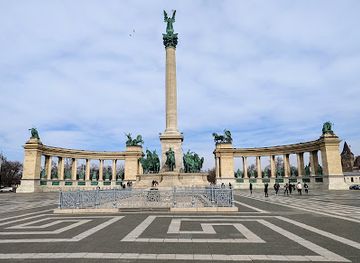
Discover the historical significance and architectural beauty of Heroes' Square in Budapest, a must-visit tourist attraction showcasing Hungarian heritage.
-
Bridge
Széchenyi Chain Bridge
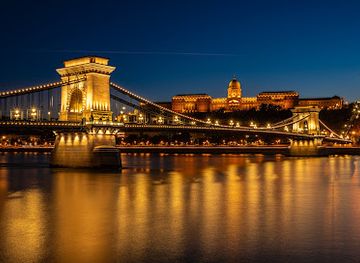
Experience the breathtaking views and rich history of Budapest at the iconic Széchenyi Chain Bridge, a symbol of Hungary's cultural heritage.
-
Castle
Buda Castle
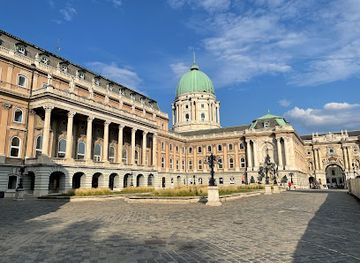
Discover the stunning Buda Castle, a historical gem in Budapest, offering breathtaking views, rich culture, and architectural beauty in every corner.
Explore Zala Hills on the map
Plan your trip on one map. See where the top cities, national parks and sights are, and book hotels and experiences in a few clicks.
Best hotels in Zala Hills
Best restaurants in Zala Hills
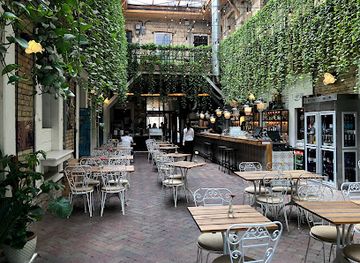
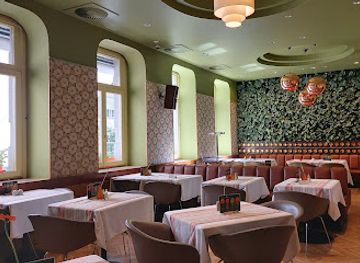
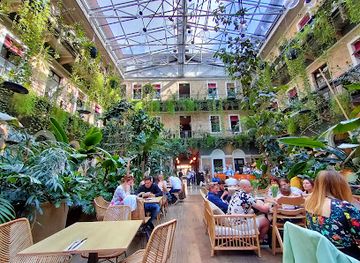
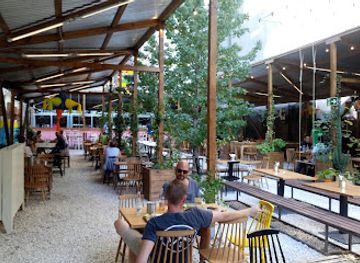
Dining in the Zala Hills reflects western Hungarian home cooking, local agriculture and the food traditions of Göcsej. Menus in Zalaegerszeg and the larger towns may include game, freshwater fish, pork, seasonal vegetables, soups enriched with sour cream, stuffed pasta, savoury pastries and strudels. Pumpkin seed oil, a dark green speciality associated with western Hungary, is used in salads and cold dishes, while mushrooms and wild ingredients appear seasonally in rural cooking. Village inns and guesthouses are useful places to look for traditional dishes, although menus and opening arrangements can be limited outside the main towns. Local wines from the wider Zala wine area, fruit pálinka and regional craft beers complement the food, but products vary between producers. Markets and farm shops may offer honey, preserves, smoked meats, cheeses and baked goods. Zalaegerszeg provides the broadest choice, from cafés and bakeries to contemporary Hungarian restaurants, while countryside dining is more closely tied to seasonal produce and advance planning.
-
Mediterranean
Mazel Tov
Experience the essence of Mediterranean cuisine at Mazel Tov in Budapest - where vibrant flavors meet enchanting ambiance.
-
Hungarian
Menza Étterem és Kávéház
Experience authentic Hungarian flavors at Menza Étterem és Kávéház in Budapest’s vibrant Liszt Ferenc tér.
-
Restaurant
Twentysix Budapest
Discover Twentysix Budapest: A lush Mediterranean restaurant offering exquisite dishes and an enchanting atmosphere in Hungary's capital.
-
Mexican
Tereza Mexican Restaurant
Experience authentic Mexican cuisine at Tereza Mexican Restaurant in Budapest, where vibrant flavors meet warm hospitality.
Best bars in Zala Hills
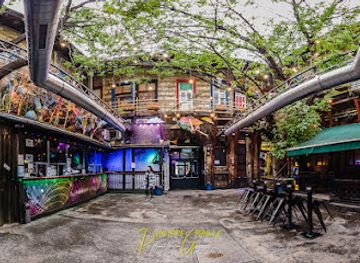
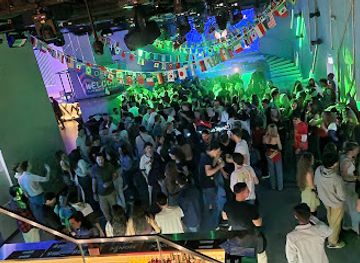
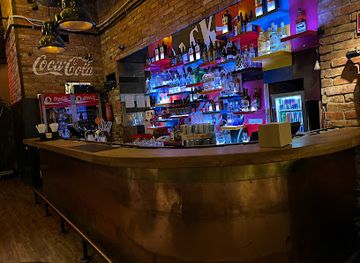
Evening life in the Zala Hills is concentrated in Zalaegerszeg and, to a lesser extent, in the larger towns rather than spread across the rural villages. Zalaegerszeg has cafés, traditional pubs, restaurants and occasional live-music or cultural events, creating a modest urban scene suited to conversation and an evening meal rather than all-night clubbing. In Göcsej and other hill districts, village pubs and guesthouse dining rooms are the more typical social venues, and many close earlier than visitors from larger European cities may expect. Seasonal festivals and town events can bring temporary music and outdoor gatherings, but dates and programmes change. The region’s thermal resorts and Lake Balaton resorts, outside the core Zala Hills, provide more developed evening entertainment during the holiday season. Visitors should arrange transport in advance if staying in a rural village, since late public transport is limited.
-
Pub
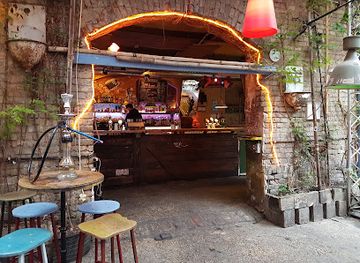
Szimpla Kert
Discover Szimpla Kert, Budapest's renowned ruin pub, where eclectic decor meets vibrant nightlife, offering a unique cultural experience in the heart of the city.
-
Mediterranean
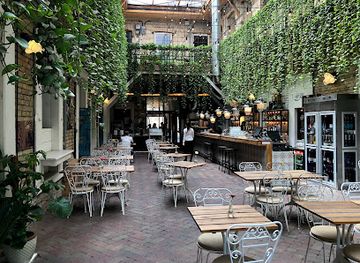
Mazel Tov
Discover the vibrant flavors of Mediterranean cuisine at Mazel Tov, Budapest's premier dining destination for an unforgettable culinary experience.
-
Night club
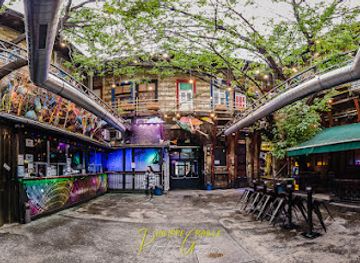
Instant-Fogas Complex
Discover the electrifying nightlife of Budapest at the Instant-Fogas Complex, a dynamic venue combining bars, clubs, and unforgettable entertainment.
-
Night club
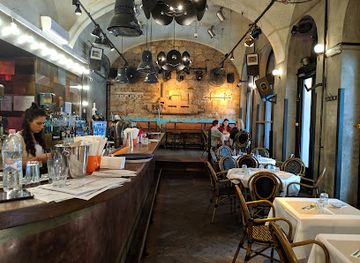
Ötkert
Experience the vibrant nightlife of Budapest at Ötkert, a popular night club known for its cocktails, music, and energetic atmosphere.
Best nightclubs in Zala Hills
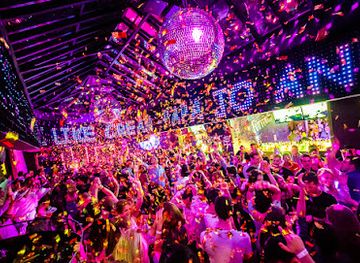
Evening life in the Zala Hills is concentrated in Zalaegerszeg and, to a lesser extent, in the larger towns rather than spread across the rural villages. Zalaegerszeg has cafés, traditional pubs, restaurants and occasional live-music or cultural events, creating a modest urban scene suited to conversation and an evening meal rather than all-night clubbing. In Göcsej and other hill districts, village pubs and guesthouse dining rooms are the more typical social venues, and many close earlier than visitors from larger European cities may expect. Seasonal festivals and town events can bring temporary music and outdoor gatherings, but dates and programmes change. The region’s thermal resorts and Lake Balaton resorts, outside the core Zala Hills, provide more developed evening entertainment during the holiday season. Visitors should arrange transport in advance if staying in a rural village, since late public transport is limited.
-
Night club
Instant-Fogas Complex
Discover the heart of Budapest's nightlife at Instant-Fogas Complex, where bars, disco clubs, and delicious food come together.
-
Night club
Club Heaven Budapest
Discover the essence of Budapest's nightlife at Club Heaven, a vibrant nightclub offering electrifying music and a chic atmosphere.
-
Night club
Ötkert
Experience the pulse of Budapest nightlife at Ötkert, a premier night club with creative cocktails and an electric atmosphere.
-
Night club
Peaches And Cream Club
Discover the ultimate nightlife experience at Peaches And Cream Club, Budapest's hotspot for dancing, drinks, and unforgettable memories.
Best shops in Zala Hills
Shopping in the Zala Hills centres on practical town streets, local food and regional craft rather than large-scale luxury retail. Zalaegerszeg has the widest selection of supermarkets, independent shops, bakeries, bookshops and everyday services, while smaller market towns provide weekly or periodic stalls depending on the season. Visitors may find honey, preserves, pumpkin seed oil, dried mushrooms, smoked products, fruit pálinka and locally made wines through markets, farm shops and specialist food sellers. Folk-inspired textiles, carved wooden objects, ceramics and small craft items are more likely to appear at museums, cultural events and village fairs than in permanent tourist shops. The Göcsej heritage tradition also makes vernacular design and locally produced handicrafts meaningful souvenirs, provided they are bought from legitimate sellers. Rural retail hours can be limited, and card payment is not universal, so carry forints when visiting markets or small producers. For extensive high-street shopping, Zalaegerszeg is the most practical base.
-
Traditional market
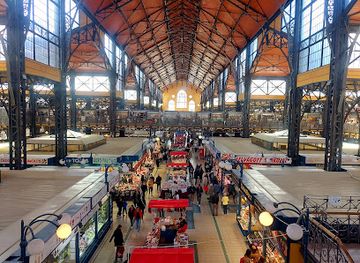
Central Market Hall
Explore the Central Market Hall in Budapest, a must-see traditional market filled with local produce, artisan foods, and vibrant culture.
-
Shopping mall
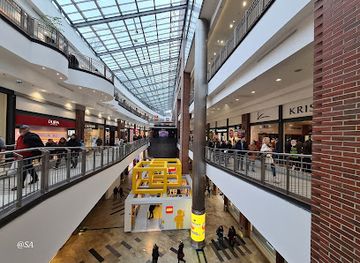
Westend
Discover Westend, Budapest's ultimate shopping mall featuring a wide array of shops, delicious dining options, and entertainment for everyone.
-
Shopping mall
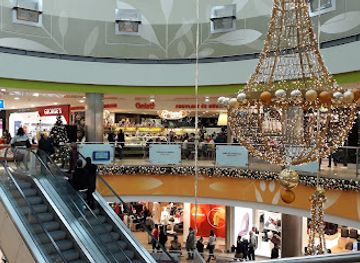
ÁRKÁD Budapest
Discover a shopping haven at ÁRKÁD Budapest, where fashion, food, and fun come together in the heart of Hungary's capital.
-
Shopping mall
Mammut
Explore Mammut, Budapest's vibrant shopping mall featuring a diverse array of shops, delicious dining options, and exciting entertainment for every visitor.

Get your free copy of our complete guide to Zala Hills, delivered straight to you.
Everything on this page, from attractions and restaurants to essentials and local phrases, in one PDF you can read offline, print or share.
Already have an account? Sign in
Your Zala Hills guide is ready.
We'll send it to · Not you? Sign out

Getting your guide ready…
We are putting together a fresh copy of the Zala Hills guide. This can take up to a minute.
This can take a few moments. If your browser asks, choose Allow so the download can start. You'll find the guide in your Downloads folder.
Nothing happened? Download it again
Sorry, the guide is taking longer than usual. Please try again in a minute, or get it by email instead.
Zala Hills essentials
Currency and Payment
Safety
Emergency Situations
Do's and Don'ts
Local Tips
From Eve
Local phrases worth knowing
You don't need to get them perfect. A few words go a long way, and locals appreciate the effort.
Basics
| English | Local | Say it |
|---|---|---|
| Hello | Szia | [see-yah] |
| Goodbye | Viszlát | [vees-laht] |
| Yes | Igen | [ee-gen] |
| No | Nem | [nem] |
| Please/You're welcome | Kérem | [kay-rem] |
| Thank you | Köszönöm | [kuh-suh-nuhm] |
| Excuse me/Sorry | Elnézést | [el-neh-zayst] |
| How are you? | Hogy vagy? | [hodj vahd?] |
| Fine. And you? | Jól. És te? | [yohl. es teh?] |
| Do you speak English? | Beszélsz angolul? | [beh-sayls ahn-goh-lool?] |
| I don't understand | Nem értem | [nem air-tem] |
Eating & Drinking
| English | Local | Say it |
|---|---|---|
| I'd like to see the menu, please | Szeretném megnézni az étlapot, kérem | [seh-reht-neem mehg-nayz-nee ahz ayt-lah-poh-t, kay-rem] |
| I don't eat meat | Nem eszem húst | [nem eh-sem hoosht] |
| Cheers! | Egészségedre! | [eh-gehsh-ay-ged-reh] |
| I would like to pay, please | Szeretnék fizetni, kérem | [seh-reht-neek fee-zet-nee, kay-rem] |
Emergencies
| English | Local | Say it |
|---|---|---|
| Help! | Segítség! | [seh-geet-sayg!] |
| Go away! | Menj el! | [men-y el!] |
| Call the Police! | Hívd a rendőrséget! | [heevd ah ren-dor-say-get!] |
| Call a doctor! | Hívd az orvost! | [heevd ahz or-vost!] |
| I'm lost | Elvesztem | [el-ves-tem] |
| I'm ill | Beteg vagyok | [beh-tehg vah-dyohk] |
Shopping
| English | Local | Say it |
|---|---|---|
| I'd like to buy... | Szeretnék venni... | [seh-reht-neek veh-nee...] |
| I'm just looking | Csak nézelődöm | [chahk nay-zay-loh-dohm] |
| How much is it? | Mennyibe kerül? | [men-nee-beh keh-rool?] |
| That's too expensive | Az túl drága | [ahz tool drah-gah] |
| Can you lower the price? | Le tudnád mérni az árat? | [leh tood-nahd mayr-nee ahz ah-raht?] |
Time & Numbers
| English | Local | Say it |
|---|---|---|
| What time is it? | Mennyi az idő? | [men-yee ahz ee-doh?] |
| It's one o'clock | Egy óra van | [edj oh-rah vahn] |
| Half past (10) | Fél (10) | [fehl (10)] |
| Morning | Reggel | [rehgg-el] |
| Afternoon | Délután | [day-loo-tahn] |
| Evening | Este | [esh-teh] |
| Yesterday | Tegnap | [teh-nahp] |
| Today | Ma | [mah] |
| Tomorrow | Holnap | [hol-nahp] |
| 1 | 1 | [1] |
| 2 | 2 | [2] |
| 3 | 3 | [3] |
| 4 | 4 | [4] |
| 5 | 5 | [5] |
| 6 | 6 | [6] |
| 7 | 7 | [7] |
| 8 | 8 | [8] |
| 9 | 9 | [9] |
| 10 | 10 | [10] |
Transport & Directions
| English | Local | Say it |
|---|---|---|
| Where's a/the...? | Hol van egy...? | [hol vahn edj...?] |
| What's the address? | Mi a cím? | [mee ah teem?] |
| Can you show me (on the map)? | Meg tudnád mutatni (a térképen)? | [meg tood-nahd moo-taht-nee (ah tayr-kay-pen)?] |
| When's the next (bus)? | Mikor jön a következő (busz)? | [mee-kor yuhn ah keh-vay-tay-zoh (booz)?] |
| A ticket (to ....) | Egy jegy (....) | [edj yehd (....)] |
History of Zala Hills
Roman Salla and the Zala Valley
The Roman settlement of Salla, at modern Zalalövő, developed beside an important road linking the Roman provinces of Pannonia. Archaeological remains indicate a town with public buildings, craft activity and connections to the wider imperial road network. Although the Zala Hills were never a densely urbanised Roman landscape, the valley offered routes through western Transdanubia and linked local communities with Roman administration and trade. The remains at Zalalövő provide one of the clearest archaeological reminders that the region belonged to a connected frontier province rather than an isolated rural world.
Medieval Zala and the Rise of Church Estates
After the Roman period, settlement patterns changed, but the Zala region remained important for agriculture, river crossings and ecclesiastical landholding. The medieval centre at Zalavár, in the wider Zala area near the Kis-Balaton, was associated with early Christian and political developments in western Hungary, while villages across the hills gradually acquired the dispersed form that later became characteristic of Göcsej. Churches, estate boundaries and farming communities shaped the countryside. Many later place names and parish settlements preserve the memory of this medieval organisation, even where the original buildings have disappeared.
The Ottoman Frontier and Fortified Zala
From the sixteenth century, western Hungary became a contested borderland during the Ottoman wars. Major fortresses elsewhere in the region dominated military strategy, while the Zala countryside experienced troop movements, taxation, insecurity and the disruption of agricultural life. Villages and estates had to adapt to a frontier economy in which fortified centres and watch posts were significant. The Zala Hills were not the scene of every major campaign, but their roads and valleys formed part of the wider defensive zone separating Habsburg-controlled Hungary from Ottoman territories. This period left a lasting impression on settlement and local memory.
Göcsej’s Rural Society and Vernacular Architecture
Over the eighteenth and nineteenth centuries, Göcsej developed a distinctive rural society based on small-scale farming, forestry, livestock and household crafts. Its scattered farmsteads and timber buildings reflected both the terrain and a relatively self-contained agricultural economy. Houses, barns, granaries and water mills were adapted to local materials and seasonal work. The survival and preservation of these forms became central to regional heritage work in the twentieth century, particularly through the Göcseji Village Museum. Its open-air collection shows that rural architecture was not simply decorative: it expressed the organisation of work, family life and land use.
Nineteenth-Century Roads, Railways and Market Towns
Improved roads and the expansion of railway connections in the nineteenth century strengthened links between Zala’s villages and market towns. Zalaegerszeg grew in administrative importance, while towns such as Zalalövő became more closely connected to regional trade and transport. Agricultural products, timber and livestock could move farther and more reliably, gradually reducing the isolation of hill settlements. The new infrastructure also encouraged migration, education and the circulation of newspapers and ideas. In the town centres, civic buildings and commercial streets reflected the changing position of Zala within the modernising Hungarian state.
Oil Development in the Twentieth Century
Petroleum transformed parts of Zala in the twentieth century. Exploration and production expanded after the discovery of significant oil resources in the Budafa area in 1937, creating new employment and industrial infrastructure. Zalaegerszeg became associated with the country’s energy sector, and oil-related activity influenced housing, transport and regional economic life during the socialist period. The industry did not erase the agricultural character of the hills, but it introduced a modern industrial layer to a landscape previously defined mainly by forests and small farms. Energy production remains an important part of Zala’s contemporary economic history.
From Socialist Industry to Rural Heritage and Tourism
The late twentieth century brought economic restructuring, changes in agriculture and the decline of many traditional village industries. At the same time, museums, heritage projects and local cultural organisations began documenting Göcsej’s architecture, crafts and social history. Zalaegerszeg strengthened its role as an administrative, educational and cultural centre, while the surrounding countryside increasingly attracted visitors interested in walking, cycling, thermal bathing and rural traditions. Today the region’s identity combines industrial and civic modernity with a deliberate effort to preserve the material culture of its villages and farmsteads.
Zala Hills in Photos
Browse through our photo collection highlighting the charm and character of the destination.
Neighbouring regions of Zala Hills
The closest regions to Zala Hills, if you have time for more than one.
-

-

-

-

-


Swipe for more regions
Explore more

Explore more of Hungary
Discover Hungary: A land of historic cities, scenic landscapes, thermal baths, and rich culinary traditions in the heart of Europe.
Explore Hungary