

Free Őrség-Vendvidék Travel Guide & Mobile App
Explore Őrség-Vendvidék with free travel guides. Discover regional history, expert tips, proposed trips, and audio guides on web or mobile app.


Explore Őrség-Vendvidék in western Hungary for forest walks, historic farmsteads, village pottery, borderland culture and local food.
Read more about Őrség-Vendvidék
When is the best time to visit Őrség-Vendvidék?
Best: June–August · 24–25°C| Month | High (°C) | Rainfall (mm) |
|---|---|---|
| January | 3 | 40 |
| February | 5 | 35 |
| March | 9 | 45 |
| April | 15 | 50 |
| May | 20 | 60 |
| June (best) | 24 | 70 |
| July (best) | 25 | 65 |
| August (best) | 24 | 60 |
| September | 21 | 55 |
| October | 15 | 50 |
| November | 8 | 45 |
| December | 5 | 40 |
Getting to and around Őrség-Vendvidék
How to get there
Transportation
Best attractions in Őrség-Vendvidék
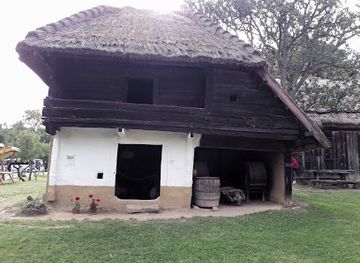
The principal attractions of Őrség-Vendvidék are spread across a protected cultural landscape rather than concentrated in a single resort. The Őrség National Park offers marked walking and cycling routes through woodland, meadow, orchard and stream environments, with opportunities for birdwatching and quiet nature observation. At Szalafő, the Pityerszer open-air museum explains the region’s traditional szer settlement pattern through preserved farm buildings, granaries and household equipment. Magyarszombatfa is associated with local pottery, and workshops and exhibitions illuminate the craft’s place in village life. Historic churches provide a second strand of interest, notably the medieval church at Velemér with its painted interior. Szentgotthárd contributes the Baroque Cistercian church and abbey complex, museums and an urban base for exploring the borderland. In summer, Vadása-tó and Hársas-tó offer lakeside recreation, while the surrounding villages provide gentler alternatives for walking and cycling. The area is best suited to visitors who enjoy combining natural landscapes, small-scale heritage, craft traditions and locally rooted food rather than moving between large headline attractions.
-
Tourist attraction
Castle of Eger
Explore the Castle of Eger, a stunning historical landmark in Hungary, offering breathtaking views, rich history, and captivating cultural experiences.
-
Tourist attraction
Szinva waterfall
Discover the enchanting Szinva Waterfall in Lillafüred, a breathtaking natural wonder surrounded by lush landscapes and rich cultural heritage.
-
Tourist attraction
Őrségi Népi Műemlékegyüttes
Explore the enchanting Őrségi Népí Műemlékegyüttes in Szalafő, a unique museum showcasing Hungary's rich folk heritage and traditional architecture.
-
Tourist attraction
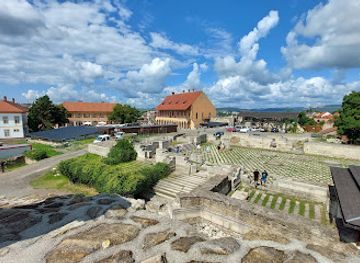
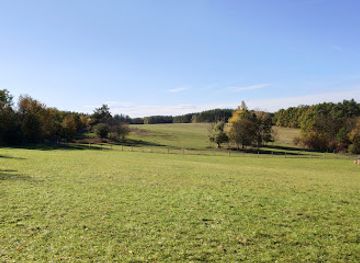
Őrség National Park
Experience the breathtaking landscapes and rich cultural heritage of Őrség National Park, a hidden gem in Hungary's natural paradise.
Best landmarks in Őrség-Vendvidék
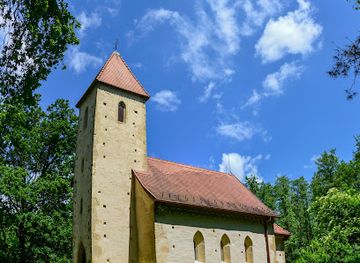
The most distinctive landmarks of Őrség-Vendvidék express its religious history, dispersed settlement pattern and borderland geography. The medieval church at Velemér is notable for its small scale, Romanesque character and surviving medieval frescoes, while the church and former abbey complex at Szentgotthárd form the region’s most substantial historic architectural ensemble. At Szalafő, Pityerszer is important not as a single monumental building but as a preserved group of farmsteads that illustrates the Őrség’s characteristic settlement form. The churches and village structures of the surrounding settlements are similarly valuable because they remain connected to working communities and agricultural land. Natural landmarks are quieter in scale: the wooded ridges, wet meadows and lakes of the Őrség National Park define the region more strongly than any mountain or dramatic gorge. Vadása-tó and Hársas-tó are recognisable recreational landscapes, while the forested slopes and open clearings around the Slovenian border provide a visual reminder of the region’s long-standing frontier character.
-
Bridge
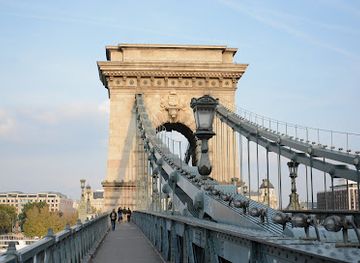
Széchenyi Chain Bridge
Experience the breathtaking beauty and rich history of Budapest at the iconic Széchenyi Chain Bridge, a must-visit landmark for every traveler.
-
Tourist attraction
Őrségi Népi Műemlékegyüttes
Explore the cultural heritage of Hungary at Őrségi Népi Műemlékegyüttes, an open-air museum showcasing traditional rural architecture and lifestyle.
-
National park
Őrség National Park
Explore the breathtaking Őrség National Park: a natural treasure in Hungary with stunning landscapes, diverse wildlife, and rich cultural heritage.
-
Tourist attraction
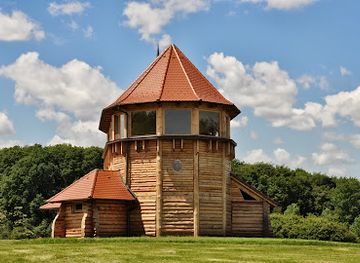
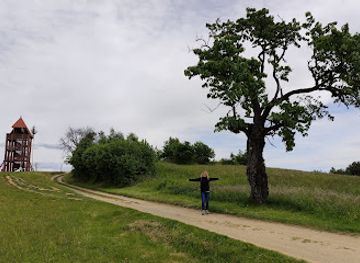
Kétvölgy kilátó
Experience breathtaking panoramic views and serene natural beauty at Kétvölgylátó, a must-visit lookout point in Hungary.
Explore Őrség-Vendvidék on the map
Plan your trip on one map. See where the top cities, national parks and sights are, and book hotels and experiences in a few clicks.
Best hotels in Őrség-Vendvidék
Best restaurants in Őrség-Vendvidék
Food in Őrség-Vendvidék is closely tied to household gardens, forests and small farms. Pumpkin-seed oil, potatoes, buckwheat, mushrooms, woodland berries, fruit preserves, dairy products and game are recurring regional ingredients, while local cooking also shares dishes with the wider western Hungarian and Slovenian borderland traditions. Őrségi dödölle, a rustic potato-based speciality, may appear in local interpretations, alongside buckwheat dishes, soups, filled pasta and seasonal pastries. Rural guesthouses, village inns and restaurants around Őriszentpéter and Szentgotthárd are the most practical places to look for regional menus, while farm shops and markets are useful for oil, honey, jams, cheese and other produce. Dining is generally relaxed and seasonal rather than highly formal; menus can vary according to harvests and local supply. Advance checking is sensible for small countryside establishments, especially outside the main summer period.
-
Hungarian
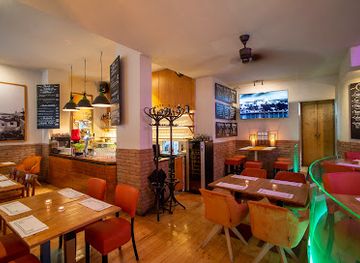
Parisi 6
Discover authentic Hungarian flavors with a vegetarian twist at Parisi 6 in the heart of Budapest.
-
Buffet
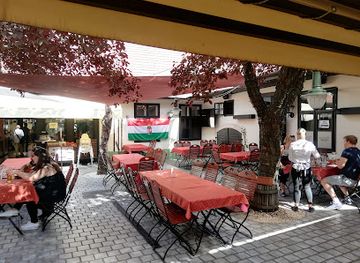
Trófea Grill Restaurant Óbuda
Experience authentic Hungarian cuisine at Trófea Grill Restaurant Óbuda with its vast buffet options and warm atmosphere perfect for any gathering.
-
Italian
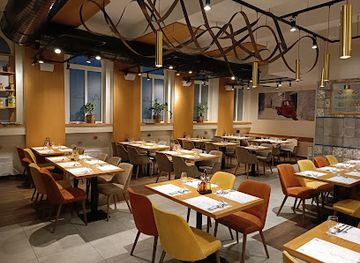
Ape Regina Italian Restaurant
Savor authentic Italian cuisine at Ape Regina Restaurant in Budapest - where every dish tells a story.
-
Restaurant
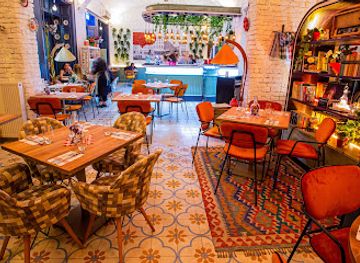
Retek Bisztro
Discover authentic Hungarian flavors at Retek Bisztro in Budapest - where tradition meets taste in a charming atmosphere.
Best bars in Őrség-Vendvidék
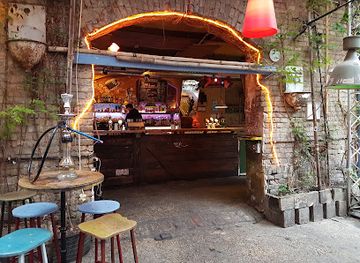
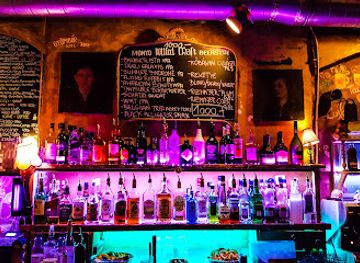
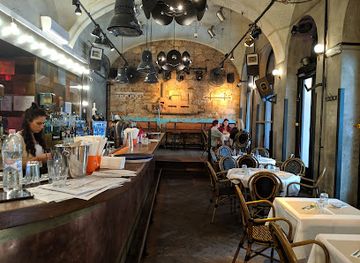
Evening life in Őrség-Vendvidék is modest and centred on traditional pubs, restaurants, accommodation venues and occasional village or cultural events rather than a large nightclub scene. Szentgotthárd has the broadest choice of cafés, bars and evening entertainment, while Őriszentpéter functions as a smaller social centre for visitors staying in the national-park area. In the villages, evenings are more likely to involve a meal, a local drink, conversation or a seasonal festival than late-night dancing. Some rural producers and hospitality venues offer tastings or informal cultural programmes, but availability changes with the season. Visitors should arrange transport before drinking, as rural taxis and late public transport may be limited and walking between scattered settlements after dark can be unsafe.
-
Pub
Szimpla Kert
Discover Szimpla Kert, Budapest's legendary ruin pub blending culture, community, and unforgettable nightlife experiences in a vibrant setting.
-
Bar
Instant-Fogas Complex
Discover the Instant-Fogas Complex: Budapest's premier nightlife destination offering bars, nightclubs, and an unforgettable party experience.
-
Bar
Ötkert
Experience Budapest's vibrant nightlife at Ötkert, a premier bar and disco club known for its eclectic cocktails and energetic atmosphere.
-
Gastropub
Élesztő
Experience the vibrant atmosphere of Élesztő, Budapest's top gastropub offering craft beers and delicious food in a charming beer garden.

Best nightclubs in Őrség-Vendvidék
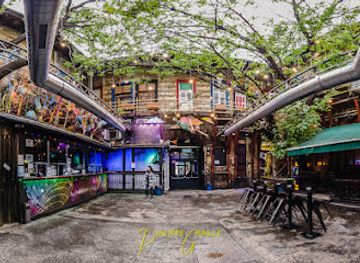
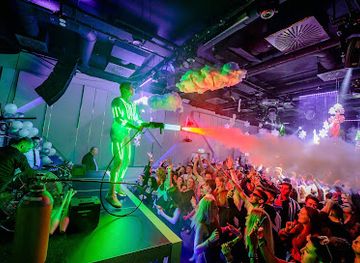
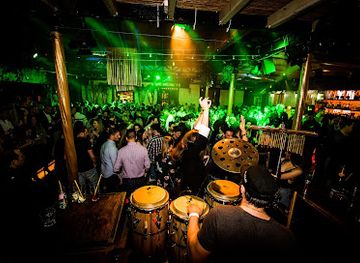
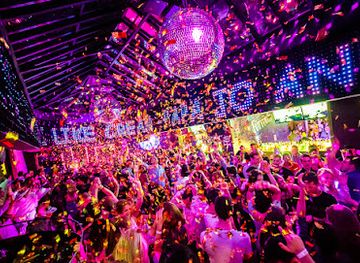
Evening life in Őrség-Vendvidék is modest and centred on traditional pubs, restaurants, accommodation venues and occasional village or cultural events rather than a large nightclub scene. Szentgotthárd has the broadest choice of cafés, bars and evening entertainment, while Őriszentpéter functions as a smaller social centre for visitors staying in the national-park area. In the villages, evenings are more likely to involve a meal, a local drink, conversation or a seasonal festival than late-night dancing. Some rural producers and hospitality venues offer tastings or informal cultural programmes, but availability changes with the season. Visitors should arrange transport before drinking, as rural taxis and late public transport may be limited and walking between scattered settlements after dark can be unsafe.
-
Night club
Instant-Fogas Complex
Discover the electrifying nightlife of Budapest at Instant-Fogas Complex, where bars, grills, and disco clubs come alive till dawn.
-
Night club
Club Heaven Budapest
Discover Budapest's vibrant nightlife at Club Heaven, where electrifying beats and a lively atmosphere create unforgettable experiences.
-
Night club
Ötkert
Experience Budapest's vibrant nightlife at Ötkert, the ultimate destination for dancing and cocktails in the heart of the city.
-
Night club
Peaches And Cream Club
Discover the heart of Budapest's nightlife at Peaches and Cream Club, where music, dance, and vibrant energy collide for an unforgettable experience.
Best shops in Őrség-Vendvidék
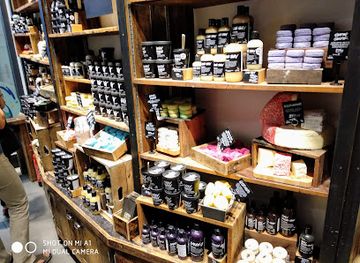
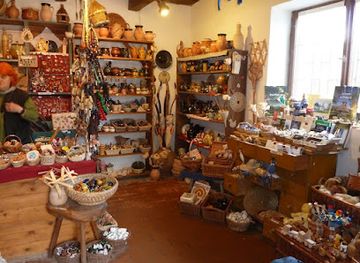
Shopping in Őrség-Vendvidék is focused on local produce, craft and small-town essentials rather than extensive retail districts. Őriszentpéter and Szentgotthárd provide the widest choice of everyday shops, cafés and services, while village markets and seasonal events offer regional food directly from growers and producers. Pumpkin-seed oil, honey, fruit preserves, herbal products, smoked goods and farmhouse cheeses make practical food souvenirs when bought from reputable sellers. Magyarszombatfa is the key place to look for Őrség pottery, including traditionally shaped household vessels and contemporary ceramic work. Small galleries, craft workshops and rural accommodation venues may also sell textiles, woodwork and locally designed gifts, though opening arrangements can be seasonal. Visitors should expect limited retail hours in smaller settlements and plan purchases around market days or festival periods rather than assuming that every village has a permanent craft shop.
-
Shopping mall
Westend
Experience Budapest's ultimate shopping and dining destination at Westend, where fashion meets flavor in a vibrant setting.
-
Gift shop
Campona
Explore Campona in Budapest, a vibrant shopping destination featuring unique gifts, local markets, and an inviting atmosphere perfect for tourists.
-
Outlet mall
Premier Outlet
Discover incredible deals and a wide variety of brands at Premier Outlet, Hungary's premier shopping destination near Budapest.
-
Tourist attraction
Őrségi Népi Műemlékegyüttes
Explore the traditional rural architecture and vibrant cultural heritage at Őrségi Népi Műemlékegyüttes in Hungary, a hidden gem for all travelers.
Get your free copy of our complete guide to Őrség-Vendvidék, delivered straight to you.
Everything on this page, from attractions and restaurants to essentials and local phrases, in one PDF you can read offline, print or share.
Already have an account? Sign in
Your Őrség-Vendvidék guide is ready.
We'll send it to · Not you? Sign out

Getting your guide ready…
We are putting together a fresh copy of the Őrség-Vendvidék guide. This can take up to a minute.
This can take a few moments. If your browser asks, choose Allow so the download can start. You'll find the guide in your Downloads folder.
Nothing happened? Download it again
Sorry, the guide is taking longer than usual. Please try again in a minute, or get it by email instead.
Őrség-Vendvidék essentials
Currency and Payment
Safety
Emergency Situations
Do's and Don'ts
Local Tips
From Eve
Local phrases worth knowing
You don't need to get them perfect. A few words go a long way, and locals appreciate the effort.
Basics
| English | Local | Say it |
|---|---|---|
| Hello | Szia | [see-yah] |
| Goodbye | Viszlát | [vees-laht] |
| Yes | Igen | [ee-gen] |
| No | Nem | [nem] |
| Please/You're welcome | Kérem | [kay-rem] |
| Thank you | Köszönöm | [kuh-suh-nuhm] |
| Excuse me/Sorry | Elnézést | [el-neh-zest] |
| How are you? | Hogy vagy? | [hodj vuhj] |
| Fine. And you? | Jól. És te? | [yoal. aysh tay] |
| Do you speak English? | Beszélsz angolul? | [beh-sehls ahn-goh-lool] |
| I don't understand | Nem értem | [nem air-tem] |
Eating & Drinking
| English | Local | Say it |
|---|---|---|
| I'd like to see the menu, please | Szeretném látni az étlapot, kérem | [zeh-reht-nehm laht-nee az ayt-lah-pot, kay-rem] |
| I don't eat meat | Nem eszek húst | [nem eh-sek hoosht] |
| Cheers! | Egészségedre! | [eh-gehsh-ay-ged-reh] |
| I would like to pay, please | Szeretném kifizetni, kérem | [zeh-reht-nehm kee-fee-zet-nee, kay-rem] |
Emergencies
| English | Local | Say it |
|---|---|---|
| Help! | Segíts! | [seh-geets] |
| Go away! | Menj el! | [men-yel] |
| Call the Police! | Hívd a rendőrséget! | [heevd ah ren-door-sheh-get] |
| Call a doctor! | Hívd az orvost! | [heevd az or-vost] |
| I'm lost | Elvesztem | [el-ves-tem] |
| I'm ill | Beteg vagyok | [beh-teg vah-yok] |
Shopping
| English | Local | Say it |
|---|---|---|
| I'd like to buy... | Szeretnék venni... | [zeh-reht-neek veh-nee] |
| I'm just looking | Csak nézelődöm | [chak nay-zeh-loh-dohm] |
| How much is it? | Mennyibe kerül? | [men-nee-beh keh-rool] |
| That's too expensive | Ez túl drága | [ez tool drah-gah] |
| Can you lower the price? | Le tudnád csökkenteni az árat? | [leh tood-nahd choh-kken-tee az ah-raht] |
Time & Numbers
| English | Local | Say it |
|---|---|---|
| What time is it? | Hány óra van? | [hahn-ee oh-rah vahn] |
| It's one o'clock | Egy óra van | [edge oh-rah vahn] |
| Half past (10) | Fél (10) | [fehl (10)] |
| Morning | Reggel | [rehg-gel] |
| Afternoon | Délután | [day-loo-tahn] |
| Evening | Este | [eh-shtay] |
| Yesterday | Tegnap | [teh-nahp] |
| Today | Ma | [mah] |
| Tomorrow | Holnap | [hol-nahp] |
| 1 | 1 | [1] |
| 2 | 2 | [2] |
| 3 | 3 | [3] |
| 4 | 4 | [4] |
| 5 | 5 | [5] |
| 6 | 6 | [6] |
| 7 | 7 | [7] |
| 8 | 8 | [8] |
| 9 | 9 | [9] |
| 10 | 10 | [10] |
Transport & Directions
| English | Local | Say it |
|---|---|---|
| Where's a/the...? | Hol van a...? | [hol vahn ah] |
| What's the address? | Mi a cím? | [mee ah seem] |
| Can you show me (on the map)? | Meg tudnád mutatni (a térképen)? | [meg tood-nahd moo-tat-nee (ah tayr-kay-pen)] |
| When's the next (bus)? | Mikor jön a következő (busz)? | [mee-kor yohn ah keh-vet-kay-zo (booz)?] |
| A ticket (to ....) | Egy jegy (.....) | [edge yeh-dj (.....)] |
History of Őrség-Vendvidék
Early settlement and the Őrség watchlands
The name Őrség is associated with the region’s medieval role as a border-guarding area. Communities settled on higher ground and were traditionally linked with the protection of the western frontier of the Hungarian Kingdom. This history helped shape the dispersed settlement pattern, in which groups of farmsteads developed along ridges and clearings rather than around a single village centre. The surviving landscape of small plots, woods and traditional buildings reflects centuries of adaptation to both agriculture and defence.
Medieval churches and rural communities
Christian institutions and medieval settlement became visible in churches and church sites across the region. The Romanesque church at Velemér, generally dated to the Árpád period, is especially important for its architecture and medieval frescoes. Religious buildings in the Őrség served scattered communities whose livelihoods depended on mixed farming, forestry and local trade. Their modest scale contrasts with the monumental buildings of Hungary’s major cities, but they provide valuable evidence of medieval life in the western borderlands.
The western frontier under the Ottoman-era pressures
Although Őrség-Vendvidék was not the principal theatre of the Ottoman campaigns, the wider western Hungarian frontier was shaped by military insecurity, fortified estates and changing political authority from the sixteenth century onwards. Local noble families, including the influential Batthyány family in the wider area, played important roles in administration and defence. Communities experienced the consequences of a frontier zone through taxation, troop movements and altered trade routes, while the region’s forests and dispersed settlements remained central to everyday survival.
The Slovenian cultural landscape of Vendvidék
Vendvidék developed as a predominantly Slovenian-speaking cultural area within the historical Hungarian borderlands. Villages around what is now the Szentgotthárd district retained Slovenian linguistic and cultural traditions alongside Hungarian institutions. Family names, folk customs, foodways, religious life and settlement patterns all reflect this layered heritage. The border shifted in significance during the twentieth century, but Slovenian identity remains part of the region’s cultural history and is represented in local community life and heritage initiatives.
Szentgotthárd and the Cistercian legacy
Szentgotthárd became a significant ecclesiastical centre through the Cistercian abbey founded in the Middle Ages. The abbey was later rebuilt in the Baroque period, and its church and associated buildings remain the most prominent historic architectural ensemble in the wider region. Szentgotthárd also developed as a market and administrative centre, linking the rural Őrség and Vendvidék settlements with larger networks of trade, education and religious administration.
Border closure and the Iron Curtain
After the Second World War, the Hungarian–Yugoslav and Hungarian–Austrian borderlands became heavily controlled frontier zones. Restrictions, military installations and limited access affected settlement life, employment and regional connections. Many places in Vendvidék were particularly marked by their proximity to the state border. The gradual dismantling of the Iron Curtain and the later opening of European borders changed the region’s prospects, making cross-border cultural contact and nature-based tourism more practical while leaving traces of the former division in the landscape.
The Őrség National Park and conservation-led tourism
The Őrség National Park was established in 2002, bringing together valuable forests, meadows, wetlands, streams and traditional cultural landscapes in south-western Hungary. Its creation recognised that biodiversity in the region is closely connected with long-established farming practices and settlement patterns. Conservation, walking, cycling, heritage interpretation and local food now form the basis of much regional tourism. The park’s work also supports the understanding of Őrség as a living landscape rather than simply a collection of historic buildings.
Őrség-Vendvidék in Photos
Browse through our photo collection highlighting the charm and character of the destination.
Neighbouring regions of Őrség-Vendvidék
The closest regions to Őrség-Vendvidék, if you have time for more than one.
-

-

-

-

-


Swipe for more regions
Explore more

Explore more of Hungary
Discover Hungary: A land of historic cities, scenic landscapes, thermal baths, and rich culinary traditions in the heart of Europe.
Explore Hungary