

Free Sawtooth Travel Guide & Mobile App
Explore Sawtooth with free travel guides. Discover regional history, expert tips, proposed trips, and audio guides on web or mobile app.


Explore Idaho’s Sawtooth region for granite peaks, alpine lakes, wilderness trails, ranching heritage and high-country adventures near Stanley.
Read more about Sawtooth
Getting to and around Sawtooth
How to get there
Transportation
Destinations in Sawtooth
Resorts, valleys and scenic spots worth a trip of their own.

Swipe for more destinations
Best attractions in Sawtooth
The Sawtooth region’s attractions are primarily landscapes and outdoor experiences rather than large built visitor complexes. The Sawtooth National Recreation Area provides access to alpine lakes, granite basins, high passes and extensive hiking routes, with Redfish Lake serving as the best-known hub for boating, swimming, lakeside walks and mountain views. Stanley Lake and the Sawtooth Valley offer quieter settings, while the Salmon River corridor introduces a warmer, more open landscape shaped by ranching and river travel. The Sawtooth Wilderness is suited to experienced hikers and backpackers prepared for rugged, self-sufficient travel rather than casual sightseeing. Around Ketchum and the southern approach, visitors can combine mountain recreation with galleries, cultural programming and the wider outdoor facilities of the Wood River Valley. Fishing, climbing, horseback riding, wildlife observation, scenic driving, mountain biking and winter activities all feature, but availability varies by elevation and season. The appeal lies in moving between accessible recreation sites and remote country, with the character of the region changing from developed lake shore and ranch valley to roadless mountain terrain within a relatively short distance.
-
Park
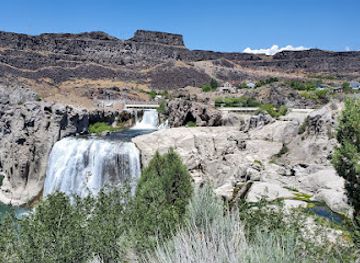
Shoshone Falls Park
Experience the breathtaking beauty of Shoshone Falls Park, a natural wonder in Idaho, perfect for outdoor adventures and scenic views.
-
History museum
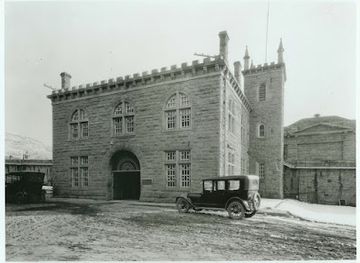
Old Idaho Penitentiary Site
Discover the haunting history and stories of the Old Idaho Penitentiary Site, a captivating historical landmark in Boise that preserves the past.
-
National forest
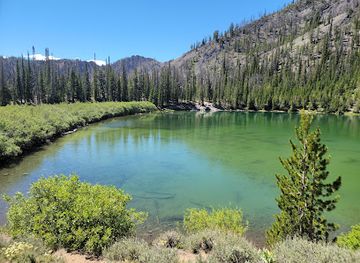
Sawtooth National Forest
Explore the breathtaking Sawtooth National Forest, where stunning landscapes and outdoor adventures await in the heart of Idaho.
-
Tourist attraction
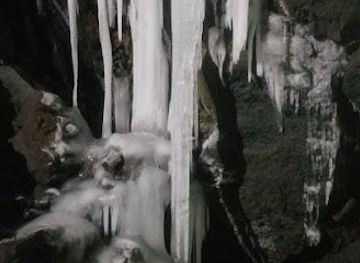
Shoshone Ice Caves
Explore the Shoshone Ice Caves in Idaho, a breathtaking natural wonder with stunning formations and a captivating geological history.
Best landmarks in Sawtooth
The Sawtooth Mountains are the region’s defining natural landmark, their serrated granite skyline visible from the Stanley Basin, Redfish Lake and several approach roads. Redfish Lake itself is a major visual and geographical reference point, framed by steep peaks and connected to the surrounding mountain landscape by trails and developed recreation areas. Galena Summit, on the route between the Wood River Valley and Stanley, provides a high-elevation viewpoint over the Sawtooth country, although conditions can change rapidly and winter access may be restricted. The Salmon River is another important landmark, linking mountain scenery with open valley landscapes and the region’s ranching history. Stanley’s setting beneath the peaks gives the small town a recognisable sense of place, while the Sawtooth Wilderness represents the protected, roadless core of the range rather than a single monument. Around Ketchum, the Wood River Valley and surrounding mountains provide a contrasting landmark landscape of historic settlement, ski-country terrain and broad high-desert slopes. Together these places convey the region’s essential geography: granite, water, open valleys and high passes shaped by both natural processes and public-land conservation.
-
Park
Shoshone Falls Park
Experience the grandeur of Shoshone Falls Park, a stunning natural wonder in Twin Falls, Idaho, known for its breathtaking waterfalls and scenic beauty.
-
Nature preserve
Craters of the Moon National Monument & Preserve
Discover the breathtaking volcanic landscapes and diverse ecosystems at Craters of the Moon National Monument & Preserve in Idaho.
-
History museum
Old Idaho Penitentiary Site
Discover the haunting history of Idaho at the Old Idaho Penitentiary Site, an iconic historical landmark and museum in Boise.
-
Botanical garden
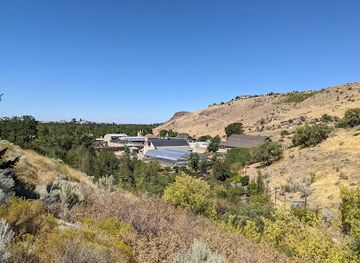
Idaho Botanical Garden
Discover the serene beauty and diverse plant life at Idaho Botanical Garden, a peaceful retreat in Boise perfect for tourists and nature lovers.


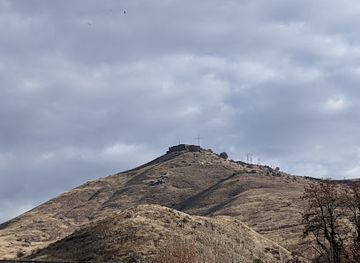
Explore Sawtooth on the map
Plan your trip on one map. See where the top cities, national parks and sights are, and book hotels and experiences in a few clicks.
Best hotels in Sawtooth
Best restaurants in Sawtooth
Dining in the Sawtooth region reflects its small settlements, seasonal visitor economy and mountain setting. Stanley has a concentrated selection of cafés, casual restaurants, bars and lodge dining, while Ketchum and nearby communities in the Wood River Valley offer a broader range, including contemporary cooking, bakeries, coffee shops and more formal restaurants. Menus commonly draw on American mountain fare, locally sourced produce when available, game and freshwater fish, though not every dish is uniquely Idahoan. Ranching country contributes beef and other hearty ingredients, while Idaho potatoes appear widely in regional cooking. Picnic provisions, packed lunches and supplies for remote outings are important parts of the food landscape, particularly for hikers and campers. Farmers’ markets and seasonal food events may provide regional produce, baked goods and prepared foods, but dates and locations vary. In rural areas, opening arrangements can be seasonal, and visitors should not expect late-night dining or a large choice of restaurants after leaving the main communities.
-
Steak
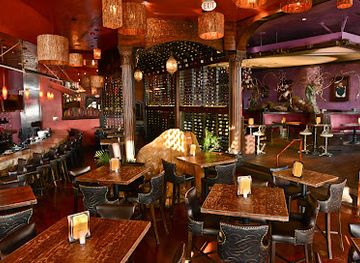
Barbacoa Grill
Discover Barbacoa Grill in Boise - where exquisite steaks meet vibrant Latin American flavors in a fine dining experience.
-
Restaurant
Eureka!
Discover Boise's culinary delight at Eureka!, where fresh ingredients meet innovative American cuisine in a vibrant setting.
-
American
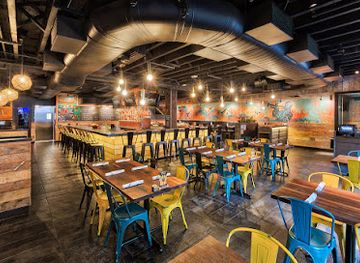
Tupelo Honey Southern Kitchen & Bar
Discover authentic Southern cuisine at Tupelo Honey Southern Kitchen & Bar in Boise – where comfort food meets vibrant atmosphere.
-
Eclectic
Reef
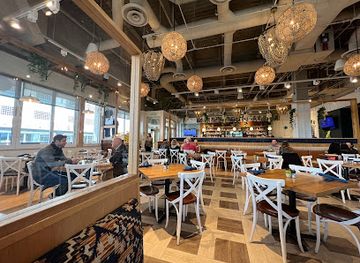
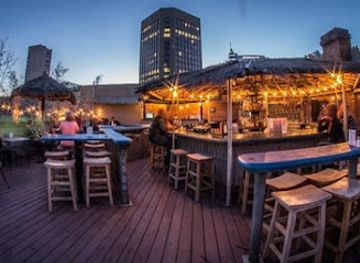
Experience eclectic dining and live music at The Reef in downtown Boise – where flavor meets fun in a vibrant setting.
Best bars in Sawtooth
Evening life in the Sawtooth region is low-key and concentrated in Stanley, Ketchum and the larger communities of the Wood River Valley. Stanley’s bars, lodges and restaurants provide informal places for a drink, a meal and conversation after a day outdoors, with activity strongly influenced by the summer and winter seasons. Ketchum has the region’s broader choice of pubs, cocktail-oriented bars, live music and late-evening venues, although it remains a small mountain town rather than a major nightlife centre. Local breweries and bars commonly attract visitors seeking Idaho beer and relaxed social settings, while cultural events and live performances add alternatives to drinking-focused evenings. Outside the main settlements, rural inns and lodges may offer an early dinner or occasional entertainment, but services are sparse and distances are significant. Check current arrangements locally, particularly outside peak summer and winter periods, and plan a safe return rather than driving mountain roads after drinking.
-
American
Bittercreek Alehouse
Experience the heart of Boise at Bittercreek Alehouse, where delicious American cuisine meets an exceptional selection of local craft beers.
-
American
Mountain Village Restaurant
Experience the best breakfast in Stanley, Idaho at Mountain Village Restaurant with stunning views and a menu full of local flavors.
-
American
Pioneer Saloon
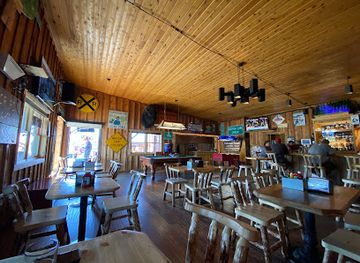
Discover Pioneer Saloon in Ketchum, Idaho, a charming American steakhouse blending hearty flavors with a rustic Old West atmosphere.
-
Hamburger
Grumpy's
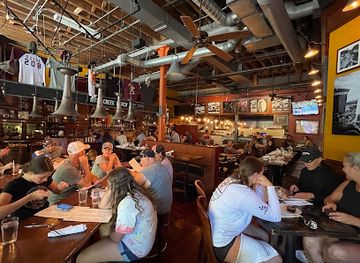
Experience the best burgers and craft beers at Grumpy's in Ketchum, Idaho—where flavor meets a funky atmosphere in the heart of Sun Valley.

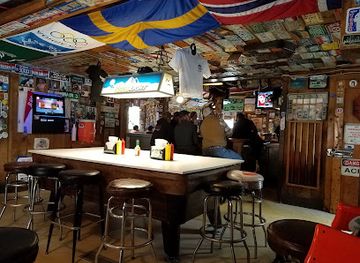
Best nightclubs in Sawtooth
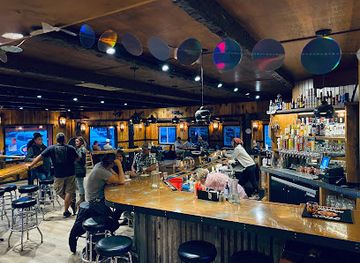
Evening life in the Sawtooth region is low-key and concentrated in Stanley, Ketchum and the larger communities of the Wood River Valley. Stanley’s bars, lodges and restaurants provide informal places for a drink, a meal and conversation after a day outdoors, with activity strongly influenced by the summer and winter seasons. Ketchum has the region’s broader choice of pubs, cocktail-oriented bars, live music and late-evening venues, although it remains a small mountain town rather than a major nightlife centre. Local breweries and bars commonly attract visitors seeking Idaho beer and relaxed social settings, while cultural events and live performances add alternatives to drinking-focused evenings. Outside the main settlements, rural inns and lodges may offer an early dinner or occasional entertainment, but services are sparse and distances are significant. Check current arrangements locally, particularly outside peak summer and winter periods, and plan a safe return rather than driving mountain roads after drinking.
-
Night club
Humpin' Hannah's
Discover the vibrant nightlife of Boise at Humpin' Hannah's, your go-to night club and bar for unforgettable evenings filled with great music and drinks.
-
Gay night club
The Balcony Club
Discover the vibrant nightlife at The Balcony Club, Boise's premier gay night club, offering unforgettable events and a welcoming atmosphere for all.
-
Restaurant
Kasino Club
Immerse yourself in the lively ambiance of Kasino Club, the heart of Stanley's nightlife, featuring delicious food, great drinks, and live music.
-
Restaurant
King Legend Night Club / salinas tamales
Discover the lively fusion of dining and nightlife at King Legend Night Club in Caldwell, Idaho, where good food and vibrant fun come together.


Best shops in Sawtooth
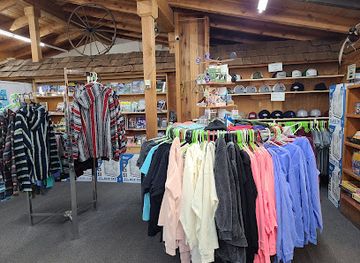
Shopping in the Sawtooth region is practical, independent and closely tied to outdoor recreation. Stanley has small general stores, outfitters, galleries and gift shops serving campers, anglers, hikers and road travellers, with locally made art, books, clothing and mountain-themed goods often more useful than mass-market souvenirs. Ketchum and the Wood River Valley provide a wider selection of outdoor equipment, independent boutiques, galleries, antiques and contemporary craft, as well as food shops for provisions. Regional purchases may include Idaho potatoes and other packaged foods, local artwork, jewellery, pottery, textiles and products made by Idaho artists, although provenance should be checked rather than assumed. Seasonal farmers’ markets can offer produce, baked goods and crafts when operating. Retail hours and stock can be strongly seasonal, especially in small settlements, so visitors heading into remote country should buy essential supplies before leaving the larger towns. The best shopping complements the landscape: reliable gear, trail food, maps, locally produced goods and art connected to Idaho’s mountains and working valleys.
-
Coffee shop
Starbucks
Discover the perfect coffee experience at Starbucks in Ketchum, where rich beverages meet a cozy atmosphere, ready to fuel your adventures.
-
Grocery store
Mountain Village Mercantile
Explore Mountain Village Mercantile in Stanley, Idaho, the perfect spot for all your grocery and camping needs while enjoying local flavors.
-
Vintage clothing store
Maude’s Coffee and Clothes
Experience Ketchum's unique blend of vintage fashion and artisanal coffee at Maude's Coffee and Clothes.
-
Clothing store
River 1
Discover River 1 in Stanley, Idaho—a perfect blend of stylish clothing, quality footwear, and locally roasted coffee in a cozy shopping atmosphere.



Get your free copy of our complete guide to Sawtooth, delivered straight to you.
Everything on this page, from attractions and restaurants to essentials and local phrases, in one PDF you can read offline, print or share.
Already have an account? Sign in
Your Sawtooth guide is ready.
We'll send it to · Not you? Sign out

Getting your guide ready…
We are putting together a fresh copy of the Sawtooth guide. This can take up to a minute.
This can take a few moments. If your browser asks, choose Allow so the download can start. You'll find the guide in your Downloads folder.
Nothing happened? Download it again
Sorry, the guide is taking longer than usual. Please try again in a minute, or get it by email instead.
Sawtooth essentials
Currency and Payment
Safety
Emergency Situations
Do's and Don'ts
Local Tips
From Eve
Local phrases worth knowing
You don't need to get them perfect. A few words go a long way, and locals appreciate the effort.
Basics
| English | Local | Say it |
|---|---|---|
| Hello | Howdy | [Ha-dee] |
| Goodbye | See ya | [See yah] |
| Yes | Yep | [Yep] |
| No | Nah | [Nah] |
| Please/You're welcome | Please/No problem | [Pleeze/No prob] |
| Thank you | Thanks | [Thangs] |
| Excuse me/Sorry | Excuse me/Sorry | [Ex-kyoos mee/Sor-ee] |
| How are you? | How's it going? | [How's it goin'?] |
| Fine. And you? | Good. You? | [Good. You?] |
| Do you speak English? | Can you talk English? | [Can you talk Ing-lish?] |
| I don't understand | I don't get it | [I don't get it] |
Eating & Drinking
| English | Local | Say it |
|---|---|---|
| I'd like to see the menu, please | Can I see the menu? | [Can I see the men-yoo?] |
| I don't eat meat | I'm a vegetarian | [I'm a ve-ge-tair-ee-an] |
| Cheers! | Cheers! | [Cheers!] |
| I would like to pay, please | Can I get the check, please? | [Can I get the chek, pleeze?] |
Emergencies
| English | Local | Say it |
|---|---|---|
| Help! | Help! | [Help!] |
| Go away! | Leave me alone! | [Leave me alone!] |
| Call the Police! | Call the cops! | [Call the cops!] |
| Call a doctor! | Get a doctor! | [Get a doctor!] |
| I'm lost | I'm lost | [I'm lost] |
| I'm ill | I'm not feeling well | [I'm not feelin' well] |
Shopping
| English | Local | Say it |
|---|---|---|
| I'd like to buy... | I want to buy... | [I want to buy...] |
| I'm just looking | Just browsing | [Just brows-ing] |
| How much is it? | What's the price? | [What's the price?] |
| That's too expensive | That's a bit pricey | [That's a bit pri-see] |
| Can you lower the price? | Can you do better on the price? | [Can you do better on the price?] |
Time & Numbers
| English | Local | Say it |
|---|---|---|
| What time is it? | What time you got? | [What time you got?] |
| It's one o'clock | It's one | [It's one] |
| Half past (10) | Half past ten | [Half past ten] |
| Morning | Morning | [Mornin'] |
| Afternoon | Afternoon | [Afternoon] |
| Evening | Evening | [Evenin'] |
| Yesterday | Yesterday | [Yes-ter-day] |
| Today | Today | [To-day] |
| Tomorrow | Tomorrow | [To-mor-row] |
| 1 | One | [One] |
| 2 | Two | [Two] |
| 3 | Three | [Three] |
| 4 | Four | [Four] |
| 5 | Five | [Five] |
| 6 | Six | [Six] |
| 7 | Seven | [Seven] |
| 8 | Eight | [Eight] |
| 9 | Nine | [Nine] |
| 10 | Ten | [Ten] |
Transport & Directions
| English | Local | Say it |
|---|---|---|
| Where's a/the...? | Where's the...? | [Where's the...?] |
| What's the address? | What's the address? | [What's the ad-dress?] |
| Can you show me (on the map)? | Can you point it out? | [Can you point it out?] |
| When's the next (bus)? | When's the next bus? | [When's the next bus?] |
| A ticket (to ....) | A ticket to... | [A tik-it to...] |
History of Sawtooth
Indigenous Homelands and Seasonal Travel
The Sawtooth landscape lies within the broader homelands and traditional travel networks of Indigenous peoples, including the Shoshone-Bannock. Mountain valleys, river corridors and high-country areas supported seasonal movement, hunting, fishing and gathering long before the arrival of American settlers. The Salmon River and its tributaries connected different ecological zones, while mountain passes provided routes across central Idaho. Visitors should understand the region not as an untouched wilderness but as a lived cultural landscape shaped by Indigenous knowledge and continuing Native presence in Idaho.
Exploration and the Fur Trade Era
Euro-American knowledge of central Idaho expanded during the nineteenth century through the activities of fur trappers, missionaries, surveyors and prospectors. The difficult terrain limited large-scale settlement, but river corridors and mountain passes became increasingly important routes. Reports of mineral wealth drew further attention to the interior, while government surveys gradually mapped the ranges and valleys. The region’s rugged topography prevented it from developing into a densely settled agricultural district, helping preserve the extensive public lands that characterise it today.
Mining, Ranching and Early Settlement
Gold and silver exploration affected communities throughout central Idaho during the late nineteenth and early twentieth centuries. Mining brought roads, temporary camps and new settlement, although the highest parts of the Sawtooths remained difficult to access and economically marginal. Ranching proved more durable in the open valleys around Stanley and along the Salmon River, where summer grazing and hay production suited the climate. Many present-day roads, buildings and community patterns reflect this combination of mining ambition, ranching practicality and the region’s limited agricultural potential.
Forest Conservation and Public Lands
The creation of the Sawtooth National Forest in 1905 placed much of the mountain landscape under federal management during the Progressive Era conservation movement. Later, public-land policy balanced timber production, grazing, recreation, wildlife protection and wilderness preservation. The designation of the Sawtooth Wilderness in 1972 protected a large core of roadless mountain country, while surrounding lands continued to support a mixture of recreation and working uses. This layered system explains why the region contains both regulated visitor facilities and vast areas reached only on foot or horseback.
The Sawtooth National Recreation Area, 1972
The Sawtooth National Recreation Area was established in 1972 as part of a wider reorganisation of public-land management in central Idaho. It brought together dramatic peaks, alpine lakes, river corridors and developed recreation sites under a framework intended to protect scenery while allowing carefully managed public access. Redfish Lake, Stanley Lake and the Sawtooth Wilderness became central reference points for visitors. The recreation area remains a defining institution of the region, shaping trail management, camping, boating, wildlife protection and the visitor economy.
Outdoor Recreation and Seasonal Tourism
From the late twentieth century onwards, hiking, fishing, skiing, climbing, boating and scenic travel became increasingly important to the economy of the Sawtooth region. Ketchum and the Wood River Valley developed a substantial resort and arts identity, while Stanley remained a smaller gateway to the northern mountains and upper Salmon country. Tourism has brought accommodation, guiding and service businesses, but it has also increased pressure on roads, campsites, housing and fragile ecosystems. Current regional debates often centre on how to maintain access without undermining the landscape that attracts visitors.
Sawtooth in Photos
Browse through our photo collection highlighting the charm and character of the destination.
Neighbouring regions of Sawtooth
The closest regions to Sawtooth, if you have time for more than one.
-

-
-

-

-


Swipe for more regions
Explore more

Explore more of Idaho
Idaho: Discover the Gem State's stunning landscapes, vibrant cities, and outdoor adventures. From majestic mountains to serene lakes, experience the natural wonders of Idaho.
Explore Idaho