

Sawtooth National Recreation Area, Idaho Travel Guide
Discover the majestic Sawtooth National Recreation Area in Idaho, a paradise for outdoor enthusiasts with its stunning mountains, serene lakes, and endless trails.
Nestled in the heart of Idaho, the Sawtooth National Recreation Area offers a breathtaking blend of towering peaks, serene lakes, and lush forests. This expansive wilderness covers over 756,000 acres and is a haven for outdoor enthusiasts. From hiking and fishing to camping and wildlife spotting, the opportunities for adventure are endless. The area is named after the jagged, tooth-like peaks of the Sawtooth Range, which provide a dramatic backdrop to the pristine landscape. Visitors can explore more than 700 miles of trails, many of which lead to secluded alpine lakes, cascading waterfalls, and panoramic vistas. The Redfish Lake area is a popular spot for boating, swimming, and picnicking, offering stunning views of the surrounding mountains. For those seeking a more rugged experience, the Sawtooth Wilderness Area offers remote backcountry hiking and camping. In addition to its natural beauty, the Sawtooth National Recreation Area is rich in history and culture. The town of Stanley serves as the gateway to the region and is known for its rustic charm and friendly locals. The area also hosts a variety of seasonal events, including music festivals, marathons, and wildlife tours. Whether you are seeking adventure, tranquility, or a bit of both, the Sawtooth National Recreation Area promises an unforgettable experience.

Know before you go
Hi, I'm Eve. Here are a few practical things to know before exploring Sawtooth National Recreation Area.
- Visit in late summer or early fall for the best weather and fewer crowds.
- Bring insect repellent, as mosquitoes can be abundant near lakes and streams.
- Check trail conditions and weather forecasts before heading out for a hike.
- Carry a map and compass; cell service is limited in many areas.
- Plan ahead for camping, as sites can fill up quickly during peak seasons.
Explore Sawtooth National Recreation Area: Things to Do, Places to Eat, Hotels & More
Handpicked recommendations for top attractions, local dining, accommodations, and more

Best attractions in Sawtooth National Recreation Area
Top-rated picks
Best Attractions

Boise National Forest
Discover the breathtaking beauty of Boise National Forest, a haven for outdoor enthusiasts in Idaho with diverse landscapes and endless adventure opportunities.

Land of Yankee Fork State Park
Explore the stunning landscapes and rich history of Land of Yankee Fork State Park in Idaho, a perfect destination for outdoor adventures and relaxation.

Sawtooth NRA HQ & Visitors Center
Explore the breathtaking beauty of Idaho at the Sawtooth NRA HQ & Visitors Center, your gateway to adventure and information.

Best landmarks in Sawtooth National Recreation Area
Top-rated picks
Best Landmarks

Kirkham Hot Springs
Discover the tranquil beauty of Kirkham Hot Springs, where nature and relaxation come together in Idaho's stunning landscapes.

Yankee Fork Gold Dredge
Explore the rich history of Idaho's gold mining era at the Yankee Fork Gold Dredge, a captivating historical landmark surrounded by stunning natural beauty.

Land of Yankee Fork State Park
Explore the breathtaking landscapes and rich history of Land of Yankee Fork State Park, a must-visit destination for nature lovers and history enthusiasts in Idaho.

Hemingway Memorial
Explore the serene Hemingway Memorial in Sun Valley, a tribute to the literary giant amidst breathtaking mountain landscapes.

Best restaurants in Sawtooth National Recreation Area
Top-rated picks
Best Restaurants

Pioneer Saloon
Experience the rich history and vibrant atmosphere at Pioneer Saloon in Ketchum—where great food meets local charm.

Sawtooth Club
Experience exquisite American cuisine at Sawtooth Club in Ketchum - where local flavors meet warm hospitality.

Sawtooth Luce's Restaurant
Experience authentic American dining with locally sourced ingredients at Sawtooth Luce's Restaurant in scenic Stanley, Idaho.

Sawtooth Brewery Public House
Discover the essence of Ketchum at Sawtooth Brewery Public House - where craft beer meets delicious local cuisine in a warm and inviting setting.

Best shops in Sawtooth National Recreation Area
Top-rated picks
Best Shops

Mountain Village Mercantile
Discover the essence of Idaho at Mountain Village Mercantile, your local grocery store filled with fresh produce, unique souvenirs, and community spirit.

Sawtooth Spirit
Experience the heart of Idaho at Sawtooth Spirit, where local art and unique gifts celebrate the stunning Sawtooth landscapes.

Explore Sawtooth National Recreation Area on the Map
A handpicked selection of must-see spots in Sawtooth National Recreation Area, mapped for you.
Sawtooth National Recreation Area Essentials
-
The Sawtooth National Recreation Area (SNRA) is located in central Idaho. The nearest major airport is Boise Airport (BOI), approximately 130 miles southwest of the SNRA. From Boise, you can rent a car and drive to the recreation area, which typically takes about 2.5 to 3 hours via US-20 E and ID-75 N. Another option is the Friedman Memorial Airport (SUN) in Hailey, about 60 miles south of the SNRA. From there, you can rent a car or take a shuttle service to the recreation area.
-
To explore the vast expanse of the SNRA, renting a car is highly recommended. The area is expansive, and many trailheads and points of interest are accessible only by vehicle. There are no public transportation options within the recreation area. If you prefer not to drive, consider hiring a local guide or using shuttle services that operate within the area, especially during peak seasons.
-
The official currency in the United States is the US Dollar (USD). Credit and debit cards are widely accepted in the towns surrounding the SNRA, such as Stanley and Ketchum. However, it's advisable to carry some cash, especially if you plan to visit more remote areas or small local businesses. ATMs are available in nearby towns.
-
The SNRA is generally a safe destination for tourists. However, always be aware of your surroundings, especially when hiking or camping. Wildlife encounters, including with bears and mountain lions, are possible, so take appropriate precautions. Keep food secured and follow all posted guidelines. There are no specific high-crime areas targeting tourists, but it's always wise to keep your belongings secure and avoid leaving valuables in your vehicle.
-
In case of an emergency, dial 911 for immediate assistance. Medical facilities are available in nearby towns such as Stanley and Ketchum. It's recommended to have travel insurance that covers medical emergencies and outdoor activities. For non-emergency medical issues, there are pharmacies in the nearby towns where you can purchase over-the-counter medications. Always inform someone of your plans and expected return time when venturing into remote areas.
-
Fashion: Do wear appropriate outdoor clothing and sturdy hiking boots. Layering is key due to variable weather conditions. Avoid wearing overly flashy or impractical clothing. Religion: The SNRA is a secular area, but always respect any cultural or religious sites you may encounter. Public Transport: Public transport is not available within the SNRA. Do rely on rental cars or shuttle services. Greetings: Do greet fellow hikers and locals with a friendly nod or hello. The hiking community is generally welcoming. Eating & Drinking: Do pack out all trash and leave no trace. Don't feed wildlife or leave food scraps, as this can attract animals.
-
To experience the SNRA like a local, visit during the shoulder seasons (spring and fall) to avoid the summer crowds. Engage with local rangers for insider tips and trail recommendations. Try local eateries in Stanley and Ketchum for a taste of Idaho cuisine. Don't miss a visit to Redfish Lake for stunning views and recreational activities. For a unique experience, consider a guided fly-fishing trip or a horseback riding tour through the scenic landscapes.
When is the best time to visit Sawtooth National Recreation Area?
Useful Local Phrases for Sawtooth National Recreation Area
You don't need to speak the language perfectly. Even learning a few simple words can make conversations warmer—and locals usually appreciate the effort.
— Eve

Here are the phrases I use most often in Sawtooth National Recreation Area. Try a few—you'll be surprised how far they go! 😊
❤️
-
- HelloHowdy
[haʊdi] - GoodbyeSee ya
[siː jə] - YesYup
[jʌp] - NoNope
[noʊp] - Please/You're welcomePlease/You're welcome
[pliːz/jʊər ˈwɛlkəm] - Thank youThanks
[θæŋks] - Excuse me/SorryPardon me
[ˈpɑrdn mi] - How are you?Howdy partner?
[haʊdi ˈpɑːrtnər] - Fine. And you?Fine. And you?
[faɪn. ænd juː] - Do you speak English?Ya speak English?
[jə spiːk ˈɪŋɡlɪʃ] - I don't understandI don't get it
[aɪ doʊnt ˌʌndərˈstænd]
- HelloHowdy
-
- I'd like to see the menu, pleaseI'd like to see the menu, please
[aɪd laɪk tuː siː ðə ˈmɛnjuː pliːz] - I don't eat meatI don't eat meat
[aɪ doʊnt iːt miːt] - Cheers!Cheers!
[ʧɪrz] - I would like to pay, pleaseI would like to pay, please
[aɪ wʊd laɪk tuː peɪ pliːz]
- I'd like to see the menu, pleaseI'd like to see the menu, please
-
- Help!Help!
[hɛlp] - Go away!Git!
[ɡɪt] - Call the Police!Call the Sheriff!
[kɔl ðə ˈʃɛrɪf] - Call a doctor!Call the Doc!
[kɔl ðə dɑk] - I'm lostI'm lost
[aɪm lɔst] - I'm illI'm sick
[aɪm sɪk]
- Help!Help!
-
- I'd like to buy...I'd like to buy...
[aɪd laɪk tuː baɪ] - I'm just lookingI'm just looking
[aɪm ʤʌst ˈlʊkɪŋ] - How much is it?How much is it?
[haʊ mʌʧ ɪz ɪt] - That's too expensiveThat's too expensive
[ðæts tuː ɪkˈspɛnsɪv] - Can you lower the price?Can you lower the price?
[kæn juː ˈloʊər ðə praɪs]
- I'd like to buy...I'd like to buy...
-
- What time is it?What time is it?
[wɑt taɪm ɪz ɪt] - It's one o'clockIt's one o'clock
[ɪts wʌn əˈklɑk] - Half past (10)Half past (10)
[hæf pæst (ˈtɛn)] - MorningMorning
[ˈmɔrnɪŋ] - AfternoonAfternoon
[ˌæftərˈnun] - EveningEvening
[ˈivnɪŋ] - YesterdayYesterday
[ˈjɛstərˌdeɪ] - TodayToday
[təˈdeɪ] - TomorrowTomorrow
[təˈmɔroʊ] - 11
[wʌn] - 22
[tuː] - 33
[θriː] - 44
[fɔr] - 55
[faɪv] - 66
[sɪks] - 77
[sɛvən] - 88
[eɪt] - 99
[naɪn] - 1010
[tɛn]
- What time is it?What time is it?
-
- Where's a/the...?Where's a/the...?
[wɛrz ə/ðə] - What's the address?What's the address?
[wɑts ðə əˈdrɛs] - Can you show me (on the map)?Can you show me (on the map)?
[kæn juː ʃoʊ miː (ɒn ðə mæp)] - When's the next (bus)?When's the next (bus)?
[wɛnz ðə nɛkst (bʌs)] - A ticket (to ....)A ticket (to ....)
[ə ˈtɪkɪt (tu ...)]
- Where's a/the...?Where's a/the...?
History of Sawtooth National Recreation Area
-
Long before European settlers arrived, the Sawtooth region was home to indigenous tribes such as the Shoshone and Bannock peoples. These tribes used the area's natural resources for hunting, fishing, and gathering, and their cultural influence is still evident in the region today.
-
In the early 19th century, the Sawtooth area became a significant part of the fur trade routes. Explorers and trappers, including those from the Hudson's Bay Company and American Fur Company, traversed the rugged terrain in search of valuable beaver pelts.
-
The discovery of gold in the late 1800s led to a mining boom in the Sawtooth Mountains. Towns like Sawtooth City sprang up almost overnight as prospectors flocked to the area. Although many of these towns are now ghost towns, remnants of this era can still be found scattered throughout the region.
-
In 1905, President Theodore Roosevelt established the Sawtooth National Forest as part of his conservation efforts. This designation helped protect the region's diverse ecosystems and natural beauty, ensuring that it remained a haven for wildlife and a destination for outdoor enthusiasts.
-
In 1972, the Sawtooth Wilderness was officially designated as a protected area, encompassing over 217,000 acres within the Sawtooth National Recreation Area. This designation aimed to preserve the region's pristine landscapes and provide opportunities for solitude and unspoiled recreation.
-
The Sawtooth National Recreation Area (SNRA) was established in 1972 to protect and enhance the natural, scenic, historic, pastoral, and fish and wildlife values of the area. The SNRA covers over 756,000 acres and includes some of the most breathtaking landscapes in the United States.
-
The Sawtooth region is rich in cultural heritage, with numerous archaeological sites and historic structures that offer a glimpse into the lives of those who have called this area home. Efforts to document and preserve these cultural resources continue, ensuring that future generations can appreciate the region's storied past.
Cities in Sawtooth National Recreation Area
Browse our curated selection of top destinations, scenic points, and must-visit spots in the area.


Neighbouring destination travel guides
Browse our curated selection of top destinations, scenic points, and must-visit spots in the area.


Your all‑in‑one travel companion app
Explore expert travel guides, compare and book tours, experiences, hotels, and more—all from the palm of your hand. Download now for seamless trip planning wherever your wanderlust takes you.


Explore More of Sawtooth

Looking beyond Sawtooth National Recreation Area? Discover Sawtooth for broader travel guides, local hot-spots, and regional highlights.
Explore SawtoothExplore More of Idaho

Looking beyond Sawtooth National Recreation Area? Discover Idaho for broader travel guides, local hot-spots, and regional highlights.
Explore IdahoSawtooth National Recreation Area in Photos
Browse through our photo collection highlighting the charm and character of the destination.
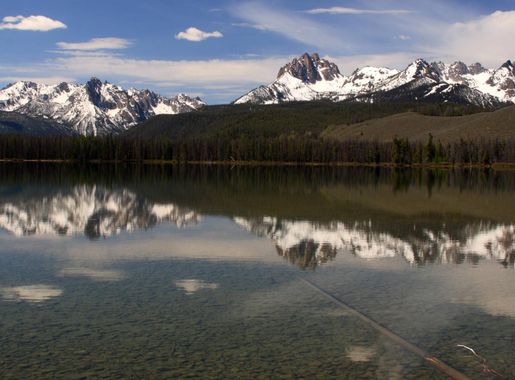


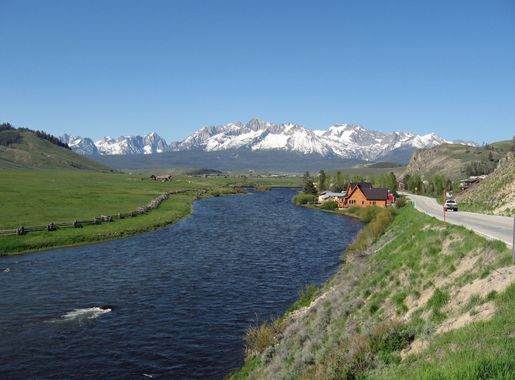


The Rugged Beauty of Sawtooth National Recreation Area
Nestled in the heart of Idaho, the Sawtooth National Recreation Area offers a breathtaking blend of towering peaks, serene lakes, and lush forests. This expansive wilderness covers over 756,000 acres and is a haven for outdoor enthusiasts. From hiking and fishing to camping and wildlife spotting, the opportunities for adventure are endless. The area is named after the jagged, tooth-like peaks of the Sawtooth Range, which provide a dramatic backdrop to the pristine landscape. Visitors can explore more than 700 miles of trails, many of which lead to secluded alpine lakes, cascading waterfalls, and panoramic vistas. The Redfish Lake area is a popular spot for boating, swimming, and picnicking, offering stunning views of the surrounding mountains. For those seeking a more rugged experience, the Sawtooth Wilderness Area offers remote backcountry hiking and camping. In addition to its natural beauty, the Sawtooth National Recreation Area is rich in history and culture. The town of Stanley serves as the gateway to the region and is known for its rustic charm and friendly locals. The area also hosts a variety of seasonal events, including music festivals, marathons, and wildlife tours. Whether you are seeking adventure, tranquility, or a bit of both, the Sawtooth National Recreation Area promises an unforgettable experience.