

Free Sandpoint Travel Guide & Mobile App
Plan your Sandpoint trip with Evendo. Get free guides to top attractions, restaurants, hotels, and bars. Web access or download the mobile app.


Sandpoint, Idaho, pairs Lake Pend Oreille scenery with mountain recreation, a walkable arts scene, historic streets and north-western food culture.
Between Water and Mountains
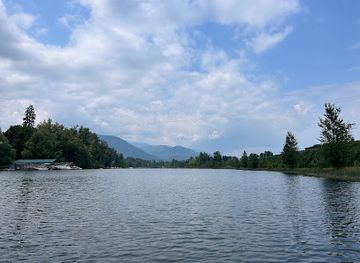
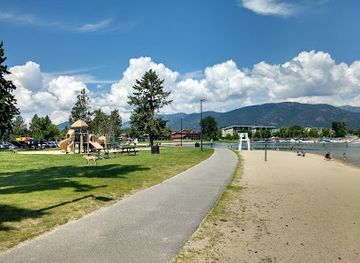
Sandpoint lies on the northern shore of Lake Pend Oreille in Idaho's panhandle, where the broad lake meets the Selkirk and Cabinet mountain ranges. The landscape shapes the city's identity: water, forest and high country are visible from streets that remain compact enough to explore on foot. City Beach gives direct access to the lake, while the Pend d'Oreille Bay Trail follows the shoreline through woodland and open views.Read more about Sandpoint
A Small City with a Strong Cultural Life
Outdoor Recreation and Local Rhythm
When is the best time to visit Sandpoint?
Best: June–August · 21–25°C| Month | High (°C) | Rainfall (mm) |
|---|---|---|
| January | 2 | 80 |
| February | 4 | 65 |
| March | 8 | 70 |
| April | 13 | 55 |
| May | 17 | 60 |
| June (best) | 21 | 50 |
| July (best) | 25 | 35 |
| August (best) | 24 | 40 |
| September | 19 | 45 |
| October | 13 | 55 |
| November | 6 | 65 |
| December | 3 | 75 |
Getting to and around Sandpoint
How to get there
Transportation
Best attractions in Sandpoint
Sandpoint's attractions bring together lake scenery, local history and a small but active arts scene. City Beach, on Lake Pend Oreille, offers an easy introduction to the shoreline, with broad water views towards the surrounding mountains. The Pend d'Oreille Bay Trail provides a quieter walk through woodland and along the lake, while downtown Cedar Street is lined with independent businesses and historic commercial buildings. The Panida Theater presents films, performances and community events in a 1920s venue, and the Bonner County Historical Museum explains the area's Indigenous, railway, timber and agricultural past. Sandpoint's public art and galleries add a cultural dimension to wandering the centre. Schweitzer, a mountain resort outside the city, is a separate regional excursion for skiing, hiking and panoramic scenery rather than a downtown attraction. Together, these places give sightseeing a distinctly local scale, moving from a walkable commercial core to open water and forested mountain country.
-
Tourist attraction
Sandpoint City Beach Park
Experience the beauty of Sandpoint City Beach Park, a serene lakeside retreat perfect for families and nature lovers alike.
13 min walk · 1.0 km from city centre
-
Shopping mall
Cedar Street Bridge Public Market
Discover local crafts, artisanal foods, and unique boutiques at Cedar Street Bridge Public Market in Sandpoint, Idaho.
6 min walk · 0.5 km from city centre
-
Boat rental service
Action Water Sports
Experience unforgettable aquatic adventures at Action Water Sports in Sandpoint, Idaho, where boat rentals and water sports await you.
11 min walk · 0.9 km from city centre
-
Tourist attraction
Lakeview Park
Discover the beauty and tranquility of Lakeview Park in Sandpoint, Idaho, where nature and recreation come together in perfect harmony.
17 min walk · 1.3 km from city centre



Best landmarks in Sandpoint
Sandpoint's landmarks express its history as a railway town, regional centre and lakeside community. The Panida Theater is the most recognisable cultural building in the centre, a 1927 venue whose continued use connects historic architecture with present-day performance and cinema. Cedar Street and the surrounding downtown blocks retain the scale and commercial character of early twentieth-century Sandpoint, with brick façades and shopfronts forming an identifiable historic streetscape. The Cedar Street Bridge, carrying the road over Sand Creek, is a distinctive local structure and a useful orientation point near the centre. The Long Bridge spans the Pend Oreille River and reflects the importance of road connections across the lake country, while City Beach and the open shoreline act as landscape landmarks, placing the town within its wider setting. The Bonner County Historical Museum preserves the region's material and social memory.
-
Park
Sandpoint City Beach Park
Discover the beauty of Sandpoint City Beach Park, where sandy shores meet stunning mountain views—an ideal spot for relaxation and recreation.
13 min walk · 1.0 km from city centre
-
Steak
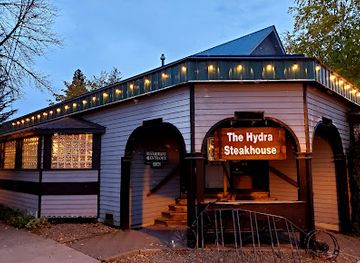
The Hydra Steakhouse
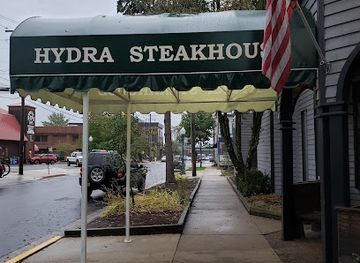
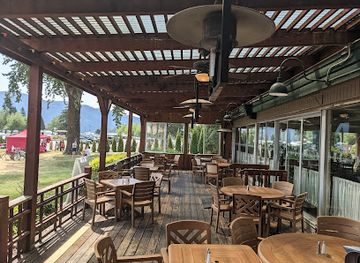
Experience the best of Idaho's culinary delights at The Hydra Steakhouse, where exceptional steaks and fresh seafood meet a warm, inviting atmosphere.
8 min walk · 0.6 km from city centre
-
American
Trinity At City Beach
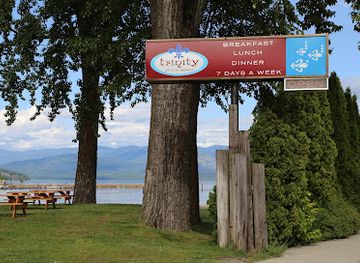
Discover Trinity At City Beach, where fresh American cuisine and seafood meet breathtaking lakeside views in Sandpoint, Idaho.
10 min walk · 0.8 km from city centre
-
Brewery
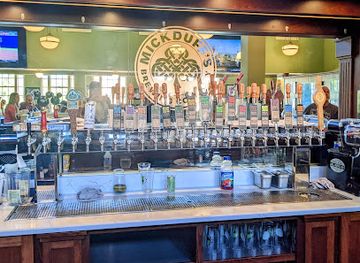
MickDuff's Brewing Company
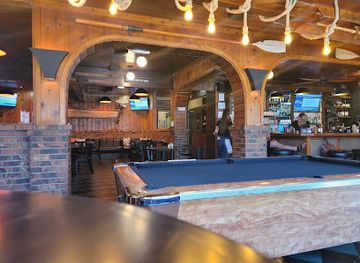
Discover the vibrant flavors of Idaho at MickDuff's Brewing Company, where craft beer meets American cuisine in a welcoming atmosphere.
4 min walk · 0.4 km from city centre

Explore Sandpoint on the map
Plan your Sandpoint trip on one map. See where the top attractions, landmarks, restaurants, bars and hotels are, find what's near where you're staying, and book hotels and experiences in a few clicks.
Best hotels in Sandpoint
Best restaurants in Sandpoint
Sandpoint's dining scene reflects northern Idaho's links with farms, forests, lakes and mountain recreation. Menus commonly draw on seasonal produce and north-western ingredients, with trout and other freshwater fish, game, berries and locally made products appearing alongside familiar American comfort food. Huckleberries, a regional speciality, are used in sweets, preserves and drinks, although availability is seasonal. Downtown and the Cedar Street area contain the greatest concentration of independent restaurants, cafés, bakeries and bars, making the centre the natural place to compare casual meals with more considered cooking. Local breweries and coffee shops contribute to the town's relaxed food culture, while farmers' markets and seasonal events provide a closer connection to nearby growers and makers. Dining tends to be informal and community-oriented, shaped as much by outdoor life and changing seasons as by formal culinary traditions.
-
American
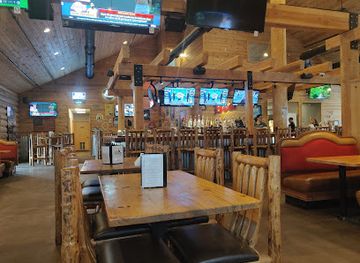
Sweet Lou's Restaurant and Bar
Experience the best of American cuisine at Sweet Lou's Restaurant and Bar in Ponderay, Idaho—where flavor meets fun in a cozy setting.
12 min drive · 4.0 km from city centre
-
Mexican
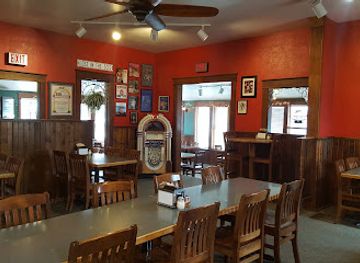
Joel's
Experience authentic Mexican cuisine at Joel's in Sandpoint - where every meal is a fiesta!
5 min walk · 0.4 km from city centre
-
Pizza
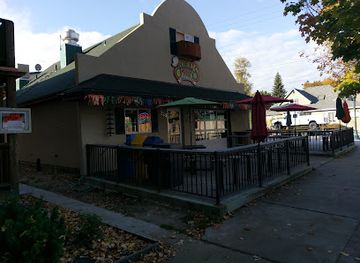
Second Avenue Pizza
Discover the best pizza in Sandpoint at Second Avenue Pizza—where fresh ingredients meet friendly service for an unforgettable dining experience.
8 min walk · 0.7 km from city centre
-
Cafe
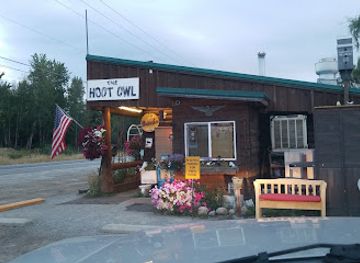
Hoot Owl Cafe
Discover Hoot Owl Cafe in Ponderay: Your go-to spot for hearty breakfasts and friendly service in Idaho.
9 min drive · 3.0 km from city centre
Best bars in Sandpoint
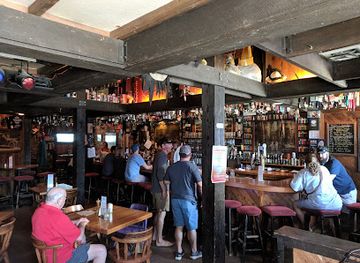
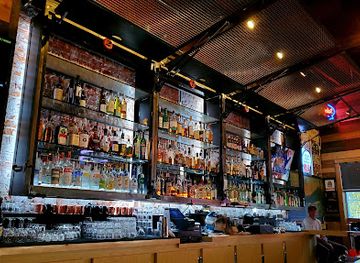
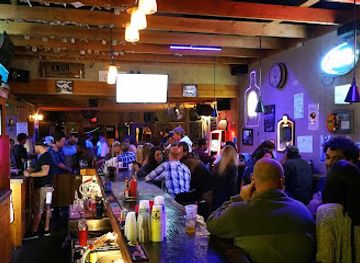
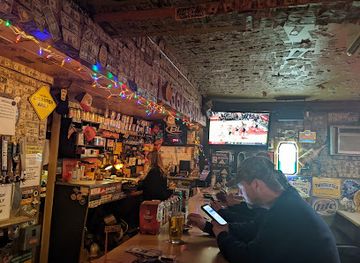
Sandpoint's evening scene is sociable and relatively low-key rather than centred on large nightclubs. Downtown bars and restaurants provide places for local beer, regional wine, cocktails and conversation, with the greatest concentration around the central commercial streets. Live music, small performances and community events often shape the town's nightlife, and the Panida Theater extends its role beyond cinema through concerts, films and other programming. During summer, the Festival at Sandpoint brings organised performances to the area, adding a strong cultural dimension to evenings. Winter activity is influenced by the nearby mountains and the ski season, though the city itself remains more suited to relaxed nights than late clubbing. Visitors should expect seasonal schedules and a community atmosphere, and should arrange transport in advance when staying outside the walkable centre.
-
Steak
The Hydra Steakhouse
Experience the culinary excellence at The Hydra Steakhouse, where premium steaks meet fresh seafood in a cozy setting.
8 min walk · 0.6 km from city centre
-
American
Trinity At City Beach
Experience the best of American and seafood cuisine at Trinity At City Beach, a stunning lakeside restaurant in Sandpoint, Idaho.
10 min walk · 0.8 km from city centre
-
Cafe
Connie's Cafe & Lounge
Experience the cozy charm of Connie's Cafe & Lounge in Sandpoint, a family-friendly American eatery perfect for breakfast and lunch.
2 min walk · 0.2 km from city centre
-
Brewery
MickDuff's Brewing Company
Discover the essence of Idaho at MickDuff's Brewing Company, where craft beer meets American cuisine in a warm and inviting setting.
4 min walk · 0.4 km from city centre
Best nightclubs in Sandpoint
Sandpoint's evening scene is sociable and relatively low-key rather than centred on large nightclubs. Downtown bars and restaurants provide places for local beer, regional wine, cocktails and conversation, with the greatest concentration around the central commercial streets. Live music, small performances and community events often shape the town's nightlife, and the Panida Theater extends its role beyond cinema through concerts, films and other programming. During summer, the Festival at Sandpoint brings organised performances to the area, adding a strong cultural dimension to evenings. Winter activity is influenced by the nearby mountains and the ski season, though the city itself remains more suited to relaxed nights than late clubbing. Visitors should expect seasonal schedules and a community atmosphere, and should arrange transport in advance when staying outside the walkable centre.
-
Pub
Eichardt's Pub Grill & Coffee
Experience the vibrant atmosphere and delicious cuisine at Eichardt's Pub Grill & Coffee in Sandpoint, Idaho—a local favorite for food and fun.
4 min walk · 0.3 km from city centre
-
Bar
219 Lounge
Discover the lively atmosphere of 219 Lounge in Sandpoint, Idaho, where great music and delicious food create unforgettable nights out.
6 min walk · 0.5 km from city centre
-
Grill
1908 Saloon
Discover the charm of Sandpoint at 1908 Saloon, where hearty grill favorites meet a vibrant bar scene in a historic setting.
6 min walk · 0.5 km from city centre
-
Bar
Tervan Tavern
Experience the vibrant nightlife at Tervan Tavern, Sandpoint's favorite bar with great drinks and karaoke fun every weekend!
1 min walk · 0.1 km from city centre
Best shops in Sandpoint
Shopping in Sandpoint is concentrated around the walkable downtown, especially Cedar Street and adjacent blocks where independent retailers, galleries, gift shops, bookshops and cafés occupy small commercial premises. The selection reflects the landscape and culture of northern Idaho: visitors may encounter outdoor clothing and equipment, locally made art, jewellery, ceramics, woodwork, books and regional food products. Huckleberry goods and other Idaho specialities are popular edible souvenirs, while galleries provide a more enduring link to local and north-western artists. Seasonal farmers' markets and community events can add produce, crafts and prepared foods, although their timing varies. The shopping experience is less about large-scale retail and more about browsing a compact centre with a strong independent character. Larger everyday shopping areas lie beyond the historic core, so visitors seeking specialist outdoor supplies should plan around opening times and transport if they are staying outside town.
-
Natural goods store
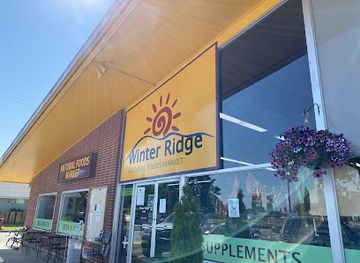
Winter Ridge Natural Foods
Explore the best of natural foods, organic produce, and local delicacies at Winter Ridge Natural Foods in Sandpoint, Idaho.
7 min walk · 0.6 km from city centre
-
Shopping mall
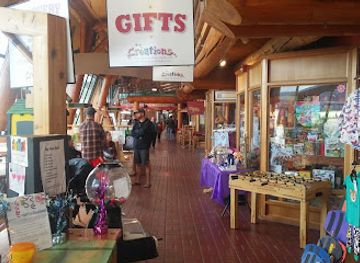
Cedar Street Bridge Public Market
Explore the vibrant Cedar Street Bridge Public Market in Sandpoint, offering local goods, artisan foods, and a unique shopping experience.
6 min walk · 0.5 km from city centre
-
Shopping mall
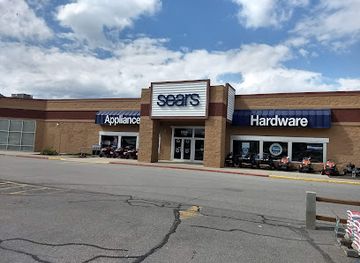
Bonner Mall
Explore Bonner Mall in Sandpoint, Idaho – a vibrant shopping destination with diverse stores, dining options, and family-friendly amenities.
9 min drive · 2.9 km from city centre
-
Gift shop
Foster's Crossing Antiques
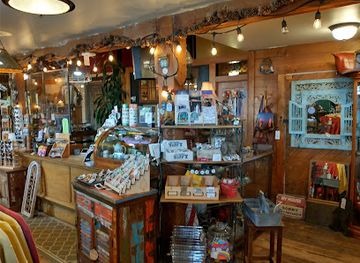
Explore the charm of Foster's Crossing Antiques in Sandpoint, Idaho, where unique finds and vintage treasures await every visitor.
2 min walk · 0.1 km from city centre
Get your free copy of our complete guide to Sandpoint, delivered straight to you.
Everything on this page, from attractions and restaurants to essentials and local phrases, in one PDF you can read offline, print or share.
Already have an account? Sign in
Your Sandpoint guide is ready.
We'll send it to · Not you? Sign out

Getting your guide ready…
We are putting together a fresh copy of the Sandpoint guide. This can take up to a minute.
This can take a few moments. If your browser asks, choose Allow so the download can start. You'll find the guide in your Downloads folder.
Nothing happened? Download it again
Sorry, the guide is taking longer than usual. Please try again in a minute, or get it by email instead.
Sandpoint essentials
Currency and Payment
Safety
Emergency Situations
Do's and Don'ts
Local Tips
From Eve
Local phrases worth knowing
You don't need to get them perfect. A few words go a long way, and locals appreciate the effort.
Basics
| English | Local | Say it |
|---|---|---|
| Hello | Howdy | [haw-dee] |
| Goodbye | See ya | [see yuh] |
| Yes | Yup | [yuhp] |
| No | Nope | [nohp] |
| Please/You're welcome | Please/No worries | [pleez/no wor-eez] |
| Thank you | Thanks | [thanks] |
| Excuse me/Sorry | Pardon me/My bad | [par-dn mee/my bad] |
| How are you? | Howdy | [haw-dee] |
| Fine. And you? | Just dandy. You? | [just dan-dee. yuh?] |
| Do you speak English? | Ya speak English? | [ya speak ing-lish?] |
| I don't understand | I'm lost | [I'm lost] |
Eating & Drinking
| English | Local | Say it |
|---|---|---|
| I'd like to see the menu, please | Menu, please | [meh-nyoo, please] |
| I don't eat meat | No meat for me | [no meet for mee] |
| Cheers! | Cheers! | [cheers!] |
| I would like to pay, please | Check, please | [chek, please] |
Emergencies
| English | Local | Say it |
|---|---|---|
| Help! | Help! | [help!] |
| Go away! | Go away! | [go away!] |
| Call the Police! | Call the Sheriff! | [call the sher-iff!] |
| Call a doctor! | Get a doc! | [get a doc!] |
| I'm lost | I'm lost | [I'm lost] |
| I'm ill | I'm sick | [I'm sick] |
Shopping
| English | Local | Say it |
|---|---|---|
| I'd like to buy... | I'll take... | [I'll take...] |
| I'm just looking | Just browsing | [just brows-ing] |
| How much is it? | How much? | [how much?] |
| That's too expensive | Too pricey | [too pry-see] |
| Can you lower the price? | Can you do better? | [can yuh do bet-ter?] |
Time & Numbers
| English | Local | Say it |
|---|---|---|
| What time is it? | What time is it? | [what time is it?] |
| It's one o'clock | It's one | [it's one] |
| Half past (10) | Ten thirty | [ten thur-tee] |
| Morning | Morning | [mor-ning] |
| Afternoon | Afternoon | [af-ter-noon] |
| Evening | Evening | [ee-ven-ing] |
| Yesterday | Yesterday | [yes-ter-day] |
| Today | Today | [to-day] |
| Tomorrow | Tomorrow | [to-mor-row] |
| 1 | One | [wun] |
| 2 | Two | [too] |
| 3 | Three | [three] |
| 4 | Four | [for] |
| 5 | Five | [five] |
| 6 | Six | [six] |
| 7 | Seven | [sev-en] |
| 8 | Eight | [ate] |
| 9 | Nine | [nine] |
| 10 | Ten | [ten] |
Transport & Directions
| English | Local | Say it |
|---|---|---|
| Where's a/the...? | Where's the...? | [where's the...?] |
| What's the address? | What's the address? | [what's the address?] |
| Can you show me (on the map)? | Can you show me (on the map)? | [can you show me (on the map)?] |
| When's the next (bus)? | When's the next (bus)? | [when's the next (bus)?] |
| A ticket (to ....) | A ticket (to ....) | [a ticket (to ....)] |
History of Sandpoint
Indigenous Homelands and Lake Country
The Sandpoint area lies within the traditional homelands and travel networks of Indigenous peoples including the Kalispel and Kootenai, whose relationships with the rivers, forests and waters of the northern Idaho region long predate the modern city. Lake Pend Oreille and the Pend Oreille River formed important geographical features for movement, fishing, hunting and exchange. Later accounts of settlement often centred on explorers, traders and railways, but the region's history also includes the disruption caused by colonial expansion, imposed boundaries and changing land ownership. The lake and surrounding mountains remain central to Sandpoint's identity, linking the contemporary city to an older landscape shaped by Indigenous knowledge and seasonal use.
Railways Bring a Town into Being
Sandpoint's modern development accelerated when the Northern Pacific Railway reached the area in the early 1880s. The railway connected Lake Pend Oreille country with wider markets and encouraged settlement, freight movement, timber activity and commercial services. A community grew around the transport link and the waterfront, benefiting from the movement of people and natural resources through the Idaho panhandle. Rail access also helped make Sandpoint a practical centre for the surrounding rural and forested region. The town's position at the meeting point of railway, lake and road routes still helps explain its role as a service and cultural centre in Bonner County.
Incorporation and Commercial Growth
Sandpoint was incorporated as a city in 1901, by which time rail connections and resource-based industries had established a durable local economy. Timber, agriculture, transport and commerce shaped the town's early twentieth-century growth, while the lake supported both practical activity and recreation. Downtown streets developed with the modest brick and timber commercial buildings typical of a small north-western American town. As roads improved and the surrounding communities expanded, Sandpoint became an important trading and administrative centre for northern Bonner County. The built form of central Sandpoint continues to reflect this period of steady commercial development rather than rapid metropolitan expansion.
The Panida and a Growing Cultural Identity
The Panida Theater opened in 1927, providing Sandpoint with a purpose-built venue for films and community entertainment. Its continued presence reflects the importance of shared cultural institutions in a relatively small city, where cinema, live performance and local events often overlap. During the twentieth century, Sandpoint also developed a stronger reputation as a base for recreation, drawing visitors to Lake Pend Oreille and the surrounding mountains while retaining its role as a regional service town. The combination of downtown commerce, seasonal tourism and community arts helped broaden the city's identity beyond timber and transport.
Contemporary Sandpoint
Modern Sandpoint combines a year-round population with a visitor economy shaped by water, mountains, arts and outdoor recreation. The opening of Schweitzer's ski area in the 1960s strengthened the area's winter appeal, while summer lake activities and cultural events brought a different seasonal rhythm. Downtown renewal, independent businesses and organisations such as the Festival at Sandpoint have reinforced the city's cultural profile. At the same time, growth and tourism have brought familiar pressures, including housing demand and the need to balance development with the landscape that attracts residents and visitors. Sandpoint's present character is therefore rooted in both its historic transport centre and its natural setting.
Sandpoint in Photos
Browse through our photo collection highlighting the charm and character of the destination.
Cities near Sandpoint
The closest cities to Sandpoint, if you have time for more than one stop.
-

-

-

-

-


Swipe for more cities
Explore more

Explore more of Idaho
Idaho: Discover the Gem State's stunning landscapes, vibrant cities, and outdoor adventures. From majestic mountains to serene lakes, experience the natural wonders of Idaho.
Explore Idaho