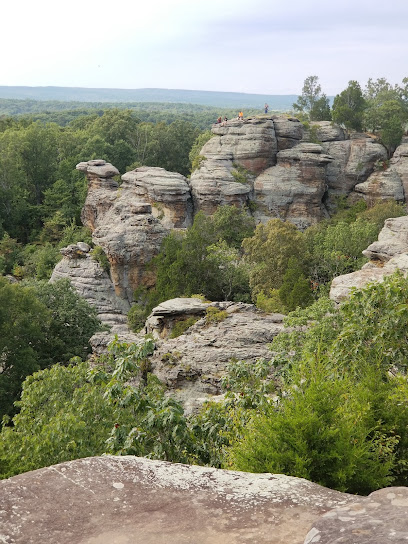
Cypress Creek National Wildlife Refuge: A Southern Illinois Wetland Haven
Explore diverse habitats, observe wildlife, and discover the natural beauty of southern Illinois at Cypress Creek National Wildlife Refuge.
Nestled between the Ohio and Mississippi Rivers, Cypress Creek National Wildlife Refuge is a biologically diverse area within the Cache River basin. Established in 1990, the refuge encompasses 16,000 acres of bottomland hardwood forests, cypress-tupelo swamps, and wetlands, providing habitat for a variety of migratory birds and resident wildlife.
A brief summary to Cypress Creek National Wildlife Refuge
- 1042 Butter Ridge Rd, Ullin, Illinois, 62992, US
- +1618-634-2231
- Visit website
Local tips
- Visit in the spring or summer for optimal hiking conditions and wildlife viewing opportunities.
- Bring binoculars and field guides to enhance your wildlife observation experience.
- Check the weather forecast and wear appropriate footwear for hiking or canoeing.
- Review the refuge hunting and fishing brochure for specific regulations and permitted activities.

Getting There
-
Driving
Cypress Creek National Wildlife Refuge is located in southern Illinois, with lands in Alexander, Johnson, Pulaski, and Union counties. The refuge office is located on the Shawnee College Rustic Campus. From Interstate 57, take exit 18 (Shawnee College Road) and travel east for approximately 7 miles. Parking is available at designated parking areas throughout the refuge. There are no fees to visit Cypress Creek National Wildlife Refuge.
Discover more about Cypress Creek National Wildlife Refuge
Iconic landmarks you can’t miss

Cypress Creek National Wildlife Refuge
0.0 km
Discover the serene landscapes and diverse wildlife at Cypress Creek National Wildlife Refuge, a perfect getaway for nature lovers in Illinois.
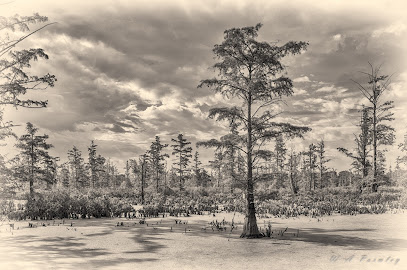
Tunnel Hill State Trail
23.7 km
Explore Southern Illinois' scenic Tunnel Hill State Trail: a 45-mile journey through history, nature, and charming communities.
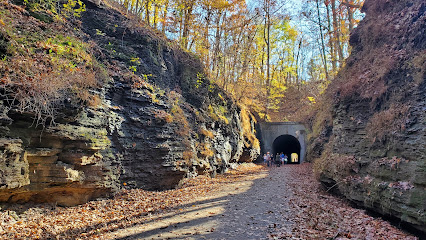
Anna City Park
24.0 km
A vibrant community park in Anna, IL, offering diverse recreational activities, sports facilities, and event spaces for all ages.
Southernmost Illinois Tourism
25.6 km
Discover Southern Illinois: Adventure awaits in the Shawnee National Forest, wine trails, and historic sites. Start your journey here!
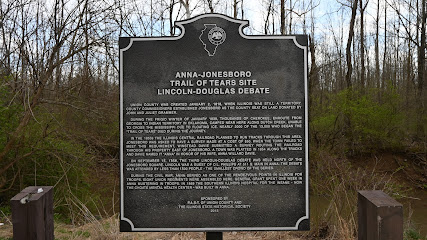
Anna-Jonesboro Trail of Tears and Lincoln-Douglas Debate site
28.9 km
Reflect on history at this site marking the Trail of Tears and a Lincoln-Douglas debate, offering insights into pivotal moments in American history.
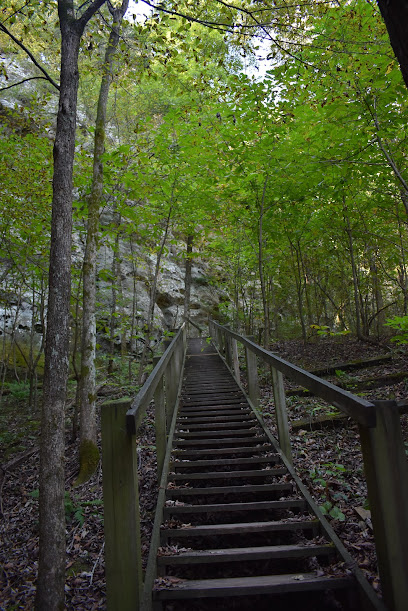
Round Bluff Nature Preserve
29.6 km
Explore a unique sandstone bluff and rare plant life at Round Bluff Nature Preserve, a hidden gem within Ferne Clyffe State Park.
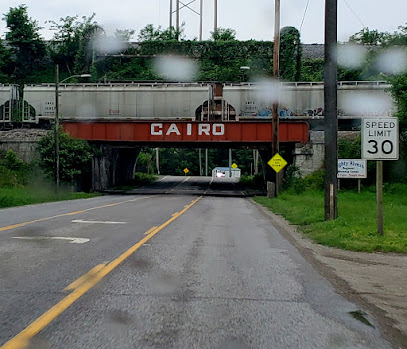
Historic Tunnel Cairo Entrance
29.8 km
Explore the Historic Tunnel Cairo Entrance, a captivating glimpse into the past filled with stories, engineering marvels, and unique adventures in Cairo, Illinois.
Ferne Clyffe Lake
30.1 km
Discover a peaceful escape at Ferne Clyffe Lake, surrounded by scenic trails and lush forests in the heart of Southern Illinois.
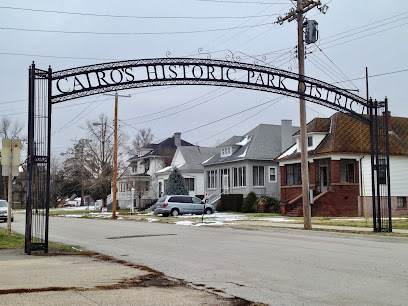
Cairo's Historic Park DIstrict
30.8 km
Discover historical landmarks and lush greenery in Cairo's Historic Park District, a serene escape into the past and nature's beauty.
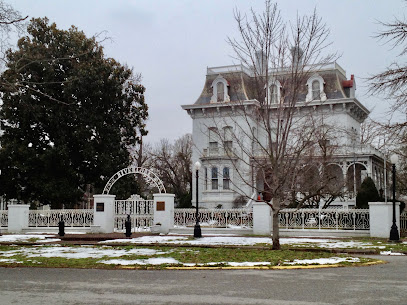
Riverlore Mansion
31.0 km
Experience the elegance of Riverlore Mansion, a historical landmark and charming bed & breakfast in Cairo, Illinois, rich in history and natural beauty.
Cairo Historic District
31.2 km
Explore the historical charm of Cairo, Illinois, at the confluence of the Mississippi and Ohio Rivers.
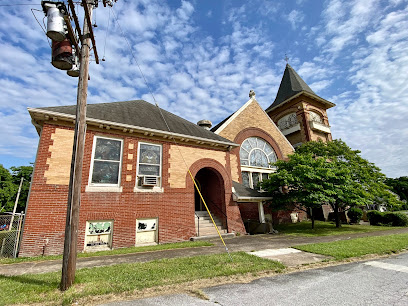
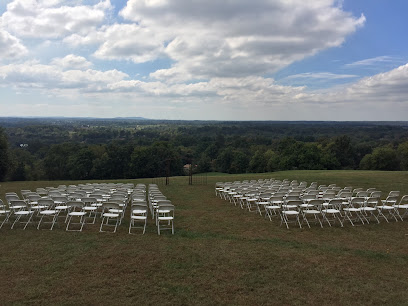
Historic Bell Hill Wedding Venue
31.8 km
A historic Southern Illinois wedding venue with panoramic views, offering a unique and romantic setting for unforgettable celebrations.
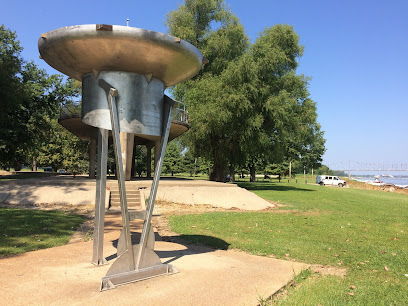
Mississippi-Ohio River Confluence
33.0 km
Experience the dynamic meeting of the Mississippi and Ohio Rivers, a place of natural wonder and historical significance in Cairo, Illinois.
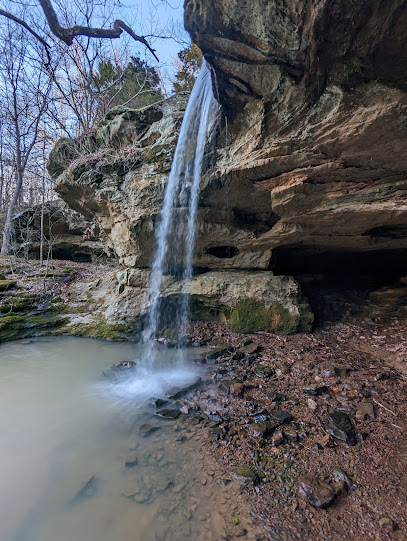
Red Cedar Hiking Trail - Red Cedar Falls
35.3 km
Explore the rugged beauty of Southern Illinois on this 12-mile backpacking trail through diverse landscapes and serene wilderness.
Bill Emerson Memorial Bridge
37.8 km
Experience the architectural marvel of the Bill Emerson Memorial Bridge, connecting Missouri and Illinois with stunning Mississippi River views.
Unmissable attractions to see

Heron Pond – Little Black Slough Nature Preserve
15.8 km
Experience the serene beauty of Heron Pond at Little Black Slough Nature Preserve, a hidden gem in Vienna, Illinois, perfect for nature lovers and birdwatchers.
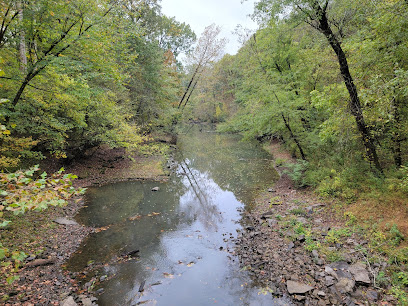
Panoramic view
24.8 km
Experience the stunning beauty of Buncombe, Illinois at the Panoramic View, where nature's artistry unfolds before your eyes.
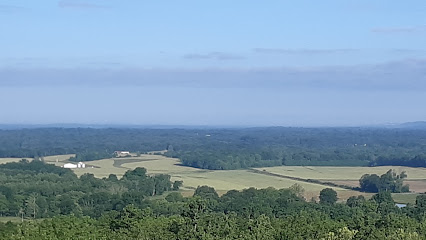
Ferne Clyffe State Park Horse Camp
29.5 km
Discover the beauty and adventure at Ferne Clyffe State Park Horse Camp, where nature and equestrian experiences await in Southern Illinois.

Turkey Ridge Campground - Ferne Clyffe
29.8 km
Explore the tranquil beauty of Turkey Ridge Campground in Ferne Clyffe, your perfect getaway for camping, hiking, and connecting with nature.
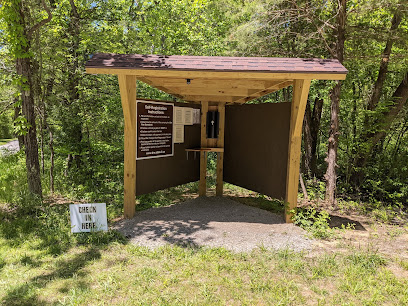
Shawnee Bluffs Canopy Tour
29.9 km
Embark on an unforgettable zip line adventure at Shawnee Bluffs Canopy Tour, where nature meets excitement in the heart of southern Illinois.
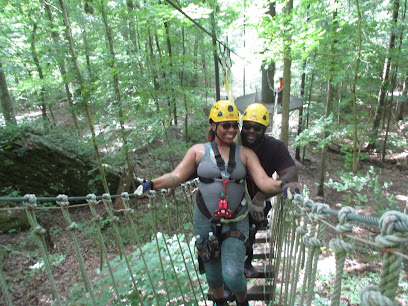
Bork Falls
30.0 km
Discover the tranquility of Bork Falls in Goreville, Illinois, where serene hiking trails and breathtaking waterfalls await nature enthusiasts.
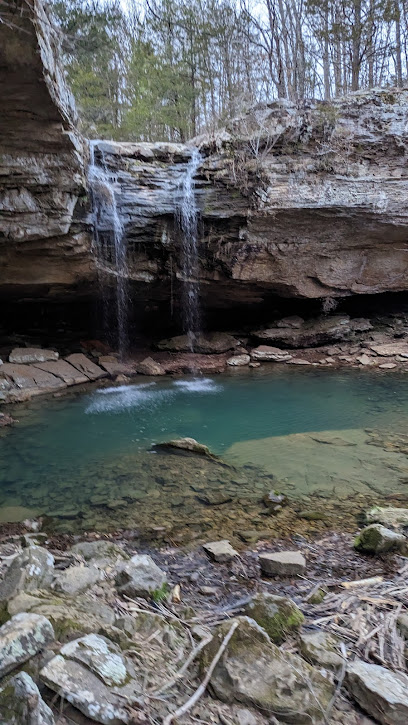
Ferne Clyffe State Park
30.0 km
Explore the stunning landscapes, rock formations, and outdoor adventures at Ferne Clyffe State Park in Illinois.
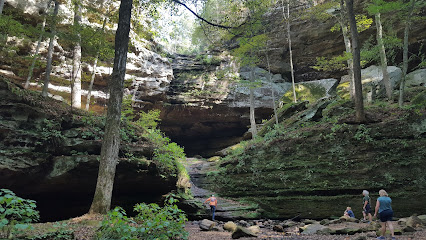
Ferne Clyffe State Park Campsite Loop
30.6 km
Experience the serene beauty of nature at Ferne Clyffe State Park Campsite Loop in Goreville, Illinois, where adventure and tranquility await.
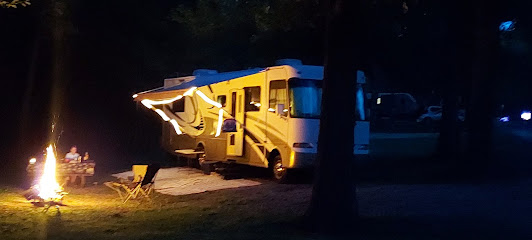
Magnolia Manor
30.9 km
Explore the elegance and history of Magnolia Manor, a captivating museum in Cairo, Illinois, showcasing the region's rich cultural heritage.
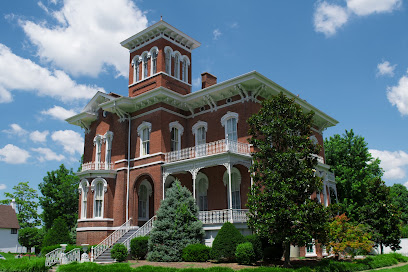
Ferne Clyffe Waterfall Trail
31.0 km
Experience the breathtaking beauty of Ferne Clyffe Waterfall Trail, a hiking paradise in Goreville, Illinois, perfect for nature lovers and adventurers alike.
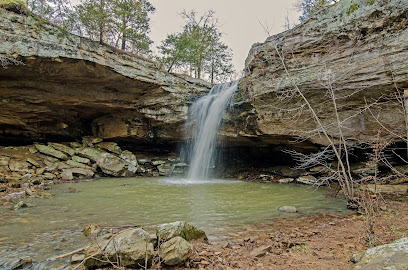
Fern cliff state park
32.5 km
Discover the breathtaking trails and stunning landscapes of Fern Cliff State Park in Goreville, Illinois—a perfect destination for hiking and adventure.
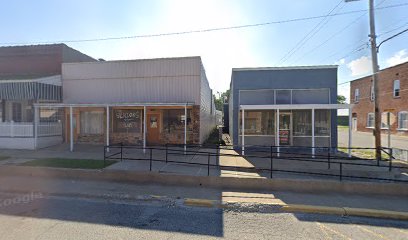
Max Creek Vortex
32.6 km
Discover the breathtaking landscapes and serene hiking trails of Max Creek Vortex, a hidden gem in Vienna, Illinois, perfect for outdoor adventures.
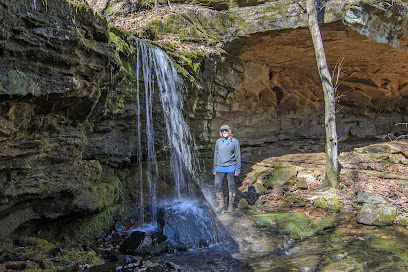
Fort Defiance State Park
32.9 km
Explore the stunning landscapes and rich history at Fort Defiance State Park, where the Mississippi and Ohio Rivers converge in a natural paradise.
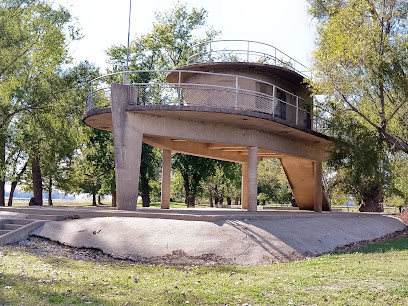
Blue Sky Vineyard
33.3 km
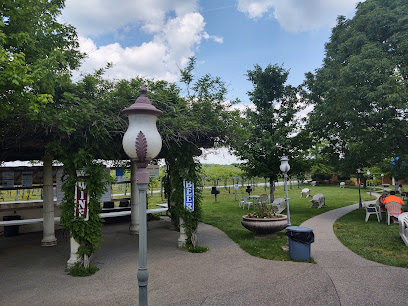
Experience the enchanting Blue Sky Vineyard in Illinois, where exquisite wines, serene landscapes, and romantic getaways await you.
Trail of Tears State Forest
33.7 km
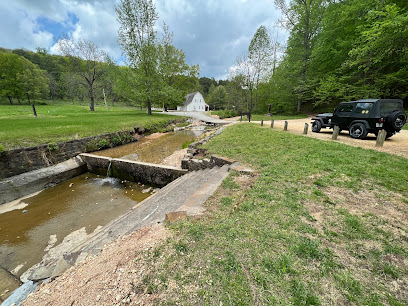
Discover the breathtaking landscapes and rich history at Trail of Tears State Forest, a premier destination for outdoor enthusiasts in Illinois.
Essential places to dine

Clyffe Cafe
24.4 km
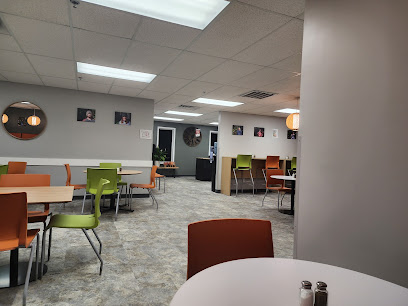
Experience delightful flavors at Clyffe Cafe in Vienna, IL – where local ingredients meet warm hospitality.
Blue Grass Restaurant
25.0 km
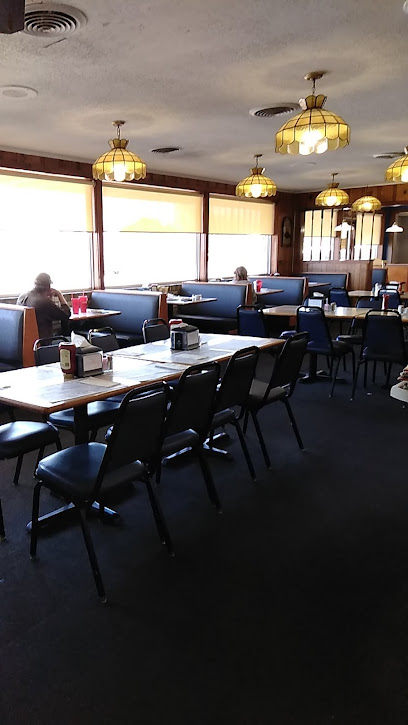
Experience authentic American cuisine at Blue Grass Restaurant in La Center, Kentucky - where every meal feels like home.
Goreville Grill
32.4 km
Discover local flavors at Goreville Grill - where hearty meals meet small-town charm in Illinois.
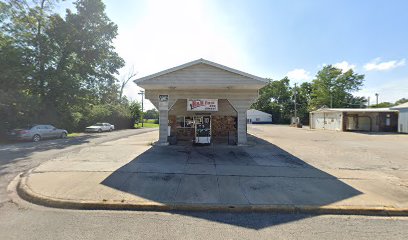
Whiffle Boy's Pizza & More
32.4 km
Experience delicious pizza made with love at Whiffle Boy's Pizza & More in Goreville – the perfect stop for hungry travelers.
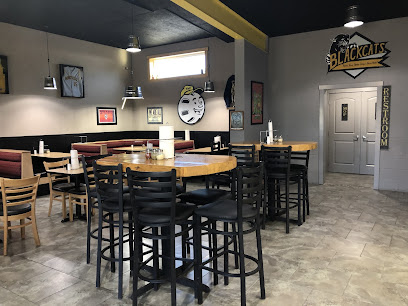
El Tequila Mexican Restaurant
32.4 km
Discover authentic Mexican cuisine at El Tequila Mexican Restaurant in Goreville - where flavor meets hospitality.
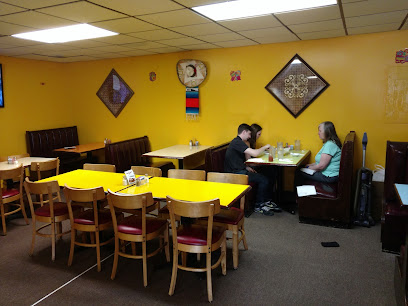
Goreville Food Market
32.5 km
Explore Goreville Food Market for fresh produce and local delicacies in Illinois - a true taste of community.
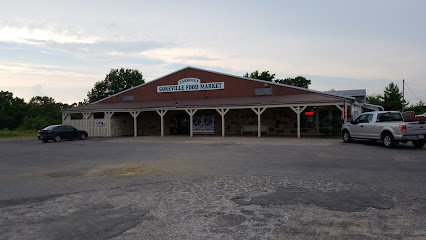
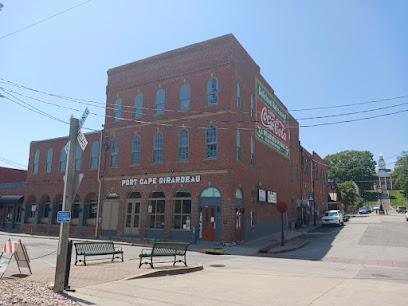
Port Cape Girardeau Restaurant and Lounge
38.0 km
Experience delectable dining at Port Cape Girardeau Restaurant & Lounge - where local flavors meet vibrant nightlife along the Mississippi River.
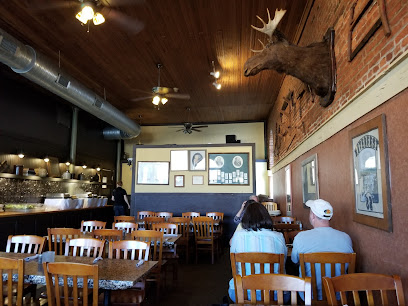
Beacon 53
38.0 km
Discover culinary excellence at Beacon 53, Cape Girardeau's premier fine dining restaurant showcasing seasonal flavors in an elegant setting.
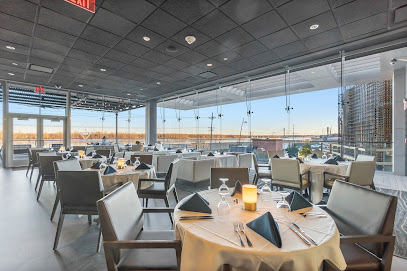
Broussard's Cajun Cuisine
38.0 km
Savor authentic Cajun dishes at Broussard's Cajun Cuisine in Cape Girardeau—where flavor meets tradition in every bite.
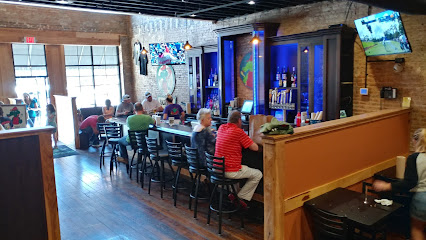
36 Restaurant & Bar
38.0 km
Indulge in fine dining at 36 Restaurant & Bar in Cape Girardeau - where every dish tells a story of culinary artistry.
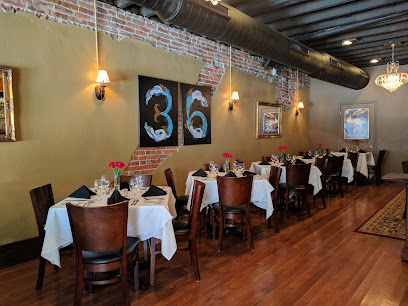
Pasta + Sauce
38.1 km
Experience the rich flavors of Italy at Pasta + Sauce in Cape Girardeau - where every dish tells a story.
Urban Kitchen and Bar
38.1 km
Experience the best of Asian fusion at Urban Kitchen and Bar in Cape Girardeau—where every dish tells a story.

The Library
38.1 km
Experience the delightful fusion of flavors at The Library in Cape Girardeau – where great food meets a warm atmosphere.
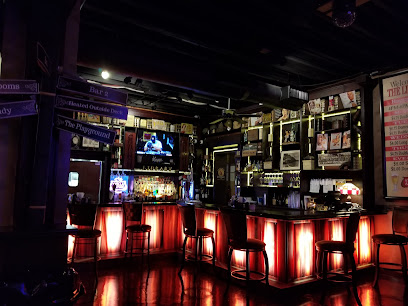
Kenny's Flippin Burgers
38.5 km
Discover delicious American burgers at Kenny's Flippin Burgers in Cape Girardeau - where flavor meets fun!
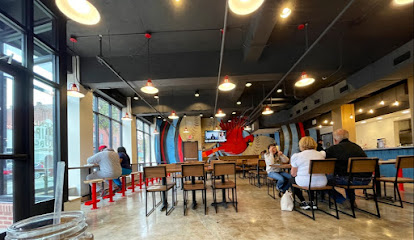
True-Que
38.5 km
Discover True-Que in Cape Girardeau: Authentic barbecue delights await you at this beloved local restaurant.
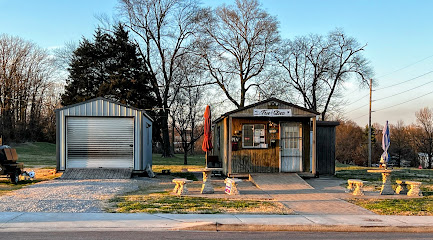
Markets, malls and hidden boutiques

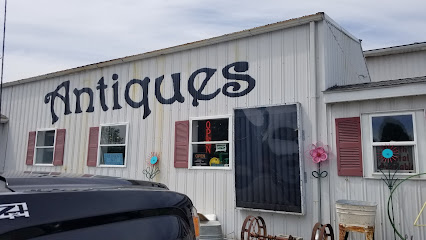
Oldies but Goodies Antiques
23.7 km
Discover vintage treasures and timeless collectibles at Oldies but Goodies Antiques in Anna, Illinois, a must-visit for every antique lover.
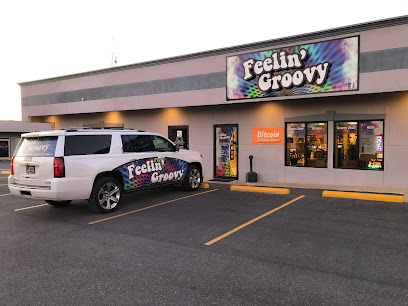
Feelin Groovy
24.1 km
Explore Feelin Groovy, a vibrant gift shop and vaporizer store in Anna, Illinois, offering unique treasures and a welcoming atmosphere for all visitors.
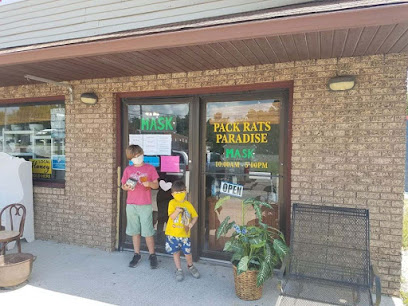
Cobden Village Shops - Packrats Paradise
31.7 km
Explore unique antiques, vintage clothing, and local art at Packrats Paradise in Cobden, Illinois - a treasure trove for every vintage enthusiast.
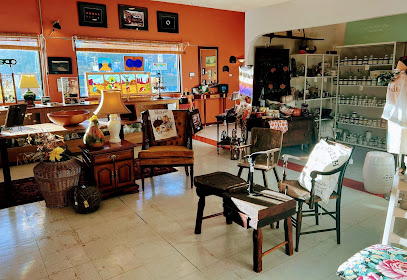
Cobden Village Shops
31.7 km
Explore Cobden Village Shops for unique antiques, vintage clothing, and local handicrafts in the heart of charming Cobden, Illinois.
Acee's Neighborhood Market & Deli
31.9 km
Explore the heart of Goreville at Acee's Neighborhood Market & Deli, your go-to spot for convenience, local eats, and warm hospitality.
Rusty's Home Center
32.0 km
Explore Rusty's Home Center, the premier hardware store in Goreville, Illinois, offering quality tools and expert advice for every project.
Advanced Computer Technology
32.0 km
Discover the finest in computer products and services at Advanced Computer Technology in Goreville, Illinois - your tech paradise awaits.
H & H Fuel
32.4 km
Discover H & H Fuel in Goreville, your perfect pit stop for fuel, snacks, and friendly service during your Illinois travels.
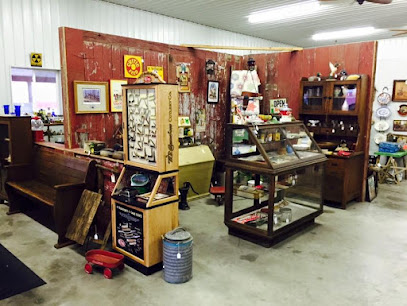
Countree Peddler Antique Mall
32.4 km
Explore Countree Peddler Antique Mall for unique gifts, collectibles, and antiques in the heart of Goreville, Illinois.
Goreville Ministerial Alliance
32.5 km
Explore hidden gems at Goreville Ministerial Alliance Thrift Store, where sustainability meets community spirit in a quaint shopping experience.
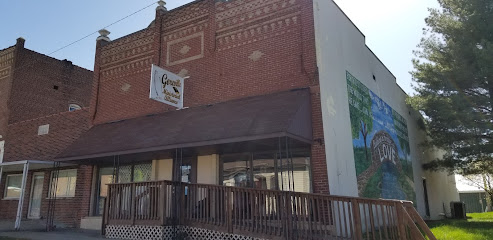
The Oasis
36.0 km
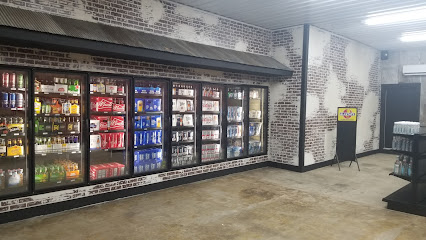
Discover an extensive selection of local and international beverages at The Oasis, Goreville's premier liquor store for tourists.
Aesthete Lifestyle Boutique
38.0 km
Explore Aesthete Lifestyle Boutique in Cape Girardeau for unique fashion finds and an unforgettable shopping experience.

Annie-Em's At Home
38.0 km
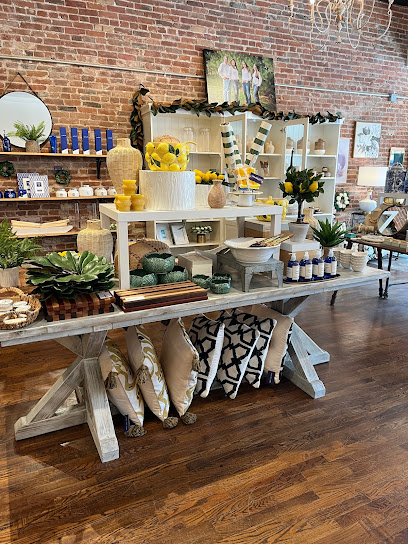
Explore Annie-Em's At Home in Cape Girardeau for unique gifts and home decor that capture the local essence.
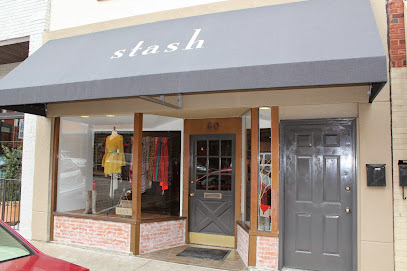
Stash
38.0 km
Explore Stash in Cape Girardeau: A women's boutique offering trendy apparel and personalized service for every fashionista.
Hempies
38.1 km
Explore Hempies in Cape Girardeau - a boutique gift shop offering unique clothing, glass art, and metaphysical supplies for every taste.
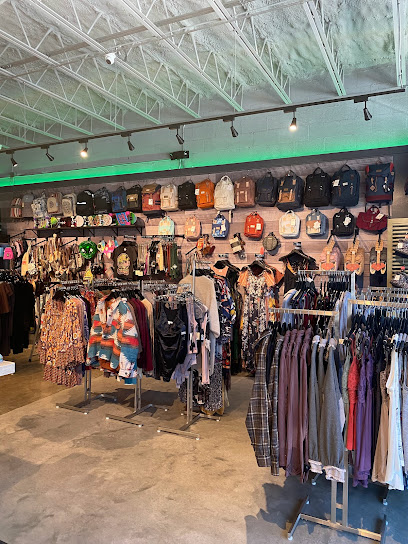
Essential bars & hidden hideouts

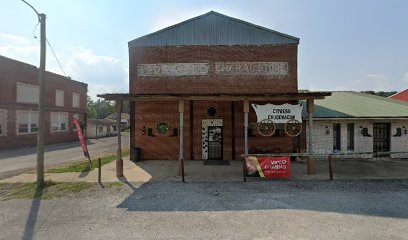
Chuckwagon Cafe & Saloon
11.6 km
Enjoy hearty meals and live music at Chuckwagon Cafe & Saloon, a must-visit bar in Cypress, Illinois for an authentic Wild West experience.
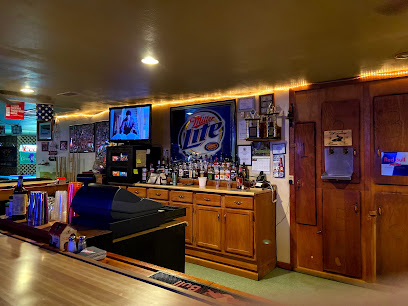
Curve Inn
22.4 km
Discover Curve Inn in Buncombe, Illinois—a local bar where affordable drinks and friendly vibes create an unforgettable experience.
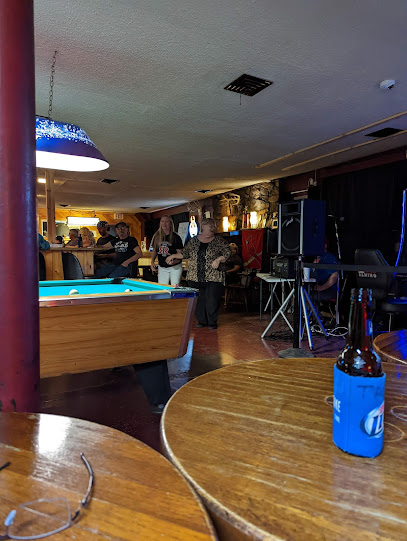
Big Boys Bar & Grill
22.4 km
Experience the best of American cuisine at Big Boys Bar & Grill in Vienna, IL, where delicious flavors and a welcoming atmosphere await.
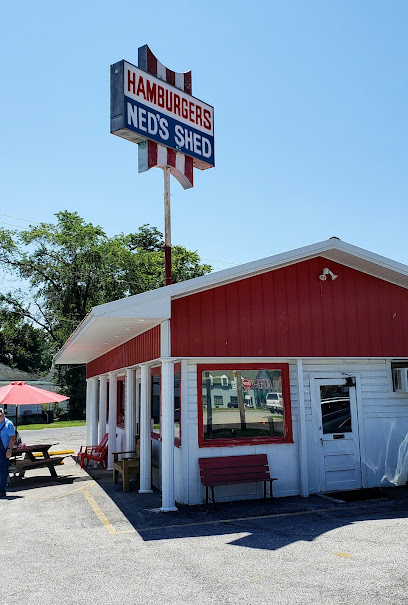
Ned's Shed
23.1 km
Delicious handcrafted hamburgers await at Ned's Shed, a charming eatery in Vienna, Illinois, perfect for burger lovers seeking an unforgettable meal.
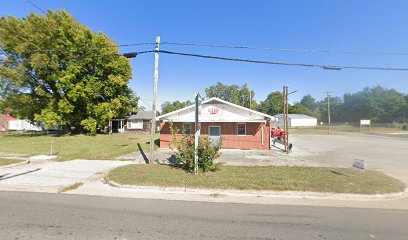
Sunbar
23.1 km
Experience the vibrant nightlife of Vienna at Sunbar, where craft cocktails and a welcoming atmosphere await you.
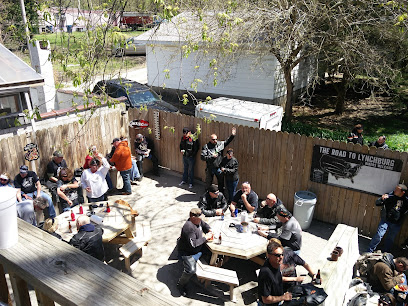
Fuzzy's Tavern
31.9 km
Discover the perfect blend of relaxation and local flavor at Fuzzy's Tavern in Cobden, Illinois, a cozy bar with a welcoming atmosphere.
Giant City Lodge
36.0 km
Discover the perfect blend of comfort and nature at Giant City Lodge, your gateway to outdoor adventures in Illinois.
Social House Sprigg St.
38.0 km
Dive into Cape Girardeau's nightlife at Social House Sprigg St., where great music, delicious drinks, and vibrant energy await you.
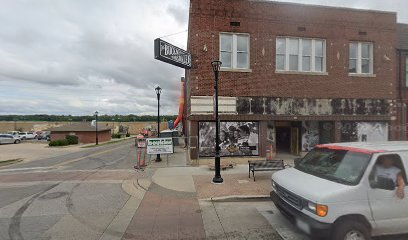
Blue Diamond Sports Bar
38.0 km
Join the excitement at Blue Diamond Sports Bar in Cape Girardeau, where sports, games, and great company come together for an unforgettable experience.
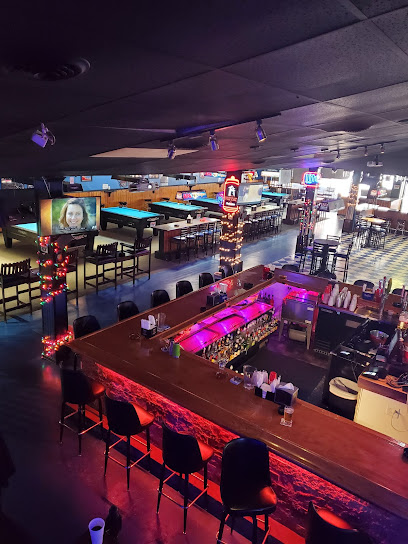
Rude Dog Pub
38.1 km
Discover the vibrant nightlife at Rude Dog Pub in Cape Girardeau, a lively bar and nightclub perfect for enjoying live music and great drinks.
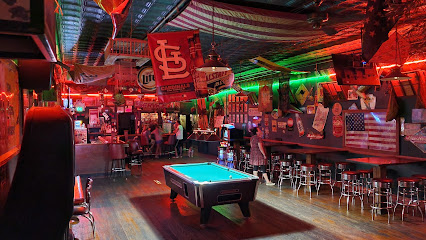
Spectrum Record Lounge
38.1 km
Experience the vibrant blend of music and relaxation at Spectrum Record Lounge, Cape Girardeau's premier bar for vinyl lovers and social gatherings.
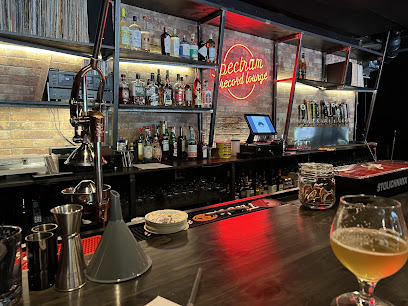
Blush Ultra Lounge
38.1 km
Experience the vibrant nightlife at Blush Ultra Lounge, Cape Girardeau's premier bar with great drinks, music, and a lively atmosphere.
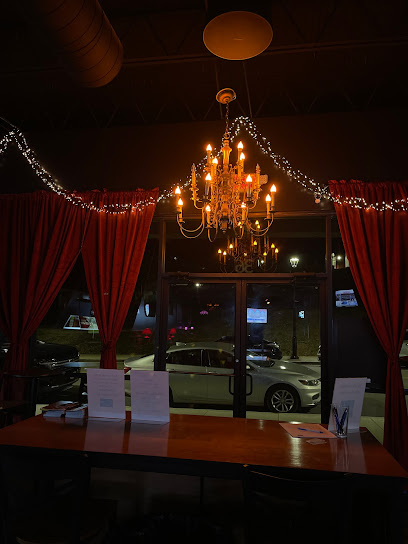
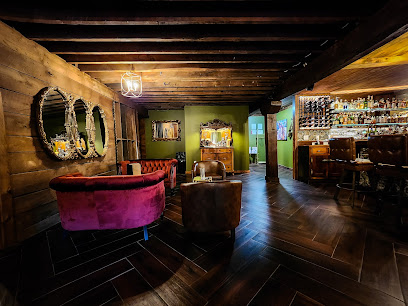
Havisham Bourbon Bar
38.4 km
Discover the exquisite flavors and warm ambiance of Havisham Bourbon Bar in Alto Pass, Illinois - a haven for bourbon lovers and social gatherings.
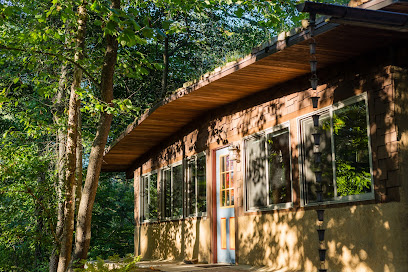
Makanda Inn
38.5 km
Experience the serene charm of Makanda Inn, where cozy accommodations meet the beauty of southern Illinois in a tranquil setting.
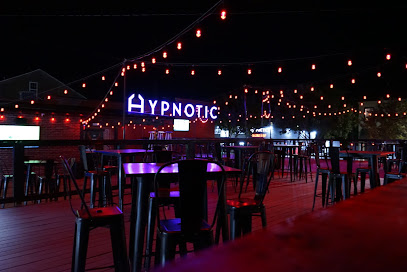
Hypnotic Bar & Nightclub
38.8 km
Discover the electrifying nightlife of Hypnotic Bar & Nightclub in Cape Girardeau, MO, where music, dancing, and great drinks unite for an unforgettable experience.
Nightclubs & after hour spots

The Hangar 9
50.7 km
Discover the lively nightlife and vibrant music scene at The Hangar 9, Carbondale's top spot for unforgettable entertainment experiences.
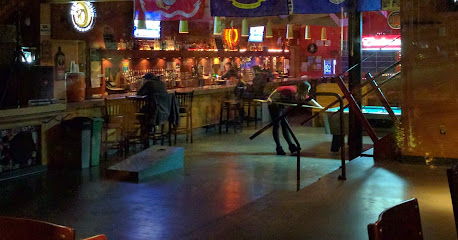
Club 13
52.6 km
Discover the lively atmosphere and exciting events at Club 13, Carbondale's premier event venue for unforgettable nightlife experiences.
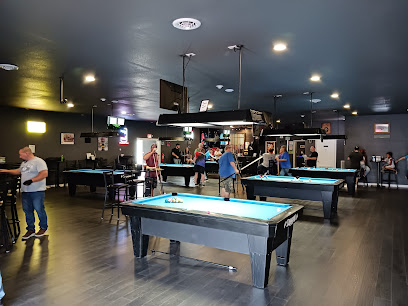
Incognito Gentlemen's Club
53.0 km
Discover the electrifying nightlife at Incognito Gentlemen's Club in Paducah, Kentucky - a premier destination for entertainment and fun.

Driftwood Lounge
53.2 km
Discover Driftwood Lounge in Paducah, KY: A lively grill and bar offering delicious food, refreshing drinks, and unforgettable live music experiences.
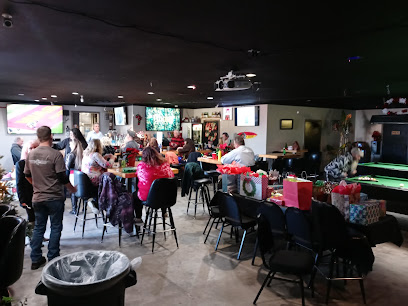
Showtime
54.6 km
Discover the dynamic nightlife of Showtime, a premier bar in Paducah, Kentucky, perfect for drinks, entertainment, and unforgettable memories.
Rumpshakers
54.6 km
Discover the vibrant nightlife at Rumpshakers, Paducah's ultimate night club for dancing, music, and unforgettable experiences.
Linemen's Lounge
61.6 km
Visit Linemen's Lounge in Johnston City for a friendly bar atmosphere, great drinks, and lively events that capture the essence of local culture.
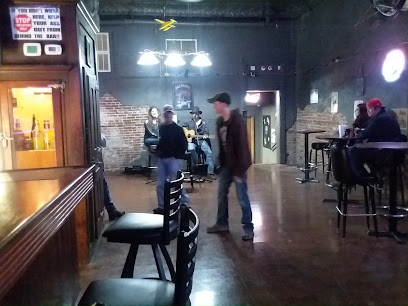
Garden of the Gods
72.1 km
Discover the stunning rock formations and breathtaking views of the Garden of the Gods, a top hiking destination in southern Illinois.
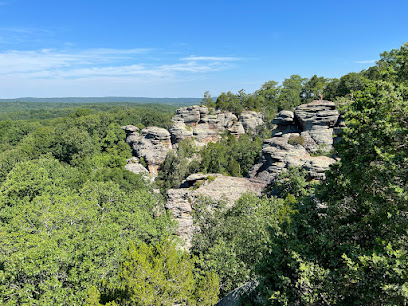
Garden of the Gods Outpost
72.4 km
Discover the breathtaking beauty of Garden of the Gods Outpost in Southern Illinois, where stunning landscapes and outdoor adventures await every traveler.