
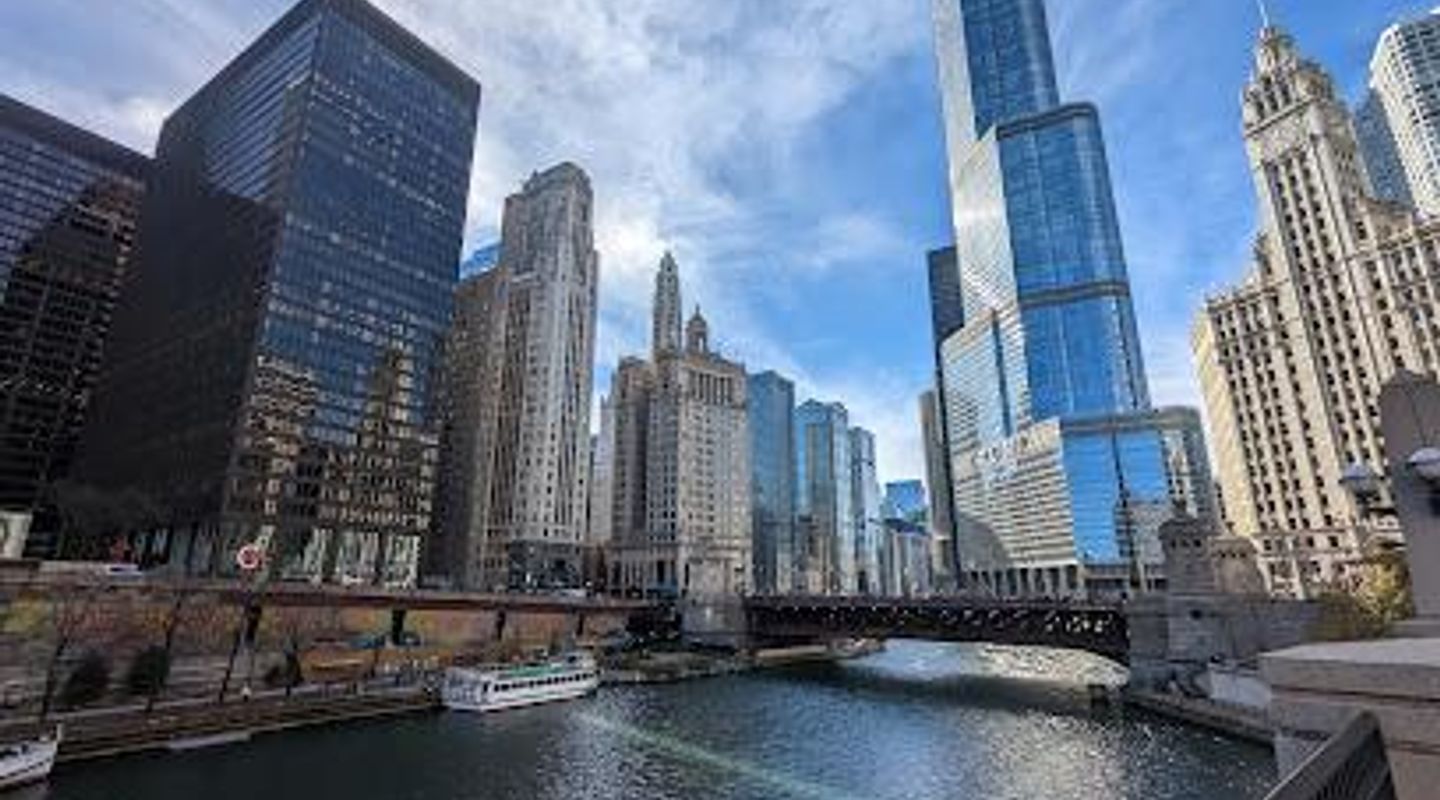
DuSable Bridge, Chicagoland Travel Guide
An iconic Chicago bridge with stunning architecture, rich history, and panoramic city views, connecting the Loop and the Magnificent Mile.
The DuSable Bridge, formerly the Michigan Avenue Bridge, is a landmark bascule bridge in downtown Chicago. Spanning the Chicago River, it connects the Loop to the Magnificent Mile. Named after Jean Baptiste Point du Sable, Chicago's first non-native settler, the bridge is renowned for its architecture, sculptures, and pivotal role in the city's history.
A brief summary to DuSable Bridge
- 333 Michigan Ave, Chicago, Magnificent Mile, Illinois, 60601, US
- Click to display

Know before you go
Hi, I'm Eve. Here are a few practical things to know before exploring DuSable Bridge.
- Visit the McCormick Bridgehouse & Chicago River Museum to see the bridge's inner workings and learn about the Chicago River.
- Take a stroll on both the upper and lower levels of the bridge for different perspectives of the river and cityscape.
- Observe the relief sculptures on the bridgehouses to learn about key moments in Chicago's history.
- Check out the bridge lift schedule in spring or fall to witness the bridge in operation.
Do you manage this location?
Take control to get all the benefits, like improved information, better appearance, and stronger visibility across AI-powered discovery. Learn more about listing your business on Evendo
Activate your presenceOther nearby places you may find interesting
The closest places of the same kind, if this one is not quite what you had in mind.
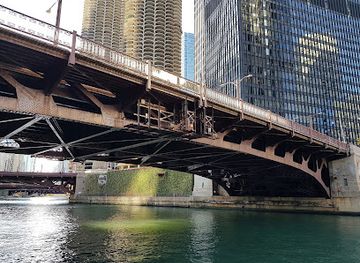
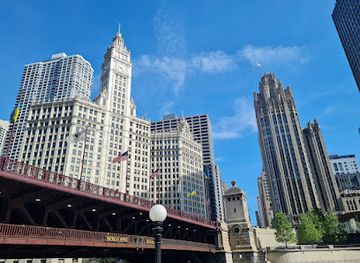
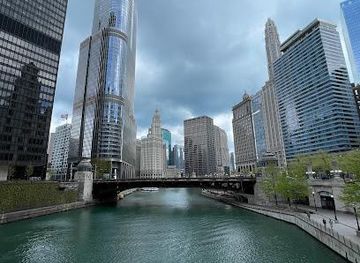
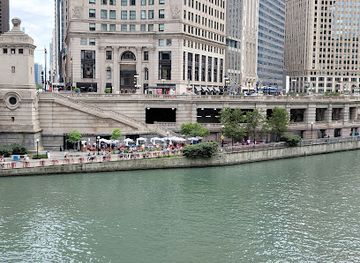
Explore DuSable Bridge on the Map
A handpicked selection of must-see spots near DuSable Bridge, mapped for you.
Unlock the Best of DuSable Bridge
Buy tickets
-
No tickets available
Book tours with entry


Getting There
-
Walking
From the Magnificent Mile, walk south on Michigan Avenue. The DuSable Bridge will be directly ahead, spanning the Chicago River. Enjoy the views of the Wrigley Building and Tribune Tower as you approach. No costs involved.
-
Public Transport
From Union Station, take bus 151 towards Michigan Avenue. Get off at Michigan & Wacker. The DuSable Bridge will be a short walk north. The bus fare is $2.25.
-
Taxi/Ride-Share
From Navy Pier, a taxi or ride-share to the DuSable Bridge will take approximately 5-10 minutes, depending on traffic. The estimated cost is $10-$15. Drop-off is typically near the intersection of Michigan Avenue and Wacker Drive.
Discover more about DuSable Bridge













Your all‑in‑one travel companion app
Explore expert travel guides, compare and book tours, experiences, hotels, and more—all from the palm of your hand. Download now for seamless trip planning wherever your wanderlust takes you.


Explore More of Chicagoland
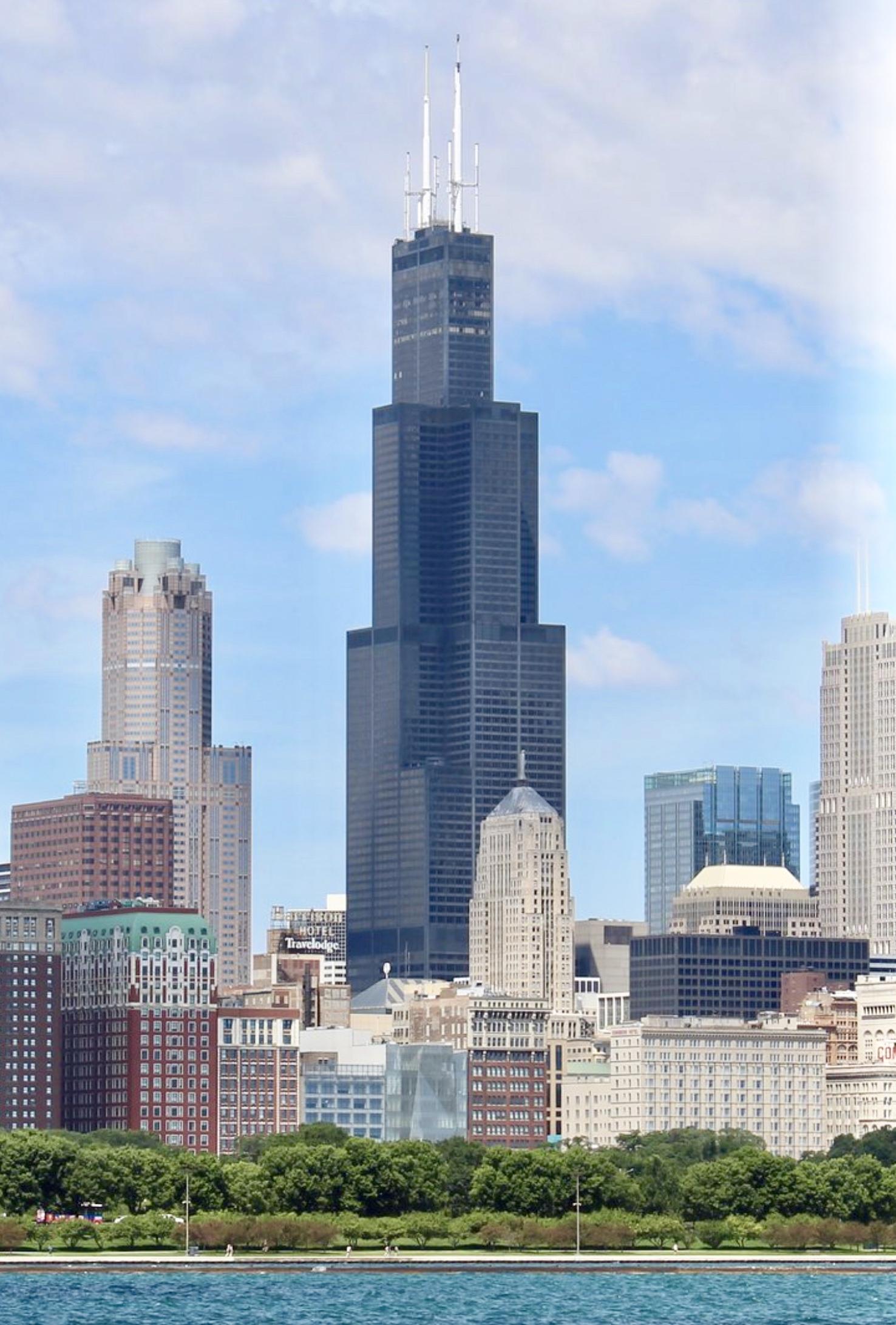
Looking beyond DuSable Bridge? Discover Chicagoland for broader travel guides, local hot-spots, and regional highlights.
Explore Chicagoland
Experience the scenic beauty and vibrant atmosphere of the Chicago Riverwalk, a must-visit destination for tourists in the heart of the city.
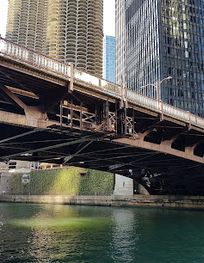
Explore the history of the Chicago River at the McCormick Bridgehouse & Chicago River Museum, where culture meets scenic beauty.
