Starved Rock State Park, Quad Cities Travel Guide
Explore majestic canyons, seasonal waterfalls, and rich history at Illinois' Starved Rock State Park, a natural and historical landmark.
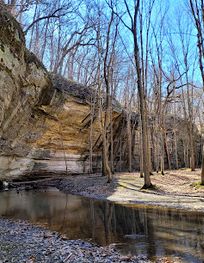
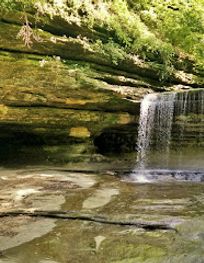
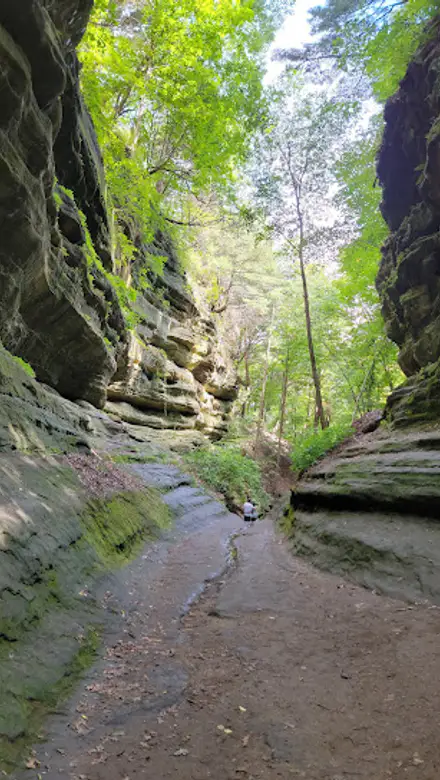
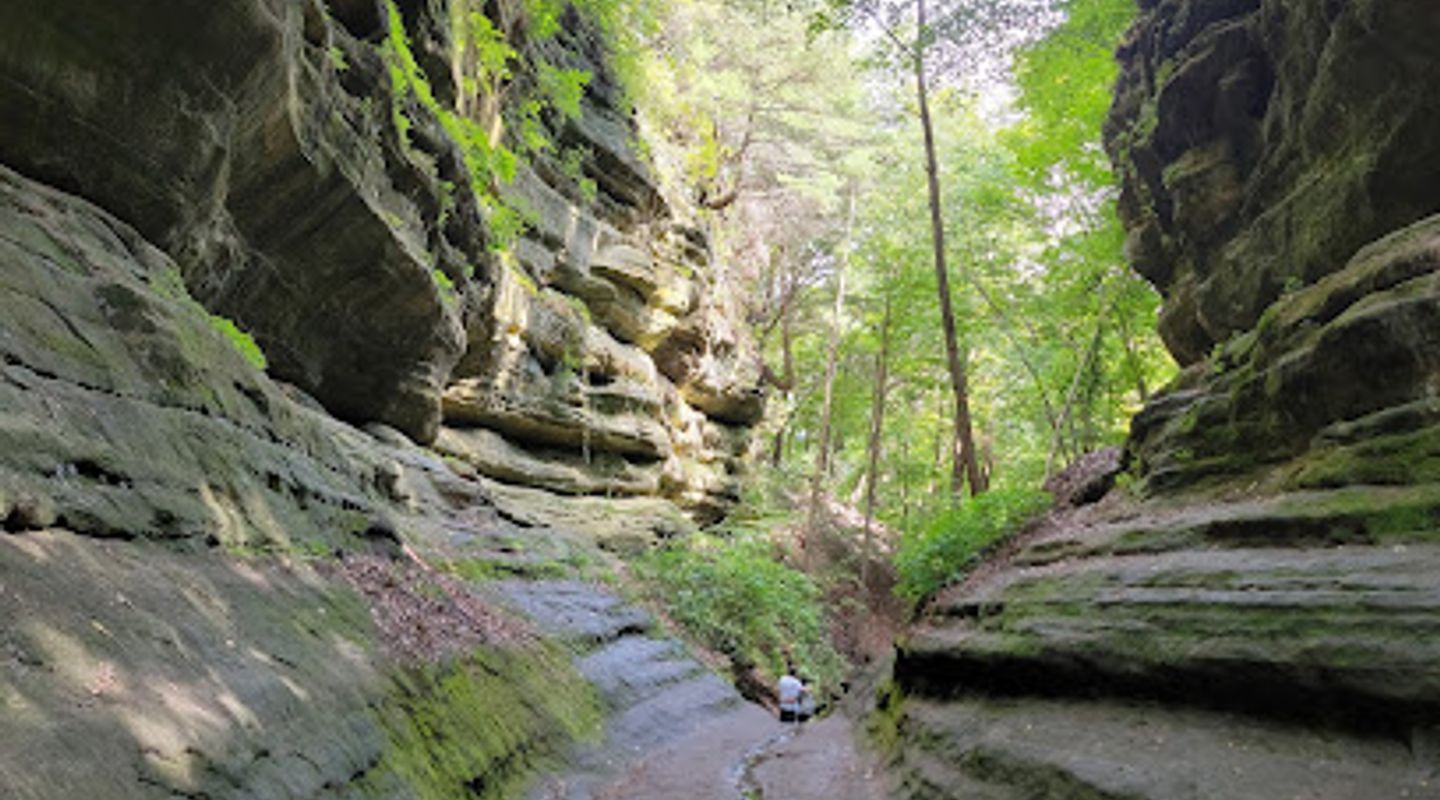
Starved Rock State Park, located in Illinois, is a stunning natural area featuring 18 canyons, seasonal waterfalls, and over 13 miles of hiking trails. Named after a Native American legend, this park offers a unique landscape shaped by glacial meltwater and rich history.
A brief summary to Starved Rock State Park
- Oglesby, Illinois, 61348, US
- Click to display
- Click to display

Know before you go
Hi, I'm Eve. Here are a few practical things to know before exploring Starved Rock State Park.
- Visit during the week to avoid crowded trails and parking lots, especially during summer and fall.
- Check the weather forecast and trail conditions before your visit, as rain can make trails muddy or lead to temporary closures.
- Wear sturdy hiking shoes with good grip, especially for trails with stairs and canyon floors.
- Bring plenty of water, snacks, and layered clothing to adjust to changing temperatures.
- Stay on marked trails and be aware of the drop-offs at overlooks.
Do you manage this location?
Take control to get all the benefits, like improved information, better appearance, and stronger visibility across AI-powered discovery. Learn more about listing your business on Evendo
Activate your presenceOther nearby places you may find interesting
The closest places of the same kind, if this one is not quite what you had in mind.
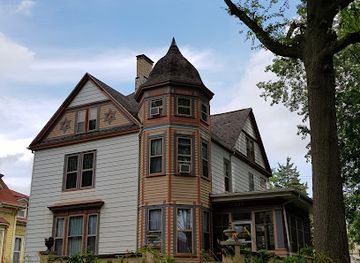
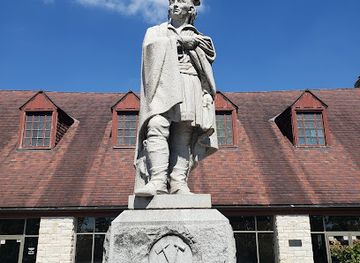
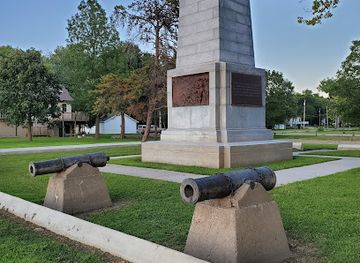
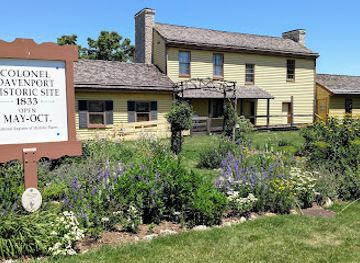
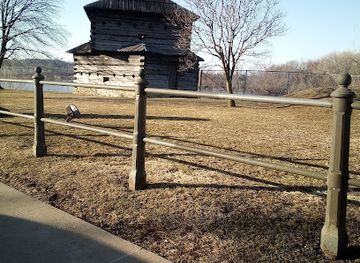
Explore Starved Rock State Park on the Map
A handpicked selection of must-see spots near Starved Rock State Park, mapped for you.
Unlock the Best of Starved Rock State Park
Buy tickets
-
No tickets available
Book tours with entry


Getting There
-
Driving
Starved Rock State Park is located near Oglesby, Illinois. From Interstate 80, exit onto IL-178 South to reach the park entrance. Be prepared for toll roads requiring an I-PASS, E-ZPass, or online payment. Parking is free within the park, but arrive early, especially on weekends, to secure a spot in the main lot near the Visitor Center or the overflow lot across from the Lodge. Limited parking is also available at trailheads off Route 71.
-
Public Transport
While there are limited public transportation options directly to Starved Rock State Park, the closest option is to take an Amtrak train to Mendota, IL, and then take a taxi to the park, which is approximately a 1-hour drive. Train tickets from Chicago to Mendota range from $30 to $60. A taxi from Mendota to Starved Rock State Park will cost approximately $50-$90. Alternatively, Burlington Trailways operates a bus from Chicago to La Salle/Peru once daily for $30-$60. From there, you would need to take a taxi to the park.
Discover more about Starved Rock State Park
More to explore near Starved Rock State Park













Your all‑in‑one travel companion app
Explore expert travel guides, compare and book tours, experiences, hotels, and more—all from the palm of your hand. Download now for seamless trip planning wherever your wanderlust takes you.


Explore More of Quad Cities
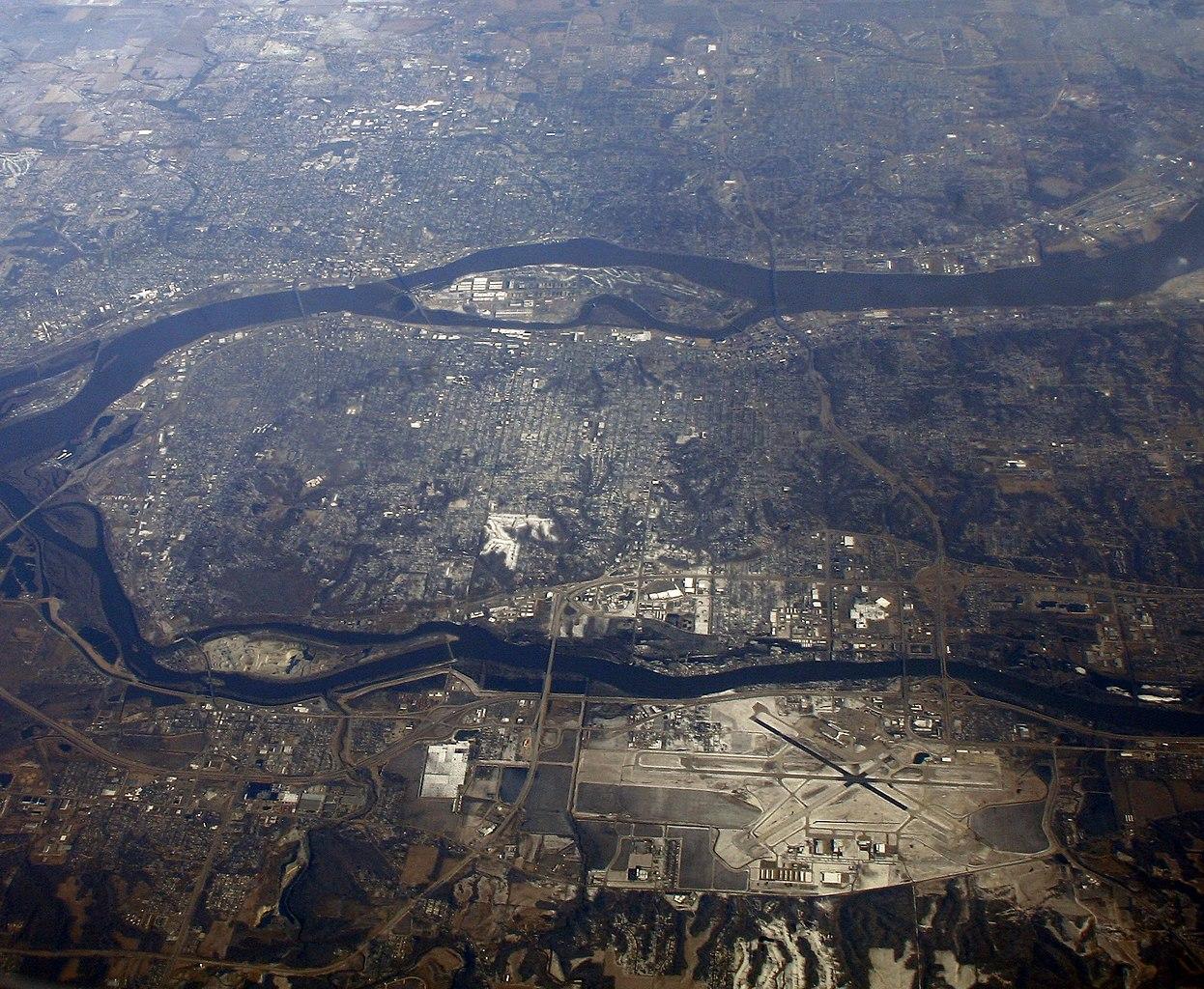
Looking beyond Starved Rock State Park? Discover Quad Cities for broader travel guides, local hot-spots, and regional highlights.
Explore Quad Cities