

Free Quad Cities Travel Guide & Mobile App
Explore Quad Cities with free travel guides. Discover regional history, expert tips, proposed trips, and audio guides on web or mobile app.


Explore Illinois's Quad Cities for Mississippi River trails, industrial heritage, Indigenous history, museums, markets and distinctive Midwestern riverfront culture.
Read more about Quad Cities
Getting to and around Quad Cities
How to get there
Transportation
Destinations in Quad Cities
Resorts, valleys and scenic spots worth a trip of their own.

Swipe for more destinations
Best attractions in Quad Cities
The Illinois Quad Cities offer a varied but manageable set of attractions rooted in river geography, Indigenous history and manufacturing. Rock Island's Black Hawk State Historic Site combines wooded trails, interpretive displays and a landscape associated with Sauk history, while the Quad City Botanical Center provides cultivated gardens and seasonal interest near the river. In Moline, the John Deere Pavilion explains the development of agricultural machinery through large exhibits and historical interpretation. Rock Island Arsenal adds military heritage, though access to the active installation is controlled and should be checked in advance. The riverfront parks and trails are central to the visitor experience, offering walking, cycling, birdwatching and views towards Iowa. Families may also consider Niabi Zoo in Coal Valley, in the rural southern part of the Illinois Quad Cities. Historic commercial streets, galleries, theatres and community museums add cultural depth, while the Mississippi and Rock rivers provide opportunities for boating and fishing subject to conditions and local regulations.
-
Tourist attraction
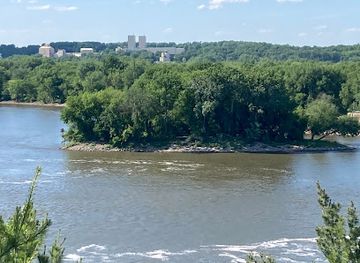
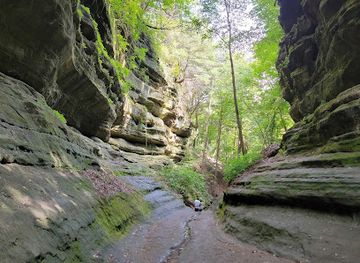
Starved Rock State Park
Explore the stunning landscapes, diverse wildlife, and scenic hiking trails at Starved Rock State Park, a premier tourist attraction in Illinois.
-
Tourist attraction
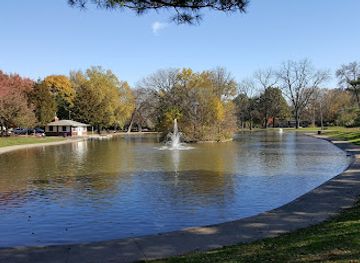
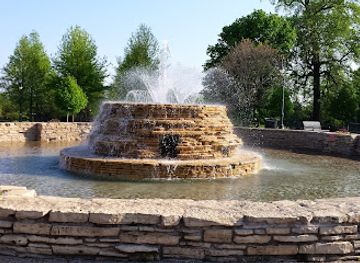
Vander Veer Botanical Park
Explore the natural beauty and tranquility of Vander Veer Botanical Park, a serene botanical garden in Davenport, Iowa, perfect for relaxation and family fun.
-
Tourist attraction
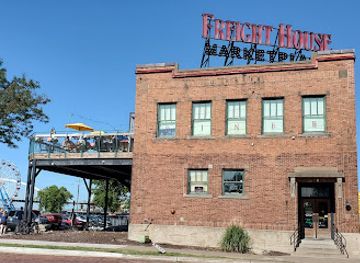
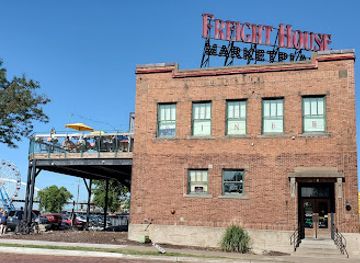
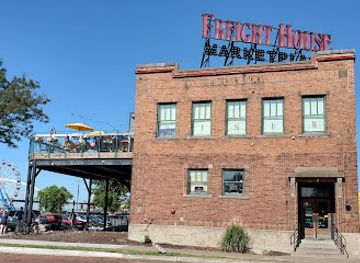
Freight House Farmers Market
Experience the heart of local culture at Freight House Farmers Market, where fresh produce, artisanal goods, and community spirit come together in Davenport, Iowa.
-
Zoo
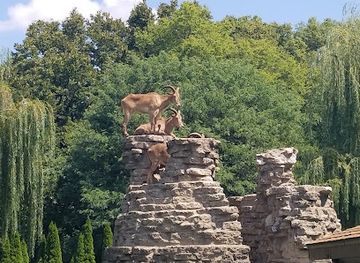
Niabi Zoo
Explore Niabi Zoo in Coal Valley, Illinois, where diverse wildlife and engaging educational experiences await families and animal lovers alike.
Best landmarks in Quad Cities
The Mississippi River is the defining natural landmark of the Quad Cities, shaping the region's views, bridges, parks and historic economy. Rock Island Arsenal, occupying an island between Illinois and Iowa, is the most consequential built landmark: its military buildings, industrial history and cemetery reflect the area's strategic role, although it is an active federal installation rather than an unrestricted heritage attraction. Black Hawk State Historic Site in Rock Island is both a natural and cultural landmark, preserving wooded land linked to the history of Black Hawk and the Sauk community. The John Deere Pavilion in Moline represents the region's modern industrial identity through its prominent machinery displays. Bridges across the Mississippi, including the Government Bridge connection to Rock Island Arsenal, express the long relationship between the Illinois and Iowa cities. Within the urban areas, older commercial buildings, civic architecture, riverfront promenades and industrial remnants provide a less monumental but equally revealing record of the towns' growth as transport and manufacturing centres.
-
State park
Starved Rock State Park
Explore majestic canyons, seasonal waterfalls, and rich history at Illinois' Starved Rock State Park, a natural and historical landmark.
-
Historical landmark
Cahokia Mounds State Historic Site
Explore the ancient metropolis of Cahokia Mounds, a UNESCO World Heritage Site and the largest pre-Columbian settlement north of Mexico.
-
Tourist attraction
Vander Veer Botanical Park
Discover tranquility and beauty at Vander Veer Botanical Park, a historic Davenport treasure with gardens, floral displays, and seasonal events.
-
Tourist attraction
Freight House Farmers Market
Experience the Quad Cities' finest at the Freight House Farmers Market: local produce, artisanal goods, and community spirit on the Mississippi Riverfront.
Explore Quad Cities on the map
Plan your trip on one map. See where the top cities, national parks and sights are, and book hotels and experiences in a few clicks.
Best hotels in Quad Cities
Best restaurants in Quad Cities
Dining in the Illinois Quad Cities reflects a broad Midwestern urban region rather than a narrowly defined local cuisine. Independent restaurants, cafés, diners, breweries, bakeries and traditional taverns sit alongside establishments serving Mexican, Asian, Mediterranean and other international food. Local menus commonly draw on Midwestern ingredients such as beef, pork, sweetcorn and seasonal produce, while river communities provide a natural setting for casual dining and patios in warmer months. Farmers' markets are useful for finding regional fruit, vegetables, baked goods and prepared foods, although schedules vary by season. Moline and Rock Island have the greatest concentration of restaurants and cafés, with additional choices in East Moline and surrounding communities. Visitors should distinguish Quad Cities dining from the wider Iowa and Illinois food traditions: the region's strongest culinary identity lies in its independent, practical, multicultural restaurant scene and its connection to local agriculture rather than in one signature dish.
-
American
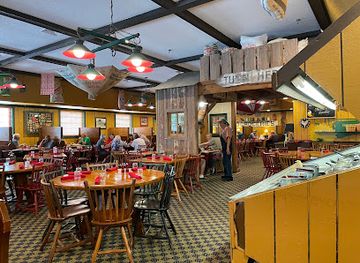
Machine Shed Restaurant Davenport
Discover the flavors of America at Machine Shed Restaurant in Davenport – where comfort food meets rustic charm.
-
Breakfast
QC Coffee and Pancake House
Discover delicious breakfasts at QC Coffee and Pancake House in Rock Island – where every bite feels like home.
-
Hamburger
Steel Plow Burger Company
Experience mouth-watering burgers at Steel Plow Burger Company in Moline, where fresh ingredients meet a welcoming atmosphere.
-
American
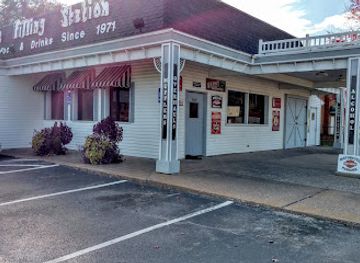
The Filling Station
Discover the vibrant flavors of American cuisine at The Filling Station in Davenport—where great food meets a lively atmosphere.


Best bars in Quad Cities
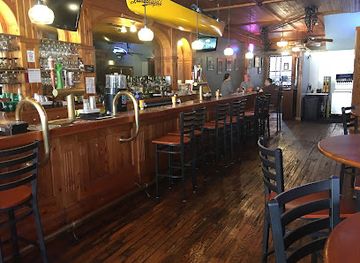
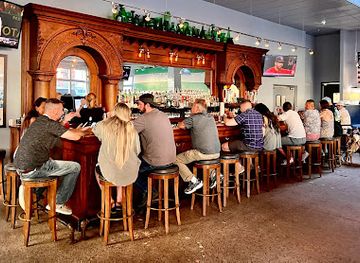
Evening life in the Illinois Quad Cities is concentrated in Moline and Rock Island, with additional restaurants, taverns and breweries in East Moline and nearby communities. Traditional pubs and neighbourhood bars remain important, but the metropolitan area also has cocktail-led venues, live music, comedy, theatre and seasonal riverfront programming. Rock Island's historic commercial areas are associated with a denser evening scene, while Moline combines restaurants, entertainment venues and bars around its central and riverfront districts. Nightclubs exist but are not the defining feature of the region; many evenings revolve around food, local bands, small performances or sporting events. Opening arrangements and individual businesses change, so current listings should be checked before travelling. In rural parts of the Illinois Quad Cities, evening choices are more likely to centre on a local bar, restaurant or community event than on late-night entertainment.
-
American
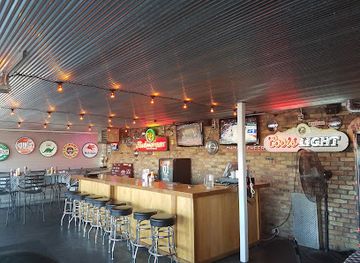
The Filling Station
Experience the charm of The Filling Station in Davenport, Iowa, where classic American cuisine meets a cozy vintage atmosphere.
-
Pub
Treehouse Pub & Eatery
Experience the delightful blend of casual dining and sports bar atmosphere at Treehouse Pub & Eatery in Bettendorf, Iowa, perfect for your culinary adventure.
-
Grill
River House Bar & Grill
Experience the perfect blend of delicious cuisine and stunning river views at River House Bar & Grill in Moline, Illinois.
-
Bar
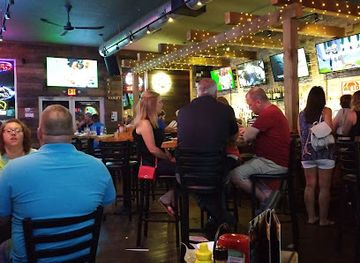
Me & Billy
Discover Me & Billy in Davenport: A vibrant bar and restaurant offering unique flavors and a welcoming atmosphere for all visitors.
Best nightclubs in Quad Cities
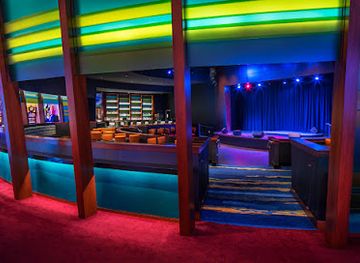
Evening life in the Illinois Quad Cities is concentrated in Moline and Rock Island, with additional restaurants, taverns and breweries in East Moline and nearby communities. Traditional pubs and neighbourhood bars remain important, but the metropolitan area also has cocktail-led venues, live music, comedy, theatre and seasonal riverfront programming. Rock Island's historic commercial areas are associated with a denser evening scene, while Moline combines restaurants, entertainment venues and bars around its central and riverfront districts. Nightclubs exist but are not the defining feature of the region; many evenings revolve around food, local bands, small performances or sporting events. Opening arrangements and individual businesses change, so current listings should be checked before travelling. In rural parts of the Illinois Quad Cities, evening choices are more likely to centre on a local bar, restaurant or community event than on late-night entertainment.
-
Live music bar
Rhythm Room
Discover the vibrant music scene and lively atmosphere at Rhythm Room, Davenport's premier live music and casino destination.
-
Bar
UP Skybar & Lounge
Discover vibrant nightlife and stunning city views at UP Skybar & Lounge, the premier rooftop bar in Davenport, Iowa.
-
Lounge
The Gallery Lounge
Experience the vibrant nightlife at The Gallery Lounge in Davenport, where expertly crafted cocktails and a lively atmosphere await.
-
Night club
East End Bolders Club Inc
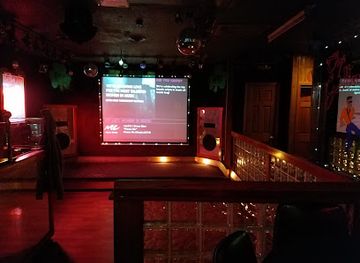
Experience Moline's nightlife at East End Bolders Club, a lively night club ideal for dancing and enjoying drinks with friends.

Best shops in Quad Cities
Shopping in the Illinois Quad Cities is centred on practical regional retail, independent businesses and seasonal markets rather than a concentrated luxury district. Downtown Moline and Rock Island provide locally owned shops, cafés, galleries, books, gifts and small specialist retailers, while larger everyday shopping is available at suburban commercial areas and SouthPark Mall in Moline. Farmers' markets are the best places to look for local produce, preserves, baked goods, flowers and prepared food when operating in season. The region's agricultural and engineering identity also makes farm-related gifts, books, practical crafts and locally produced food appropriate souvenirs. Art galleries and craft sellers offer work by regional makers, while historic commercial streets provide more individual character than standardised retail centres. Check market days and shop hours before making a special journey, since independent and seasonal businesses may operate limited schedules.
-
Shopping mall
NorthPark Mall
Explore NorthPark Mall in Davenport, Iowa - your ultimate shopping, dining, and entertainment destination for an unforgettable experience.
-
Shopping mall
SouthPark Mall
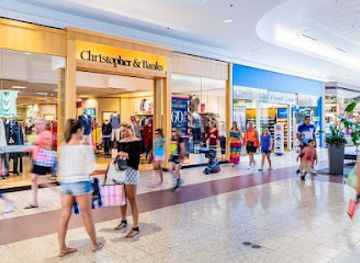
Experience the ultimate shopping adventure at SouthPark Mall, featuring an array of stores, delightful dining, and a vibrant atmosphere in Moline, Illinois.
-
Cannabis store
Terrace Cannabis Dispensary - Moline
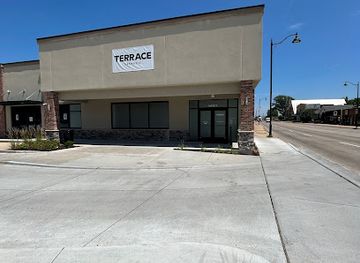
Discover Moline's premier cannabis store, offering a diverse selection of high-quality products in a welcoming environment, perfect for enthusiasts and newcomers alike.
-
Farmers' market
Freight House Farmers Market
Discover the heart of Davenport at the Freight House Farmers Market, where local produce, unique crafts, and community spirit come together.
Get your free copy of our complete guide to Quad Cities, delivered straight to you.
Everything on this page, from attractions and restaurants to essentials and local phrases, in one PDF you can read offline, print or share.
Already have an account? Sign in
Your Quad Cities guide is ready.
We'll send it to · Not you? Sign out

Getting your guide ready…
We are putting together a fresh copy of the Quad Cities guide. This can take up to a minute.
This can take a few moments. If your browser asks, choose Allow so the download can start. You'll find the guide in your Downloads folder.
Nothing happened? Download it again
Sorry, the guide is taking longer than usual. Please try again in a minute, or get it by email instead.
Quad Cities essentials
Currency and Payment
Safety
Emergency Situations
Do's and Don'ts
Local Tips
From Eve
Local phrases worth knowing
You don't need to get them perfect. A few words go a long way, and locals appreciate the effort.
Basics
| English | Local | Say it |
|---|---|---|
| Hello | Hi | [hai] |
| Goodbye | See ya | [see yah] |
| Yes | Yep | [yehp] |
| No | Nah | [nah] |
| Please/You're welcome | No problem | [noh prob-lum] |
| Thank you | Thanks | [thangs] |
| Excuse me/Sorry | Sorry | [sor-ree] |
| How are you? | How's it going? | [how's it goin'?] |
| Fine. And you? | Good. And you? | [gud. an' you?] |
| Do you speak English? | Do ya speak English? | [doo yah speak ing-glish?] |
| I don't understand | I don't get it | [I don't get it] |
Eating & Drinking
| English | Local | Say it |
|---|---|---|
| I'd like to see the menu, please | Can I see the menu? | [can I see the men-yoo?] |
| I don't eat meat | I’m a vegetarian | [I'm a ve-ge-tar-ian] |
| Cheers! | Cheers! | [cheers] |
| I would like to pay, please | Can I get the check? | [can I get the chek?] |
Emergencies
| English | Local | Say it |
|---|---|---|
| Help! | Help! | [help] |
| Go away! | Leave me alone! | [leave me alone!] |
| Call the Police! | Call the cops! | [call the cops] |
| Call a doctor! | Get a doctor! | [get a doc-tor] |
| I'm lost | I’m lost | [I'm lost] |
| I'm ill | I'm not feeling well | [I'm not feel-ing well] |
Shopping
| English | Local | Say it |
|---|---|---|
| I'd like to buy... | I wanna buy... | [I wanna buy...] |
| I'm just looking | Just browsing | [just brows-ing] |
| How much is it? | What's it cost? | [what's it cost?] |
| That's too expensive | That's way too much | [that's way too much] |
| Can you lower the price? | Can you make it cheaper? | [can you make it cheaper?] |
Time & Numbers
| English | Local | Say it |
|---|---|---|
| What time is it? | What time is it? | [what time is it?] |
| It's one o'clock | It's one o'clock | [it's one o'clock] |
| Half past (10) | Half past ten | [half past ten] |
| Morning | Morning | [morning] |
| Afternoon | Afternoon | [afternoon] |
| Evening | Evening | [evening] |
| Yesterday | Yesterday | [yes-ter-day] |
| Today | Today | [to-day] |
| Tomorrow | Tomorrow | [to-mor-row] |
| 1 | One | [one] |
| 2 | Two | [two] |
| 3 | Three | [three] |
| 4 | Four | [four] |
| 5 | Five | [five] |
| 6 | Six | [six] |
| 7 | Seven | [seven] |
| 8 | Eight | [eight] |
| 9 | Nine | [nine] |
| 10 | Ten | [ten] |
Transport & Directions
| English | Local | Say it |
|---|---|---|
| Where's a/the...? | Where's the...? | [where's the...?] |
| What's the address? | What's the address? | [what's the ad-dress?] |
| Can you show me (on the map)? | Can you show me on the map? | [can you show me on the map?] |
| When's the next (bus)? | When's the next bus? | [when's the next bus?] |
| A ticket (to ....) | A ticket to ... | [a ticket to ...] |
History of Quad Cities
Indigenous Mississippi and Rock River Landscapes
Long before the modern cities developed, the Mississippi and Rock rivers supported Indigenous communities through fishing, hunting, agriculture and trade. The area is particularly associated with the Sauk, Meskwaki and other peoples whose lives were tied to the river corridors and fertile prairie. The landscape around present-day Rock Island also became associated with Black Hawk, the Sauk leader. Indigenous history is not simply an archaeological prelude to the cities: it remains central to understanding subsequent treaties, displacement and the contested development of the region.
The Black Hawk War and Forced Removal, 1832
The Black Hawk War arose from conflict over Indigenous land, settlement and the return of Sauk and Meskwaki people to their former village area near the Mississippi. Black Hawk State Historic Site in Rock Island preserves part of the landscape connected with this history, although the conflict extended across a much wider area. The war ended with the defeat and removal of Black Hawk's group, opening the region to intensified United States settlement while leaving a lasting and often difficult historical legacy.
Fort Armstrong and Early United States Settlement
Fort Armstrong was established in 1816 on what is now Rock Island Arsenal Island, occupying a strategic position within the Mississippi. It reflected the United States government's military interest in the river and the expanding western frontier. Following the nineteenth-century treaties and the growth of settlement, river landings, ferries and commercial communities developed on the Illinois shore. The early towns that became Rock Island and Moline grew from this combination of military geography, river transport, agriculture and land speculation.
Rock Island Arsenal and Military Manufacturing
Rock Island Arsenal developed from a frontier military post into a major United States Army installation and manufacturing centre. Its island setting made it strategically significant, and the complex became involved in the production, storage and maintenance of military equipment. During the American Civil War, the arsenal also operated a prison camp for Confederate soldiers, whose graves are commemorated at the Rock Island National Cemetery. The installation remains an important federal presence and a defining feature of the Quad Cities landscape.
Railways, Bridges and the Industrial River
From the mid-nineteenth century, railways transformed the Quad Cities by connecting river ports with Midwestern farms, mines and manufacturing centres. Bridges across the Mississippi strengthened economic links with Iowa, while steamboats and later rail traffic made the river a major transport corridor. Foundries, implement works, lumber businesses and other industries expanded around the Illinois river towns. The surviving bridges, rail alignments, warehouses and industrial districts provide visible evidence of a period when transport infrastructure determined the region's urban growth.
John Deere and Agricultural Manufacturing
Agricultural machinery became one of the region's most influential industries through the expansion of John Deere operations in Moline and its surrounding communities. The company's development connected local engineering, manufacturing employment and global farm-equipment markets. This industrial history helped make Moline internationally recognisable within the agricultural machinery sector and shaped the area's civic institutions and workforce. The John Deere Pavilion presents this legacy to visitors, while the wider urban landscape continues to reflect the importance of manufacturing.
Twentieth-Century Urban Change and a Bi-State Identity
The Quad Cities faced the same pressures as many Midwestern industrial areas during the twentieth century, including changing manufacturing practices, suburban growth, flood management and the decline of some traditional river industries. At the same time, the five-city metropolitan area retained strong cross-river connections in employment, education, culture and sport. Waterfront redevelopment, trails, museums and heritage interpretation have helped broaden the regional economy without erasing its industrial character. Today, Illinois and Iowa communities are administratively separate but function as a closely connected river metropolitan area.
Quad Cities in Photos
Browse through our photo collection highlighting the charm and character of the destination.
Neighbouring regions of Quad Cities
The closest regions to Quad Cities, if you have time for more than one.
-

-

-

-
-


Swipe for more regions
Explore more

Explore more of Illinois
Discover Illinois: From Chicago's iconic skyline to the tranquil beauty of its countryside, experience the diverse allure of the Prairie State.
Explore Illinois