

Southern Illinois, Illinois Travel Guide
Discover Southern Illinois: A Hidden Gem of Natural Beauty, Historical Riches, and Wine Trails in the Heartland of the United States
Southern Illinois, often called 'Little Egypt,' is a hidden gem in the heartland of the United States. This region is famed for its lush forests, rolling hills, and a rich tapestry of history and culture. Whether you're an outdoor enthusiast, a history buff, or a wine lover, Southern Illinois offers something for everyone. Shawnee National Forest is the crown jewel of Southern Illinois. Spanning over 280,000 acres, it is a paradise for hikers, campers, and nature lovers. The Garden of the Gods, with its awe-inspiring rock formations, offers breathtaking views and photo opportunities. Don't miss the Rim Rock Trail and the scenic Cedar Lake, perfect for a day of adventure and tranquility. Southern Illinois is also steeped in history. Visit the historic town of Cairo, where the Ohio and Mississippi rivers meet, and explore its rich Civil War heritage. The region's vineyards, part of the Shawnee Hills Wine Trail, offer a delightful escape for wine enthusiasts. Enjoy tastings and tours in a picturesque setting. For a unique experience, head to the Cache River State Natural Area. This wetland paradise is home to ancient cypress trees and a diverse array of wildlife. Canoeing or kayaking through the swampy waters is a serene and unforgettable adventure. The region's small towns, with their charming shops and eateries, offer a warm and welcoming atmosphere, making Southern Illinois a perfect getaway destination.

Know before you go
Hi, I'm Eve. Here are a few practical things to know before exploring Southern Illinois.
- Visit in the fall for stunning foliage and mild weather.
- Pack hiking boots and plenty of water for exploring Shawnee National Forest.
- Check winery schedules for special events and tastings.
- Bring binoculars for bird watching in the Cache River State Natural Area.
- Explore local diners and restaurants for authentic Southern Illinois cuisine.
Explore Southern Illinois: Things to Do, Places to Eat, Hotels & More
Handpicked recommendations for top attractions, local dining, accommodations, and more

Top Attractions & Sightseeing in Southern Illinois
Top-rated picks
Best Attractions

Shawnee National Forest
Explore the breathtaking beauty and diverse landscapes of Shawnee National Forest, a natural paradise for outdoor lovers and adventure seekers.

Garden of the Gods
Discover the awe-inspiring Garden of the Gods in Shawnee National Forest, a breathtaking hiking area with stunning rock formations and scenic trails.

Giant City State Park
Explore the breathtaking landscapes and diverse wildlife at Giant City State Park, a premier state park in Illinois offering adventure and tranquility.

Ferne Clyffe State Park
Explore the stunning landscapes, rock formations, and outdoor adventures at Ferne Clyffe State Park in Illinois.

Best landmarks in Southern Illinois
Top-rated picks
Best Landmarks

Starved Rock State Park
Explore stunning canyons, waterfalls, and Native American history at Starved Rock State Park in Illinois. A year-round destination for outdoor adventures.

Shawnee National Forest
Discover Illinois's natural beauty: hiking, camping, and stunning landscapes await in the heart of Shawnee National Forest.

Garden of the Gods
Explore the breathtaking sandstone formations and panoramic vistas of Garden of the Gods, a natural wonder in Illinois's Shawnee National Forest.

Cahokia Mounds State Historic Site
Explore the ancient metropolis of Cahokia Mounds in Illinois, a UNESCO World Heritage Site and the largest pre-Columbian settlement north of Mexico.

Best restaurants in Southern Illinois
Top-rated picks
Best Restaurants

Giant City State Park Lodge & Restaurant
Experience the beauty of nature at Giant City State Park Lodge & Restaurant—where adventure meets comfort in Southern Illinois.

Quatro's Deep Pan Pizza
Discover the best deep-dish pizza at Quatro's in Carbondale - where family-friendly meets delicious Italian cuisine.

20's Hideout Steakhouse
Experience the best of American cuisine at 20's Hideout Steakhouse in Marion, where succulent steaks meet fresh seafood in an inviting atmosphere.

The Red Onion
Discover delicious American cuisine at The Red Onion in Equality - where seafood meets steak for an unforgettable dining experience.

Best bars in Southern Illinois
Top-rated picks
Best Bars

Midland Inn
Discover Midland Inn: A cozy grill experience in Murphysboro, Illinois, offering delicious food and friendly service at affordable prices.

Flame Bar And Grill
Experience the best of fine dining at Flame Bar and Grill in Carbondale, where exquisite grill dishes meet a warm, inviting atmosphere.

618 Tap House
Discover the vibrant atmosphere of 618 Tap House in Marion, IL, where delicious grill cuisine meets a fantastic beer selection.

The Mill Bar and Grill
Discover the charm of The Mill Bar and Grill in Sesser, Illinois, where family-friendly dining meets delicious grilled cuisine.

Best nightclubs in Southern Illinois
Top-rated picks
Best Nightclubs

The Hangar 9
Experience the best of Carbondale's nightlife at The Hangar 9 – your destination for live music, affordable drinks, and vibrant entertainment.

PK’s Bar
Discover the lively atmosphere and delicious grill offerings at PK's Bar in Carbondale, IL - a must-visit for every tourist.

The Cellar
Experience the vibrant nightlife and cozy ambiance at The Cellar, Carbondale's beloved bar offering a delightful selection of drinks.

City Limits Lounge
Discover City Limits Lounge in Benton, Illinois - a cozy lounge perfect for drinks, entertainment, and relaxation in a vibrant community setting.

Best shops in Southern Illinois
Top-rated picks
Best Shops

Consume Cannabis - Marion
Discover a premier cannabis store in Marion, IL, offering a vast selection of quality products and knowledgeable staff to enhance your experience.

University Mall
Discover the lively University Mall in Carbondale, Illinois, a shopping haven featuring diverse stores, delightful dining, and vibrant local culture.

Consume Cannabis - Carbondale
Discover the best of Carbondale's cannabis culture at Consume Cannabis, where quality products meet a welcoming atmosphere.

Kohl's
Discover unbeatable deals on fashion and home goods at Kohl's in Carbondale, your one-stop shop for quality and affordability.

Explore Southern Illinois on the Map
A handpicked selection of must-see spots in Southern Illinois, mapped for you.
Southern Illinois Essentials
-
Southern Illinois is accessible via several major highways, including Interstates 57, 64, and 24. The nearest major airport is Lambert-St. Louis International Airport (STL) in Missouri, approximately 100 miles from the heart of Southern Illinois. Alternatively, you can fly into Chicago O'Hare International Airport (ORD) or Chicago Midway International Airport (MDW) and drive down, which takes about 5-6 hours. Amtrak also offers train services to various cities within Southern Illinois, with major stops in Carbondale and Centralia.
-
Car rental is a practical option for exploring Southern Illinois, as public transportation options are limited. Major rental companies operate out of the airports and larger cities. In towns like Carbondale and Marion, local bus services are available but may not cover all the tourist spots. Taxis and ride-sharing services like Uber and Lyft are also available in more populated areas. Biking and hiking are popular ways to explore the numerous state parks and natural reserves.
-
The United States Dollar (USD) is the official currency. Credit and debit cards are widely accepted, but it's a good idea to carry some cash for small purchases, especially in rural areas and small towns. ATMs are readily available in cities and towns, but may be scarce in more remote areas. Mobile payment options like Apple Pay and Google Wallet are also accepted in many establishments.
-
Southern Illinois is generally a safe destination, but it's wise to take standard precautions. Carbondale and East St. Louis have higher crime rates, so avoid walking alone at night in these areas and always be aware of your surroundings. Keep valuables secure and avoid displaying large amounts of cash. Petty thefts are more common in crowded tourist spots.
-
In case of emergency, dial 911 for immediate assistance. Hospitals with emergency services are available in major cities like Carbondale (SIH Memorial Hospital) and Marion (Heartland Regional Medical Center). Pharmacies are plentiful in urban areas for minor health issues. It's advisable to have travel insurance that covers medical emergencies.
-
Fashion: Do dress comfortably and appropriately for outdoor activities, but avoid overly casual attire in fine dining restaurants. Religion: Do respect local customs and traditions, especially when visiting religious sites. Remove hats and speak quietly in churches. Public Transport: Do be courteous and offer seats to elderly passengers. Don't eat or drink on public transportation. Greetings: Do greet people with a friendly 'hello' or handshake. Eating & Drinking: Do try local specialties like barbecue and fried chicken. Don't forget to tip, as it's customary in the U.S.
-
To experience Southern Illinois like a local, visit the local farmers' markets, especially in Carbondale and Marion, to buy fresh produce and artisanal goods. Attend a local fair or festival to immerse yourself in the regional culture. For an authentic experience, explore the Shawnee National Forest, where you can hike, camp, and enjoy stunning natural views. Don't miss visiting the local wineries and breweries, which offer tours and tastings. Engaging with locals can provide unique insights and make your trip more memorable.
When is the best time to visit Southern Illinois?
Useful Local Phrases for Southern Illinois
You don't need to speak the language perfectly. Even learning a few simple words can make conversations warmer—and locals usually appreciate the effort.
— Eve

Here are the phrases I use most often in Southern Illinois. Try a few—you'll be surprised how far they go! 😊
❤️
-
- HelloHowdy
[Ha-dee] - GoodbyeSee ya
[See ya] - YesYep
[Yep] - NoNope
[Nope] - Please/You're welcomeSure thing
[Shur thing] - Thank youThanks a bunch
[Thanks a bunch] - Excuse me/SorryPardon me
[Par-dun me] - How are you?How ya doin'?
[How ya doin'?] - Fine. And you?I'm good. And you?
[I'm good. An' you?] - Do you speak English?Can ya speak English?
[Can ya speak English?] - I don't understandI ain't followin'
[I ain't followin']
- HelloHowdy
-
- I'd like to see the menu, pleaseCan I see the menu, please?
[Can I see the menu, please?] - I don't eat meatI'm a vegetarian
[I'm a vege-tarian] - Cheers!Cheers!
[Cheers!] - I would like to pay, pleaseCan I get the check, please?
[Can I get the check, please?]
- I'd like to see the menu, pleaseCan I see the menu, please?
-
- Help!Help!
[Help!] - Go away!Leave me alone!
[Leave me alone!] - Call the Police!Call the cops!
[Call the cops!] - Call a doctor!Get a doctor!
[Get a doctor!] - I'm lostI'm turned around
[I'm turned around] - I'm illI'm not feelin' well
[I'm not feelin' well]
- Help!Help!
-
- I'd like to buy...I wanna buy...
[I wanna buy...] - I'm just lookingJust browsin'
[Just browsin'] - How much is it?How much's this?
[How much's this?] - That's too expensiveThat costs too much
[That costs too much] - Can you lower the price?Can ya make it cheaper?
[Can ya make it cheaper?]
- I'd like to buy...I wanna buy...
-
- What time is it?What time is it?
[What time is it?] - It's one o'clockIt's one o'clock
[It's one o'clock] - Half past (10)Half past ten
[Half past ten] - MorningMornin'
[Mornin'] - AfternoonAfternoon
[Afternoon] - EveningEvenin'
[Evenin'] - YesterdayYesterday
[Yesterday] - TodayToday
[Today] - TomorrowTomorrow
[Tomorrow] - 1One
[One] - 2Two
[Two] - 3Three
[Three] - 4Four
[Four] - 5Five
[Five] - 6Six
[Six] - 7Seven
[Seven] - 8Eight
[Eight] - 9Nine
[Nine] - 10Ten
[Ten]
- What time is it?What time is it?
-
- Where's a/the...?Where's the ...?
[Where's the ...?] - What's the address?What’s the address?
[What’s the address?] - Can you show me (on the map)?Can ya point it out on the map?
[Can ya point it out on the map?] - When's the next (bus)?When's the next bus?
[When's the next bus?] - A ticket (to ....)One ticket to ...
[One ticket to ...]
- Where's a/the...?Where's the ...?
History of Southern Illinois
-
Long before European settlers arrived, Southern Illinois was inhabited by various Native American tribes, including the Illiniwek Confederation, which consisted of several smaller tribes. These indigenous peoples lived off the land, hunting, fishing, and farming. They built earthen mounds for ceremonial, religious, and burial purposes, some of which can still be seen today at the Cahokia Mounds State Historic Site.
-
In the late 1600s, French explorers, including Jacques Marquette and Louis Jolliet, ventured into Southern Illinois. By the early 1700s, the French had established settlements like Fort de Chartres and Kaskaskia. These settlements became centers of trade and interaction between the French and Native American tribes. The influence of French culture and architecture is still evident in some parts of Southern Illinois.
-
During the American Revolution, Southern Illinois played a strategic role. In 1778, George Rogers Clark led a successful campaign to capture the region from British control, which was later recognized in the Treaty of Paris in 1783. Illinois became a state in 1818, and Southern Illinois developed rapidly with the influx of settlers and the growth of agriculture and coal mining.
-
Southern Illinois, also known as 'Little Egypt,' was a region of divided loyalties during the Civil War. While Illinois was a Union state, many residents in the southern part had sympathies with the Confederacy. The area saw significant military activity, including the establishment of Camp Butler and the Cairo Arsenal. The strategic location of Cairo at the confluence of the Ohio and Mississippi rivers made it a critical supply depot for the Union.
-
By the late 19th and early 20th centuries, Southern Illinois had become a major coal-producing region. Towns like Herrin, Benton, and West Frankfort grew rapidly as coal mining became the dominant industry. The influx of immigrants from Europe provided the labor force for the mines. The industry also saw significant labor struggles, including the infamous Herrin Massacre of 1922, which highlighted the tensions between miners and mine owners.
-
Established in 1939, the Shawnee National Forest covers over 280,000 acres of Southern Illinois and is a testament to the region's natural beauty. The forest was created as part of the New Deal programs to restore land that had been overused and eroded. Today, it offers a diverse range of activities, including hiking, camping, and wildlife observation, and is a key attraction for tourists.
-
In recent decades, Southern Illinois has diversified its economy beyond agriculture and coal mining. The region has embraced tourism, capitalizing on its rich history, natural beauty, and cultural heritage. Attractions like the Shawnee Hills Wine Trail, the Garden of the Gods, and historical sites draw visitors from across the country. Southern Illinois University in Carbondale also contributes to the cultural and educational landscape of the area.
Neighbouring Regions of Southern Illinois
The closest regions to Southern Illinois, if you have time for more than one.
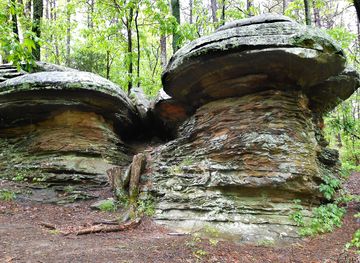

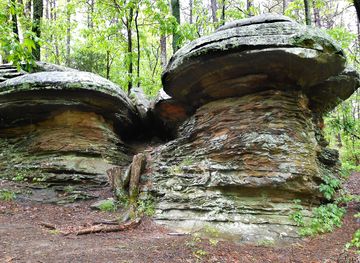


Your all‑in‑one travel companion app
Explore expert travel guides, compare and book tours, experiences, hotels, and more—all from the palm of your hand. Download now for seamless trip planning wherever your wanderlust takes you.


Explore More of Illinois

Looking beyond Southern Illinois? Discover Illinois for broader travel guides, local hot-spots, and regional highlights.
Explore IllinoisSouthern Illinois in Photos
Browse through our photo collection highlighting the charm and character of the destination.


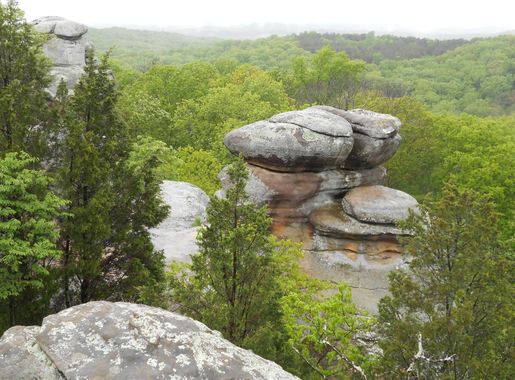
The Enchanted Wilderness of Southern Illinois
Southern Illinois, often called 'Little Egypt,' is a hidden gem in the heartland of the United States. This region is famed for its lush forests, rolling hills, and a rich tapestry of history and culture. Whether you're an outdoor enthusiast, a history buff, or a wine lover, Southern Illinois offers something for everyone. Shawnee National Forest is the crown jewel of Southern Illinois. Spanning over 280,000 acres, it is a paradise for hikers, campers, and nature lovers. The Garden of the Gods, with its awe-inspiring rock formations, offers breathtaking views and photo opportunities. Don't miss the Rim Rock Trail and the scenic Cedar Lake, perfect for a day of adventure and tranquility. Southern Illinois is also steeped in history. Visit the historic town of Cairo, where the Ohio and Mississippi rivers meet, and explore its rich Civil War heritage. The region's vineyards, part of the Shawnee Hills Wine Trail, offer a delightful escape for wine enthusiasts. Enjoy tastings and tours in a picturesque setting. For a unique experience, head to the Cache River State Natural Area. This wetland paradise is home to ancient cypress trees and a diverse array of wildlife. Canoeing or kayaking through the swampy waters is a serene and unforgettable adventure. The region's small towns, with their charming shops and eateries, offer a warm and welcoming atmosphere, making Southern Illinois a perfect getaway destination.