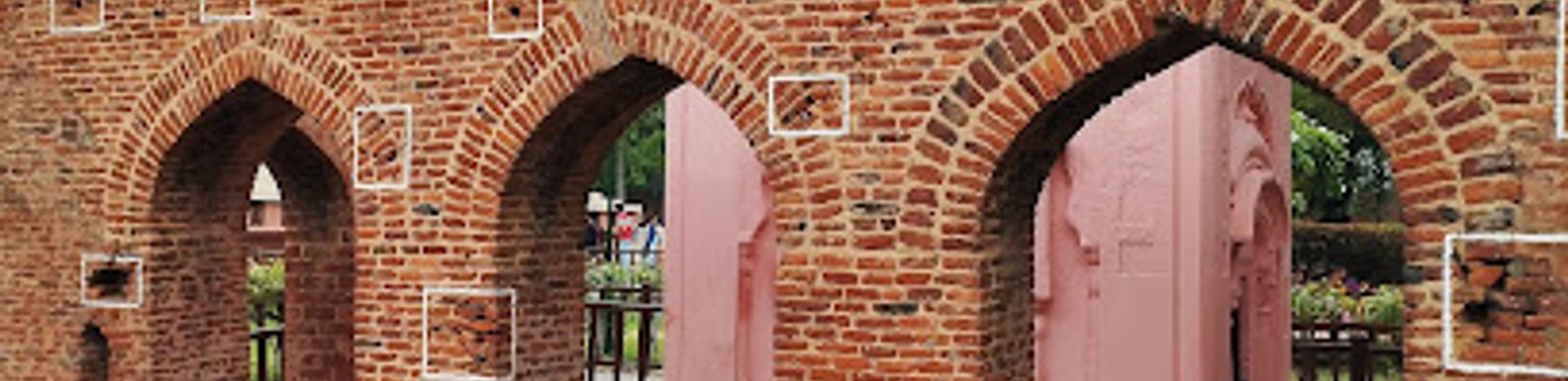
Jallianwala Bagh Centenary Memorial: A Testament to Sacrifice
A poignant memorial in Amritsar commemorating the Jallianwala Bagh Massacre and honoring the spirit of Indian independence.
Jallianwala Bagh is a historic garden and memorial in Amritsar, Punjab, commemorating the victims of the 1919 massacre. It serves as a poignant reminder of the sacrifices made during India's struggle for independence.
A brief summary to Jalianwala Bag Centenary Memorial
- Rose Garden, Amritsar, Gumtala Sub Urban, E-Block, Ranjit Avenue, Punjab, 143104, IN
- Monday 12 am-12 am
- Tuesday 12 am-12 am
- Wednesday 12 am-12 am
- Thursday 12 am-12 am
- Friday 12 am-12 am
- Saturday 12 am-12 am
- Sunday 12 am-12 am
Local tips
- Visit during the cooler months (October to March) to avoid the extreme heat.
- Allocate at least 1-2 hours to fully explore the site and pay respects.
- Maintain a respectful demeanor as it is a memorial site.
- Photography is allowed, but be discreet.

Getting There
-
Walking
Jallianwala Bagh is located near the Golden Temple. From the Golden Temple, it is easily accessible by foot, approximately a 5-10 minute walk. Follow the signs or ask for directions to reach the garden.
-
Public Transport
If arriving by train at Amritsar Railway Station, Jallianwala Bagh is about 2 km away. You can hire an auto-rickshaw or taxi from the station to reach the memorial. The approximate fare for an auto-rickshaw is ₹50-₹100.
-
Taxi
Taxis are readily available throughout Amritsar. You can hire a taxi from any part of the city to reach Jallianwala Bagh. Taxi fares typically start at ₹10.60 per km. A short taxi ride within the city will likely cost between ₹122-₹190.
Discover more about Jalianwala Bag Centenary Memorial
Iconic landmarks you can’t miss

All India Famous Amritsari Kulcha
1.7 km
Savor authentic Amritsari Kulcha, a crispy, flavorful Punjabi delight served with tangy chole and chutney in Amritsar.
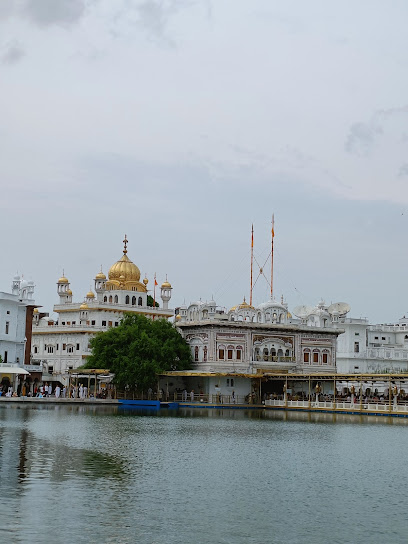
ISKCON Temple, Vrindavan Gardens, Amritsar
2.2 km
Explore the spiritual heart of Amritsar at the ISKCON Temple, where devotion, culture, and beauty come together in a serene setting.
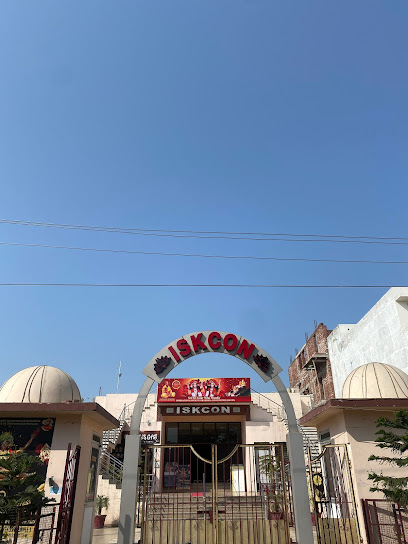
Maharaja Ranjit Singh Garden
3.2 km
Explore the serene Maharaja Ranjit Singh Garden in Amritsar, a historical retreat with lush greenery and a glimpse into Sikh Empire history.

Summer Palace of Maharaja Ranjit Singh
3.2 km
Discover the majestic Summer Palace of Maharaja Ranjit Singh in Amritsar, a historical landmark that showcases the rich heritage of Punjab's regal past.
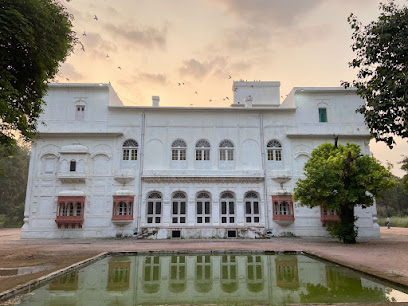
Golden Temple
3.5 km
Discover the Golden Temple in Amritsar: A breathtaking spiritual sanctuary renowned for its stunning architecture and profound sense of peace.
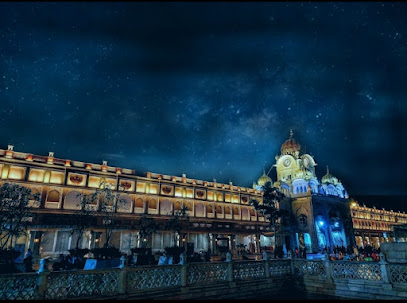
The Ram Bagh Palace
3.5 km
Explore the enchanting Ram Bagh Palace in Amritsar, a stunning monument that reveals the opulence of India's royal heritage amidst serene gardens and intricate architecture.
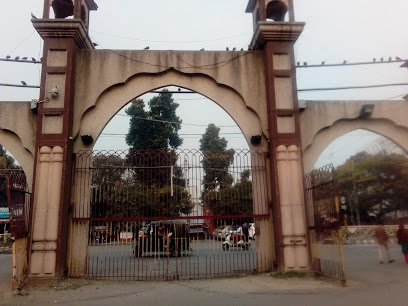
Golden Temple Miniature
3.5 km
Discover a unique blend of railway heritage and spiritual artistry at Amritsar's Golden Temple Miniature.
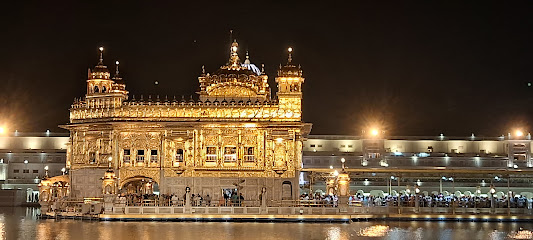
Ram Bagh Crossing Roundabout
3.9 km
Experience the vibrant heart of Amritsar at Ram Bagh Crossing Roundabout, a historical landmark offering a taste of local culture and heritage.
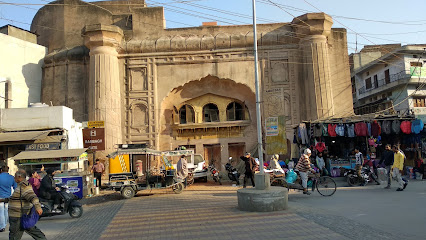
Tosha Khana
4.1 km
Discover the historical allure of Tosha Khana in Amritsar, a captivating site within Gobind Garh Fort showcasing Punjab's rich heritage and culture.
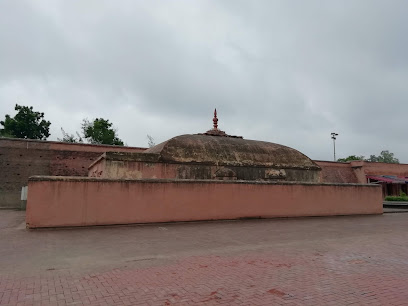
Gobindgarh Fort - Haat Bazaar
4.2 km
Experience the vibrant culture of Punjab at Haat Bazaar in Gobindgarh Fort, Amritsar. Discover local crafts, cuisine, and traditions in a historic setting.
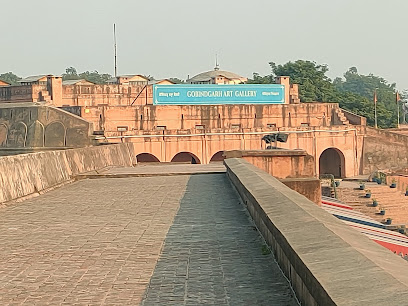
Warfare Museum In Amritsar
4.2 km
A tribute to Punjab's brave soldiers, showcasing the state's martial history and honoring their sacrifices in defending the nation.
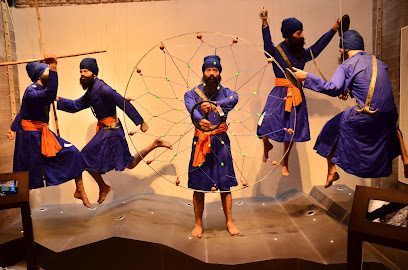
Phansi Ghar
4.2 km
Explore Phansi Ghar, a historical site within Gobind Garh Fort, and uncover the rich heritage and stories of Amritsar's past.
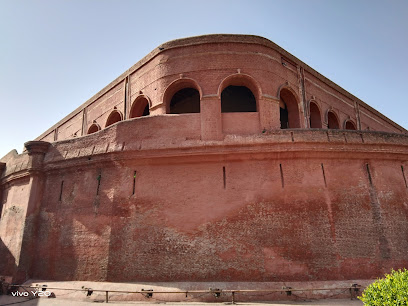
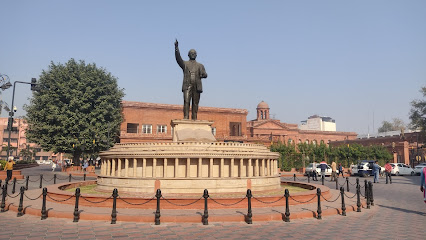
Babasaheb Dr. BR Ambedkar's Parliament-themed statue
4.6 km
A striking tribute to Dr. B.R. Ambedkar, the father of the Indian Constitution, symbolizing justice and equality in the heart of Amritsar.
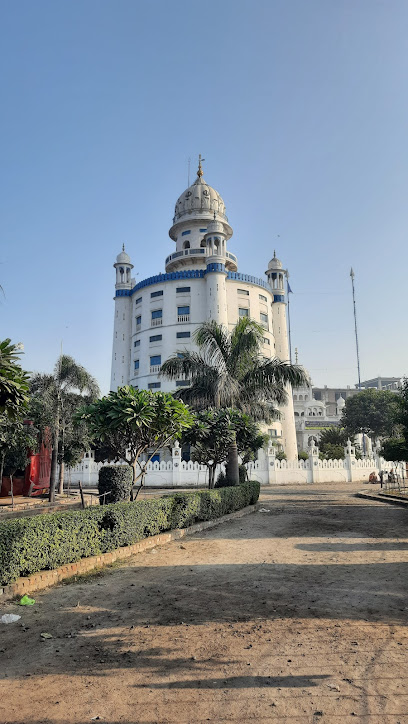
Akaali Phoola Singh Burj
4.7 km
A historical tower and gurdwara in Amritsar, commemorating the brave Akali Phula Singh and his service to the Sikh faith and community.
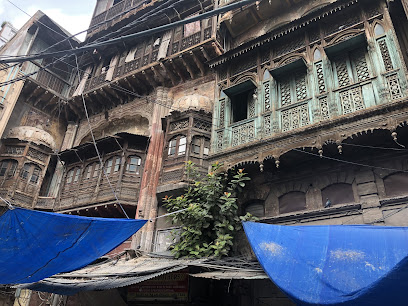
Qilla Ahluwalia
4.7 km
Explore Qilla Ahluwalia in Amritsar: A historic fort transformed into a bustling market, steps from the Golden Temple.
Unmissable attractions to see

Garden
2.3 km
A serene garden escape in Amritsar's Rose Avenue, perfect for relaxation and enjoying nature's tranquility.
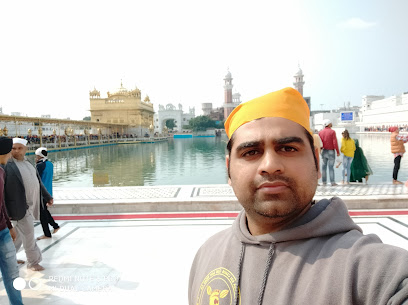
Niwas Asthan Bhai Sahib Dr. Vir Singh Ji
2.5 km
Discover the life and legacy of Bhai Vir Singh at his former residence, a museum and library dedicated to the celebrated Sikh scholar and poet.
Amritsar Tourism
2.5 km
Explore Amritsar, the cultural heart of Punjab, home to the Golden Temple and rich culinary experiences that define India's heritage.
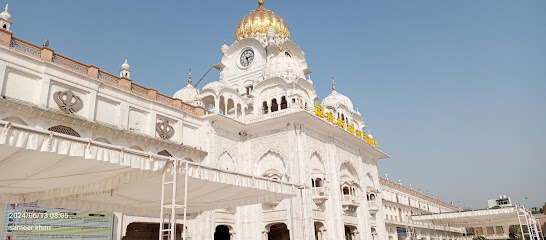
Funland
2.9 km
Experience family fun and thrilling rides at Funland Amritsar, a vibrant amusement park in the heart of the city's historic Company Bagh.

Maharaja Ranjit Singh Panaroma
3.0 km
Immerse yourself in the life and battles of the 'Lion of Punjab' at this visually stunning museum in Amritsar's historic Rambagh Garden.
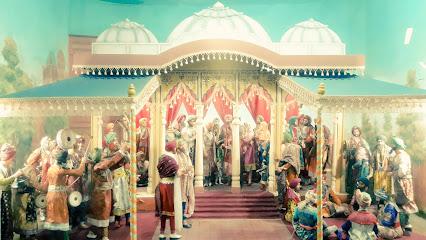
Childrens Park
3.0 km
A family-friendly park in Amritsar's Company Bagh, offering a playful escape with lush greenery and fun activities for kids.
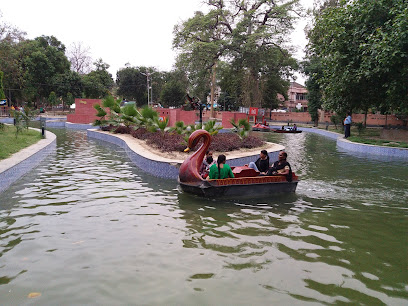
S.G. Thakur Singh Art Gallery
3.0 km
Discover a rich collection of Indian art at the S.G. Thakur Singh Art Gallery in Amritsar, a cultural hub promoting local artists and traditions.
Shiva Ji Park Amritsar
3.0 km
Escape to tranquility at Shiva Ji Park, Amritsar's lush green haven for relaxation, recreation, and a breath of fresh air.
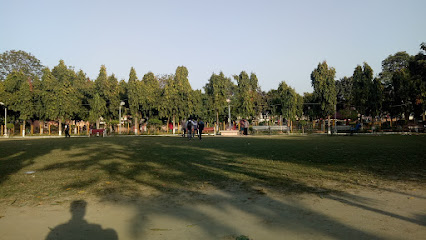
Mata Lal Devi Mandir
3.1 km
Explore the enchanting Mata Lal Devi Mandir in Amritsar, a vibrant Hindu temple steeped in spirituality and rich cultural heritage.

Heritage Walks Amritsar
3.2 km
Discover Amritsar's soul: A heritage walk through ancient lanes, unveiling stories of culture, resilience, and timeless traditions.
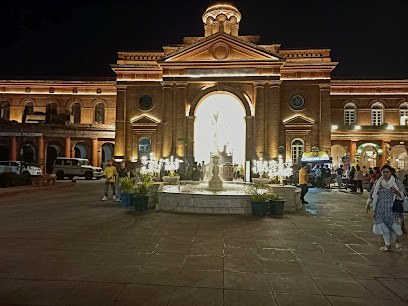
Company Bagh
3.2 km
Explore Company Bagh in Amritsar: a historic garden offering a peaceful escape and a glimpse into the Sikh Empire.
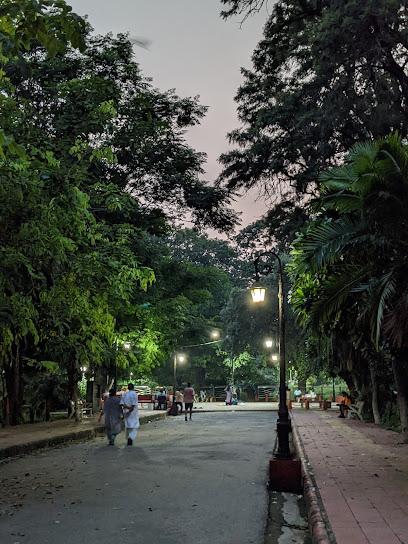
Musical Fountain at Company Bagh
3.2 km
Experience a symphony of water, music, and light at Amritsar's Company Bagh, a modern spectacle within a historic garden.
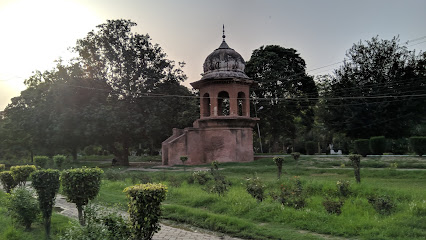
Guru Ram Das ji airport
3.5 km
Experience seamless travel at Sri Guru Ram Das Ji International Airport, your gateway to Amritsar and the heart of Punjab's vibrant culture.
Statue of Martyr Udham Singh
3.8 km
A tribute to Udham Singh's courage and sacrifice in India's struggle for independence, located in Amritsar.
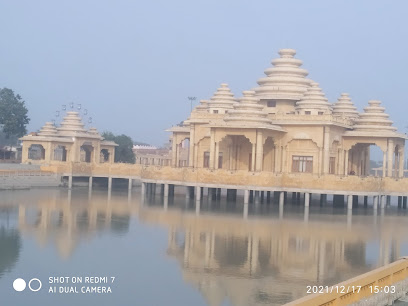
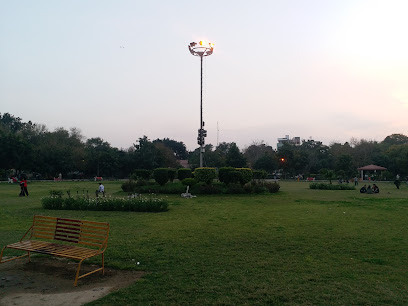
Gol Bagh
3.8 km
Escape to Amritsar's Gol Bagh: A historic park offering tranquility, recreation, and a refreshing connection with nature.
Essential places to dine

Blusilea - The Multi Cuisine Restaurant
0.7 km
Experience a culinary journey at Blusilea, where traditional Indian flavors meet global cuisine in the heart of Amritsar.
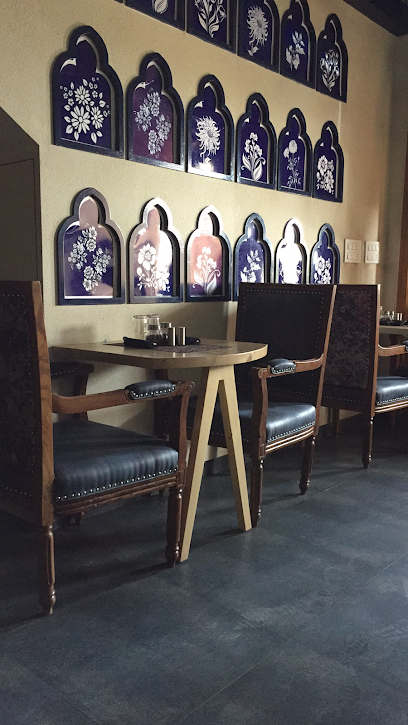
Bukhara town Restaurant
0.8 km
Discover authentic non-vegetarian cuisine at Bukhara Town Restaurant - where traditional flavors meet modern hospitality.
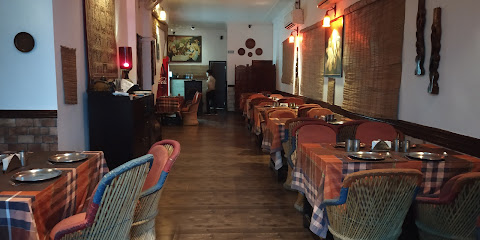
Bharawan Da Dhaba
0.8 km
Discover Bharawan Da Dhaba - A Culinary Gem Offering Authentic Vegetarian Punjabi Cuisine in Amritsar.
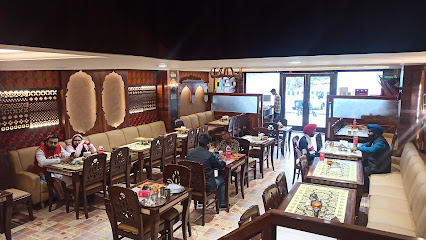
Muskaan Restaurants and Outdoor Caterer
0.9 km
Experience the rich flavors of North India at Muskaan Restaurants – your go-to spot for delicious vegetarian meals in Amritsar.
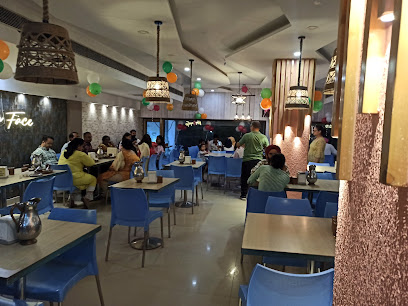
The Yellow Chilli
0.9 km
Experience the finest North Indian cuisine at The Yellow Chilli in Amritsar—where tradition meets innovation in every dish.
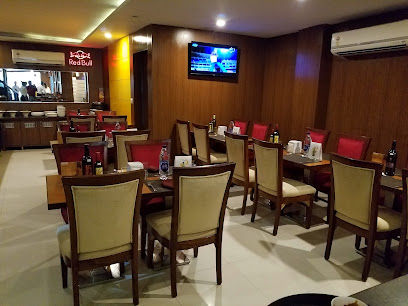
The Brick House Kitchen
0.9 km
Experience the flavors of India and beyond at The Brick House Kitchen in Amritsar - where every meal is a celebration.
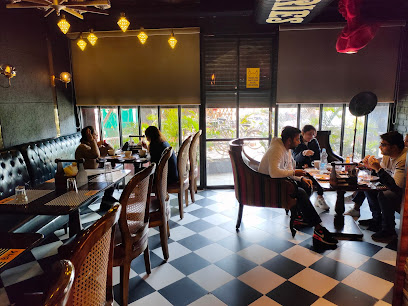
Temptation
1.1 km
Explore a world of flavors at Temptation in Amritsar – where family-friendly dining meets diverse international cuisine.
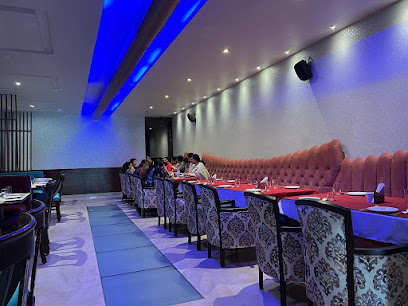
Savoure Restaurant
1.1 km
Experience the rich flavors of India at Savoure Restaurant in Amritsar - where tradition meets innovation.
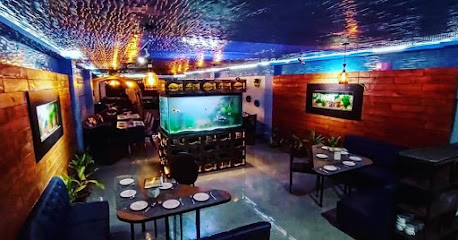
Ziva
1.2 km
Experience exquisite dining at Ziva in Amritsar - where traditional Indian cuisine meets modern culinary artistry.
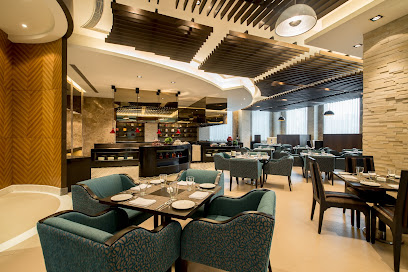
Bur Dubai Restaurant
1.3 km
Discover diverse flavors at Bur Dubai Restaurant in Amritsar – where Indian spices meet Chinese zest and Italian flair.
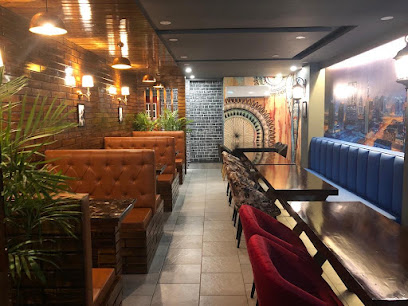
Astoria Food Pavilion
1.4 km
Discover Astoria Food Pavilion in Amritsar: A family-friendly restaurant offering diverse Indian, Italian & European cuisines in a cozy setting.
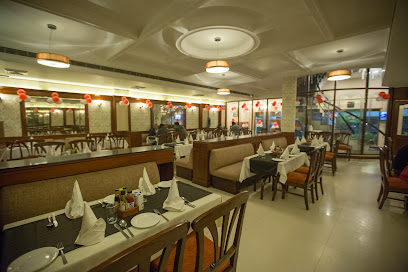
Grand Trunk
1.4 km
Discover the essence of Indian cuisine at Grand Trunk, where tradition meets modernity in an exquisite dining experience.
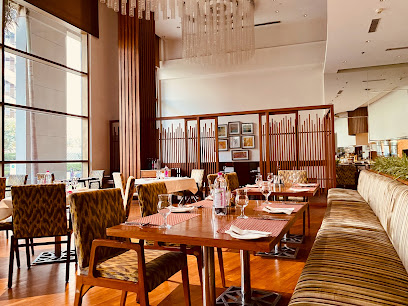
Chinese Room
1.4 km
Savor the finest authentic Chinese dishes in the heart of Amritsar at The Chinese Room, located in Taj Swarna.
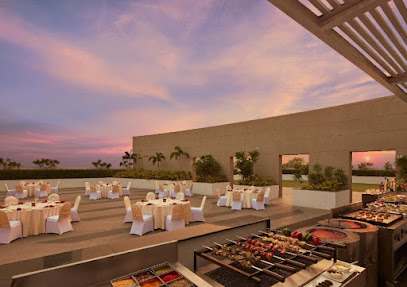
Shosha Amritsar
1.9 km
Experience authentic Punjabi cuisine at Shosha Amritsar – where tradition meets modern dining in a vibrant atmosphere.
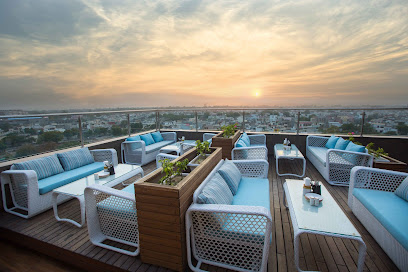
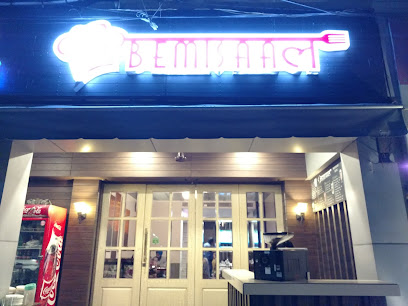
Bemisaal Restaurant
2.0 km
Savor authentic Middle Eastern delights at Bemisaal Restaurant in Amritsar's Green Avenue Market - a family-friendly buffet experience!
Markets, malls and hidden boutiques

Lifestyle Stores
1.5 km
Experience a shopper's haven at Lifestyle Stores, Amritsar, with a variety of clothing, accessories, and unique gifts for every taste.

VR Ambarsar
1.5 km
Discover the ultimate shopping experience at VR Ambarsar, where modern retail meets local culture in the heart of Amritsar.
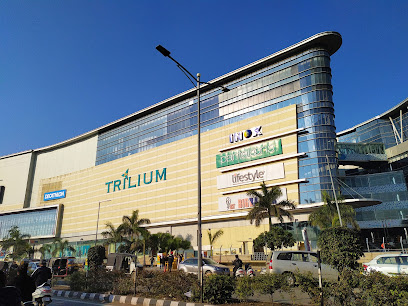
AND
1.5 km
Explore AND in Amritsar for trendy Western apparel, from casual styles to designer pieces, all under one stylish roof.
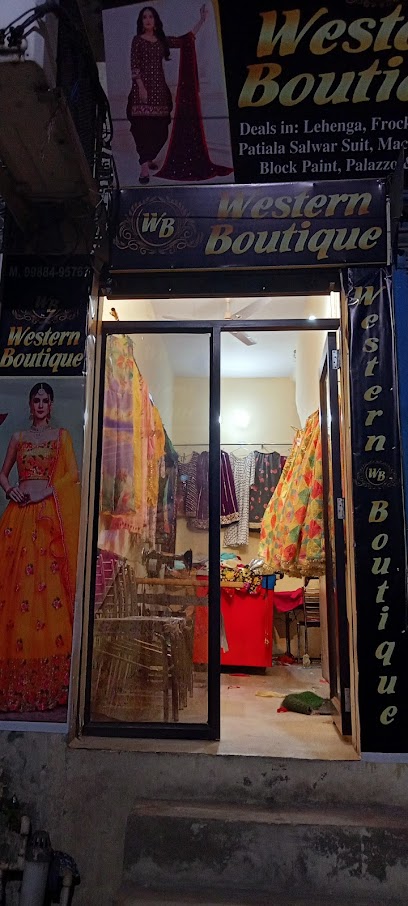
SR Emporio - Best Ladies Designer Boutique & Clothing Store in Amritsar
1.8 km
Explore Amritsar's finest ladies designer boutique, SR Emporio, where style meets elegance in every outfit.

Shop No 45
2.3 km
Experience the essence of Punjab with unique local goods at Shop No 45 in Amritsar, where culture meets craftsmanship.

Celebrity Boutique
2.5 km
Explore Celebrity Boutique in Amritsar for unique fashion finds, personalized service, and a blend of traditional and contemporary styles.
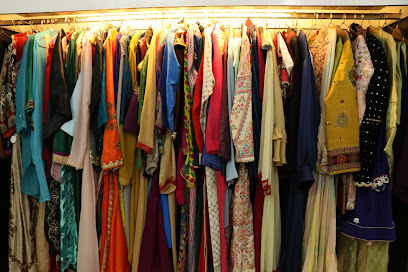
Kapsons Amritsar
2.6 km
Explore the latest fashion trends at Kapsons Amritsar, your ultimate clothing destination for casual and formal wear in the heart of Punjab.
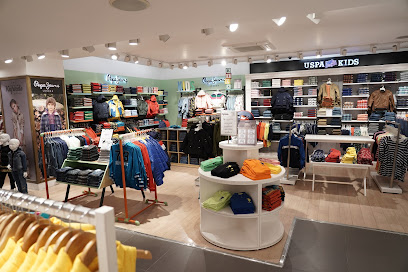
Fabindia Experience Center, Mall Road
2.6 km
Explore Fabindia Experience Center on Mall Road for exquisite handcrafted clothing and unique home décor, embodying India's rich traditions.
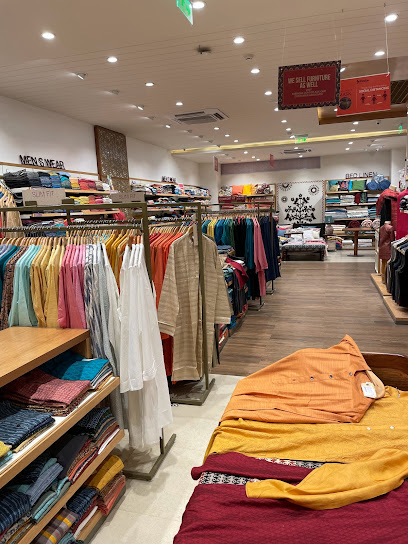
Unique store
2.6 km
Uncover a treasure trove of stationery and art supplies at Amritsar's unique store, perfect for creative souls and souvenir seekers.
Nehru shopping complex
2.7 km
Discover the vibrant Nehru Shopping Complex in Amritsar, where shopping meets local culture in a lively atmosphere.
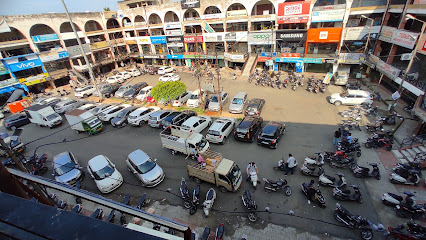
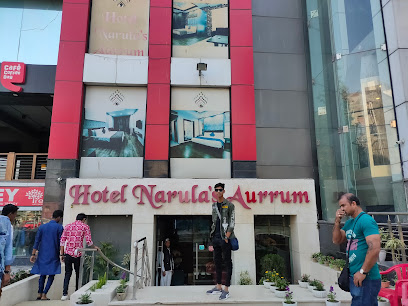
Narula's Mall
2.7 km
Explore Narula's Mall in Amritsar, where shopping, dining, and entertainment come together for an unforgettable experience.
Bus
2.8 km
Experience Amritsar's vibrant culture and daily life by exploring the city through its affordable and lively bus system.
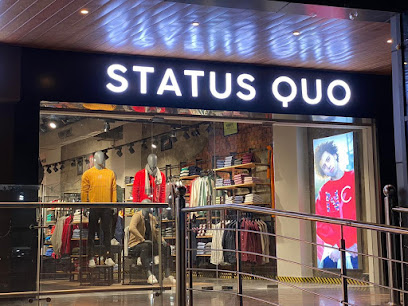
Status Quo - Amritsar
2.8 km
Explore trendy men's fashion at Status Quo in Amritsar, where style meets affordability in a vibrant shopping atmosphere.
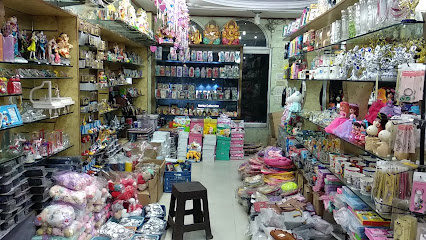
Archies - Archies Galleries in Amritsar
2.9 km
Explore Archies Galleries in Amritsar for unique gifts, vibrant cards, and delightful souvenirs that celebrate Indian culture and craftsmanship.
Aggarwal Gift House
3.2 km
Explore the cultural richness of Amritsar at Aggarwal Gift House, where unique gifts and traditional handicrafts await every visitor.
Essential bars & hidden hideouts

european knight
0.9 km
Experience the vibrant flavors of Europe at European Knight, a top dining and bar destination in Amritsar.
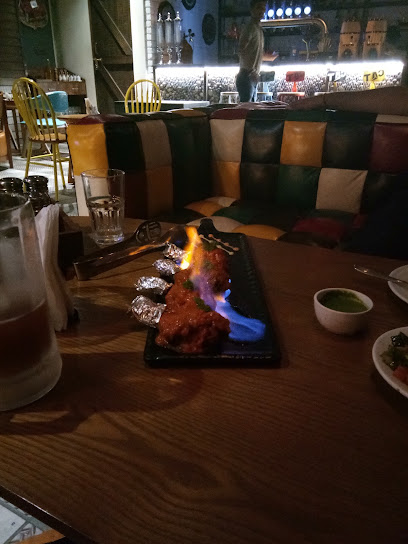
BAR XCHANGE
0.9 km
Experience the vibrant nightlife of Amritsar at BAR XCHANGE, a social hub offering great drinks and live entertainment in a lively atmosphere.
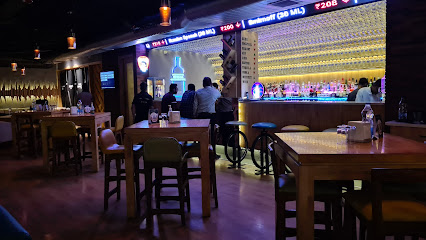
Texas Bar & Grill
0.9 km
Experience the best of American cuisine at Texas Bar & Grill in Amritsar, where flavors and fun meet in a vibrant setting.
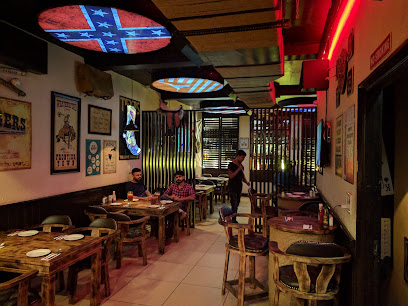
Papa Whiskey Amritsar
1.0 km
Discover a blend of local and international flavors at Papa Whiskey Amritsar, a vibrant bar and brewpub perfect for an unforgettable night out.
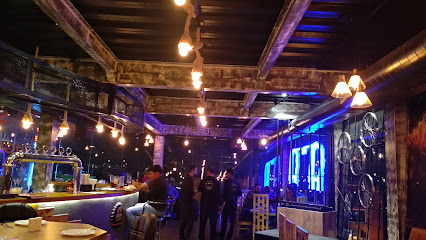
The Blind Tiger
1.0 km
Discover the vibrant flavors of Amritsar at The Blind Tiger, where grilled perfection meets warm hospitality in a lively setting.
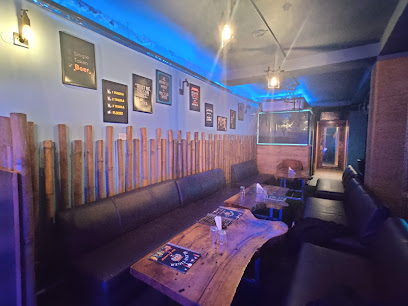
The Beer Café
1.2 km
Discover The Beer Café in Amritsar for a delightful fusion of grilled delicacies, diverse cuisines, and a vibrant atmosphere perfect for social gatherings.
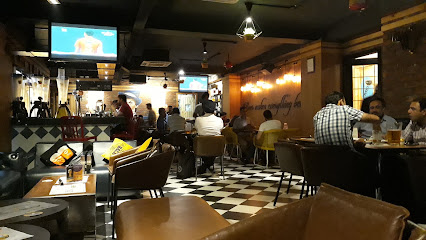
Pyramid Amritsar | Café | Lounge | Bar | Best Nightclub
1.2 km
Discover the vibrant atmosphere and exquisite cuisine of Pyramid Amritsar, a premier lounge for relaxation and nightlife in the city.
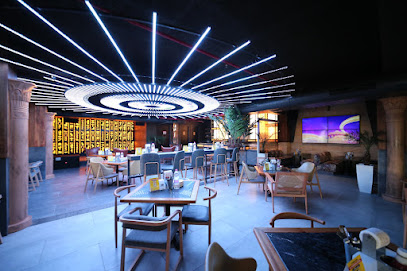
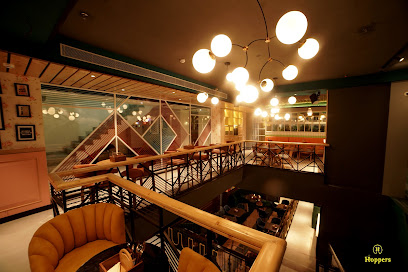
Hoppers
1.2 km
Experience the vibrant culinary scene of Amritsar at Hoppers, a charming pub offering a delightful mix of local and international flavors.
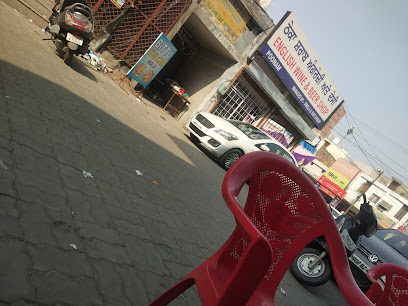
English wine and beer shop Amritsar
1.3 km
Explore Amritsar's English Wine and Beer Shop for a delightful selection of local and imported wines and beers in a vibrant shopping atmosphere.
The Liquid Room- Best Pub, Club/Bar In Amritsar
1.3 km
Discover the heart of Amritsar's nightlife at The Liquid Room, where lively music, exquisite drinks, and unforgettable memories await.
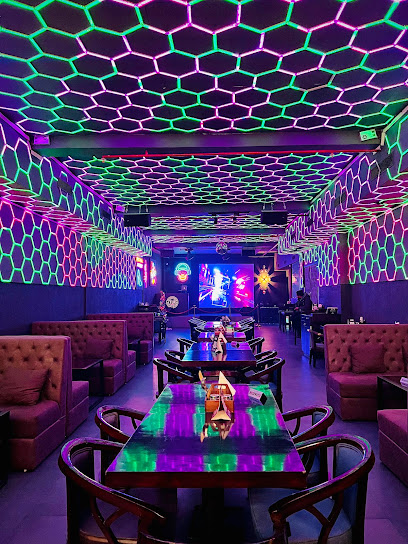
Peddlers
1.4 km
Discover the bustling nightlife at Peddlers, Amritsar's favorite pub offering delicious food, refreshing drinks, and an unforgettable atmosphere.

Egyptian Brewery
1.6 km
Discover the vibrant nightlife and gourmet dining at the Egyptian Brewery in Amritsar, blending culinary delights with an energetic atmosphere.
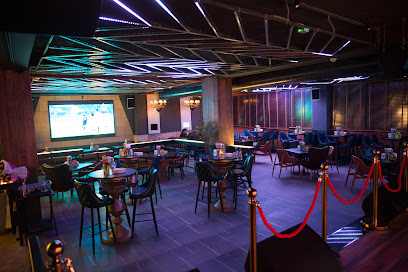
Chaman Bar
2.4 km
Experience the vibrant nightlife and delightful cuisine at Chaman Bar, a must-visit destination for tourists in Amritsar.
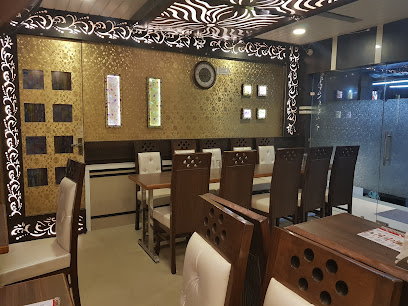
Irish Beach
2.4 km
Experience the best of Amritsar's culinary and nightlife scene at Irish Beach, a grill restaurant offering vibrant dining and entertainment.
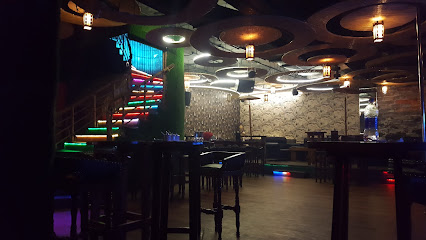
Lawrence Restobar
2.5 km
Experience the vibrant ambiance and delectable cuisine at Lawrence Restobar, a must-visit bar and restaurant in Amritsar.
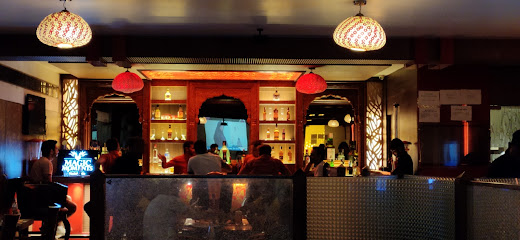
Nightclubs & after hour spots

RDX Lounge
1.0 km
Experience the vibrant ambiance of RDX Lounge in Amritsar, where modern cuisine meets a lively atmosphere for an unforgettable evening.
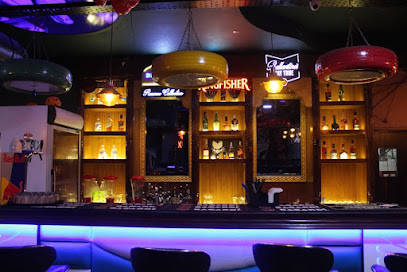
THE HIDEOUT ( BAR & LOUNGE )
1.3 km
Discover The Hideout, Amritsar's premier bar and lounge, where fine dining meets vibrant nightlife for an unforgettable experience.
suprro nights
1.5 km
Discover the electrifying nightlife at Suprro Nights in Amritsar, where music, drinks, and fun create unforgettable experiences.
Club zenzi
1.5 km
Dive into the electrifying nightlife of Amritsar at Club Zenzi, a premier destination for music, dance, and unforgettable nights out.
Velley view
1.8 km
Experience the vibrant nightlife at Velley View, a premier night club in Himachal Pradesh, where music, entertainment, and stunning views unite.
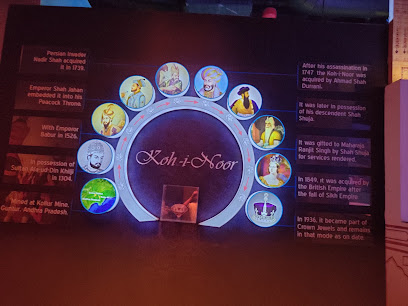
ARYANSH
2.0 km
Experience the vibrant nightlife of Amritsar at ARYANSH, where music, dance, and culture come alive in a stylish setting.
tamzara nights
2.7 km
Experience the vibrant nightlife of Amritsar at Tamzara Nights, a popular pub offering drinks, snacks, and live entertainment in a lively atmosphere.
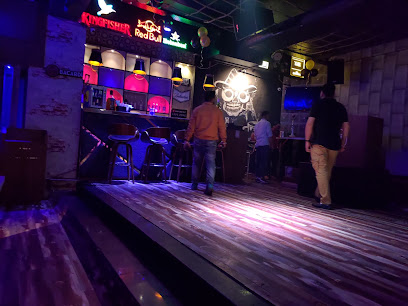
Nimo Club Amritsar
2.8 km
Experience unforgettable nightlife at Nimo Club Amritsar, where delicious dining meets vibrant disco energy for an exciting evening.

Dj Mr.Dass
3.1 km
Discover the electrifying nightlife of Amritsar at Dj Mr.Dass, where music, dance, and unforgettable memories come alive.
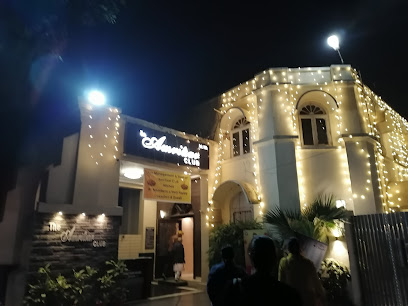
The Amritsar Club
3.2 km
Experience the vibrant nightlife at The Amritsar Club, where delicious cuisine meets a lively bar atmosphere in the heart of Punjab.
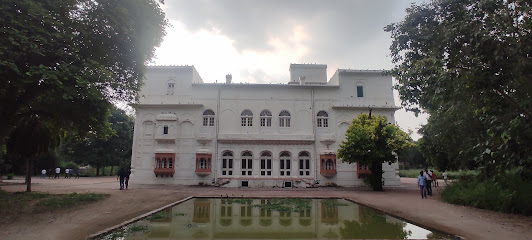
Lumsden Club
3.3 km
Experience the perfect blend of dining and nightlife at Lumsden Club in Amritsar, where great food meets vibrant entertainment.
The Dj Puneet Co.
4.2 km
Experience the vibrant nightlife of Amritsar at The Dj Puneet Co., where music and excitement come alive in a lively DJ service and night club setting.

Clubhouse Gardens
4.3 km
Discover the vibrant nightlife and delectable cuisine at Clubhouse Gardens, Amritsar's premier bar and restaurant for an unforgettable experience.
DG khan
4.6 km
Discover the electric nightlife at DG Khan, a premier night club in Amritsar, where culture and entertainment come together for an unforgettable experience.
Convincing betty
5.4 km
Dive into the heart of Amritsar's nightlife at Convincing Betty, where music, dance, and an electric atmosphere come together for an unforgettable evening.