

Egmore (Chennai) Travel Guide - Free
Explore Egmore in Chennai with Evendo's free guide. Find the best shops, historic streets, restaurants, and gems on web or mobile.


Egmore, Chennai blends colonial-era landmarks, the Government Museum, railway heritage, Tamil culture, galleries, cafés, central access and lively streets.
A Central Chennai Quarter
\n\nEgmore occupies a busy, historically layered part of central Chennai, stretching around Egmore railway station and the museum precinct along Pantheon Road. It is a practical gateway to the city, but it is also a neighbourhood with a character of its own: broad traffic corridors give way to shaded institutional compounds, old churches, cultural buildings, modest commercial streets and pockets of residential calm. The area sits close to several other central districts, yet its identity is strongly associated with museums, rail travel, education and older civic architecture.\n\nMuseums and Public Culture
\n\nThe Government Museum complex is Egmore’s defining visitor attraction. Its galleries cover archaeology, anthropology, numismatics and art, while the National Art Gallery, Connemara Public Library and Museum Theatre add to the precinct’s cultural importance. The complex is especially significant for its collections of South Indian sculpture and bronze work, which give visitors a deeper understanding of the region’s artistic traditions than a quick city tour usually allows. Nearby, St Andrew’s Church—often called the Kirk—introduces a very different architectural note, with its Scottish ecclesiastical origins and distinctive domed interior.\n\nEveryday Life and Local Orientation
\n\nEgmore is not a resort-like district or a self-contained nightlife quarter. Its streets are shaped by commuters, students, museum visitors, railway passengers, hospital users and long-established businesses. Traffic can be intense around the station and main roads, while the museum grounds offer a slower, more contemplative setting. Accommodation and dining are available around the transport corridors, although the most rewarding way to experience Egmore is to combine its cultural institutions with a walk through its older streets and civic landmarks. The neighbourhood is particularly useful for visitors interested in Chennai’s built history and for travellers wanting a central base with strong rail and road connections.Best attractions in Egmore
The Government Museum complex is Egmore’s principal attraction, combining archaeological, anthropological, numismatic and art collections in a historic public setting. Its South Indian sculpture and Chola-period bronze displays are particularly important, while the National Art Gallery and Museum Theatre add architectural and cultural interest within the same wider precinct. Connemara Public Library, one of Chennai’s major public libraries, is another notable institution, although visitor access and use may be governed by current rules. St Andrew’s Church, known locally as the Kirk, provides a contrasting sight with its Scottish heritage and distinctive interior. Beyond individual buildings, Pantheon Road and the surrounding institutional streets offer a useful introduction to central Chennai’s older civic landscape. Egmore railway station is also an attraction in the broader sense: its constant movement, long-distance platforms and role in connecting Chennai with southern India form part of the neighbourhood’s everyday identity.
-
Tourist attraction
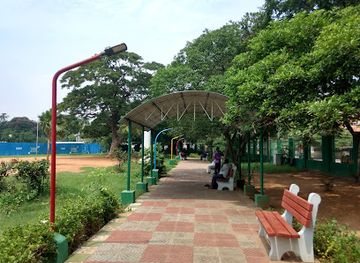
May Day Park
Discover a refreshing escape in Chennai's May Day Park, a historical green space offering recreation and a peaceful retreat from the city bustle.
5 min drive · 1.6 km from neighbourhood centre
-
Park
Egmore Park
Escape the city bustle at Egmore Park, a green haven in Chennai perfect for relaxation, nature walks, and family fun.
17 min walk · 1.4 km from neighbourhood centre
-
Tourist attraction
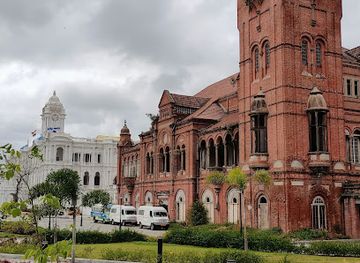
Victoria Public Hall
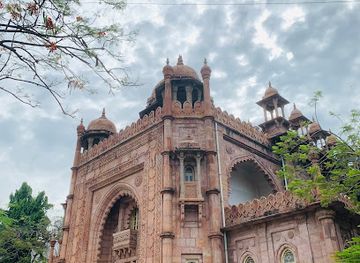
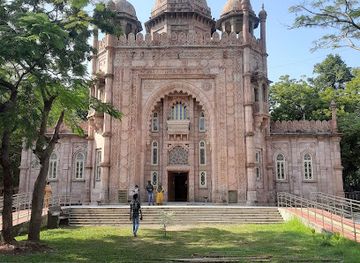
Explore Chennai's colonial heritage at Victoria Public Hall, a stunning example of Indo-Saracenic architecture and a hub of cultural history.
5 min drive · 1.5 km from neighbourhood centre
-
Art museum
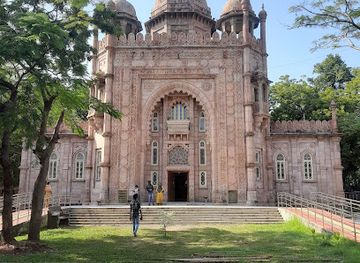
National Art Gallery Chennai
Discover India's artistic heritage at Chennai's National Art Gallery, a stunning example of Indo-Saracenic architecture and home to diverse art collections.
12 min walk · 1.0 km from neighbourhood centre
Best landmarks in Egmore
Egmore railway station is the neighbourhood’s most recognisable civic landmark, both for its historic role in Chennai’s rail network and for the daily movement concentrated around its platforms and approaches. The Government Museum complex on Pantheon Road forms the area’s principal heritage ensemble, with the museum buildings, Museum Theatre, National Art Gallery and Connemara Public Library reflecting the public-education ambitions of colonial and early modern Madras. St Andrew’s Church, or the Kirk, is distinguished by its Scottish ecclesiastical origins and prominent domed form, making it one of Egmore’s most memorable religious buildings. The value of these landmarks lies in their variety: railway infrastructure, public libraries, museums, theatres and churches stand close together, revealing how transport, education, religion and cultural collecting shaped this part of Chennai.
-
Art museum
Government Museum Chennai
Explore India's vibrant history and art at the Government Museum Chennai, a cultural gem in the heart of Tamil Nadu.
9 min walk · 0.7 km from neighbourhood centre
-
Hindu temple
Egmore Srinivasa Perumal Temple
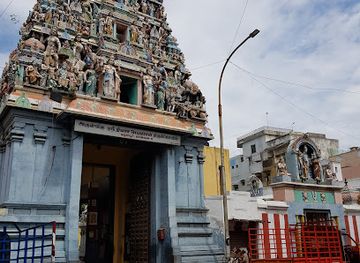
Explore the spiritual heart of Chennai at Egmore Srinivasa Perumal Temple, a stunning Hindu sanctuary known for its intricate architecture and tranquil atmosphere.
7 min walk · 0.6 km from neighbourhood centre
-
Buddhist temple
Sri Lankan Buddhist Temple මහා බෝධි
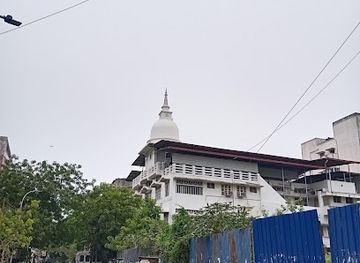
Experience tranquility and spiritual heritage at the stunning Sri Lankan Buddhist Temple in Chennai, a must-visit for culture-loving tourists.
4 min walk · 0.3 km from neighbourhood centre
-
Art museum
National Art Gallery Chennai
Explore the National Art Gallery in Chennai for a deep dive into India's rich artistic heritage and contemporary art scene.
12 min walk · 1.0 km from neighbourhood centre
Explore Egmore on the map
A handpicked selection of must-see spots in Egmore, mapped for you.
Best hotels in Egmore
Best restaurants in Egmore
Egmore’s dining scene is shaped by commuters, hotel guests, hospital visitors, students and long-established Chennai residents rather than by a single specialised food quarter. Around the station and the main roads, visitors find practical South Indian meals, vegetarian tiffin, dosa, idli, vada, rice dishes, tea and coffee, alongside North Indian and broadly international hotel dining. The area’s older commercial character means that simple eateries and bakeries are often as representative of local eating habits as formal restaurants. Restaurants attached to hotels provide more spacious settings, while smaller establishments near transport corridors suit visitors looking for a quick meal between trains or museum visits. Chennai’s Tamil culinary traditions remain the clearest local influence, with filter coffee and breakfast dishes especially easy to encounter. Menus and businesses change, so visitors should distinguish established neighbourhood food streets from individual venues elsewhere in central Chennai.
-
Vegetarian
Annalakshmi Restaurant
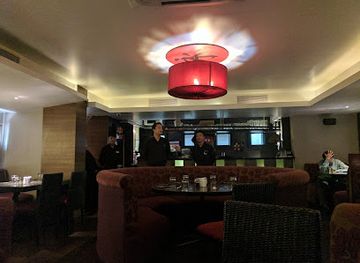
Discover the flavors of India at Annalakshmi Restaurant, where vegetarian cuisine meets fine dining in a culturally rich atmosphere.
12 min walk · 1.0 km from neighbourhood centre
-
Middle Eastern
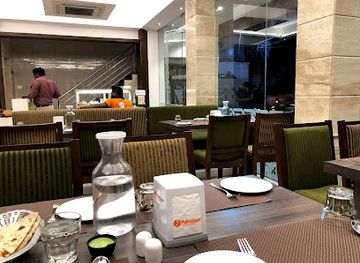
Palmshore Restaurant Egmore
Discover exquisite Middle Eastern cuisine at Palmshore Restaurant in Egmore—where every meal is a flavorful journey worth savoring.
11 min walk · 0.9 km from neighbourhood centre
-
Vegetarian
Mathsya Egmore
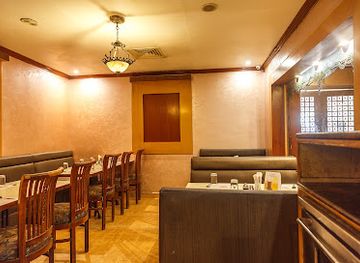
Discover the flavors of vegetarian cuisine at Mathsya Egmore - from traditional South Indian dishes to continental delights.
4 min walk · 0.3 km from neighbourhood centre
-
Chinese
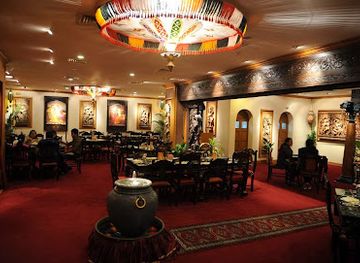
Flower Drum
Experience authentic Chinese and Thai cuisine at Flower Drum, a culinary haven in Chennai's Egmore district offering delightful vegetarian options.
8 min walk · 0.7 km from neighbourhood centre
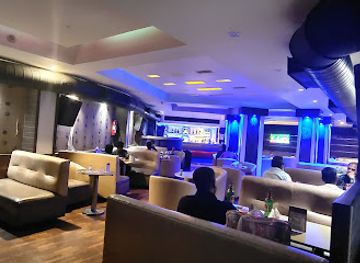
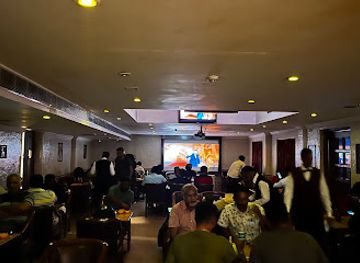
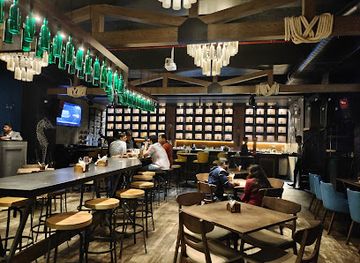
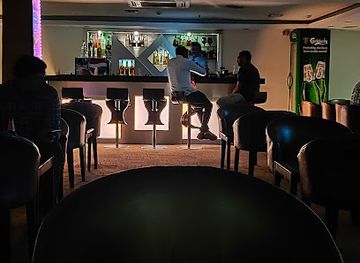
Best bars in Egmore
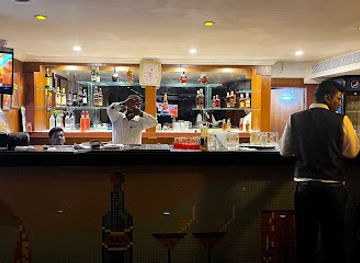
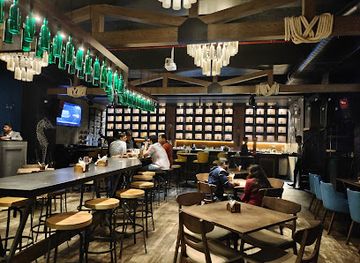
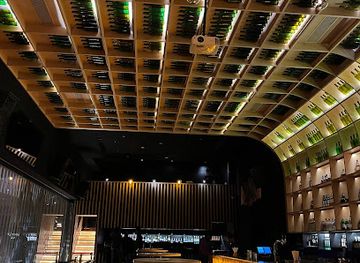
Egmore is not one of Chennai’s principal nightclub districts, and its evenings are more closely associated with hotel restaurants, licensed hotel bars, cafés and the continuing movement around the railway station than with a concentrated party scene. A few larger hotels in and around the neighbourhood may offer lounges or bars, but opening policies and access can change, and alcohol service in Chennai is subject to state regulation. The museum precinct is generally a daytime cultural destination, while the main roads remain active after dark because of transport and commercial activity. Visitors seeking live music, late-night entertainment or a wider choice of bars may need to travel to other parts of Chennai rather than expecting a dense nightlife strip in Egmore. Quieter evening walks should stay on well-lit main routes and be combined with pre-arranged transport.
-
Bar
Cheers Bar
Experience the vibrant nightlife at Cheers Bar in Egmore, Chennai, with a diverse drink menu and lively atmosphere.
3 min walk · 0.3 km from neighbourhood centre
-
Bar
70mm Bar
Discover Chennai's 70mm Bar: A lively destination for drinks, delicious food, and unforgettable nightlife experiences.
4 min walk · 0.3 km from neighbourhood centre
-
Pub
Message in a Bottle (MIB)
Discover the vibrant nightlife of Chennai at Message in a Bottle, where great food, drinks, and music create unforgettable moments.
6 min walk · 0.5 km from neighbourhood centre
-
Bar
Champions Bar
Discover Champions Bar in Egmore, Chennai - a lively bar offering an extensive drinks menu and delicious snacks, perfect for a night out.
3 min walk · 0.2 km from neighbourhood centre
Best nightclubs in Egmore
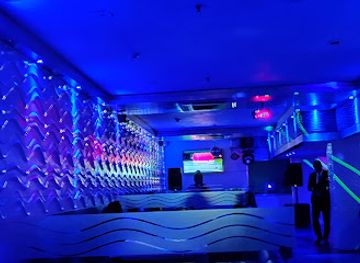
Egmore is not one of Chennai’s principal nightclub districts, and its evenings are more closely associated with hotel restaurants, licensed hotel bars, cafés and the continuing movement around the railway station than with a concentrated party scene. A few larger hotels in and around the neighbourhood may offer lounges or bars, but opening policies and access can change, and alcohol service in Chennai is subject to state regulation. The museum precinct is generally a daytime cultural destination, while the main roads remain active after dark because of transport and commercial activity. Visitors seeking live music, late-night entertainment or a wider choice of bars may need to travel to other parts of Chennai rather than expecting a dense nightlife strip in Egmore. Quieter evening walks should stay on well-lit main routes and be combined with pre-arranged transport.
-
Bar
70mm Bar
Discover the vibrant nightlife at 70mm Bar in Chennai, where great drinks and lively atmosphere await every visitor.
4 min walk · 0.3 km from neighbourhood centre
-
Pub
Message in a Bottle (MIB)
Experience Chennai's vibrant nightlife at Message in a Bottle, a lively pub offering delicious food, drinks, and live entertainment.
6 min walk · 0.5 km from neighbourhood centre
-
Night club
Brasa
Discover Brasa, Chennai’s premier night club at Radisson Blu, where vibrant nightlife meets exquisite dining in a stunning atmosphere.
15 min walk · 1.2 km from neighbourhood centre
-
Bar
Waves Bar & Lounge
Experience Chennai's vibrant nightlife at Waves Bar & Lounge with crafted drinks, lively music, and a welcoming atmosphere.
8 min walk · 0.6 km from neighbourhood centre
Best shops in Egmore
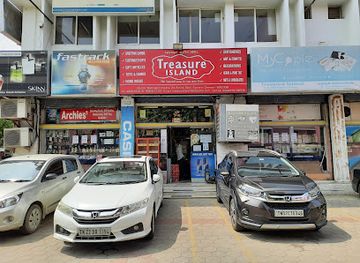
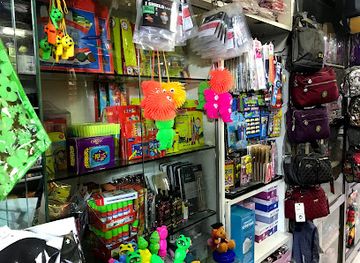
Shopping in Egmore is practical and mixed rather than concentrated in a single pedestrian retail quarter. The roads around Egmore station contain convenience shops, pharmacies, book and stationery sellers, small food businesses, travel-related services and everyday South Indian retail, while larger hotels and commercial buildings provide a more formal setting. Visitors browsing for crafts, textiles or souvenirs may find relevant products in central Chennai, but should not expect the neighbourhood itself to function as a dedicated handicraft market. The cultural institutions give the area a secondary connection with books, art and museum-related purchases, although stock and access vary. Pantheon Road and the surrounding streets are more useful for observing ordinary local commerce than for a specialised shopping expedition. Bargaining may be appropriate in some independent shops, but prices, payment methods and product availability should be confirmed directly rather than assumed.
-
Gift shop
Treasure Island
Discover a world of unique gifts and delightful treasures at Treasure Island, the ultimate shopping destination in Chennai.
18 min walk · 1.4 km from neighbourhood centre
-
Gift shop
Rajesh Fancy Stores
Explore a vibrant selection of unique gifts and local treasures at Rajesh Fancy Stores in Chennai, where every item tells a story.
14 min walk · 1.1 km from neighbourhood centre
-
Gift shop
Classic Gift shop
Explore the Classic Gift Shop in Chennai, where unique souvenirs and local crafts await to enrich your travel experience.
4 min walk · 0.4 km from neighbourhood centre
-
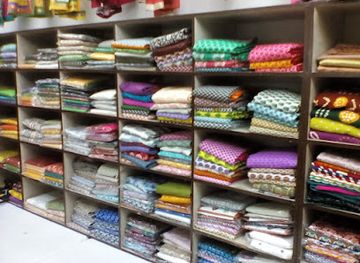
Women's clothing store
Attractions
Explore Chennai's stylish women's clothing store for trendy outfits and expert alterations in the vibrant Egmore district.
12 min walk · 1.0 km from neighbourhood centre
Egmore essentials
Getting There
Getting Around
Safety
Emergency Situations
Do's and Don'ts
Local Tips

From Eve
Local phrases worth knowing
You don't need to get them perfect. A few words go a long way, and locals appreciate the effort.
Basics
| English | Local | Say it |
|---|---|---|
| Hello | வணக்கம் | [vanakkam] |
| Goodbye | பிரியாதே | [piriyathe] |
| Yes | ஆம் | [aam] |
| No | இல்லை | [illai] |
| Please/You're welcome | தயவு | [thayavu] |
| Thank you | நன்றி | [nandri] |
| Excuse me/Sorry | மன்னிக்கவும் | [mannikkavum] |
| How are you? | எப்படி இருக்கிறீர்கள்? | [epadi irukkirirkal?] |
| Fine. And you? | நன்றாக இருக்கிறேன். நீங்கள்? | [nandraga irukkiren. neengal?] |
| Do you speak English? | நீங்கள் ஆங்கிலம் பேசுகிறீர்களா? | [neengal angilam pesukirirkala?] |
| I don't understand | புரிகிறதில்லை | [purigirathillai] |
Eating & Drinking
| English | Local | Say it |
|---|---|---|
| I'd like to see the menu, please | உணவு பட்டியலை பார்க்க விரும்புகிறேன் | [unavu pattiyalai parka virumbukiren] |
| I don't eat meat | நான் பசுவில் உண்ணவில்லை | [naan pasuvil unnavaillai] |
| Cheers! | கண்ணாம்! | [kannam] |
| I would like to pay, please | சம்பளம் செலுத்த விரும்புகிறேன் | [sambalam selutha virumbukiren] |
Emergencies
| English | Local | Say it |
|---|---|---|
| Help! | உதவி! | [udhavi!] |
| Go away! | போய்! | [poi!] |
| Call the Police! | காவல் அலுவலா! | [kaval aluvala!] |
| Call a doctor! | ஒரு மருத்துவரை அழை! | [oru maruthuvarai azhai!] |
| I'm lost | நான் பாய்ந்துவிட்டேன் | [naan payindhuvitten] |
| I'm ill | எனக்கு நோய் உள்ளது | [enakku noy ulladhu] |
Shopping
| English | Local | Say it |
|---|---|---|
| I'd like to buy... | வாங்க விரும்புகிறேன்... | [vanga virumbukiren...] |
| I'm just looking | நான் பார்க்கிறேன் | [naan parkkiren] |
| How much is it? | அது எவ்வளவு? | [adhu evvalavu?] |
| That's too expensive | அது மிகவும் விலையாகும் | [adhu migavum vilaiyagum] |
| Can you lower the price? | விலையை குறைக்க முடியுமா? | [vilaiyai kurraikka mudiyuma?] |
Time & Numbers
| English | Local | Say it |
|---|---|---|
| What time is it? | எந்த நேரம்? | [endha neram?] |
| It's one o'clock | ஒரு மணி | [oru mani] |
| Half past (10) | பத்துக்கு பின்னால் | [pattukku pinnal] |
| Morning | காலை | [kalai] |
| Afternoon | பிற்பகல் | [pirapagal] |
| Evening | மாலை | [maalai] |
| Yesterday | நேற்று | [neṟṟu] |
| Today | இன்று | [iṉṟu] |
| Tomorrow | நாளை | [nāḷai] |
| 1 | ஒன்று | [oṉṟu] |
| 2 | இரண்டு | [iraṇṭu] |
| 3 | மூன்று | [mūṉṟu] |
| 4 | நான்கு | [nāṉku] |
| 5 | ஐந்து | [aindu] |
| 6 | ஆறு | [āṟu] |
| 7 | ஏழு | [ēḻu] |
| 8 | எட்டு | [eṭṭu] |
| 9 | ஒன்பது | [oṉpatu] |
| 10 | பத்து | [pattu] |
Transport & Directions
| English | Local | Say it |
|---|---|---|
| Where's a/the...? | எங்கே ஒரு/அது...? | [eṅkē oru/adhu...?] |
| What's the address? | முகவரி என்ன? | [mukavari enna?] |
| Can you show me (on the map)? | எனக்கு (வரைபடத்தில்) காட்ட முடியுமா? | [enakku (varai patathil) kaatu mudiyuma?] |
| When's the next (bus)? | அடுத்தது எப்போது? | [adutthatu eppothu?] |
| A ticket (to ....) | ஒரு டிக்கெட் (இல்லைக்கு....) | [oru tikket (illaikku....)] |
History of Egmore
From Village to Urban Quarter
Egmore developed from an older settlement on the northern side of the expanding colonial city of Madras. The name is commonly understood to derive from a Tamil form associated with the area, though its exact linguistic history is discussed in different accounts. In the nineteenth century, Madras grew beyond its older core, and Egmore became increasingly connected to administrative, educational and institutional development. Its position between central roads and the routes leading towards the northern and western parts of the city helped turn it from a peripheral settlement into an important urban district.
Railway Connections and Civic Expansion
The arrival and consolidation of railway infrastructure gave Egmore a lasting role in Chennai’s geography. Egmore railway station became one of the city’s principal passenger gateways, particularly for services connecting Chennai with destinations across Tamil Nadu and southern India. Around the same period, civic buildings, schools, churches and public institutions expanded through the district. The railway brought a steady flow of passengers and commerce, while the surrounding public buildings gave Egmore a more formal institutional character than many neighbouring residential areas.
The Pantheon Cultural Precinct
Egmore’s cultural importance grew around the former Pantheon complex, a colonial-era public and institutional compound that became home to the Government Museum and associated cultural facilities. The museum’s collections developed into one of South India’s most important public repositories of archaeology, sculpture, coins, bronzes and decorative art. Connemara Public Library, the National Art Gallery and the Museum Theatre further established the area as a centre for public learning and cultural display. Together, these institutions made Egmore significant not only as a transport district but also as a place where visitors could encounter the artistic and historical traditions of the region.
A Contemporary Transport and Heritage District
Modern Egmore has retained its railway and institutional functions while adapting to Chennai’s rapid growth. Traffic, redevelopment and commercial pressure have altered many of its approaches, yet the museum grounds, St Andrew’s Church and older civic buildings preserve visible traces of earlier phases of the city. The neighbourhood now balances commuter movement, hotels, medical and educational activity, everyday retail and cultural tourism. Its present identity is therefore layered rather than uniform: Egmore is both a major arrival point and one of central Chennai’s most concentrated areas for museums and historic public architecture.
Egmore in Photos
Browse through our photo collection highlighting the charm and character of the destination.
Neighbourhoods near Egmore
The closest neighbourhoods to Egmore, if you have time for more than one stop.
-

-

-
-


Swipe for more neighbourhoods
Explore more

Explore more of Chennai
Chennai, India blends Dravidian temple architecture, Carnatic music, Marina Beach, colonial heritage and South Indian cuisine in a compelling coastal city.
Explore Chennai