

Adyar (Chennai) Travel Guide - Free
Explore Adyar in Chennai with Evendo's free guide. Find the best shops, historic streets, restaurants, and gems on web or mobile.


Adyar, Chennai blends river landscapes, Theosophical gardens, Kalakshetra’s arts, South Indian food and easy access to Besant Nagar’s coast.
Between River and Bay
Adyar occupies a broad, leafy stretch of southern Chennai where the Adyar River approaches the Bay of Bengal. The area is best understood as a collection of connected residential, educational, cultural and ecological quarters rather than a tightly bounded historic district. Its main roads are busy, but quieter lanes branch towards shaded campuses, apartments, schools and the river’s edges. Adyar Bridge links the neighbourhood with Mylapore and central Chennai, while Sardar Patel Road leads towards Guindy and the city’s institutional belt.Read more about Adyar
Gardens, Ideas and Institutions
Everyday Adyar
Best attractions in Adyar
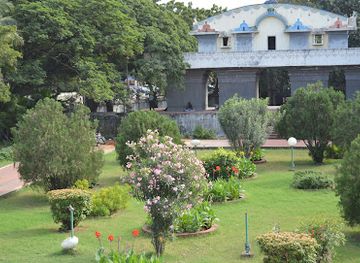
Adyar’s attractions are defined by landscape and institutions rather than a dense line of monuments. The Theosophical Society campus is the area’s most distinctive visitor setting, with broad gardens, mature trees and a riverside environment that reflects its history as an international centre for philosophical and spiritual study; access is subject to its own arrangements. The Kalakshetra Foundation, in the adjoining Thiruvanmiyur area commonly associated with greater Adyar, offers a significant cultural connection through Indian classical dance, music, craft and performance. Adyar Poonga presents a restored wetland landscape close to the river, although opening conditions may change. Scenic interest also comes from the Adyar River and its estuary, viewed from public roads and bridges rather than approached through restricted banks. Besant Nagar’s Elliot’s Beach is nearby for a coastal excursion, but it is a separate neighbourhood.
-
Tourist attraction
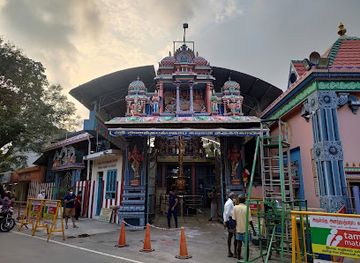
Shri Ashtalakshmi Temple
A vibrant Chennai temple dedicated to the eight forms of Lakshmi, offering stunning ocean views and a spiritually enriching experience.
6 min drive · 2.0 km from neighbourhood centre
-
Tourist attraction
Chennai Snake Park
Explore India's first snake park in Chennai, home to diverse reptiles and dedicated to education and conservation.
6 min drive · 2.1 km from neighbourhood centre
-
Tourist attraction
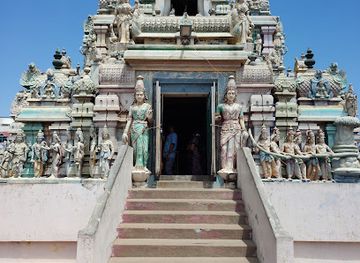
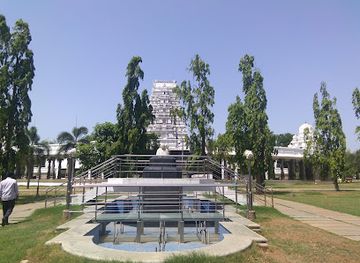
Sri Anantha Padmanabha Swamy Temple
Experience serenity at Chennai's Sri Anantha Padmanabha Swamy Temple, a tribute to Lord Vishnu with Kerala-style architecture and peaceful ambiance.
4 min walk · 0.3 km from neighbourhood centre
-
Tourist attraction
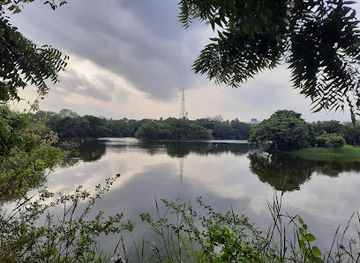
Adyar Eco-Park
Escape to Chennai's Adyar Eco Park: A revitalized urban oasis of biodiversity and tranquility by the Adyar River.
5 min drive · 1.7 km from neighbourhood centre
Best landmarks in Adyar
The Adyar River and Adyar Bridge are the neighbourhood’s defining geographical landmarks, marking both its relationship with the water and its long-standing connection to Mylapore and central Chennai. The Theosophical Society headquarters forms another major landmark: its extensive riverside grounds, mature vegetation and institutional buildings give Adyar a cultural identity unlike the surrounding commercial roads. Adyar Poonga is significant as an urban wetland restoration project, linking contemporary environmental concerns with the river’s older ecological role. The wider Adyar landscape is also associated with the Kalakshetra Foundation, whose campus and arts traditions are culturally important, although it lies in the Thiruvanmiyur side of the area commonly described as greater Adyar. These places matter less as isolated monuments than as evidence of the neighbourhood’s overlapping natural, intellectual and artistic histories.
-
National park
Guindy National Park
Experience the tranquility and wildlife of Guindy National Park, an urban oasis in Chennai perfect for families and nature lovers.
6 min drive · 2.1 km from neighbourhood centre
-
Hotel
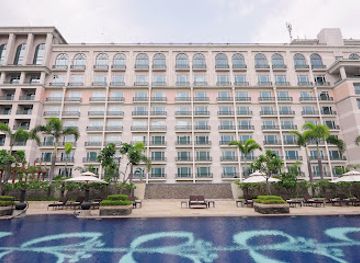
The Leela Palace Chennai - Seaside Modern Palace Hotel
Experience the pinnacle of luxury at The Leela Palace Chennai, where modern elegance meets traditional Indian hospitality along the stunning coastline.
7 min drive · 2.2 km from neighbourhood centre
-
Hindu temple
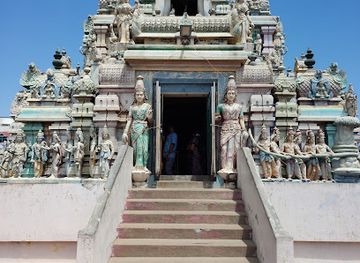
Shri Ashtalakshmi Temple
Discover the tranquility of Shri Ashtalakshmi Temple in Chennai, a stunning spiritual site with intricate architecture and peaceful surroundings.
6 min drive · 2.0 km from neighbourhood centre
-
Hindu temple
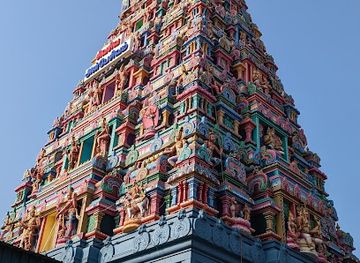
Arulmigu Marundeeswarar Temple
Discover the spiritual and architectural marvel of Arulmigu Marundeeswarar Temple, a must-visit destination in Chennai for travelers and culture enthusiasts alike.
7 min drive · 2.3 km from neighbourhood centre
Explore Adyar on the map
A handpicked selection of must-see spots in Adyar, mapped for you.
Best hotels in Adyar
Best restaurants in Adyar
Adyar’s food scene reflects Chennai’s everyday South Indian dining culture as well as the area’s student, professional and residential communities. Small restaurants and cafés around Gandhi Road, LB Road, Shastri Nagar and nearby commercial streets serve breakfast staples such as idli, dosa, vada and pongal, alongside vegetarian meals, rice dishes, filter coffee and familiar Tamil snacks. The neighbourhood also has bakeries, juice shops and contemporary cafés, while larger roads provide a wider range of Indian and international dining. Vegetarian establishments are particularly easy to find, though menus vary between traditional tiffin counters and more modern sit-down restaurants. Markets and local provision shops are useful for fruit, snacks and household foods rather than destination shopping. Besant Nagar, just beyond Adyar, adds further restaurants and cafés, but its dining scene should not be presented as belonging wholly to Adyar.
-
Middle Eastern
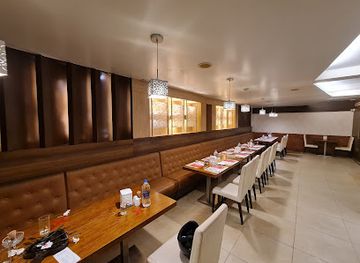
Zaitoon Restaurant, Adyar
Discover the rich flavors of Middle Eastern cuisine at Zaitoon Restaurant in Adyar – where every dish tells a story.
12 min walk · 1.0 km from neighbourhood centre
-
Buffet
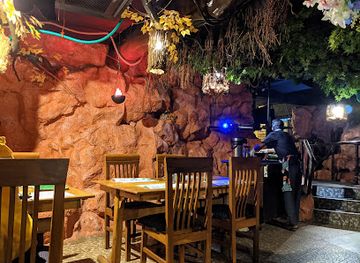
Rain forest
Discover an extraordinary buffet experience amidst enchanting rain forest themes in Chennai's premier dining destination.
3 min walk · 0.2 km from neighbourhood centre
-
Keralan
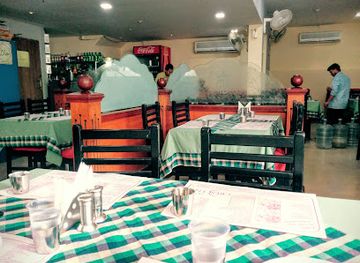
Crescent Restaurant, Adyar
Experience authentic Keralan cuisine at Crescent Restaurant in Adyar—where every dish tells a story of tradition and flavor.
1 min walk · 0.1 km from neighbourhood centre
-
Vegetarian
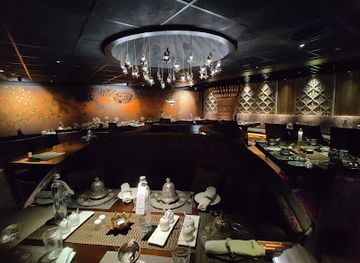
Hamsa
Experience exquisite vegetarian fine dining at Hamsa in Adyar, Chennai - where tradition meets modern culinary artistry.
9 min walk · 0.7 km from neighbourhood centre
Best bars in Adyar
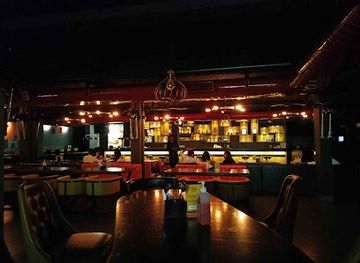
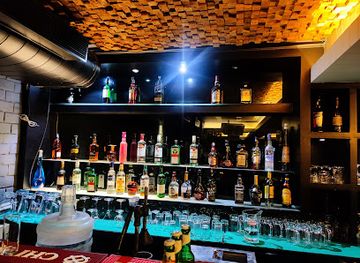
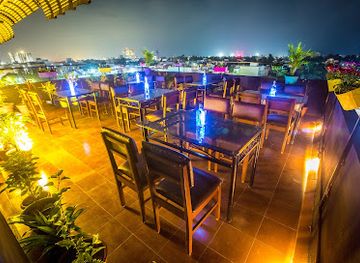
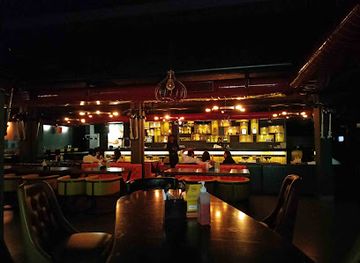
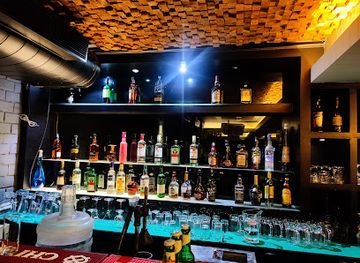
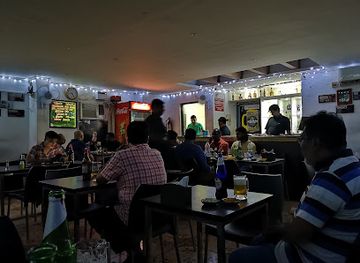
Adyar is not one of Chennai’s principal late-night clubbing districts, and its evenings are shaped more by restaurants, cafés, family gatherings and the steady movement along LB Road than by a concentrated bar scene. Some hotels and contemporary restaurants in and around the wider southern corridor may offer alcoholic drinks, but venues and licensing can change, so visitors should check current arrangements rather than rely on assumptions. The cultural institutions add a different form of evening interest when performances, lectures or programmes are scheduled, although these are event-dependent and not guaranteed nightly attractions. Nearby Besant Nagar has a broader choice of casual evening dining and social venues, while central Chennai and selected hotel districts provide a more established nightlife circuit. Quiet residential lanes should be treated as residential after dark, with consideration for local noise levels.
-
Grill
The Cycle Gap Adyar
Discover the vibrant culinary experience at The Cycle Gap Adyar, Chennai's premier grill destination, known for its delectable dishes and unique cocktails.
18 min walk · 1.5 km from neighbourhood centre
-
Bar
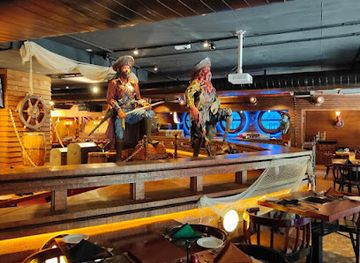
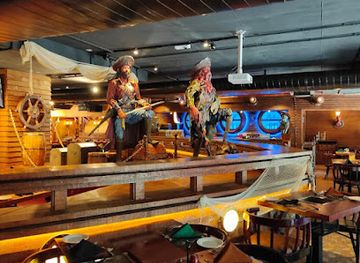
THE PIRATES BAR (HIX)
Experience the vibrant nightlife of Chennai at The Pirates Bar with its eclectic drinks, lively ambiance, and delicious cuisine.
4 min walk · 0.3 km from neighbourhood centre
-
Grill
99 Bar & Grill
Discover a culinary haven at 99 Bar & Grill in Chennai, where flavorful grilled dishes and refreshing drinks create a perfect dining experience.
16 min walk · 1.3 km from neighbourhood centre
-
Bar
Black Pearl
Experience the lively ambiance and exquisite flavors at Black Pearl - a must-visit bar and restaurant in Chennai.
6 min walk · 0.5 km from neighbourhood centre
Best nightclubs in Adyar
Adyar is not one of Chennai’s principal late-night clubbing districts, and its evenings are shaped more by restaurants, cafés, family gatherings and the steady movement along LB Road than by a concentrated bar scene. Some hotels and contemporary restaurants in and around the wider southern corridor may offer alcoholic drinks, but venues and licensing can change, so visitors should check current arrangements rather than rely on assumptions. The cultural institutions add a different form of evening interest when performances, lectures or programmes are scheduled, although these are event-dependent and not guaranteed nightly attractions. Nearby Besant Nagar has a broader choice of casual evening dining and social venues, while central Chennai and selected hotel districts provide a more established nightlife circuit. Quiet residential lanes should be treated as residential after dark, with consideration for local noise levels.
-
Grill
The Cycle Gap Adyar
Discover the vibrant flavors of Chennai at The Cycle Gap Adyar, a premier grill restaurant offering delightful dishes and a lively atmosphere.
18 min walk · 1.5 km from neighbourhood centre
-
Bar
THE PIRATES BAR (HIX)
Experience Chennai's nightlife at The Pirates Bar, where vibrant atmosphere and nautical charm meet delicious drinks and lively entertainment.
4 min walk · 0.3 km from neighbourhood centre
-
Bar
Black Pearl
Experience Chennai's nightlife at Black Pearl, where delicious cuisine and creative cocktails await in a vibrant setting.
6 min walk · 0.5 km from neighbourhood centre
-
Sports bar
Shastri Nagar Sharks
Enjoy an electrifying atmosphere at Shastri Nagar Sharks, Chennai's go-to sports bar for delicious food, drinks, and live sports.
3 min walk · 0.2 km from neighbourhood centre
Best shops in Adyar
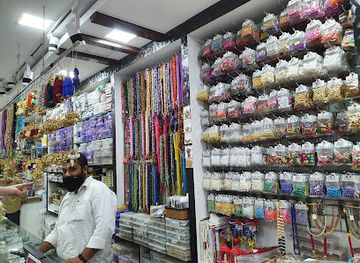
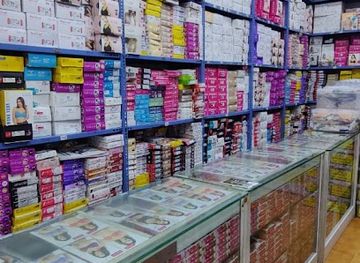
Shopping in Adyar is practical and locally oriented rather than concentrated in a single heritage bazaar or fashion quarter. Commercial stretches around Gandhi Road, LB Road, Shastri Nagar and nearby junctions contain grocers, pharmacies, clothing shops, bakeries, household retailers and small specialist businesses serving residents. Visitors can browse for South Indian snacks, coffee, everyday provisions, books and modest craft or clothing purchases, but stock and shop identities change more quickly than in a formal market district. The area’s independent food shops and street-facing businesses offer a clearer sense of daily life than a large shopping centre. For a more extensive retail outing, visitors may need to travel to nearby Besant Nagar, Mylapore or larger commercial areas elsewhere in Chennai; those districts should be treated separately when describing the local shopping scene.
-
Clothing store
Westside - Adyar, Chennai
Discover Westside in Adyar, Chennai - your one-stop destination for trendy clothing and accessories for all ages.
7 min walk · 0.6 km from neighbourhood centre
-
Craft store
R.S shopping centre
Discover a treasure trove of art supplies and books at R.S Shopping Centre in Chennai, where creativity comes to life.
6 min walk · 0.5 km from neighbourhood centre
-
Lingerie store
Adyar Variety Choice
Explore Adyar Variety Choice in Chennai for trendy lingerie and stylish clothing, offering a unique glimpse into local fashion culture.
6 min walk · 0.5 km from neighbourhood centre
-
Women's clothing store
Soch
Discover the essence of Indian fashion at Soch, a premier women's clothing store in Chennai offering exquisite designs and quality materials.
12 min walk · 0.9 km from neighbourhood centre


Adyar essentials
Getting There
Getting Around
Safety
Emergency Situations
Do's and Don'ts
Local Tips
History of Adyar
A Riverine Village Landscape
Before southern Chennai expanded into a continuous urban area, Adyar was associated with the river, its marshy margins and a smaller settlement landscape south of the older city. The river gave the locality its name and shaped movement, drainage and land use. For centuries, the area remained less intensely built than the historic core, with gardens, agricultural plots and scattered residences. The tidal estuary also formed an important ecological zone, although later embankments, roads and construction altered its character. Adyar’s relationship with the river remains central to understanding both its geography and its environmental pressures.
The Theosophical Society Arrives
The Adyar headquarters of the Theosophical Society was established in 1883 on a large riverside estate, transforming the locality’s cultural significance. The society’s international work in comparative religion, philosophy and education brought visitors, scholars and reformers to a district that was still relatively open and peripheral to the built-up city. Its extensive gardens, old trees and institutional buildings created a distinctive enclave beside the river. The estate also helped make Adyar associated with intellectual and spiritual internationalism, a reputation that continues to distinguish it from many of Chennai’s more commercial neighbourhoods.
Institutions and Planned Expansion
During the twentieth century, roads, bridges and public institutions drew Adyar more firmly into Chennai’s expanding southern suburbs. Residential development accelerated around the river crossings and along routes connecting Mylapore, Guindy and the growing southern corridor. Educational and research institutions strengthened the area’s academic identity, while the Kalakshetra Foundation, founded by Rukmini Devi Arundale in 1936 and later moved to its present Thiruvanmiyur campus, added a major centre for Indian classical arts to the wider Adyar landscape. The result was a mixed locality of campuses, planned housing, commercial roads and older garden compounds.
Wetland Protection and Urban Pressure
Late twentieth- and early twenty-first-century development brought heavier traffic, denser construction and mounting concern about the Adyar River and its wetlands. The creation of Adyar Poonga, a restored ecological park project near the river, represented an effort to revive native vegetation and communicate the importance of urban wetland systems. At the same time, the neighbourhood continued to absorb offices, apartments, schools and retail activity. Contemporary Adyar therefore embodies a continuing tension between accessible urban growth and the protection of riverine habitats, historic campuses and mature tree cover.
Adyar in Photos
Browse through our photo collection highlighting the charm and character of the destination.
Neighbourhoods near Adyar
The closest neighbourhoods to Adyar, if you have time for more than one stop.
-

-
-

-


Swipe for more neighbourhoods
Explore more

Explore more of Chennai
Chennai, India blends Dravidian temple architecture, Carnatic music, Marina Beach, colonial heritage and South Indian cuisine in a compelling coastal city.
Explore Chennai