

Triplicane (Chennai) Travel Guide - Free
Explore Triplicane in Chennai with Evendo's free guide. Find the best shops, historic streets, restaurants, and gems on web or mobile.


Triplicane, Chennai, brings together the Parthasarathy Temple, Bharatiyar Illam, South Indian food, lively market streets and easy access to Marina Beach.
Temple Streets and Everyday Chennai
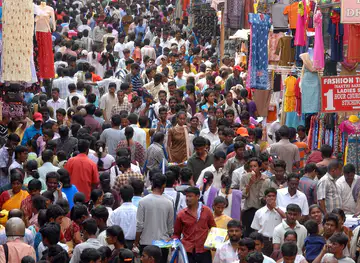
Triplicane, known locally as Thiruvallikeni, occupies a dense and historically layered quarter between central Chennai and the Bay of Bengal. Its identity is shaped above all by the Parthasarathy Temple, whose tall gateway, ritual rhythms and surrounding streets give the area a strong Vaishnavite presence. Around it, narrow lanes, old houses, small shrines, mosques, schools, tea stalls and busy commercial roads reveal a neighbourhood where religious life and ordinary urban routines remain closely interwoven.Read more about Triplicane
History in a Compact Urban Landscape
Food, Faith and the Seafront
Best attractions in Triplicane
Parthasarathy Temple is Triplicane's central attraction, with its imposing gateway, sculpted details and active Vaishnavite worship offering a direct encounter with the neighbourhood's religious identity; visitors should observe temple rules and access arrangements rather than expecting a conventional museum visit. Bharatiyar Illam, the former residence associated with the poet Subramania Bharati, introduces the area's literary history through a modest, highly local setting. Vivekananda House on the Marina side presents the story of Swami Vivekananda's stay in the building and its later religious and educational associations. The surrounding temple streets, flower-selling lanes and busy stretches of Triplicane High Road are attractions in their own right for visitors interested in everyday Chennai. The neighbourhood also provides a practical starting point for reaching Marina Beach, although the broad seafront is a separate public space rather than a quiet Triplicane street.
-
Tourist attraction
Dr. M.G.R. and Dr. J.Jayalalitha Memorial
Pay homage to Tamil Nadu's iconic leaders at the Dr. M.G.R. and Dr. J. Jayalalitha Memorial, a serene landmark on Chennai's Marina Beach.
14 min walk · 1.1 km from neighbourhood centre
-
Tourist attraction
Chennai Lighthouse
Ascend Chennai Lighthouse for panoramic city & sea views. Explore maritime history at this Marina Beach landmark. Open Tue-Sun.
7 min drive · 2.2 km from neighbourhood centre
-
Tourist attraction
Marina Beach
Discover Chennai's vibrant heart at Marina Beach: a historic landmark offering golden sands, cultural icons, and endless seaside fun.
16 min walk · 1.3 km from neighbourhood centre
-
Tourist attraction
Vivekananda House
Explore the life and teachings of Swami Vivekananda at this historical landmark and museum in Chennai, featuring exhibits and virtual reality experiences.
15 min walk · 1.2 km from neighbourhood centre


Best landmarks in Triplicane
The principal landmark is Parthasarathy Temple, a historic Vishnu shrine whose Pallava-period origins, later additions and prominent gateway anchor the neighbourhood's religious geography. Its surrounding streets preserve the spatial logic of a temple settlement, even where older homes have been altered or replaced. Bharatiyar Illam is significant on a smaller scale: the house commemorates Subramania Bharati's residence and connects Triplicane with Tamil literary and nationalist history. The Big Mosque on Wallajah Road represents the area's established Muslim heritage and forms part of the religiously mixed urban landscape. At the eastern edge, Vivekananda House is a distinctive seafront building associated with Swami Vivekananda's stay in Madras. Chepauk Palace and the University of Madras are close landmarks, but belong to the adjacent Chepauk and Marina-facing institutional setting rather than the core of Triplicane.
-
Memorial park
Dr. M.G.R. and Dr. J.Jayalalitha Memorial
Explore the serene Dr. M.G.R. and Dr. J.Jayalalitha Memorial in Chennai, where history meets tranquility amidst lush gardens and stunning architecture.
14 min walk · 1.1 km from neighbourhood centre
-
Hindu temple
Arulmigu Sri Parthasarathy Perumal Temple Tiruvallikeni
Experience the divine beauty of Arulmigu Sri Parthasarathy Perumal Temple, a spiritual and cultural landmark in Chennai, steeped in history and devotion.
8 min walk · 0.6 km from neighbourhood centre
-
Sculpture
Mahatma Gandhi Statue
Discover the Mahatma Gandhi Statue on Marina Beach, a serene tribute to peace and non-violence in the heart of Chennai.
6 min drive · 1.8 km from neighbourhood centre
-
Memorial park
Puratchi Thalaivi Dr. J. Jayalalithaa Memorial
Explore the serene Puratchi Thalaivi Dr. J. Jayalalithaa Memorial, a tribute to a visionary leader amidst the beauty of Marina Beach in Chennai.
16 min walk · 1.3 km from neighbourhood centre


Explore Triplicane on the map
A handpicked selection of must-see spots in Triplicane, mapped for you.
Best hotels in Triplicane
Best restaurants in Triplicane
Triplicane's food culture is closely tied to its temple streets, student population, office workers and long-established residential communities. Vegetarian South Indian cooking is especially prominent, with idli, dosa, vada, pongal, meals and filter coffee available through traditional cafés, modest eateries and takeaway counters. Ratna Café is one of the neighbourhood's best-known names, particularly associated with sambar alongside tiffin dishes, while numerous smaller businesses give the area a more representative picture than any single restaurant. Around Triplicane High Road, Pycrofts Road and the streets near Parthasarathy Temple, visitors can also find bakeries, tea stalls and Muslim-influenced cooking among the wider mix of Chennai food. Expect practical, busy dining rooms rather than leisurely destination restaurants, and check daily timings locally because individual establishments may vary.
-
South Indian
Ratna Cafe
Experience the essence of South Indian cuisine at Ratna Cafe in Chennai - a must-visit spot for authentic flavors and warm hospitality.
1 min walk · 0.1 km from neighbourhood centre
-
Restaurant
Bombay Lassi
Discover authentic vegetarian cuisine and refreshing lassis at Bombay Lassi in Chennai - a delightful stop for every traveler.
11 min walk · 0.9 km from neighbourhood centre
-
Vegetarian
Triplicane Bharathi Mess
Experience authentic South Indian vegetarian cuisine at Triplicane Bharathi Mess in Chennai, where every dish tells a story.
2 min walk · 0.2 km from neighbourhood centre
-
Indian
Firdouse Restaurant
Discover the flavors of India at Firdouse Restaurant in Chennai - where authentic cuisine meets vibrant atmosphere.
6 min walk · 0.5 km from neighbourhood centre


Best bars in Triplicane
Triplicane is not one of Chennai's principal nightclub districts, and its evenings are shaped more by food, worship, conversation and ordinary neighbourhood commerce than by a concentrated bar scene. Alcohol-focused venues are limited compared with areas such as central business and hotel districts, while religious institutions and dense residential streets make discretion and quieter behaviour important. After dark, cafés, tiffin restaurants, tea stalls and snack shops provide the most characteristic social atmosphere, particularly along the busier commercial roads. The Marina side attracts evening walkers, but it is an open public seafront rather than a nightlife strip, and conditions change with crowds and local activity. Visitors seeking live music, cocktails or late clubs will generally need to travel outside Triplicane and should arrange a reliable return journey rather than expecting a local entertainment quarter.
-
Bar
Redlion Bar in Chennai
Discover the vibrant charm of Redlion Bar in Chennai, where excellent service meets an inviting atmosphere for an unforgettable nightlife experience.
4 min walk · 0.3 km from neighbourhood centre
-
Bar
Liquor Bar
Discover Chennai's nightlife at the Liquor Bar, a vibrant destination for drinks and good vibes in Triplicane.
13 min walk · 1.0 km from neighbourhood centre
-
Bar
Mangoos Bar
Experience the vibrant nightlife of Chennai at Mangoos Bar, where local culture meets a relaxed ambiance and a diverse drink menu.
6 min walk · 0.5 km from neighbourhood centre
-
Bar
Mongoose Bar
Discover the vibrant nightlife of Chennai at Mongoose Bar, where delicious food and refreshing drinks await in a lively atmosphere.
4 min walk · 0.3 km from neighbourhood centre


Best nightclubs in Triplicane
Triplicane is not one of Chennai's principal nightclub districts, and its evenings are shaped more by food, worship, conversation and ordinary neighbourhood commerce than by a concentrated bar scene. Alcohol-focused venues are limited compared with areas such as central business and hotel districts, while religious institutions and dense residential streets make discretion and quieter behaviour important. After dark, cafés, tiffin restaurants, tea stalls and snack shops provide the most characteristic social atmosphere, particularly along the busier commercial roads. The Marina side attracts evening walkers, but it is an open public seafront rather than a nightlife strip, and conditions change with crowds and local activity. Visitors seeking live music, cocktails or late clubs will generally need to travel outside Triplicane and should arrange a reliable return journey rather than expecting a local entertainment quarter.
-
Live music bar
My Bar
Discover the vibrant nightlife of Chennai at My Bar, a lively live music venue offering a perfect blend of local flavors and entertainment.
13 min walk · 1.0 km from neighbourhood centre
-
Night club
Benze Vacation Club
Discover the vibrant nightlife of Chennai at Benze Vacation Club, where music and fun come together for an unforgettable experience.
13 min walk · 1.0 km from neighbourhood centre
-
Hotel
AHAD Inn
Experience comfort and culture at AHAD Inn, a cozy hotel in Chennai's vibrant Triplicane neighborhood, perfect for budget-conscious travelers.
7 min walk · 0.6 km from neighbourhood centre
-
Night club
Pals Indian Clasical Dance Mount Road
Discover the thrilling fusion of traditional dance and modern nightlife at Pals Indian Classical Dance Mount Road in Chennai.
12 min walk · 1.0 km from neighbourhood centre


Best shops in Triplicane
Shopping in Triplicane is practical, local and woven into the streets rather than concentrated in a modern retail centre. Triplicane High Road and Pycrofts Road carry a broad mix of clothing, household goods, stationery, religious articles, small groceries, pharmacies and inexpensive food businesses, while lanes near Parthasarathy Temple serve worshippers with flowers, offerings and devotional objects. Street-facing book and magazine sellers, tailoring businesses and specialist shops reflect the neighbourhood's long association with students, temples and dense residential life. The commercial character changes towards Wallajah Road and the approaches to Marina, where larger institutions and traffic corridors become more noticeable. Visitors should browse with patience, keep bags close in crowded stretches and ask permission before photographing shopkeepers or displays; the pleasure lies in observing an active local market district rather than searching for a curated souvenir quarter.
-
Clothing store
Novelty Burka Palace
Explore the vibrant textile heritage of Chennai at Novelty Burka Palace, your destination for exquisite clothing and accessories.
6 min walk · 0.5 km from neighbourhood centre
-
Grocery store
Triplicane Victory Stores
Explore the flavors of Chennai at Triplicane Victory Stores, where local groceries meet authentic Tamil cuisine in a vibrant shopping experience.
2 min walk · 0.2 km from neighbourhood centre
-
Clothing store
Sri Sundaram Stores
Discover the vibrant fashion scene at Sri Sundaram Stores in Chennai, where traditional and modern clothing meet in a delightful shopping experience.
1 min walk · 0.1 km from neighbourhood centre
-
Clothing store
Shop dress triplicane
Explore the vibrant fashion scene at Shop Dress Triplicane, where traditional Indian attire meets modern style in the heart of Chennai.
5 min walk · 0.4 km from neighbourhood centre


Triplicane essentials
Getting There
Getting Around
Safety
Emergency Situations
Do's and Don'ts
Local Tips

From Eve
Local phrases worth knowing
You don't need to get them perfect. A few words go a long way, and locals appreciate the effort.
Basics
| English | Local | Say it |
|---|---|---|
| Hello | வணக்கம் | [Vanakkam] |
| Goodbye | பிரியாவிட்டுபோக | [Piriya-vidu-poka] |
| Yes | ஆம் | [Aam] |
| No | இல்லை | [Illai] |
| Please/You're welcome | தயவுசெய்து | [Thayavu-seidhu] |
| Thank you | நன்றி | [Nandri] |
| Excuse me/Sorry | மன்னிக்கவும் | [Mannikka-vum] |
| How are you? | எப்படி இருக்கின்றன்? | [Eppadi irukkiran?] |
| Fine. And you? | நல்லது. உங்கள் எப்படி? | [Nalladhu. Ungal eppadi?] |
| Do you speak English? | உங்கள் ஆங்கிலம் பேசுகிறார்களா? | [Ungal angilam pesukiraar-kala?] |
| I don't understand | புரியவில்லை | [Puriya-villai] |
Eating & Drinking
| English | Local | Say it |
|---|---|---|
| I'd like to see the menu, please | உணவுப் பட்டியலை காண விரும்புகிறேன் | [Unavu pattiyalai kaana virumbukireen] |
| I don't eat meat | நான் மாம்சம் சாப்பிடவில்லை | [Naan maamsam saappidavillai] |
| Cheers! | சாந்தோஷம்! | [Santhosam] |
| I would like to pay, please | பணம் செலுத்த விரும்புகிறேன் | [Panam selutha virumbukireen] |
Emergencies
| English | Local | Say it |
|---|---|---|
| Help! | உதவி! | [Uthavi] |
| Go away! | பிரியாவிடு! | [Piriya-vidu] |
| Call the Police! | காவல் அலுப்பவும்! | [Kaaval aluppavum] |
| Call a doctor! | ஒரு மருத்துவரைக் கூட்டை அழையுங்கள்! | [Oru maruthuvarai kootai azhaiyungal] |
| I'm lost | நான் கழித்துப்போனேன் | [Naan kazhithupponen] |
| I'm ill | எனக்கு நோய் இருக்கிறது | [Enakku noy irukkiradhu] |
Shopping
| English | Local | Say it |
|---|---|---|
| I'd like to buy... | நான் வாங்க விரும்புகிறேன்... | [Naan vaanga virumbukireen...] |
| I'm just looking | நான் பார்க்கிறேன் | [Naan paarkireen] |
| How much is it? | அது எவ்வளவு? | [Adhu evvalavu?] |
| That's too expensive | அது மிகவும் விலையாகும் | [Adhu migavum vilaiyaagum] |
| Can you lower the price? | விலையை குறைக்க முடியுமா? | [Vilaiyai kurraikka mudiyumaa?] |
Time & Numbers
| English | Local | Say it |
|---|---|---|
| What time is it? | எப்போது? | [Eppothu?] |
| It's one o'clock | ஒரு மணி | [Oru mani] |
| Half past (10) | பத்து மணி கடந்து | [Pathu mani kadanthu] |
| Morning | காலை | [Kaalaai] |
| Afternoon | மதியம் | [Mathiyam] |
| Evening | மாலை | [Maalai] |
| Yesterday | நேற்று | [Neeru] |
| Today | இன்று | [Indru] |
| Tomorrow | நாளை | [Naalai] |
| 1 | ஒன்று | [Onru] |
| 2 | இரண்டு | [Irandu] |
| 3 | மூன்று | [Moonru] |
| 4 | நான்கு | [Naanku] |
| 5 | ஐந்து | [Aindhu] |
| 6 | ஆறு | [Aaru] |
| 7 | ஏழு | [Ezhu] |
| 8 | எட்டு | [Ettu] |
| 9 | ஒன்பது | [Onpathu] |
| 10 | பத்து | [Pathu] |
Transport & Directions
| English | Local | Say it |
|---|---|---|
| Where's a/the...? | எங்கே...? | [Engae...?] |
| What's the address? | முகவரியாக என்ன? | [Mugavariyaaga enna?] |
| Can you show me (on the map)? | எனக்கு கார்த்தாசம் காண்கிறார்களா? | [Enakku kaarthaasam kaangiraarkala?] |
| When's the next (bus)? | அடுத்த... எப்போது? | [Adutha... eppothu?] |
| A ticket (to ....) | ஒரு டிக்கெட் (... க்கு) | [Oru ticket (...kku)] |
History of Triplicane
Temple Settlement and Thiruvallikeni
Triplicane's Tamil name, Thiruvallikeni, is associated with the sacred lily pond traditionally connected with the Parthasarathy Temple. The temple is one of the important Divya Desams, the 108 Vishnu temples celebrated in the Tamil Vaishnavite devotional tradition, and its origins reach back to the Pallava period. The settlement that grew around it acquired a distinctive pattern of temple streets and residential lanes, including agraharam houses traditionally occupied by Brahmin communities. Although the modern city has transformed the physical setting, the temple continues to organise much of the neighbourhood's religious calendar and street life.
Colonial Madras and Chepauk
As Madras expanded beyond Fort St George, Triplicane became part of the urban belt adjoining Chepauk, the area associated with the Nawabs of the Carnatic and later with colonial administrative development. Road improvements, public institutions and the spread of housing connected the temple settlement to the growing city. Chepauk Palace and the institutions around it belong to the neighbouring Chepauk area rather than the heart of Triplicane, but their proximity influenced the neighbourhood's development. The result was a mixed urban landscape in which older religious streets stood beside newer roads, public buildings and commercial activity.
Bharati and the Literary Neighbourhood
Triplicane became closely associated with Subramania Bharati, one of modern Tamil literature's most influential poets and journalists. Bharati lived in the neighbourhood during his years in Madras, and the house now known as Bharatiyar Illam preserves the memory of that period. His connection gives Triplicane a significance extending beyond temple history: the area formed part of the intellectual and political world of early twentieth-century Tamil public life. The nearby presence of newspapers, educational institutions and civic associations helped make this part of Madras an important setting for literary exchange and nationalist-era discussion.
Transport, Modernisation and Continuity
Twentieth-century urban growth brought heavier traffic, denser building, expanded retail streets and new transport links, while the Marina frontage became one of central Chennai's principal public spaces. Rail infrastructure now serves the area through the Chennai MRTS stations at Chepauk and Thiruvallikeni, connecting Triplicane with other parts of the metropolitan network. Modern construction and commercial pressure have altered many older streets, yet temple institutions, mosques, historic houses and long-established food businesses continue to give the neighbourhood a recognisable local character. Triplicane's contemporary identity therefore rests on adaptation rather than on a preserved historic enclave.
Triplicane in Photos
Browse through our photo collection highlighting the charm and character of the destination.
Neighbourhoods near Triplicane
The closest neighbourhoods to Triplicane, if you have time for more than one stop.
-

-

-
-


Swipe for more neighbourhoods
Explore more

Explore more of Chennai
Chennai, India blends Dravidian temple architecture, Carnatic music, Marina Beach, colonial heritage and South Indian cuisine in a compelling coastal city.
Explore Chennai