

T. Nagar (Chennai) Travel Guide - Free
Explore T. Nagar in Chennai with Evendo's free guide. Find the best shops, historic streets, restaurants, and gems on web or mobile.


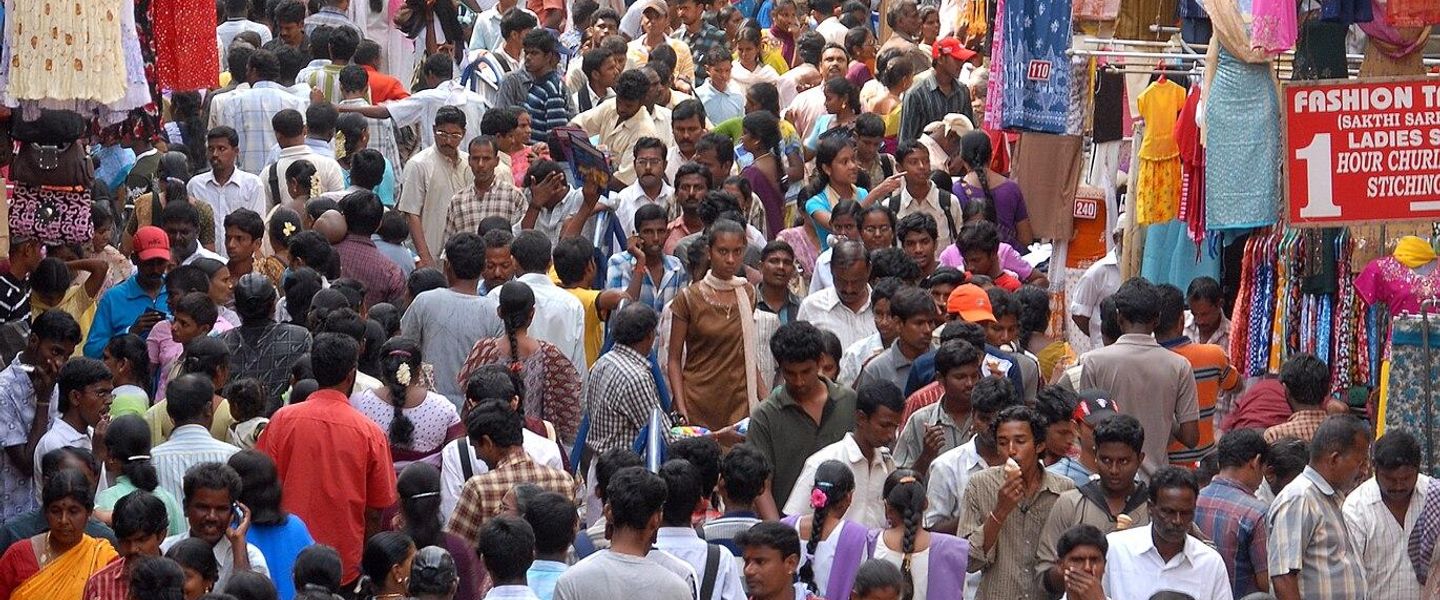


T. Nagar, Chennai’s shopping district, pairs silk sarees and jewellery with Panagal Park, South Indian cuisine, temples and lively streets after dark.
Planned Streets, Intense Energy
T. Nagar, formally Thyagaraya Nagar, occupies a central position in Chennai and is one of the city’s most recognisable commercial neighbourhoods. Planned during the early twentieth century on land that was being urbanised south-west of the older city, it combines broad avenues and established residential lanes with some of Chennai’s busiest retail corridors. Panagal Park forms a useful reference point, while South Usman Road, Ranganathan Street, G. N. Chetty Road and Pondy Bazaar draw shoppers from across the metropolitan area.Read more about T. Nagar
Silk, Gold and Everyday Chennai
Culture Beyond Shopping
Best attractions in T. Nagar
T. Nagar’s attractions are closely tied to its streets and commercial life rather than to a single monumental sight. Panagal Park provides the neighbourhood’s main point of orientation and a busy urban pause between shopping corridors, while Ranganathan Street offers an immersive view of Chennai’s retail culture, with textiles, accessories, household goods and food stalls compressed into a dense pedestrian environment. The streets around Usman Road are associated with large silk and jewellery showrooms, and Pondy Bazaar provides a broader mix of fashion, footwear, cafés and everyday retail. Visitors interested in the performing arts can look towards venues such as Vani Mahal and Krishna Gana Sabha, especially during Chennai’s seasonal music and dance programmes. Residential lanes, local temples and the approaches to Mambalam railway station add a more ordinary, lived-in dimension to a district usually encountered through shopping.
-
Tourist attraction
Semmozhi Poonga
Discover Chennai's green heart: Explore diverse flora and serene landscapes at Semmozhi Poonga, a botanical paradise.
7 min drive · 2.4 km from neighbourhood centre
-
Tourist attraction
Panagal Park
A historic park in Chennai's T. Nagar, offering a green escape with walking paths, diverse trees, and a children's play area.
4 min walk · 0.3 km from neighbourhood centre
-
Park
Dr. Natesan Park
Escape the city bustle at Dr. Natesan Park, a green haven in Chennai's T. Nagar offering relaxation, recreation, and community engagement.
4 min walk · 0.3 km from neighbourhood centre
-
Tourist attraction
Jeeva Park
Escape the city bustle at Jeeva Park, a green sanctuary in Chennai's T. Nagar offering tranquility and recreation for all ages.
10 min walk · 0.8 km from neighbourhood centre


Best landmarks in T. Nagar
Panagal Park is T. Nagar’s defining civic and navigational landmark, a recognisable open space around which several of the district’s major commercial roads developed. The name itself recalls the Raja of Panagal, a significant political figure of the Madras Presidency era. Mambalam railway station, close to the western commercial edge, is another important piece of the neighbourhood’s urban identity: its railway infrastructure and crowded approaches connect T. Nagar with Chennai’s southern suburbs. Vani Mahal and Krishna Gana Sabha are culturally significant buildings whose auditoriums have helped sustain the city’s traditions of classical music, dance and drama. The long commercial frontage of Usman Road and the dense shop-lined streets near Ranganathan Street are landmarks of a different kind, documenting the neighbourhood’s transformation from planned suburb to metropolitan retail centre.
-
Park
Panagal Park
Discover the tranquil beauty of Panagal Park, a lush urban oasis in Chennai, perfect for relaxation, picnics, and nature walks.
4 min walk · 0.3 km from neighbourhood centre
-
Park
Dr. Natesan Park
Experience tranquility at Dr. Natesan Park, a lush urban oasis in Chennai perfect for relaxation, recreation, and cultural immersion.
4 min walk · 0.3 km from neighbourhood centre
-
Historical landmark
Ashok Pillar
Explore the Ashok Pillar, a historical gem in Chennai that reflects India's rich heritage and ancient architecture, perfect for culture enthusiasts and travelers alike.
7 min drive · 2.3 km from neighbourhood centre
-
Hindu temple
Arulmigu Muppathamman Aalayam
Explore the divine energy and vibrant architecture of Arulmigu Muppathamman Aalayam, a must-visit Hindu temple in Chennai's T. Nagar.
7 min walk · 0.6 km from neighbourhood centre


Explore T. Nagar on the map
A handpicked selection of must-see spots in T. Nagar, mapped for you.
Best hotels in T. Nagar
Best restaurants in T. Nagar
Eating in T. Nagar reflects Chennai’s long-standing South Indian dining culture and the neighbourhood’s role as a destination for shoppers and office workers. Around the commercial streets are restaurants and cafés serving idli, dosa, vada, pongal, meals on a banana leaf and strong filter coffee, with vegetarian tiffin houses particularly prominent. Larger establishments and hotel dining rooms provide air-conditioned settings and broader menus, while smaller counters and stalls suit a quick snack between shops. The area’s food scene is practical and busy rather than centred on a single culinary quarter: breakfast and coffee outlets open onto the same streets as textile showrooms, jewellery businesses and department stores. Visitors will also find North Indian, Chinese and other familiar urban-restaurant options, although Tamil and wider South Indian flavours remain the clearest expression of local dining.
-
Barbecue
COAL BARBECUES
Discover the ultimate barbecue experience at COAL BARBECUES in Chennai - where every bite tells a story.
13 min walk · 1.1 km from neighbourhood centre
-
Restaurant
Barbeque Nation- T Nagar
Experience the ultimate barbecue buffet at Barbeque Nation in T. Nagar – where grilling meets authentic Indian flavors.
12 min walk · 1.0 km from neighbourhood centre
-
North Indian
Pakwan Chennai
Experience culinary excellence at Pakwan Chennai with diverse cuisines including North Indian, Chinese, and Italian delights in a stylish setting.
12 min walk · 0.9 km from neighbourhood centre
-
Buffet
SMOKE HUB BARBEQUE - T.NAGAR
Experience authentic Indian barbecue at Smoke Hub Barbeque in T. Nagar - where flavor meets fun in a vibrant buffet setting.
5 min walk · 0.4 km from neighbourhood centre


Best bars in T. Nagar
T. Nagar is primarily a shopping, residential and cultural district, not one of Chennai’s principal nightclub areas. After dark, its main streets remain active because of shopping, restaurants, traffic and evening cultural programmes, while the atmosphere becomes quieter in the interior residential lanes. Hotel bars and restaurant lounges provide the most established settings for an evening drink, particularly around the larger commercial roads and G. N. Chetty Road, but venues and licensing arrangements can change. The neighbourhood’s more distinctive evening entertainment is found in sabha auditoriums such as Vani Mahal and Krishna Gana Sabha, where music, dance and theatrical performances form part of Chennai’s cultural life. Visitors seeking a late-night club circuit generally need to look beyond T. Nagar, while those staying locally can enjoy dinner, a performance or a measured walk through the illuminated retail streets.
-
Pub
10 Downing Street - T Nagar
Discover the vibrant nightlife and delicious cuisine at 10 Downing Street in T Nagar, Chennai, where every visit promises an unforgettable experience.
16 min walk · 1.3 km from neighbourhood centre
-
Pub
Watson's Chennai
Discover the lively spirit of Watson's Chennai, where delicious cuisine meets an exciting pub atmosphere in T. Nagar.
11 min walk · 0.9 km from neighbourhood centre
-
Pub
Bike & Barrel
Experience the vibrant ambiance and delectable flavors at Bike & Barrel, a premier pub and restaurant in Chennai's T. Nagar.
14 min walk · 1.1 km from neighbourhood centre
-
Grill
Kommune Bar & Kitchen
Discover the flavors of Chennai at Kommune Bar & Kitchen, where grilled delicacies meet a vibrant atmosphere in T. Nagar.
16 min walk · 1.3 km from neighbourhood centre


Best nightclubs in T. Nagar
T. Nagar is primarily a shopping, residential and cultural district, not one of Chennai’s principal nightclub areas. After dark, its main streets remain active because of shopping, restaurants, traffic and evening cultural programmes, while the atmosphere becomes quieter in the interior residential lanes. Hotel bars and restaurant lounges provide the most established settings for an evening drink, particularly around the larger commercial roads and G. N. Chetty Road, but venues and licensing arrangements can change. The neighbourhood’s more distinctive evening entertainment is found in sabha auditoriums such as Vani Mahal and Krishna Gana Sabha, where music, dance and theatrical performances form part of Chennai’s cultural life. Visitors seeking a late-night club circuit generally need to look beyond T. Nagar, while those staying locally can enjoy dinner, a performance or a measured walk through the illuminated retail streets.
-
Pub
10 Downing Street - T Nagar
Discover the dynamic charm of 10 Downing Street in T Nagar, Chennai - where delicious cuisine meets a vibrant nightlife.
16 min walk · 1.3 km from neighbourhood centre
-
Pub
Watson's Chennai
Experience the vibrant nightlife at Watson's Chennai - where gourmet dining meets a lively pub atmosphere in T. Nagar.
11 min walk · 0.9 km from neighbourhood centre
-
Pub
Bike & Barrel
Experience the vibrant culinary scene at Bike & Barrel in Chennai, where delicious food meets a lively pub atmosphere, perfect for socializing.
14 min walk · 1.1 km from neighbourhood centre
-
Night club
Pasha
Discover the ultimate nightlife at Pasha, Chennai's premier nightclub offering electrifying music and a vibrant atmosphere for unforgettable evenings.
7 min drive · 2.5 km from neighbourhood centre


Best shops in T. Nagar
Shopping is T. Nagar’s defining activity, with the most concentrated retail areas around Panagal Park, South Usman Road, Ranganathan Street, North Usman Road, Pondy Bazaar and G. N. Chetty Road. The neighbourhood is especially associated with Kanchipuram silk sarees, wedding clothing, gold jewellery and diamond ornaments, supported by both long-established specialist businesses and large multi-floor retail houses. Ranganathan Street has a more compressed, everyday character, mixing clothing, accessories, household products, snacks and small traders, while Pondy Bazaar offers a broad selection of fashion, footwear and practical goods. The experience changes by street: showroom shopping is relatively formal, whereas smaller retailers and market-style pavements demand patience and careful comparison. Crowds, traffic and limited space are part of the commercial landscape, so lightweight bags and a clearly planned route make browsing easier.
-
Clothing store
Pothys Boutique
Discover Pothys Boutique in Chennai, your ultimate shopping destination for traditional sarees, stylish clothing, and delightful accessories.
12 min walk · 1.0 km from neighbourhood centre
-
Gift shop
Fabindia, Pondy Bazaar
Explore Fabindia in Pondy Bazaar for unique handcrafted clothing, organic foods, and exquisite home decor that embody India's rich heritage.
5 min walk · 0.4 km from neighbourhood centre
-
Gift shop
FANCY WORLD
Explore Fancy World in Chennai for unique clothing and gifts reflecting the rich Indian culture and craftsmanship.
4 min walk · 0.4 km from neighbourhood centre
-
Gift shop
HAND N YARNS - a vegan silk boutique
Explore Hand N Yarns, a vegan silk boutique in Chennai, where sustainable luxury meets exquisite craftsmanship in every piece.
10 min walk · 0.8 km from neighbourhood centre


T. Nagar essentials
Getting There
Getting Around
Safety
Emergency Situations
Do's and Don'ts
Local Tips
History of T. Nagar
The Birth of Thyagaraya Nagar
T. Nagar was developed in the early 1920s as part of the expansion of Madras beyond its older, denser core. The neighbourhood was named after Sir P. Thyagaraya Chetty, a prominent political figure associated with the Justice Party and the South Indian Liberal Federation. Its planned streets, residential plots and public spaces reflected the colonial city’s effort to accommodate growth while creating a more ordered suburban landscape. Panagal Park, named after the Raja of Panagal, became one of the area’s principal landmarks and helped organise movement through the new district. The name T. Nagar is the everyday abbreviation of Thyagaraya Nagar, while Mambalam remains closely associated with the wider locality from which the planned neighbourhood developed.
From Residence to Retail Centre
During the mid-twentieth century, T. Nagar changed from a largely residential extension into an important commercial district. Improved roads, the growth of bus transport and the expansion of Madras’s southern suburbs brought more customers and businesses to its main avenues. Shops selling textiles, readymade clothing, household goods and jewellery gradually concentrated around Panagal Park, Usman Road and the streets leading towards Mambalam. The neighbourhood’s broad planned layout could accommodate larger premises than many older parts of the city, although later commercial growth also produced intense traffic and pedestrian pressure. Shopping became central to T. Nagar’s identity without entirely displacing its schools, homes, temples and cultural institutions.
Railway Connections and Urban Intensity
The suburban railway station at Mambalam, on the rail corridor serving Chennai’s southern suburbs, strengthened T. Nagar’s role as a destination for shoppers, workers and residents. Its position near the western edge of the commercial area made the neighbourhood accessible from large parts of the metropolitan region, and the station approaches became among the most heavily used pedestrian routes in the district. Through the later twentieth century, established textile and jewellery houses expanded beside smaller traders and street vendors. This produced the characteristic contrast still visible today: formal showrooms and multi-storey commercial buildings beside tightly packed pavements, older residences and improvised retail activity.
Commerce, Culture and Continuing Change
T. Nagar’s modern identity has been shaped by two parallel developments: its emergence as Chennai’s leading shopping district and its continuing association with Tamil performance, music and dance. Sabhas including Vani Mahal and Krishna Gana Sabha helped sustain the neighbourhood’s cultural role, especially during the city’s annual music season. In recent decades, redevelopment, larger retail buildings, traffic management projects and changing consumer habits have altered individual streets while preserving the area’s commercial importance. The result is a neighbourhood where traditional silk and jewellery businesses, national retail chains, small traders, cultural venues and residential streets remain closely interwoven.
T. Nagar in Photos
Browse through our photo collection highlighting the charm and character of the destination.
Neighbourhoods near T. Nagar
The closest neighbourhoods to T. Nagar, if you have time for more than one stop.
-

-

-

-


Swipe for more neighbourhoods
Explore more

Explore more of Chennai
Chennai, India blends Dravidian temple architecture, Carnatic music, Marina Beach, colonial heritage and South Indian cuisine in a compelling coastal city.
Explore Chennai