

Batasia Loop (Darjeeling) Travel Guide - Free
Explore Batasia Loop in Darjeeling with Evendo's free guide. Find the best shops, historic streets, restaurants, and gems on web or mobile.


Batasia Loop in Darjeeling pairs Himalayan railway views with a Gorkha war memorial, mountain panoramas and Toy Train heritage near Ghoom, India.
A Railway Landscape Above Darjeeling
Batasia Loop is a compact hillside landmark on the Darjeeling Himalayan Railway, a short distance below Ghoom and south of Darjeeling town. Here the railway performs one of its most ingenious manoeuvres: the track curves around a landscaped spiral so that trains can gain or lose height on the steep mountain gradient. The loop is less a conventional neighbourhood than a distinctive railway precinct, with a viewing area, gardens, small local stalls and broad Himalayan outlooks.Read more about Batasia Loop
Mountain Views and Local Memory
Life Around the Loop
Best attractions in Batasia Loop
Batasia Loop’s principal attraction is the Darjeeling Himalayan Railway curving around a landscaped spiral, an ingenious response to the steep gradient below Ghoom. Visitors can walk around the viewing paths, watch trains negotiate the loop when services are operating and look across Darjeeling’s layered ridges; on clear days, the outlook may extend towards Kanchenjunga. The Gorkha War Memorial occupies the centre of the site and adds a solemn dimension to the railway scenery, while gardens, small viewpoints and local stalls make the loop easy to explore at a relaxed pace. The surrounding slopes are as important as the formal displays, showing how railway engineering, hill agriculture and mountain settlement share a confined landscape. Batasia is best understood alongside nearby Ghoom, where railway heritage and other local sights broaden the visit without being mistaken for attractions within the loop itself.
-
Garden
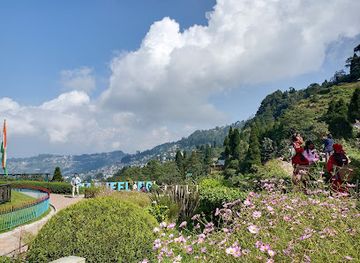
Batasia Eco Garden
Experience the beauty of Darjeeling at Batasia Eco Garden: panoramic views, historical significance, and the famous toy train loop await!
1 min walk · 0.1 km from neighbourhood centre
-
Buddhist temple
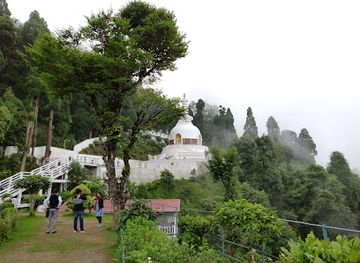
Japanese Buddhist Temple, Darjeeling
Find serenity at Darjeeling's Japanese Temple: a peaceful sanctuary with stunning views and rich Buddhist traditions.
5 min drive · 1.8 km from neighbourhood centre
-
Monastery
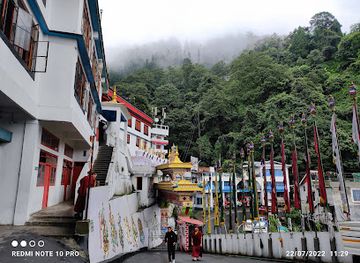
Dali Monastery
Discover serenity at Dali Monastery in Darjeeling: a vibrant center of Tibetan Buddhist culture and peaceful reflection.
14 min walk · 1.1 km from neighbourhood centre
-
Tourist attraction
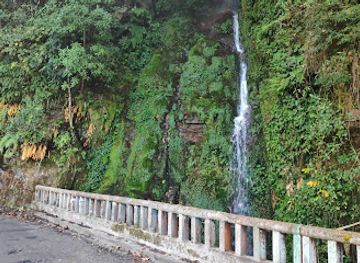
Hima falls
Discover the tranquil beauty of Hima Falls in Darjeeling's Ghoom Pahar Forest, a perfect escape for nature lovers and adventure seekers.
7 min drive · 2.2 km from neighbourhood centre
Best landmarks in Batasia Loop
The defining landmark is the Batasia Loop itself, a railway spiral that carries the Darjeeling Himalayan Railway around a landscaped hillside to manage the steep ascent near Ghoom. Its importance lies in the visible relationship between track, gradient and mountain terrain: the railway’s route can be understood from the viewing area rather than only from inside a carriage. At the centre, the Gorkha War Memorial commemorates Gorkha soldiers who died in service and gives the site a strong local and regional symbolism. The railway landscape, memorial and surrounding Himalayan ridges form a connected group of landmarks, although nearby Ghoom station and religious sites belong to the wider surrounding area rather than to the loop itself. Together they show how transport history and Gorkha cultural memory shape this hillside setting.
-
Garden
Batasia Eco Garden
Discover the beauty and tranquility of Batasia Eco Garden in Darjeeling, a serene escape with stunning views and rich history.
1 min walk · 0.1 km from neighbourhood centre
-
Monastery
Dali Monastery
Explore Dali Monastery in Darjeeling: A serene Buddhist temple offering stunning views, rich culture, and a peaceful retreat for all visitors.
14 min walk · 1.1 km from neighbourhood centre
-
Memorial park
Gorkha War Memorial, Darjeeling
Explore the Gorkha War Memorial in Darjeeling, a serene tribute to the bravery of Gorkha soldiers, surrounded by stunning Himalayan views.
1 min walk · 0.1 km from neighbourhood centre
-
Tourist attraction
Batasia Loop
Discover the beauty of Batasia Loop, a spiral marvel in Darjeeling offering stunning views of Kanchenjunga and rich cultural experiences.
1 min walk · 0.1 km from neighbourhood centre


Explore Batasia Loop on the map
A handpicked selection of must-see spots in Batasia Loop, mapped for you.
Best hotels in Batasia Loop
Best restaurants in Batasia Loop
Batasia Loop is primarily a railway viewpoint rather than a dining district, so food options at the site tend to be modest and informal. Small stalls and simple refreshment sellers may offer tea, snacks and packaged items around the sightseeing area, while a broader choice of cafés and local eateries is found along the road towards Ghoom and in Darjeeling town. Visitors can expect the practical hill-station staples associated with this part of West Bengal, including hot tea, warming snacks and straightforward meals, but should not approach the loop as a destination for an extensive restaurant scene. The setting encourages a brief refreshment stop between railway viewing and nearby sightseeing. Market etiquette is useful: browse without blocking paths, confirm what is being served before ordering and carry waste away when bins are not immediately available.
-
Indian
SANTA BANTA DHABA
Experience authentic Indian cuisine at Santa Banta Dhaba in Darjeeling - where delicious flavors meet stunning hilltop views.
1 min walk · 0.1 km from neighbourhood centre
-
Cafe
Coco Rio Cafe & Tea bar
Discover tranquility at Coco Rio Cafe & Tea Bar in Darjeeling - where stunning views meet exquisite local flavors.
7 min walk · 0.6 km from neighbourhood centre
-
Restaurant
Hotel Blessed Home
Experience authentic local cuisine with stunning views at Hotel Blessed Home in Darjeeling.
1 min walk · 0.1 km from neighbourhood centre
-
Restaurant
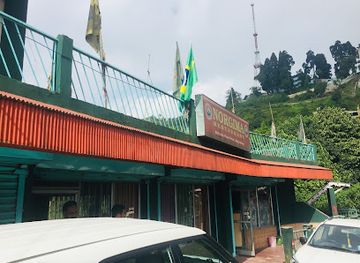
Norgima Restaurant
Discover Norgima Restaurant: A perfect blend of stunning views and delectable cuisine in Darjeeling's Batasia View Point.
1 min walk · 0.1 km from neighbourhood centre


Best bars in Batasia Loop
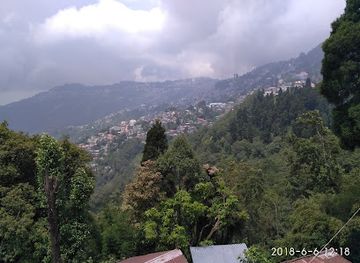
Batasia Loop has no established nightlife district and is generally experienced during daylight, when the railway, memorial and mountain views can be appreciated. Evening activity is limited around the site, with the surrounding road and nearby Ghoom area functioning more as a transport and residential landscape than as a cluster of bars or clubs. Visitors looking for a drink or late evening meal will find a wider selection in Darjeeling town, elsewhere in the city rather than at Batasia itself. The loop’s atmosphere after dark is shaped by weather, low visibility and reduced visitor movement, so it is not a sensible place to expect organised entertainment. Keep noise low near the memorial and surrounding homes, and arrange return transport in advance rather than assuming that frequent late services will be available.
-
Indian
SANTA BANTA DHABA
Experience the true essence of Indian cuisine at Santa Banta Dhaba in Darjeeling, where every dish is a celebration of flavors.
1 min walk · 0.1 km from neighbourhood centre
-
Cafe
Coco Rio Cafe & Tea bar
Experience the charm of Darjeeling at Coco Rio Cafe & Tea Bar, where exquisite teas and serene views create a perfect escape for every traveler.
7 min walk · 0.6 km from neighbourhood centre
-
Restaurant
Norgima Restaurant
Experience the flavors of Darjeeling at Norgima Restaurant, where local cuisine meets breathtaking Himalayan views in a cozy atmosphere.
1 min walk · 0.1 km from neighbourhood centre
-
Grill
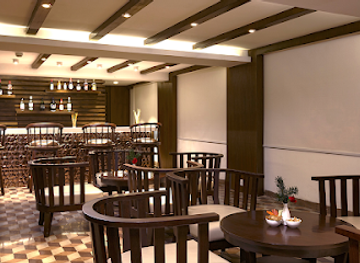
Blue Pine Bar & Restaurant
Experience the best of local cuisine and a relaxing bar atmosphere at Blue Pine Bar & Restaurant in Darjeeling.
1 min walk · 0.1 km from neighbourhood centre


Best nightclubs in Batasia Loop
Batasia Loop has no established nightlife district and is generally experienced during daylight, when the railway, memorial and mountain views can be appreciated. Evening activity is limited around the site, with the surrounding road and nearby Ghoom area functioning more as a transport and residential landscape than as a cluster of bars or clubs. Visitors looking for a drink or late evening meal will find a wider selection in Darjeeling town, elsewhere in the city rather than at Batasia itself. The loop’s atmosphere after dark is shaped by weather, low visibility and reduced visitor movement, so it is not a sensible place to expect organised entertainment. Keep noise low near the memorial and surrounding homes, and arrange return transport in advance rather than assuming that frequent late services will be available.
-
Grill
Blue Pine Bar & Restaurant
Discover the perfect blend of grill delights and bar vibes at Blue Pine Bar & Restaurant in the picturesque hills of Darjeeling.
1 min walk · 0.1 km from neighbourhood centre
-
Bar
Local Bar, Ghoom
Discover Local Bar, Ghoom - a vibrant spot in Darjeeling offering cocktails, local brews, and a lively atmosphere amidst breathtaking views.
12 min walk · 1.0 km from neighbourhood centre
Best shops in Batasia Loop
Shopping at Batasia Loop is small-scale and oriented towards passing visitors rather than destination retail. Stalls around the viewpoint may carry souvenirs, keepsakes, warm clothing and simple local refreshments, while more substantial shopping is available in Darjeeling’s markets and commercial streets. The loop’s retail character is therefore tied to railway tourism and the mountain setting, with visitors browsing between views of the track and the memorial rather than spending hours in shops. Ghoom and Darjeeling provide a broader selection of tea, woollens, handicrafts and everyday goods, but these should be treated as nearby shopping areas rather than part of Batasia Loop itself. Bargain courteously, inspect goods before buying and remember that stock, stall locations and opening patterns can change with weather and seasonal visitor numbers.
-
Spice store
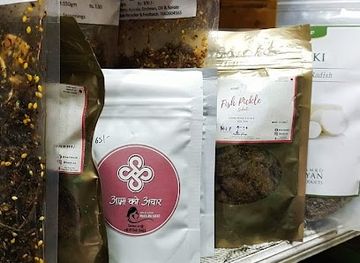
Aama Ko Achar
Explore the rich flavors of India at Aama Ko Achar, Darjeeling's premier spice store, where every spice tells a story.
1 min walk · 0.1 km from neighbourhood centre
-
Tea store
MoYu Darjeeling
Discover the rich heritage of Darjeeling tea at MoYu Tea Store, where each sip tells a story of tradition and excellence in every cup.
1 min walk · 0.1 km from neighbourhood centre
-
Garden center
HAMRO FULBARI
Explore the beauty of nature at Hamro Fulbari, a charming garden center in Darjeeling, where vibrant flora meets stunning mountain views.
3 min walk · 0.2 km from neighbourhood centre
Batasia Loop essentials
Getting There
Getting Around
Safety
Emergency Situations
Do's and Don'ts
Local Tips

From Eve
Local phrases worth knowing
You don't need to get them perfect. A few words go a long way, and locals appreciate the effort.
Basics
| English | Local | Say it |
|---|---|---|
| Hello | नमस्ते | [Namaste] |
| Goodbye | अलविदा | [Alvida] |
| Yes | हाँ | [Haan] |
| No | नहीं | [Nahi] |
| Please/You're welcome | कृपया | [Kripya] |
| Thank you | धन्यवाद | [Dhanyavad] |
| Excuse me/Sorry | क्षमा कीजिए | [Kshama keejiye] |
| How are you? | आप कैसे हैं? | [Aap kaise hain?] |
| Fine. And you? | ठीक हूँ। आप? | [Theek hoon. Aap?] |
| Do you speak English? | क्या आप अंग्रेज़ी बोलते हैं? | [Kya aap angrezi bolte hain?] |
| I don't understand | मुझे समझ नहीं आया | [Mujhe samajh nahi aaya] |
Eating & Drinking
| English | Local | Say it |
|---|---|---|
| I'd like to see the menu, please | कृपया मेनू दिखाएं | [Kripya menu dikhayein] |
| I don't eat meat | मैं मांस नहीं खाता/खाती | [Main maans nahi khaata/khaati] |
| Cheers! | चियर्स! | [Cheers!] |
| I would like to pay, please | कृपया मुझे भुगतान करने दें | [Kripya mujhe bhugtan karne de] |
Emergencies
| English | Local | Say it |
|---|---|---|
| Help! | बचाओ! | [Bachao!] |
| Go away! | चले जाओ! | [Chale jao!] |
| Call the Police! | पुलिस को बुलाओ! | [Police ko bulaao!] |
| Call a doctor! | डॉक्टर को बुलाओ! | [Doctor ko bulaao!] |
| I'm lost | मैं खो गया/गई हूँ | [Main kho gaya/gayi hoon] |
| I'm ill | मुझे बीमारी है | [Mujhe bimari hai] |
Shopping
| English | Local | Say it |
|---|---|---|
| I'd like to buy... | मैं खरीदना चाहूँगा/चाहूँगी... | [Main khareedna chaahunga/chaahungi...] |
| I'm just looking | मैं बस देख रहा/रही हूँ | [Main bas dekh raha/rahi hoon] |
| How much is it? | यह कितने का है? | [Yeh kitne ka hai?] |
| That's too expensive | यह बहुत महंगा है | [Yeh bahut mehnga hai] |
| Can you lower the price? | क्या आप कीमत कम कर सकते हैं? | [Kya aap keemat kam kar sakte hain?] |
Time & Numbers
| English | Local | Say it |
|---|---|---|
| What time is it? | अभी कितने बजे हैं? | [Abhi kitne baje hain?] |
| It's one o'clock | एक बजे हैं | [Ek baje hain] |
| Half past (10) | दस बजे के बाद सवा बजे | [Das baje ke baad sava baje] |
| Morning | सुबह | [Subah] |
| Afternoon | दोपहर | [Dopahar] |
| Evening | शाम | [Shaam] |
| Yesterday | कल | [Kal] |
| Today | आज | [Aaj] |
| Tomorrow | कल | [Kal] |
| 1 | एक | [Ek] |
| 2 | दो | [Do] |
| 3 | तीन | [Teen] |
| 4 | चार | [Char] |
| 5 | पाँच | [Paanch] |
| 6 | छह | [Chhah] |
| 7 | सात | [Saath] |
| 8 | आठ | [Aath] |
| 9 | नौ | [Nau] |
| 10 | दस | [Das] |
Transport & Directions
| English | Local | Say it |
|---|---|---|
| Where's a/the...? | ... कहाँ है? | [... kahan hai?] |
| What's the address? | पता क्या है? | [Pata kya hai?] |
| Can you show me (on the map)? | क्या आप मुझे दिखा सकते हैं (नक्शे पर)? | [Kya aap mujhe dikhha sakte hain (nakshay par)?] |
| When's the next (bus)? | अगली (बस) कब आएगी? | [Agli (bus) kab aayegi?] |
| A ticket (to ....) | एक टिकट (.... के लिए) | [Ek ticket (.... ke liye)] |
History of Batasia Loop
The Darjeeling Himalayan Railway
Batasia Loop belongs to the Darjeeling Himalayan Railway, built between 1879 and 1881 to connect the hill station of Darjeeling with the plains at Siliguri. The railway used a narrow gauge, reverses and loops to manage the dramatic climb through the hills rather than relying on large tunnels or expensive heavy engineering. Its route helped make Darjeeling more accessible for administration, trade and tourism while linking settlements such as Ghoom with the wider railway network. The line’s landscape and operating methods later contributed to its recognition as a UNESCO World Heritage railway.
Engineering the Batasia Curve
Batasia was developed as a spiral section of the railway to ease the gradient near Ghoom, whose station is among the highest points on the Darjeeling Himalayan Railway. The track circles through the landscaped site, allowing a train to gain or lose elevation gradually within a limited hillside space. The loop’s significance is therefore practical as well as scenic: it demonstrates how railway engineers adapted a mountain route to steep terrain, tight curves and unstable Himalayan slopes. Over time, the engineering feature became one of the line’s most recognisable viewpoints.
A Memorial to Gorkha Soldiers
The Gorkha War Memorial gives Batasia a commemorative role within the Darjeeling hills. It honours Gorkha soldiers who died in service, connecting the site with the long military history of Gorkha communities and the region’s strong association with recruitment and service. The memorial sits within the railway landscape rather than apart from it, so visitors encounter remembrance alongside the looping track and mountain view. Its presence also reflects the cultural importance of Gorkha identity in Darjeeling and the surrounding Himalayan communities.
Heritage Railway and Visitor Landscape
In the modern period, Batasia has developed as a managed visitor viewpoint around the continuing heritage railway. Gardens, paths and viewing areas frame the loop, while small-scale stalls and sightseeing traffic have grown around the attraction. The place remains dependent on the railway’s wider condition and operating pattern: when trains run, their movement makes the engineering legible; when mist or disruption limits visibility, the site becomes quieter and more contemplative. Batasia’s present identity consequently combines working railway heritage, local commemoration and tourism.
Batasia Loop in Photos
Browse through our photo collection highlighting the charm and character of the destination.
Neighbourhoods near Batasia Loop
The closest neighbourhoods to Batasia Loop, if you have time for more than one stop.
-

-

-

-


Swipe for more neighbourhoods
Explore more

Explore more of Darjeeling
Darjeeling blends Himalayan views, heritage tea gardens, the historic Toy Train, Tibetan culture and walks through India’s misty hill-town landscapes.
Explore Darjeeling