

Free Namche Bazaar Travel Guide & Mobile App
Plan your Namche Bazaar trip with Evendo. Get free guides to top attractions, restaurants, hotels, and bars. Web access or download the mobile app.


Explore Namche Bazaar, the vibrant Sherpa town in Nepal, and gateway to Everest, offering stunning views, rich culture, and warm hospitality.
Read more about Namche Bazaar
When is the best time to visit Namche Bazaar?
Best: April–June · 7–14°C| Month | High (°C) | Rainfall (mm) |
|---|---|---|
| January | -2 | 5 |
| February | -1 | 5 |
| March | 2 | 7 |
| April (best) | 7 | 16 |
| May (best) | 10 | 32 |
| June (best) | 14 | 105 |
| July | 17 | 147 |
| August | 17 | 138 |
| September | 12 | 87 |
| October | 7 | 34 |
| November | 3 | 10 |
| December | -1 | 5 |
Getting to and around Namche Bazaar
How to get there
Transportation
Best attractions in Namche Bazaar
Namche Bazaar, nestled in the heart of the Himalayas, offers visitors a unique blend of breathtaking mountain views, rich Sherpa culture, and vibrant market atmosphere. Take a leisurely stroll through the bustling streets lined with colorful shops selling handmade crafts, warm up with a cup of traditional butter tea at a local teahouse, and immerse yourself in the spiritual ambiance of the ancient monasteries scattered throughout the town. For the adventurous souls, embark on a trek to Everest Base Camp or hike up to the Everest View Hotel for a panoramic vista of the world's highest peak. With its stunning scenery and warm hospitality, Namche Bazaar is a must-visit destination for any traveler seeking an unforgettable Himalayan experience.
-
National park
Sagarmatha National Park
Explore the breathtaking views and rich culture of Sagarmatha National Park, home to Mount Everest and diverse ecosystems in the heart of the Himalayas.
34 min drive · 14 km from city centre
-
Campground
Everest Base Camp
Explore the breathtaking Everest Base Camp in Khumjung, where adventure meets the majestic beauty of the Himalayas in an unforgettable trekking experience.
46 min drive · 26 km from city centre
-
Tourist attraction
Gorak Shep
Explore the breathtaking landscapes of Gorak Shep, the last stop before Everest Base Camp, and embrace the spirit of adventure in the heart of the Himalayas.
43 min drive · 23 km from city centre
-
Religious institution
Tengboche Monastery
Experience the spiritual serenity of Tengboche Monastery, a Himalayan gem that captures the essence of Tibetan Buddhism and breathtaking mountain views.
19 min drive · 6.4 km from city centre


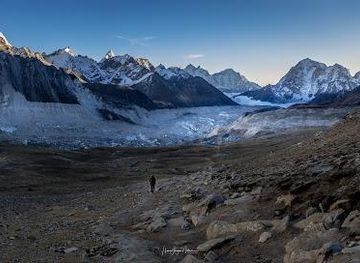

Best landmarks in Namche Bazaar
Namche Bazaar offers visitors a rich cultural experience with its historic landmarks, including the Khumbu Gallery, Sherpa Museum, and the Namche Monastery. The bustling market streets are filled with colorful stalls selling traditional crafts and local delicacies, while the stunning views of the surrounding Himalayas provide a breathtaking backdrop for exploration. Visitors can also embark on treks to nearby attractions such as Everest View Point and Thame Village, immersing themselves in the natural beauty and spiritual heritage of this unique mountain town.
-
Religious institution
Tengboche Monastery
Experience the spiritual heart of the Himalayas at Tengboche Monastery, a serene sanctuary offering breathtaking views and rich Tibetan culture.
19 min drive · 6.4 km from city centre
-
Restaurant
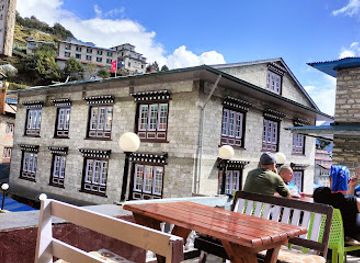
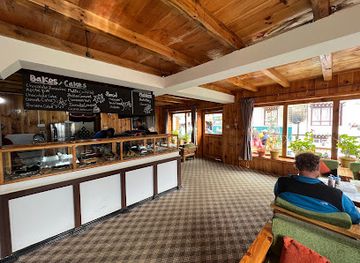
HighCamp Cafe
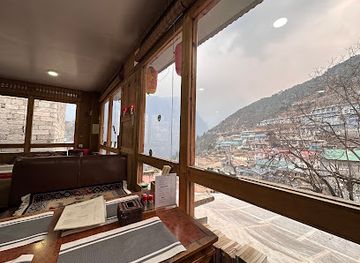
Discover HighCamp Cafe in Namche Bazar, a cozy eatery offering delicious pizza, coffee, and baked goods amidst breathtaking Himalayan views.
1 min walk · 0.1 km from city centre
-
National park
Sagarmatha National Park Jorsalle Entrance Gate
Explore the breathtaking Sagarmatha National Park, home to Mount Everest and rich biodiversity, a paradise for trekkers and nature lovers.
11 min drive · 3.6 km from city centre
-
Museum
Sagarmatha National Park Museum
Explore the Sagarmatha National Park Museum for an unforgettable journey into the heart of the Himalayas, celebrating nature and Sherpa culture.
6 min walk · 0.5 km from city centre

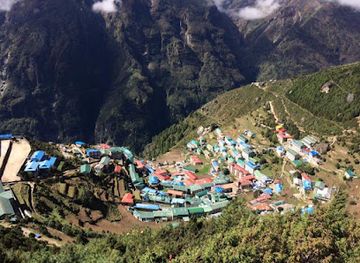

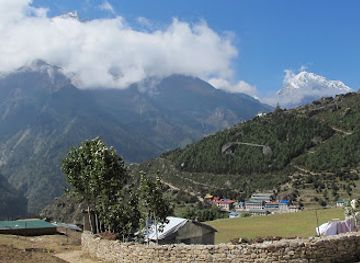
Explore Namche Bazaar on the map
Plan your Namche Bazaar trip on one map. See where the top attractions, landmarks, restaurants, bars and hotels are, find what's near where you're staying, and book hotels and experiences in a few clicks.
Best hotels in Namche Bazaar
Best restaurants in Namche Bazaar
Namche Bazaar boasts a unique dining scene that offers a blend of traditional Nepalese cuisine and international flavors to cater to every palate. From cozy cafes serving freshly brewed coffee and baked goods to bustling restaurants offering hearty Sherpa dishes and international favorites, visitors can indulge in a culinary adventure like no other. Enjoy panoramic views of the Himalayas while dining al fresco or cozy up by a fireplace in a rustic lodge - the dining experience in Namche Bazaar is sure to leave a lasting impression on every traveler.
-
Restaurant
HighCamp Cafe
Discover HighCamp Cafe in Namche Bazar: A delightful restaurant serving fresh pastries, artisan coffee, and delicious pizzas amidst stunning Himalayan views.
1 min walk · 0.1 km from city centre
-
Restaurant
Everest steak & wine House, Namche
Experience exquisite dining at Everest Steak & Wine House in Namche Bazar—where gourmet flavors meet breathtaking Himalayan views.
1 min walk · 0.1 km from city centre
-
Restaurant
Eat smart
Experience authentic Nepali cuisine with breathtaking views at Eat Smart in Namche Bazar along the Everest Base Camp trek.
1 min walk · 0.1 km from city centre
-
Restaurant
TOMODACHI Restaurant
Discover the flavors of Nepal at TOMODACHI Restaurant in Namche Bazar - where local ingredients meet Himalayan hospitality.
1 min walk · 0.1 km from city centre
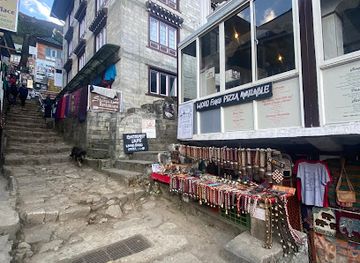
Best bars in Namche Bazaar
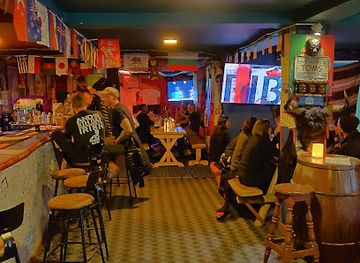
Namche Bazaar offers a unique nightlife experience for visitors, with a variety of bars and nightclubs that cater to different tastes. From cozy traditional teahouses where you can relax with a warm drink and enjoy live music, to lively pubs where you can dance the night away to local and international beats, there is something for everyone. The vibrant atmosphere, stunning mountain views, and friendly locals create a lively and memorable nightlife scene that should not be missed.
-
Restaurant
HighCamp Cafe
Discover the flavors of the Himalayas at HighCamp Cafe, where every meal is a taste of adventure in Namche Bazar.
1 min walk · 0.1 km from city centre
-
Restaurant
Sherpa Barista Bakery & Coffee Shop
Experience the warmth of Sherpa Barista Bakery & Coffee Shop, where delicious coffee and fresh pastries meet stunning Himalayan views.
1 min walk · 0.1 km from city centre
-
Pub
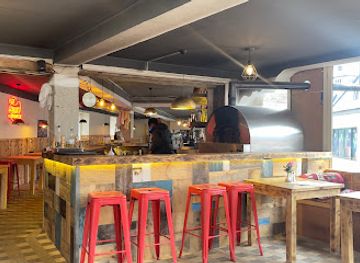
Irish Pub
Discover the warmth of camaraderie at Namche Bazaar's vibrant Irish Pub, where adventure meets relaxation in the heart of the Himalayas.
1 min walk · 0.1 km from city centre
-
Restaurant
Everest steak & wine House, Namche
Experience the perfect blend of gourmet dining and breathtaking Himalayan views at Everest Steak & Wine House in Namche Bazar.
1 min walk · 0.1 km from city centre

Best nightclubs in Namche Bazaar
Namche Bazaar offers a unique nightlife experience for visitors, with a variety of bars and nightclubs that cater to different tastes. From cozy traditional teahouses where you can relax with a warm drink and enjoy live music, to lively pubs where you can dance the night away to local and international beats, there is something for everyone. The vibrant atmosphere, stunning mountain views, and friendly locals create a lively and memorable nightlife scene that should not be missed.
-
Pub
Irish Pub
Experience the warmth of an Irish Pub in the heart of Namche Bazaar, where trekkers gather to relax and enjoy hearty meals after a day of adventure.
1 min walk · 0.1 km from city centre
-
Cafe
Namche Bakery Cafe
Discover the warm embrace of Namche Bakery Cafe, where delicious treats and stunning Himalayan views await every traveler.
1 min walk · 0.1 km from city centre
-
Bar
Liquid Bar Namche
Discover Liquid Bar Namche: A vibrant bar in Namche Bazar offering stunning mountain views, delicious drinks, and a lively atmosphere for all travelers.
1 min walk · 0.1 km from city centre
-
Ethnographic museum
Sherpa Culture Museum
Explore the Sherpa Culture Museum: A Journey Through Tradition, Heritage, and the Spirit of the Himalayas.
6 min walk · 0.5 km from city centre

Best shops in Namche Bazaar
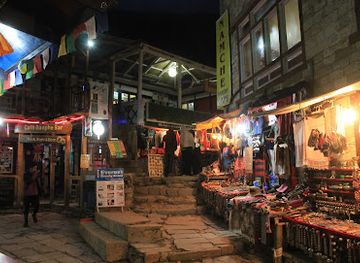
Namche Bazaar offers a unique shopping experience for visitors, with its bustling market filled with colorful stalls selling traditional Nepalese handicrafts, clothing, and souvenirs. From intricately woven carpets and brightly patterned scarves to handmade jewelry and authentic local artwork, there is something for every taste and budget. Visitors can also browse through local shops selling trekking gear and outdoor equipment, perfect for those planning to explore the surrounding Himalayan mountains. The lively atmosphere, friendly vendors, and stunning mountain views make shopping in Namche Bazaar a must-do for tourists looking to immerse themselves in the vibrant culture of Nepal.
-
Cafe
Sherpa Barista Bakery & Coffee Shop
Discover the perfect blend of Himalayan charm and culinary delights at Sherpa Barista Bakery & Coffee Shop in Namche Bazar.
1 min walk · 0.1 km from city centre
-
Bakery
Hermann Helmers
Experience the flavors of the Himalayas at Hermann Helmers, a beloved bakery in Namche Bazar offering delightful treats and a warm atmosphere.
1 min walk · 0.1 km from city centre
-
Bakery
Everest Bakery
Discover the delightful flavors of the Himalayas at Everest Bakery in Namche Bazar, a perfect stop for all trekkers and tourists seeking comfort food.
1 min walk · 0.1 km from city centre
-
Coffee shop
Stupa Cafe
Discover the serene ambiance of Stupa Cafe in Namche Bazar, where exceptional coffee meets breathtaking Himalayan views.
1 min walk · 0.1 km from city centre


Get your free copy of our complete guide to Namche Bazaar, delivered straight to you.
Everything on this page, from attractions and restaurants to essentials and local phrases, in one PDF you can read offline, print or share.
Already have an account? Sign in
Your Namche Bazaar guide is ready.
We'll send it to · Not you? Sign out

Getting your guide ready…
We are putting together a fresh copy of the Namche Bazaar guide. This can take up to a minute.
This can take a few moments. If your browser asks, choose Allow so the download can start. You'll find the guide in your Downloads folder.
Nothing happened? Download it again
Sorry, the guide is taking longer than usual. Please try again in a minute, or get it by email instead.
Namche Bazaar essentials
Currency and Payment
Safety
Emergency Situations
Do's and Don'ts
Local Tips
From Eve
Local phrases worth knowing
You don't need to get them perfect. A few words go a long way, and locals appreciate the effort.
Basics
| English | Local | Say it |
|---|---|---|
| Hello | नमस्ते | [namaste] |
| Goodbye | फेरी भेटौं | [pheri bhetou] |
| Yes | हो | [ho] |
| No | होइन | [hoin] |
| Please/You're welcome | कृपया | [krupaya] |
| Thank you | धन्यवाद | [dhanyabad] |
| Excuse me/Sorry | माफ गर्नुहोस् | [maaf garnuhos] |
| How are you? | तिमीलाई कस्तो छ? | [timilai kasto chha?] |
| Fine. And you? | राम्रो छ। र तिमी? | [ramro chha. ra timi?] |
| Do you speak English? | तिमी अंग्रेजी बोल्नुहुन्छ? | [timi angreji bolnuhunchha?] |
| I don't understand | मैले सम्झिन | [maile samjhin] |
Eating & Drinking
| English | Local | Say it |
|---|---|---|
| I'd like to see the menu, please | कृपया मेनु हेर्न मन लाग्यो | [krupaya menu hern man lagyo] |
| I don't eat meat | म मासु खाँदिन | [ma masu khandin] |
| Cheers! | चियर्स! | [chiyars!] |
| I would like to pay, please | कृपया भुक्तानी गर्न चाहन्छु | [krupaya bhuktani garn chahanchu] |
Emergencies
| English | Local | Say it |
|---|---|---|
| Help! | मदद! | [madad!] |
| Go away! | दूर हुनुहोस्! | [dur hunuhos!] |
| Call the Police! | प्रहरीलाई बोलाउनुहोस्! | [praharilai bolaunuhos!] |
| Call a doctor! | डाक्टरलाई बोलाउनुहोस्! | [daktarlai bolaunuhos!] |
| I'm lost | म गुम भएको छु | [ma gum bhaeko chhu] |
| I'm ill | मलाई बिरामी छ | [malai birami chha] |
Shopping
| English | Local | Say it |
|---|---|---|
| I'd like to buy... | म खरिद गर्न चाहन्छु... | [ma kharid garn chahanchu...] |
| I'm just looking | म फेरि हेर्दै छु | [ma pheri herdai chu] |
| How much is it? | यो कति हो? | [yo kati ho?] |
| That's too expensive | त्यो धेरै महँगो छ | [tyo dherai mahango chha] |
| Can you lower the price? | के तपाईं मुल्य कम गर्न सक्छौ? | [ke tapai mulya kam garn sakchau?] |
Time & Numbers
| English | Local | Say it |
|---|---|---|
| What time is it? | कति बज्यो? | [kati bajyo?] |
| It's one o'clock | एक बज्यो | [ek bajyo] |
| Half past (10) | दस बज्यो को आधा | [das bajyo ko aadha] |
| Morning | बिहान | [bihan] |
| Afternoon | दिउसो | [diouso] |
| Evening | साँझ | [sanh] |
| Yesterday | हिजो | [hijo] |
| Today | आज | [aj] |
| Tomorrow | भोलि | [bholi] |
| 1 | एक | [ek] |
| 2 | दुई | [dui] |
| 3 | तीन | [tin] |
| 4 | चार | [char] |
| 5 | पाँच | [pach] |
| 6 | छ | [chha] |
| 7 | सात | [sat] |
| 8 | आठ | [ath] |
| 9 | नौ | [nau] |
| 10 | दश | [dash] |
Transport & Directions
| English | Local | Say it |
|---|---|---|
| Where's a/the...? | ... कहाँ छ? | [... kaha chha?] |
| What's the address? | ठेगाना के हो? | [thegana ke ho?] |
| Can you show me (on the map)? | तपाईं मलाई देखाउन सक्छिनुहुन्छ (नक्सामा)? | [tapai malai dekhaun sakchinuhunchha (naksama)?] |
| When's the next (bus)? | अर्को (बस) कहिले आउँछ? | [arko (bas) kahile aun chha?] |
| A ticket (to ....) | (...सम्मको) टिकट | [(...sammako) ticket] |
History of Namche Bazaar
Early Settlement and Founding
Namche Bazaar, situated at an altitude of 3,440 meters (11,286 feet), has long been an important trading post in the Khumbu region of Nepal. The village was established in the early 20th century by the indigenous Sherpa people. Historically, it served as a hub for trading between Tibet and Nepal, with goods such as salt, wool, and livestock being exchanged.
Role in Himalayan Expeditions
Namche Bazaar gained international attention in the mid-20th century as a key stopover for mountaineers attempting to summit Mount Everest. Sir Edmund Hillary and Tenzing Norgay passed through Namche Bazaar during their historic 1953 Everest expedition. The village has since been a critical acclimatization point for climbers and trekkers heading towards Everest Base Camp.
Development of Tourism
In the 1970s, Namche Bazaar began to transform with the influx of tourism. The establishment of the Sagarmatha National Park in 1976 further boosted its status as a trekking and mountaineering destination. Local businesses adapted to cater to the needs of international visitors, offering lodges, restaurants, and trekking gear shops.
Cultural Significance
Namche Bazaar is not just a commercial center but also a cultural hub for the Sherpa community. The village is home to several important religious and cultural sites, including the Namche Monastery. Traditional festivals such as Mani Rimdu are celebrated with great fervor, featuring masked dances and rituals that attract both locals and tourists.
Modern Developments
In recent decades, Namche Bazaar has seen significant modernization. Infrastructure improvements, such as the construction of better roads and communication networks, have made the village more accessible. Educational institutions and health facilities have also been established, contributing to the overall development of the region.
Impact of 2015 Earthquake
In April 2015, a devastating earthquake struck Nepal, causing extensive damage in Namche Bazaar and the surrounding areas. Many buildings were destroyed or severely damaged. However, the resilient spirit of the local community led to a swift recovery, with reconstruction efforts supported by both national and international aid.
Travel experiences inspired by this city


Swipe for more travel diaries
Namche Bazaar in Photos
Browse through our photo collection highlighting the charm and character of the destination.
Cities near Namche Bazaar
The closest cities to Namche Bazaar, if you have time for more than one stop.
-

-

-

-

-


Swipe for more cities
Explore more

Explore more of Nepal
Discover Nepal: A land of towering peaks, spiritual harmony, and vibrant culture, offering endless adventures and serene escapes for every traveler.
Explore Nepal