

Gulmarg Travel Guide - Free Web & App
Your ultimate guide to Gulmarg. Discover top landmarks, proposed trips, and local tips. Free on the web or via the Evendo companion app.


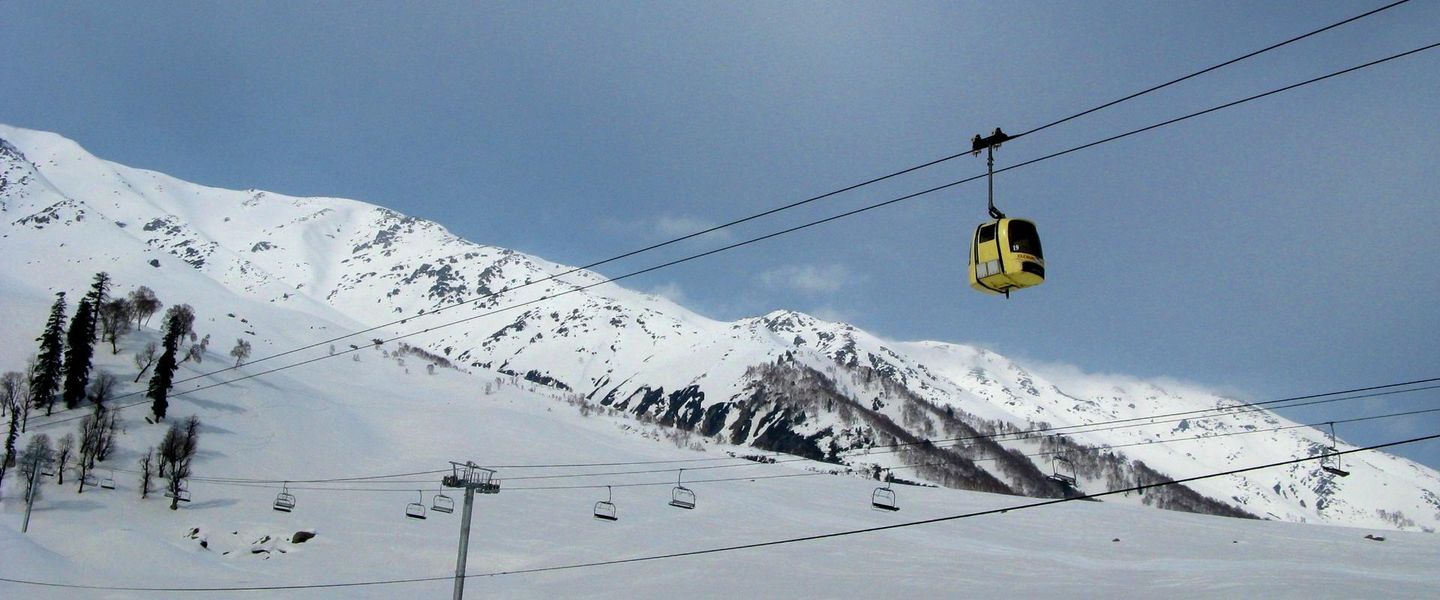


Gulmarg, India combines Kashmir’s alpine meadows, winter skiing, gondola rides, Himalayan views and scenic walks around Apharwat Peak near Srinagar.
Mountain Landscape
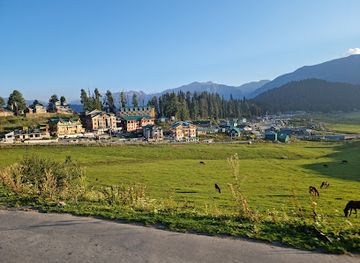
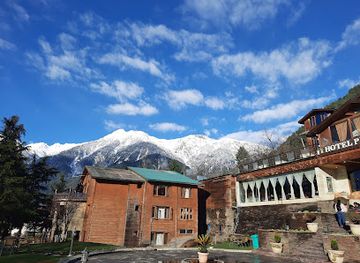
Gulmarg lies in the Kashmir Valley of northern India, around 50 kilometres west of Srinagar in the Pir Panjal range. Its name means “meadow of flowers”, an apt description of the broad, open grasslands that spread across a high plateau beneath forested slopes and snow-covered summits. The resort stands at roughly 2,650 metres, while the higher terrain around Apharwat Peak rises well above 4,000 metres. Coniferous forests, seasonal streams and long views towards the Kashmir mountains give the area a distinctly alpine character, although its cultural setting remains rooted in the valley below.Read more about Gulmarg
Outdoor Activities and Seasons
Heritage and Local Character
When is the best time to visit Gulmarg?
Best: June–August · 22–24°C| Month | High (°C) | Rainfall (mm) |
|---|---|---|
| January | 1 | 80 |
| February | 4 | 70 |
| March | 7 | 60 |
| April | 12 | 50 |
| May | 18 | 40 |
| June (best) | 22 | 40 |
| July (best) | 24 | 40 |
| August (best) | 24 | 40 |
| September | 21 | 40 |
| October | 15 | 50 |
| November | 10 | 60 |
| December | 6 | 70 |
Getting to and around Gulmarg
How to get there
Transportation
Best attractions in Gulmarg
Gulmarg’s principal attraction is its broad mountain meadow, framed by conifer forests and the high Pir Panjal slopes. In winter, the resort becomes a base for skiing and snowboarding, with the Gulmarg Gondola ascending towards Kongdoori and the Apharwat area; in summer, the meadows support walking, golf and seasonal outdoor excursions. Apharwat Peak provides the setting for high-altitude views, although conditions can be demanding, while Alpather Lake is a notable destination reached from the upper mountain by a strenuous route whose accessibility varies with season and weather. The Gulmarg Biosphere Reserve and surrounding forest habitat offer opportunities for landscape appreciation and birdwatching, with sightings never guaranteed. Within the resort, the historic St Mary’s Church, the Maharani Temple and the old golf landscape add cultural interest. Tangmarg and the road through the lower Kashmir Valley provide a useful contrast to the open, high-altitude environment of Gulmarg itself.
-
Tourist attraction
Kongdoori Phase 1
Ascend to breathtaking Himalayan views on Gulmarg's iconic cable car, a scenic gateway to adventure and natural beauty.
-
Mountain cable car
Gulmarg Gondola
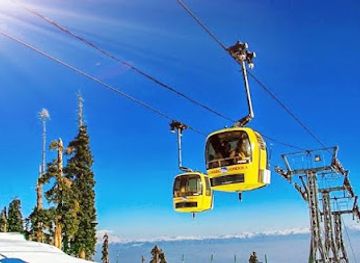
Experience the Himalayas from above on Asia's highest cable car, offering breathtaking views and access to world-class skiing in Gulmarg.
-
Tourist attraction
Apharwat
Ascend to Asia's longest ski slope in Gulmarg for breathtaking Himalayan views and thrilling winter adventures at Apharwat Peak.
-
Tourist attraction
Kashmir gulmarg
Discover the breathtaking beauty of Gulmarg, Kashmir—home to stunning landscapes, thrilling winter sports, and a rich cultural heritage.


Best landmarks in Gulmarg
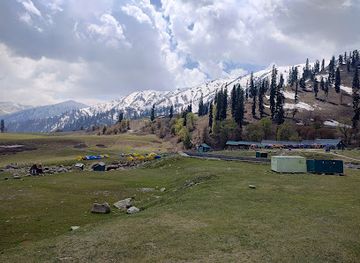
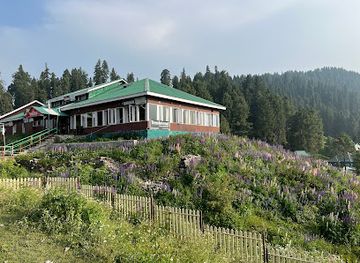
The defining natural landmark of Gulmarg is its high meadow, an open plateau set against the forested ridges of the Pir Panjal range. Above it, Apharwat Peak forms the dramatic high point of the resort landscape and is reached in the direction of the upper gondola stations, subject to operating and weather conditions. Alpather Lake, lying beneath the higher mountain terrain, is a seasonal alpine feature whose appearance changes with snow and thaw. The Gulmarg Gondola has become a significant modern landmark as well as a means of gaining elevation. Human landmarks include the historic St Mary’s Church, the Maharani Temple and the long-established golf course, each illustrating a different strand of Gulmarg’s resort history and cultural character.
-
Mountain cable car
Kongdoori Phase 1
Experience the breathtaking beauty of the Himalayas from Kongdoori Phase 1, a premier mountain cable car attraction in Gulmarg, Jammu and Kashmir.
-
Nature preserve
Gulmarg Wildlife Sanctuary
Explore the breathtaking beauty of Gulmarg Wildlife Sanctuary, a natural preserve brimming with diverse wildlife and stunning landscapes in Jammu and Kashmir.
-
Hotel
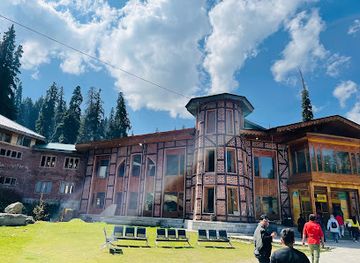
The Khyber Himalayan Resort & Spa
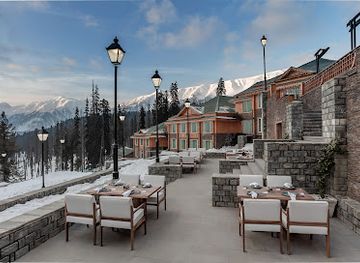
Experience the serenity and luxury of The Khyber Himalayan Resort & Spa, a premier destination nestled in the heart of Jammu and Kashmir's breathtaking landscapes.
-
Mountain cable car
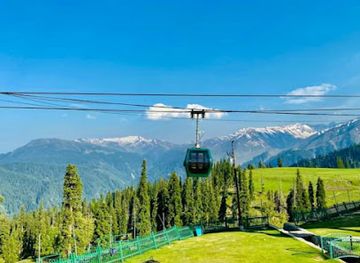
Gulmarg Gondola
Discover the breathtaking heights of the Gulmarg Gondola, a must-visit mountain cable car experience in the stunning landscapes of Jammu and Kashmir.
Explore Gulmarg on the map
Plan your trip on one map. See where the top attractions, landmarks, restaurants and hotels are, and book hotels and experiences in a few clicks.
Best hotels in Gulmarg
Best restaurants in Gulmarg
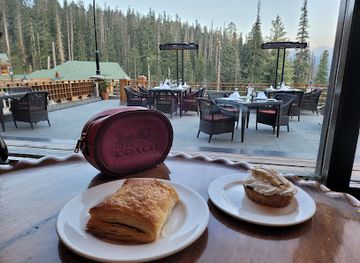
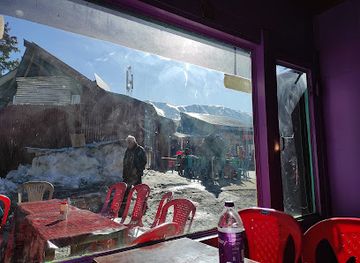
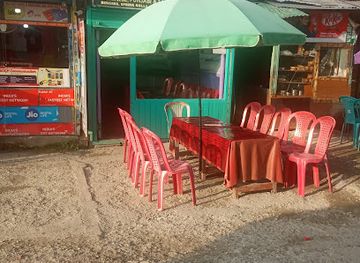
Dining in Gulmarg is concentrated in hotels, guesthouses and a modest selection of local eateries rather than in a large independent restaurant district. Menus commonly draw on Kashmiri food traditions, including rice-based meals, breads, slow-cooked meat dishes, vegetables and aromatic use of saffron and spices, alongside familiar Indian and international choices aimed at visitors and winter-sports groups. The cold climate makes warming soups, tea and substantial meals particularly practical after time outdoors. Tangmarg and other settlements on the approach offer additional everyday food options, while Srinagar has the broadest choice of Kashmiri restaurants, cafés and traditional dining. Visitors travelling beyond the central resort should not assume that food outlets will be frequent, and it is sensible to arrange meals through accommodation or carry suitable provisions for longer mountain excursions.
-
Restaurant
Bakshi Restaurant
Experience exquisite dining at Bakshi Restaurant in Gulmarg - where traditional flavors meet stunning Himalayan views.
-
Indian
Cloves Restaurant
Experience the vibrant flavors of authentic Indian cuisine at Cloves Restaurant in Forest Block.
-
Restaurant
Restaurant Hill point
Discover authentic Indian flavors at Restaurant Hill Point in Gulmarg - where every meal is a delightful journey through taste.
-
Hotel
Yemberzal Hotel & Restaurant
Discover comfort and flavor at Yemberzal Hotel & Restaurant in Gulmarg – where local hospitality meets exquisite dining.

Best bars in Gulmarg
Gulmarg is a quiet mountain resort rather than a nightlife destination, and evening entertainment is centred mainly on hotel lounges, dining rooms and informal social spaces. Some accommodation establishments may serve drinks where permitted, but the atmosphere is generally subdued, particularly outside the winter holiday season. There is no established concentration of nightclubs or late-night entertainment venues in the meadow area. Evenings are better suited to local food, tea, conversation and rest after walking or snow activities, with weather and altitude encouraging an early finish. Visitors seeking a broader choice of cafés, restaurants and cultural evening experiences will find more options in Srinagar, outside the Gulmarg destination itself.
-
Restaurant
Restaurant Hill point
Discover authentic Indian flavors at Restaurant Hill Point in Gulmarg, a must-visit for food enthusiasts exploring Jammu and Kashmir.
-
Restaurant
Yemberzal Hotel & Restaurant
Experience the best of Kashmiri cuisine and comfortable lodging at Yemberzal Hotel & Restaurant in the enchanting Gulmarg.
-
Family-friendly
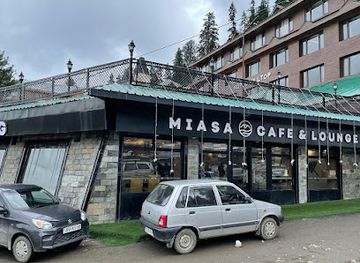
Miasa Cafe
Discover the family-friendly Miasa Cafe in Gulmarg, where delicious cuisine meets stunning mountain views for an unforgettable dining experience.
-
Restaurant
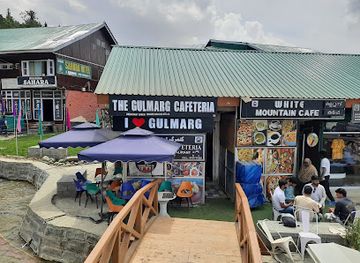
The Gulmarg Cafeteria
Experience the perfect blend of delicious cuisine and stunning views at The Gulmarg Cafeteria in the heart of Jammu and Kashmir.
Best nightclubs in Gulmarg
Gulmarg is a quiet mountain resort rather than a nightlife destination, and evening entertainment is centred mainly on hotel lounges, dining rooms and informal social spaces. Some accommodation establishments may serve drinks where permitted, but the atmosphere is generally subdued, particularly outside the winter holiday season. There is no established concentration of nightclubs or late-night entertainment venues in the meadow area. Evenings are better suited to local food, tea, conversation and rest after walking or snow activities, with weather and altitude encouraging an early finish. Visitors seeking a broader choice of cafés, restaurants and cultural evening experiences will find more options in Srinagar, outside the Gulmarg destination itself.
-
Ski school
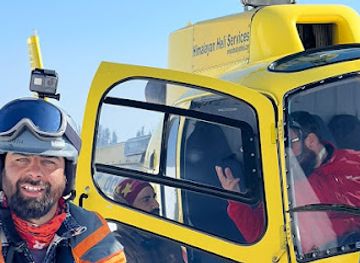
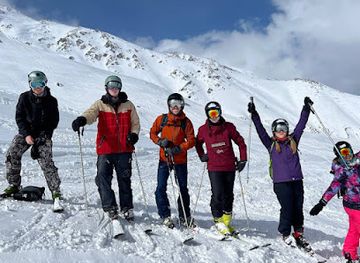
Gulmarg Ski Adventure
Experience the thrill of skiing in Gulmarg's breathtaking landscapes, a winter paradise in the heart of the Himalayas.
-
Ski school
Gulmarg Ski Club
Discover the ultimate skiing experience at Gulmarg Ski Club, where adventure meets breathtaking beauty in the heart of Kashmir.
-
 Disco club
Open 24 Gulmarg
Dive into the vibrant nightlife of Gulmarg at Open 24, a disco club that promises an unforgettable experience amidst stunning Himalayan beauty.
Best shops in Gulmarg
Shopping in Gulmarg is limited and practical, with small local shops and resort-oriented outlets providing basic supplies, winter accessories, snacks and items useful for visitors. The area is not a major craft or retail centre, so a wider selection of Kashmiri handicrafts, textiles, carpets, embroidered goods, papier-mâché work and regional food products is more readily found in Srinagar. Tangmarg can be useful for everyday provisions on the approach, while larger purchases are best planned before travelling into the mountain resort. Visitors should distinguish locally made goods from generic souvenirs and ask about materials and provenance when buying handicrafts. Outdoor clothing and equipment may be available through local tourism and ski services, but range and availability can vary by season.
-
Outdoor activity organiser
GO GULMARG ADVENTURES
Experience the thrill of outdoor adventures with Go Gulmarg Adventures, from skiing to hiking in the scenic beauty of Jammu and Kashmir.
-
Travel agency
Discover Gulmarg Adventures
Discover the thrill of adventure sports in the stunning landscapes of Gulmarg, Jammu and Kashmir, from skiing to ATV rentals and more.
-
Ski school
Gulmarg Snowkings, The Best Ski/Snowboard School & Ski-Shop in Gulmarg Ski Resort.
Experience world-class skiing at Gulmarg Snowkings, the premier ski school and shop nestled in the breathtaking landscapes of Jammu and Kashmir.
-
Skating Instructor
Himalayan Edges SkiTrekTravel
Experience the thrill of skiing and snowboarding at Himalayan Edges SkiTrekTravel, the ultimate adventure destination in Gulmarg, Kashmir.
Get your free copy of our complete guide to Gulmarg, delivered straight to you.
Everything on this page, from attractions and restaurants to essentials and local phrases, in one PDF you can read offline, print or share.
Already have an account? Sign in
Your Gulmarg guide is ready.
We'll send it to · Not you? Sign out

Getting your guide ready…
We are putting together a fresh copy of the Gulmarg guide. This can take up to a minute.
This can take a few moments. If your browser asks, choose Allow so the download can start. You'll find the guide in your Downloads folder.
Nothing happened? Download it again
Sorry, the guide is taking longer than usual. Please try again in a minute, or get it by email instead.
Gulmarg essentials
Currency and Payment
Safety
Emergency Situations
Do's and Don'ts
Local Tips
From Eve
Local phrases worth knowing
You don't need to get them perfect. A few words go a long way, and locals appreciate the effort.
Basics
| English | Local | Say it |
|---|---|---|
| Hello | नमस्ते | [Namaste] |
| Goodbye | अलविदा | [Alvida] |
| Yes | हाँ | [Haan] |
| No | नहीं | [Nahi] |
| Please/You're welcome | कृपया | [Kripaya] |
| Thank you | धन्यवाद | [Dhanyavad] |
| Excuse me/Sorry | माफ़ कीजिए | [Maaf kijiye] |
| How are you? | कैसे हो? | [Kaise ho?] |
| Fine. And you? | ठीक हूँ। आप? | [Theek hoon. Aap?] |
| Do you speak English? | क्या आप अंग्रेज़ी बोलते हैं? | [Kya aap angrezi bolte hain?] |
| I don't understand | मुझे समझ में नहीं आया | [Mujhe samajh mein nahi aaya] |
Eating & Drinking
| English | Local | Say it |
|---|---|---|
| I'd like to see the menu, please | कृपया मेनू दिखाइए | [Kripaya menu dikhaiye] |
| I don't eat meat | मैं मांस नहीं खाता | [Main maans nahi khaata] |
| Cheers! | चियर्स! | [Cheers!] |
| I would like to pay, please | कृपया मैं भुगतान करना चाहूं | [Kripaya main bhugtan karna chahoon] |
Emergencies
| English | Local | Say it |
|---|---|---|
| Help! | मदद! | [Madad!] |
| Go away! | चले जाओ! | [Chale jao!] |
| Call the Police! | पुलिस को बुलाओ! | [Police ko bulao!] |
| Call a doctor! | डॉक्टर को बुलाओ! | [Doctor ko bulao!] |
| I'm lost | मैं खो गया हूँ | [Main kho gaya hoon] |
| I'm ill | मुझे बीमारी है | [Mujhe bimari hai] |
Shopping
| English | Local | Say it |
|---|---|---|
| I'd like to buy... | मैं खरीदना चाहता हूँ... | [Main khareedna chahta hoon...] |
| I'm just looking | मैं बस देख रहा हूँ | [Main bas dekh raha hoon] |
| How much is it? | यह कितने का है? | [Yeh kitne ka hai?] |
| That's too expensive | यह बहुत महंगा है | [Yeh bahut mehnga hai] |
| Can you lower the price? | क्या आप कीमत कम कर सकते हैं? | [Kya aap keemat kam kar sakte hain?] |
Time & Numbers
| English | Local | Say it |
|---|---|---|
| What time is it? | कितने बजे हैं? | [Kitne baje hain?] |
| It's one o'clock | एक बजे हैं | [Ek baje hain] |
| Half past (10) | दस बजे के बाद सवा दस | [Das baje ke baad sava das] |
| Morning | सुबह | [Subah] |
| Afternoon | दोपहर | [Dopahar] |
| Evening | शाम | [Shaam] |
| Yesterday | कल | [Kal] |
| Today | आज | [Aaj] |
| Tomorrow | कल | [Kal] |
| 1 | एक | [Ek] |
| 2 | दो | [Do] |
| 3 | तीन | [Teen] |
| 4 | चार | [Char] |
| 5 | पाँच | [Paanch] |
| 6 | छे | [Che] |
| 7 | सात | [Saath] |
| 8 | आठ | [Aath] |
| 9 | नौ | [Nau] |
| 10 | दस | [Das] |
Transport & Directions
| English | Local | Say it |
|---|---|---|
| Where's a/the...? | ...कहां है? | [...Kahan hai?] |
| What's the address? | पता क्या है? | [Pata kya hai?] |
| Can you show me (on the map)? | क्या आप मुझे दिखा सकते हैं (नक्शे पर)? | [Kya aap mujhe dikha sakte hain (naksha par)?] |
| When's the next (bus)? | अगली (बस) कब है? | [Agli (bus) kab hai?] |
| A ticket (to ....) | एक टिकट (के लिए ....) | [Ek ticket (ke liye ....)] |
History of Gulmarg
A Kashmir Mountain Landscape
Gulmarg’s physical setting was shaped by the geological development of the Himalayan and Pir Panjal ranges, whose uplift and erosion produced the high valleys, forested ridges and open alpine ground surrounding the resort. The meadows are part of a wider mountain environment that has long supported seasonal grazing and movement between lower Kashmir and higher summer pastures. This landscape history is distinct from the later resort history of Gulmarg: its forests, slopes and snowfields existed as working and ecological environments before the area became an internationally recognised holiday and winter-sports centre.
Early Kashmir Associations
The meadows of Gulmarg were known within the cultural and geographical world of Kashmir before the arrival of colonial tourism. Kashmir’s rulers, travellers and pastoral communities used and described the wider valley and mountain routes, while seasonal agricultural and grazing practices shaped the relationship between settlements and uplands. The name Gulmarg, commonly translated as “meadow of flowers”, reflects the area’s floral character. Accounts of Kashmir’s landscape helped establish its reputation beyond the valley, although Gulmarg remained principally a rural mountain environment until the nineteenth century.
The Colonial Hill Resort
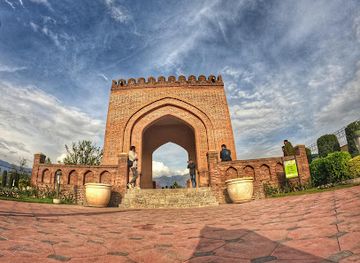
Gulmarg developed as a resort during the British period, when officials and visitors sought cooler mountain environments away from the heat of the plains. Roads, seasonal residences, hospitality facilities and recreational traditions gradually gave the meadow a more formal tourism identity. Golf became an important part of that identity, and Gulmarg’s historic course remains associated with the resort’s colonial-era development. Churches and early resort buildings also reflect the presence of European visitors, while the surrounding villages and working landscape continued to connect Gulmarg to the local economy of Kashmir.
Skiing and Modern Tourism
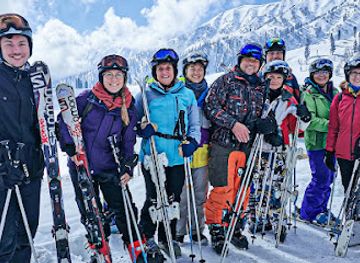
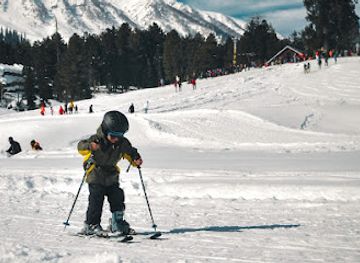
Organised skiing became established in Gulmarg during the twentieth century, building on the area’s reliable winter snow and naturally varied mountain terrain. The resort subsequently developed into a centre for skiing, snowboarding and mountaineering, while summer tourism expanded through golf, walking and excursions into the higher landscape. The Gulmarg Gondola further changed access to the upper slopes by linking the resort with Kongdoori and the Apharwat area. Modern Gulmarg therefore combines an older hill-station character with a substantial seasonal adventure economy.
Conservation and Environmental Pressure
The forests and alpine habitats around Gulmarg are recognised for their ecological value, including within the Gulmarg Wildlife Sanctuary landscape. Conservation is increasingly important as resort development, visitor traffic, winter recreation and changing weather place pressure on fragile high-altitude environments. Snow conditions, meadow vegetation, water resources and wildlife habitats are all affected by how visitors move through the area. Contemporary tourism operates alongside the need to manage construction, waste, grazing, transport and recreational access responsibly, particularly in the upper slopes and forest margins.
Gulmarg in Photos
Browse through our photo collection highlighting the charm and character of the destination.
Neighbouring destination travel guides
The closest destinations to Gulmarg, if you have time for more than one.
-

-

-

-

-


Swipe for more destinations
Explore more
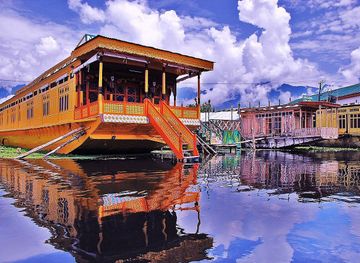
Explore more of Kashmir Valley
Discover the mesmerizing beauty of Kashmir Valley, a paradise on earth with stunning landscapes, rich cultural heritage, and thrilling adventures.
Explore Kashmir Valley
Explore more of India
Discover the magic of India, where diverse landscapes, rich heritage, and vibrant culture come together to create an unforgettable travel experience.
Explore India