

Free Kashmir Valley Travel Guide & Mobile App
Explore Kashmir Valley with free travel guides. Discover regional history, expert tips, proposed trips, and audio guides on web or mobile app.


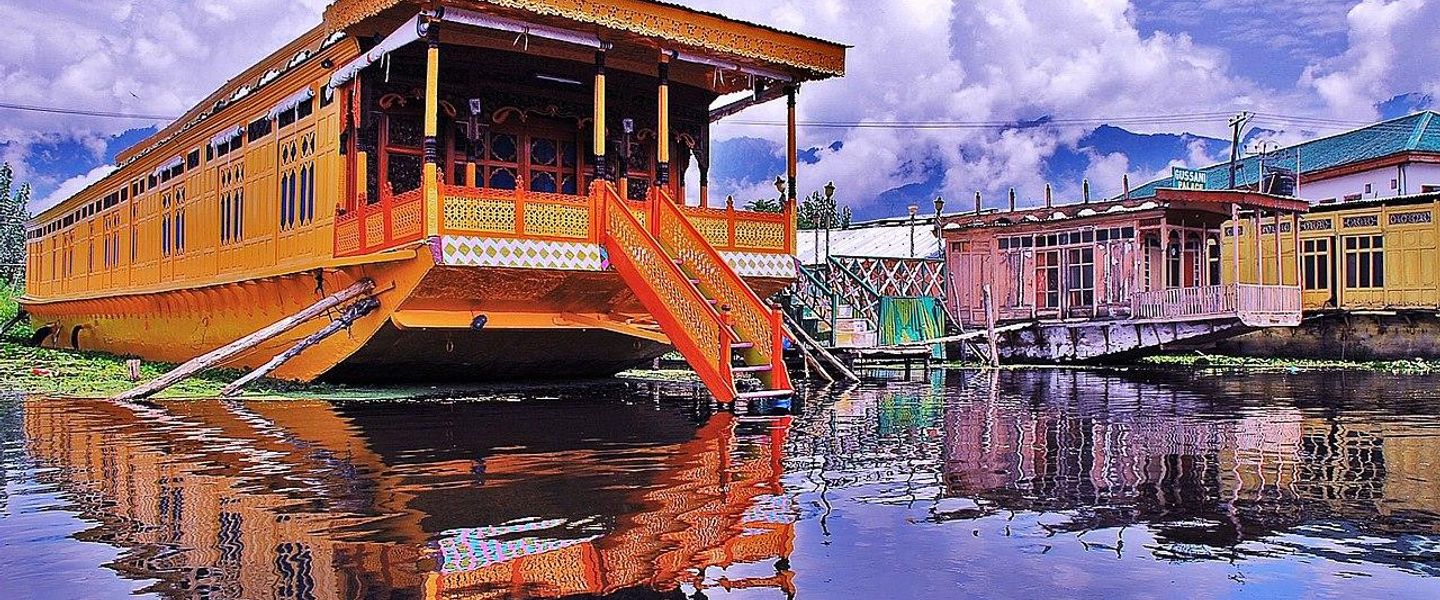


Discover the mesmerizing beauty of Kashmir Valley, a paradise on earth with stunning landscapes, rich cultural heritage, and thrilling adventures.
Read more about Kashmir Valley
When is the best time to visit Kashmir Valley?
Best: May–June, September · 24–28°C| Month | High (°C) | Rainfall (mm) |
|---|---|---|
| January | 5 | 70 |
| February | 8 | 80 |
| March | 15 | 90 |
| April | 19 | 80 |
| May (best) | 24 | 70 |
| June (best) | 28 | 60 |
| July | 30 | 70 |
| August | 29 | 80 |
| September (best) | 26 | 70 |
| October | 19 | 60 |
| November | 12 | 50 |
| December | 8 | 60 |
Getting to and around Kashmir Valley
How to get there
Transportation
Destinations in Kashmir Valley
Resorts, valleys and scenic spots worth a trip of their own.
-

-

-


Swipe for more destinations
Best attractions in Kashmir Valley
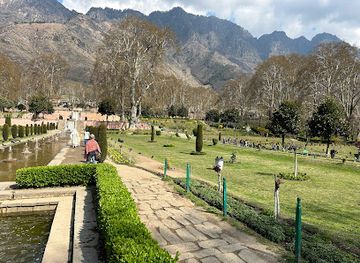
Nestled in the northern reaches of India, the Kashmir Valley offers a mesmerizing blend of natural beauty, rich history, and vibrant culture that captivates every visitor. The pristine Dal Lake, with its charming houseboats and shikaras, invites serene boat rides amidst stunning Himalayan backdrops. Wander through the Mughal Gardens, like Shalimar Bagh and Nishat Bagh, adorned with cascading terraces, blooming flowers, and intricate fountains. The ancient city of Srinagar is a tapestry of historical wonders, from the majestic Jamia Masjid to the fort of Hari Parbat. Adventure enthusiasts can trek through the lush meadows of Gulmarg or ski down its snow-clad slopes in winter. Pahalgam, with its verdant landscapes and the Lidder River, offers tranquil hikes and pony rides. The spiritual aura of Amarnath Cave and the sacred Shankaracharya Temple provide a deep connection to the region's religious tapestry. Every corner of the Kashmir Valley promises an unforgettable experience, weaving together nature, adventure, and history in an enchanting symphony.
-
Garden
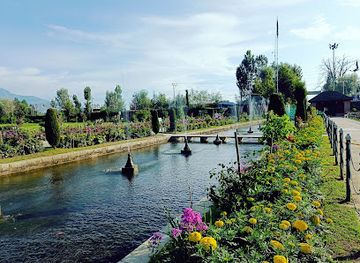
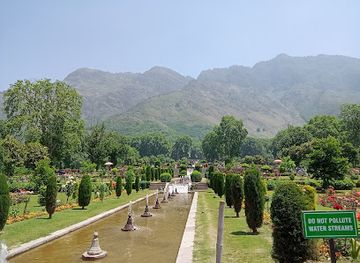
Shalimar Bagh Mughal Garden
Explore the beauty of Shalimar Bagh, a breathtaking Mughal garden in Srinagar, rich in history and natural splendor.
-
Tourist attraction
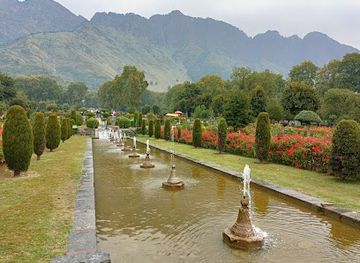
Nishat Garden
Explore the enchanting Nishat Garden in Srinagar, a breathtaking Mughal garden offering stunning views, serene landscapes, and rich cultural heritage.
-
Garden
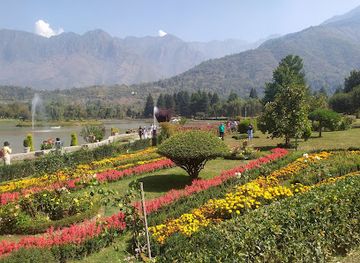
Tulip Garden Srinagar
Explore the breathtaking Tulip Garden Srinagar, where vibrant blooms meet serene landscapes, creating an unforgettable floral experience in Jammu and Kashmir.
-
Park
Wadiy e Hajan
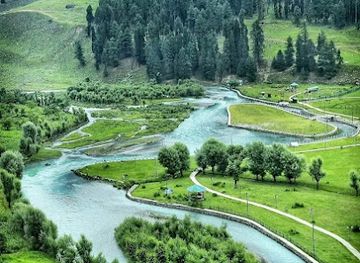
Discover the serene beauty of Wadiy e Hajan, a stunning park in Pahalgam known for its lush landscapes and Himalayan views.
Best landmarks in Kashmir Valley
Nestled between the majestic peaks of the Himalayas, the Kashmir Valley offers an enchanting tapestry of natural and historical wonders that beckon travelers. Picture-perfect Dal Lake, with its traditional houseboats and vibrant Shikara rides, provides a serene escape, while the Mughal Gardens, such as Shalimar Bagh and Nishat Bagh, display meticulously manicured beauty reminiscent of a bygone era. The ancient Shankaracharya Temple perched on a hill offers panoramic views and spiritual solace, while the historic Jamia Masjid in Srinagar stands as a testament to Indo-Saracenic architecture. For the adventure-seekers, Gulmarg's snow-capped slopes invite skiing in winter and lush meadows in summer, and the awe-inspiring vistas from the alpine trails of Pahalgam offer breathtaking treks. Each landmark in Kashmir Valley is a chapter of history and nature, waiting to be explored.
-
Garden
Shalimar Bagh Mughal Garden
Discover the serene beauty and historical charm of Shalimar Bagh Mughal Garden in Srinagar, where nature and Mughal architecture blend seamlessly.
-
Park
Wadiy e Hajan
Explore the serene beauty of Wadiy e Hajan, a tranquil park in Pahalgam, Jammu and Kashmir, perfect for nature lovers and adventurers.
-
Historical place
Pari Mahal
Discover the beauty of Pari Mahal, a historic garden in Srinagar that blends Mughal architecture with breathtaking views of Dal Lake.
-
Handicraft
Shah Kashmir Arts Emporium
Explore the rich craftsmanship of Kashmir at Shah Kashmir Arts Emporium, a premier destination for exquisite handicrafts and unique souvenirs.

Explore Kashmir Valley on the map
Plan your trip on one map. See where the top cities, national parks and sights are, and book hotels and experiences in a few clicks.
Best hotels in Kashmir Valley
Best restaurants in Kashmir Valley
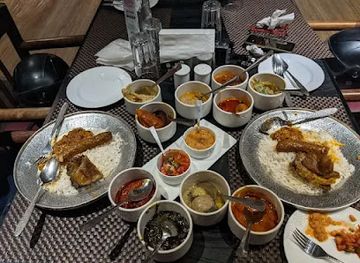
The dining scene in Kashmir Valley is a tantalizing blend of rich flavors and vibrant culinary traditions that promise to captivate your senses. Visitors can indulge in the region's signature Wazwan, a lavish multi-course feast that showcases the finest in Kashmiri cuisine, including succulent Rogan Josh, delicate Yakhni, and the aromatic Dum Aloo. Street-side stalls and cozy tea houses offer the quintessential experience of sipping on Kahwa, a fragrant saffron-infused green tea, while savoring crisp, freshly-made Bakarkhani bread. The markets brim with exotic spices, dried fruits, and the famed Kashmiri saffron, offering a sensory journey that extends beyond the plate. Each meal is an invitation to explore the rich cultural tapestry of Kashmir, making every dining experience an adventure in itself.
-
Kashmiri
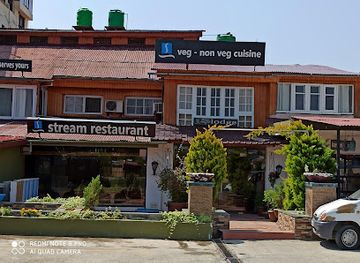
Stream Restaurant
Experience authentic Kashmiri cuisine with stunning views at Stream Restaurant in Srinagar – a fine dining gem by Dalgate Bridge.
-
Kashmiri
Ahdoos Restaurant
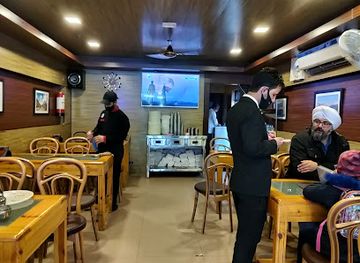
Experience authentic Kashmiri cuisine at Ahdoos Restaurant in Srinagar - where tradition meets taste in every dish.
-
Punjabi
Dana Pani
Discover authentic Punjabi and South Indian flavors at Dana Pani in scenic Pahalgam – a must-visit culinary destination for every traveler.
-
 Lodge
LodgeShamyana Lodge & Restaurant
Discover tranquility and authentic Kashmiri flavors at Shamyana Lodge & Restaurant in beautiful Srinagar.
Best bars in Kashmir Valley
As the sun dips behind the majestic peaks of Kashmir Valley, the nightlife scene subtly comes alive, offering a unique blend of tranquility and cultural richness. Visitors can unwind in charming lakeside shikara rides under the starlit sky, savoring traditional Kashmiri music and the serene glow of floating lanterns. For those seeking a more vibrant experience, the valley's boutique hotels and houseboats host intimate gatherings featuring live Sufi performances, local cuisines, and traditional dance forms that transport you to another era. Tea houses and cafes, adorned with intricate wood carvings, remain open late, serving aromatic kahwa and delectable pastries, perfect for a relaxed evening of storytelling and camaraderie. The nightlife in Kashmir is not about bustling bars and loud clubs but an enchanting, soulful experience that leaves an indelible impression.
-
Tourist attraction
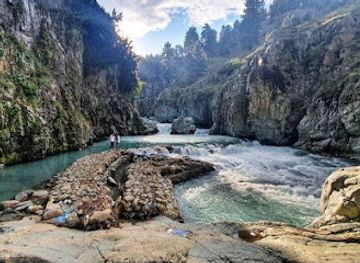
Aharbal Waterfall
Discover the beauty of Aharbal Waterfall, a stunning natural attraction in Jammu and Kashmir, perfect for relaxation and adventure.
-
Lounge
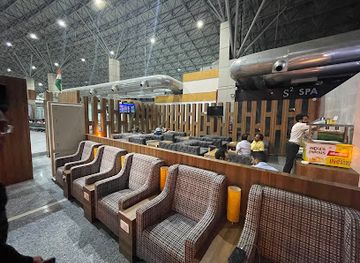
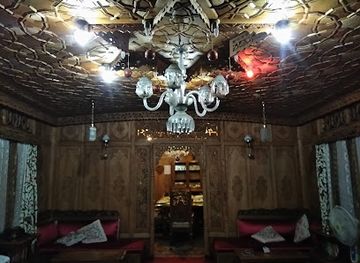
Paahun The Executive Lounge
Experience impeccable service and breathtaking views at Paahun The Executive Lounge in Srinagar, a tranquil escape in the heart of Jammu and Kashmir.
-
Cafe
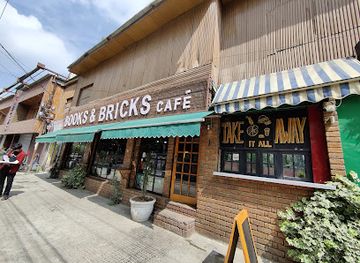
Books & Bricks Cafe
Experience the charm of Srinagar at Books & Bricks Cafe, where delicious food meets a cozy atmosphere in the heart of the city.
-
Restaurant
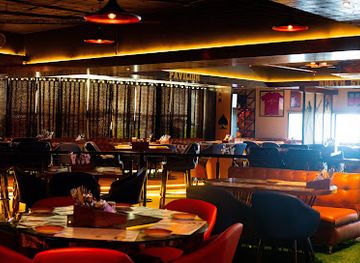
The Grandstand (Restaurant & Sports Bar)
Experience the ultimate dining and sports entertainment at The Grandstand, Jammu's premier restaurant and sports bar.
Best nightclubs in Kashmir Valley
As the sun dips behind the majestic peaks of Kashmir Valley, the nightlife scene subtly comes alive, offering a unique blend of tranquility and cultural richness. Visitors can unwind in charming lakeside shikara rides under the starlit sky, savoring traditional Kashmiri music and the serene glow of floating lanterns. For those seeking a more vibrant experience, the valley's boutique hotels and houseboats host intimate gatherings featuring live Sufi performances, local cuisines, and traditional dance forms that transport you to another era. Tea houses and cafes, adorned with intricate wood carvings, remain open late, serving aromatic kahwa and delectable pastries, perfect for a relaxed evening of storytelling and camaraderie. The nightlife in Kashmir is not about bustling bars and loud clubs but an enchanting, soulful experience that leaves an indelible impression.
-
Lounge
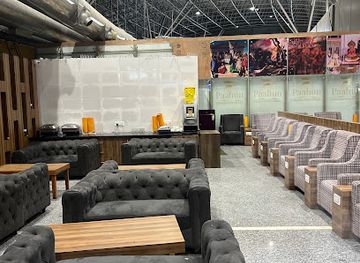
Paahun The Executive Lounge
Discover tranquility and exceptional service at Paahun The Executive Lounge in the heart of Jammu and Kashmir, where every moment is a refreshing escape.
-
Club
Press Club
Discover the lively nightlife at Press Club in Jammu, a perfect blend of culture and modern entertainment for an unforgettable experience.
-
Event venue
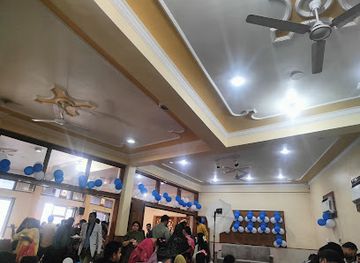
Nigeen Club (Event Hosting/Ceremonies)
Experience unforgettable celebrations at Nigeen Club, Srinagar's premier event venue surrounded by breathtaking natural beauty.
-
Bar
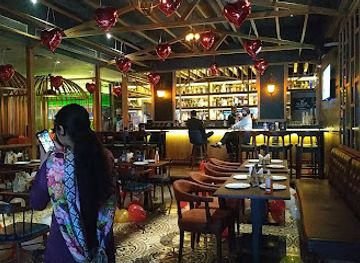
Ministry of Bar (MOB) - Lounge Bar in Jammu
Enjoy a vibrant nightlife at Ministry of Bar in Jammu, where great music meets delicious food in a stylish lounge setting.
Best shops in Kashmir Valley
The shopping scene in Kashmir Valley is a vibrant tapestry of tradition and artistry, where bustling bazaars and quaint markets offer an array of exquisite handicrafts, intricate Pashmina shawls, and intricately carved walnut wood furniture. Visitors can expect to be mesmerized by the delicate craftsmanship of Kashmiri carpets, the vivid hues of traditional papier-mâché items, and the aromatic allure of saffron and dry fruits. The vibrant marketplaces, like Lal Chowk in Srinagar, are not just places to shop, but a cultural experience where the rich heritage of Kashmiri artisans comes alive, making every purchase a cherished memory of the valley's timeless beauty.
-
Grocery store
Pick n Choose
Discover the vibrant local flavors and artisanal products at Pick n Choose, your go-to grocery store in Srinagar, Jammu and Kashmir.
-
Clothing wholesale market place
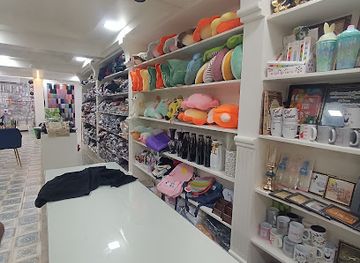
Modest Attires - Best Gifts and Craft Store / Best Abayas Store in Srinagar
Explore Modest Attires in Srinagar for exquisite traditional garments, unique gifts, and an authentic cultural shopping experience.
-
Book store
Kashmir Book Depot
Discover a literary treasure trove at Kashmir Book Depot, a paradise for book lovers in the heart of Srinagar, offering diverse selections and local narratives.
-
Dry Fruit Store
Naresh Shopping Centre
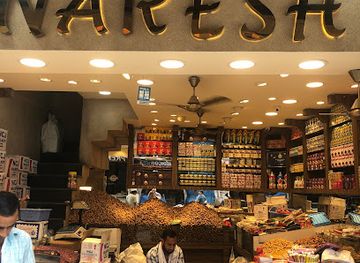
Explore the flavors of Jammu at Naresh Shopping Centre, Katra's top spot for premium dry fruits and local delicacies.

Get your free copy of our complete guide to Kashmir Valley, delivered straight to you.
Everything on this page, from attractions and restaurants to essentials and local phrases, in one PDF you can read offline, print or share.
Already have an account? Sign in
Your Kashmir Valley guide is ready.
We'll send it to · Not you? Sign out

Getting your guide ready…
We are putting together a fresh copy of the Kashmir Valley guide. This can take up to a minute.
This can take a few moments. If your browser asks, choose Allow so the download can start. You'll find the guide in your Downloads folder.
Nothing happened? Download it again
Sorry, the guide is taking longer than usual. Please try again in a minute, or get it by email instead.
Kashmir Valley essentials
Currency and Payment
Safety
Emergency Situations
Do's and Don'ts
Local Tips
From Eve
Local phrases worth knowing
You don't need to get them perfect. A few words go a long way, and locals appreciate the effort.
Basics
| English | Local | Say it |
|---|---|---|
| Hello | سلام | [Salaam] |
| Goodbye | خداحافظ | [Khuda Hafiz] |
| Yes | ہاں | [Haan] |
| No | نہیں | [Nahi] |
| Please/You're welcome | براہ کرم/خوش آمدید | [Barah-e-Karam/Khosh Aamdeed] |
| Thank you | شکریہ | [Shukriya] |
| Excuse me/Sorry | معاف کیجیے | [Maaf Kijiye] |
| How are you? | آپ کیسے ہیں؟ | [Aap Kaisay Hain?] |
| Fine. And you? | ٹھیک ہے۔ اور آپ؟ | [Theek Hai. Aur Aap?] |
| Do you speak English? | کیا آپ انگریزی بولتے ہیں؟ | [Kya Aap Angrezi Bolte Hain?] |
| I don't understand | مجھے سمجھ نہیں آتا | [Mujhe Samajh Nahi Aata] |
Eating & Drinking
| English | Local | Say it |
|---|---|---|
| I'd like to see the menu, please | براہ کرم مینو دکھائیں | [Barah-e-Karam Menu Dikhain] |
| I don't eat meat | میں گوشت نہیں کھاتا/کھاتی | [Main Gosht Nahi Khaata/Khaati] |
| Cheers! | زندہ باد! | [Zinda Baad!] |
| I would like to pay, please | براہ کرم میں ادائیگی کرنا چاہتا ہوں | [Barah-e-Karam Main Adaigi Karna Chahta Hoon] |
Emergencies
| English | Local | Say it |
|---|---|---|
| Help! | مدد! | [Madad!] |
| Go away! | چلے جاو! | [Chalay Jaao!] |
| Call the Police! | پولیس کو بلاؤ! | [Police Ko Bulao!] |
| Call a doctor! | ڈاکٹر کو بلاؤ! | [Doctor Ko Bulao!] |
| I'm lost | میں کھو گیا ہوں | [Main Kho Gaya Hoon] |
| I'm ill | میں بیمار ہوں | [Main Bimar Hoon] |
Shopping
| English | Local | Say it |
|---|---|---|
| I'd like to buy... | میں خریدنا چاہتا ہوں... | [Main Khareedna Chahta Hoon...] |
| I'm just looking | میں بس دیکھ رہا ہوں | [Main Bas Dekh Raha Hoon] |
| How much is it? | یہ کتنے کا ہے؟ | [Yeh Kitne Ka Hai?] |
| That's too expensive | یہ بہت مہنگا ہے | [Yeh Bohat Mehnga Hai] |
| Can you lower the price? | کیا آپ قیمت کم کر سکتے ہیں؟ | [Kya Aap Qeemat Kam Kar Sakte Hain?] |
Time & Numbers
| English | Local | Say it |
|---|---|---|
| What time is it? | کیا وقت ہوا ہے؟ | [Kya Waqt Hua Hai?] |
| It's one o'clock | یہ ایک بجے ہیں | [Yeh Aik Baje Hain] |
| Half past (10) | ساڑھے (10) | [Saadeh (10)] |
| Morning | صبح | [Subah] |
| Afternoon | دوپہر | [Dopahar] |
| Evening | شام | [Shaam] |
| Yesterday | کل | [Kal] |
| Today | آج | [Aaj] |
| Tomorrow | کل | [Kal] |
| 1 | ایک | [Aik] |
| 2 | دو | [Do] |
| 3 | تین | [Teen] |
| 4 | چار | [Chaar] |
| 5 | پانچ | [Paanch] |
| 6 | چھ | [Chay] |
| 7 | سات | [Saat] |
| 8 | آٹھ | [Aath] |
| 9 | نو | [Nau] |
| 10 | دس | [Das] |
Transport & Directions
| English | Local | Say it |
|---|---|---|
| Where's a/the...? | کہاں ہے ...؟ | [Kahan Hai ...?] |
| What's the address? | پتہ کیا ہے؟ | [Pata Kya Hai?] |
| Can you show me (on the map)? | کیا آپ مجھے دکھا سکتے ہیں (نقشے پر)؟ | [Kya Aap Mujhe Dikha Sakte Hain (Naqshe Par)?] |
| When's the next (bus)? | اگلی (بس) کب ہے؟ | [Agli (Bus) Kab Hai?] |
| A ticket (to ....) | ایک ٹکٹ (.... کے لیے) | [Aik Ticket (... Ke Liye)] |
History of Kashmir Valley
Ancient Roots: Hindu and Buddhist Influences
Kashmir Valley has a rich and ancient history that dates back to the Vedic period. The region was an important center for Hindu and Buddhist learning and culture. The ancient Hindu texts like the Nilamata Purana and Rajatarangini chronicle the early history of Kashmir. The valley was believed to be the abode of sages and a significant spiritual center. The Kushan Empire, which ruled the region in the early centuries CE, contributed to the spread of Buddhism, with numerous stupas and monasteries being established.
Islamic Influence: The Arrival of Sufis and Saints
Islamic influence in the Kashmir Valley began to take root in the 14th century with the arrival of Sufi preachers and saints. The most notable among them was Mir Sayyid Ali Hamadani, a Persian saint who played a crucial role in spreading Islam in the region. His arrival marked the beginning of a cultural synthesis that saw the blending of Islamic and local traditions. The Mughal Empire later took control of Kashmir in the 16th century, and under their rule, the region saw significant architectural and cultural development, including the construction of gardens like Shalimar Bagh and Nishat Bagh.
Mughal Era: The Garden of Paradise
The Mughal rulers, particularly Emperor Jahangir, had a deep affection for Kashmir, often referring to it as a 'Paradise on Earth.' During the Mughal era, the valley flourished as a center of art, culture, and architecture. The Mughals constructed several gardens, palaces, and mosques, leaving a lasting legacy on the region's landscape. The famous Shalimar Bagh, Nishat Bagh, and Chashme Shahi are examples of the exquisite Mughal gardens that continue to attract tourists to this day.
Sikh and Dogra Rule: A New Chapter
In the early 19th century, the Kashmir Valley came under the rule of the Sikh Empire, led by Maharaja Ranjit Singh. After the decline of Sikh power, the valley was annexed by the Dogra Dynasty under the Treaty of Amritsar in 1846. The Dogras ruled Kashmir as part of the princely state of Jammu and Kashmir. The Dogra rulers undertook several administrative and infrastructural reforms, leaving a mixed legacy that included both development and controversies related to land and governance.
Modern Era: Conflict and Resilience
The modern history of Kashmir is marked by political turmoil and conflict. After the partition of India in 1947, the princely state of Jammu and Kashmir faced an invasion by tribal militias supported by Pakistan, leading Maharaja Hari Singh to accede to India. This decision sparked a protracted conflict between India and Pakistan, resulting in multiple wars and ongoing disputes. Despite the challenges, the people of Kashmir have shown remarkable resilience, preserving their rich cultural heritage, traditions, and crafts such as Pashmina shawls, intricate woodwork, and Sufi music.
Kashmir Valley in Photos
Browse through our photo collection highlighting the charm and character of the destination.
Neighbouring regions of Kashmir Valley
The closest regions to Kashmir Valley, if you have time for more than one.
-

-

-

-
-


Swipe for more regions
Explore more

Explore more of India
Discover the magic of India, where diverse landscapes, rich heritage, and vibrant culture come together to create an unforgettable travel experience.
Explore India