

Free Satpura Range Travel Guide & Mobile App
Explore Satpura Range with free travel guides. Discover regional history, expert tips, proposed trips, and audio guides on web or mobile app.


Explore India’s Satpura Range for forest reserves, cool hill stations, tribal heritage, wildlife safaris and sandstone landscapes across central India.
Read more about Satpura Range
When is the best time to visit Satpura Range?
Best: December–February · 24–26°C| Month | High (°C) | Rainfall (mm) |
|---|---|---|
| January (best) | 24 | 10 |
| February (best) | 26 | 10 |
| March | 31 | 20 |
| April | 35 | 20 |
| May | 38 | 40 |
| June | 35 | 200 |
| July | 32 | 300 |
| August | 31 | 300 |
| September | 32 | 200 |
| October | 31 | 100 |
| November | 28 | 20 |
| December (best) | 25 | 10 |
Getting to and around Satpura Range
How to get there
Transportation
Top city travel guides in Satpura Range
The cities of Satpura Range, and the easiest places to base yourself.
-

-

-


Swipe for more cities
Best attractions in Satpura Range
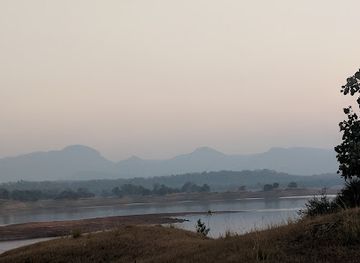
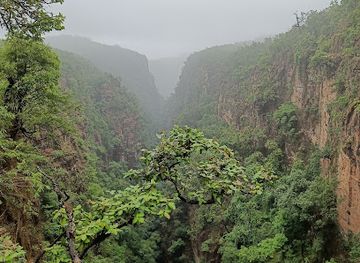
The Satpura Range's attractions are built around forest, elevation and distance rather than a dense chain of urban sights. Pachmarhi offers sandstone caves, waterfalls, wooded walks and viewpoints including Dhupgarh, the highest point in the range. Satpura National Park provides a varied programme of authorised wildlife activities, with jeep excursions complemented in some areas by walking, canoeing or other guided experiences; the Denwa landscape and rugged forest terrain are central to its character. In Maharashtra, Melghat Tiger Reserve combines deep valleys, dry deciduous woodland and wildlife habitat, while Chikhaldara provides a cooler base with reservoirs and elevated viewpoints. Toranmal offers another forested plateau setting associated with the western Satpuras. Historic and cultural attractions include Gawilgarh Fort, temples and cave shrines around Pachmarhi, and villages where local craft and agricultural life remain important. Birdwatching, landscape photography, short hikes and seasonal waterfall visits are rewarding, but conditions vary sharply between the dry heat of the plains, the cooler uplands and the monsoon. Protected-area rules and changing access arrangements mean that official guidance should shape every forest visit.
-
Historical place
Bhimbetka rock shelters
Explore prehistoric art and ancient human history at the UNESCO World Heritage Site of Bhimbetka Rock Shelters near Bhopal, Madhya Pradesh.
-
Hindu temple
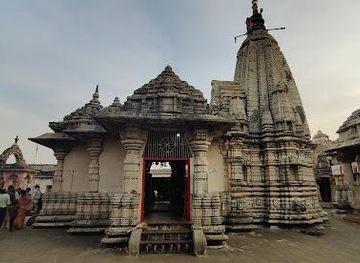
Shri Ram Temple & Fort
Discover the spiritual and historical charm of Shri Ram Temple & Fort in Ramtek, Maharashtra, a must-visit destination for every traveler.
-
Hindu temple
Ramtek
Discover the spiritual allure and historical richness of Ramtek, a serene temple town in Maharashtra, India, surrounded by lush landscapes.
-
Hindu temple
Bhimbetka Kuldevi Temple
Discover spiritual solace at Bhimbetka Kuldevi Temple, nestled amidst ancient rock formations near the historic Bhimbetka Rock Shelters.


Best landmarks in Satpura Range
Dhupgarh above Pachmarhi is the Satpura Range's most recognisable natural high point, with an elevated outlook across wooded hills and deep valleys. The sandstone formations and cave sites around Pachmarhi, including the religiously important Jatashankar and associated cave-shrine landscapes, show how geology and pilgrimage have become closely linked. Gawilgarh Fort, standing in the western Satpura uplands of Maharashtra, is a major historic landmark whose walls and elevated position reflect the military importance of the hill passes. The Denwa River and the forested escarpments of Satpura National Park form a defining landscape landmark in the Madhya Pradesh sector, while the steep valleys and plateaux of Melghat give the western range its rugged profile. Chikhaldara's elevated reservoirs and viewpoints are notable features of the inhabited highlands, and Toranmal's plateau landscape provides another distinctive western Satpura setting. These places are significant for their physical character as much as for their visitor facilities, and access to some sites depends on weather, forest rules or local guidance.
-
Historical landmark
Bheem baithka
Explore Bheem Baithka, a UNESCO World Heritage Site with ancient rock art that reveals the fascinating history of early humans in India.
Explore Satpura Range on the map
Plan your trip on one map. See where the top cities, national parks and sights are, and book hotels and experiences in a few clicks.
Best hotels in Satpura Range
Best restaurants in Satpura Range
Dining in the Satpura Range is generally practical and regional rather than defined by a specialised restaurant scene. Pachmarhi, Chikhaldara and the larger approach towns offer hotel dining rooms, modest restaurants, cafés and roadside eateries serving familiar Indian meals, including preparations associated with Madhya Pradesh and Maharashtra. Menus commonly include dal, rice, breads, vegetable curries, poha, bhaji and seasonal produce, while rural kitchens may reflect local grains, pulses and forest-derived ingredients where legally and culturally appropriate. Around protected areas, lodges usually provide pre-arranged meals suited to safari schedules, with early breakfasts and packed lunches often more useful than late dining. Maharashtra's broader Vidarbha influence may appear in spicier dishes, while Madhya Pradesh offers wheat-based breads and central Indian comfort food. Tea stalls and small shops are important in hill towns, but choice becomes limited inside reserve landscapes. Visitors should carry safe drinking water and tell hosts about dietary requirements before arriving at remote accommodation.
-
Restaurant
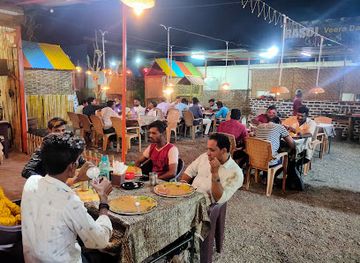
VEERA DA CAFE AND FAMILY RESTAURANT DHABA JUNCTION
Discover delicious flavors at Veera Da Cafe - your family-friendly dining destination in Burhanpur offering diverse cuisine options.
Best bars in Satpura Range
Nightlife across the Satpura Range is quiet and closely tied to the rhythms of hill stations, wildlife lodges and rural settlements. Pachmarhi and Chikhaldara have the widest choice of evening activity, usually consisting of hotel restaurants, modest cafés, traditional eateries and occasional cultural or live-music programming rather than dedicated nightclubs. In and around Satpura National Park or Melghat, evenings are more likely to mean an early meal, conversation under a lodge veranda and listening to forest sounds; many properties restrict noise and lighting for wildlife reasons. Alcohol availability depends on the accommodation and state regulations, so it should not be assumed in remote areas. Tea, regional soft drinks and simple refreshments are more dependable than late-night venues. Visitors should avoid loud music, wandering into forest after dark or treating local villages as entertainment districts. The range suits early starts, stargazing and quiet evenings better than an urban party itinerary.
-
National park
Satpura National Park
Explore the stunning Satpura National Park, a wildlife haven in Madhya Pradesh, India, known for its picturesque landscapes and rich biodiversity.
-
Resort hotel
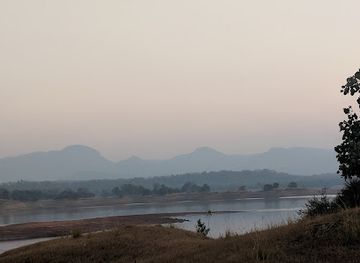
MPT Amaltas, Pachmarhi
Discover serenity and natural beauty at MPT Amaltas, the perfect resort hotel in Pachmarhi for your next getaway.
-
Resort hotel
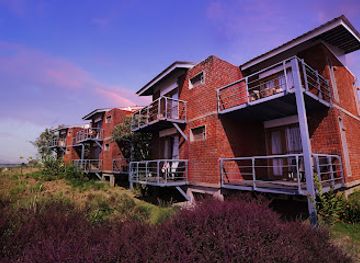
MPT Bison Resort, Madhai
Experience the serene beauty of nature at MPT Bison Resort, your gateway to adventure in Satpura National Park.
-
Restaurant
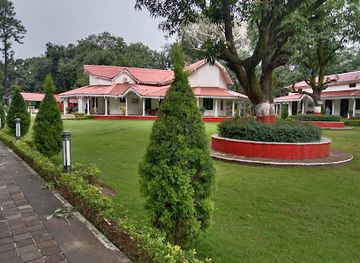
Hotel Pandav
Experience the serene beauty and modern comforts of Hotel Pandav, your perfect getaway in Pachmarhi, Madhya Pradesh.

Best nightclubs in Satpura Range
Nightlife across the Satpura Range is quiet and closely tied to the rhythms of hill stations, wildlife lodges and rural settlements. Pachmarhi and Chikhaldara have the widest choice of evening activity, usually consisting of hotel restaurants, modest cafés, traditional eateries and occasional cultural or live-music programming rather than dedicated nightclubs. In and around Satpura National Park or Melghat, evenings are more likely to mean an early meal, conversation under a lodge veranda and listening to forest sounds; many properties restrict noise and lighting for wildlife reasons. Alcohol availability depends on the accommodation and state regulations, so it should not be assumed in remote areas. Tea, regional soft drinks and simple refreshments are more dependable than late-night venues. Visitors should avoid loud music, wandering into forest after dark or treating local villages as entertainment districts. The range suits early starts, stargazing and quiet evenings better than an urban party itinerary.
-
Night club
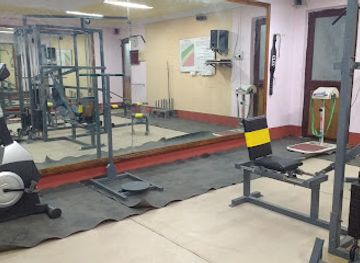
Tapti Club
Discover Bhusawal's electric nightlife at Tapti Club, where great music and good vibes await for an unforgettable evening.
Best shops in Satpura Range
Shopping in the Satpura Range is concentrated in Pachmarhi, Chikhaldara, Toranmal and the market towns used as gateways to protected areas. Small high streets and bazaars sell practical travel goods, snacks, textiles, metalware, religious items and locally produced food rather than extensive designer merchandise. Visitors may find Gond- or Korku-associated craft traditions in regional outlets and community initiatives, but products should be bought from reputable sellers and represented accurately rather than treated as generic souvenirs. Honey, spices, tea, pickles, pulses and other packaged regional foods can be useful purchases when properly labelled and permitted for transport. Weekly markets around rural settlements are primarily places for local trade, so ask before photographing stalls or people. Pachmarhi has the broadest selection of visitor-oriented souvenirs, while smaller hill stations offer a more limited range. Avoid buying wildlife products, old-looking artefacts, plants or unlabelled forest materials, and choose crafts that provide clear benefit to makers and communities.
-
National park
Satpura National Park
Discover the breathtaking landscapes and rich biodiversity of Satpura National Park in Madhya Pradesh, a true paradise for nature lovers and adventure seekers.
-
Tourist attraction
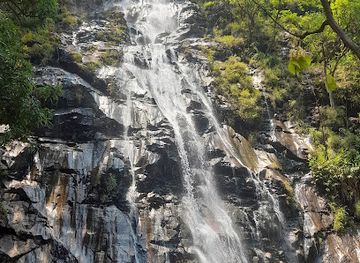
Bee Falls
Experience the breathtaking beauty of Bee Falls in Pachmarhi, a must-visit tourist attraction offering hiking adventures and serene landscapes.
-
Tourist attraction
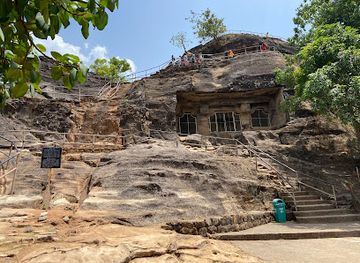
Shri Panch Pandav Caves. Pachmarhi
Discover the ancient Shri Panch Pandav Caves in Pachmarhi, where history meets nature amidst stunning landscapes.
-
Tourist attraction
Handi Khoh
Explore Handi Khoh, a stunning tourist attraction in Madhya Pradesh, offering breathtaking views, serene nature, and rich cultural experiences.
Get your free copy of our complete guide to Satpura Range, delivered straight to you.
Everything on this page, from attractions and restaurants to essentials and local phrases, in one PDF you can read offline, print or share.
Already have an account? Sign in
Your Satpura Range guide is ready.
We'll send it to · Not you? Sign out

Getting your guide ready…
We are putting together a fresh copy of the Satpura Range guide. This can take up to a minute.
This can take a few moments. If your browser asks, choose Allow so the download can start. You'll find the guide in your Downloads folder.
Nothing happened? Download it again
Sorry, the guide is taking longer than usual. Please try again in a minute, or get it by email instead.
Satpura Range essentials
Currency and Payment
Safety
Emergency Situations
Do's and Don'ts
Local Tips
From Eve
Local phrases worth knowing
You don't need to get them perfect. A few words go a long way, and locals appreciate the effort.
Basics
| English | Local | Say it |
|---|---|---|
| Hello | नमस्ते | [Namaste] |
| Goodbye | अलविदा | [Alvida] |
| Yes | हाँ | [Haan] |
| No | नहीं | [Nahin] |
| Please/You’re welcome | कृपया/आपका स्वागत है | [Kripya/Aapka Swagat Hai] |
| Thank you | धन्यवाद | [Dhanyavaad] |
| Excuse me/Sorry | क्षमा करें | [Kshama Karein] |
| How are you? | आप कैसे हैं? | [Aap Kaise Hain?] |
| Fine. And you? | ठीक है। और आप? | [Theek Hai. Aur Aap?] |
| Do you speak English? | क्या आप अंग्रेजी बोलते हैं? | [Kya Aap Angrezi Bolte Hain?] |
| I don't understand | मुझे समझ में नहीं आता | [Mujhe Samajh Mein Nahin Aata] |
Eating & Drinking
| English | Local | Say it |
|---|---|---|
| I’d like to see the menu, please | कृपया मेनू दिखाइए | [Kripya Menu Dikhaiye] |
| I don’t eat meat | मैं मांस नहीं खाता | [Main Maas Nahin Khata] |
| Cheers! | सर्वश्रेष्ठ! | [Sarvashreshth!] |
| I would like to pay, please | कृपया मुझे भुगतान करने दें | [Kripya Mujhe Bhugtaan Karne De] |
Emergencies
| English | Local | Say it |
|---|---|---|
| Help! | मदद करें! | [Madad Karein!] |
| Go away! | जाओ यहाँ से! | [Jaao Yahaan Se!] |
| Call the Police! | पुलिस को बुलाओ! | [Police Ko Bulaao!] |
| Call a doctor! | डॉक्टर को बुलाओ! | [Doctor Ko Bulaao!] |
| I’m lost | मैं खो गया हूँ | [Main Kho Gaya Hoon] |
| I’m ill | मैं बीमार हूँ | [Main Beemar Hoon] |
Shopping
| English | Local | Say it |
|---|---|---|
| I’d like to buy... | मैं खरीदना चाहता हूँ... | [Main Kharidna Chahta Hoon...] |
| I’m just looking | मैं सिर्फ देख रहा हूँ | [Main Sirf Dekh Raha Hoon] |
| How much is it? | यह कितने का है? | [Yah Kitne Ka Hai?] |
| That’s too expensive | यह बहुत महंगा है | [Yah Bahut Mehnga Hai] |
| Can you lower the price? | क्या आप कीमत कम कर सकते हैं? | [Kya Aap Keemat Kam Kar Sakte Hain?] |
Time & Numbers
| English | Local | Say it |
|---|---|---|
| What time is it? | कितने बजे हैं? | [Kitne Baje Hain?] |
| It’s one o’clock | यह एक बजे हैं | [Yah Ek Baje Hain] |
| Half past (10) | साढ़े (10) | [Saade (10)] |
| Morning | सुबह | [Subah] |
| Afternoon | दोपहर | [Dopahar] |
| Evening | शाम | [Shaam] |
| Yesterday | कल | [Kal] |
| Today | आज | [Aaj] |
| Tomorrow | कल | [Kal] |
| 1 | १ | [1] |
| 2 | २ | [2] |
| 3 | ३ | [3] |
| 4 | ४ | [4] |
| 5 | ५ | [5] |
| 6 | ६ | [6] |
| 7 | ७ | [7] |
| 8 | ८ | [8] |
| 9 | ९ | [9] |
| 10 | १० | [10] |
Transport & Directions
| English | Local | Say it |
|---|---|---|
| Where's a/the...? | कहाँ है ...? | [Kahan Hai ...?] |
| What's the address? | पता क्या है? | [Pata Kya Hai?] |
| Can you show me (on the map)? | क्या आप मुझे (नक्शे पर) दिखा सकते हैं? | [Kya Aap Mujhe (Nakshae Par) Dikha Sakte Hain?] |
| When's the next (bus)? | अगली (बस) कब है? | [Agli (Bus) Kab Hai?] |
| A ticket (to ....) | एक टिकट (.... के लिए) | [Ek Ticket (.... Ke Liye)] |
History of Satpura Range
Early Forest Societies and Gond Heritage
The Satpura hills have long been inhabited and used by communities including Gond and Korku peoples, whose livelihoods have traditionally combined cultivation, forest produce, pastoral activity and local trade. The range's deep valleys and upland plateaux encouraged settlements adapted to difficult terrain rather than the large urban centres found on the surrounding plains. Gond political power became especially important in central India during the medieval and early modern periods, although the historical territories of Gond rulers did not correspond neatly to the modern idea of the Satpura Range. Their cultural and environmental legacy remains visible in communities, handicrafts, oral traditions and continuing debates about forest rights.
Medieval Forts and Regional Kingdoms
Strategic routes through the Satpuras connected the Narmada and Tapti basins, giving hill forts and passes military importance. Gawilgarh, in the Melghat uplands of present-day Maharashtra, was developed as a major stronghold associated with the Gawilgarh hills and later powers that controlled the region. Other fortifications around the wider central Indian highlands reflect competition among Gond rulers, the Marathas and subsequent states. The surviving walls, gateways and elevated positions demonstrate how the range served not only as a forested barrier but also as a defensive frontier and a route between the Deccan and northern India.
Maratha and British Expansion
From the eighteenth century, Maratha influence and then British expansion reshaped administration across the Satpura foothills and passes. Forests were increasingly surveyed, roads and communications improved, and hill stations were developed as places of administration and retreat. Pachmarhi acquired particular importance during the British period, with cantonment and institutional development transforming a forested upland into a recognisable hill settlement. These changes also brought new pressures on customary access to forests, as colonial authorities classified, regulated and commercially assessed woodland resources.
Forest Administration and Timber Economies
The Satpuras became central to the development of organised forest administration in colonial and post-colonial India. Teak, sal and other timber species were managed for commercial and state purposes, while roads and rail connections on the surrounding plains enabled extraction and movement of goods. Regulation altered the relationship between forest communities and their traditional sources of fuel, grazing and produce. Remnants of this period survive in forest offices, plantations, old routes and settlement patterns, while contemporary management increasingly balances biodiversity protection with the rights and livelihoods of people living around protected forests.
Hill Stations, Pilgrimage and Leisure
Pachmarhi and Chikhaldara developed as highland retreats because of their elevation, wooded surroundings and more moderate climate than the plains. Their viewpoints, churches, temples, colonial-era buildings, reservoirs and walking routes created a form of tourism distinct from the later emphasis on wildlife. Caves and shrines around Pachmarhi also attract pilgrims, particularly to sites associated with Shaivite traditions. In this way, the Satpuras became a landscape of overlapping uses: military and administrative retreat, pilgrimage, local commerce, seasonal recreation and forest residence.
The Rise of Protected Areas
Independent India gradually established national parks, sanctuaries and tiger reserves across the Satpura landscape in response to habitat loss and declining wildlife populations. Satpura National Park in Madhya Pradesh and Melghat Tiger Reserve in Maharashtra are among the most important protected areas associated with the range. Conservation has helped safeguard interconnected forests inhabited by tiger, leopard, sloth bear, gaur and many smaller species. It has also introduced rules governing settlement, grazing, tourism and access, making contemporary travel dependent on official permits and locally managed entry arrangements.
Contemporary Conservation and Community Questions
The modern Satpura region is shaped by the tension and cooperation between conservation, infrastructure, tourism and community rights. Wildlife corridors connect protected forests but may be interrupted by roads, agriculture and expanding settlements. Ecotourism provides income in selected areas, while forest-dependent communities continue to seek secure livelihoods and recognition of customary rights under India's legal framework. Visitors encounter the results in regulated safaris, guided walks, community-linked enterprises and restrictions designed to reduce disturbance. The range's current history is therefore not only about protecting animals, but also about deciding how people and forests can coexist.
Satpura Range in Photos
Browse through our photo collection highlighting the charm and character of the destination.
Neighbouring regions of Satpura Range
The closest regions to Satpura Range, if you have time for more than one.
-

-

-

-

-


Swipe for more regions
Explore more

Explore more of India
Discover the magic of India, where diverse landscapes, rich heritage, and vibrant culture come together to create an unforgettable travel experience.
Explore India