

Free Chhattisgarh Travel Guide & Mobile App
Explore Chhattisgarh with free travel guides. Discover regional history, expert tips, proposed trips, and audio guides on web or mobile app.


Explore Chhattisgarh for ancient temples, Bastar crafts, forest parks, river waterfalls and richly varied central Indian landscapes.
Read more about Chhattisgarh
When is the best time to visit Chhattisgarh?
Best: November–January · 27–28°C| Month | High (°C) | Rainfall (mm) |
|---|---|---|
| January (best) | 27 | 7 |
| February | 30 | 10 |
| March | 34 | 15 |
| April | 37 | 20 |
| May | 40 | 40 |
| June | 38 | 200 |
| July | 32 | 300 |
| August | 32 | 300 |
| September | 32 | 250 |
| October | 32 | 100 |
| November (best) | 28 | 20 |
| December (best) | 27 | 7 |
Getting to and around Chhattisgarh
How to get there
Transportation
Top city travel guides in Chhattisgarh
The cities of Chhattisgarh, and the easiest places to base yourself.
-

-

-

-


Swipe for more cities
Best attractions in Chhattisgarh
Chhattisgarh's attractions range from archaeological and religious sites to forests, wildlife areas and major waterfalls. Around the central plains, Sirpur offers early medieval temples and monastic remains, while Rajim is known for its riverside temple setting and annual religious gatherings. Bhoramdeo, near the Maikal hills, combines finely carved temples with a rural landscape, and the wider Kawardha area provides access to forested country. In the south, Jagdalpur is the base for exploring Bastar's craft traditions, local markets and surrounding natural sites. Chitrakote Falls spreads across the Indravati River in a broad horseshoe, while Tirathgarh Falls drops in several stages amid woodland near Kanger Valley National Park. Kanger Valley also contains limestone caves and habitat for forest wildlife, with access dependent on local regulations and conditions. Barnawapara Wildlife Sanctuary and Achanakmar Wildlife Sanctuary offer different settings for guided nature excursions, although sightings and access are never guaranteed. Museums, temples and urban markets in Raipur and Bilaspur provide useful cultural context between longer journeys. The state rewards visitors who combine a few principal sites with time for landscape, craft and community encounters rather than attempting to cover its widely dispersed attractions quickly.
-
Tourist attraction
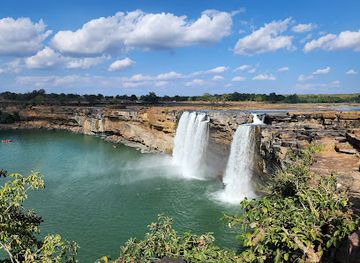
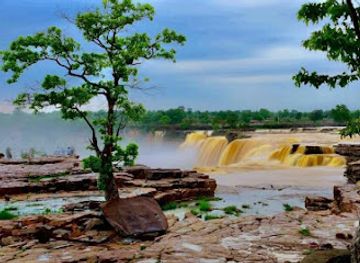
Chitrakote Waterfalls
Experience the majestic Chitrakote Waterfalls, India's widest cascade, near Jagdalpur, Chhattisgarh. Awe-inspiring beauty awaits!
-
Tourist attraction
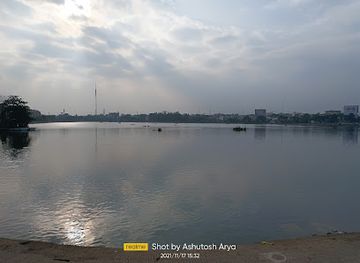
Marine Drive (Telibandha Lake)
A scenic waterfront promenade in Raipur, perfect for relaxation, recreation, and cultural experiences around the vibrant Telibandha Lake.
-
Tourist attraction
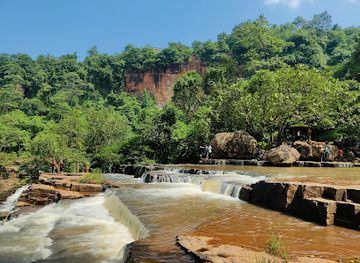
Tirathgarh Waterfall
Experience the majestic Tirathgarh Waterfall: A stunning natural cascade nestled in the heart of Chhattisgarh's Kanger Valley National Park.
-
Zoo
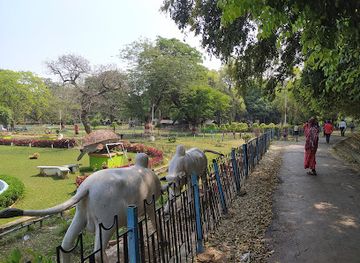
Maitri Bagh Zoo, bhilai, Chhattisgarh
Explore Maitri Bagh Zoo in Bhilai: A vibrant blend of wildlife, musical fountains, and Indo-Russian friendship in a lush, family-friendly setting.
Best landmarks in Chhattisgarh
The Lakshmana Temple at Sirpur is one of Chhattisgarh's most important architectural landmarks, a finely constructed brick monument associated with the early medieval period and surrounded by a wider archaeological landscape. At Ratanpur, the Mahamaya temple remains a major religious landmark connected with the town's former political importance under the Kalachuris. Bhoramdeo's temple group is notable for its stone carving, Shaiva associations and setting near the Maikal hills, earning it frequent comparison with other richly sculpted temple sites in India without losing its local character. In Bastar, the Danteshwari temple at Dantewada is a significant centre of devotion and a key symbol of the region's historical and cultural identity. Chitrakote Falls is the state's most recognisable natural landmark, where the Indravati broadens over a horseshoe-shaped rim; its appearance changes markedly between dry and wet seasons. Tirathgarh Falls, with its stepped descent through forested terrain, provides a contrasting landscape landmark. The brick temples of Rajim, the historic religious sites of Malhar and the forested escarpments around Kanger Valley add further layers to a state whose most meaningful landmarks are often inseparable from their river, forest or settlement setting.
-
Tourist attraction
Chitrakote Waterfalls
Experience the breathtaking beauty of Chitrakote Waterfalls, the 'Niagara of India', nestled in the lush landscapes of Chhattisgarh.
-
 Park
Purkhouti Muktangan
Discover the cultural richness of Chhattisgarh at Purkhouti Muktangan, a beautiful park featuring Aboriginal art galleries and stunning landscapes.
-
Wildlife refuge
Achanakmar Wildlife Sanctuary
Discover Chhattisgarh's Achanakmar Wildlife Sanctuary: a serene escape into nature with diverse wildlife and breathtaking landscapes.
-
Historical landmark
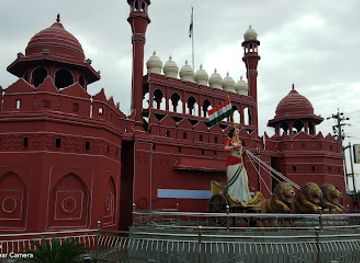
Lal Qila, The Red Fort
Discover the grandeur of Lal Qila, The Red Fort in Raipur, a historical landmark showcasing India's rich heritage and architectural brilliance.
Explore Chhattisgarh on the map
Plan your trip on one map. See where the top cities, national parks and sights are, and book hotels and experiences in a few clicks.
Best hotels in Chhattisgarh
Best restaurants in Chhattisgarh
Dining in Chhattisgarh is rooted in rice, lentils, seasonal vegetables and ingredients gathered or cultivated in different ecological zones. Chila, a savoury rice or lentil pancake, fara, steamed rice dumplings, and muthia are common regional preparations that may appear in homes, local eateries and cultural food settings. Town markets offer snacks, sweets and thalis, while restaurants in Raipur, Bilaspur and Jagdalpur provide broader Indian menus alongside selected Chhattisgarhi dishes. Bastar's food traditions draw on forest and agricultural produce, but visitors should accept only ingredients and preparations offered through reputable kitchens and avoid assuming that every local product is suitable for them. Mahua is culturally significant in several communities and may be encountered as a traditional drink, but it should be consumed only where legally and responsibly served. Rural inns, market stalls and small cafés are generally more important to the regional dining experience than a formal fine-dining scene. Vegetarian food is widely available, while meat and fish appear in some local and tribal cuisines; menus and availability vary considerably between urban centres and remote districts.
-
South Indian
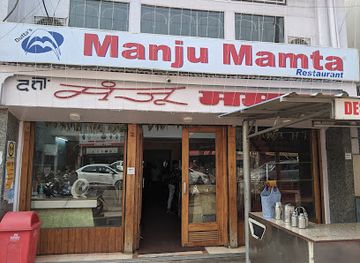
Manju Mamta Restaurant
Discover the best of South Indian cuisine at Manju Mamta Restaurant, where every meal is an unforgettable culinary experience.
-
Barbecue
Barbeque Nation
Savor authentic Indian barbecue delights at Barbeque Nation in Raipur, where every meal is a feast for the senses.
-
Restaurant
Gadh Kalewa
Discover Gadh Kalewa: A delightful restaurant offering authentic Chhattisgarhi flavors and vegetarian delights in Raipur.
-
Indian
Girnar Restaurant
Discover the authentic flavors of India at Girnar Restaurant in Raipur – a culinary haven for food enthusiasts.
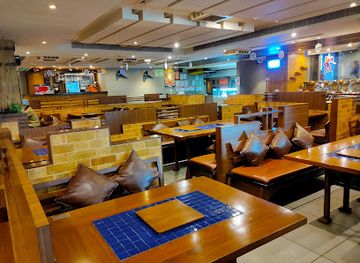
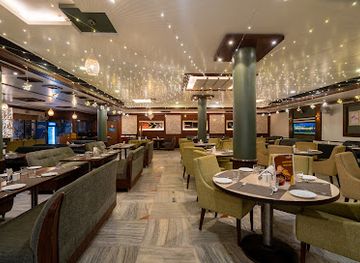
Best bars in Chhattisgarh
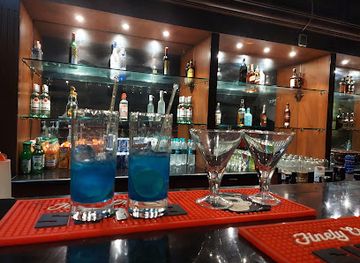
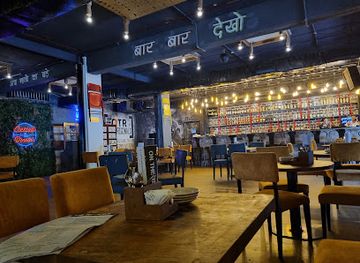
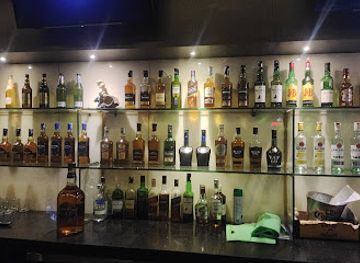
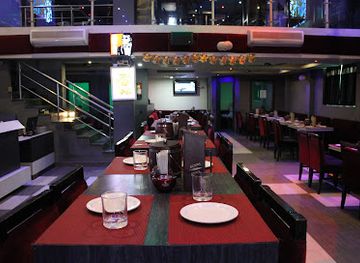
Chhattisgarh has a modest, town-centred evening scene rather than a major club culture. Raipur offers the widest choice of hotel lounges, contemporary bars, cafés and late-opening restaurants, with nightlife concentrated around commercial and hospitality districts rather than a single historic quarter. Bilaspur and Durg have smaller selections of restaurants, pubs and cafés, while Jagdalpur is primarily a base for daytime excursions and tends to favour hotel dining, relaxed restaurants and local social spaces over nightclubs. In rural Bastar and the forest districts, evenings are quiet, and cultural programmes or community gatherings should never be treated as tourist entertainment without proper invitation and context. Alcohol licensing and opening arrangements can vary, and dry days may affect sales. Visitors interested in regional drinks should ask reputable local hosts about legal and appropriate settings rather than seeking informal sources. Evening travel in remote areas is best arranged in advance, particularly where roads, mobile coverage and public transport are limited.
-
Pub
10 Downing Street
Experience the vibrant dining scene at 10 Downing Street, Raipur's top pub and restaurant, offering delicious food and drinks in a lively atmosphere.
-
Bar
On The Rocks
Experience the vibrant nightlife at On The Rocks in Raipur, where great food, drinks, and music come together for an unforgettable evening.
-
Bar
Octopus Bar
Experience Raipur's vibrant nightlife at Octopus Bar, where great drinks and a lively atmosphere await.
-
Bar
Sandeep Bar & Restaurant
Discover Sandeep Bar & Restaurant in Raipur for a delightful experience of local and international cuisines paired with an excellent selection of drinks.
Best nightclubs in Chhattisgarh
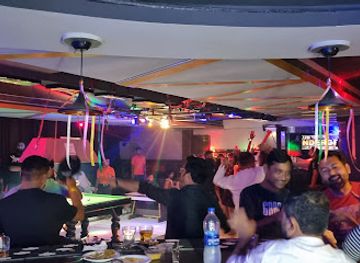
Chhattisgarh has a modest, town-centred evening scene rather than a major club culture. Raipur offers the widest choice of hotel lounges, contemporary bars, cafés and late-opening restaurants, with nightlife concentrated around commercial and hospitality districts rather than a single historic quarter. Bilaspur and Durg have smaller selections of restaurants, pubs and cafés, while Jagdalpur is primarily a base for daytime excursions and tends to favour hotel dining, relaxed restaurants and local social spaces over nightclubs. In rural Bastar and the forest districts, evenings are quiet, and cultural programmes or community gatherings should never be treated as tourist entertainment without proper invitation and context. Alcohol licensing and opening arrangements can vary, and dry days may affect sales. Visitors interested in regional drinks should ask reputable local hosts about legal and appropriate settings rather than seeking informal sources. Evening travel in remote areas is best arranged in advance, particularly where roads, mobile coverage and public transport are limited.
-
Bar
On The Rocks
Discover the vibrant nightlife at On The Rocks in Raipur, where delicious food meets an electrifying atmosphere and top-notch DJ performances.
-
Disco club
tito'ss disco raipur
Discover the vibrant nightlife of Raipur at Tito's Disco, where music and fun create unforgettable memories.
-
Disco club
Lisztomania Club
Discover Bhilai's nightlife gem at Lisztomania Club, where electrifying music and delicious cuisine create unforgettable memories.
-
Club
Vasant Club
Experience the vibrant nightlife of Bilaspur at Vasant Club, where elite gatherings meet unforgettable entertainment.


Best shops in Chhattisgarh
Shopping in Chhattisgarh is strongest in regional crafts, textiles and edible products rather than large-scale luxury retail. Raipur has the broadest selection of urban shops and markets, while Jagdalpur is a useful centre for Bastar's bell-metal and wrought-iron work, terracotta, bamboo goods and locally produced textiles. Designs and techniques vary between communities, so ask sellers about provenance and choose fairly made items rather than purchasing objects presented vaguely as tribal souvenirs. Bilaspur and other market towns offer handloom fabrics, everyday brassware, jewellery, spices, snacks and household goods. Weekly haats in rural areas are primarily local markets, not staged craft fairs; visitors should seek permission before taking photographs and avoid disrupting trade. Forest-derived products such as tamarind, honey and other seasonal goods may be available through regulated or reputable sellers, but rules and supply vary. Smaller galleries, emporia and craft outlets can provide more reliable packaging for fragile metal or terracotta pieces, while urban food markets are suitable for regional snacks and ingredients. Keep receipts for higher-value purchases and check airline or customs rules before carrying plant products, liquids or protected materials.
-
Shopping mall
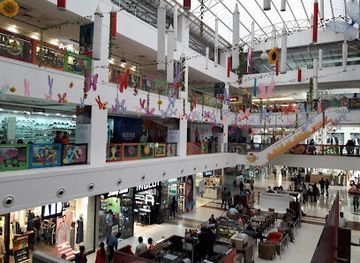
Magneto The Mall
Explore Magneto The Mall: A premier shopping and entertainment destination in Raipur, Chhattisgarh filled with diverse dining and fun experiences.
-
Department store
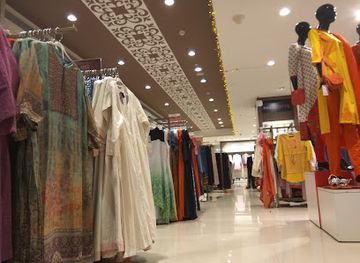
Shoppers Stop
Discover the best of fashion and lifestyle at Shoppers Stop, Raipur's leading department store for trendy clothing and accessories.
-
Market
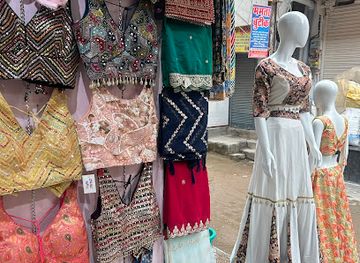
Pandri Market ®
Explore the vibrant Pandri Market in Raipur for unique clothing, local culture, and an unforgettable shopping experience.
-
Grocery store
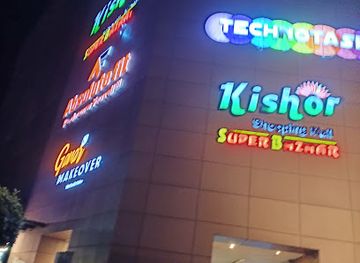
Kishor Shopping Mall
Discover Kishor Shopping Mall in Raipur - where shopping meets local culture and flavors in a vibrant setting.
Get your free copy of our complete guide to Chhattisgarh, delivered straight to you.
Everything on this page, from attractions and restaurants to essentials and local phrases, in one PDF you can read offline, print or share.
Already have an account? Sign in
Your Chhattisgarh guide is ready.
We'll send it to · Not you? Sign out

Getting your guide ready…
We are putting together a fresh copy of the Chhattisgarh guide. This can take up to a minute.
This can take a few moments. If your browser asks, choose Allow so the download can start. You'll find the guide in your Downloads folder.
Nothing happened? Download it again
Sorry, the guide is taking longer than usual. Please try again in a minute, or get it by email instead.
Chhattisgarh essentials
Currency and Payment
Safety
Emergency Situations
Do's and Don'ts
Local Tips
From Eve
Local phrases worth knowing
You don't need to get them perfect. A few words go a long way, and locals appreciate the effort.
Basics
| English | Local | Say it |
|---|---|---|
| Hello | नमस्कार | [Namaskaar] |
| Goodbye | अलविदा | [Alvida] |
| Yes | हाँ | [Haan] |
| No | नहीं | [Nahin] |
| Please/You're welcome | कृपया/स्वागत है | [Kripya/Swaagat hai] |
| Thank you | धन्यवाद | [Dhanyavaad] |
| Excuse me/Sorry | माफ करें | [Maaf karein] |
| How are you? | आप कैसे हैं? | [Aap kaise hain?] |
| Fine. And you? | मैं ठीक हूँ। और आप? | [Main theek hoon. Aur aap?] |
| Do you speak English? | क्या आप अंग्रेजी बोलते हैं? | [Kya aap angrezi bolte hain?] |
| I don't understand | मुझे समझ में नहीं आता | [Mujhe samajh mein nahin aata] |
Eating & Drinking
| English | Local | Say it |
|---|---|---|
| I'd like to see the menu, please | कृपया मेनू दिखाइए | [Kripya menu dikhaiye] |
| I don't eat meat | मैं मांस नहीं खाता | [Main maans nahin khata] |
| Cheers! | चियर्स! | [Cheers!] |
| I would like to pay, please | कृपया मुझे बिल दें | [Kripya mujhe bill den] |
Emergencies
| English | Local | Say it |
|---|---|---|
| Help! | मदद! | [Madad!] |
| Go away! | जाओ यहाँ से! | [Jaao yahaan se!] |
| Call the Police! | पुलिस को बुलाओ! | [Police ko bulaao!] |
| Call a doctor! | डॉक्टर को बुलाओ! | [Doctor ko bulaao!] |
| I'm lost | मैं खो गया हूँ | [Main kho gaya hoon] |
| I'm ill | मैं बीमार हूँ | [Main bimaar hoon] |
Shopping
| English | Local | Say it |
|---|---|---|
| I'd like to buy... | मैं खरीदना चाहता हूँ... | [Main kharidna chahta hoon...] |
| I'm just looking | मैं सिर्फ देख रहा हूँ | [Main sirf dekh raha hoon] |
| How much is it? | यह कितने का है? | [Yah kitne ka hai?] |
| That's too expensive | यह बहुत महंगा है | [Yah bahut mehnga hai] |
| Can you lower the price? | क्या आप कीमत कम कर सकते हैं? | [Kya aap keemat kam kar sakte hain?] |
Time & Numbers
| English | Local | Say it |
|---|---|---|
| What time is it? | कितने बजे हैं? | [Kitne baje hain?] |
| It's one o'clock | यह एक बजे हैं | [Yah ek baje hain] |
| Half past (10) | साढ़े (10) | [Saade (10)] |
| Morning | सुबह | [Subah] |
| Afternoon | दोपहर | [Dopahar] |
| Evening | शाम | [Shaam] |
| Yesterday | कल | [Kal] |
| Today | आज | [Aaj] |
| Tomorrow | कल | [Kal] |
| 1 | 1 | [1] |
| 2 | 2 | [2] |
| 3 | 3 | [3] |
| 4 | 4 | [4] |
| 5 | 5 | [5] |
| 6 | 6 | [6] |
| 7 | 7 | [7] |
| 8 | 8 | [8] |
| 9 | 9 | [9] |
| 10 | 10 | [10] |
Transport & Directions
| English | Local | Say it |
|---|---|---|
| Where's a/the...? | एक ... कहाँ है? | [Ek ... kahaan hai?] |
| What's the address? | पता क्या है? | [Pata kya hai?] |
| Can you show me (on the map)? | क्या आप मुझे (नक्शे पर) दिखा सकते हैं? | [Kya aap mujhe (nakshae par) dikha sakte hain?] |
| When's the next (bus)? | अगली (बस) कब है? | [Agli (bus) kab hai?] |
| A ticket (to ....) | एक टिकट (.... के लिए) | [Ek ticket (.... ke liye)] |
History of Chhattisgarh
Early Settlements and Ancient Trade
The plains and river valleys of present-day Chhattisgarh supported settled agriculture and exchange networks long before the modern state existed. Archaeological evidence, including sites around Malhar and Rajim, points to early urban and religious activity connected with wider mainland India. The region's position between the Gangetic plain, the Deccan and the eastern coast encouraged movement of goods, ideas and religious traditions. Rice cultivation became especially important in the lowlands, while forested uplands supported distinctive economies based on hunting, gathering, pastoralism and small-scale agriculture.
Sirpur and the Early Medieval Kingdoms
Sirpur, on the Mahanadi, developed into a major centre during the early medieval period, particularly under the Panduvamshi rulers. Its remains include Buddhist, Shaiva, Vaishnava and Jain monuments, reflecting a period of religious and artistic exchange. The Lakshmana Temple, constructed in brick and associated with the seventh century, is among the best-known survivals. Sirpur's archaeological landscape demonstrates that the region was not peripheral to Indian history but part of active political, commercial and cultural networks.
The Kalachuris and Ratanpur
From the medieval period, the Kalachuris of Ratanpur exercised influence over large parts of present-day Chhattisgarh. Ratanpur became an important political and religious centre, leaving a legacy of temples and legends that remain visible in the town. The dynasty's rule helped shape patterns of settlement, landholding and temple patronage across the central plains. Later political powers changed the region's administration, but Ratanpur's monuments and its association with the Mahamaya temple preserve the memory of this period.
Bastar's Kingdom and Cultural Institutions
The former princely state of Bastar developed a distinct political history in the south, with Jagdalpur as its principal centre and the Danteshwari temple at Dantewada as an important religious institution. Its rulers patronised temples and court traditions, while the surrounding forest communities maintained their own languages, social structures, craft practices and ritual life. The Bastar Dussehra tradition, associated with the region's religious world rather than simply a conventional public festival, remains one of the most visible expressions of this layered heritage.
Colonial Administration and Resource Change
British influence expanded through indirect rule, revenue administration, forest regulation and transport development during the nineteenth and early twentieth centuries. These changes altered customary relationships between forest communities, land and forest produce. Rice cultivation and trade remained central in the plains, while forests became increasingly important to commercial and administrative interests. Railways and roads connected mining, industrial and agricultural areas to larger markets, laying foundations for the economic geography of modern Chhattisgarh.
Industrialisation and the Formation of Chhattisgarh
The twentieth century brought major industrial growth based on coal, iron ore, electricity and steel. Bhilai became an important steel centre after the establishment of the Bhilai Steel Plant in the 1950s, transforming the surrounding urban and economic landscape. Chhattisgarh was created as a separate state from Madhya Pradesh in 2000, reflecting long-standing regional political and cultural identities. Since then, urban expansion, mining, infrastructure development, forest conservation and debates about indigenous rights have continued to shape the state's future.
Chhattisgarh in Photos
Browse through our photo collection highlighting the charm and character of the destination.
Neighbouring regions of Chhattisgarh
The closest regions to Chhattisgarh, if you have time for more than one.
-

-

-

-

-


Swipe for more regions
Explore more

Explore more of India
Discover the magic of India, where diverse landscapes, rich heritage, and vibrant culture come together to create an unforgettable travel experience.
Explore India