

Free Telangana Travel Guide & Mobile App
Explore Telangana with free travel guides. Discover regional history, expert tips, proposed trips, and audio guides on web or mobile app.


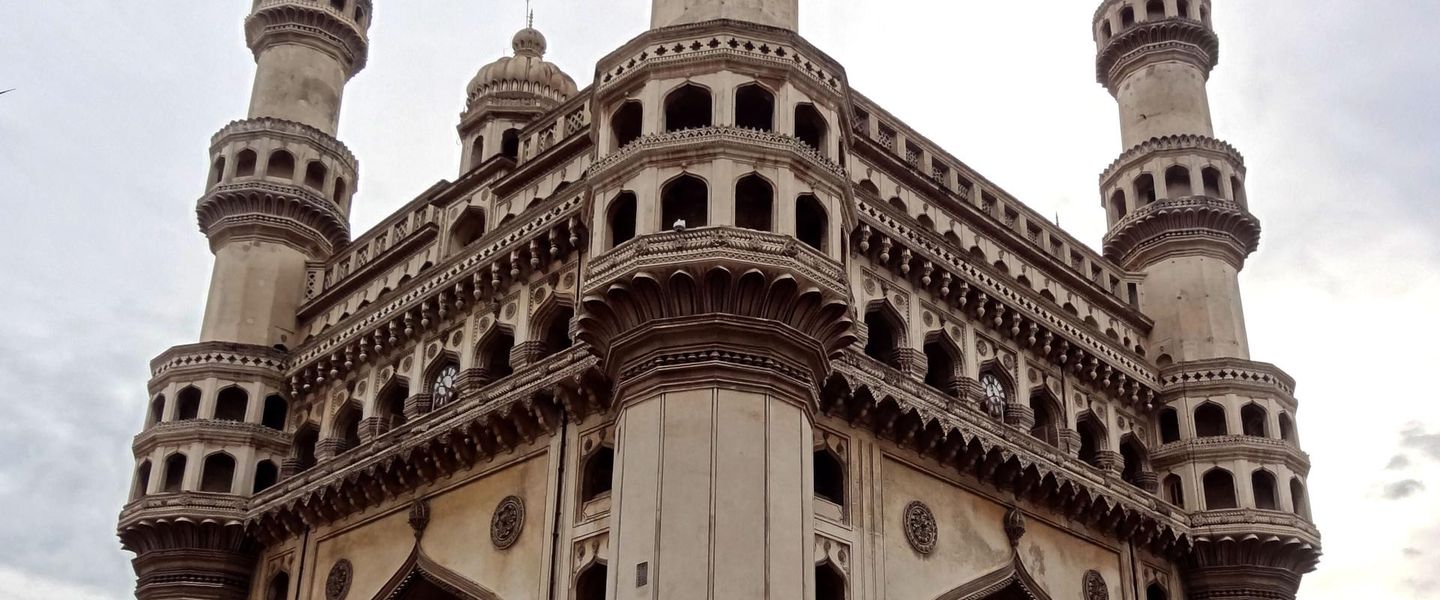


Explore Telangana for Hyderabad’s Deccan monuments, Kakatiyan temples, forested landscapes, distinctive Telugu cuisine and living cultural traditions.
Read more about Telangana
When is the best time to visit Telangana?
Best: November–January · 27–29°C| Month | High (°C) | Rainfall (mm) |
|---|---|---|
| January (best) | 28 | 5 |
| February | 31 | 10 |
| March | 35 | 15 |
| April | 39 | 30 |
| May | 41 | 50 |
| June | 36 | 100 |
| July | 33 | 150 |
| August | 32 | 140 |
| September | 31 | 120 |
| October | 30 | 80 |
| November (best) | 29 | 30 |
| December (best) | 27 | 5 |
Getting to and around Telangana
How to get there
Transportation
Top city travel guides in Telangana
The cities of Telangana, and the easiest places to base yourself.
-

-


Swipe for more cities
Best attractions in Telangana
Telangana’s attractions range from Hyderabad’s dense historic core to rural temples, archaeological sites, lakes and forest landscapes. In the capital, the Charminar precinct, Golconda Fort, Qutb Shahi Tombs, Chowmahalla Palace and Salar Jung Museum reveal different chapters of Deccan political and cultural history. The Birla Science Centre and other contemporary institutions add a modern urban dimension. Around Warangal and Hanamkonda, Kakatiyan monuments provide the region’s most distinctive architectural experience, while Ramappa Temple stands in a quieter setting near a lake and wooded countryside. Archaeological sites including Kondapur, Dhulikatta and Phanigiri offer insight into earlier settlement and Buddhist networks. For nature, visitors can look to the forest habitats of Kawal and Eturnagaram, subject to local access rules, and to Laknavaram Lake’s islands and surrounding greenery. Reservoirs, village tanks and the Godavari landscape support birdwatching and gentle outdoor exploration, although facilities may be limited. Telangana is therefore better suited to a varied itinerary of heritage, food, landscape and cultural observation than to a single concentrated sightseeing circuit.
-
Monument
Charminar
Discover the enchanting Charminar in Hyderabad, an architectural marvel that showcases the rich history and vibrant culture of India.
-
Fortress
Golconda Fort
Explore the historical Golconda Fort in Hyderabad, a magnificent fortress that tells tales of India's glorious past and offers breathtaking views.
-
Art museum
Salar Jung Museum
Explore the cultural richness of India at Salar Jung Museum, home to thousands of extraordinary artifacts and a vibrant history of art.
-
Amusement park
Ramoji Film City
Experience the magic of cinema at Ramoji Film City, a vast amusement park and movie studio offering thrilling rides and unforgettable film experiences.


Best landmarks in Telangana
The Charminar is Telangana’s most recognisable urban landmark, its four minarets marking the historic centre of Hyderabad and the bazaars that developed around it. Golconda Fort is an imposing granite citadel whose walls, gates, palaces and elevated position express the military and commercial importance of the former kingdom. Nearby, the Qutb Shahi Tombs form a notable funerary ensemble of domes, arches and gardens. In Warangal, the Kakatiya-era fort gateways are remembered for their monumental scale and carved detail, while Hanamkonda’s Thousand Pillar Temple illustrates the region’s medieval stone craftsmanship. Ramappa Temple, formally the Rudreswara Temple, is distinguished by its sculptural programme and engineering and is Telangana’s UNESCO World Heritage Site. Hyderabad’s Chowmahalla Palace represents the ceremonial world of the Nizams, contrasting with the more defensive and religious architecture of earlier periods. Together these landmarks chart the region’s movement from ancient Deccan networks through Kakatiyan state-building and sultanate culture to the layered urban society of Hyderabad.
-
 Monument
Charminar
Explore the rich history and vibrant culture of Hyderabad at Charminar, the city's iconic monument and a testament to its Mughal heritage.
-
Fortress
Golconda Fort
Visit Golconda Fort in Hyderabad, a historical fortress renowned for its stunning architecture, rich heritage, and breathtaking views of the surrounding landscape.
-
Art museum
Salar Jung Museum
Explore the Salar Jung Museum in Hyderabad, a cultural gem showcasing over 43,000 artifacts from India, China, and beyond.
-
Amusement park
Ramoji Film City
Discover the enchanting world of cinema at Ramoji Film City, a premier amusement park and movie studio near Hyderabad, offering thrilling rides and captivating experiences.


Explore Telangana on the map
Plan your trip on one map. See where the top cities, national parks and sights are, and book hotels and experiences in a few clicks.
Best hotels in Telangana
Best restaurants in Telangana
Telangana’s dining culture is led by Hyderabad, where biryani, haleem, kebabs, nihari and richly spiced rice dishes reflect the city’s Deccani Muslim heritage and its long history of culinary exchange. The wider regional table is more rural and Telugu in character, using tamarind, sesame, chilli, lentils, sorghum, millets and seasonal vegetables in dishes that can be assertively spiced. Jowar roti, pachi pulusu, regional dals, meat curries and Telangana-style pickles are recurring elements, although recipes differ between households and districts. Hyderabad’s old city is known for bakeries, tea shops and sweet stalls, while newer neighbourhoods offer restaurants serving food from across India and international cuisines. Markets and small eateries are useful places to try local snacks, but visitors should choose busy establishments with good food turnover and drink treated water. In rural areas, meals may be simpler and advance planning is sensible. Vegetarian options are widely available, while dietary preferences should be explained clearly when ordering.
-
Seafood
The Fisherman's Wharf
Discover the vibrant tastes of Goa at The Fisherman's Wharf in Hyderabad - where seafood meets diverse culinary delights.
-
North Indian
The Grand Trunk Road Restaurant
Experience authentic North Indian cuisine at The Grand Trunk Road Restaurant - a culinary delight in Madhapur, Hyderabad.
-
Indian
Telangana Spice Kitchen Bar & Grill
Experience the rich flavors of Indian cuisine at Telangana Spice Kitchen Bar & Grill in Hyderabad's Jubilee Hills - where tradition meets modernity.
-
North Indian
Gufaa Ohri’s Cuisine Court
Experience the rich flavors of North Indian cuisine at Gufaa Ohri's Cuisine Court in Hyderabad—a culinary haven for food lovers.


Best bars in Telangana
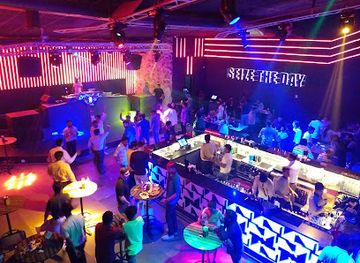
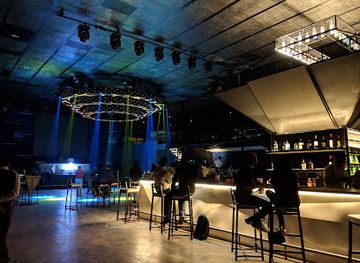
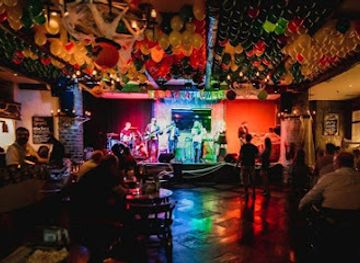
Evening life in Telangana is concentrated in Hyderabad, where established commercial districts have hotel bars, contemporary cocktail venues, breweries, live-music spaces and restaurants open late by regional standards. The old city has a different rhythm, centred more on evening food, tea, sweets and market activity than on clubs. Outside Hyderabad, nightlife is generally modest: Warangal and other larger towns offer restaurants, cafés and hotel lounges, while smaller settlements rely on family gatherings, local eateries and traditional tea shops. Alcohol licensing and opening arrangements can change, and some venues operate under restrictions that differ from those in other Indian cities. Visitors should dress appropriately for the venue, arrange reliable transport after dark and avoid assuming that drinking is central to local social life. During festivals, public streets may become busier and more animated, but celebrations are religious and community occasions rather than nightlife events.
-
Brewpub
Prost
Experience the vibrant atmosphere of Prost, Hyderabad's premier brewpub, blending craft beers and gourmet cuisine in Jubilee Hills.
-
Pub
Club Rogue Gachibowli
Discover the electrifying nightlife at Club Rogue Gachibowli, Hyderabad's premier pub and nightclub for an unforgettable evening.
-
Pub
10 Downing Street - Begumpet
Discover the lively atmosphere and eclectic offerings at 10 Downing Street, a premier pub and nightclub in Hyderabad's bustling Begumpet area.
-
Brewpub
10 Downing Street
Immerse yourself in the vibrant nightlife at 10 Downing Street, Gachibowli's premier brewpub and disco club for an unforgettable experience.


Best nightclubs in Telangana
Evening life in Telangana is concentrated in Hyderabad, where established commercial districts have hotel bars, contemporary cocktail venues, breweries, live-music spaces and restaurants open late by regional standards. The old city has a different rhythm, centred more on evening food, tea, sweets and market activity than on clubs. Outside Hyderabad, nightlife is generally modest: Warangal and other larger towns offer restaurants, cafés and hotel lounges, while smaller settlements rely on family gatherings, local eateries and traditional tea shops. Alcohol licensing and opening arrangements can change, and some venues operate under restrictions that differ from those in other Indian cities. Visitors should dress appropriately for the venue, arrange reliable transport after dark and avoid assuming that drinking is central to local social life. During festivals, public streets may become busier and more animated, but celebrations are religious and community occasions rather than nightlife events.
-
Disco club
Carpe Diem
Discover the vibrant nightlife at Carpe Diem in Jubilee Hills, Hyderabad - a perfect blend of dining, dancing, and unforgettable experiences.
-
Night club
Prism Club & Kitchen
Discover the ultimate nightlife experience at Prism Club & Kitchen, Hyderabad's premier night club, bar, and event venue with exquisite dining options.
-
Disco club
TOT - Best Nightclub in Hyderabad
TOT is Hyderabad's premier nightclub offering an unforgettable nightlife experience with top DJs, vibrant crowds, and exquisite drinks in Jubilee Hills.
-
Night club
Komma - The Club
Dive into the electrifying atmosphere of Komma - The Club in Hyderabad, where unforgettable nights filled with music, dance, and fun await.

Best shops in Telangana
Shopping in Telangana divides between Hyderabad’s historic bazaars, modern commercial districts and the smaller markets of regional towns. Around the Charminar, Laad Bazaar is associated with bangles and bridal accessories, while nearby streets sell pearls, perfumes, textiles and traditional clothing; bargaining is common but should remain courteous and realistic. Hyderabad also has established retail centres and independent boutiques offering contemporary Indian fashion, handicrafts and jewellery. In other parts of the state, market towns are useful for seasonal produce, spices, snacks, handloom goods and household textiles rather than extensive branded retail. Visitors interested in craft traditions can look for Telangana handlooms, woven fabrics and locally made decorative items through reputable cooperatives or established shops, checking materials and provenance before buying. Food products such as pickles, spice blends, sweets and snacks make practical souvenirs, provided packaging and transport requirements are considered. Markets are busiest at particular times of day and may be crowded, so secure bags and confirm prices before purchase when no fixed price is displayed.
-
Shopping mall
GVK One Mall
Explore GVK One Mall in Hyderabad for an unforgettable shopping, dining, and entertainment experience amidst a bustling atmosphere.
-
Shopping mall
Hyderabad Central
Explore Hyderabad Central, the ultimate shopping destination in Hyderabad, offering a mix of retail, dining, and entertainment experiences.
-
Shopping mall
City Center Mall
Discover the ultimate shopping experience at City Center Mall, Hyderabad – a blend of fashion, food, and fun in a vibrant setting.
-
Shopping mall
Next Galleria Mall
Discover a shopping haven at Next Galleria Mall in Hyderabad, featuring diverse brands, delicious dining, and vibrant entertainment options.


Get your free copy of our complete guide to Telangana, delivered straight to you.
Everything on this page, from attractions and restaurants to essentials and local phrases, in one PDF you can read offline, print or share.
Already have an account? Sign in
Your Telangana guide is ready.
We'll send it to · Not you? Sign out

Getting your guide ready…
We are putting together a fresh copy of the Telangana guide. This can take up to a minute.
This can take a few moments. If your browser asks, choose Allow so the download can start. You'll find the guide in your Downloads folder.
Nothing happened? Download it again
Sorry, the guide is taking longer than usual. Please try again in a minute, or get it by email instead.
Telangana essentials
Currency and Payment
Safety
Emergency Situations
Do's and Don'ts
Local Tips
From Eve
Local phrases worth knowing
You don't need to get them perfect. A few words go a long way, and locals appreciate the effort.
Basics
| English | Local | Say it |
|---|---|---|
| Hello | నమస్తే | [Namasthe] |
| Goodbye | విదాయనం | [Vidāyanaṁ] |
| Yes | అవును | [Avunu] |
| No | కాదు | [Kādu] |
| Please/You're welcome | దయచేసి/స్వాగతం | [Dayacēsi/Svāgataṁ] |
| Thank you | ధన్యవాదాలు | [Dhan'yavādālu] |
| Excuse me/Sorry | క్షమించండి | [Kṣamiṁcaṇḍi] |
| How are you? | మీరు ఎలా ఉన్నారు? | [Mīru ēlā unnāru?] |
| Fine. And you? | బాగున్నాను. మీరెప్పుడూ? | [Bāgunnānu. Mīreppudū?] |
| Do you speak English? | మీరు ఆంగ్లం మాట్లాడుతారా? | [Mīru āṅglaṁ māṭlāḍutārā?] |
| I don't understand | నాకర్థం కావడం లేదు | [Nākarṭhaṁ kāvāḍaṁ lēdu] |
Eating & Drinking
| English | Local | Say it |
|---|---|---|
| I'd like to see the menu, please | కృపయా మెనువు చూపండి | [Kr̥payā menuvu cūpaṇḍi] |
| I don't eat meat | నేను మాంసం తినను | [Nēnu mānsaṁ tinanu] |
| Cheers! | జయః! | [Jayah!] |
| I would like to pay, please | కృపయా చెల్లించాలి | [Kr̥payā ceḷḷin̄cāli] |
Emergencies
| English | Local | Say it |
|---|---|---|
| Help! | సహాయం! | [Sahāyaṁ!] |
| Go away! | పొడవు! | [Poḍavu!] |
| Call the Police! | పోలీసులను పిలవండి! | [Pōlīsulanu pilavaṇḍi!] |
| Call a doctor! | ఒక వైద్యుని పిలవండి! | [Oka vaidyuni pilavaṇḍi!] |
| I'm lost | నేను కోల్పోయాను | [Nēnu kōlpōyānu] |
| I'm ill | నేను అస్వస్థుడిని | [Nēnu asvāsthuḍini] |
Shopping
| English | Local | Say it |
|---|---|---|
| I'd like to buy... | నేను కొనాలనుకుంటున్నాను... | [Nēnu konālanukuṇṭunnānu...] |
| I'm just looking | నేను కేవలం చూస్తున్నాను | [Nēnu kēvalaṁ cūstunnānu] |
| How much is it? | ఇది ఎంత? | [Idi entha?] |
| That's too expensive | అది చాలా ఖరీదైనది | [Adi chālā kharīdainadi] |
| Can you lower the price? | ధర తగ్గించగలరా? | [Dharā taggiñcagalārā?] |
Time & Numbers
| English | Local | Say it |
|---|---|---|
| What time is it? | ఇప్పుడు ఎంత టైం? | [Ippudu entha ṭā'īm?] |
| It's one o'clock | ఇది ఒక గంట | [Idi oka gaṇṭa] |
| Half past (10) | సమయం (10) మద్య | [Samayaṁ (10) madyā] |
| Morning | ఉదయం | [Udayaṁ] |
| Afternoon | మధ్యాహ్నం | [Madhyāhnaṁ] |
| Evening | సాయంకాలం | [Sāyaṁkālaṁ] |
| Yesterday | నిన్న | [Ninna] |
| Today | ఈ రోజు | [Ī rōju] |
| Tomorrow | రేపు | [Rēpu] |
| 1 | 1 | [1] |
| 2 | 2 | [2] |
| 3 | 3 | [3] |
| 4 | 4 | [4] |
| 5 | 5 | [5] |
| 6 | 6 | [6] |
| 7 | 7 | [7] |
| 8 | 8 | [8] |
| 9 | 9 | [9] |
| 10 | 10 | [10] |
Transport & Directions
| English | Local | Say it |
|---|---|---|
| Where's a/the...? | ఎక్కడ ఉంది...? | [Ekkada undi...?] |
| What's the address? | దొరుకుతున్న చిరునామా ఏమిటి? | [Dorukutuṇṭaṁ ciranāmā ēmiṭi?] |
| Can you show me (on the map)? | మీరు నాకో చూపించగలరా (నక్సా పై)? | [Mīru nākō cūpiñcagalārā (naksā pai)?] |
| When's the next (bus)? | తరువాత (బస్) ఎప్పుడు? | [Taruvāta (bas) eppuḍu?] |
| A ticket (to ....) | ఒక టికెట్ (కు....) | [Oka ṭikeṭ (ku....)] |
History of Telangana
Early Deccan Settlements and Buddhism
Telangana has archaeological evidence of prehistoric communities, early agriculture and later urban settlement connected to wider Deccan networks. Sites such as Kondapur and Dhulikatta indicate the importance of trade and craft production in the centuries around the beginning of the Common Era, while Buddhist remains at Phanigiri preserve evidence of religious activity and long-distance cultural exchange. These locations show that the region was not isolated: merchants, monks and artisans moved through routes linking the Deccan with northern India and the eastern coast.
The Satavahana and Successor Kingdoms
The Satavahanas were among the earliest major powers to control substantial parts of the Deccan, with influence extending into areas of present-day Telangana. Their period encouraged urban growth, coin circulation, trade and Buddhist patronage. Later dynasties, including the Chalukyas and smaller regional powers, left religious and architectural influences across the plateau. Surviving archaeological sites and temple traditions reflect the way political authority and cultural exchange continued to shift across the Deccan.
The Kakatiya Age
From the twelfth to the fourteenth centuries, the Kakatiyas established a powerful kingdom centred on Orugallu, now Warangal. They expanded irrigation through tanks, supported commerce and developed a distinctive architectural style using detailed stone carving, sculpted gateways and carefully engineered temple structures. The Thousand Pillar Temple and the great gateways of Warangal are enduring reminders of this period. Ramappa Temple, built under Kakatiyan patronage, demonstrates the dynasty’s achievement in combining engineering, sculpture and religious design.
Sultanates, Golconda and the Qutb Shahis
After the decline of the Kakatiyas, the region became part of successive Deccan sultanates before the Qutb Shahi dynasty established an independent kingdom based at Golconda in the sixteenth century. The Qutb Shahis developed Hyderabad, founded in 1591, and encouraged Persianate, Telugu and Islamic artistic influences. Golconda’s diamond trade gave the kingdom international significance, while its forts, mosques, tombs, gardens and urban monuments shaped the architectural identity still associated with Hyderabad.
The Asaf Jahi Nizams
The Asaf Jahi dynasty, commonly known as the Nizams, ruled Hyderabad State from the eighteenth century until the integration of the state into the Indian Union in 1948. Hyderabad became an important centre of administration, learning, commerce and court culture, and its palaces, institutions and urban neighbourhoods expanded during this era. The period also produced a layered society in which Telugu, Urdu, Marathi, Kannada and other linguistic communities interacted across the wider state.
Colonial-era Change and Hyderabad State
Although Hyderabad State retained princely status, British power influenced its political and economic environment through subsidiary arrangements, trade and administrative change. Railways, roads, educational institutions and new commercial systems altered connections between Hyderabad and other parts of India. The growth of urban institutions and print culture helped shape modern political debate, while rural Telangana experienced major inequalities in landholding and access to power.
Integration, Reform and the Telangana Movement
Hyderabad State joined the Indian Union in 1948, and its territories were subsequently reorganised within the changing boundaries of post-independence Andhra Pradesh. Telangana experienced major social and political movements, including the peasant struggle of the late 1940s and early 1950s and a later campaign seeking separate statehood. After sustained democratic mobilisation, Telangana became a state of India on 2 June 2014, with Hyderabad serving as its capital. The state’s contemporary identity draws on both its historical Deccan heritage and its modern urban economy.
Telangana in Photos
Browse through our photo collection highlighting the charm and character of the destination.
Neighbouring regions of Telangana
The closest regions to Telangana, if you have time for more than one.
-

-

-

-

-


Swipe for more regions
Explore more

Explore more of India
Discover the magic of India, where diverse landscapes, rich heritage, and vibrant culture come together to create an unforgettable travel experience.
Explore India