

Free Maharashtra Travel Guide & Mobile App
Explore Maharashtra with free travel guides. Discover regional history, expert tips, proposed trips, and audio guides on web or mobile app.


Explore Maharashtra for Mumbai culture, Maratha forts, Ajanta and Ellora, Western Ghats landscapes, vineyards, wildlife and distinctive regional food.
Read more about Maharashtra
When is the best time to visit Maharashtra?
Best: December–February · 30–32°C| Month | High (°C) | Rainfall (mm) |
|---|---|---|
| January (best) | 30 | 1 |
| February (best) | 32 | 3 |
| March | 36 | 17 |
| April | 40 | 16 |
| May | 41 | 30 |
| June | 35 | 216 |
| July | 32 | 510 |
| August | 31 | 453 |
| September | 31 | 341 |
| October | 33 | 106 |
| November | 31 | 31 |
| December (best) | 30 | 10 |
Getting to and around Maharashtra
How to get there
Transportation
Top city travel guides in Maharashtra
The cities of Maharashtra, and the easiest places to base yourself.
-

-

-

-

-

-


Swipe for more cities
Destinations in Maharashtra
Resorts, valleys and scenic spots worth a trip of their own.
-

-

-

-

-


Swipe for more destinations
Best attractions in Maharashtra
Maharashtra's attractions range from metropolitan culture to deeply rural landscapes. Mumbai offers museums, galleries, cinemas, markets, waterfront promenades and historic neighbourhoods, while Pune combines museums, theatre, educational institutions and Maratha-era sites. The Ajanta and Ellora cave complexes near Chhatrapati Sambhajinagar are the state's outstanding archaeological attractions, complemented by Daulatabad Fort and the area's medieval monuments. In the Western Ghats, Mahabaleshwar, Matheran, Lonavala and Amboli provide walking, viewpoints and monsoon scenery, though weather can affect access. The Konkan coast brings beaches, fishing communities, estuaries and historic forts, while Nashik adds vineyards and pilgrimage sites. Wildlife experiences include Tadoba-Andhari Tiger Reserve, Pench's Maharashtra sector, Melghat Tiger Reserve and other protected forests, each requiring responsible planning and authorised access. Around Nagpur and eastern Maharashtra, birdwatching and forest excursions contrast with the state's urban centres. Forts, caves, temples, gardens and industrial museums create a broad visitor landscape, but many sites are spread far apart and are best grouped geographically rather than attempted in a single circuit.
-
Historical landmark
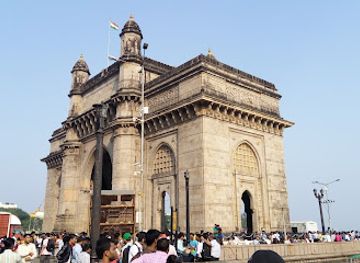
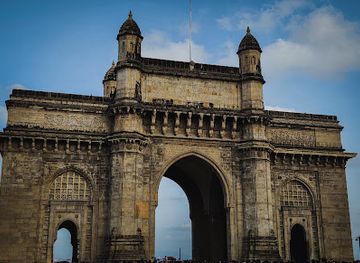
Gateway Of India Mumbai
Discover the historical richness and stunning views at the Gateway of India, Mumbai’s iconic landmark overlooking the Arabian Sea.
-
Historical landmark
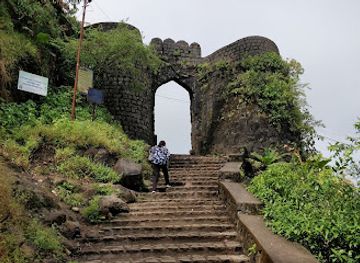
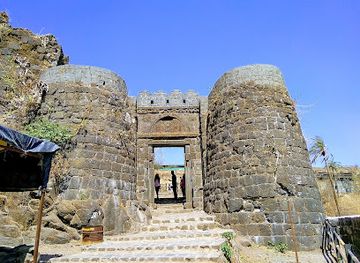
Sinhagad Fort
Discover the historical splendor and breathtaking views of Sinhagad Fort, a must-visit landmark in Maharashtra's scenic Sahyadri mountains.
-
Historical place
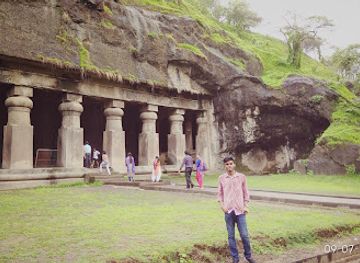
Elephanta Caves
Explore the Elephanta Caves, a UNESCO World Heritage Site, showcasing ancient rock-cut sculptures and rich Indian heritage off Mumbai's coast.
-
Historical place
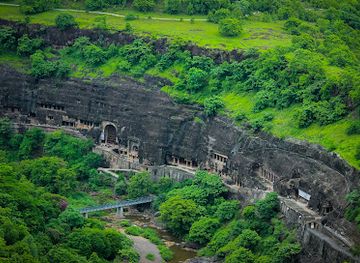
Ajanta Caves
Discover the Ajanta Caves, a UNESCO World Heritage Site, featuring breathtaking rock-cut architecture and ancient Buddhist art in Maharashtra, India.
Best landmarks in Maharashtra
Maharashtra's most recognisable landmarks express its religious, military, colonial and natural history. The Gateway of India and the Chhatrapati Shivaji Maharaj Terminus in Mumbai represent different phases of the city's imperial and commercial development, while the Elephanta Caves in the harbour preserve monumental Shaiva sculpture. The basalt escarpment at Ellora contains the Kailasa temple and other excavated sanctuaries, and Ajanta's horseshoe-shaped gorge frames its celebrated Buddhist caves and paintings. Daulatabad Fort rises dramatically above the landscape near Chhatrapati Sambhajinagar, with formidable defences reflecting its medieval strategic role. Raigad, Pratapgad and Sinhagad are among the most evocative Maratha forts, although their approaches and surviving structures vary. In the Western Ghats, the steep cliffs and seasonal waterfalls around Mahabaleshwar, Matheran and Amboli are landmarks shaped by geology and monsoon. Mumbai's Art Deco streetscape and Pune's historic Shaniwar Wada precinct add urban dimensions to the state's visual identity.
-
Historical landmark
Gateway Of India Mumbai
Explore the majestic Gateway of India, a historic monument in Mumbai that symbolizes India's rich heritage and stunning coastal views.
-
Historical landmark
Sinhagad Fort
Discover the historical marvel of Sinhagad Fort, where adventure meets rich Indian heritage amid breathtaking landscapes.
-
Historical landmark
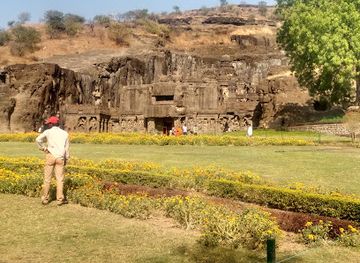
Ellora Caves
Explore the breathtaking Ellora Caves, a UNESCO World Heritage Site, where ancient rock-cut artistry meets spiritual heritage in Maharashtra, India.
-
 History museum
Chhatrapati Shivaji Maharaj Vastu Sangrahalaya
Explore the captivating history and art collections at Chhatrapati Shivaji Maharaj Vastu Sangrahalaya, Mumbai's premier heritage museum.
Explore Maharashtra on the map
Plan your trip on one map. See where the top cities, national parks and sights are, and book hotels and experiences in a few clicks.
Best hotels in Maharashtra
Best restaurants in Maharashtra
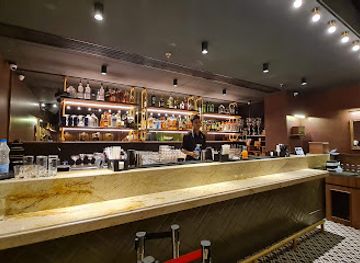
Maharashtra's food reflects coast, plateau, city and community. Mumbai is known for vada pav, pav bhaji, bhel and other street foods, but its restaurants also serve seafood, Parsi specialities and cuisines brought by migrants from across India. Konkan cooking uses rice, coconut, kokum and fish, with Malvani-style dishes particularly associated with the southern coast. Inland menus include misal pav, bhakri, puran poli and strongly seasoned preparations associated with Kolhapur and the wider Deccan; Nagpur is noted for Saoji cooking, known for assertive spice. Pune has a wide café and restaurant scene, while Nashik combines urban dining with vineyard hospitality and local produce. Thali restaurants, vegetarian eateries, bakeries, tea stalls, market snacks and family-run establishments are often the most accessible way to sample regional flavours. Spice levels vary, so ask for a milder preparation when needed, and treat bottled or filtered water as the safer choice where water quality is uncertain.
-
South Indian
Hotel Ashoka
Experience the rich flavors of South Indian cuisine at Hotel Ashoka – where every dish tells a story.
-
Indian
Hitchki Nagpur
Experience the fusion of traditional Indian flavors and contemporary dining at Hitchki Nagpur – where every meal is a celebration.
-
Fine Dining
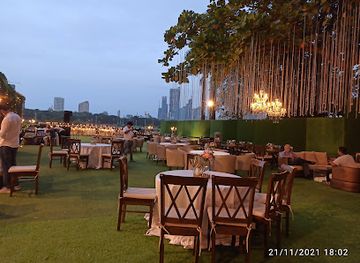
Gallops Restaurant
Experience exquisite fine dining at Gallops Restaurant in Mahalaxmi Racecourse - where culinary artistry meets breathtaking views.
-
Indian
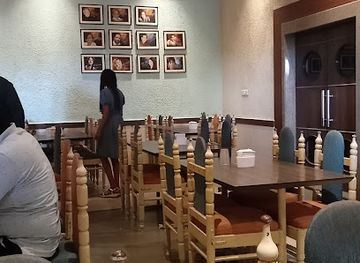
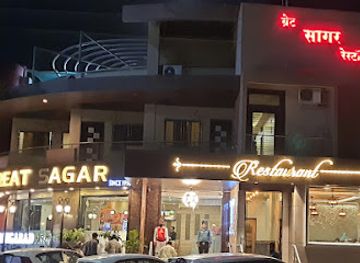
Great Sagar Restaurant
Discover Great Sagar Restaurant: A Culinary Delight Offering Authentic Indian Flavors in Chhatrapati Sambhajinagar.
Best bars in Maharashtra
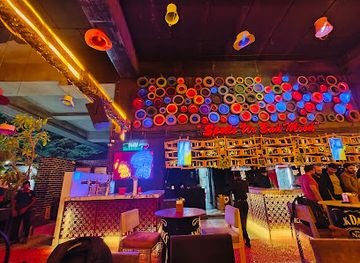
Nightlife is concentrated in Mumbai, Pune and, on a smaller scale, Nagpur and Nashik. Mumbai has the broadest choice, including hotel bars, cocktail venues, live music, theatre-linked evenings and late dining, while Pune's student and technology communities support a substantial selection of pubs, music venues and restaurants. Nashik's vineyards offer tastings and relaxed evening settings rather than a large club scene. In Kolhapur, the Konkan and smaller towns, evenings more often centre on restaurants, tea stalls, local music and traditional bars than on nightclubs. Regulations, licensing and opening arrangements can change, and alcohol is not served everywhere; visitors should respect local customs and avoid assuming that drinking is part of every social occasion. During major festivals, public celebrations may be more significant than commercial nightlife.
-
Lounge
Rude Lounge
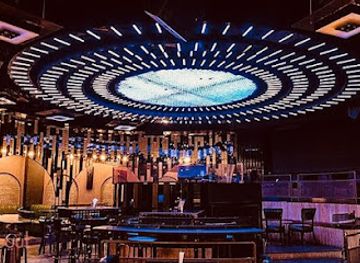
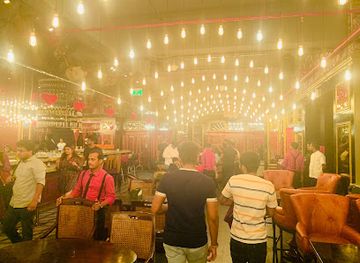
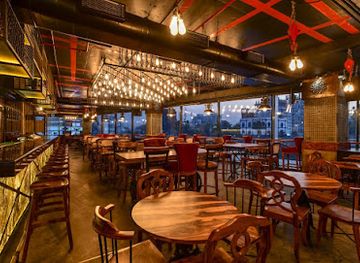
Discover the vibrant atmosphere of Rude Lounge in Powai, Mumbai, where exquisite cuisine meets lively nightlife in a modern setting.
-
Lounge
Bombay Cocktail Bar
Experience Mumbai's vibrant nightlife at Bombay Cocktail Bar, where innovative cocktails and delectable cuisine come together in a chic lounge atmosphere.
-
Lounge
Lord of the Drinks Worli
Discover the vibrant nightlife of Mumbai at Lord of the Drinks Worli, a trendy lounge offering exquisite cocktails and delectable dishes.
-
Restaurant
The Barkhana
Experience a delightful blend of continental cuisine and unique cocktails at The Barkhana, the must-visit restaurant in Pimpri-Chinchwad.
Best nightclubs in Maharashtra
Nightlife is concentrated in Mumbai, Pune and, on a smaller scale, Nagpur and Nashik. Mumbai has the broadest choice, including hotel bars, cocktail venues, live music, theatre-linked evenings and late dining, while Pune's student and technology communities support a substantial selection of pubs, music venues and restaurants. Nashik's vineyards offer tastings and relaxed evening settings rather than a large club scene. In Kolhapur, the Konkan and smaller towns, evenings more often centre on restaurants, tea stalls, local music and traditional bars than on nightclubs. Regulations, licensing and opening arrangements can change, and alcohol is not served everywhere; visitors should respect local customs and avoid assuming that drinking is part of every social occasion. During major festivals, public celebrations may be more significant than commercial nightlife.
-
Night club
Employee's Club
Discover the vibrant nightlife at Employee's Club in Bense, Maharashtra - a budget-friendly night club with thrilling music and an energetic atmosphere.
-
Night club
Friend Club
Discover the vibrant nightlife at Friend Club, Parbhani's premier night club, where music, drinks, and fun come together for an unforgettable experience.
-
Night club
Ultra Miami
Discover the electrifying nightlife of Nagpur at Ultra Miami, a lively club featuring live music, dance, and an unforgettable atmosphere.

Best shops in Maharashtra
Shopping in Maharashtra ranges from dense urban markets to small craft and produce centres. Mumbai provides the widest selection, with historic markets, contemporary retail districts, bookshops, galleries and specialist streets for textiles, jewellery and food. Pune combines established high streets, modern shopping centres, independent design shops and markets serving its large student and professional population. In Nashik, visitors can look for regional food products and wine from surrounding vineyards, while Kolhapur is associated with leather footwear and local craft traditions. Nagpur's markets offer oranges and processed regional produce when in season, alongside textiles and everyday goods. Rural and pilgrimage markets can be useful for brassware, devotional items, spices, woven products and snacks, but quality varies, so examine goods carefully and agree prices before buying where bargaining is customary. Handicrafts, locally made foods, books on Marathi culture and responsibly sourced textiles make more meaningful souvenirs than mass-produced items.
-
Shopping mall
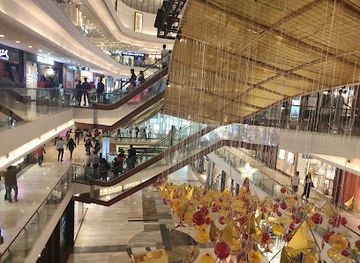
Phoenix Palladium
Discover the ultimate shopping experience at Phoenix Palladium, Mumbai's luxury mall featuring top brands, dining, and entertainment.
-
Gift shop
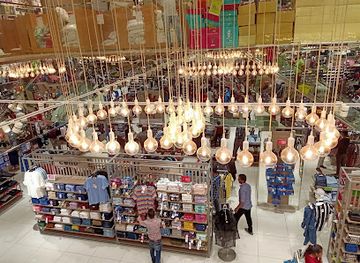
Lifestyle Stores
Explore Lifestyle Stores in Pune for an unforgettable shopping experience featuring trendy clothing, unique gifts, and beauty essentials.
-
Gift shop
The Bombay Store - P.M. Road, Fort, Mumbai
Explore the essence of Indian craftsmanship at The Bombay Store, a premier gift shop in Mumbai offering unique souvenirs and handicrafts.
-
Gift shop
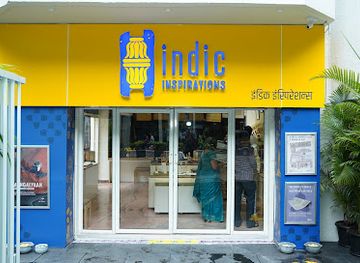
Indic Inspirations Museum Store + Experience Center
Explore the rich tapestry of Indian culture through handcrafted souvenirs and unique gifts at Indic Inspirations Museum Store + Experience Center.

Get your free copy of our complete guide to Maharashtra, delivered straight to you.
Everything on this page, from attractions and restaurants to essentials and local phrases, in one PDF you can read offline, print or share.
Already have an account? Sign in
Your Maharashtra guide is ready.
We'll send it to · Not you? Sign out

Getting your guide ready…
We are putting together a fresh copy of the Maharashtra guide. This can take up to a minute.
This can take a few moments. If your browser asks, choose Allow so the download can start. You'll find the guide in your Downloads folder.
Nothing happened? Download it again
Sorry, the guide is taking longer than usual. Please try again in a minute, or get it by email instead.
Maharashtra essentials
Currency and Payment
Safety
Emergency Situations
Do's and Don'ts
Local Tips
From Eve
Local phrases worth knowing
You don't need to get them perfect. A few words go a long way, and locals appreciate the effort.
Basics
| English | Local | Say it |
|---|---|---|
| Hello | नमस्कार | [Namaskār] |
| Goodbye | अलविदा | [Alvida] |
| Yes | होय | [Hoy] |
| No | नाही | [Nāhī] |
| Please/You're welcome | कृपया | [Kr̥payā] |
| Thank you | धन्यवाद | [Dhan'yavād] |
| Excuse me/Sorry | क्षमस्व | [Kṣamasva] |
| How are you? | तू कसा आहेस? | [Tū kasā āhes?] |
| Fine. And you? | बरे. आणि तु? | [Bare. Āṇi tu?] |
| Do you speak English? | तुला इंग्रजी येतं का? | [Tulā iṅgrajī yetāṁ kā?] |
| I don't understand | माझं समजत नाही | [Mājha samajat nāhī] |
Eating & Drinking
| English | Local | Say it |
|---|---|---|
| I'd like to see the menu, please | कृपया मेन्यू दाखवा | [Kr̥payā men'yū dākhvā] |
| I don't eat meat | मी मांस खात नाही | [Mī mānsa khāt nāhī] |
| Cheers! | चियर्स! | [Chiyars!] |
| I would like to pay, please | कृपया मला पैसे द्या | [Kr̥payā malā paisē dyā] |
Emergencies
| English | Local | Say it |
|---|---|---|
| Help! | मदत करा! | [Madat karā!] |
| Go away! | दूर जाऊन जा! | [Dūr jāūn jā!] |
| Call the Police! | पोलीसांना बोलवा! | [Polīsānna bōlvā!] |
| Call a doctor! | डॉक्टरांना बोलवा! | [Ḍŏkṭarānna bōlvā!] |
| I'm lost | मी हरवले आहे | [Mī haravalē āhe] |
| I'm ill | मी आजारी आहे | [Mī ājārī āhe] |
Shopping
| English | Local | Say it |
|---|---|---|
| I'd like to buy... | माझं खरेदी करायचं आहे... | [Mājha kharedī karāycha āhe...] |
| I'm just looking | मी फक्त पाहतोय | [Mī phakta pāhato'y] |
| How much is it? | हे किती आहे? | [He kitī āhe?] |
| That's too expensive | हे खूप महाग आहे | [He khūp mahāg āhe] |
| Can you lower the price? | किंमत कमी करू शकता का? | [Kīmt kamī karū śakatā kā?] |
Time & Numbers
| English | Local | Say it |
|---|---|---|
| What time is it? | सध्या किती वाजले आहेत? | [Sadhyā kitī vājalē āhet?] |
| It's one o'clock | एक वाजले आहे | [Ek vājalē āhe] |
| Half past (10) | साडे (10) | [Sāḍē (10)] |
| Morning | सकाळ | [Sakāḷ] |
| Afternoon | दुपार | [Dupār] |
| Evening | संध्याकाळ | [Sandhyākāḷ] |
| Yesterday | काल | [Kāl] |
| Today | आज | [Āj] |
| Tomorrow | उद्या | [Udyā] |
| 1 | १ | [1] |
| 2 | २ | [2] |
| 3 | ३ | [3] |
| 4 | ४ | [4] |
| 5 | ५ | [5] |
| 6 | ६ | [6] |
| 7 | ७ | [7] |
| 8 | ८ | [8] |
| 9 | ९ | [9] |
| 10 | १० | [10] |
Transport & Directions
| English | Local | Say it |
|---|---|---|
| Where's a/the...? | एक/ते ... कुठे आहे? | [Ek/te ... kuṭhe āhe?] |
| What's the address? | पत्ता काय आहे? | [Pattā kāy āhe?] |
| Can you show me (on the map)? | तू मला दाखवू शकतोस का (नकाशावर)? | [Tū malā dākhavū śakatōs kā (nakāśāvara)?] |
| When's the next (bus)? | पुढील (बस) कधी आहे? | [Puḍhīl (bas) kadhī āhe?] |
| A ticket (to ....) | एक तिकीट (....साठी) | [Ek tikīṭ (....sāṭhī)] |
History of Maharashtra
Early Deccan Settlement and the Jorwe Tradition
Archaeological evidence from sites including Daimabad and Nevasa records settled farming communities in parts of present-day Maharashtra during the prehistoric and early historic periods. The Jorwe cultural tradition, associated with the second millennium BCE, is known through ceramics, village remains and evidence of agriculture and pastoralism. These communities occupied a landscape shaped by the Godavari and other river systems, establishing patterns of settlement that long predate the great imperial and religious monuments of the Deccan.
Satavahana Power and Deccan Trade
From approximately the late second century BCE into the early centuries CE, Satavahana rulers controlled important parts of the Deccan, with centres including Pratishthana, now Paithan, and links to the western coast. Trade routes connected inland producers with ports and markets, while Buddhist patrons funded caves, stupas and monasteries along routes through the Western Ghats. The period helped shape the commercial and religious networks whose surviving expressions include early rock-cut architecture at sites such as Karla and Bhaja.
Buddhist and Hindu Rock-Cut Heritage
Between roughly the second century BCE and the eighth century CE, religious communities and royal patrons created an extraordinary group of excavated monuments in the Deccan. Ajanta's Buddhist caves contain paintings and sculpture associated with the Vakataka period, while Ellora brings Buddhist, Hindu and Jain monuments together in a single escarpment. Elephanta, in Mumbai Harbour, is particularly celebrated for its monumental Shaiva sculpture. These sites demonstrate changing patronage, artistic exchange and the technical skill of Deccan builders.
The Yadavas and Devagiri
The Yadava dynasty made Devagiri, near present-day Chhatrapati Sambhajinagar, a major capital in the late medieval Deccan. The hill fort, later known as Daulatabad, occupied a commanding position on routes linking northern and southern India. Yadava rule supported Marathi literary and religious developments, but the kingdom was absorbed into the expanding Delhi Sultanate in the early fourteenth century. The fort and surrounding monuments illustrate the strategic importance of the region long before the emergence of the Maratha state.
The Rise of the Maratha State
In the seventeenth century, Shivaji established a powerful Maratha polity from a network of hill and coastal forts, including Raigad, Pratapgad and Sinhagad. His administration, military organisation and use of the Western Ghats and Konkan terrain challenged larger imperial powers, especially the Mughal Empire. Maratha authority later expanded under the Peshwas, whose political centre at Pune became a major cultural and administrative hub. Forts, temples, urban quarters and military routes remain among the clearest physical reminders of this period.
Peshwa Pune and British Expansion
Pune flourished as the seat of the Peshwas during the eighteenth century, when Maratha influence extended across much of the Indian subcontinent. Internal rivalries and conflict with the British East India Company culminated in the defeat of the Peshwa in 1818. British rule brought new administrative systems, cantonments, roads and railways, while ports such as Bombay expanded through global commerce. The period also saw the growth of education, social reform movements and political debate among the region's diverse communities.
Industry, Urbanisation and the Making of Maharashtra
From the late nineteenth century, Bombay developed into a major cotton-milling, financial and port city, attracting workers and migrants from across India. Railway building connected the coast with the Deccan and encouraged trade in cotton, grain and other commodities. After independence, linguistic movements helped lead to the creation of Maharashtra as a Marathi-speaking state on 1 May 1960, with Bombay, now Mumbai, as its capital. Later expansion in finance, manufacturing, information technology, education and cinema further reshaped the state's cities.
Maharashtra in Photos
Browse through our photo collection highlighting the charm and character of the destination.
Neighbouring regions of Maharashtra
The closest regions to Maharashtra, if you have time for more than one.
-

-

-

-

-


Swipe for more regions
Explore more

Explore more of India
Discover the magic of India, where diverse landscapes, rich heritage, and vibrant culture come together to create an unforgettable travel experience.
Explore India