
The Dunes, Indiana Travel Guide
Discover the Indiana Dunes: A blend of towering dunes, sandy beaches, and rich history along Lake Michigan's southern shore.
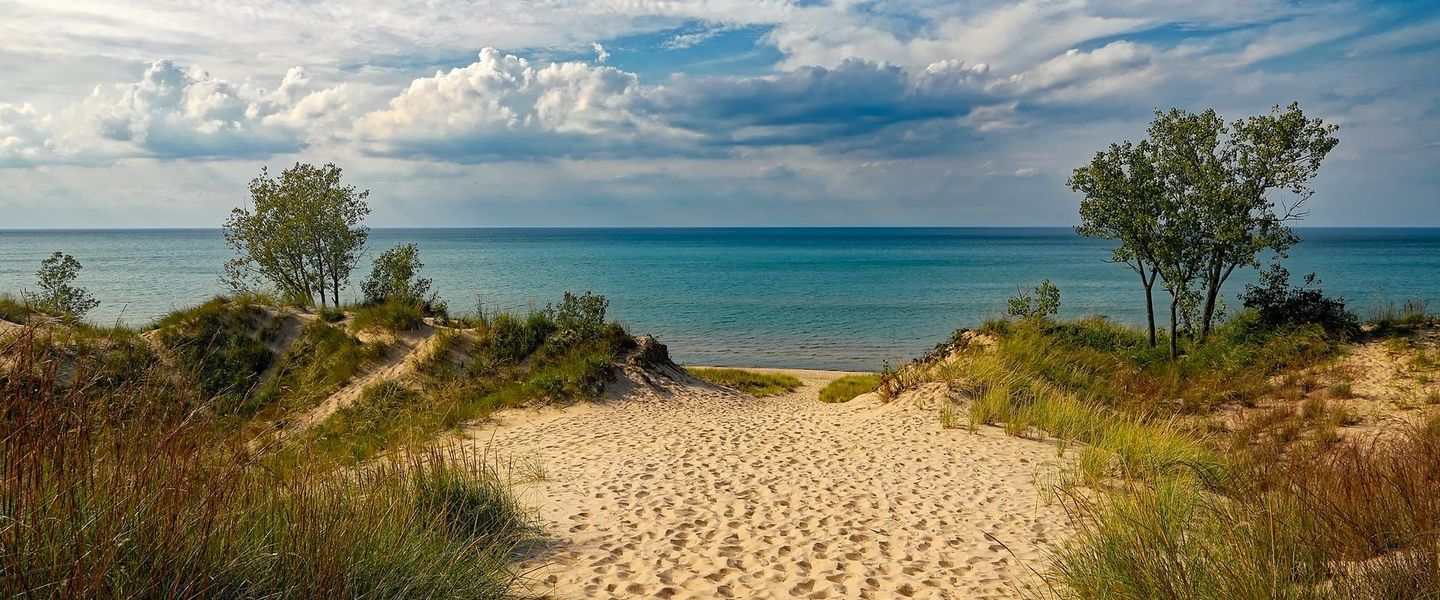
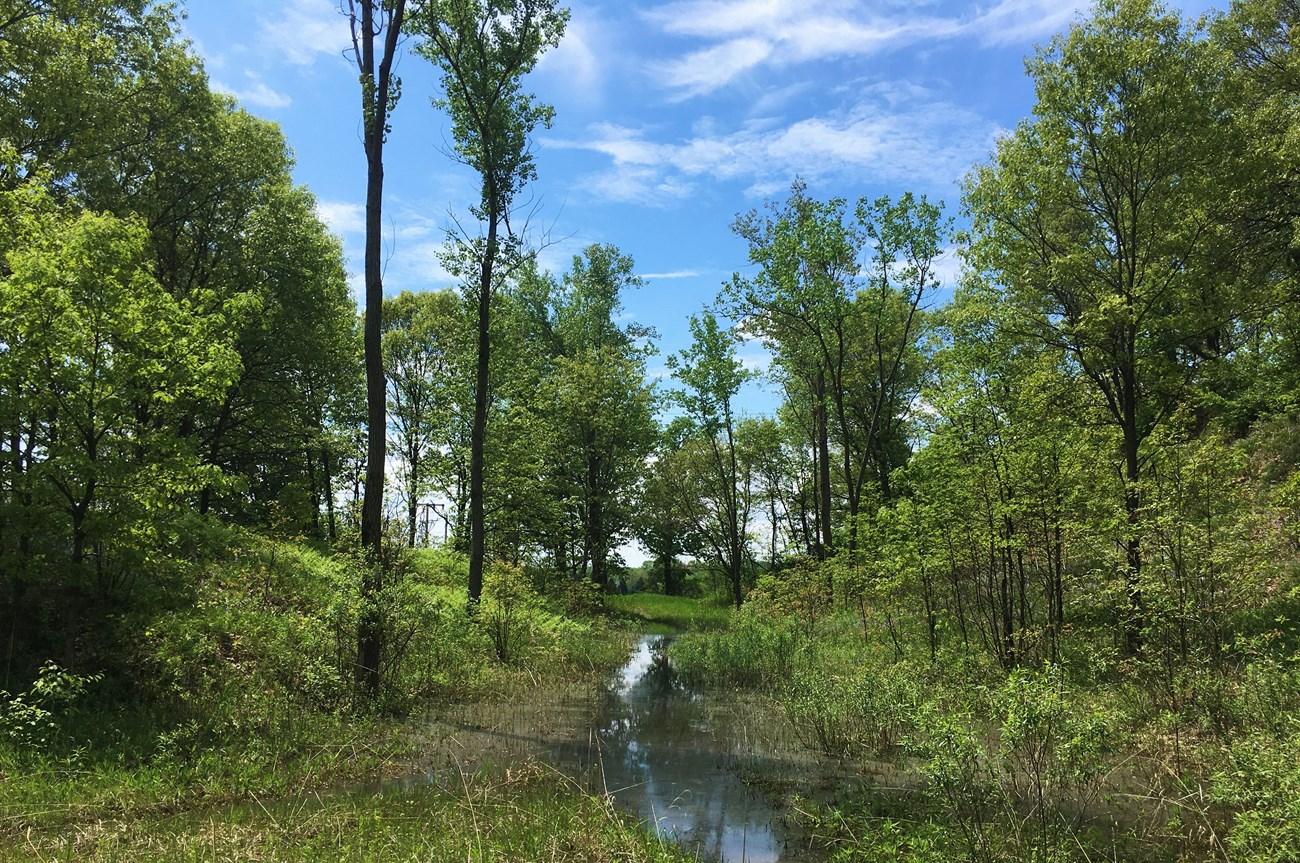
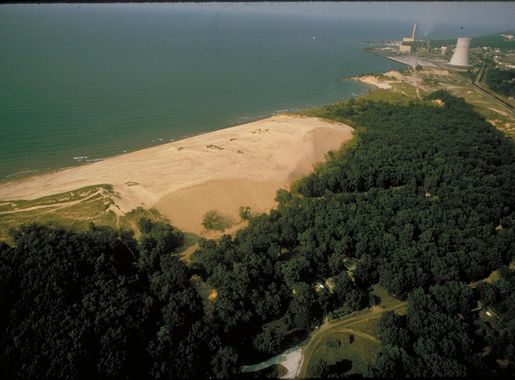
The Dunes in Indiana offer a unique blend of natural beauty and recreational activities. Located along the southern shore of Lake Michigan, the Indiana Dunes National Park and Indiana Dunes State Park span over 15,000 acres of diverse landscapes. From sandy beaches and towering dunes to lush forests and tranquil wetlands, this destination has something for everyone. The towering dunes, some reaching heights of nearly 200 feet, provide stunning views of the lake and surrounding areas. Hiking trails wind through the dunes and forests, offering opportunities to spot local wildlife such as deer, foxes, and a variety of bird species. For those interested in water activities, the pristine beaches are perfect for swimming, sunbathing, and picnicking. In addition to its natural attractions, the Dunes area is rich in history and culture. Visitors can explore historical sites and learn about the region's Native American heritage, early settlers, and industrial past. Educational programs and guided tours are available for those looking to deepen their understanding of this unique landscape.

Know before you go
Hi, I'm Eve. Here are a few practical things to know before exploring The Dunes.
- Visit early in the morning or late in the afternoon to avoid crowds and enjoy cooler temperatures.
- Bring insect repellent, especially in the summer months, as mosquitoes can be prevalent in the wooded areas.
- Wear comfortable hiking shoes if you plan to explore the trails; the sand can be challenging to walk on in regular footwear.
- Check the weather forecast before your visit, as conditions can change quickly near the lake.
- Stop by the visitor center for maps, educational materials, and to learn about any special events or guided tours.
Top City Travel Guides in The Dunes
The cities of The Dunes, and the easiest places to base yourself.


Destinations in The Dunes
Resorts, valleys and scenic spots worth a trip of their own.

Explore The Dunes: Things to Do, Places to Eat, Hotels & More
Handpicked recommendations for top attractions, local dining, accommodations, and more

Top Attractions & Sightseeing in The Dunes
Top-rated picks
Best Attractions

Indiana Dunes National Park
Explore the stunning landscapes and rich biodiversity of Indiana Dunes National Park, where adventure meets tranquility along the shores of Lake Michigan.

Warren Dunes State Park
Discover Warren Dunes State Park: A breathtaking blend of towering dunes, sandy beaches, and lush landscapes along the shores of Lake Michigan.

Indiana Dunes State Park
Explore Indiana Dunes State Park: A breathtaking blend of sand dunes, forests, and Lake Michigan's shores, perfect for outdoor adventures and relaxation.

Brown County State Park
Explore the breathtaking landscapes and diverse recreational activities at Brown County State Park, Indiana's natural gem for outdoor enthusiasts.

Best landmarks in The Dunes
Top-rated picks
Best Landmarks

Indiana Dunes National Park
Explore Indiana Dunes National Park: A natural paradise with breathtaking dunes, diverse ecosystems, and stunning lakeside views for all nature lovers.

Indiana Dunes State Park
Discover Indiana Dunes State Park, a natural wonder with stunning landscapes, diverse wildlife, and endless recreational activities for all ages along Lake Michigan.

Michigan City East Pierhead Lighthouse
Explore the Michigan City East Pierhead Lighthouse, a historical gem offering stunning views of Lake Michigan and a glimpse into maritime history.

Lanier Mansion State Historic Site
Experience the grandeur of 19th-century Indiana at Lanier Mansion, a beautifully restored historical landmark in Madison, rich with culture and history.

Best restaurants in The Dunes
Top-rated picks
Best Restaurants

Das Dutchman Essenhaus
Discover Das Dutchman Essenhaus: A family-friendly American restaurant in Middlebury serving homemade dishes & delicious baked goods.

Lighthouse Restaurant
Experience exquisite dining with breathtaking views at Lighthouse Restaurant in Cedar Lake - a must-visit culinary destination.

Industrial Revolution Eatery & Grille
Experience American cuisine with an industrial twist at the Industrial Revolution Eatery & Grille in Valparaiso, Indiana.

LongHorn Steakhouse
Experience authentic American cuisine at LongHorn Steakhouse in Portage - where every meal is crafted with care.

Best bars in The Dunes
Top-rated picks
Best Bars

The Stray Dog Bar & Grill
Discover the culinary charm of The Stray Dog Bar & Grill in New Buffalo, where delicious food and great drinks meet a lively atmosphere.

Stacks Bar and Grill
Explore the flavors of Valparaiso at Stacks Bar and Grill, where delicious grilled dishes meet a lively atmosphere in a charming Indiana town.

Wagner's Ribs
Discover the smoky flavors of Wagner's Ribs, a barbecue gem in Porter, Indiana, serving up mouthwatering ribs and a welcoming atmosphere.

Shoreline Brewery & Restaurant
Experience the best of local craft beer and delicious cuisine at Shoreline Brewery & Restaurant in Michigan City, Indiana.

Best nightclubs in The Dunes
Top-rated picks
Best Nightclubs

Howl at the Moon Indianapolis
Dive into the lively nightlife at Howl at the Moon Indianapolis, an iconic venue for live music, cocktails, and unforgettable moments.

Sunset Grille Rooftop Cantina & Beach Concession
Experience the perfect beachside dining at Sunset Grille Rooftop Cantina, where delicious food and stunning sunset views await you.

Panthera's Cocktail Lounge
Discover Panthera's Cocktail Lounge in Gary, Indiana, where crafted cocktails and a vibrant ambiance create the perfect nightlife escape.

Fuse Bar & Nightclub
Discover the lively atmosphere of Fuse Bar & Nightclub in Chesterton, Indiana, where energetic music and refreshing cocktails create unforgettable nights.

Best shops in The Dunes
Top-rated picks
Best Shops

Indiana Dunes State Park
Discover the breathtaking landscapes and diverse ecosystems of Indiana Dunes State Park, where adventure meets tranquility on Lake Michigan.

Lighthouse Place Premium Outlets
Discover unbeatable deals and a memorable shopping experience at Lighthouse Place Premium Outlets in Michigan City, Indiana.

Bass Pro Shops
Discover the ultimate destination for outdoor enthusiasts at Bass Pro Shops in Portage, Indiana, offering quality gear for fishing, camping, and hunting.

Davis Mercantile
Explore the eclectic treasures and delightful café at Davis Mercantile in Shipshewana - a must-visit for memorable gifts and local crafts.

Explore The Dunes on the Map
A handpicked selection of must-see spots in The Dunes, mapped for you.
The Dunes Essentials
-
The Indiana Dunes are located along the southern shore of Lake Michigan in Indiana, United States. The closest major airport is Chicago O'Hare International Airport (ORD), approximately 50 miles away. Alternatively, Midway International Airport (MDW) is around 43 miles from the Dunes. From Chicago, you can take the South Shore Line train, which runs directly to the Dunes Park station in Chesterton, Indiana. Driving is also an option, with major highways such as I-94 and I-80/90 providing easy access to the area.
-
Once you arrive, getting around the Indiana Dunes area is relatively straightforward. Car rentals are available at nearby airports and in surrounding cities, providing the most flexibility for exploring the region. The South Shore Line train is an excellent public transportation option, connecting Chicago to various points around the Dunes. Local taxis and ride-sharing services like Uber and Lyft are also available. Additionally, there are bike rentals for those who wish to explore the Dunes' extensive trail system.
-
The currency used in Indiana, as in the rest of the United States, is the US Dollar (USD). Credit and debit cards are widely accepted in most establishments, including restaurants, hotels, and shops. However, it's advisable to carry some cash for smaller vendors or in rural areas where card payment options may be limited. ATMs are plentiful, especially in towns surrounding the Dunes.
-
The Indiana Dunes are generally a safe destination for tourists, but standard travel safety precautions are recommended. Avoid leaving valuables in plain sight in your car, and be cautious when using ATMs. While the Dunes themselves are safe, some surrounding areas may have higher crime rates. It’s advisable to research specific neighborhoods if you plan to stay outside the park. Always stay aware of your surroundings, especially at night.
-
In case of an emergency, dial 911 for immediate assistance. The local police and fire departments are well-equipped to handle emergencies. For medical issues, the nearest hospital is Franciscan Health in Michigan City, around 15 miles from the Dunes. Pharmacies are available in nearby towns for minor health concerns. It is highly recommended to have travel insurance that covers medical emergencies.
-
Fashion: Do wear comfortable clothing suitable for outdoor activities, and always pack layers as the weather can change rapidly. Avoid overly formal attire unless dining at a fine restaurant. Religion: The area is generally secular, but do respect any religious sites you may visit by dressing modestly. Public Transport: Do be punctual for train schedules and respect other passengers' space. Don't eat or drink on public transport. Greetings: A simple handshake is a common greeting. A friendly smile and eye contact are also appreciated. Eating & Drinking: Do try local specialties and support local eateries. Don’t forget to tip, as it is customary in the United States.
-
To experience the Indiana Dunes like a local, consider visiting during the shoulder seasons (spring and fall) when the weather is pleasant, and the crowds are thinner. Explore the lesser-known trails for a more secluded experience. Attend local events and festivals in nearby towns such as Chesterton’s European Market. Engage with park rangers and volunteers; they often have insider knowledge about the best spots and activities. Don't miss the sunset views from the top of Mount Baldy or the bird-watching opportunities at the Great Marsh.
When is the best time to visit The Dunes?
Useful Local Phrases for The Dunes
You don't need to speak the language perfectly. Even learning a few simple words can make conversations warmer—and locals usually appreciate the effort.
— Eve

Here are the phrases I use most often in The Dunes. Try a few—you'll be surprised how far they go! 😊
❤️
-
- HelloHey
[Hey] - GoodbyeSee ya
[See ya] - YesYep
[Yep] - NoNah
[Nah] - Please/You're welcomeNo problem
[No problem] - Thank youThanks
[Thanks] - Excuse me/SorrySorry 'bout that
[Sorry 'bout that] - How are you?How ya doin'?
[How ya doin'?] - Fine. And you?Good. You?
[Good. You?] - Do you speak English?You speakin' English?
[You speakin' English?] - I don't understandI ain't gettin' it
[I ain't gettin' it]
- HelloHey
-
- I'd like to see the menu, pleaseCan I see the menu?
[Can I see the menu?] - I don't eat meatI don't do meat
[I don't do meat] - Cheers!Cheers!
[Cheers!] - I would like to pay, pleaseCan I get the check?
[Can I get the check?]
- I'd like to see the menu, pleaseCan I see the menu?
-
- Help!Help!
[Help!] - Go away!Leave me alone!
[Leave me alone!] - Call the Police!Call the cops!
[Call the cops!] - Call a doctor!Get a doctor!
[Get a doctor!] - I'm lostI'm turned around
[I'm turned around] - I'm illI'm feelin' sick
[I'm feelin' sick]
- Help!Help!
-
- I'd like to buy...I wanna buy...
[I wanna buy...] - I'm just lookingJust browsin'
[Just browsin'] - How much is it?What's the price?
[What's the price?] - That's too expensiveThat's pricey
[That's pricey] - Can you lower the price?Can ya drop the price?
[Can ya drop the price?]
- I'd like to buy...I wanna buy...
-
- What time is it?What time ya got?
[What time ya got?] - It's one o'clockIt's one
[It's one] - Half past (10)Half past ten
[Half past ten] - MorningMornin'
[Mornin'] - AfternoonAfternoon
[Afternoon] - EveningEvenin'
[Evenin'] - YesterdayYesterday
[Yesterday] - TodayToday
[Today] - TomorrowTomorrow
[Tomorrow] - 1One
[One] - 2Two
[Two] - 3Three
[Three] - 4Four
[Four] - 5Five
[Five] - 6Six
[Six] - 7Seven
[Seven] - 8Eight
[Eight] - 9Nine
[Nine] - 10Ten
[Ten]
- What time is it?What time ya got?
-
- Where's a/the...?Where's the...?
[Where's the...?] - What's the address?What's the address?
[What's the address?] - Can you show me (on the map)?Can ya show me on the map?
[Can ya show me on the map?] - When's the next (bus)?When's the next bus?
[When's the next bus?] - A ticket (to ....)A ticket to...
[A ticket to...]
- Where's a/the...?Where's the...?
History of The Dunes
-
The Indiana Dunes are a natural marvel, shaped over thousands of years by glacial activity. Around 14,000 years ago, as glaciers from the last Ice Age receded, they left behind sand, gravel, and other sediments along the shores of what is now Lake Michigan. These deposits were then sculpted by wind and water, creating the unique and varied dune formations we see today. The diverse ecosystems within the dunes, from wetlands to prairies, are a testament to these ancient geological processes.
-
Long before European settlers arrived, the Indiana Dunes region was home to Native American tribes such as the Potawatomi and Miami. These indigenous peoples thrived in the area, relying on the rich natural resources for hunting, fishing, and gathering. The dunes were not only a source of sustenance but also held spiritual significance. Various artifacts, including pottery and tools, have been discovered, shedding light on their sophisticated culture and harmonious relationship with the land.
-
The arrival of European explorers in the 17th century marked a new chapter in the history of the Indiana Dunes. The French explorers, including Louis Jolliet and Jacques Marquette, were among the first Europeans to traverse the region. By the 19th century, the area saw increased settlement as pioneers moved westward. The establishment of the Michigan City Harbor in the early 1800s further spurred development, transforming the dunes from a remote wilderness into a bustling hub of commerce and transport.
-
The late 19th and early 20th centuries brought significant industrial development to the Indiana Dunes area. The construction of steel mills and power plants posed a threat to the natural landscape. However, this period also saw the rise of the conservation movement. Pioneers like Paul H. Douglas and groups such as the Prairie Club advocated for the preservation of the dunes, leading to the establishment of the Indiana Dunes State Park in 1925 and later the Indiana Dunes National Lakeshore in 1966. Thanks to their efforts, much of the region's natural beauty has been preserved for future generations.
-
Today, the Indiana Dunes are celebrated not only for their natural beauty but also for their cultural and recreational significance. The area attracts millions of visitors each year, offering a wide range of activities such as hiking, birdwatching, and swimming. The diverse ecosystems support a rich variety of flora and fauna, making it a paradise for nature enthusiasts. Additionally, the dunes have inspired artists, writers, and photographers, contributing to the cultural tapestry of the region. Festivals, educational programs, and community events further enrich the vibrant heritage of the Indiana Dunes.
Neighbouring Regions of The Dunes
The closest regions to The Dunes, if you have time for more than one.


Your all‑in‑one travel companion app
Explore expert travel guides, compare and book tours, experiences, hotels, and more—all from the palm of your hand. Download now for seamless trip planning wherever your wanderlust takes you.


Explore More of Indiana

Looking beyond The Dunes? Discover Indiana for broader travel guides, local hot-spots, and regional highlights.
Explore IndianaThe Dunes in Photos
Browse through our photo collection highlighting the charm and character of the destination.






The Majestic Dunes of Indiana: A Natural Wonderland
The Dunes in Indiana offer a unique blend of natural beauty and recreational activities. Located along the southern shore of Lake Michigan, the Indiana Dunes National Park and Indiana Dunes State Park span over 15,000 acres of diverse landscapes. From sandy beaches and towering dunes to lush forests and tranquil wetlands, this destination has something for everyone. The towering dunes, some reaching heights of nearly 200 feet, provide stunning views of the lake and surrounding areas. Hiking trails wind through the dunes and forests, offering opportunities to spot local wildlife such as deer, foxes, and a variety of bird species. For those interested in water activities, the pristine beaches are perfect for swimming, sunbathing, and picnicking. In addition to its natural attractions, the Dunes area is rich in history and culture. Visitors can explore historical sites and learn about the region's Native American heritage, early settlers, and industrial past. Educational programs and guided tours are available for those looking to deepen their understanding of this unique landscape.