

Free Michigan City Travel Guide & Mobile App
Plan your Michigan City trip with Evendo. Get free guides to top attractions, restaurants, hotels, and bars. Web access or download the mobile app.


Michigan City, Indiana, pairs Lake Michigan beaches and historic landmarks with the South Shore Line, lively arts, local food and Indiana Dunes access.
Lakefront Character
Michigan City occupies Indiana's north-western edge beside Lake Michigan, where broad beaches, dunes and working-city history create a distinctive setting. Washington Park brings together a sandy shoreline, wooded paths, a marina, a small zoo and the Michigan City East Pier, while the red-and-white Michigan City Lighthouse stands as a familiar marker at the harbour entrance. The lake gives the city an open, changing horizon, from bright summer afternoons to dramatic winter skies.Read more about Michigan City
History and Architecture
Arts, Nature and Local Life
When is the best time to visit Michigan City?
Best: June, August–September · 22–27°C| Month | High (°C) | Rainfall (mm) |
|---|---|---|
| January | 1 | 48 |
| February | 1 | 46 |
| March | 7 | 53 |
| April | 14 | 76 |
| May | 20 | 97 |
| June (best) | 25 | 99 |
| July | 29 | 99 |
| August (best) | 27 | 99 |
| September (best) | 22 | 91 |
| October | 16 | 76 |
| November | 8 | 76 |
| December | 2 | 58 |
Getting to and around Michigan City
How to get there
Transportation
Best attractions in Michigan City
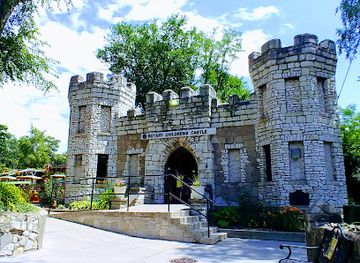
Michigan City's principal attractions bring together lakefront recreation, cultural institutions and traces of its industrial past. Washington Park combines a beach, marina, gardens, a small zoo and the East Pier, where the lighthouse harbour and open waters provide the city's defining scenery. The Michigan City Lighthouse and Old Lighthouse Museum explain the practical history of navigation on this section of Lake Michigan, while Barker Mansion offers an interior view of the city's industrial-era prosperity. Downtown, the Lubeznik Center for the Arts presents changing exhibitions and cultural programmes, and the Uptown Arts District adds galleries, studios and independent creative spaces to the historic commercial streets. Friendship Botanic Gardens provides woodland paths and cultivated landscapes beyond the centre. The wider Indiana Dunes National Park is nearby rather than within every part of Michigan City, offering beaches, dunes, wetlands and trails that expand the region's sightseeing possibilities.
-
Tourist attraction
Washington Park Zoo
Explore the captivating world of wildlife at Washington Park Zoo, a family-friendly destination dedicated to animal conservation and education in Michigan City.
6 min drive · 2.0 km from city centre
-
Tourist attraction
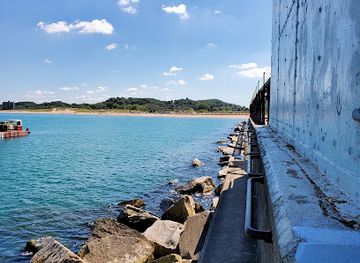
Michigan City East Pierhead Lighthouse
Explore the historic Michigan City East Pierhead Lighthouse, a stunning landmark with breathtaking views of Lake Michigan, perfect for photography and relaxation.
8 min drive · 2.8 km from city centre
-
Tourist attraction
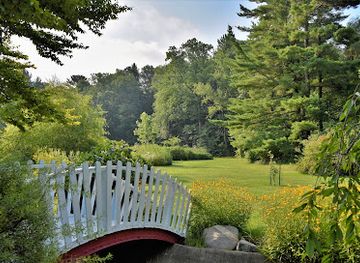
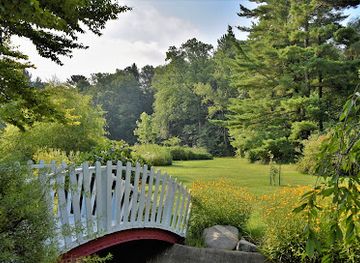
Friendship Botanic Gardens
Explore the enchanting landscapes of Friendship Botanic Gardens, a tranquil destination in Michigan City, Indiana, perfect for nature lovers and families.
9 min drive · 3.0 km from city centre
-
Winery
Shady Creek Winery
Experience the best of Indiana's wine culture at Shady Creek Winery, where exquisite wines meet delicious cuisine in a stunning vineyard setting.
18 min drive · 5.9 km from city centre
Best landmarks in Michigan City
The Michigan City Lighthouse is the city's most recognisable maritime landmark, standing beside Washington Park and representing the navigation system that supported Lake Michigan shipping; the adjacent Old Lighthouse Museum occupies the earlier lighthouse structure. Barker Mansion, associated with railway-car manufacturer John H. Barker, conveys the wealth and architectural ambition created by nineteenth-century industry and remains an important reminder of the city's social history. The East Pier extends into the lake from the harbour and is both a working piece of waterfront infrastructure and a defining public viewpoint. In the centre, historic commercial buildings around Franklin Street and the Uptown Arts District reflect the city's development as a railway and manufacturing community. Washington Park itself is also a civic landmark, linking the built city to the shore through public gardens, recreation spaces, harbour views and a long-established relationship with Lake Michigan.
-
Outlet mall
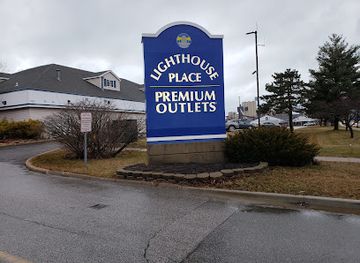
Lighthouse Place Premium Outlets
Explore incredible savings at Lighthouse Place Premium Outlets, where top brands meet unbeatable prices in Michigan City, Indiana.
15 min walk · 1.2 km from city centre
-
Brewery
Zorn Brew Works Co.
Experience the best of craft beer and live entertainment at Zorn Brew Works Co. in Michigan City, Indiana, a must-visit brewery for all tourists.
10 min walk · 0.8 km from city centre
-
Historical landmark
Michigan City East Pierhead Lighthouse
Explore the historic Michigan City East Pierhead Lighthouse, a picturesque landmark offering breathtaking views and a glimpse into maritime history.
8 min drive · 2.8 km from city centre
-
Botanical garden
Friendship Botanic Gardens
Discover the beauty of nature at Friendship Botanic Gardens in Michigan City, a perfect destination for relaxation, exploration, and unforgettable events.
9 min drive · 3.0 km from city centre
Explore Michigan City on the map
Plan your Michigan City trip on one map. See where the top attractions, landmarks, restaurants, bars and hotels are, find what's near where you're staying, and book hotels and experiences in a few clicks.
Best hotels in Michigan City
Best restaurants in Michigan City
Michigan City's food scene reflects its lakeshore setting, north-western Indiana history and proximity to Chicago. Lake perch and other freshwater fish appear in local dining traditions, while burgers, pizza, sandwiches and hearty American comfort food suit the city's casual character. Downtown and the Uptown Arts District contain independent restaurants, cafés, bakeries and bars, with further choices around the lakefront and main commercial roads. Local breweries contribute beer-focused menus and social spaces, including established Michigan City producers such as Zorn Brew Works and Burn 'Em Brewing. Farmers' markets and seasonal events provide opportunities to encounter regional produce and prepared foods, while the broader area also reflects the culinary influence of nearby immigrant communities and Chicago's food culture. Menus and businesses change, so visitors should check current opening arrangements rather than assume every venue operates year-round.
-
Breakfast
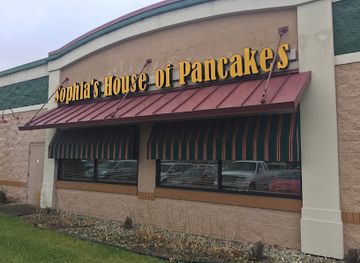
Sophia's House of Pancakes
Discover the ultimate breakfast experience at Sophia's House of Pancakes in Michigan City - where deliciousness meets comfort in every bite!
12 min drive · 4.0 km from city centre
-
Italian
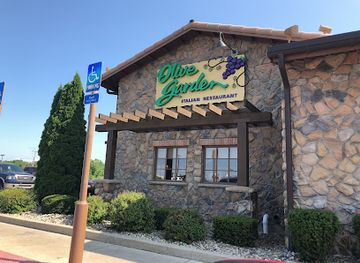
Olive Garden Italian Restaurant
Discover authentic Italian flavors at Olive Garden in Michigan City - where family dining meets delicious cuisine in a warm atmosphere.
12 min drive · 4.1 km from city centre
-
Steak
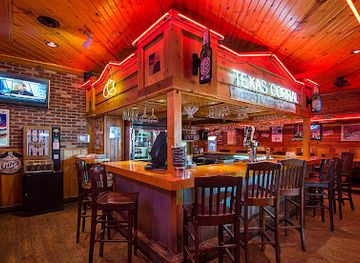
Texas Corral
Experience mouthwatering steaks and classic American fare at Texas Corral in Michigan City – where flavor meets hospitality!
13 min drive · 4.5 km from city centre
-
Steak
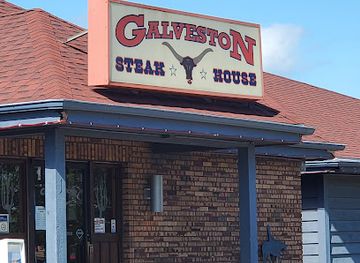
Galveston Steakhouse
Experience the best steak in Michigan City at Galveston Steakhouse – where flavor meets quality in a cozy setting.
5 min drive · 1.7 km from city centre
Best bars in Michigan City
Michigan City has a modest, locally oriented evening scene rather than a concentrated nightclub district. Downtown and the Uptown Arts District offer bars, breweries and casual places for an unhurried drink, with craft beer an important part of the contemporary social landscape. Some restaurants extend their activity into the evening, while seasonal lakefront events and community festivals can bring music and outdoor entertainment to Washington Park and other public spaces. The Lubeznik Center for the Arts and local cultural organisations add exhibitions, talks and occasional performances, and the historic downtown sometimes hosts arts programming after regular business hours. Nightlife is generally dispersed and early-evening focused, so visitors seeking large clubs or late-night entertainment may need to look towards the wider Chicago region rather than expect a major urban circuit in Michigan City.
-
American
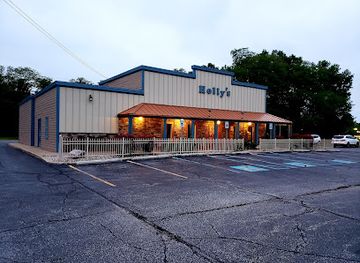
Holly's Restaurant & Pub
Discover Holly's Restaurant & Pub, where American comfort food meets a welcoming atmosphere in Michigan City, Indiana.
7 min drive · 2.4 km from city centre
-
Grill
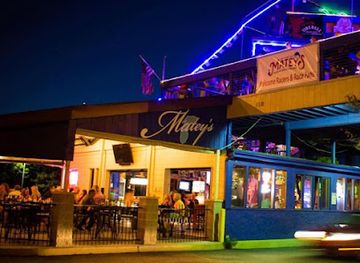
Mateys Restaurant
Discover the flavorful delights of Mateys Restaurant in Michigan City, where grill meets cocktail bar for an unforgettable dining experience.
5 min drive · 1.7 km from city centre
-
Bar
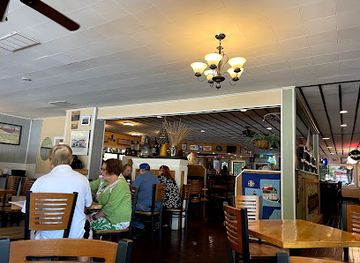
Swingbelly's
Experience the best burgers and vibrant bar atmosphere at Swingbelly's in Michigan City, where every bite is a celebration of flavor.
14 min drive · 4.5 km from city centre
-
Brewery
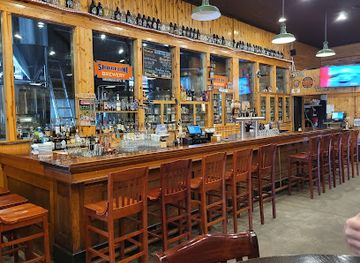
Shoreline Brewery & Restaurant
Discover the taste of Michigan City at Shoreline Brewery & Restaurant, where craft brews meet delicious culinary delights in a vibrant setting.
5 min drive · 1.6 km from city centre
Best nightclubs in Michigan City
Michigan City has a modest, locally oriented evening scene rather than a concentrated nightclub district. Downtown and the Uptown Arts District offer bars, breweries and casual places for an unhurried drink, with craft beer an important part of the contemporary social landscape. Some restaurants extend their activity into the evening, while seasonal lakefront events and community festivals can bring music and outdoor entertainment to Washington Park and other public spaces. The Lubeznik Center for the Arts and local cultural organisations add exhibitions, talks and occasional performances, and the historic downtown sometimes hosts arts programming after regular business hours. Nightlife is generally dispersed and early-evening focused, so visitors seeking large clubs or late-night entertainment may need to look towards the wider Chicago region rather than expect a major urban circuit in Michigan City.
-
Sports bar
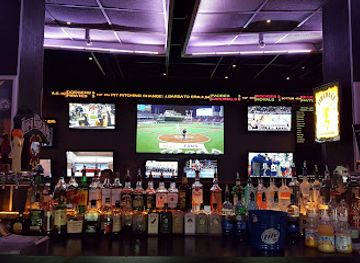
The Game
Discover The Game, a vibrant sports bar in Michigan City, Indiana, where delicious food and live sports come together for an unforgettable experience.
16 min walk · 1.3 km from city centre
-
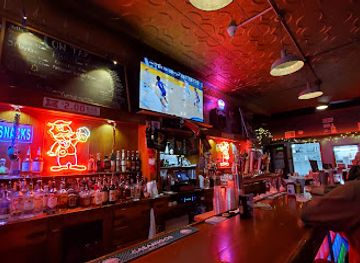
Bar
Barker Pub
Experience the vibrant atmosphere and delicious offerings of Barker Pub, the perfect blend of bar and restaurant in Michigan City, Indiana.
7 min walk · 0.5 km from city centre
-
Bar
Knuckleheads Sports Bar-Grill
Discover the vibrant atmosphere of Knuckleheads Sports Bar-Grill in Michigan City, perfect for sports lovers and foodies alike with late-night dining options.
5 min walk · 0.4 km from city centre
-
Grill
Ritz Klub Tavern
Discover the vibrant flavors and lively atmosphere of Ritz Klub Tavern in Michigan City, Indiana - the perfect stop for food and fun.
17 min walk · 1.3 km from city centre


Best shops in Michigan City
Shopping in Michigan City ranges from an outlet centre to independent downtown businesses and seasonal local markets. Lighthouse Place Premium Outlets, close to the historic centre, is the area's largest concentrated retail destination, while Franklin Street and the Uptown Arts District offer smaller shops, galleries, studios and locally oriented businesses. Visitors may find artwork, home goods, clothing, books and gifts alongside food products associated with the wider lakeshore region. Farmers' markets and community events provide a more seasonal way to encounter local produce and handmade goods. The city's retail character is shaped less by a single traditional bazaar than by the contrast between destination outlet shopping, historic main-street commerce and creative enterprises occupying older buildings. Checking current opening days is particularly useful for independent shops and markets, whose schedules can vary outside the main summer season.
-
Outlet mall
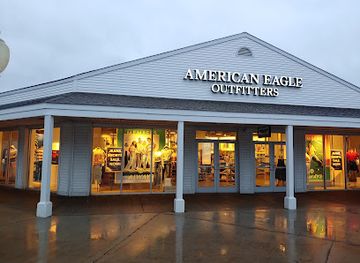
Lighthouse Place Premium Outlets
Discover unbeatable deals at Lighthouse Place Premium Outlets, Michigan City's premier shopping destination with over 120 brand-name stores.
15 min walk · 1.2 km from city centre
-
Sportswear store
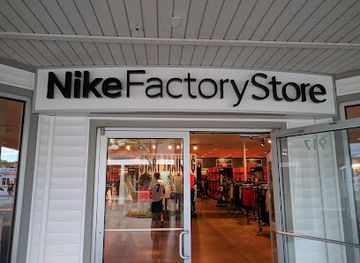
Nike Factory Store - Michigan City
Explore unbeatable deals on premium sportswear at the Nike Factory Store in Michigan City, where style meets functionality for the whole family.
17 min walk · 1.4 km from city centre
-
Fashion accessories store
COACH Outlet
Explore COACH Outlet in Michigan City for exquisite luxury fashion accessories that combine style and affordability, perfect for every traveler.
13 min walk · 1.1 km from city centre
-
Outlet store
Lee | Wrangler
Explore the ultimate shopping experience at Lee | Wrangler Outlet Store in Michigan City, where fashion meets affordability.
15 min walk · 1.2 km from city centre
Get your free copy of our complete guide to Michigan City, delivered straight to you.
Everything on this page, from attractions and restaurants to essentials and local phrases, in one PDF you can read offline, print or share.
Already have an account? Sign in
Your Michigan City guide is ready.
We'll send it to · Not you? Sign out

Getting your guide ready…
We are putting together a fresh copy of the Michigan City guide. This can take up to a minute.
This can take a few moments. If your browser asks, choose Allow so the download can start. You'll find the guide in your Downloads folder.
Nothing happened? Download it again
Sorry, the guide is taking longer than usual. Please try again in a minute, or get it by email instead.
Michigan City essentials
Currency and Payment
Safety
Emergency Situations
Do's and Don'ts
Local Tips
From Eve
Local phrases worth knowing
You don't need to get them perfect. A few words go a long way, and locals appreciate the effort.
Basics
| English | Local | Say it |
|---|---|---|
| Hello | Hey | [Hey] |
| Goodbye | See ya | [See ya] |
| Yes | Yeah | [Yeah] |
| No | Nah | [Nah] |
| Please/You're welcome | Please/No problem | [Please/No problem] |
| Thank you | Thanks | [Thanks] |
| Excuse me/Sorry | Excuse me/My bad | [Excuse me/My bad] |
| How are you? | How you doin'? | [How you doin'?] |
| Fine. And you? | Good. How 'bout you? | [Good. How 'bout you?] |
| Do you speak English? | You speak English? | [You speak English?] |
| I don't understand | I don't get it | [I don't get it] |
Eating & Drinking
| English | Local | Say it |
|---|---|---|
| I'd like to see the menu, please | Can I see the menu, please | [Can I see the menu, please] |
| I don't eat meat | I don't eat meat | [I don't eat meat] |
| Cheers! | Cheers! | [Cheers!] |
| I would like to pay, please | I'll pay, please | [I'll pay, please] |
Emergencies
| English | Local | Say it |
|---|---|---|
| Help! | Help! | [Help!] |
| Go away! | Get lost! | [Get lost!] |
| Call the Police! | Call the cops! | [Call the cops!] |
| Call a doctor! | Call a doc! | [Call a doc!] |
| I'm lost | I'm lost | [I'm lost] |
| I'm ill | I'm sick | [I'm sick] |
Shopping
| English | Local | Say it |
|---|---|---|
| I'd like to buy... | I wanna buy... | [I wanna buy...] |
| I'm just looking | Just browsing | [Just browsing] |
| How much is it? | How much? | [How much?] |
| That's too expensive | Too pricey | [Too pricey] |
| Can you lower the price? | Can you do better? | [Can you do better?] |
Time & Numbers
| English | Local | Say it |
|---|---|---|
| What time is it? | What time is it? | [What time is it?] |
| It's one o'clock | It's one | [It's one] |
| Half past (10) | Ten thirty | [Ten thirty] |
| Morning | Morning | [Morning] |
| Afternoon | Afternoon | [Afternoon] |
| Evening | Evening | [Evening] |
| Yesterday | Yesterday | [Yesterday] |
| Today | Today | [Today] |
| Tomorrow | Tomorrow | [Tomorrow] |
| 1 | One | [One] |
| 2 | Two | [Two] |
| 3 | Three | [Three] |
| 4 | Four | [Four] |
| 5 | Five | [Five] |
| 6 | Six | [Six] |
| 7 | Seven | [Seven] |
| 8 | Eight | [Eight] |
| 9 | Nine | [Nine] |
| 10 | Ten | [Ten] |
Transport & Directions
| English | Local | Say it |
|---|---|---|
| Where's a/the...? | Where's the...? | [Where's the...?] |
| What's the address? | What's the address? | [What's the address?] |
| Can you show me (on the map)? | Can you show me (on the map)? | [Can you show me (on the map)?] |
| When's the next (bus)? | When's the next (bus)? | [When's the next (bus)?] |
| A ticket (to ....) | A ticket (to ....) | [A ticket (to ....)] |
History of Michigan City
Indigenous Shores and Early Settlement
The Lake Michigan shoreline around present-day Michigan City was shaped by Indigenous peoples, including Potawatomi communities whose seasonal movements, agriculture and trade connected the dunes, wetlands and inland waterways. European-American settlement expanded in the early nineteenth century as land companies and speculators recognised the value of the natural harbour and the route along the lakeshore. The area was not an untouched wilderness: Indigenous communities had established relationships with the landscape long before the town appeared. Federal removal policies brought profound disruption, including the forced 1838 removal of Potawatomi people from northern Indiana remembered as the Potawatomi Trail of Death.
The Town Takes Shape
Michigan City was laid out in the 1830s and incorporated as a town in 1836, taking its name from its position on Lake Michigan. Its early prospects rested on the possibility of combining a harbour with overland routes into the developing interior of Indiana. Settlement grew around commerce, shipping and land speculation, although shallow waters and shifting conditions limited the port's potential. The emerging town nevertheless established a civic identity tied to the lake, transport and enterprise. The street plan, commercial core and waterfront relationship visible today still reflect this formative period.
Railways and Lake Commerce
Railway construction transformed Michigan City's prospects during the nineteenth century by connecting the lakeshore with Chicago, South Bend and inland markets. Rail lines carried agricultural goods, manufactured products and passengers, while the harbour supported lake commerce and the movement of raw materials. Improved transport encouraged population growth and helped the town develop from a speculative settlement into a regional centre. The combination of rail access, lake shipping and nearby natural resources made Michigan City attractive to manufacturers and wholesalers. Its later identity as a railway and industrial city was rooted in these connections.
Industry and the Barker Era
Manufacturing became central to Michigan City's economy in the late nineteenth and early twentieth centuries. John H. Barker's railway-car manufacturing enterprise was particularly influential, employing local residents and helping finance civic improvements. Barker Mansion, completed in 1857 and later associated with the Barker family, preserves the scale and domestic style of an industrial-era elite residence. Other factories, workshops and rail facilities supported a diverse working population, including immigrants who contributed to the city's neighbourhoods, religious life and labour culture. Industrial wealth brought employment and institutions, but also tied Michigan City's fortunes to changing national markets.
Civic Landmarks and a Changing City
As Michigan City expanded, public buildings, schools, churches, parks and waterfront infrastructure gave the community a more defined civic character. The Michigan City Lighthouse, first established in 1858, represented the continuing importance of navigation and harbour activity; the present lighthouse dates from the same period of nineteenth-century development. Washington Park became a major public amenity, blending recreation with the practical life of the lakefront. During the twentieth century, manufacturing remained significant while railways, automobiles and new patterns of commerce gradually changed how residents connected with the city and the wider region.
Lakefront Recreation and Cultural Renewal
In the later twentieth and early twenty-first centuries, Michigan City increasingly presented its lakefront, historic buildings and arts institutions as complementary parts of its identity. The preservation of the lighthouse and Barker Mansion, the growth of the Uptown Arts District and the work of the Lubeznik Center for the Arts broadened the city's cultural profile beyond industry. Environmental awareness also strengthened the connection with dunes, wetlands and beaches along the southern Lake Michigan shore. Today, the city retains its working-community character while its public spaces, heritage sites and rail connections support visitors exploring north-western Indiana.
Michigan City in Photos
Browse through our photo collection highlighting the charm and character of the destination.
Cities near Michigan City
The closest cities to Michigan City, if you have time for more than one stop.
-

-

-

-

-


Swipe for more cities
Explore more

Explore more of Indiana
Explore Indiana: From the bustling streets of Indianapolis to the serene beauty of Indiana Dunes, discover the diverse experiences that make Indiana the Crossroads of America.
Explore Indiana