

Free The Calumet Region Travel Guide & Mobile App
Explore The Calumet Region with free travel guides. Discover regional history, expert tips, proposed trips, and audio guides on web or mobile app.


Explore Indiana's Calumet Region for Lake Michigan dunes, steel-town history, multicultural food, historic streets and accessible outdoor escapes.
Read more about The Calumet Region
Getting to and around The Calumet Region
How to get there
Transportation
Top city travel guides in The Calumet Region
The cities of The Calumet Region, and the easiest places to base yourself.
-

-


Swipe for more cities
Destinations in The Calumet Region
Resorts, valleys and scenic spots worth a trip of their own.

Swipe for more destinations
Best attractions in The Calumet Region
The Calumet Region's attractions combine Lake Michigan nature with the history of one of America's major industrial corridors. Indiana Dunes National Park stretches across several sites in Lake and Porter counties, offering beaches, dune trails, wetlands, oak woods and opportunities for birdwatching; nearby Indiana Dunes State Park provides another well-known setting for shore and dune walks. Miller Beach and the surrounding Gary lakeshore add an urban coastal perspective, while inland preserves around Hobart and the Calumet wetlands provide quieter habitats. Heritage attractions include Crown Point's courthouse and former jail, the Bailly Homestead and Chellberg Farm in the national park, and museums and arts venues in Gary, Hammond, Whiting and surrounding communities. The Mascot Hall of Fame in Whiting offers a family-oriented attraction, while local historical organisations interpret steelmaking, immigration, railways and civic life. Architecture enthusiasts can find early twentieth-century commercial, religious and residential buildings, although conditions and access vary. Rather than a concentrated tourist centre, the region offers a sequence of contrasting experiences: protected dunes beside working infrastructure, historic town squares, multicultural neighbourhoods and traces of company-town planning.
-
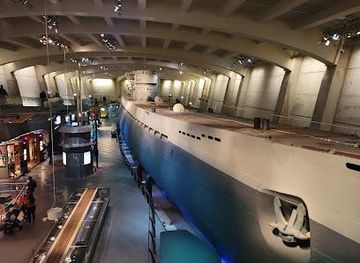
Science museum
Griffin Museum of Science and Industry
Explore the Griffin Museum of Science and Industry in Chicago, a hub of interactive science exhibits, historical artifacts, and family-friendly activities.
-
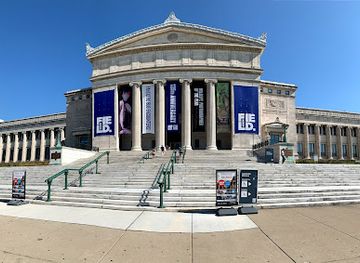
Natural history museum
Field Museum
Discover the fascinating world of natural history at the Field Museum in Chicago, home to ancient fossils, cultural artifacts, and more.
-
Aquarium
Shedd Aquarium
Explore Shedd Aquarium in Chicago: A transformative journey through marine life, history, and conservation in a spectacular lakeside setting.
-
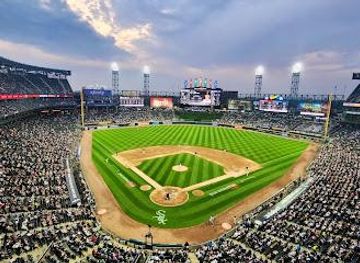
Stadium
Guaranteed Rate Field
Experience the excitement of baseball at Guaranteed Rate Field, home to the Chicago White Sox, where history and modern amenities meet.


Best landmarks in The Calumet Region
The Calumet Region's landmarks express the meeting of industry, civic ambition and Lake Michigan geography. Gary Union Station and other surviving early civic and commercial buildings recall the planned city created around United States Steel, while the remains of Gary's City Methodist Church represent both the scale of its former downtown and the challenges of preservation in a post-industrial city. Miller Beach's shoreline and dune formations are natural landmarks as well as recreational spaces, and the protected dunes of Indiana Dunes National Park show how rare coastal habitats survive beside major industry. Crown Point's historic courthouse square and the former Lake County Jail are prominent reminders of the county's governmental past. Whiting's civic centre and Mascot Hall of Fame reflect a more recent identity built around community and popular culture. The Bailly Homestead and nearby Chellberg Farm preserve important remnants of settlement and agricultural history within the dune landscape. Across the region, rail corridors, canals, steelworks and refinery structures are powerful visual features, though many are working or restricted sites rather than places open for informal exploration.
-
Historical landmark
The Museum Campus
Discover the cultural heart of Chicago at Museum Campus, featuring top museums and stunning lake views in a serene park setting.
-
Natural history museum
Field Museum
Explore the Field Museum in Chicago, a top destination for natural history enthusiasts featuring captivating exhibits, educational programs, and stunning artifacts.
-
Tourist attraction
Indiana Dunes National Park
Explore the breathtaking landscapes, rich history, and diverse wildlife of Indiana Dunes National Park, a premier destination for nature lovers and outdoor enthusiasts.
-
State park
Indiana Dunes State Park
Explore the breathtaking landscapes and diverse ecosystems of Indiana Dunes State Park, a natural gem by Lake Michigan offering endless outdoor adventures.

Explore The Calumet Region on the map
Plan your trip on one map. See where the top cities, national parks and sights are, and book hotels and experiences in a few clicks.
Best hotels in The Calumet Region
Best restaurants in The Calumet Region
Dining in the Calumet Region reflects its industrial history and international population. Long-established diners, taverns, bakeries and family restaurants sit alongside Mexican, Latin American, Polish, Croatian, Serbian, Middle Eastern, South Asian and other cuisines brought by successive communities. Hammond, East Chicago, Gary, Whiting, Merrillville and Crown Point provide the broadest choice, while smaller towns often centre on independent cafés, casual restaurants and traditional American comfort food. Visitors may encounter pierogi and other Eastern European specialities, locally familiar barbecue and sandwiches, lake-influenced seafood offerings, and a wide range of breads, pastries and sweets, although no single dish defines the whole region. Farmers' markets and food shops can be useful for Indiana produce and locally made items in season. Craft beer and contemporary dining are also part of the wider north-west Indiana scene, but the most distinctive culinary experience is often the variety created by working-class migration and the region's proximity to Chicago.
-
Steak
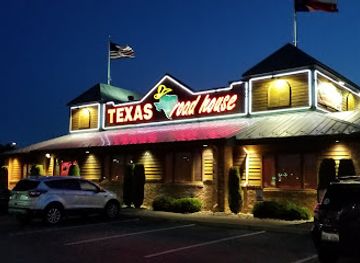
Texas Roadhouse
Savor the best steaks and authentic American cuisine at Texas Roadhouse in Dyer, Indiana – where flavor meets fun!
-
Restaurant
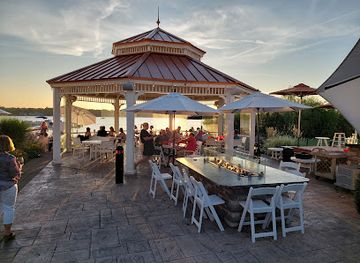
Lighthouse Restaurant
Discover exquisite dining at Lighthouse Restaurant with breathtaking lake views and an enticing menu featuring fresh seafood and American classics.
-
American
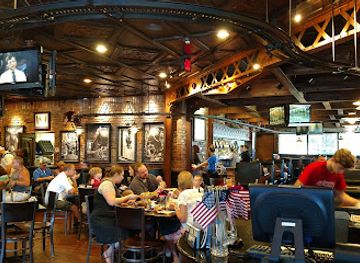
Industrial Revolution Eatery & Grille
Experience innovative American cuisine at Industrial Revolution Eatery & Grille in Valparaiso - where flavor meets ambiance!
-
Family-friendly
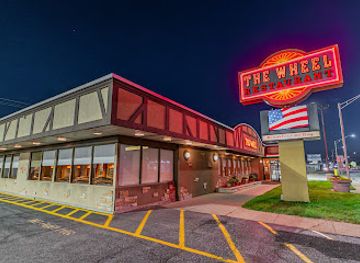
The Wheel Family Restaurant
Experience family-friendly dining at The Wheel Family Restaurant in Hammond - where delicious American cuisine meets warm hospitality.
Best bars in The Calumet Region
Evening life is concentrated in the larger towns and is more local and community-oriented than the concentrated club scene found in central Chicago. Traditional pubs, taverns, breweries, sports bars, casual restaurants and live-music venues provide the main options in Hammond, East Chicago, Gary, Whiting, Merrillville, Crown Point and Valparaiso. Whiting and Crown Point are particularly suitable for an evening combining restaurants with walkable historic or civic areas, while Gary and Hammond offer a wider mixture of neighbourhood establishments and cultural programmes. Nightclubs exist but are not the defining feature of the Calumet Region, and venues can change more quickly than the region's established heritage attractions. In quieter communities, evening activity often centres on food, conversation, local events and live performances rather than late-night entertainment. Check current arrangements before travelling, especially for smaller venues and seasonal outdoor programmes.
-
Fast Food
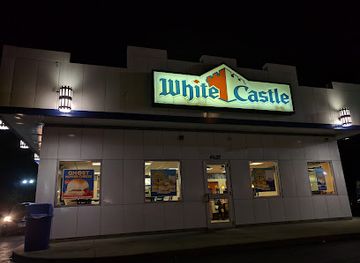
White Castle
Discover the iconic White Castle in Hammond, Indiana, where delicious sliders and classic fast food await your visit.
-
Sports bar
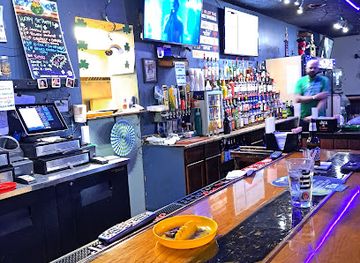
Rusty Nail Sports Bar & Grill
Experience the excitement of sports in Portage, IN at Rusty Nail Sports Bar & Grill, where great food, drinks, and camaraderie await.
Best nightclubs in The Calumet Region
Evening life is concentrated in the larger towns and is more local and community-oriented than the concentrated club scene found in central Chicago. Traditional pubs, taverns, breweries, sports bars, casual restaurants and live-music venues provide the main options in Hammond, East Chicago, Gary, Whiting, Merrillville, Crown Point and Valparaiso. Whiting and Crown Point are particularly suitable for an evening combining restaurants with walkable historic or civic areas, while Gary and Hammond offer a wider mixture of neighbourhood establishments and cultural programmes. Nightclubs exist but are not the defining feature of the Calumet Region, and venues can change more quickly than the region's established heritage attractions. In quieter communities, evening activity often centres on food, conversation, local events and live performances rather than late-night entertainment. Check current arrangements before travelling, especially for smaller venues and seasonal outdoor programmes.
-
Grill
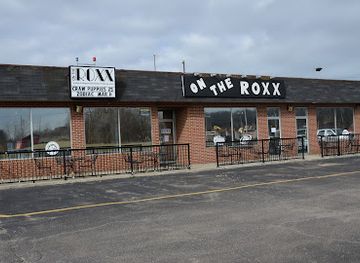
On The Roxx
Experience delicious grilled meals and vibrant live music at On The Roxx, the ultimate grill and bar in Portage, Indiana.
-
Lounge
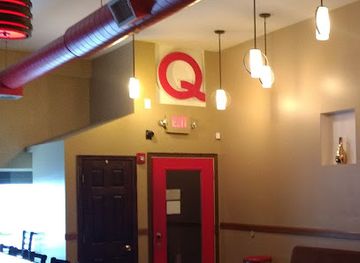
Ques Lounge
Experience the vibrant nightlife of Gary, Indiana at Ques Lounge, where live music and affordable drinks come together in a cozy setting.
-
Bar
Pines Lounge
Discover the lively atmosphere of Pines Lounge, a budget-friendly bar in Hammond, Indiana, perfect for socializing and enjoying local nightlife.
-
Grill
Fuse Bar & Nightclub
Fuse Bar & Nightclub: Where Grilled Delights Meet Nightlife Excitement in Chesterton, Indiana.


Best shops in The Calumet Region
Shopping in the Calumet Region is centred on practical town centres, suburban retail areas, independent businesses and locally oriented markets rather than a single destination shopping district. Crown Point's historic square has boutiques, cafés, galleries and gift shops in an older civic setting, while downtown Whiting and parts of Hammond offer independent retailers and restaurants within established neighbourhoods. Merrillville provides the region's largest concentration of mainstream shopping and services, with extensive retail development along major roads. Visitors looking for regional products can seek Indiana foods, baked goods, craft beverages, handmade items, books and locally produced art through independent shops, gallery spaces and seasonal farmers' markets. Antique and vintage shopping appears in several older communities, though individual businesses and market schedules change. Souvenirs linked to the dunes, Lake Michigan and industrial heritage are more likely to be found at park, museum or local cultural outlets than in a dedicated regional shopping centre.
-
Shopping mall
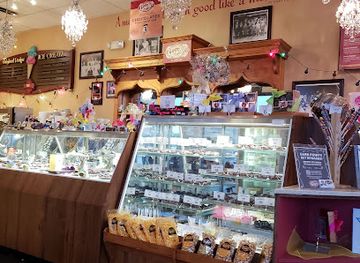
Shops on Main
Explore the diverse shopping and dining experiences at Shops on Main, the ultimate destination for visitors in Schererville, Indiana.
-
Supermarket
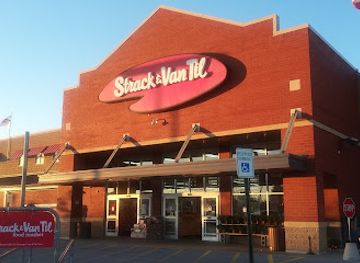
Strack & Van Til
Discover the flavors of Hammond, Indiana at Strack & Van Til, your go-to supermarket for fresh produce, bakery delights, and gourmet ingredients.
-
Craft store
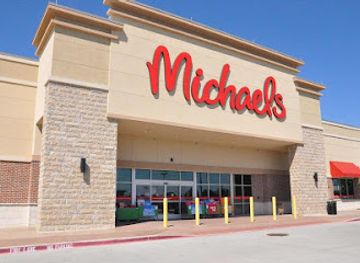
Michaels
Explore creativity at Michaels, your one-stop shop for art supplies, home décor, and crafting workshops in Highland.
-
Shopping mall
Town Square Shopping Center
Explore a vibrant shopping experience at Town Square Shopping Center in Schererville, Indiana, featuring diverse stores, delicious dining, and community events.

Get your free copy of our complete guide to The Calumet Region, delivered straight to you.
Everything on this page, from attractions and restaurants to essentials and local phrases, in one PDF you can read offline, print or share.
Already have an account? Sign in
Your The Calumet Region guide is ready.
We'll send it to · Not you? Sign out

Getting your guide ready…
We are putting together a fresh copy of the The Calumet Region guide. This can take up to a minute.
This can take a few moments. If your browser asks, choose Allow so the download can start. You'll find the guide in your Downloads folder.
Nothing happened? Download it again
Sorry, the guide is taking longer than usual. Please try again in a minute, or get it by email instead.
The Calumet Region essentials
Currency and Payment
Safety
Emergency Situations
Do's and Don'ts
Local Tips
From Eve
Local phrases worth knowing
You don't need to get them perfect. A few words go a long way, and locals appreciate the effort.
Basics
| English | Local | Say it |
|---|---|---|
| Hello | Hey | [Hey] |
| Goodbye | See ya | [See ya] |
| Yes | Yup | [Yup] |
| No | Nah | [Nah] |
| Please/You're welcome | No problem | [No prah-blum] |
| Thank you | Thanks | [Thanks] |
| Excuse me/Sorry | Excuse me | [Ex-cuse me] |
| How are you? | How ya doin'? | [How ya doin'?] |
| Fine. And you? | I’m good. You? | [I’m good. You?] |
| Do you speak English? | You speakin' English? | [You speakin' English?] |
| I don't understand | I don't get it | [I don't get it] |
Eating & Drinking
| English | Local | Say it |
|---|---|---|
| I'd like to see the menu, please | Can I see the menu? | [Can I see the menu?] |
| I don't eat meat | I’m a vegetarian | [I’m a ve-ge-ta-rian] |
| Cheers! | Cheers! | [Cheers!] |
| I would like to pay, please | Can I get the check? | [Can I get the check?] |
Emergencies
| English | Local | Say it |
|---|---|---|
| Help! | Help! | [Help!] |
| Go away! | Leave me alone! | [Leave me alone!] |
| Call the Police! | Call the cops! | [Call the cops!] |
| Call a doctor! | Get a doctor! | [Get a doctor!] |
| I'm lost | I’m lost | [I’m lost] |
| I'm ill | I’m sick | [I’m sick] |
Shopping
| English | Local | Say it |
|---|---|---|
| I'd like to buy... | I wanna buy... | [I wanna buy...] |
| I'm just looking | Just browsing | [Just browsing] |
| How much is it? | What’s the price? | [What’s the price?] |
| That's too expensive | That’s too pricey | [That’s too pricey] |
| Can you lower the price? | Can ya cut the price? | [Can ya cut the price?] |
Time & Numbers
| English | Local | Say it |
|---|---|---|
| What time is it? | What time ya got? | [What time ya got?] |
| It's one o'clock | It's one o'clock | [It's one o'clock] |
| Half past (10) | Half past ten | [Half past ten] |
| Morning | Morning | [Morning] |
| Afternoon | Afternoon | [Afternoon] |
| Evening | Evenin' | [Evenin'] |
| Yesterday | Yesterday | [Yesterday] |
| Today | Today | [Today] |
| Tomorrow | Tomorrow | [Tomorrow] |
| 1 | One | [One] |
| 2 | Two | [Two] |
| 3 | Three | [Three] |
| 4 | Four | [Four] |
| 5 | Five | [Five] |
| 6 | Six | [Six] |
| 7 | Seven | [Seven] |
| 8 | Eight | [Eight] |
| 9 | Nine | [Nine] |
| 10 | Ten | [Ten] |
Transport & Directions
| English | Local | Say it |
|---|---|---|
| Where's a/the...? | Where's a...? | [Where's a...?] |
| What's the address? | What’s the address? | [What’s the address?] |
| Can you show me (on the map)? | Can you point it out? | [Can you point it out?] |
| When's the next (bus)? | When's the next bus? | [When's the next bus?] |
| A ticket (to ....) | A ticket to ... | [A ticket to ...] |
History of The Calumet Region
Indigenous Calumet and Potawatomi Country
Before European settlement, the southern Lake Michigan shoreline was shaped by Indigenous peoples, including the Potawatomi and earlier communities whose presence is recorded through archaeological evidence. The word Calumet is associated with Indigenous ceremonial pipe traditions and became attached to the river, wetlands and wider district. The area's dunes, marshes and portage routes supported travel, hunting and seasonal use. During the nineteenth century, United States treaties transferred Indigenous lands, followed by the forced removal of many Potawatomi people. That history remains essential to understanding the region's landscape and the names applied to it.
Forts, Courthouses and Early Settlement
American settlement expanded across north-western Indiana during the early nineteenth century as roads, farms and trading communities developed between Lake Michigan and the interior. Crown Point became the seat of Lake County and grew around its courthouse square, while settlement also spread through the Calumet lowlands and along routes connecting Indiana to Chicago. The landscape was difficult to farm in places because of wetlands and sandy soils, but drainage, transport improvements and growing commercial links gradually encouraged denser settlement. Surviving civic buildings and town centres provide a visible reminder of this pre-industrial phase.
Railways, Canals and the Industrial Transformation
Railways and waterways changed the Calumet Region dramatically in the nineteenth century. The Michigan Central and other rail connections linked local communities with Chicago, eastern markets and the wider Midwest, while the construction of the Indiana Harbor Ship Canal helped connect industrial facilities to Lake Michigan shipping. These routes made it possible to move coal, ore, oil and finished goods at a much larger scale. The regional economy shifted from scattered agriculture and trade towards manufacturing, transport and extraction, laying the foundations for the great steel and refinery complexes that followed.
Steel Towns and Industrial Immigration
The arrival of major steel production at Gary in the early twentieth century transformed the southern Lake Michigan shore. United States Steel established Gary in 1906 as a planned company town beside its enormous works, and the city quickly attracted workers from Europe, the American South and elsewhere. Hammond, East Chicago, Whiting and nearby communities likewise grew through steel, oil refining, rail freight and related industries. Churches, social clubs, neighbourhoods and food traditions reflected this migration. The region's industrial heritage is therefore also a history of working-class communities and international settlement.
Gary and the Architecture of the Company Town
Gary's early development was unusually deliberate, with company planners laying out streets, civic institutions and housing close to the steelworks. The city acquired schools, churches, commercial buildings and public spaces that expressed the ambitions of an industrial corporation and the needs of a rapidly growing population. Some early structures have been lost, altered or left vacant, while others survive as important evidence of the city's foundation. Gary's later racial, social and economic history complicates the original company-town model, making its buildings and neighbourhoods part of a broader story about industry and urban change.
The South Shore Line and Regional Mobility
The electric railway now known as the South Shore Line has long connected communities along the southern Lake Michigan shore with Chicago and with one another. Its origins lie in the interurban railway era, when electric lines supported commuting, industry and suburban growth across the Calumet district. The route helped make the region part of the wider Chicago metropolitan economy while retaining a distinct Indiana identity. Today it remains especially useful for visitors travelling between Chicago, Hammond, Gary and the Indiana Dunes, and it reflects the region's continuing dependence on transport infrastructure.
Environmental Protection and Post-Industrial Change
Industrial expansion placed intense pressure on the Calumet shoreline, but conservationists, scientists and local campaigners worked to protect its dunes, wetlands and unusual plant communities. Indiana Dunes National Park, together with Indiana Dunes State Park and other preserves, represents the long effort to safeguard landscapes beside factories, ports and railways. Since the late twentieth century, parts of the region have faced industrial contraction, population change and environmental remediation, while new logistics, healthcare, education and service industries have emerged. The contemporary Calumet landscape is consequently one of both industrial continuity and adaptation.
The Calumet Region in Photos
Browse through our photo collection highlighting the charm and character of the destination.
Neighbouring regions of The Calumet Region
The closest regions to The Calumet Region, if you have time for more than one.
-

-

-

-
-


Swipe for more regions
Explore more

Explore more of Indiana
Explore Indiana: From the bustling streets of Indianapolis to the serene beauty of Indiana Dunes, discover the diverse experiences that make Indiana the Crossroads of America.
Explore Indiana