

Free Northern Indiana Travel Guide & Mobile App
Explore Northern Indiana with free travel guides. Discover regional history, expert tips, proposed trips, and audio guides on web or mobile app.


Northern Indiana combines Lake Michigan dunes, inland lakes, Amish country, university culture and distinctive automotive and industrial heritage.
Read more about Northern Indiana
Getting to and around Northern Indiana
How to get there
Transportation
Top city travel guides in Northern Indiana
The cities of Northern Indiana, and the easiest places to base yourself.
-
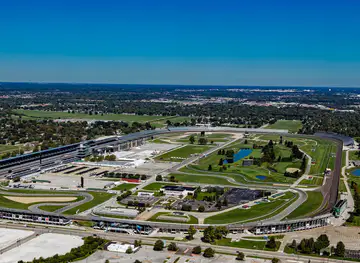
-

-

-

-

-


Swipe for more cities
Destinations in Northern Indiana
Resorts, valleys and scenic spots worth a trip of their own.
-
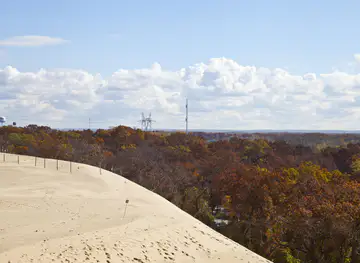
-

-

-


Swipe for more destinations
Best attractions in Northern Indiana
Northern Indiana’s attractions range from Lake Michigan landscapes to museums rooted in manufacturing and transport. Indiana Dunes National Park offers beaches, dunes, wetlands, oak woodland and trails, while nearby Indiana Dunes State Park provides another important lakeshore recreation area. Inland, Pokagon State Park, Chain O’Lakes State Park and Potato Creek State Park support hiking, boating, fishing and winter activities in very different glacial settings. South Bend combines the University of Notre Dame campus with the Studebaker National Museum and the History Museum, while Fort Wayne has major family and cultural institutions including the Fort Wayne Museum of Art and Science Central. Elkhart’s history of musical-instrument and recreational-vehicle production is explored through specialist museums, and the surrounding countryside includes Amish and Mennonite farms, craft businesses and food producers. Auburn’s automotive museums provide a notable eastern counterpoint, documenting the design and engineering legacy of Auburn, Cord and Duesenberg. The region is best experienced through a combination of outdoor sites, small-town museums and working landscapes rather than through a single concentrated sightseeing district.
-
Zoo
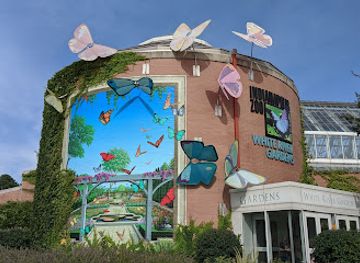
Indianapolis Zoo
Experience the Indianapolis Zoo, a vibrant destination where wildlife, conservation, and family fun come together in an unforgettable adventure.
-
Children's museum
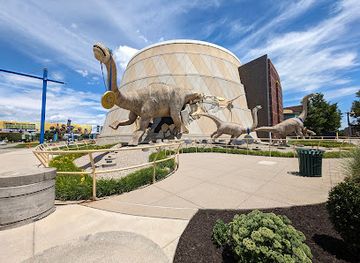
The Children's Museum of Indianapolis
Experience the magic of childhood at The Children's Museum of Indianapolis, where learning meets fun in an interactive wonderland for families.
-
State park
Fort Harrison State Park
Explore the lush landscapes and rich history of Fort Harrison State Park in Indianapolis, an outdoor haven for nature lovers and adventurers.
-
Amusement park
Indiana Beach Boardwalk Resort
Experience the thrills of Indiana Beach Boardwalk Resort, where amusement park excitement meets lakeside relaxation and family-friendly fun.
Best landmarks in Northern Indiana
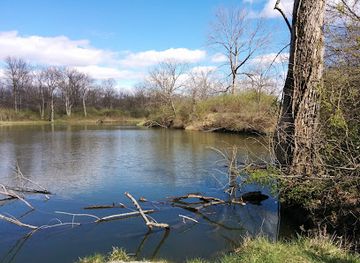
Indiana Dunes National Park is Northern Indiana’s most distinctive natural landmark, where tall dunes, shifting beaches, wetlands and woodland survive alongside the industrial Lake Michigan shore. In South Bend, the University of Notre Dame campus is a widely recognised architectural and cultural landmark, particularly for the Basilica of the Sacred Heart and the Golden Dome. The St Joseph River, which runs through South Bend and Mishawaka, has shaped local industry, settlement and public spaces. Fort Wayne’s historic centre and the confluence of the St Joseph, St Marys and Maumee rivers express the city’s importance as an inland transport junction. Auburn’s automotive heritage is represented by the Auburn Cord Duesenberg Automobile Museum and the historic associations preserved in the surrounding city. In rural LaGrange and Elkhart counties, working farms, traditional buildings, covered bridges and horse-drawn traffic form a cultural landscape rather than a single monument. The dunes, rivers and industrial structures together reveal the region’s defining relationship between nature, transport and manufacture.
-
National park
Indiana Dunes National Park
Explore Indiana Dunes National Park: A Natural Wonderland of Sand Dunes, Beaches, and Biodiversity Along Lake Michigan's Shore.
-
Monument
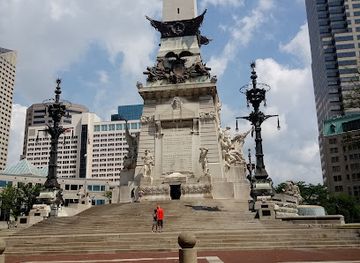
Soldiers & Sailors Monument
Discover the historical Soldiers & Sailors Monument in Indianapolis, a stunning tribute to valor with breathtaking views and rich local heritage.
-
Museum
Indiana State Museum
Explore Indiana's rich history, culture, and natural wonders at the Indiana State Museum in downtown Indianapolis.
-
Museum
Indiana War Memorial & Museum
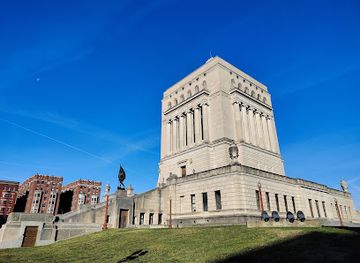
Discover the Indiana War Memorial & Museum, a poignant tribute to Indiana's veterans, showcasing their sacrifices through immersive exhibits and serene memorial grounds.
Explore Northern Indiana on the map
Plan your trip on one map. See where the top cities, national parks and sights are, and book hotels and experiences in a few clicks.
Best hotels in Northern Indiana
Best restaurants in Northern Indiana
Dining in Northern Indiana reflects Midwestern farming, Great Lakes geography and a substantial manufacturing-town tradition. South Bend and Fort Wayne provide the broadest choice of contemporary restaurants, cafés, breweries and international cuisines, while smaller communities are known for diners, family restaurants, bakeries and traditional taverns. Around Shipshewana, Goshen and nearby rural settlements, visitors will find produce stands, bakeries, farm shops and restaurants influenced by Amish and Mennonite foodways, including hearty cooking, preserves and baked goods; individual businesses and practices vary, so local communities should not be reduced to a single culinary style. Lake fish appears seasonally, while beef, pork, sweet corn, apples and other farm products are common across the wider region. Farmers’ markets are useful places to discover seasonal produce and locally made items. Northern Indiana is not defined by one signature dish, but by accessible comfort food, agricultural freshness, bakery traditions and an increasingly varied urban dining scene.
-
Family-friendly
Das Dutchman Essenhaus
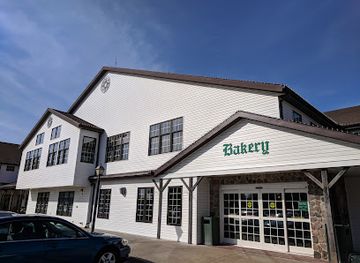
Discover the warmth and flavor of Das Dutchman Essenhaus - a family-friendly gem offering delectable American cuisine and irresistible baked goods.
-
Restaurant
Lighthouse Restaurant
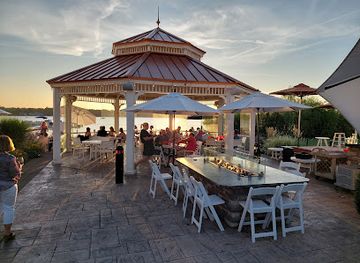
Experience exquisite lakeside dining at Cedar Lake's premier Lighthouse Restaurant with stunning views and exceptional cuisine.
-
American
Industrial Revolution Eatery & Grille
Experience classic American cuisine at Industrial Revolution Eatery & Grille in Valparaiso, IN—where great food meets a unique industrial setting.
-
Latin American
Livery
Experience the vibrant flavors of Latin American cuisine at Livery in Indianapolis—where fusion meets tradition for an unforgettable dining experience.

Best bars in Northern Indiana
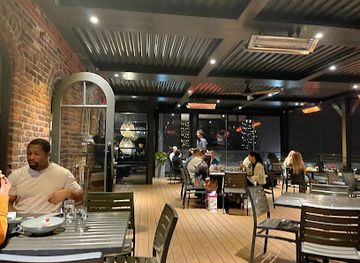
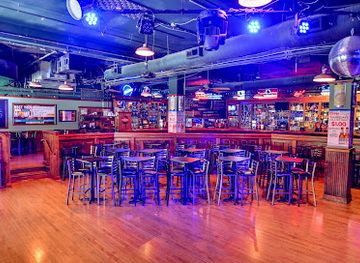
Evening life in Northern Indiana is concentrated in South Bend, Fort Wayne, Elkhart and a handful of college or larger town centres. South Bend has pub-style venues, breweries, live music and restaurants serving the university and wider community, while Fort Wayne offers the region’s broadest selection of bars, performance spaces, breweries and late-evening dining. Elkhart and smaller towns tend to favour locally oriented pubs, taverns, cafés and occasional live-music venues rather than a large club scene. Rural communities around Shipshewana generally have quieter evenings, with dining, seasonal performances and community events carrying more weight than nightlife. University calendars and major sporting fixtures can make South Bend busier, but opening arrangements and event programmes change. Visitors should plan a car or taxi for rural evenings and avoid drinking and driving, as distances between settlements can be considerable.
-
Bar
The Hangar
Explore The Hangar in Indianapolis: A dynamic bar featuring indoor golf, delicious pizzas, and a lively sports atmosphere for an unforgettable experience.
-
Restaurant
Slippery Noodle Inn
Experience the charm of Indianapolis' oldest bar, featuring live blues, delicious American cuisine, and a vibrant atmosphere at Slippery Noodle Inn.
-
Grill
Mousetrap
Discover The Mousetrap in Indianapolis - a lively grill and music venue offering delicious food, local brews, and unforgettable live entertainment.
-
Bar
Howl at the Moon Indianapolis
Discover the ultimate nightlife experience at Howl at the Moon Indianapolis, where live music and crafted cocktails await every visitor.
Best nightclubs in Northern Indiana
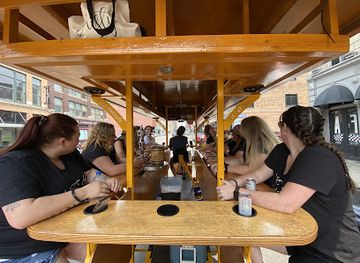
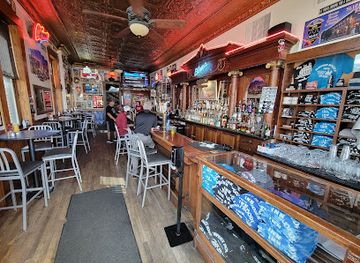
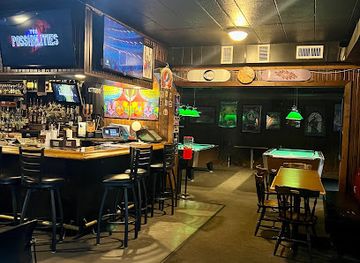
Evening life in Northern Indiana is concentrated in South Bend, Fort Wayne, Elkhart and a handful of college or larger town centres. South Bend has pub-style venues, breweries, live music and restaurants serving the university and wider community, while Fort Wayne offers the region’s broadest selection of bars, performance spaces, breweries and late-evening dining. Elkhart and smaller towns tend to favour locally oriented pubs, taverns, cafés and occasional live-music venues rather than a large club scene. Rural communities around Shipshewana generally have quieter evenings, with dining, seasonal performances and community events carrying more weight than nightlife. University calendars and major sporting fixtures can make South Bend busier, but opening arrangements and event programmes change. Visitors should plan a car or taxi for rural evenings and avoid drinking and driving, as distances between settlements can be considerable.
-
Night club
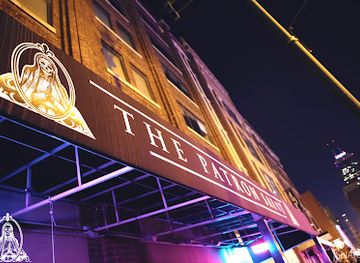
The Patron Saint
Experience the vibrant nightlife of Indianapolis at The Patron Saint, where music, dancing, and unforgettable moments await.
-
Night club
Estereo Nightclub
Estereo Nightclub: Your gateway to an unforgettable nightlife experience in Indianapolis with live music and vibrant dance floors.
-
Night club
INVY Nightclub
Discover the energetic nightlife of Indianapolis at INVY Nightclub, where music, dancing, and vibrant entertainment await your arrival.
-
Gay night club
The Back Door
Experience vibrant nightlife at The Back Door, Bloomington's premier gay night club, where music, dancing, and inclusivity create unforgettable nights.


Best shops in Northern Indiana
-
National park
Indiana Dunes National Park
Experience the breathtaking beauty of Indiana Dunes National Park, where towering sand dunes meet lush forests and scenic Lake Michigan.
-
Shopping mall
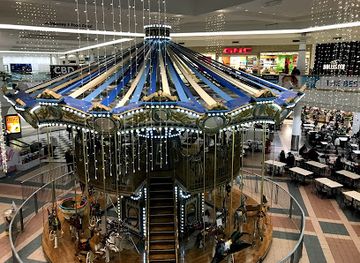
Circle Centre Mall
Discover Circle Centre Mall, a dynamic hub of shopping, dining, and entertainment in Indianapolis, perfect for every traveler.
-
Shopping mall
Glenbrook Square
Discover Glenbrook Square, Fort Wayne's vibrant shopping mall offering a diverse range of stores, dining, and entertainment for an unforgettable experience.
-
State park
Indiana Dunes State Park
Experience the breathtaking landscapes and diverse ecosystems of Indiana Dunes State Park, a must-visit destination for nature lovers and outdoor enthusiasts.



Get your free copy of our complete guide to Northern Indiana, delivered straight to you.
Everything on this page, from attractions and restaurants to essentials and local phrases, in one PDF you can read offline, print or share.
Already have an account? Sign in
Your Northern Indiana guide is ready.
We'll send it to · Not you? Sign out

Getting your guide ready…
We are putting together a fresh copy of the Northern Indiana guide. This can take up to a minute.
This can take a few moments. If your browser asks, choose Allow so the download can start. You'll find the guide in your Downloads folder.
Nothing happened? Download it again
Sorry, the guide is taking longer than usual. Please try again in a minute, or get it by email instead.
Northern Indiana essentials
Currency and Payment
Safety
Emergency Situations
Do's and Don'ts
Local Tips
From Eve
Local phrases worth knowing
You don't need to get them perfect. A few words go a long way, and locals appreciate the effort.
Basics
| English | Local | Say it |
|---|---|---|
| Hello | Howdy | [Haw-dee] |
| Goodbye | See ya | [See yah] |
| Yes | Yep | [Yep] |
| No | Nope | [Nope] |
| Please/You're welcome | Please/No problem | [Pleez/No prob] |
| Thank you | Thanks | [Thangs] |
| Excuse me/Sorry | Excuse me/Sorry | [Ex-kyoos mee/Sorry] |
| How are you? | How ya doin'? | [How yah doin'?] |
| Fine. And you? | Good. And you? | [Good. And you?] |
| Do you speak English? | Do ya speak English? | [Do yah speak English?] |
| I don't understand | I ain't followin' | [I ain't fol-lowin'] |
Eating & Drinking
| English | Local | Say it |
|---|---|---|
| I'd like to see the menu, please | Can I see the menu, please? | [Can I see the men-yoo, pleez?] |
| I don't eat meat | I don't eat meat | [I don't eat meat] |
| Cheers! | Cheers! | [Cheers!] |
| I would like to pay, please | Can I get the check, please? | [Can I get the chek, pleez?] |
Emergencies
| English | Local | Say it |
|---|---|---|
| Help! | Help! | [Help!] |
| Go away! | Scram! | [Scram!] |
| Call the Police! | Call the cops! | [Call the cops!] |
| Call a doctor! | Get a doctor! | [Get a doc-tor!] |
| I'm lost | I'm lost | [I'm lost] |
| I'm ill | I'm not feelin' well | [I'm not feelin' well] |
Shopping
| English | Local | Say it |
|---|---|---|
| I'd like to buy... | I wanna buy... | [I wanna buy...] |
| I'm just looking | Just lookin' | [Just lookin'] |
| How much is it? | How much is this? | [How much is this?] |
| That's too expensive | That's way too pricey | [That's way too pry-see] |
| Can you lower the price? | Can ya drop the price? | [Can yah drop the pryce?] |
Time & Numbers
| English | Local | Say it |
|---|---|---|
| What time is it? | What time is it? | [What time is it?] |
| It's one o'clock | It's one o'clock | [It's one o'clock] |
| Half past (10) | Half past ten | [Half past ten] |
| Morning | Morning | [Mornin'] |
| Afternoon | Afternoon | [Afternoon] |
| Evening | Evenin' | [Evenin'] |
| Yesterday | Yesterday | [Yes-terday] |
| Today | Today | [To-day] |
| Tomorrow | Tomorrow | [To-morrow] |
| 1 | One | [One] |
| 2 | Two | [Two] |
| 3 | Three | [Three] |
| 4 | Four | [Four] |
| 5 | Five | [Five] |
| 6 | Six | [Six] |
| 7 | Seven | [Seven] |
| 8 | Eight | [Eight] |
| 9 | Nine | [Nine] |
| 10 | Ten | [Ten] |
Transport & Directions
| English | Local | Say it |
|---|---|---|
| Where's a/the...? | Where's the...? | [Where's the...?] |
| What's the address? | What's the address? | [What's the ad-dress?] |
| Can you show me (on the map)? | Can you point it out on the map? | [Can you point it out on the map?] |
| When's the next (bus)? | When's the next bus? | [When's the next bus?] |
| A ticket (to ....) | A ticket to... | [A ticket to...] |
History of Northern Indiana
Indigenous Homelands and the Great Lakes Frontier
Northern Indiana has long been home to Indigenous peoples, including Potawatomi, Miami and other communities whose economies combined farming, hunting, fishing and trade. Rivers, forests, wetlands and the Lake Michigan shore supported movement across the region. During the eighteenth and early nineteenth centuries, the area became increasingly entangled in French, British and United States imperial competition. Treaties and forced removals, including the Potawatomi removal of 1838, transformed the population and landholding patterns, while Indigenous presence and cultural influence remain an essential part of the region’s history.
Canals, Roads and Early Settlement
The nineteenth century brought rapid American settlement, the surveying of town sites and the conversion of woodland and prairie into farms. Waterways such as the St Joseph River supported mills and local trade, while the Wabash and Erie Canal connected parts of northern Indiana to wider commercial networks before railways displaced most canal traffic. Towns including South Bend, Fort Wayne and Elkhart expanded at important river, road and transport junctions. Churches, courthouse squares, grain facilities and early commercial buildings still reflect this period of agricultural and mercantile growth.
Railways and Industrial Expansion
Railways transformed Northern Indiana from a largely agricultural frontier into a connected manufacturing region. South Bend benefited from rail links and river power, Fort Wayne became a significant transport and industrial centre, and Elkhart developed strong manufacturing connections. Rail access also encouraged grain handling, meat processing, metalworking and the movement of farm products to Chicago and other markets. Many communities grew around depots and factories, while the region’s location between the Great Lakes and the Midwest interior later made it attractive to large-scale industry.
Automobiles, Musical Instruments and Manufacturing
Northern Indiana played an important role in American manufacturing during the late nineteenth and twentieth centuries. South Bend became closely associated with Studebaker, whose carriage and automobile production shaped the city’s economy and identity. Auburn and nearby communities became famous for automobile design and engineering through companies including Auburn Automobile, Cord and Duesenberg. Elkhart developed major musical-instrument manufacturing and, later, a powerful recreational-vehicle industry. Museums and former industrial buildings preserve evidence of these specialised manufacturing traditions.
Mennonite and Amish Agricultural Communities
Amish and Mennonite settlement expanded in parts of northern Indiana during the nineteenth and twentieth centuries, particularly around Elkhart and LaGrange counties. Farming, woodworking, construction and food production became important economic activities, although the communities are internally diverse and should not be treated as a single uniform culture. Today, rural roads, horse-drawn vehicles, farms, quilt-making, furniture and produce markets form part of the regional landscape. Tourism has grown around these traditions, making respectful conduct and attention to local privacy especially important.
Conservation and the Indiana Dunes
The Lake Michigan shore became a major industrial corridor, with steel mills, ports and railways occupying large areas of northwest Indiana. At the same time, scientists, writers and conservationists argued that the dunes, wetlands and unusual plant habitats deserved protection. Decades of campaigning led to the establishment of Indiana Dunes National Lakeshore in 1966, later redesignated Indiana Dunes National Park in 2019. The park’s coexistence with heavy industry is central to the region’s modern identity and illustrates the continuing tension between economic development and ecological preservation.
Northern Indiana in Photos
Browse through our photo collection highlighting the charm and character of the destination.
Neighbouring regions of Northern Indiana
The closest regions to Northern Indiana, if you have time for more than one.
-

-

-

-

-


Swipe for more regions
Explore more

Explore more of Indiana
Explore Indiana: From the bustling streets of Indianapolis to the serene beauty of Indiana Dunes, discover the diverse experiences that make Indiana the Crossroads of America.
Explore Indiana