

The Hoosier National Forest, Indiana Travel Guide
Discover the serene beauty and diverse landscapes of Hoosier National Forest, a paradise for outdoor enthusiasts and nature lovers in the heart of Indiana.
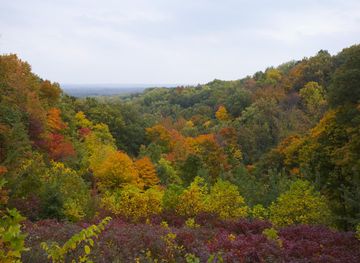
The Hoosier National Forest, located in the heart of Indiana, offers a serene escape into nature's embrace. Spanning over 200,000 acres, this lush forest is a paradise for outdoor enthusiasts and nature lovers alike. Whether you are an avid hiker, a birdwatcher, or someone seeking peace and tranquility, the forest's diverse landscapes will captivate your senses. One of the highlights of the Hoosier National Forest is its extensive trail system. With over 260 miles of trails, there is something for everyone, from easy walks to challenging hikes. The Charles C. Deam Wilderness offers a particularly enchanting experience, with its old-growth forests and scenic vistas. Additionally, the forest is home to numerous lakes and rivers, perfect for fishing, kayaking, and swimming. The Hoosier National Forest is not just about natural beauty. It is steeped in history, with archaeological sites and historical landmarks scattered throughout. The Hickory Ridge Fire Tower provides a glimpse into the past while offering panoramic views of the surrounding forest. Campgrounds and rustic cabins are available for those who wish to extend their stay and fully immerse themselves in the forest's splendor.

Know before you go
Hi, I'm Eve. Here are a few practical things to know before exploring The Hoosier National Forest.
- Visit during the fall for breathtaking foliage views.
- Wear sturdy hiking boots, especially if exploring the more rugged trails.
- Bring insect repellent during the summer months.
- Check the weather forecast before heading out, as conditions can change rapidly.
- Plan your visit to the Hickory Ridge Fire Tower early in the day to avoid crowds.
- Carry a map and a compass; cell service can be unreliable in some areas.
- Respect wildlife and keep a safe distance from animals.
Destinations in The Hoosier National Forest
Resorts, valleys and scenic spots worth a trip of their own.


Explore The Hoosier National Forest: Things to Do, Places to Eat, Hotels & More
Handpicked recommendations for top attractions, local dining, accommodations, and more

Top Attractions & Sightseeing in The Hoosier National Forest
Top-rated picks
Best Attractions

Holiday World & Splashin' Safari
Experience the thrill of rides, the joy of water attractions, and holiday cheer at Holiday World & Splashin' Safari in Santa Claus, Indiana.

Turkey Run State Park
Experience the breathtaking landscapes and diverse wildlife at Turkey Run State Park, Indiana’s natural gem for outdoor adventure and relaxation.

French Lick Springs Hotel
Discover the elegance of French Lick Springs Hotel, a luxurious resort offering relaxation, entertainment, and natural beauty in Indiana.

Falls of the Ohio State Park
Explore the breathtaking Falls of the Ohio State Park, a nature lover's paradise with stunning views, fossil beds, and diverse wildlife in Indiana.

Best landmarks in The Hoosier National Forest
Top-rated picks
Best Landmarks

Hoosier National Forest
Discover the breathtaking beauty of Hoosier National Forest in Indiana, a perfect destination for outdoor adventures and serene nature escapes.

French Lick Scenic Railway
Explore the breathtaking landscapes of Indiana aboard the historic French Lick Scenic Railway, a unique journey through time and nature.

Pioneer Mothers Memorial Forest
Discover the tranquility of Pioneer Mothers Memorial Forest, a serene park in Indiana ideal for nature lovers and outdoor enthusiasts.

Indiana Landmarks Tours - West Baden Springs Hotel
Explore the grandeur of West Baden Springs Hotel, a historic landmark offering breathtaking architecture, rich heritage, and scenic beauty in Indiana.

Best restaurants in The Hoosier National Forest
Top-rated picks
Best Restaurants

Das Dutchman Essenhaus
Experience the warmth of family dining at Das Dutchman Essenhaus—where American comfort food meets delightful bakery treats in Middlebury.

Lighthouse Restaurant
Discover culinary excellence at Lighthouse Restaurant in Cedar Lake – where stunning lake views meet exquisite flavors.

The Beef House Restaurant & Dinner Theatre
Experience gourmet steaks and live performances at The Beef House Restaurant & Dinner Theatre in Covington, Indiana.

Golden Corral Buffet & Grill
Experience an endless array of delicious American cuisine at Golden Corral Buffet & Grill in Bedford - perfect for families and food lovers alike.

Best bars in The Hoosier National Forest
Top-rated picks
Best Bars

Hoosier National Forest
Explore the breathtaking beauty and outdoor adventures of Hoosier National Forest in the heart of Indiana, a true natural retreat for all travelers.

33 Brick Street
Discover the flavors of Indiana at 33 Brick Street, a beloved restaurant in French Lick offering a delightful blend of local and contemporary cuisine.

Pour Haus
Discover the lively atmosphere and delicious offerings at Pour Haus, a top restaurant and live music venue in Tell City, Indiana.

The Fireside Bar & Grill
Experience the heart of American cuisine at The Fireside Bar & Grill, a family-friendly restaurant in Sellersburg, Indiana, ideal for tourists seeking local flavors.

Best nightclubs in The Hoosier National Forest
Top-rated picks
Best Nightclubs

Howl at the Moon Indianapolis
Discover the electrifying nightlife at Howl at the Moon Indianapolis, where live music and signature cocktails create unforgettable experiences.

ʻOhana Hawaiian Grill & Bar
Discover the authentic tastes of Hawaii at ʻOhana Hawaiian Grill & Bar, where every bite brings the islands to Indiana.

Legendz Sports Bar and Grill
Dive into the excitement of sports, grill delights, and vibrant nightlife at Legendz Sports Bar and Grill in French Lick, Indiana.

Power Plant Bar & Grill
Discover the casual charm of Power Plant Bar & Grill in French Lick, Indiana, where delicious food meets a welcoming atmosphere for every traveler.

Best shops in The Hoosier National Forest
Top-rated picks
Best Shops

Lighthouse Place Premium Outlets
Discover unbeatable deals at Lighthouse Place Premium Outlets, Michigan City's ultimate shopping destination with top brand stores and charming outdoor spaces.

Hoosier National Forest
Explore Hoosier National Forest: A Natural Retreat of Hiking, Camping, and Scenic Beauty in Indiana's Heart.

Clarksville Peddlers Mall
Explore the charm of Clarksville Peddlers Mall, a unique antique store and flea market filled with vintage treasures and local crafts.

Glendy's Uptown Mall
Explore Glendy's Uptown Mall for a unique shopping experience filled with gifts, antiques, and local treasures in Terre Haute, Indiana.

Explore The Hoosier National Forest on the Map
A handpicked selection of must-see spots in The Hoosier National Forest, mapped for you.
The Hoosier National Forest Essentials
-
The Hoosier National Forest is located in southern Indiana. The closest major airports are Indianapolis International Airport (IND), approximately 90 miles north, and Louisville International Airport (SDF) in Kentucky, about 70 miles south. From these airports, you can rent a car or use shuttle services to reach the forest. Public transportation options are limited, so renting a car is recommended for convenience and flexibility.
-
Once at The Hoosier National Forest, the best way to get around is by car. There are several scenic byways and well-maintained roads that crisscross the forest. For those who prefer not to drive, biking and hiking trails are abundant. Note that public transportation within the forest is virtually non-existent, so plan accordingly.
-
The official currency is the United States Dollar (USD). Credit and debit cards are widely accepted in nearby towns and cities, but it is advisable to carry some cash for use in smaller establishments or at remote locations where card payment may not be an option. ATMs are available in nearby towns such as Bedford and Paoli.
-
The Hoosier National Forest is generally safe for tourists. However, always follow standard safety precautions. Avoid venturing into unfamiliar or remote areas alone, especially at night. Be mindful of wildlife and adhere to forest guidelines to avoid unnecessary risks. There are no specific high-crime areas, but always keep an eye on your belongings and stay aware of your surroundings.
-
In case of emergencies, dial 911 for immediate assistance. Cell phone coverage can be spotty in some areas of the forest, so it's advisable to inform someone of your plans and expected return time. The nearest medical facilities are located in Bedford, Paoli, and Bloomington. Carry a basic first-aid kit and know the location of the nearest ranger station.
-
Fashion: Do wear comfortable and weather-appropriate clothing, including sturdy hiking boots if you plan to trek. Avoid wearing flashy or expensive jewelry. Religion: The forest does not have specific religious customs, but respect any cultural or historical sites you may encounter. Public Transport: Do plan your transportation in advance, as public transport options are limited. Greetings: Do be friendly and greet fellow hikers or campers with a nod or a hello. Eating & Drinking: Do pack out all trash and respect the Leave No Trace principles. Don't feed the wildlife or leave food unattended.
-
To experience The Hoosier National Forest like a local, visit during the fall to witness the stunning autumn foliage. Participate in ranger-led programs to learn more about the forest’s ecology and history. Don't miss the Hemlock Cliffs for a picturesque hike, or the Pioneer Mothers Memorial Forest for a glimpse into old-growth forest. Engage with locals in nearby towns for recommendations on hidden gems and the best local eateries.
When is the best time to visit The Hoosier National Forest?
Useful Local Phrases for The Hoosier National Forest
You don't need to speak the language perfectly. Even learning a few simple words can make conversations warmer—and locals usually appreciate the effort.
— Eve

Here are the phrases I use most often in The Hoosier National Forest. Try a few—you'll be surprised how far they go! 😊
❤️
-
- HelloHowdy
[Hau-dee] - GoodbyeSee ya later
[See ya lay-ter] - YesYep
[Yep] - NoNope
[Nope] - Please/You're welcomeNo problem
[No prob-lum] - Thank youThanks a lot
[Thanks uh lot] - Excuse me/SorryPardon me
[Par-dun mee] - How are you?How ya doin'?
[How ya doin'?] - Fine. And you?Good, you?
[Good, you?] - Do you speak English?Do ya speak English?
[Doo ya speak Ing-lish?] - I don't understandI don't get it
[I don't get it]
- HelloHowdy
-
- I'd like to see the menu, pleaseCan I see the menu?
[Can I see the men-yoo?] - I don't eat meatI ain't eatin' meat
[I ain't eatin' meat] - Cheers!Cheers!
[Cheers!] - I would like to pay, pleaseCan I pay now?
[Can I pay now?]
- I'd like to see the menu, pleaseCan I see the menu?
-
- Help!Help!
[Help!] - Go away!Get lost!
[Get lost!] - Call the Police!Call the cops!
[Call the cops!] - Call a doctor!Get a doctor!
[Get a doc-tor!] - I'm lostI ain't got a clue
[I ain't got a clue] - I'm illI'm feelin' sick
[I'm feelin' sick]
- Help!Help!
-
- I'd like to buy...I wanna buy...
[I wanna buy...] - I'm just lookingJust lookin'
[Just lookin'] - How much is it?How much's this?
[How much's this?] - That's too expensiveThat's way too pricey
[That's way too pry-see] - Can you lower the price?Can ya cut me a deal?
[Can ya cut me a deal?]
- I'd like to buy...I wanna buy...
-
- What time is it?What time ya got?
[What time ya got?] - It's one o'clockIt's one o'clock
[It's one o'clock] - Half past (10)Half past ten
[Half past ten] - MorningMornin'
[Mornin'] - AfternoonAfternoon
[Afternoon] - EveningEvenin'
[Evenin'] - YesterdayYestiddy
[Yes-tid-dee] - TodayToday
[Today] - TomorrowTomorrah
[Tom-or-rah] - 1One
[One] - 2Two
[Two] - 3Three
[Three] - 4Four
[Four] - 5Five
[Five] - 6Six
[Six] - 7Seven
[Seven] - 8Eight
[Eight] - 9Nine
[Nine] - 10Ten
[Ten]
- What time is it?What time ya got?
-
- Where's a/the...?Where's a...?
[Where's a...?] - What's the address?What's the address?
[What's the address?] - Can you show me (on the map)?Can ya show me on the map?
[Can ya show me on the map?] - When's the next (bus)?When's the next bus?
[When's the next bus?] - A ticket (to ....)A ticket to ...
[A ticket to ...]
- Where's a/the...?Where's a...?
History of The Hoosier National Forest
-
The area now known as Hoosier National Forest has been inhabited for thousands of years. Archaeological evidence suggests that Paleo-Indians, the earliest known inhabitants, settled in this region as early as 12,000 years ago. These early settlers were hunter-gatherers who relied on the rich natural resources of the area for survival.
-
Before European settlers arrived, the land was home to various Native American tribes, including the Shawnee, Miami, and Delaware. These tribes utilized the forest for hunting, fishing, and gathering, and they developed extensive trade networks. The forest provided them with essential resources and served as a spiritual and cultural hub.
-
In the 18th century, European settlers began to move into the area, leading to significant changes in the landscape and culture. The arrival of settlers brought logging, farming, and the construction of towns. This period marked the beginning of a dramatic transformation of the forest, as large areas were cleared for agriculture and development.
-
Hoosier National Forest was officially established in 1935 as part of a nationwide effort to restore and protect America's forests. The forest was created through a series of land purchases and consolidations, aimed at reversing the effects of deforestation and poor land management practices. The establishment of the forest marked a turning point in the conservation and preservation of Indiana's natural landscapes.
-
During the Great Depression, the Civilian Conservation Corps (CCC) played a significant role in the development of Hoosier National Forest. The CCC was a New Deal program that provided jobs and training for young men. In the forest, they built trails, roads, and recreational facilities, and they undertook extensive reforestation projects. The work of the CCC left a lasting legacy on the landscape and infrastructure of the forest.
-
World War II brought changes to the management and use of Hoosier National Forest. The demand for timber increased, leading to expanded logging activities. In the post-war period, the forest began to shift towards a focus on recreation and conservation. Efforts to protect wildlife habitats, preserve water quality, and promote sustainable use of resources became central to the forest's management goals.
-
The forest is home to numerous cultural sites and landmarks, including historic cabins, cemeteries, and remnants of early settlements. One notable site is the Lick Creek African American Settlement, which dates back to the early 19th century. The settlement was established by free African Americans and played a significant role in the local history of the area.
-
Today, Hoosier National Forest is a model of modern conservation practices. Efforts are ongoing to manage the forest sustainably, protect endangered species, and maintain the health of ecosystems. The forest is a popular destination for outdoor recreation, offering hiking, camping, fishing, and more. It continues to be a vital natural and cultural resource for the state of Indiana.
Neighbouring Regions of The Hoosier National Forest
The closest regions to The Hoosier National Forest, if you have time for more than one.





Your all‑in‑one travel companion app
Explore expert travel guides, compare and book tours, experiences, hotels, and more—all from the palm of your hand. Download now for seamless trip planning wherever your wanderlust takes you.


Explore More of Indiana

Looking beyond The Hoosier National Forest? Discover Indiana for broader travel guides, local hot-spots, and regional highlights.
Explore IndianaThe Hoosier National Forest in Photos
Browse through our photo collection highlighting the charm and character of the destination.





Exploring the Serenity of Hoosier National Forest
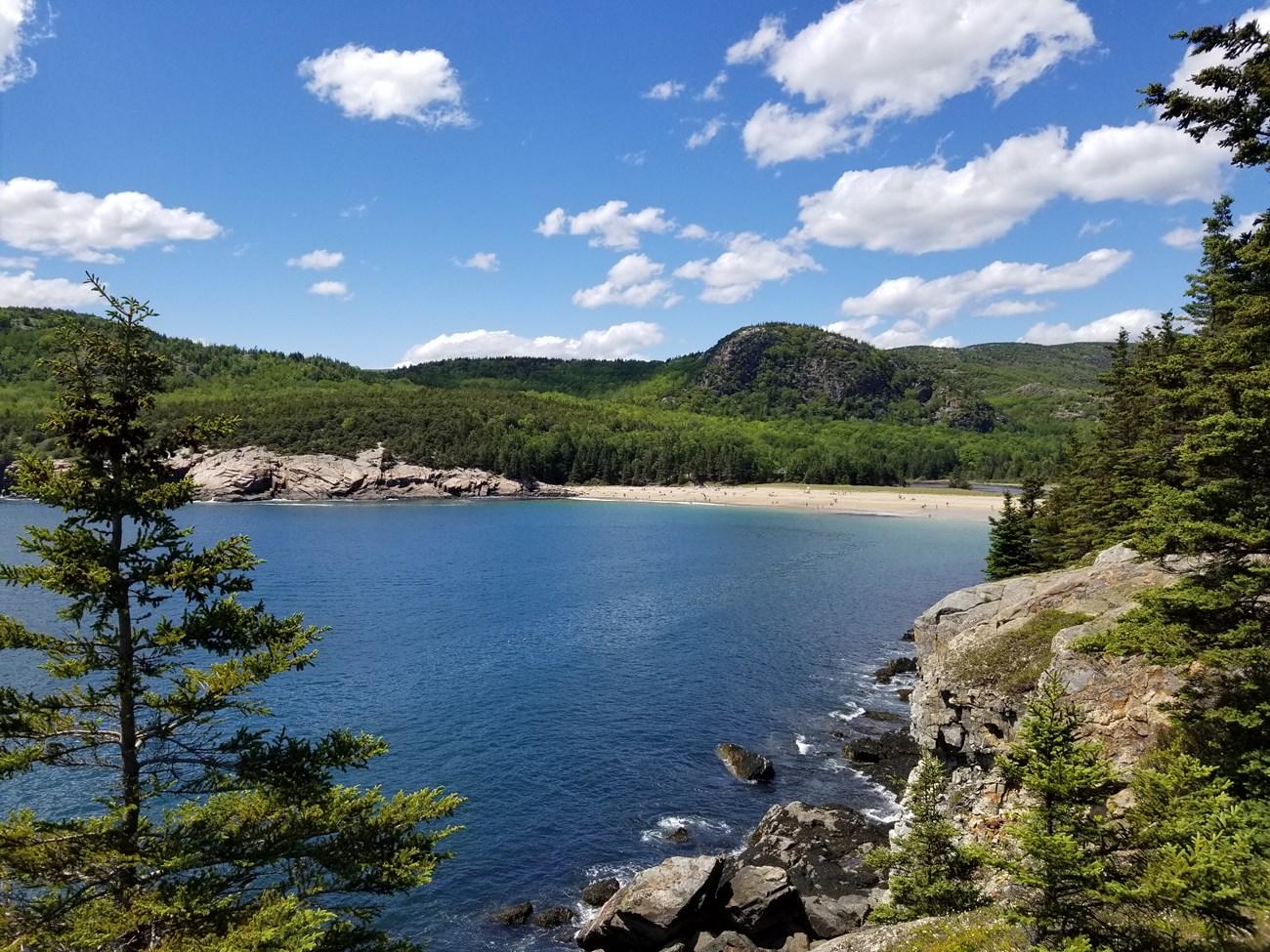
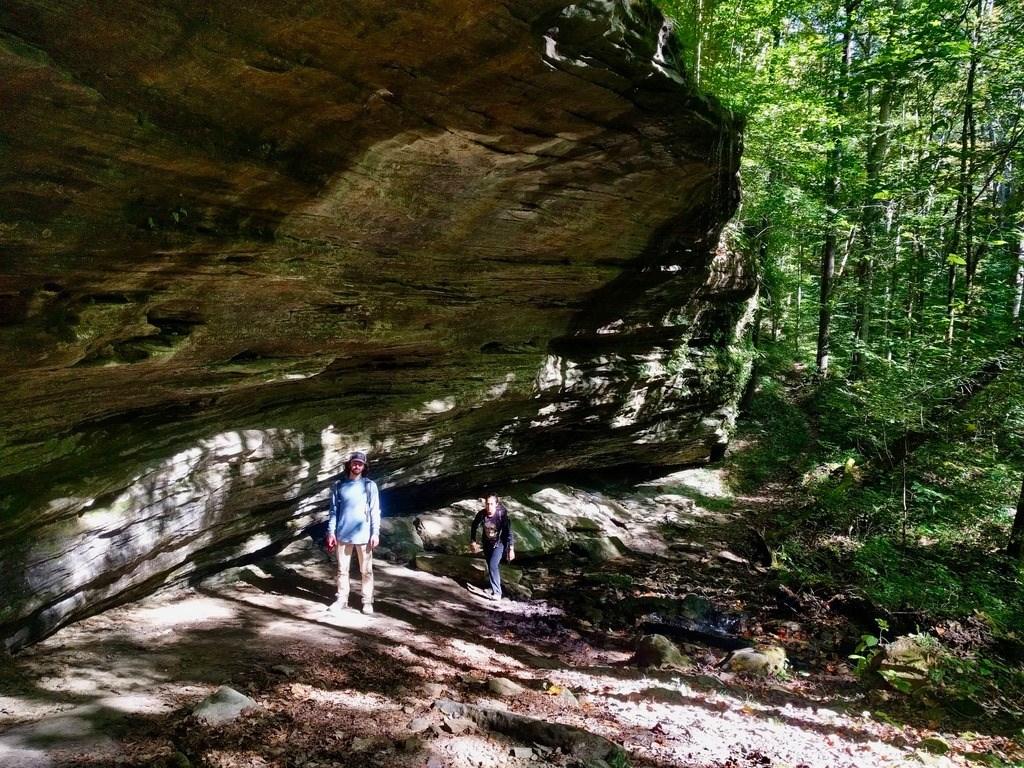
The Hoosier National Forest, located in the heart of Indiana, offers a serene escape into nature's embrace. Spanning over 200,000 acres, this lush forest is a paradise for outdoor enthusiasts and nature lovers alike. Whether you are an avid hiker, a birdwatcher, or someone seeking peace and tranquility, the forest's diverse landscapes will captivate your senses. One of the highlights of the Hoosier National Forest is its extensive trail system. With over 260 miles of trails, there is something for everyone, from easy walks to challenging hikes. The Charles C. Deam Wilderness offers a particularly enchanting experience, with its old-growth forests and scenic vistas. Additionally, the forest is home to numerous lakes and rivers, perfect for fishing, kayaking, and swimming. The Hoosier National Forest is not just about natural beauty. It is steeped in history, with archaeological sites and historical landmarks scattered throughout. The Hickory Ridge Fire Tower provides a glimpse into the past while offering panoramic views of the surrounding forest. Campgrounds and rustic cabins are available for those who wish to extend their stay and fully immerse themselves in the forest's splendor.