

The Uplands, Indiana Travel Guide
Experience the natural beauty, outdoor adventures, and charming small towns of The Uplands in Indiana, where rolling hills and lush forests create a serene retreat.
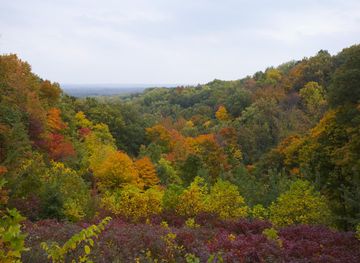
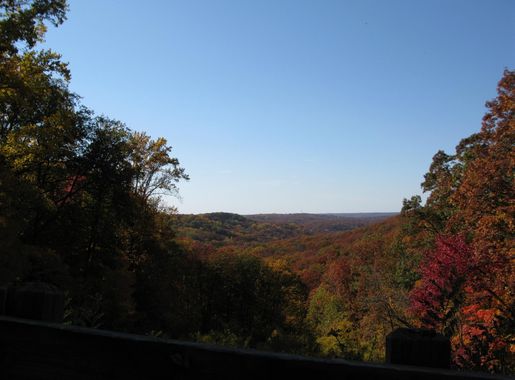
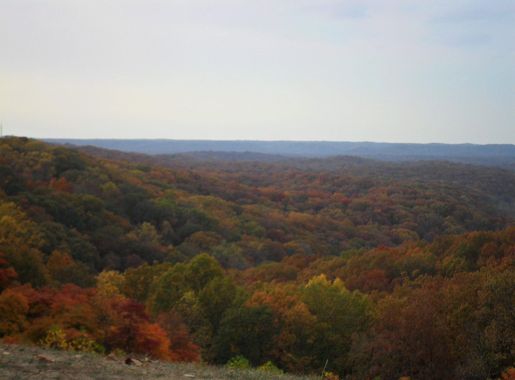
The Uplands in Indiana is a captivating region known for its rolling hills, lush forests, and charming small towns. This area offers a peaceful retreat from the hustle and bustle of city life, making it an ideal destination for nature lovers and those looking to unwind. Visitors will find numerous outdoor activities such as hiking, biking, and exploring the scenic landscapes that are abundant in this part of Indiana. One of the highlights of The Uplands is the Hoosier National Forest, which spans over 200,000 acres and provides a paradise for outdoor enthusiasts. With its diverse wildlife, picturesque trails, and serene lakes, the forest is perfect for camping, fishing, and bird watching. Additionally, the region is dotted with quaint towns like Bloomington and Nashville, where you can enjoy local art galleries, unique boutiques, and delicious farm-to-table dining experiences. The Uplands is also rich in history and culture. You can visit historical sites such as the T.C. Steele State Historic Site, which celebrates the life and work of one of Indiana’s most famous artists. The region is also home to numerous wineries and breweries, offering a taste of the local flavors. Whether you are looking for adventure, relaxation, or a bit of both, The Uplands in Indiana has something for everyone.

Know before you go
Hi, I'm Eve. Here are a few practical things to know before exploring The Uplands.
- Visit during the fall to see the stunning autumn foliage.
- Pack comfortable hiking shoes for exploring the numerous trails.
- Check out local farmer's markets for fresh, regional produce.
- Make time to visit the Hoosier National Forest for a variety of outdoor activities.
- Explore the local art scene in towns like Bloomington and Nashville.
Top City Travel Guides in The Uplands
The cities of The Uplands, and the easiest places to base yourself.


Destinations in The Uplands
Resorts, valleys and scenic spots worth a trip of their own.



Explore The Uplands: Things to Do, Places to Eat, Hotels & More
Handpicked recommendations for top attractions, local dining, accommodations, and more

Top Attractions & Sightseeing in The Uplands
Top-rated picks
Best Attractions

The Children's Museum of Indianapolis
Discover endless fun and learning at The Children's Museum of Indianapolis, where imagination knows no bounds and adventure awaits around every corner.

Turkey Run State Park
Explore the natural wonders of Turkey Run State Park in Indiana, where scenic trails and stunning landscapes await outdoor enthusiasts.

Indiana State Museum
Discover the rich history, culture, and natural wonders of Indiana at the Indiana State Museum in downtown Indianapolis.

Spring Mill State Park
Explore the breathtaking landscapes and rich history of Spring Mill State Park, a must-visit destination for nature lovers and history enthusiasts in Indiana.

Best landmarks in The Uplands
Top-rated picks
Best Landmarks

Indiana State Museum
Explore Indiana's rich heritage and dynamic history at the Indiana State Museum, where culture, art, and nature come together.

Indiana War Memorial & Museum
Explore the Indiana War Memorial & Museum, a stunning historical landmark honoring military service and showcasing Indiana's rich military heritage.

Upland Columbus Pump House
Discover Upland Columbus Pump House: where rich American flavors meet exceptional craft brews in a historic setting.

George Rogers Clark National Historical Park
Explore the rich history and stunning landscapes of George Rogers Clark National Historical Park, a tribute to American Revolutionary valor in Vincennes, Indiana.

Best restaurants in The Uplands
Top-rated picks
Best Restaurants

Das Dutchman Essenhaus
Discover authentic American flavors at Das Dutchman Essenhaus – a family-friendly dining destination in Middlebury known for its delicious homemade dishes.

St. Elmo Steak House
Experience culinary excellence at St. Elmo Steak House – renowned for its exceptional steaks and rich history in the heart of Indianapolis.

Lighthouse Restaurant
Experience exquisite seafood and fine dining at Lighthouse Restaurant, where breathtaking views meet exceptional cuisine on Cedar Lake.

Livery
Experience vibrant Latin American cuisine at Livery in Indianapolis—a fusion restaurant where modern decor meets flavorful dishes.

Best bars in The Uplands
Top-rated picks
Best Bars

Ivanhoes
Experience the delightful flavors of Ivanhoes in Upland, Indiana, where American cuisine meets irresistible desserts and creamy ice cream.

Payne's Restaurant
Experience the authentic taste of British cuisine at Payne's Restaurant, a cozy spot for food lovers in Gas City, Indiana.
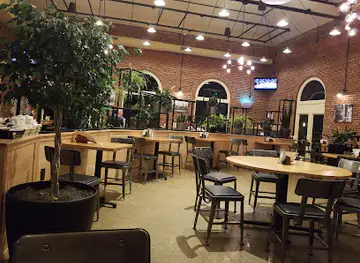
Upland Columbus Pump House
Discover the best in American cuisine and craft beer at Upland Columbus Pump House, a unique brewpub experience in Indiana.

Upland Brewing Co.
Discover the vibrant atmosphere and exceptional craft beers at Upland Brewing Co. in Bloomington, Indiana.

Best nightclubs in The Uplands
Top-rated picks
Best Nightclubs

White Rabbit Cabaret
Discover Indianapolis' White Rabbit Cabaret: A lively hub for comedy, live music, and performing arts in the heart of Fountain Square.

New Fountain Lounge
Discover the chic and lively New Fountain Lounge in Indianapolis, where cocktails and ambiance converge for an unforgettable nightlife experience.

The Patron Saint
Experience the vibrant nightlife of Indianapolis at The Patron Saint, the city's premier night club offering electrifying music and a lively ambiance.

The Red Room
Experience the vibrant nightlife of Indianapolis at The Red Room, your go-to destination for great drinks, music, and unforgettable memories.

Best shops in The Uplands
Top-rated picks
Best Shops

Indiana Premium Outlets
Indiana Premium Outlets: Your ultimate shopping destination for exclusive deals and a delightful experience in Edinburgh, Indiana.

Lighthouse Place Premium Outlets
Discover unbeatable deals at Lighthouse Place Premium Outlets, the go-to shopping destination in Michigan City, Indiana, featuring top-brand stores and dining options.

The Fashion Mall at Keystone
Discover luxury shopping, exquisite dining, and a vibrant atmosphere at The Fashion Mall at Keystone in Indianapolis, your ultimate retail destination.

Exit 76 (Edinburgh) Antique Mall
Explore the charm of Exit 76 Antique Mall, your ultimate destination for unique antiques and vintage treasures in Edinburgh, Indiana.

Explore The Uplands on the Map
A handpicked selection of must-see spots in The Uplands, mapped for you.
The Uplands Essentials
-
The Uplands in Indiana, United States, is easily accessible by various modes of transportation. The nearest major airport is Indianapolis International Airport (IND), which is approximately 60-90 minutes away by car, depending on your exact destination within The Uplands. From the airport, you can rent a car, take a shuttle service, or use rideshare apps like Uber or Lyft. For those driving from nearby states, The Uplands can be reached via Interstate 69 or U.S. Highway 37.
-
Within The Uplands, having a car is the most convenient way to explore the region. Car rental services are available at Indianapolis International Airport and in the larger towns like Bloomington. Public transportation options include local bus services operated by Bloomington Transit and Rural Transit, though they may not cover all areas comprehensively. Biking is also popular, with numerous bike paths and trails available. Taxis and rideshare services like Uber and Lyft are readily available in the larger towns.
-
The official currency is the U.S. Dollar (USD). Credit and debit cards are widely accepted in most establishments, including restaurants, hotels, and shops. ATMs are plentiful, especially in larger towns like Bloomington, so accessing cash is generally easy. It's advisable to carry some cash for smaller establishments and rural areas where card payments may not be accepted.
-
The Uplands is generally a safe area for tourists. However, it is wise to take standard precautions such as avoiding poorly lit areas at night and keeping an eye on your belongings in crowded places. Bloomington, the largest town in the area, has some neighborhoods where petty crimes like theft can occur, but violent crimes targeting tourists are rare. Always stay vigilant and aware of your surroundings.
-
In case of emergency, dial 911 for immediate assistance. The region is served by several hospitals, including IU Health Bloomington Hospital and Monroe Hospital. It is advisable to have travel insurance that covers medical emergencies. For minor health issues, there are numerous pharmacies where you can purchase over-the-counter medications.
-
Fashion: Do dress comfortably and appropriately for the weather, especially if you plan to explore outdoor attractions. Avoid overly casual attire in fine dining establishments. Religion: Do respect local religious customs and traditions, especially if visiting places of worship. Public Transport: Do be respectful and give up your seat to elderly passengers. Don't eat or drink on public transport. Greetings: Do greet people with a friendly 'hello' or a handshake. Eating & Drinking: Do try local delicacies and accept food offerings graciously. Don't refuse hospitality, as it is considered impolite.
-
To experience The Uplands like a local, visit the local farmers' markets where you can buy fresh produce and artisan goods. Engage with locals, who are often friendly and willing to share stories about the area's history and culture. Don't miss visiting attractions like the Indiana University campus, Brown County State Park, and the numerous wineries and breweries in the region. For a unique experience, hike the trails in Hoosier National Forest, which offers breathtaking views and diverse wildlife.
When is the best time to visit The Uplands?
Useful Local Phrases for The Uplands
You don't need to speak the language perfectly. Even learning a few simple words can make conversations warmer—and locals usually appreciate the effort.
— Eve

Here are the phrases I use most often in The Uplands. Try a few—you'll be surprised how far they go! 😊
❤️
-
- HelloHowdy
[Ha-dee] - GoodbyeSee ya later
[See ya lay-ter] - YesYep
[Yep] - NoNah
[Nah] - Please/You’re welcomeNo problem
[No prob-lem] - Thank youThanks a lot
[Thanks a lot] - Excuse me/SorryPardon me
[Par-don me] - How are you?How ya doin’?
[How ya doin’?] - Fine. And you?I’m good, you?
[I’m good, you?] - Do you speak English?Can ya speak English?
[Can ya speak English?] - I don't understandI don’t get it
[I don’t get it]
- HelloHowdy
-
- I’d like to see the menu, pleaseCan I see the menu, please?
[Can I see the menu, please?] - I don't eat meatI’m a vegetarian
[I’m a ve-ge-ta-rian] - Cheers!Cheers!
[Cheers!] - I would like to pay, pleaseCan I get the check, please?
[Can I get the check, please?]
- I’d like to see the menu, pleaseCan I see the menu, please?
-
- Help!Help!
[Help!] - Go away!Leave me alone!
[Leave me alone!] - Call the Police!Call the cops!
[Call the cops!] - Call a doctor!Get a doctor!
[Get a doc-tor!] - I’m lostI’m turned around
[I’m turned around] - I’m illI’m feelin’ sick
[I’m feelin’ sick]
- Help!Help!
-
- I’d like to buy...I wanna buy...
[I wanna buy...] - I’m just lookingJust lookin’
[Just lookin’] - How much is it?What’s the price?
[What’s the price?] - That’s too expensiveThat’s a bit steep
[That’s a bit steep] - Can you lower the price?Can ya knock down the price?
[Can ya knock down the price?]
- I’d like to buy...I wanna buy...
-
- What time is it?What time ya got?
[What time ya got?] - It’s one o'clockIt’s one
[It’s one] - Half past (10)Half past ten
[Half past ten] - MorningMornin’
[Mornin’] - AfternoonAfternoon
[Afternoon] - EveningEvenin’
[Evenin’] - YesterdayYesterday
[Yesterday] - TodayToday
[Today] - TomorrowTomorrow
[Tomorrow] - 1One
[One] - 2Two
[Two] - 3Three
[Three] - 4Four
[Four] - 5Five
[Five] - 6Six
[Six] - 7Seven
[Seven] - 8Eight
[Eight] - 9Nine
[Nine] - 10Ten
[Ten]
- What time is it?What time ya got?
-
- Where's a/the...?Where’s the nearest...?
[Where’s the nearest...?] - What’s the address?What’s the address?
[What’s the address?] - Can you show me (on the map)?Can ya point it out on the map?
[Can ya point it out on the map?] - When’s the next (bus)?When’s the next bus?
[When’s the next bus?] - A ticket (to ....)A ticket to...
[A ticket to...]
- Where's a/the...?Where’s the nearest...?
History of The Uplands
-
Before European settlers arrived, The Uplands in Indiana were inhabited by various Native American tribes, including the Miami, Delaware, and Shawnee. These tribes utilized the region's rich natural resources for hunting, fishing, and agriculture, and evidence of their presence can still be found in the form of ancient mounds and artifacts.
-
The first European settlers began arriving in The Uplands in the late 18th century. They were primarily of French and British descent, and they established trading posts and small settlements. These early settlers engaged in fur trading with the native tribes and began to clear land for agriculture.
-
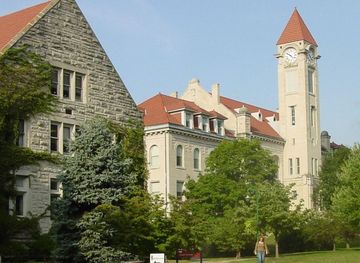
Indiana University, one of the oldest public universities in the United States, was established in Bloomington in 1820. The university has played a significant role in shaping the cultural and intellectual landscape of The Uplands, attracting students, faculty, and visitors from around the world.
-
The Uplands region was an important stop on the Underground Railroad, a network of secret routes and safe houses used by enslaved African Americans to escape to free states and Canada. Several homes and churches in the area served as hiding places for fugitive slaves, and the legacy of this brave and perilous journey is still remembered and honored today.
-
During the American Civil War, The Uplands saw significant enlistment from its residents. The region's support for the Union cause was strong, and several regiments from Indiana played crucial roles in various battles. The war's impact on the local communities was profound, with many families experiencing loss and hardship.
-
In the late 19th and early 20th centuries, The Uplands experienced significant industrial growth. Limestone quarries, in particular, became a major industry, providing the stone used in the construction of many notable buildings across the United States, including the Empire State Building and the Pentagon. The economic boom brought prosperity and development to the region.
-
The mid-20th century saw a cultural renaissance in The Uplands, with the establishment of numerous arts organizations, theaters, and music festivals. This period also saw the growth of local craftsmanship and the promotion of regional arts, which continue to be a significant part of The Uplands' cultural identity.
-
In recent years, there has been a strong focus on conservation and sustainable development in The Uplands. Efforts to preserve the natural beauty of the region, including its forests, rivers, and wildlife, have led to the creation of numerous parks and protected areas. These initiatives ensure that the natural and historical heritage of The Uplands is preserved for future generations.
Neighbouring Regions of The Uplands
The closest regions to The Uplands, if you have time for more than one.


Your all‑in‑one travel companion app
Explore expert travel guides, compare and book tours, experiences, hotels, and more—all from the palm of your hand. Download now for seamless trip planning wherever your wanderlust takes you.


Explore More of Indiana

Looking beyond The Uplands? Discover Indiana for broader travel guides, local hot-spots, and regional highlights.
Explore IndianaThe Uplands in Photos
Browse through our photo collection highlighting the charm and character of the destination.




Discover the Charm of The Uplands in Indiana
The Uplands in Indiana is a captivating region known for its rolling hills, lush forests, and charming small towns. This area offers a peaceful retreat from the hustle and bustle of city life, making it an ideal destination for nature lovers and those looking to unwind. Visitors will find numerous outdoor activities such as hiking, biking, and exploring the scenic landscapes that are abundant in this part of Indiana. One of the highlights of The Uplands is the Hoosier National Forest, which spans over 200,000 acres and provides a paradise for outdoor enthusiasts. With its diverse wildlife, picturesque trails, and serene lakes, the forest is perfect for camping, fishing, and bird watching. Additionally, the region is dotted with quaint towns like Bloomington and Nashville, where you can enjoy local art galleries, unique boutiques, and delicious farm-to-table dining experiences. The Uplands is also rich in history and culture. You can visit historical sites such as the T.C. Steele State Historic Site, which celebrates the life and work of one of Indiana’s most famous artists. The region is also home to numerous wineries and breweries, offering a taste of the local flavors. Whether you are looking for adventure, relaxation, or a bit of both, The Uplands in Indiana has something for everyone.