

Free The Ohio River Valley Travel Guide & Mobile App
Explore The Ohio River Valley with free travel guides. Discover regional history, expert tips, proposed trips, and audio guides on web or mobile app.


Explore Indiana’s Ohio River Valley for historic river towns, wooded bluffs, scenic drives, local food and southern Indiana heritage.
Read more about The Ohio River Valley
When is the best time to visit The Ohio River Valley?
Best: May, September–October · 21–26°C| Month | High (°C) | Rainfall (mm) |
|---|---|---|
| January | 4 | 70 |
| February | 7 | 65 |
| March | 13 | 85 |
| April | 19 | 95 |
| May (best) | 24 | 100 |
| June | 29 | 105 |
| July | 32 | 100 |
| August | 31 | 95 |
| September (best) | 26 | 85 |
| October (best) | 21 | 75 |
| November | 13 | 75 |
| December | 8 | 70 |
Getting to and around The Ohio River Valley
How to get there
Transportation
Top city travel guides in The Ohio River Valley
The cities of The Ohio River Valley, and the easiest places to base yourself.
-

-

-


Swipe for more cities
Destinations in The Ohio River Valley
Resorts, valleys and scenic spots worth a trip of their own.
-

-

-

-


Swipe for more destinations
Best attractions in The Ohio River Valley
The Indiana Ohio River Valley offers a distributed collection of historic, natural and cultural attractions rather than one concentrated resort area. Madison is a principal heritage destination, with a substantial historic district, museums, river views and access to Clifty Falls State Park, where wooded ravines and waterfalls contrast with the open river landscape. Vevay, Switzerland County and the communities around Rising Sun and Aurora provide smaller-scale streetscapes, local history and scenic drives through the eastern hills. Around Jeffersonville, New Albany and Clarksville, visitors find preserved neighbourhoods, riverfront parks, civic architecture and museums within a more urban setting opposite Louisville, which is outside the region. The western valley changes character near Evansville and Mount Vernon, where agricultural landscapes, wetlands, wildlife areas and industrial heritage become more prominent. Walking, birdwatching, fishing, cycling, boating and photography are the principal outdoor pursuits, while local festivals, galleries, historic interiors and farmers’ markets add cultural interest. Because attractions are widely spaced, the region works particularly well as a road itinerary with time for unscheduled stops in river towns and countryside.
-
Children's museum
The Children's Museum of Indianapolis
Discover endless fun and learning at The Children's Museum of Indianapolis, the world's largest children's museum, where imagination knows no bounds.
-
Racecourse
Churchill Downs
Discover the thrilling world of horse racing at Churchill Downs, home of the Kentucky Derby, where history, excitement, and Southern charm come alive.
-
Museum
Louisville Slugger Museum & Factory
Explore the rich history of baseball and craftsmanship at the Louisville Slugger Museum & Factory, a must-see for sports enthusiasts and tourists in Louisville.
-
Social club
Fourth Street Live!
Discover the lively Fourth Street Live! in downtown Louisville, a vibrant destination for dining, nightlife, and live music that embodies the spirit of the city.


Best landmarks in The Ohio River Valley
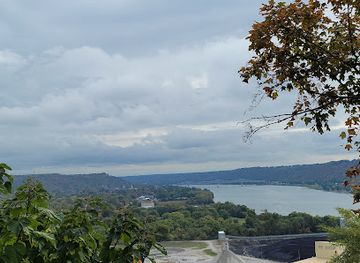
The Ohio River itself is the valley’s most important natural landmark, defining Indiana’s southern boundary and giving its towns their distinctive orientation. Madison’s historic district is one of the region’s most recognisable built landscapes, with nineteenth-century houses, churches, commercial buildings and hillside streets that illustrate the prosperity created by river commerce. The Lanier Mansion in Madison represents the ambition of the river town’s merchant era, while the nearby Clifty Falls State Park landscape adds steep ravines and exposed rock to the historic setting. In New Albany, the downtown streetscape and preserved homes reflect nineteenth-century commercial and industrial growth; Jeffersonville’s older civic and residential areas similarly reveal the importance of river crossings and shipbuilding. The Clarksville riverfront lies near the Falls of the Ohio, though the principal Falls of the Ohio State Park is across the river in Kentucky and should not be described as an Indiana attraction. Farther west, Evansville’s river-oriented civic and industrial landscapes and the open levee country near Mount Vernon show how the valley broadens from historic hill towns into a working agricultural and transport corridor.
-
National park
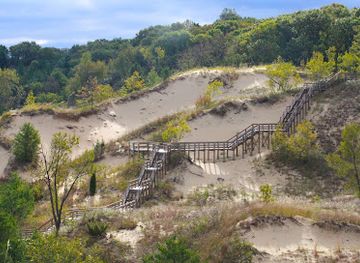
Indiana Dunes National Park
Discover the breathtaking landscapes, sandy beaches, and diverse wildlife at Indiana Dunes National Park along Lake Michigan's southern shore.
-
State park
Clifty Falls State Park
Experience the breathtaking waterfalls and scenic trails of Clifty Falls State Park, an idyllic retreat in Madison, Indiana for nature lovers and adventure seekers alike.
-
Museum
Indiana State Museum
Discover Indiana's rich heritage at the Indiana State Museum, where history, culture, and natural wonders come alive in downtown Indianapolis.
-
State park
Falls of the Ohio State Park
Discover the stunning landscapes and rich fossil history at Falls of the Ohio State Park, a must-visit destination for nature lovers and adventurers.

Explore The Ohio River Valley on the map
Plan your trip on one map. See where the top cities, national parks and sights are, and book hotels and experiences in a few clicks.
Best hotels in The Ohio River Valley
Best restaurants in The Ohio River Valley
Dining in Indiana’s Ohio River Valley combines southern Indiana cooking with the broader food traditions of the American Midwest and the river borderlands. Menus commonly feature pork, fried fish, sandwiches, biscuits, seasonal vegetables and substantial comfort food, while bakeries and cafés supply pies, cakes and other familiar regional sweets. River towns offer traditional diners, independent restaurants, historic inns and casual waterfront settings, with the largest choice in the Jeffersonville–New Albany area and Evansville. Farm stands and farmers’ markets are useful places to find produce, preserves and locally made goods when in season. Southern Indiana wineries and small producers add tastings and bottle sales to the rural dining landscape, though availability varies by location and day. Kentucky bourbon culture influences the wider region’s drinks and contemporary menus, but bourbon is associated with the neighbouring state as well as the cross-river area. Expect early or limited service in smaller communities, particularly outside the main town centres.
-
Brazilian
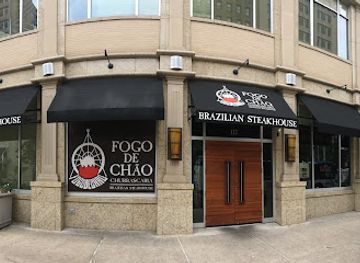
Fogo de Chão Brazilian Steakhouse
Savor the authentic taste of Brazil at Fogo de Chão, where expertly grilled meats meet exceptional service in an inviting atmosphere.
-
Family-friendly
Das Dutchman Essenhaus
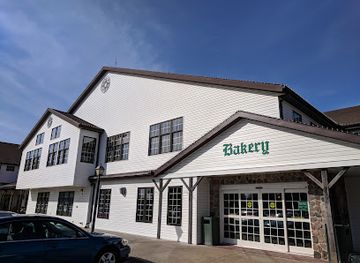
Discover Das Dutchman Essenhaus: A family-friendly dining experience with authentic American cuisine and irresistible bakery delights in Middlebury.
-
Steak
St. Elmo Steak House
Indulge in world-class steaks and iconic shrimp cocktails at St. Elmo Steak House, an essential dining experience in Indianapolis.
-
Restaurant
Lighthouse Restaurant
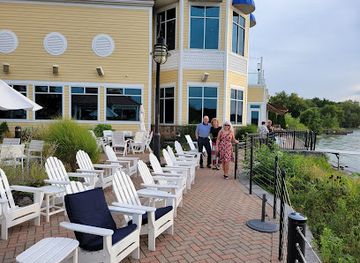
Experience fine dining at Lighthouse Restaurant in Cedar Lake with stunning lakeside views and exquisite cuisine crafted from fresh local ingredients.
Best bars in The Ohio River Valley
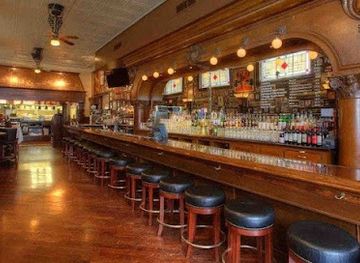
Evening life in the Indiana Ohio River Valley is generally centred on traditional pubs, neighbourhood bars, breweries, restaurants and live music rather than a large nightclub scene. Jeffersonville and New Albany have the broadest concentration of bars and dining venues within the Indiana river corridor, supported by their proximity to Louisville across the river. Madison and Evansville provide more local options, including historic drinking places, casual music venues and restaurants that become social meeting points after dark. Smaller towns such as Vevay, Aurora and Rising Sun tend to offer a quieter choice of taverns, seasonal events and community gatherings, with closing times and opening days varying considerably. Craft beer and American whiskey are widely represented in the wider region, but visitors can experience the valley without drinking, through evening walks, restaurants, performances and riverfront events. Roads between towns are often dark and distances considerable, so arrange a designated driver or other transport in advance.
-
American
Bubba's 33
Experience the vibrant flavors of American comfort food at Bubba's 33, a top choice for food and sports lovers in Clarksville, Indiana.
-
Restaurant
Schwartz Family Restaurant
Experience family-style dining with a diverse buffet at Schwartz Family Restaurant in Eckerty, Indiana, where comfort food meets local charm.
-
Brewpub
Upland Jeffersonville
Discover the vibrant ambiance and exceptional craft beer at Upland Jeffersonville, the ultimate brewpub experience by the riverside.
-
Cafe
Willie's Sports Cafe Hidden Valley
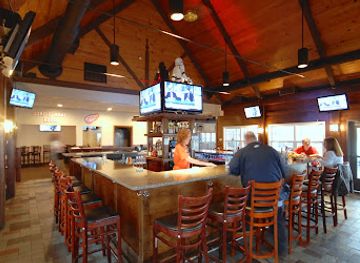
Discover the ultimate sports experience and delicious dining at Willie's Sports Cafe in Hidden Valley, where every game feels like a celebration.


Best nightclubs in The Ohio River Valley
Evening life in the Indiana Ohio River Valley is generally centred on traditional pubs, neighbourhood bars, breweries, restaurants and live music rather than a large nightclub scene. Jeffersonville and New Albany have the broadest concentration of bars and dining venues within the Indiana river corridor, supported by their proximity to Louisville across the river. Madison and Evansville provide more local options, including historic drinking places, casual music venues and restaurants that become social meeting points after dark. Smaller towns such as Vevay, Aurora and Rising Sun tend to offer a quieter choice of taverns, seasonal events and community gatherings, with closing times and opening days varying considerably. Craft beer and American whiskey are widely represented in the wider region, but visitors can experience the valley without drinking, through evening walks, restaurants, performances and riverfront events. Roads between towns are often dark and distances considerable, so arrange a designated driver or other transport in advance.
-
Bar
Howl at the Moon Indianapolis
Discover the electrifying nightlife at Howl at the Moon Indianapolis, featuring live music, signature cocktails, and an unforgettable atmosphere.
-
Night club
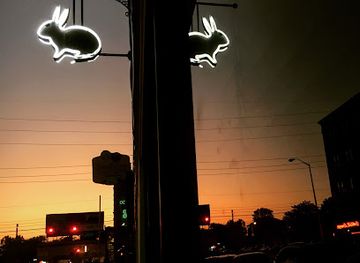
White Rabbit Cabaret
Unleash your night with laughter and live performances at the White Rabbit Cabaret, a premier venue in Indianapolis' Fountain Square.
-
Night club
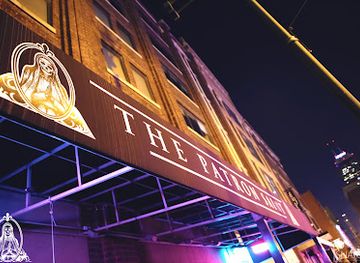
The Patron Saint
Discover the electrifying nightlife at The Patron Saint, Indianapolis' premier night club for dancing, music, and unforgettable experiences.
-
Night club
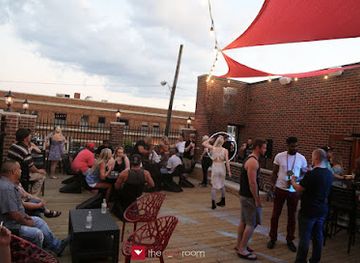
The Red Room
Experience the vibrant nightlife at The Red Room in Broad Ripple, Indianapolis, where music and cocktails blend for an unforgettable evening.

Best shops in The Ohio River Valley
Shopping in the Indiana Ohio River Valley is concentrated in historic town centres, independent main streets, suburban districts near the Louisville-area communities and larger retail areas around Evansville. Madison is well suited to browsing antiques, books, art, gifts and locally oriented independent shops among its preserved commercial buildings, while New Albany and Jeffersonville combine heritage streets with cafés, galleries and small retailers. Vevay, Aurora and other smaller river towns offer a more limited selection of antiques, crafts, local food and seasonal goods rather than extensive department-store shopping. Farmers’ markets and farm stands are the best sources for produce, preserves, baked goods, honey and other regional products when operating. Visitors may also find Indiana wines, pottery, artwork and river-themed souvenirs, often sold through galleries or producer outlets. For fashion, electronics and a wider range of everyday goods, the Louisville metropolitan area across the river and Evansville provide the largest nearby choices, but both are urban retail centres rather than representations of the valley’s historic shopping character.
-
Antique store
Ohio Valley Antique Mall
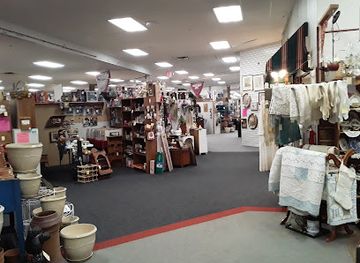
Explore the Ohio Valley Antique Mall, where history comes alive through a vast collection of antiques, collectibles, and vintage treasures.
-
Antique store
Clarksville Peddlers Mall
Explore Clarksville Peddlers Mall, Indiana's premier destination for unique antiques and collectibles, where every corner reveals a new treasure.
-
Antique store
Heart of Ohio Antique Center
Explore a vast collection of antiques and vintage treasures at the Heart of Ohio Antique Center, where history comes alive in Springfield, Ohio.
-
Shopping mall
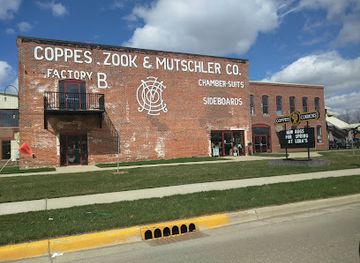
Coppes Commons
Explore Coppes Commons: A vibrant shopping destination with antiques, delicious treats, and local treasures in the heart of Nappanee, Indiana.


Get your free copy of our complete guide to The Ohio River Valley, delivered straight to you.
Everything on this page, from attractions and restaurants to essentials and local phrases, in one PDF you can read offline, print or share.
Already have an account? Sign in
Your The Ohio River Valley guide is ready.
We'll send it to · Not you? Sign out

Getting your guide ready…
We are putting together a fresh copy of the The Ohio River Valley guide. This can take up to a minute.
This can take a few moments. If your browser asks, choose Allow so the download can start. You'll find the guide in your Downloads folder.
Nothing happened? Download it again
Sorry, the guide is taking longer than usual. Please try again in a minute, or get it by email instead.
The Ohio River Valley essentials
Currency and Payment
Safety
Emergency Situations
Do's and Don'ts
Local Tips
From Eve
Local phrases worth knowing
You don't need to get them perfect. A few words go a long way, and locals appreciate the effort.
Basics
| English | Local | Say it |
|---|---|---|
| Hello | Howdy | [How-dee] |
| Goodbye | See ya | [See yah] |
| Yes | Yep | [Yep] |
| No | Nah | [Nah] |
| Please/You're welcome | Please/No problem | [Please/No prob-lem] |
| Thank you | Thanks | [Thanks] |
| Excuse me/Sorry | Excuse me/Sorry 'bout that | [Ex-cuse me/Sorry 'bout that] |
| How are you? | How ya doin'? | [How ya doin'?] |
| Fine. And you? | Good. And you? | [Good. And you?] |
| Do you speak English? | You speakin' English? | [You speakin' English?] |
| I don't understand | I ain't gettin' it | [I ain't gettin' it] |
Eating & Drinking
| English | Local | Say it |
|---|---|---|
| I'd like to see the menu, please | Can I see the menu, please? | [Can I see the menu, please?] |
| I don't eat meat | I don't do meat | [I don't do meat] |
| Cheers! | Cheers! | [Cheers!] |
| I would like to pay, please | Can I pay, please? | [Can I pay, please?] |
Emergencies
| English | Local | Say it |
|---|---|---|
| Help! | Help! | [Help!] |
| Go away! | Get outta here! | [Get outta here!] |
| Call the Police! | Call the cops! | [Call the cops!] |
| Call a doctor! | Get a doctor over here! | [Get a doctor over here!] |
| I'm lost | I’m turned around | [I’m turned around] |
| I'm ill | I'm not feelin' good | [I'm not feelin' good] |
Shopping
| English | Local | Say it |
|---|---|---|
| I'd like to buy... | I wanna buy... | [I wanna buy...] |
| I'm just looking | Just lookin' | [Just lookin'] |
| How much is it? | What’s the damage? | [What’s the damage?] |
| That's too expensive | That's way too pricey | [That's way too pricey] |
| Can you lower the price? | Can ya give me a deal? | [Can ya give me a deal?] |
Time & Numbers
| English | Local | Say it |
|---|---|---|
| What time is it? | What time ya got? | [What time ya got?] |
| It's one o'clock | It's one | [It's one] |
| Half past (10) | Half past ten | [Half past ten] |
| Morning | Mornin' | [Mornin'] |
| Afternoon | Afternoon | [Afternoon] |
| Evening | Evenin' | [Evenin'] |
| Yesterday | Yesterday | [Yesterday] |
| Today | Today | [Today] |
| Tomorrow | Tomorrow | [Tomorrow] |
| 1 | One | [One] |
| 2 | Two | [Two] |
| 3 | Three | [Three] |
| 4 | Four | [Four] |
| 5 | Five | [Five] |
| 6 | Six | [Six] |
| 7 | Seven | [Seven] |
| 8 | Eight | [Eight] |
| 9 | Nine | [Nine] |
| 10 | Ten | [Ten] |
Transport & Directions
| English | Local | Say it |
|---|---|---|
| Where's a/the...? | Where's a...? | [Where's a...?] |
| What's the address? | What’s the address? | [What’s the address?] |
| Can you show me (on the map)? | Can ya show me on the map? | [Can ya show me on the map?] |
| When's the next (bus)? | When's the next bus? | [When's the next bus?] |
| A ticket (to ....) | A ticket to ... | [A ticket to ...] |
History of The Ohio River Valley
Indigenous Ohio River Landscapes
Long before European settlement, Indigenous peoples used the Ohio River as a route for travel, exchange and seasonal subsistence. The valley’s forests, wetlands, shoals and fertile bottomlands supported fishing, hunting and agriculture, while higher ground offered settlement and defensive advantages. Historic tribal homelands and later movements involved several peoples, including the Shawnee, Miami and Delaware, although the distribution and political control of communities changed over time. Archaeological evidence across the wider Ohio Valley records ancient earthworks, camps and trading networks, reminding visitors that the region’s history began long before its present towns and state boundaries.
French and British Rivalries in the Ohio Country
During the eighteenth century, the Ohio River formed part of a contested frontier linking the Great Lakes, the Mississippi watershed and the Appalachian interior. French, British and Indigenous interests overlapped across the wider Ohio Country, with trade, diplomacy and military competition shaping the region. The French and Indian War altered imperial control, and British victory was followed by growing colonial pressure west of the Appalachians. The river’s strategic value continued through the American Revolution, when the Ohio Valley was connected to campaigns and settlements that helped extend the United States towards the interior.
Territorial Settlement and Statehood
After the American Revolution, the future Indiana became part of the Northwest Territory and later the Indiana Territory. River access encouraged migration, land speculation and the development of settlements along the southern boundary. Clarksville, established in 1783 near the Falls of the Ohio, was among the earliest American settlements in the area; Jeffersonville and New Albany grew later as transport and commercial centres. Indiana became a state in 1816, and the Ohio River remained a vital approach for settlers, goods and communication even as roads and canals expanded inland.
Steamboats, Ferries and River Commerce
In the nineteenth century, steamboats transformed the Ohio River into a major commercial artery. Towns such as Madison, New Albany, Jeffersonville and Evansville handled agricultural products, manufactured goods, passengers and boat-building activity. Ferries and crossings connected Indiana with Kentucky communities, while warehouses, wharves and riverfront streets tied local economies to Cincinnati, Louisville, St Louis and the wider Mississippi system. River commerce was vulnerable to floods, ice and changing channels, but it helped southern Indiana develop an outward-looking economy before railways and highways altered the pattern of movement.
Industrial Growth and the Railroad Era
Railways, manufacturing and improved roads gradually reduced the Ohio River’s role as the region’s sole transport corridor, while also strengthening towns that could connect river traffic with inland markets. New Albany became associated with shipbuilding and manufacturing, and Jeffersonville developed durable links to river, rail and industrial commerce. Evansville expanded as a major regional centre in the western valley, serving agriculture, manufacturing and distribution. The period left a varied architectural legacy, from commercial blocks and churches to factories, civic buildings and residential districts.
Flood Control and the Modern Riverfront
Twentieth-century floods repeatedly demonstrated both the economic importance and physical power of the Ohio River. Levees, floodwalls, dams and changing engineering practices reshaped parts of the riverfront, protecting communities and industry while sometimes separating older town centres from the water. As heavy manufacturing and traditional river commerce declined in some places, heritage preservation, parks, recreation and tourism became more prominent. Today, historic districts, scenic roads, state parks and revived waterfronts interpret a landscape still influenced by navigation, flooding, agriculture and cross-river connections.
The Ohio River Valley in Photos
Browse through our photo collection highlighting the charm and character of the destination.
Neighbouring regions of The Ohio River Valley
The closest regions to The Ohio River Valley, if you have time for more than one.
-

-

-

-
-


Swipe for more regions
Explore more

Explore more of Indiana
Explore Indiana: From the bustling streets of Indianapolis to the serene beauty of Indiana Dunes, discover the diverse experiences that make Indiana the Crossroads of America.
Explore Indiana