

Free The Southern Hills and Lowlands Travel Guide & Mobile App
Explore The Southern Hills and Lowlands with free travel guides. Discover regional history, expert tips, proposed trips, and audio guides on web or mobile app.


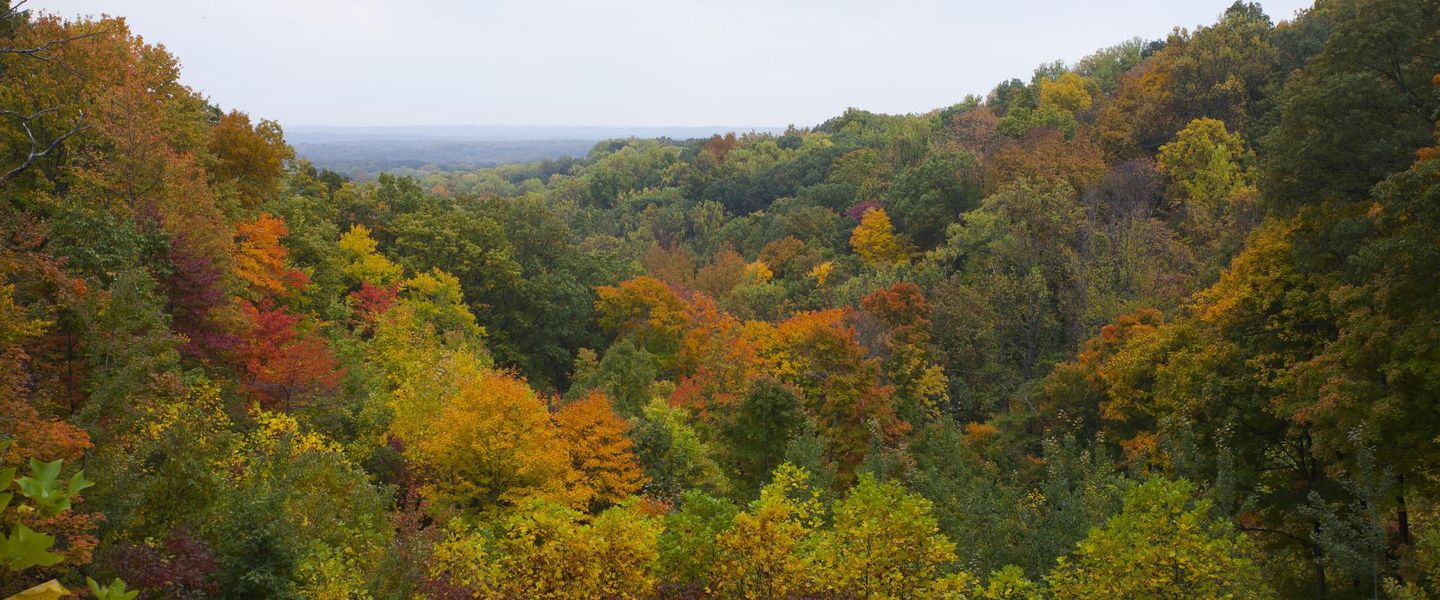


Explore Southern Indiana’s forested hills, Ohio River towns, limestone caves, historic sites, local food and outdoor landscapes at an unhurried pace.
Read more about The Southern Hills and Lowlands
Getting to and around The Southern Hills and Lowlands
How to get there
Transportation
Top city travel guides in The Southern Hills and Lowlands
The cities of The Southern Hills and Lowlands, and the easiest places to base yourself.
-
-

-

-

-

-


Swipe for more cities
Destinations in The Southern Hills and Lowlands
Resorts, valleys and scenic spots worth a trip of their own.
-

-

-
-

-

-


Swipe for more destinations
Best attractions in The Southern Hills and Lowlands
Southern Indiana’s attractions are shaped by geology, woodland and river history rather than by one concentrated urban centre. Brown County State Park offers extensive hill-country trails, cycling roads and autumn colour, while Hoosier National Forest provides a larger, more dispersed setting for hiking, camping and wildlife watching. Spring Mill State Park combines karst scenery with a restored nineteenth-century pioneer village and grist mill, and the region’s limestone country supports cave tours and underground landscapes. Historic-town experiences range from Corydon’s early statehood sites to Madison’s preserved riverfront architecture. Around Evansville, Angel Mounds offers archaeological insight into a pre-European Indigenous community, while the city itself contains museums and cultural venues. The lower Ohio and Wabash valleys add birdwatching, boating, farm landscapes and broad river views, and the Lincoln Boyhood National Memorial in Spencer County interprets Abraham Lincoln’s Indiana childhood. Because attractions are widely dispersed, the most rewarding itineraries group nearby parks, towns and heritage sites rather than attempting to cover the entire region from one base.
-
Children's museum
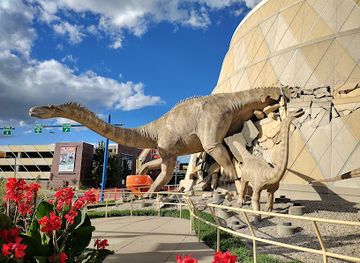
The Children's Museum of Indianapolis
Experience the magic of learning at The Children's Museum of Indianapolis, where imagination and education come together for endless family fun.
-
State park
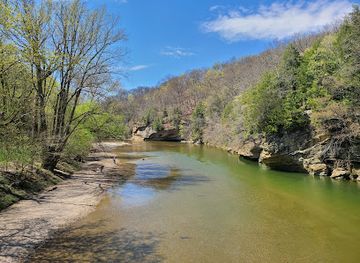
Turkey Run State Park
Explore the natural beauty of Turkey Run State Park, a stunning Indiana gem with hiking trails, wildlife, and picturesque landscapes.
-
 Museum
Indiana State Museum
Explore Indiana's rich heritage at the Indiana State Museum, where history, culture, and science come alive in the heart of Indianapolis.
-
National forest
Hoosier National Forest
Explore the vast expanse of Hoosier National Forest, a serene haven for nature lovers and adventure seekers in Indiana, perfect for hiking and camping.

Best landmarks in The Southern Hills and Lowlands
The region’s most recognisable landmarks include the Harrison County Courthouse in Corydon, associated with Indiana’s first state constitution and early statehood, and the carefully preserved historic district of Madison, where nineteenth-century houses, commercial buildings and civic architecture reflect Ohio River prosperity. Angel Mounds near Evansville is a landmark of Indigenous history, with large earthworks marking the former Mississippian centre. The Lincoln Boyhood National Memorial in Spencer County commemorates the landscape and community in which Abraham Lincoln spent his youth. In the hills, the sandstone and limestone formations, forested ridges and cave systems of Brown County, Hoosier National Forest and south-central Indiana function as geographical landmarks as much as recreational sites. The Ohio River itself is a defining regional feature, crossed by bridges and lined with towns whose form was shaped by shipping. Quarries around Bedford and the surrounding limestone country also reveal the geological foundation behind much of Indiana’s historic architecture.
-
Museum
Indiana State Museum
Discover Indiana's rich heritage and natural wonders at the Indiana State Museum, a cultural treasure in downtown Indianapolis.
-
Park
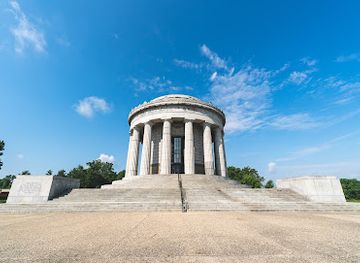
George Rogers Clark National Historical Park
Discover the rich history of George Rogers Clark National Historical Park in Vincennes, Indiana, where the past and nature beautifully converge.
-
Historical society
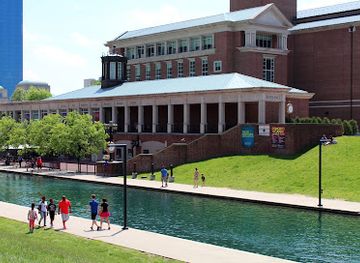
Indiana Historical Society
Discover Indiana's rich history at the Indiana Historical Society, where past meets present through engaging exhibits and educational experiences.
-
Memorial park
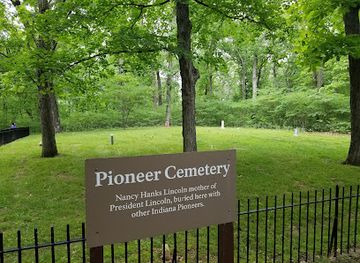
Lincoln Boyhood National Memorial
Discover the inspiring history of Abraham Lincoln at Lincoln Boyhood National Memorial, a serene park preserving his childhood legacy in Indiana.
Explore The Southern Hills and Lowlands on the map
Plan your trip on one map. See where the top cities, national parks and sights are, and book hotels and experiences in a few clicks.
Best hotels in The Southern Hills and Lowlands
Best restaurants in The Southern Hills and Lowlands
Dining across the Southern Hills and Lowlands combines Midwestern comfort food with produce from farms, orchards and river-valley communities. Independent cafés, family restaurants and traditional diners are common in small towns, while Bloomington, Evansville, New Albany and other larger centres provide broader choices, including contemporary American cooking, international food and craft-beer-focused venues. Southern Indiana is associated with local pork, fried chicken, biscuits, seasonal vegetables, apples and other farm-market produce, though menus vary considerably from town to town. In the limestone and hill districts, wineries, breweries and rural food producers add a regional dimension, while Ohio River communities retain a tradition of hearty, practical cooking shaped by trade and agriculture. Farmers’ markets are useful places to find Indiana-grown produce, baked goods and preserves, but their days and seasons vary. Tipping follows customary United States practice in table-service restaurants and is normally added to the bill.
-
Family-friendly
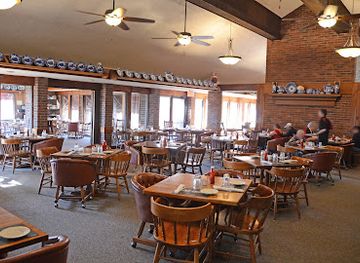
Das Dutchman Essenhaus
Discover authentic Amish cuisine at Das Dutchman Essenhaus in Middlebury – where family-friendly dining meets warm hospitality.
-
American
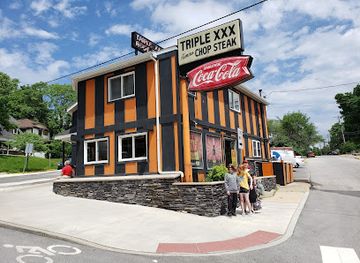
Triple XXX Family Restaurant
Savor classic American diner fare at Triple XXX Family Restaurant in West Lafayette - home of legendary burgers and delightful shakes.
-
Restaurant
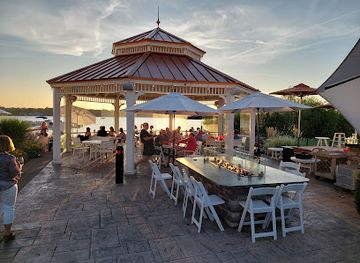
Lighthouse Restaurant
Experience exceptional lakeside dining at Lighthouse Restaurant with stunning views and exquisite cuisine in Cedar Lake.
-
Steak
The Beef House Restaurant & Dinner Theatre
Indulge in premium steaks while enjoying captivating performances at The Beef House Restaurant & Dinner Theatre in Covington, Indiana.
Best bars in The Southern Hills and Lowlands
Evening life is concentrated in Bloomington, Evansville, New Albany and the larger Ohio River communities, while smaller hill and river towns generally centre their social life on pubs, restaurants, breweries, wine rooms and occasional live-music venues. Bloomington’s student population gives its compact centre a broader selection of bars, cafés and performance spaces than most rural parts of southern Indiana. Evansville provides the region’s most substantial urban programme of entertainment, including restaurants, cultural events and music venues. In Brown County, Nashville and nearby communities offer relaxed evenings associated with galleries, country music, dining and seasonal tourism rather than a large nightclub scene. Historic river towns favour old inns, taverns and restaurants in preserved commercial districts. Opening arrangements and entertainment calendars change, so visitors should check locally rather than assume that a small town will have late-night services every day.
-
Bar
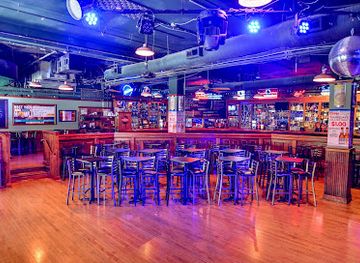
Howl at the Moon Indianapolis
Discover Howl at the Moon Indianapolis, the ultimate bar experience with live music, creative cocktails, and a vibrant atmosphere in the heart of the city.
-
Grill
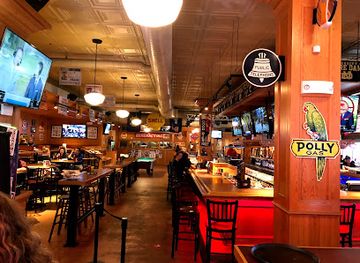
Brothers Bar & Grill
Discover Brothers Bar & Grill in South Bend, Indiana – where delicious grill flavors meet a vibrant bar atmosphere for an unforgettable dining experience.
Best nightclubs in The Southern Hills and Lowlands
Evening life is concentrated in Bloomington, Evansville, New Albany and the larger Ohio River communities, while smaller hill and river towns generally centre their social life on pubs, restaurants, breweries, wine rooms and occasional live-music venues. Bloomington’s student population gives its compact centre a broader selection of bars, cafés and performance spaces than most rural parts of southern Indiana. Evansville provides the region’s most substantial urban programme of entertainment, including restaurants, cultural events and music venues. In Brown County, Nashville and nearby communities offer relaxed evenings associated with galleries, country music, dining and seasonal tourism rather than a large nightclub scene. Historic river towns favour old inns, taverns and restaurants in preserved commercial districts. Opening arrangements and entertainment calendars change, so visitors should check locally rather than assume that a small town will have late-night services every day.
-
Bar
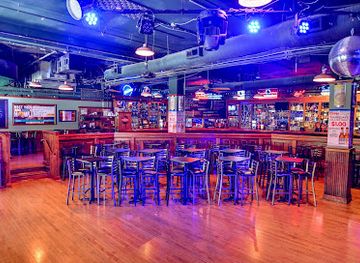
Howl at the Moon Indianapolis
Experience the vibrant nightlife at Howl at the Moon Indianapolis, where live music, signature cocktails, and an electric atmosphere await.
-
Night club
The Red Room
Discover the essence of nightlife at The Red Room, a vibrant nightclub in Broad Ripple with great drinks, music, and a welcoming atmosphere.
-
Night club
INVY Nightclub
Dive into the electrifying atmosphere of INVY Nightclub, where the beats never stop and the fun is just beginning in Indianapolis's nightlife scene.
-
Grill
The Point Night Club
Discover the vibrant atmosphere of The Point Night Club in Indianapolis, where delicious grill cuisine meets an exciting nightlife scene.

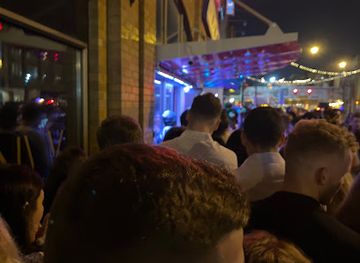

Best shops in The Southern Hills and Lowlands
Shopping is strongest in the region’s small historic centres, university communities and river towns rather than in a single major retail district. Nashville in Brown County is known for galleries, craft shops, artworks, seasonal decorations and locally made gifts, while Bloomington combines independent bookshops, galleries, specialist food shops and everyday retail around its central districts. Madison, Corydon, New Albany and other Ohio River towns offer antiques, homewares, art and locally owned shops in historic commercial settings. Farmers’ markets provide seasonal fruit, vegetables, baked goods, honey, preserves and handmade products, with availability varying by town and time of year. Regional purchases can include Indiana limestone objects, pottery, textiles, woodwork, paintings, wine and craft beer, though visitors should distinguish genuinely local products from generic souvenirs. Larger shopping centres and chain retailers are easiest to find in Evansville, Bloomington and the Louisville metropolitan area across the river, while remote hill communities have more limited opening days and retail choice.
-
Outlet mall
Indiana Premium Outlets
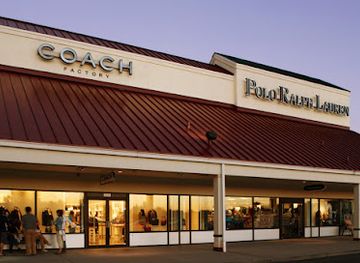
Discover unbeatable deals at Indiana Premium Outlets, a premier shopping destination with over 90 brand-name stores in Edinburgh, Indiana.
-
Outlet mall
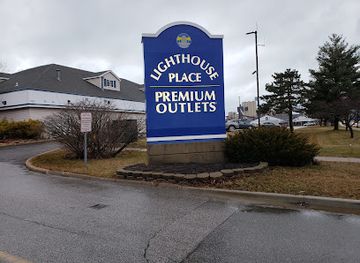
Lighthouse Place Premium Outlets
Uncover unbeatable deals at Lighthouse Place Premium Outlets, where shopping meets savings in Michigan City, Indiana.
-
Shopping mall
Southern Plaza
Discover Southern Plaza in Indianapolis, a shopping mall brimming with diverse stores and delightful dining options for every visitor.
-
Shopping mall
Southern Hills Mall
Explore Southern Hills Mall in Sioux City for a delightful shopping experience featuring diverse stores, dining, and family-friendly entertainment.


Get your free copy of our complete guide to The Southern Hills and Lowlands, delivered straight to you.
Everything on this page, from attractions and restaurants to essentials and local phrases, in one PDF you can read offline, print or share.
Already have an account? Sign in
Your The Southern Hills and Lowlands guide is ready.
We'll send it to · Not you? Sign out

Getting your guide ready…
We are putting together a fresh copy of the The Southern Hills and Lowlands guide. This can take up to a minute.
This can take a few moments. If your browser asks, choose Allow so the download can start. You'll find the guide in your Downloads folder.
Nothing happened? Download it again
Sorry, the guide is taking longer than usual. Please try again in a minute, or get it by email instead.
The Southern Hills and Lowlands essentials
Currency and Payment
Safety
Emergency Situations
Do's and Don'ts
Local Tips
From Eve
Local phrases worth knowing
You don't need to get them perfect. A few words go a long way, and locals appreciate the effort.
Basics
| English | Local | Say it |
|---|---|---|
| Hello | Howdy | [Ha-dee] |
| Goodbye | See ya later | [See ya lay-ter] |
| Yes | Yep | [Yep] |
| No | Nope | [Nope] |
| Please/You're welcome | Please/No problem | [Please/No prob-lum] |
| Thank you | Thanks a bunch | [Thanks a bunch] |
| Excuse me/Sorry | Excuse me/Sorry 'bout that | [Ex-cuse me/Sorry 'bout that] |
| How are you? | How ya doin'? | [How ya doin'?] |
| Fine. And you? | Good, and you? | [Good, and you?] |
| Do you speak English? | Can ya speak English? | [Can ya speak English?] |
| I don't understand | I ain't got a clue | [I ain't got a clue] |
Eating & Drinking
| English | Local | Say it |
|---|---|---|
| I'd like to see the menu, please | Can I see the menu, please? | [Can I see the menu, please?] |
| I don't eat meat | I ain't eatin' meat | [I ain't eatin' meat] |
| Cheers! | Cheers! | [Cheers!] |
| I would like to pay, please | Can I pay, please? | [Can I pay, please?] |
Emergencies
| English | Local | Say it |
|---|---|---|
| Help! | Help! | [Help!] |
| Go away! | Get lost! | [Get lost!] |
| Call the Police! | Call the cops! | [Call the cops!] |
| Call a doctor! | Call a doc! | [Call a doc!] |
| I'm lost | I'm lost | [I'm lost] |
| I'm ill | I'm feelin' under the weather | [I'm feelin' under the weather] |
Shopping
| English | Local | Say it |
|---|---|---|
| I'd like to buy... | I wanna buy... | [I wanna buy...] |
| I'm just looking | Just lookin' | [Just lookin'] |
| How much is it? | How much is this? | [How much is this?] |
| That's too expensive | That's way too pricey | [That's way too pricey] |
| Can you lower the price? | Can ya bring the price down? | [Can ya bring the price down?] |
Time & Numbers
| English | Local | Say it |
|---|---|---|
| What time is it? | What time is it? | [What time is it?] |
| It's one o'clock | It's one o'clock | [It's one o'clock] |
| Half past (10) | Half past ten | [Half past ten] |
| Morning | Mornin' | [Mornin'] |
| Afternoon | Afternoon | [Afternoon] |
| Evening | Evenin' | [Evenin'] |
| Yesterday | Yesterday | [Yesterday] |
| Today | Today | [Today] |
| Tomorrow | Tomorrow | [Tomorrow] |
| 1 | One | [One] |
| 2 | Two | [Two] |
| 3 | Three | [Three] |
| 4 | Four | [Four] |
| 5 | Five | [Five] |
| 6 | Six | [Six] |
| 7 | Seven | [Seven] |
| 8 | Eight | [Eight] |
| 9 | Nine | [Nine] |
| 10 | Ten | [Ten] |
Transport & Directions
| English | Local | Say it |
|---|---|---|
| Where's a/the...? | Where's a...? | [Where's a...?] |
| What's the address? | What's the address? | [What's the address?] |
| Can you show me (on the map)? | Can ya show me on the map? | [Can ya show me on the map?] |
| When's the next (bus)? | When's the next bus? | [When's the next bus?] |
| A ticket (to ....) | A ticket to... | [A ticket to...] |
History of The Southern Hills and Lowlands
Mississippian Communities at Angel Mounds
Long before European settlement, people of the Mississippian tradition built a substantial ceremonial and residential centre beside the Ohio River near present-day Evansville. Angel Mounds, occupied approximately from the eleventh to the fifteenth centuries, included platform mounds, dwellings and organised public spaces. Its position connected the community to river transport, agriculture and a wider network of Indigenous societies in the Mississippi and Ohio valleys. The preserved archaeological site is one of the most important reminders that southern Indiana has a deep Indigenous history extending far beyond the later frontier period.
French and Early American Frontier Settlement
The lower Wabash and Ohio valleys were shaped by French trading networks, Indigenous diplomacy and later American territorial expansion. Vincennes, founded as a French settlement in the eighteenth century, became an important centre in the Old Northwest before Indiana achieved statehood. River routes supported the movement of people and goods, while treaties and forced removals profoundly disrupted Indigenous communities. The region’s early American history therefore combines frontier commerce and new political institutions with the displacement of Native peoples whose presence long predated European settlement.
Corydon and Indiana Statehood
Corydon, in southern Indiana, served as the capital of the Indiana Territory and became the state’s first capital when Indiana entered the Union in 1816. The state constitution was drafted and adopted there, and the historic Harrison County courthouse remains a visible symbol of this formative period. The capital moved to Indianapolis in 1825 as the state’s population and political centre shifted northwards. Corydon’s buildings and historic sites preserve the region’s importance in the creation of modern Indiana rather than merely its later rural identity.
River Commerce and Nineteenth-Century Towns
The Ohio River was a major transport corridor during the nineteenth century, linking southern Indiana with the wider interior of the United States. Madison, New Albany, Jeffersonville and other river communities grew through shipping, manufacturing, banking and trade. Flatboats, steamboats and later railways carried agricultural produce, timber and manufactured goods, while shipyards and warehouses supported busy commercial economies. The surviving streets, houses and civic buildings of these towns reflect prosperity generated by river connections, as well as the changing transport patterns that eventually reduced the river’s dominance.
Abraham Lincoln’s Indiana Boyhood
Abraham Lincoln spent much of his formative childhood in southern Indiana after his family moved to Spencer County in 1816. The family farmed near Little Pigeon Creek, where Lincoln’s mother, Nancy Hanks Lincoln, died in 1818. The Lincoln Boyhood National Memorial interprets the farm, community and frontier environment associated with these years, while the wider landscape helps explain the importance of woodland, small farms and self-reliance in the young Lincoln’s experience. His later national career gave this local chapter an enduring place in American historical memory.
Limestone, Coal and Industrial Change
Southern Indiana’s geology influenced both building and industry. High-quality limestone from south-central Indiana was quarried for public buildings and monuments across the United States, while coal deposits in the southwest supported mines, railways, power generation and associated communities. Stone towns such as Bedford developed around quarrying, and coal shaped places including Linton and parts of the lower Wabash region. These industries brought employment and infrastructure but also altered hillsides, waterways and settlement patterns. Their legacy remains visible in quarries, rail corridors, industrial landscapes and regional architecture.
The Southern Hills and Lowlands in Photos
Browse through our photo collection highlighting the charm and character of the destination.
Neighbouring regions of The Southern Hills and Lowlands
The closest regions to The Southern Hills and Lowlands, if you have time for more than one.
-

-

-

-

-


Swipe for more regions
Explore more

Explore more of Indiana
Explore Indiana: From the bustling streets of Indianapolis to the serene beauty of Indiana Dunes, discover the diverse experiences that make Indiana the Crossroads of America.
Explore Indiana