

Free The Indiana Uplands Travel Guide & Mobile App
Explore The Indiana Uplands with free travel guides. Discover regional history, expert tips, proposed trips, and audio guides on web or mobile app.


Explore the Indiana Uplands for Bloomington culture, Brown County art, limestone heritage, wooded hills, lake recreation and scenic outdoor journeys.
Read more about The Indiana Uplands
Getting to and around The Indiana Uplands
How to get there
Transportation
Top city travel guides in The Indiana Uplands
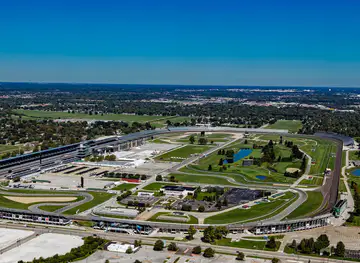
The cities of The Indiana Uplands, and the easiest places to base yourself.
-
-

-

-

-


Swipe for more cities
Destinations in The Indiana Uplands
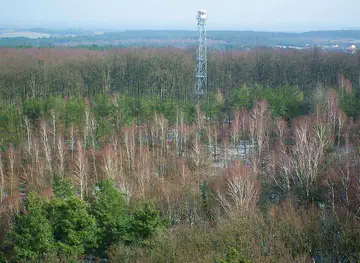
Resorts, valleys and scenic spots worth a trip of their own.
-

-

-

-
-


Swipe for more destinations
Best attractions in The Indiana Uplands
The Indiana Uplands offer a varied mix of university culture, woodland recreation, local history and working-landscape heritage. Bloomington's Indiana University campus, museums, galleries and performance venues provide the region's densest concentration of cultural attractions, while nearby Griffy Lake Nature Preserve offers a quick transition from city streets to forest and water. Brown County State Park is the principal outdoor destination in the eastern uplands, with hiking, horse riding, cycling, scenic overlooks and roads through ridged hardwood country. Nashville adds galleries, craft shops and historic associations with the Hoosier artists. Monroe Lake supports boating, fishing, swimming and shoreline recreation south-east of Bloomington, while Yellowwood State Forest and the Hoosier National Forest extend the quieter side of the region with trails, camping and wildlife habitat. Around Bedford and Bloomington, limestone heritage appears in quarry landscapes, civic architecture and specialist interpretation. The attraction pattern is dispersed: visitors should combine one town or cultural centre with one substantial park, forest or lake area rather than attempt a rapid checklist of distant sites.
-
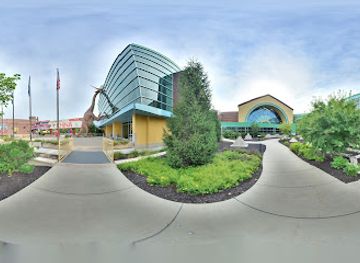
Children's museum
The Children's Museum of Indianapolis
Explore the largest children's museum in the world, where learning and fun come together through interactive exhibits and exciting programs for all ages.
-
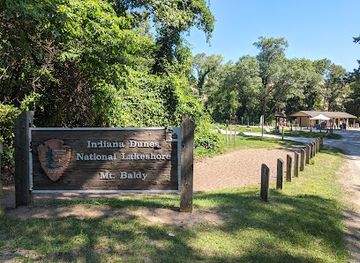
National park
Indiana Dunes National Park
Explore Indiana Dunes National Park: A Natural Gem of Sandy Beaches, Scenic Trails, and Diverse Ecosystems on Lake Michigan's Shore.
-
State park
Turkey Run State Park
Discover the breathtaking landscapes and outdoor adventures that await at Turkey Run State Park, Indiana's nature sanctuary.
-
Museum
Indiana State Museum
Explore Indiana's rich history and culture at the Indiana State Museum, featuring interactive exhibits and stunning displays in downtown Indianapolis.

Best landmarks in The Indiana Uplands
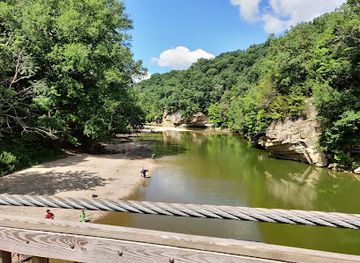
The Indiana Uplands are marked by the wooded ridges of Brown County, the long water surface of Monroe Lake and the exposed geological legacy of the Indiana limestone belt. Brown County State Park's forested hills and high viewpoints are among the region's most recognisable natural features, while the park's historic rustic structures reflect early twentieth-century public-works design. In Bloomington, Indiana University's Sample Gates and the limestone buildings around its historic campus express the relationship between higher education and local stone. Bedford's civic and commercial architecture provides a more urban expression of the quarrying tradition, with limestone used extensively in public buildings and monuments. Nashville's historic commercial centre, galleries and surrounding hills embody Brown County's later artistic identity. The region's quarries are significant industrial landscapes as well as sources of building material, but active sites are private or controlled workplaces and should be viewed only from authorised locations. Monroe Lake's wooded shoreline gives the southern uplands a landmark landscape of water, forest and recreation rather than monumental architecture.
-
Museum
Indiana State Museum
Discover the Indiana State Museum: A captivating journey through Indiana's history, art, and natural wonders in the heart of Indianapolis.
-
Museum
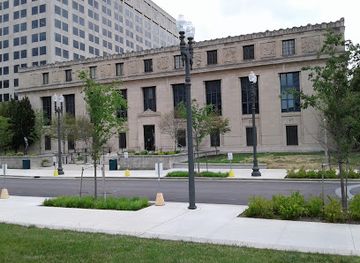
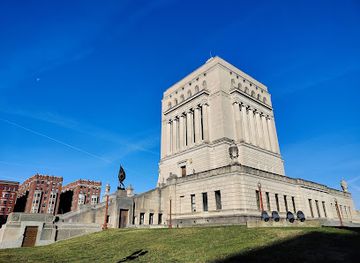
Indiana War Memorial & Museum
Explore the Indiana War Memorial & Museum, a profound tribute to Indiana's military history and sacrifices, located in the heart of Indianapolis.
-
Historical society
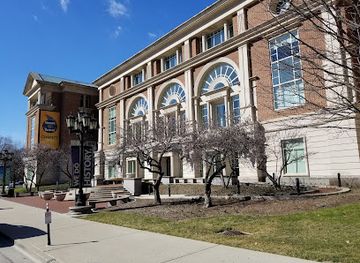
Indiana Historical Society
Explore Indiana's vibrant history at the Indiana Historical Society, a cultural gem in Indianapolis with engaging exhibits and educational resources.
-
Memorial park
Lincoln Boyhood National Memorial
Explore the Lincoln Boyhood National Memorial - a tribute to the early life of Abraham Lincoln in a serene and historic setting.
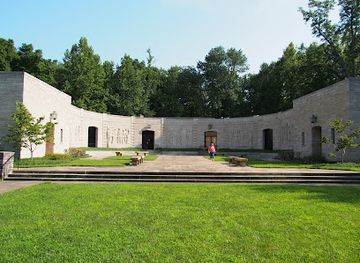
Explore The Indiana Uplands on the map
Plan your trip on one map. See where the top cities, national parks and sights are, and book hotels and experiences in a few clicks.
Best hotels in The Indiana Uplands
Best restaurants in The Indiana Uplands
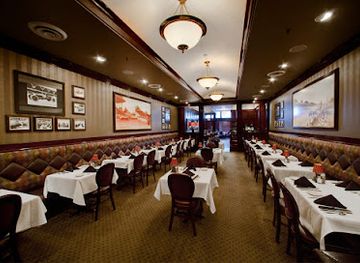
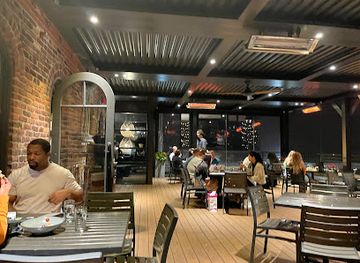
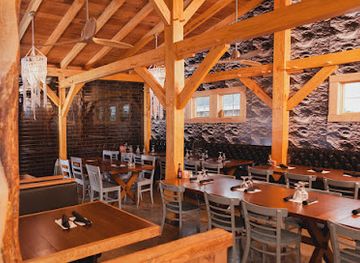
Dining in the Indiana Uplands ranges from Bloomington's internationally influenced university-city restaurants to cafés, bakeries, pubs and country inns in Brown County and the smaller towns. Indiana staples such as breaded pork sandwiches, fried chicken, burgers and locally made sweets appear alongside vegetarian, vegan and global cuisines in Bloomington. Brown County's food scene is closely linked to tourism, with relaxed restaurants, coffee shops, seasonal menus and places selling regional produce. Farm stands and markets can provide fruit, vegetables, preserves, baked goods and other locally made foods when in season. Craft breweries, wineries and cider producers add tasting opportunities across the uplands, though they are usually reached by car and should be approached as separate stops rather than a compact walkable circuit. Dining hours can be more limited outside Bloomington, especially in rural districts, so advance planning is sensible for evening meals.
-
Steak
St. Elmo Steak House
Experience fine dining at St. Elmo Steak House in Indianapolis - where tradition meets exquisite flavors in every bite.
-
American
Ivanhoes
Discover Ivanhoes in Upland: an iconic American restaurant offering delectable meals and irresistible ice cream treats for all ages.
-
Latin American
Livery
Experience vibrant Latin American flavors at Livery in Indianapolis—where fusion cuisine meets an inviting atmosphere.
-
British
Payne's Restaurant
Discover authentic British cuisine at Payne's Restaurant in Gas City - where hearty meals meet a cozy pub atmosphere.

Best bars in The Indiana Uplands
Nightlife is concentrated in Bloomington, where Indiana University supports a broad selection of pubs, bars, live-music rooms, cafés and late-evening restaurants. The atmosphere varies from student-oriented venues to quieter cocktail bars, breweries and places hosting local or touring performers. Nashville has a more low-key evening scene centred on restaurants, historic-style inns, music, galleries and seasonal visitor activity rather than large nightclubs. Bedford and other smaller upland towns generally offer neighbourhood bars, taverns and occasional live entertainment, with early closing and limited late-night transport more common than in Bloomington. Rural properties and tasting rooms may provide evening social spaces, but visitors should check current arrangements and organise a safe return journey. Alcohol is one part of the region's evening culture, not a requirement for experiencing its music, arts or food.
-
Bar
The Hangar
Discover The Hangar in Indianapolis: a vibrant fusion of indoor golf, delicious pizza, and lively sports atmosphere.
-
American
Ivanhoes
Experience delightful American cuisine and mouthwatering desserts at Ivanhoes in Upland, Indiana, a family-friendly dining destination.
-
British
Payne's Restaurant
Experience the best of British cuisine at Payne's Restaurant in Gas City, Indiana, where tradition meets warm hospitality.
-
Grill
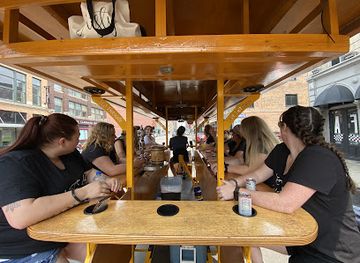
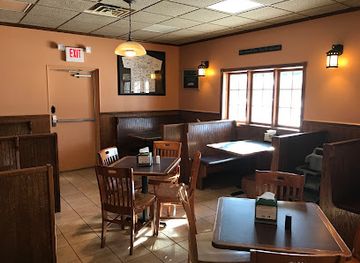
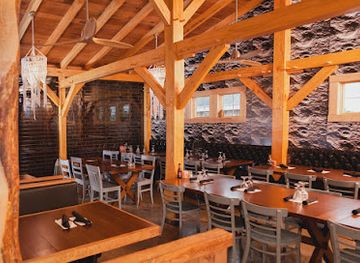
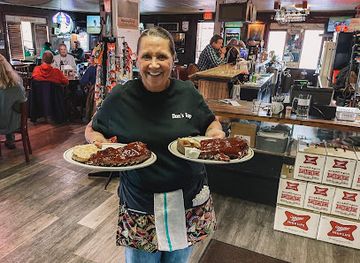
Don's Tap
Experience the best of American grill cuisine at Don's Tap in Marion, Indiana, where delicious flavors meet a welcoming atmosphere.
Best nightclubs in The Indiana Uplands
Nightlife is concentrated in Bloomington, where Indiana University supports a broad selection of pubs, bars, live-music rooms, cafés and late-evening restaurants. The atmosphere varies from student-oriented venues to quieter cocktail bars, breweries and places hosting local or touring performers. Nashville has a more low-key evening scene centred on restaurants, historic-style inns, music, galleries and seasonal visitor activity rather than large nightclubs. Bedford and other smaller upland towns generally offer neighbourhood bars, taverns and occasional live entertainment, with early closing and limited late-night transport more common than in Bloomington. Rural properties and tasting rooms may provide evening social spaces, but visitors should check current arrangements and organise a safe return journey. Alcohol is one part of the region's evening culture, not a requirement for experiencing its music, arts or food.
-
Bar
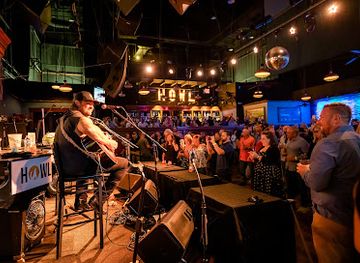
Howl at the Moon Indianapolis
Experience the vibrant nightlife of Indianapolis at Howl at the Moon, a premier live music and cocktail bar that guarantees unforgettable evenings.
-
Night club
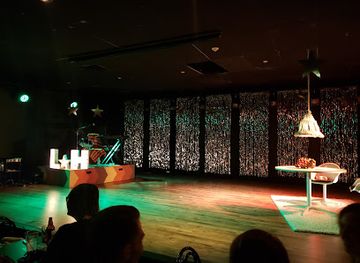
White Rabbit Cabaret
Discover the vibrant nightlife of Indianapolis at White Rabbit Cabaret, a premier venue for comedy and live music in a unique, eclectic setting.
-
Night club
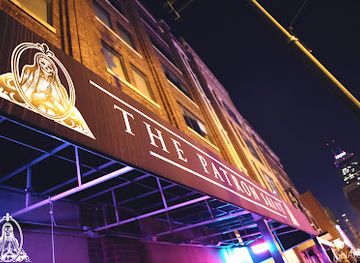
The Patron Saint
Discover the electrifying nightlife at The Patron Saint, Indianapolis' top night club with pulsating music and unforgettable experiences.
-
Night club
The Red Room
Discover the lively nightlife of The Red Room in Broad Ripple, Indianapolis, where great drinks, music, and a vibrant atmosphere await your arrival.

Best shops in The Indiana Uplands
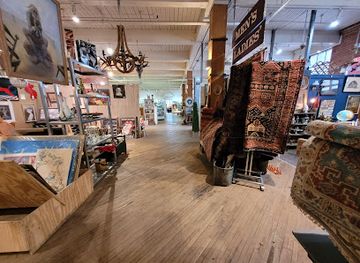
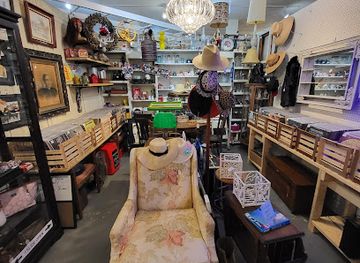
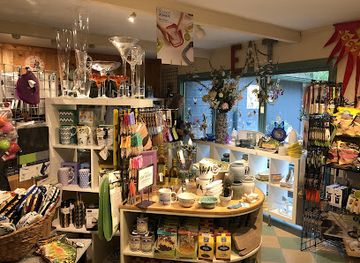
Shopping in the Indiana Uplands is strongest in Bloomington and Nashville, with smaller selections in Bedford and other market communities. Bloomington combines an independent downtown, university-oriented book and clothing shops, galleries, food retailers and makers of regional crafts. Nashville is known for art galleries, studios, handmade goods, antiques, seasonal gifts and locally themed products, though visitors should distinguish original work from mass-produced souvenirs. Brown County art, pottery, woodwork, jewellery and textiles make thoughtful purchases, while Indiana limestone objects connect shopping with the area's industrial heritage. Farm shops, roadside stands, wineries and breweries provide regional food and drink where available, particularly during the growing season. Conventional retail and everyday supplies are more readily found in Bloomington and larger towns; the smaller communities are better suited to browsing, local produce and craft shopping than to extensive high-street retail.
-
Antique store
Exit 76 (Edinburgh) Antique Mall
Uncover unique antiques and vintage treasures at Exit 76 Antique Mall in Edinburgh, Indiana—a must-visit destination for collectors and enthusiasts.
-
Antique store
Midland Arts & Antiques Market
Explore the vibrant Midland Arts & Antiques Market, a treasure trove of vintage finds and unique artifacts in the heart of Indianapolis.
-
Gift shop
Glendy's Uptown Mall
Discover unique gifts and antiques at Glendy's Uptown Mall, where local charm and craftsmanship meet in a delightful shopping experience.
-
Gift shop
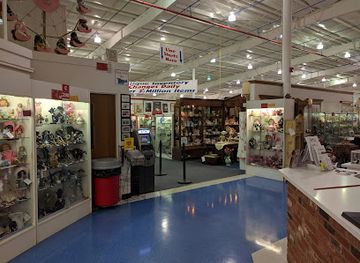
Schoolhouse Shop
Explore the charming Schoolhouse Shop in Chesterton, Indiana, for unique gifts, antiques, and delightful home goods that capture local charm.
Get your free copy of our complete guide to The Indiana Uplands, delivered straight to you.
Everything on this page, from attractions and restaurants to essentials and local phrases, in one PDF you can read offline, print or share.
Already have an account? Sign in
Your The Indiana Uplands guide is ready.
We'll send it to · Not you? Sign out

Getting your guide ready…
We are putting together a fresh copy of the The Indiana Uplands guide. This can take up to a minute.
This can take a few moments. If your browser asks, choose Allow so the download can start. You'll find the guide in your Downloads folder.
Nothing happened? Download it again
Sorry, the guide is taking longer than usual. Please try again in a minute, or get it by email instead.
The Indiana Uplands essentials
Currency and Payment
Safety
Emergency Situations
Do's and Don'ts
Local Tips
From Eve
Local phrases worth knowing
You don't need to get them perfect. A few words go a long way, and locals appreciate the effort.
Basics
| English | Local | Say it |
|---|---|---|
| Hello | Howdy | [hau-dee] |
| Goodbye | See ya | [see yah] |
| Yes | Yep | [yehp] |
| No | Nope | [nohp] |
| Please/You’re welcome | Sure thing | [shur thing] |
| Thank you | Thanks a bunch | [thangs a bunch] |
| Excuse me/Sorry | Pardon me | [par-dun mee] |
| How are you? | How ya doin’? | [hau yah doin’] |
| Fine. And you? | I’m good, how 'bout you? | [I’m gud, hau 'bout yoo] |
| Do you speak English? | Can ya talk English? | [kan yah tok Ing-lish] |
| I don't understand | I ain't got it | [I aynt got it] |
Eating & Drinking
| English | Local | Say it |
|---|---|---|
| I’d like to see the menu, please | Can I see the menu, please? | [kan I see thuh men-yoo, pleez?] |
| I don't eat meat | I don't do meat | [I dont do meat] |
| Cheers! | Bottoms up! | [bot-tums up] |
| I would like to pay, please | Can I get the check, please? | [kan I get thuh chek, pleez?] |
Emergencies
| English | Local | Say it |
|---|---|---|
| Help! | Help me! | [help mee] |
| Go away! | Get lost! | [get lost] |
| Call the Police! | Call the cops! | [kol thuh cops] |
| Call a doctor! | Get a doctor! | [get a dok-tor] |
| I’m lost | I’m turned around | [I’m turnd a-roun] |
| I’m ill | I’m not feelin’ well | [I’m not feelin' wel] |
Shopping
| English | Local | Say it |
|---|---|---|
| I’d like to buy... | I wanna buy... | [I wanna buy...] |
| I’m just looking | Just browsin’ | [just brow-zin] |
| How much is it? | What’s the price? | [wuts thuh prys?] |
| That’s too expensive | That’s a bit pricey | [thats a bit pry-see] |
| Can you lower the price? | Can ya cut the price? | [kan yah kut thuh prys?] |
Time & Numbers
| English | Local | Say it |
|---|---|---|
| What time is it? | What time ya got? | [wut time yah got?] |
| It’s one o’clock | It’s one o'clock | [its wun uh-clock] |
| Half past (10) | Half past ten | [haf past ten] |
| Morning | Mornin’ | [mor-nin] |
| Afternoon | Afternoon | [af-ter-noon] |
| Evening | Evenin’ | [eev-nin] |
| Yesterday | Yestiddy | [yes-ti-dee] |
| Today | Today | [to-day] |
| Tomorrow | Tomorra | [to-mor-ra] |
| 1 | One | [wun] |
| 2 | Two | [too] |
| 3 | Three | [three] |
| 4 | Four | [for] |
| 5 | Five | [fiv] |
| 6 | Six | [siks] |
| 7 | Seven | [sev-en] |
| 8 | Eight | [ate] |
| 9 | Nine | [nain] |
| 10 | Ten | [ten] |
Transport & Directions
| English | Local | Say it |
|---|---|---|
| Where's a/the...? | Where’s the nearest...? | [wheres thuh neer-est...?] |
| What’s the address? | What’s the addy? | [whuts thuh add-ee?] |
| Can you show me (on the map)? | Can ya point it out? | [kan yah point it out?] |
| When's the next (bus)? | When’s the next bus? | [wens thuh next bus?] |
| A ticket (to ....) | One ticket (to ...) | [wun tik-it (to ...)] |
History of The Indiana Uplands
Indigenous Landscapes and Early Settlement
Long before American settlement, Indigenous peoples used the forests, rivers and limestone country of south-central Indiana for hunting, travel and seasonal settlement. The region later lay within a contested frontier shaped by Miami, Delaware, Shawnee, Piankeshaw and other communities, as well as by expanding American migration. Treaties and federal removal policies during the early nineteenth century opened land to incoming settlers, but Indigenous history did not end with displacement; it remains part of the wider story of Indiana's place names, archaeology and cultural landscape.
The Formation of Bloomington and Indiana University
Bloomington was founded in 1818, and the Indiana State Seminary opened there in 1825 before developing into Indiana University. The institution became a major force in the region's intellectual, cultural and economic life, drawing students, scholars and artistic activity to an otherwise largely rural part of the state. Its growth also helped Bloomington develop more cosmopolitan services and cultural venues than neighbouring towns, while the surrounding hills and quarries continued to shape the local economy.
The Indiana Limestone Industry
Commercial quarrying expanded rapidly in the nineteenth century around Bedford, Bloomington and nearby Lawrence and Monroe County communities, where high-quality Salem limestone could be extracted from broad geological beds. Railways made the stone practical to ship, and Indiana limestone became a prominent building material for courthouses, schools, banks and major structures across the United States. The industry created skilled employment and distinctive quarry towns, while remnants of quarries, stone mills and limestone civic architecture still mark the western uplands.
Brown County and the Hoosier Artists
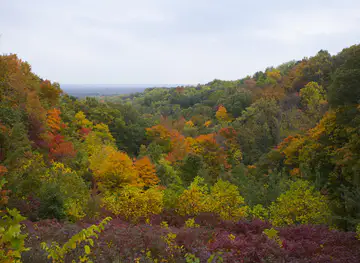
From the late nineteenth century, artists were drawn to Brown County's wooded ridges, unpaved lanes and changing seasonal colours. T.C. Steele and other painters associated with the Hoosier Group helped establish an enduring artistic identity for the area, encouraging visitors and later craftspeople to settle or exhibit there. Nashville became the best-known centre of this movement, and the legacy survives in galleries, historic sites, studios and the landscape itself, although contemporary Brown County is also a residential and outdoor-recreation community.
Railways, Industry and Regional Towns
Rail connections in the nineteenth and early twentieth centuries linked the uplands to Indianapolis, the Ohio River and wider American markets. They enabled limestone shipments, timber movement, agricultural trade and the growth of towns such as Bedford and Bloomington. Rail transport declined in importance during the twentieth century, but its legacy remains visible in civic buildings, former industrial sites and street patterns. The shift towards road travel, tourism, education and services gradually replaced heavy dependence on extraction and agriculture.
State Parks, Forests and Reservoirs
Twentieth-century conservation transformed parts of the uplands into major public recreation landscapes. Brown County State Park, established in 1929, protected a substantial area of rugged woodland and became one of Indiana's best-known destinations for hiking, riding and scenic drives. Yellowwood State Forest, the Hoosier National Forest and other public lands extended opportunities for outdoor recreation. Monroe Lake, created by a United States Army Corps of Engineers dam in the 1960s, added a large water-based destination south-east of Bloomington and changed the region's recreational economy.
A Contemporary University and Creative Region
Today the Indiana Uplands combine a university economy, tourism, outdoor recreation, quarrying, small-scale agriculture and creative industries. Bloomington's cultural institutions and international population contrast with the craft shops and forest scenery of Brown County, while Bedford retains a strong connection to limestone. This mixture is a relatively recent development, built on older transport, industrial and artistic foundations rather than replacing them entirely. Historic buildings, public woods, working quarries and cultural venues together give the region its present character.
The Indiana Uplands in Photos
Browse through our photo collection highlighting the charm and character of the destination.
Neighbouring regions of The Indiana Uplands
The closest regions to The Indiana Uplands, if you have time for more than one.
-

-

-
-

-


Swipe for more regions
Explore more

Explore more of Indiana
Explore Indiana: From the bustling streets of Indianapolis to the serene beauty of Indiana Dunes, discover the diverse experiences that make Indiana the Crossroads of America.
Explore Indiana