

Southern Indiana, Indiana Travel Guide
Discover Southern Indiana: A blend of natural beauty, rich history, and vibrant culture awaits in this picturesque region along the Ohio River.
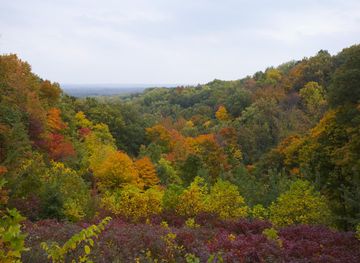
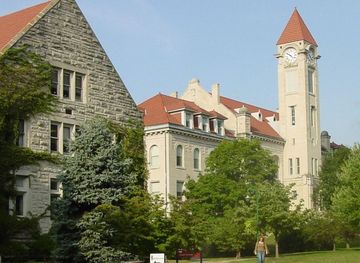
Southern Indiana is a region rich in both natural beauty and historical significance. Nestled along the Ohio River, this area offers a mix of picturesque landscapes, charming small towns, and vibrant cities. Visitors are often amazed by the rolling hills, lush forests, and scenic waterways that define the region's landscape. Southern Indiana is home to several state parks, including the renowned Brown County State Park. Known as the 'Little Smokies,' this park offers stunning vistas, hiking trails, and opportunities for wildlife viewing. Another must-visit is the Hoosier National Forest, which spans over 200,000 acres and provides ample opportunities for outdoor activities such as camping, fishing, and horseback riding. History enthusiasts will find plenty to explore in Southern Indiana. The town of New Harmony, once a utopian community, is now a historic site with well-preserved buildings and museums. Corydon, the state's first capital, offers a glimpse into Indiana's early history with its historic downtown and the Constitution Elm, where the state's first constitution was drafted. For those interested in culture and the arts, Southern Indiana does not disappoint. The city of Bloomington is home to Indiana University, where visitors can enjoy world-class performances at the Jacobs School of Music and explore the Eskenazi Museum of Art. Additionally, the vibrant local food scene, wineries, and craft breweries provide a taste of the region's culinary delights.

Know before you go
Hi, I'm Eve. Here are a few practical things to know before exploring Southern Indiana.
- Visit during the fall to witness the breathtaking autumn foliage in Brown County State Park.
- Take a guided tour in New Harmony to fully appreciate its unique historical significance.
- Explore the local wineries and breweries for a taste of Southern Indiana's craft beverages.
- Check the event calendar at Indiana University for concerts, plays, and exhibitions.
- Pack comfortable shoes for hiking and exploring the many trails and parks.
Top City Travel Guides in Southern Indiana
The cities of Southern Indiana, and the easiest places to base yourself.


Destinations in Southern Indiana
Resorts, valleys and scenic spots worth a trip of their own.


Explore Southern Indiana: Things to Do, Places to Eat, Hotels & More
Handpicked recommendations for top attractions, local dining, accommodations, and more

Top Attractions & Sightseeing in Southern Indiana
Top-rated picks
Best Attractions

Holiday World & Splashin' Safari
Experience the magic of holidays all year round at Holiday World & Splashin' Safari, a thrilling theme park and water park adventure in Santa Claus, Indiana.

Indiana State Museum
Uncover the wonders of Indiana at the Indiana State Museum, where history, culture, and interactive experiences await every visitor.

Falls of the Ohio State Park
Explore the stunning fossil beds and diverse wildlife at Falls of the Ohio State Park, a natural gem on the banks of the Ohio River in Indiana.

Spring Mill State Park
Explore the enchanting beauty and rich history of Spring Mill State Park, a perfect destination for outdoor adventure and family fun in Indiana.

Best landmarks in Southern Indiana
Top-rated picks
Best Landmarks

Indiana State Museum
Explore Indiana's heritage and natural history at the Indiana State Museum, a captivating experience in the heart of Indianapolis.

Falls of the Ohio State Park
Explore the breathtaking landscapes and rich geological history at Falls of the Ohio State Park, a prime destination for nature lovers and outdoor adventurers.

Spring Mill State Park
Explore Spring Mill State Park, Indiana's hidden treasure, offering scenic beauty, rich history, and endless outdoor adventures for every traveler.

Indiana War Memorial & Museum
Explore Indiana's military heritage at the Indiana War Memorial & Museum, a poignant tribute to valor and sacrifice in the heart of Indianapolis.

Best restaurants in Southern Indiana
Top-rated picks
Best Restaurants

Das Dutchman Essenhaus
Discover the heartwarming flavors of America at Das Dutchman Essenhaus - where family-friendly dining meets delightful homemade treats.

Lighthouse Restaurant
Experience exquisite dining at The Lighthouse Restaurant in Cedar Lake, where culinary artistry meets stunning lakeside views.

The Beef House Restaurant & Dinner Theatre
Experience delectable steaks and captivating performances at The Beef House Restaurant & Dinner Theatre in Covington, Indiana.

Gerst Bavarian Haus
Discover the flavors of Germany at Gerst Bavarian Haus – where tradition meets taste in every delicious bite.

Best bars in Southern Indiana
Top-rated picks
Best Bars

The Hangar
Experience the best of entertainment and cuisine at The Hangar, a premier bar and indoor golf venue in Downtown Indianapolis.

Bar Louie - Evansville
Experience the vibrant atmosphere and delicious American cuisine at Bar Louie in Evansville, where every meal is a celebration.

Lamasco Bar
Experience the vibrant culture of Evansville at Lamasco Bar, where delicious food meets live music in a welcoming atmosphere.

Bubba's 33
Experience the vibrant atmosphere and delicious American cuisine at Bubba's 33, a perfect spot for food lovers and sports fans in Evansville.

Best nightclubs in Southern Indiana
Top-rated picks
Best Nightclubs

White Rabbit Cabaret
Discover the vibrant nightlife at White Rabbit Cabaret, where comedy, live music, and performing arts collide in a unique Indianapolis venue.

The Patron Saint
Discover the electrifying nightlife of Indianapolis at The Patron Saint, a premier night club offering music, drinks, and vibrant experiences.

Estereo Nightclub
Discover an electrifying nightlife experience at Estereo Nightclub, Indianapolis – where live music and vibrant dance floors converge!

Ritz Nightclub
Discover the energetic vibe of Ritz Nightclub, a must-visit lounge in Indianapolis offering delightful drinks and an unforgettable nightlife experience.

Best shops in Southern Indiana
Top-rated picks
Best Shops

Indiana Premium Outlets
Discover unbeatable deals and a fantastic shopping experience at Indiana Premium Outlets, your go-to destination for brand-name bargains in Indiana.

Clarksville Peddlers Mall
Explore Clarksville Peddlers Mall: Indiana's vibrant antique and flea market with unique finds and local crafts.

Exit 76 (Edinburgh) Antique Mall
Explore a treasure trove of unique antiques and vintage finds at Exit 76 Antique Mall in Edinburgh, Indiana.

Red Barn Antique Mall
Explore the charm of the Red Barn Antique Mall in Corydon, Indiana, where vintage treasures and unique finds await every antique enthusiast.

Explore Southern Indiana on the Map
A handpicked selection of must-see spots in Southern Indiana, mapped for you.
Southern Indiana Essentials
-
Southern Indiana is accessible by several major highways, including I-64, I-65, and US-41. The nearest major airport is Louisville International Airport (SDF) in Kentucky, which is about an hour's drive from many Southern Indiana destinations. Indianapolis International Airport (IND) is another option, approximately 2 hours away. Amtrak services also connect to Southern Indiana via stations in Indianapolis and Louisville. Greyhound and Megabus offer bus services to cities in the region.
-
Once in Southern Indiana, options for getting around include renting a car, which is the most convenient way to explore the area. Ride-sharing services like Uber and Lyft operate in larger towns and cities such as Evansville and Bloomington. Public transportation is limited to city buses in larger towns. Biking and walking are viable options in smaller towns and for exploring local parks and nature trails.
-
The official currency is the US Dollar (USD). Credit and debit cards are widely accepted in most hotels, restaurants, and shops. However, it's advisable to carry some cash for smaller establishments and rural areas. ATMs are readily available in towns and cities.
-
Southern Indiana is generally a safe destination for tourists. However, like any place, it is important to take standard safety precautions. Avoid walking alone at night in unfamiliar areas and be cautious of your belongings in crowded places. Evansville has some neighborhoods with higher crime rates, so it's best to stick to well-trafficked areas and known tourist destinations.
-
In case of emergency, dial 911 for immediate assistance. Hospitals and urgent care facilities are available in larger cities such as Evansville and Bloomington. It is recommended to have travel insurance that covers medical emergencies. Pharmacies are common and can provide over-the-counter medications for minor health issues.
-
Fashion: Do dress casually and comfortably, especially if you plan on outdoor activities. Don't wear overly revealing clothing in conservative areas. Religion: Do respect local customs and traditions, especially when visiting religious sites. Public Transport: Do be respectful and courteous to other passengers. Don't eat or drink on public transport. Greetings: Do greet people with a friendly 'Hello' or 'Hi.' Handshakes are common. Eating & Drinking: Do try local cuisine and beverages. Don't forget to tip, as it is customary in the United States.
-
To experience Southern Indiana like a local, visit the numerous farmers' markets where you can buy fresh produce and homemade goods. Attend local festivals and events to get a sense of the community spirit. Exploring state parks like Brown County State Park and visiting historic towns such as New Harmony will give you a deeper appreciation of the region's history and natural beauty.
When is the best time to visit Southern Indiana?
Useful Local Phrases for Southern Indiana
You don't need to speak the language perfectly. Even learning a few simple words can make conversations warmer—and locals usually appreciate the effort.
— Eve

Here are the phrases I use most often in Southern Indiana. Try a few—you'll be surprised how far they go! 😊
❤️
-
- HelloHowdy
[Hau-dee] - GoodbyeSee ya
[See yah] - YesYep
[Yep] - NoNope
[Nope] - Please/You're welcomePlease/No problem
[Please/No prob-lum] - Thank youThanks a lot
[Thanks a lot] - Excuse me/SorryPardon me/Sorry
[Par-don me/Sor-ree] - How are you?How ya doin'?
[How yah doin'?] - Fine. And you?I'm good. And you?
[I'm good. And you?] - Do you speak English?You speakin' English?
[Yah speakin' English?] - I don't understandI ain't followin'
[I ain't followin']
- HelloHowdy
-
- I'd like to see the menu, pleaseCan I see the menu, please?
[Can I see the menu, please?] - I don't eat meatI don't eat meat
[I don't eat meat] - Cheers!Cheers!
[Cheers!] - I would like to pay, pleaseCan I get the check, please?
[Can I get the check, please?]
- I'd like to see the menu, pleaseCan I see the menu, please?
-
- Help!Help!
[Help!] - Go away!Get outta here!
[Get outta here!] - Call the Police!Call the cops!
[Call the cops!] - Call a doctor!Get a doctor!
[Get a doctor!] - I'm lostI’m turned around
[I’m turned around] - I'm illI’m feelin' sick
[I’m feelin' sick]
- Help!Help!
-
- I'd like to buy...I wanna buy...
[I wanna buy...] - I'm just lookingI'm just browsin'
[I'm just browsin'] - How much is it?What’s the price?
[What’s the price?] - That's too expensiveThat’s way too high
[That’s way too high] - Can you lower the price?Can ya bring the price down?
[Can yah bring the price down?]
- I'd like to buy...I wanna buy...
-
- What time is it?What time is it?
[What time is it?] - It's one o'clockIt's one o'clock
[It's one o'clock] - Half past (10)Half past ten
[Half past ten] - MorningMornin'
[Mornin'] - AfternoonAfternoon
[Afternoon] - EveningEvenin'
[Evenin'] - YesterdayYesterday
[Yesterday] - TodayToday
[Today] - TomorrowTomorrow
[Tomorrow] - 1One
[One] - 2Two
[Two] - 3Three
[Three] - 4Four
[Four] - 5Five
[Five] - 6Six
[Six] - 7Seven
[Seven] - 8Eight
[Eight] - 9Nine
[Nine] - 10Ten
[Ten]
- What time is it?What time is it?
-
- Where's a/the...?Where's the...?
[Where's the...?] - What's the address?What’s the address?
[What’s the address?] - Can you show me (on the map)?Can you point it out?
[Can you point it out?] - When's the next (bus)?When's the next bus?
[When's the next bus?] - A ticket (to ....)A ticket to...
[A ticket to...]
- Where's a/the...?Where's the...?
History of Southern Indiana
-
Before European settlers arrived, Southern Indiana was inhabited by various Native American tribes, including the Shawnee and Miami. The area was rich in resources and served as a crucial site for trade and cultural exchange among indigenous peoples. Artifacts and mound structures found in the region point to a complex and vibrant prehistoric culture.
-
In the late 17th century, French explorers like René-Robert Cavelier, Sieur de La Salle, began to explore the Ohio Valley, including parts of Southern Indiana. They were primarily interested in fur trading and establishing relationships with Native American tribes. The French influence is still evident in some of the place names and cultural aspects of the region.
-
Vincennes, founded in 1732 by French fur traders, is one of the oldest European settlements in Indiana. It served as the capital of the Indiana Territory and was a strategic location during the French and Indian War. The city played a significant role in the westward expansion of the United States and is home to numerous historic sites, including the George Rogers Clark National Historical Park.
-
The Battle of Tippecanoe occurred on November 7, 1811, near present-day Lafayette, Indiana. Although slightly north of what is traditionally considered Southern Indiana, the battle had significant implications for the entire state. It was a pivotal conflict between American forces led by Governor William Henry Harrison and Native American warriors associated with Shawnee leader Tecumseh. This battle heightened tensions that led to the War of 1812.
-
Indiana became the 19th state of the United States on December 11, 1816. Southern Indiana played a crucial role in the early statehood period, with Corydon serving as the state’s first capital until it was moved to Indianapolis in 1825. The historic Corydon Capitol State Historic Site offers a glimpse into Indiana’s early legislative history.
-
Southern Indiana was a significant passageway for the Underground Railroad, a network of secret routes and safe houses used by enslaved African Americans to escape to free states and Canada. Towns like New Albany and Madison were crucial stops along this route, providing shelter and assistance to those seeking freedom.
-
In January 1937, Southern Indiana, particularly the city of New Albany, experienced one of the most devastating floods in its history. The Ohio River overflowed its banks, causing widespread destruction and displacing thousands of residents. The flood had a lasting impact on the community and led to significant changes in flood management and urban planning.
-
Southern Indiana is renowned for its high-quality limestone, primarily extracted from quarries in the Bedford and Bloomington areas. Known as 'Indiana Limestone,' this material has been used in numerous iconic buildings across the United States, including the Empire State Building and the Pentagon. The limestone industry significantly contributed to the region's economic development.
-
Southern Indiana boasts a rich cultural heritage, showcased through various annual festivals and events. The Harvest Homecoming Festival in New Albany, the Madison Chautauqua Festival of Art, and the Persimmon Festival in Mitchell are just a few examples. These events celebrate the region’s history, arts, and local traditions, attracting visitors from near and far.
-
Southern Indiana is home to numerous historic landmarks and architectural marvels. The West Baden Springs Hotel, often referred to as the 'Eighth Wonder of the World,' features a stunning domed atrium. The Lanier Mansion in Madison is a prime example of Greek Revival architecture. These sites offer a glimpse into the region’s rich architectural heritage.
Neighbouring Regions of Southern Indiana
The closest regions to Southern Indiana, if you have time for more than one.


Your all‑in‑one travel companion app
Explore expert travel guides, compare and book tours, experiences, hotels, and more—all from the palm of your hand. Download now for seamless trip planning wherever your wanderlust takes you.


Explore More of Indiana

Looking beyond Southern Indiana? Discover Indiana for broader travel guides, local hot-spots, and regional highlights.
Explore IndianaSouthern Indiana in Photos
Browse through our photo collection highlighting the charm and character of the destination.



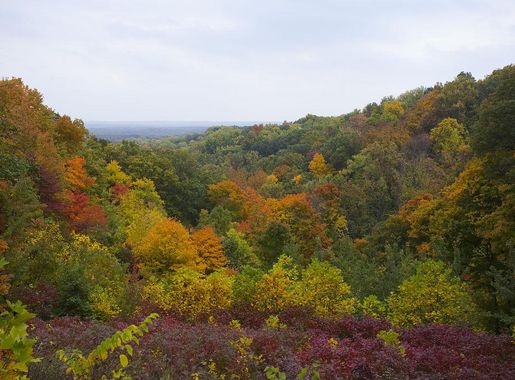

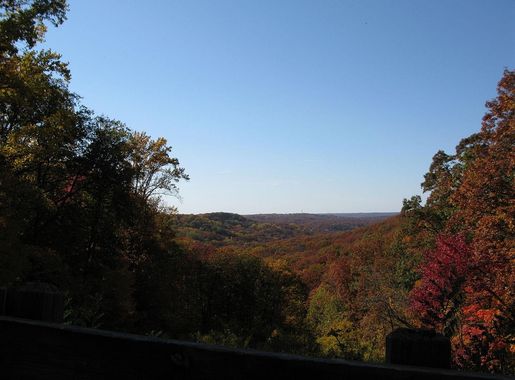


Southern Indiana: A Scenic and Historical Gem
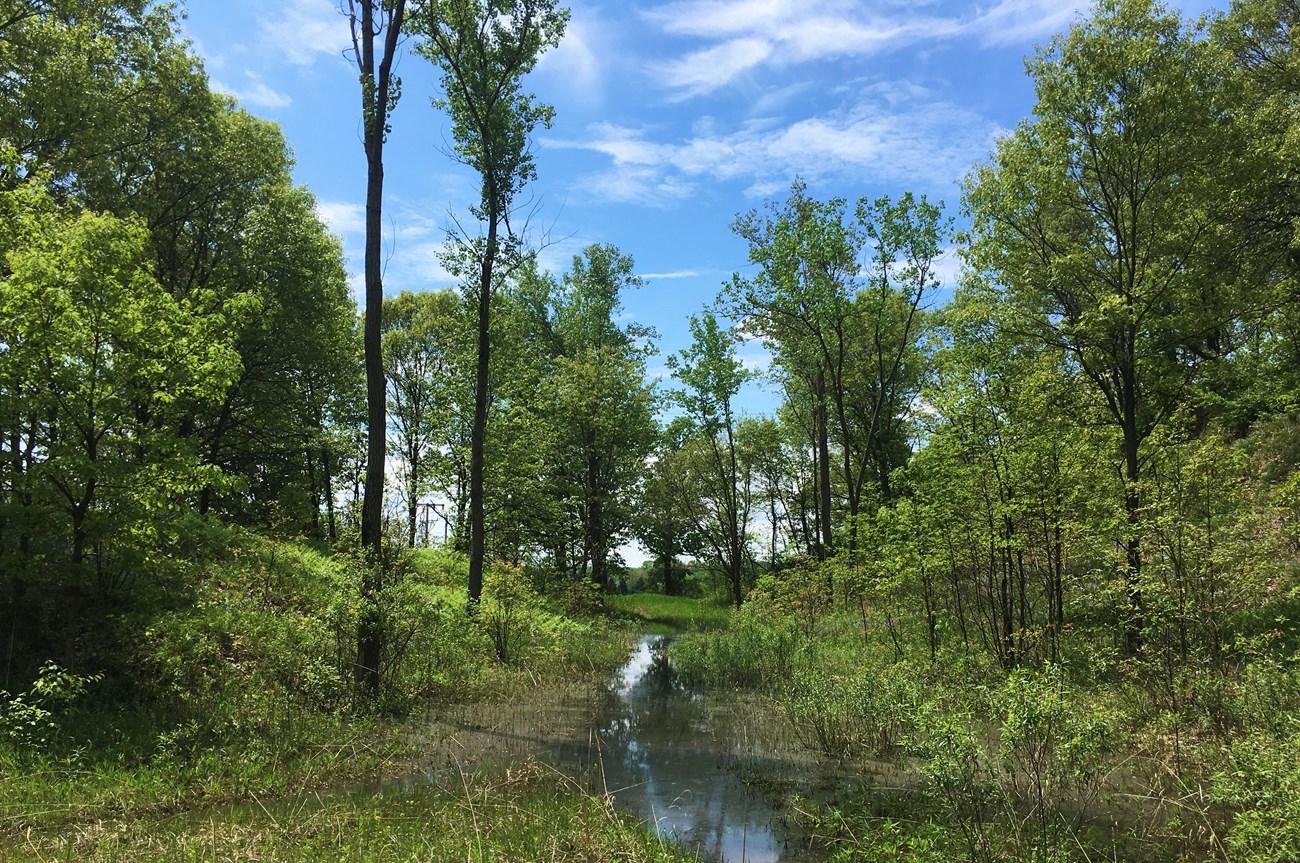
Southern Indiana is a region rich in both natural beauty and historical significance. Nestled along the Ohio River, this area offers a mix of picturesque landscapes, charming small towns, and vibrant cities. Visitors are often amazed by the rolling hills, lush forests, and scenic waterways that define the region's landscape. Southern Indiana is home to several state parks, including the renowned Brown County State Park. Known as the 'Little Smokies,' this park offers stunning vistas, hiking trails, and opportunities for wildlife viewing. Another must-visit is the Hoosier National Forest, which spans over 200,000 acres and provides ample opportunities for outdoor activities such as camping, fishing, and horseback riding. History enthusiasts will find plenty to explore in Southern Indiana. The town of New Harmony, once a utopian community, is now a historic site with well-preserved buildings and museums. Corydon, the state's first capital, offers a glimpse into Indiana's early history with its historic downtown and the Constitution Elm, where the state's first constitution was drafted. For those interested in culture and the arts, Southern Indiana does not disappoint. The city of Bloomington is home to Indiana University, where visitors can enjoy world-class performances at the Jacobs School of Music and explore the Eskenazi Museum of Art. Additionally, the vibrant local food scene, wineries, and craft breweries provide a taste of the region's culinary delights.