

Versailles State Park Travel Guide - Free Web & App
Your ultimate guide to Versailles State Park. Discover top landmarks, proposed trips, and local tips. Free on the web or via the Evendo companion app.


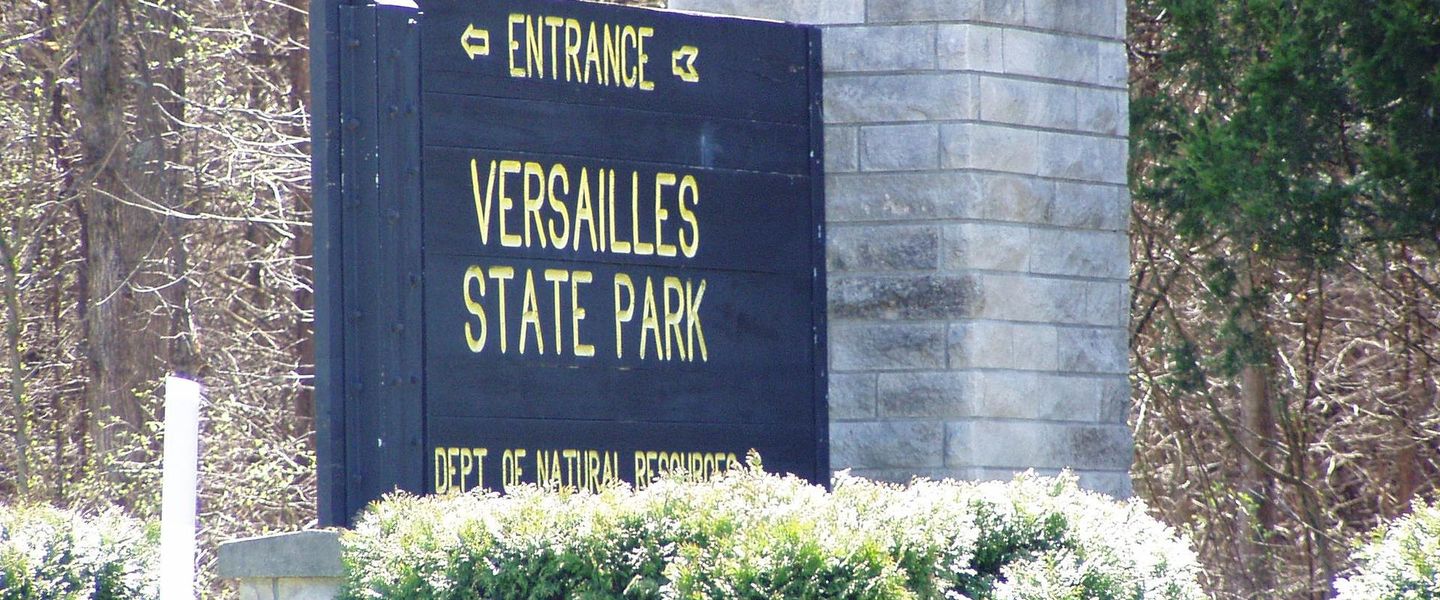


Versailles State Park in Indiana offers a forest-fringed lake, rolling trails, camping and outdoor recreation near historic southeastern Hoosier towns.
Landscape and Natural Character
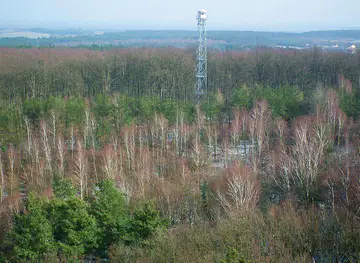
Versailles State Park occupies almost 6,000 acres in southeastern Indiana, in the rolling hills and wooded valleys of Ripley County. Its centrepiece is 230-acre Versailles Lake, formed by the damming of Laughery Creek and bordered by forest, open picnic areas and gently undulating parkland. The landscape feels markedly different from the flatter agricultural country found elsewhere in Indiana: ravines, hardwood slopes and winding rural roads create a varied setting for walking, paddling, fishing and quiet observation of woodland wildlife.Read more about Versailles State Park
Exploring the Park
Local History and Gateway Communities
When is the best time to visit Versailles State Park?
Best: May–June, September · 23–28°C| Month | High (°C) | Rainfall (mm) |
|---|---|---|
| January | 3 | 72 |
| February | 5 | 66 |
| March | 12 | 89 |
| April | 18 | 92 |
| May (best) | 23 | 99 |
| June (best) | 28 | 94 |
| July | 30 | 102 |
| August | 29 | 99 |
| September (best) | 25 | 84 |
| October | 19 | 74 |
| November | 13 | 80 |
| December | 6 | 83 |
Getting to and around Versailles State Park
How to get there
Transportation
Best attractions in Versailles State Park
Versailles Lake is the park's central attraction, offering a broad setting for fishing, boating and lakeside recreation beneath wooded hills. Its shoreline is complemented by picnic areas, a seasonal beach area and access facilities, while trails lead into the surrounding forest and ravines. The park's extensive camping areas make it possible to experience the landscape beyond a short day visit, although facilities are concentrated in developed zones. Woodland walks reveal the topography of southeastern Indiana rather than dramatic mountain scenery: expect rolling slopes, creek valleys, mature trees and changing views through the seasons. The nearby town of Versailles provides a small-town setting and local history, while Milan offers an additional regional point of interest associated with the Milan High School basketball story. Visitors interested in wider heritage can travel beyond the park towards historic communities along southeastern Indiana's roads, but the principal attractions within Versailles State Park remain its lake, forest, trails and quiet rural setting.
-
Bridge
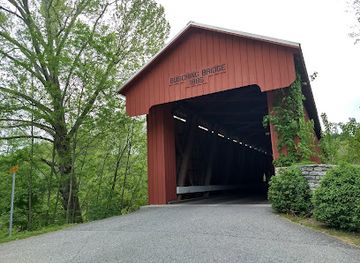
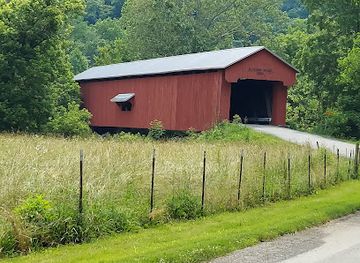
Busching Covered Bridge
Discover the charm of the Busching Covered Bridge, a beautiful historical landmark in Indiana surrounded by nature's tranquility.
-
Park
American Legion Park
Explore the beauty and tranquility of American Legion Park in Versailles, Indiana, a perfect retreat for nature lovers and families seeking relaxation.
-
Tourist attraction
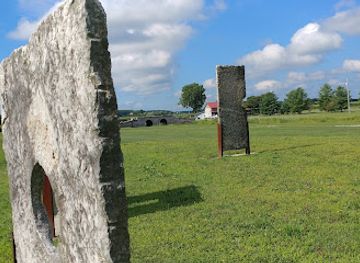
Paul Henge
Explore Paul Henge, a captivating historical landmark in Versailles, Indiana, perfect for photography and discovering local lore.
-
Museum
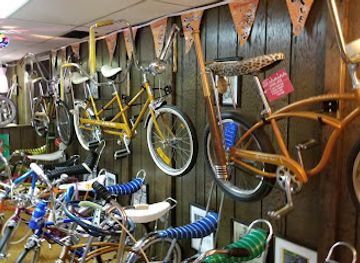
Coolsville Bicycle Museum
Explore the fascinating history of bicycles at the Coolsville Bicycle Museum in Versailles, Indiana, where cycling culture comes to life.

Explore Versailles State Park on the map
Plan your trip on one map. See where the top attractions, landmarks, restaurants and hotels are, and book hotels and experiences in a few clicks.
Best hotels in Versailles State Park
Best restaurants in Versailles State Park
Versailles State Park is primarily a recreation area rather than a dining destination, so visitors should plan meals around camping provisions, picnics and the facilities available in nearby communities. Versailles, Batesville and Milan provide the most practical choice of everyday restaurants, cafés, takeaways and grocery shops, while the park's developed areas may have only limited or seasonal refreshment provision. The surrounding region has a rural food culture shaped by farms, small-town dining and Midwestern staples rather than a sharply defined park cuisine. Travellers staying locally can look for independent cafés, family restaurants and traditional American fare, while farm shops and roadside produce may appear seasonally. Because opening patterns can vary in small communities, purchasing supplies before entering the park is sensible, particularly for campers planning meals after dark or visitors spending a full day on the trails.
-
Family-friendly
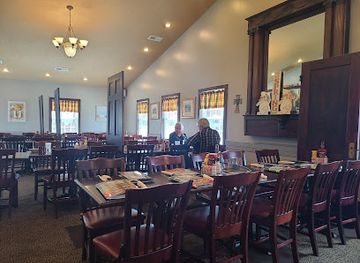
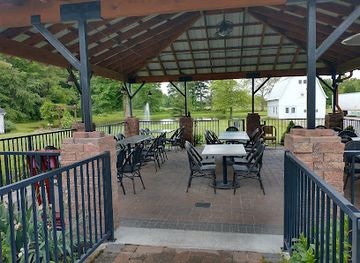
Crossroads Family Restaurant
Experience delicious family-friendly dining at Crossroads Family Restaurant in Versailles, IN – where every meal feels like home.
-
Fast Food
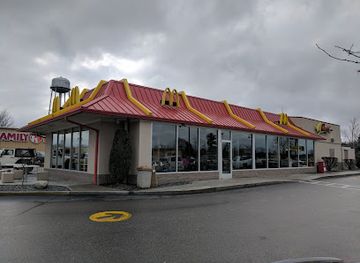
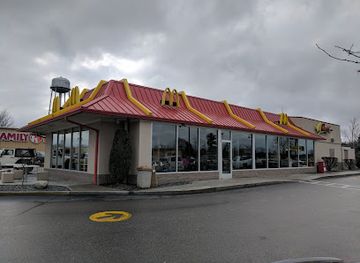
McDonald's
Experience the iconic taste of McDonald's in Versailles: where delicious fast food meets warm hospitality.
-
Restaurant
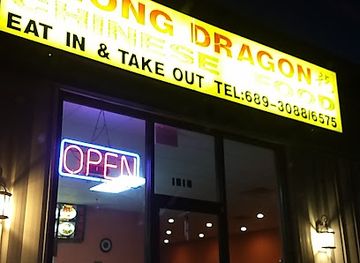
Hong Dragon
Discover authentic Asian flavors at Hong Dragon in Versailles – where delicious meets affordable!
-
Pizza
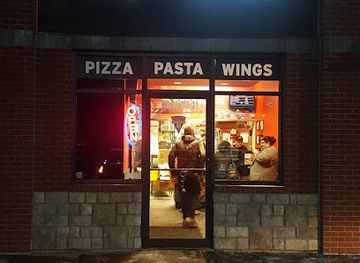
Pizza Hut
Savor delicious pizzas and wings at Pizza Hut in Versailles - where great taste meets friendly service.
Best bars in Versailles State Park
Evening entertainment around Versailles State Park is restrained and small-town in character. The park itself is suited to campfires where permitted, stargazing, conversation and quiet walks within the rules, rather than to organised nightlife. Versailles, Batesville and Milan have the region's principal selection of traditional bars, taverns and casual evening venues, but visitors should not expect a concentrated nightlife district or a dependable late-night club scene. Local social life is more likely to centre on community events, seasonal celebrations, dining rooms and informal gatherings than on large music venues. Campers should respect quiet hours and neighbouring pitches, and should confirm current regulations before lighting any fire or using shared recreation areas after dark. Those seeking a broader choice of performances or nightlife will generally need to travel to a larger town or city outside the immediate park area.
-
Family-friendly
Crossroads Family Restaurant
Discover the charm of Crossroads Family Restaurant, a family-friendly eatery in Versailles, Indiana, serving delicious breakfast and comfort food.
-
Fast Food
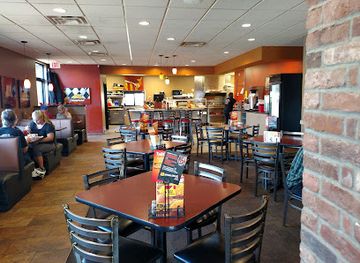
McDonald's
Enjoy classic fast food delights at McDonald's in Versailles, Indiana, perfect for breakfast or a quick meal during your travels.
-
Fast Food
Gold Star
Experience the flavors of America at Gold Star, a family-friendly fast food haven in Versailles, offering delicious hot dogs, burgers, and vegan options.
-
Fast Food
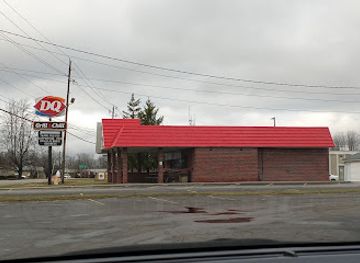
Dairy Queen Grill & Chill
Experience the perfect blend of fast food and sweet treats at Dairy Queen Grill & Chill in Versailles, Indiana. A must-visit for food lovers!
Best shops in Versailles State Park
Shopping within Versailles State Park is limited and focused on visitor necessities rather than a substantial retail scene. Campers should obtain groceries, fuel, outdoor supplies and personal items in Versailles, Batesville, Milan or another suitable town before entering the park. Small-town shops and independent businesses in the surrounding area may offer everyday goods, locally produced food and seasonal rural products, while regional stores provide a wider selection of fishing, boating and camping equipment. The area is not known for a large permanent craft market or specialised shopping district, so visitors interested in souvenirs are more likely to find modest local items through community businesses, park-related outlets when operating, or attractions in nearby towns. Shopping arrangements can vary by day and season, making advance supplies particularly useful for visitors staying in the campground or spending several days exploring the wider countryside.
-
Family-friendly
Crossroads Family Restaurant
Discover the heartwarming flavors of Crossroads Family Restaurant, where family-friendly dining meets delicious breakfast and lunch options in Versailles, Indiana.
-
State park
Versailles State Park
Explore the vast landscapes, serene lakes, and diverse wildlife at Versailles State Park, Indiana's premier outdoor destination for adventure and relaxation.
-
Grocery store
Versailles IGA
Explore the flavors of Indiana at Versailles IGA, where local produce meets international delights in a welcoming grocery store atmosphere.
-
Grocery store
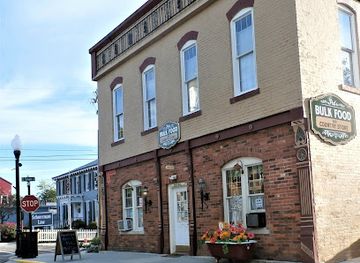
Pat's Bulk Food and Country Store
Explore the charm of Pat's Bulk Food and Country Store in Versailles, Indiana—your one-stop destination for quality bulk food and local specialties.
Get your free copy of our complete guide to Versailles State Park, delivered straight to you.
Everything on this page, from attractions and restaurants to essentials and local phrases, in one PDF you can read offline, print or share.
Already have an account? Sign in
Your Versailles State Park guide is ready.
We'll send it to · Not you? Sign out

Getting your guide ready…
We are putting together a fresh copy of the Versailles State Park guide. This can take up to a minute.
This can take a few moments. If your browser asks, choose Allow so the download can start. You'll find the guide in your Downloads folder.
Nothing happened? Download it again
Sorry, the guide is taking longer than usual. Please try again in a minute, or get it by email instead.
Versailles State Park essentials
Currency and Payment
Safety
Emergency Situations
Do's and Don'ts
Local Tips
From Eve
Local phrases worth knowing
You don't need to get them perfect. A few words go a long way, and locals appreciate the effort.
Basics
| English | Local | Say it |
|---|---|---|
| Hello | Howdy | [haw-dee] |
| Goodbye | See ya | [see yah] |
| Yes | Yep | [yep] |
| No | Nah | [nah] |
| Please/You're welcome | Please/You're welcome | [pleez/yer welcome] |
| Thank you | Thanks | [thanks] |
| Excuse me/Sorry | Pardon me | [par-dun me] |
| How are you? | Howdy | [haw-dee] |
| Fine. And you? | Doin' alright. You? | [doin' all-rite. yoo?] |
| Do you speak English? | Ya speak English? | [ya speak ing-glish?] |
| I don't understand | I ain't gettin' ya | [I aint get-tin yah] |
Eating & Drinking
| English | Local | Say it |
|---|---|---|
| I'd like to see the menu, please | Can I check out the menu? | [kan eye chek out the men-yoo?] |
| I don't eat meat | I don't do meat | [I don't do meat] |
| Cheers! | Cheers! | [cheers!] |
| I would like to pay, please | I'll settle up now, thanks | [I'll settle up now, thanks] |
Emergencies
| English | Local | Say it |
|---|---|---|
| Help! | Help! | [help!] |
| Go away! | Git! | [git!] |
| Call the Police! | Get the Sheriff! | [get the sheriff!] |
| Call a doctor! | Get a doc quick! | [get a doc quick!] |
| I'm lost | I'm all turned around | [I'm all turned around] |
| I'm ill | I'm under the weather | [I'm under the weather] |
Shopping
| English | Local | Say it |
|---|---|---|
| I'd like to buy... | I'm lookin' to purchase... | [I'm lookin' to purchase...] |
| I'm just looking | Just browsin' | [just browsin'] |
| How much is it? | What's the damage? | [what's the dam-age?] |
| That's too expensive | That's a bit steep | [that's a bit steep] |
| Can you lower the price? | Can ya knock somethin' off? | [can ya knock somethin' off?] |
Time & Numbers
| English | Local | Say it |
|---|---|---|
| What time is it? | What's the time? | [what's the time?] |
| It's one o'clock | It's one | [It's one] |
| Half past (10) | Ten-thirty | [ten-thur-tee] |
| Morning | Mornin' | [mornin'] |
| Afternoon | Afternoon | [afternoon] |
| Evening | Evenin' | [evenin'] |
| Yesterday | Yest'day | [yest'day] |
| Today | Today | [today] |
| Tomorrow | Tomorrer | [tomorrow] |
| 1 | One | [wun] |
| 2 | Two | [too] |
| 3 | Three | [three] |
| 4 | Four | [four] |
| 5 | Five | [five] |
| 6 | Six | [six] |
| 7 | Seven | [seven] |
| 8 | Eight | [eight] |
| 9 | Nine | [nine] |
| 10 | Ten | [ten] |
Transport & Directions
| English | Local | Say it |
|---|---|---|
| Where's a/the...? | Where's the...? | [where's the...?] |
| What's the address? | Where's it at? | [where's it at?] |
| Can you show me (on the map)? | Can ya point it out (on the map)? | [can ya point it out (on the map)?] |
| When's the next (bus)? | When's the next (bus)? | [when's the next (bus)?] |
| A ticket (to ....) | A ticket (to ....) | [a ticket (to ....)] |
History of Versailles State Park
A Landscape of Forests and Ravines
Versailles State Park lies in the dissected hill country of southeastern Indiana, where streams have cut valleys through the uplands and left a landscape of wooded ridges, ravines and moist creek bottoms. Before the park was created, the area formed part of a wider rural environment shaped by farming, timber use and small waterways rather than by a single large settlement. The terrain helps explain the park's character today: trails rise and fall through forest, while the lake occupies a valley that was later transformed for recreation.
Settlement in Ripley County
European-American settlement expanded through the region during the nineteenth century, with farms, mills, churches and small communities developing along roads and streams. Versailles became the seat of Ripley County, and the surrounding countryside retained a dispersed rural pattern rather than forming a dense urban centre. The town's name reflects the era's common practice of drawing on European place names, while nearby Milan became associated nationally with the 1954 Milan High School basketball team. These communities remain the principal cultural and service gateways for the state park.
The Creation of Versailles State Park
Versailles State Park was established in the mid-twentieth century as Indiana expanded its public park system and converted selected rural landscapes into places for recreation and conservation. The construction of the lake dam altered the valley of Laughery Creek, creating the broad water body that now defines the park's visual identity. Roads, picnic grounds, camping areas and trails were developed alongside the reservoir, allowing the public to experience a wooded corner of southeastern Indiana while preserving extensive open and forested land.
Recreation and Stewardship
During the later twentieth century, Versailles State Park developed as a regional destination for camping, boating, fishing, swimming, picnicking and hiking. Its importance rests less on monumental architecture than on the continued management of a large public landscape near small rural communities. Indiana's state-park system balances recreation with protection of woodland, shoreline and stream environments, and visitors encounter that approach in the park's regulated water activities, maintained trails and designated use areas. Seasonal conditions, maintenance work and conservation priorities continue to influence how different parts of the park are experienced.
Versailles State Park in Photos
Browse through our photo collection highlighting the charm and character of the destination.
Neighbouring destination travel guides
The closest destinations to Versailles State Park, if you have time for more than one.
-

-

-
-

-


Swipe for more destinations
Explore more

Explore more of Southeast Indiana
Southeast Indiana combines Ohio River towns, historic architecture, forested state parks, scenic drives and small-town food culture near Cincinnati.
Explore Southeast Indiana
Explore more of Indiana
Explore Indiana: From the bustling streets of Indianapolis to the serene beauty of Indiana Dunes, discover the diverse experiences that make Indiana the Crossroads of America.
Explore Indiana