

Yellowwood State Forest, Indiana Travel Guide
Explore the serene beauty and rich history of Yellowwood State Forest in Indiana, a perfect destination for outdoor enthusiasts and nature lovers.
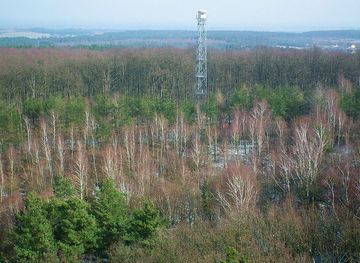
Nestled in the rolling hills of southern Indiana, Yellowwood State Forest is a serene haven for nature lovers. Covering over 23,000 acres, this forest offers a plethora of outdoor activities, from hiking and fishing to camping and bird watching. With its lush trees, gently flowing streams, and diverse wildlife, it's a perfect escape from the hustle and bustle of city life. One of the forest's highlights is Yellowwood Lake, a 133-acre lake that provides opportunities for fishing, kayaking, and canoeing. The surrounding trails offer stunning views of the water and the chance to spot local wildlife. The forest is also home to several well-maintained campsites, making it an ideal destination for an overnight adventure. Yellowwood State Forest is not just about natural beauty; it also has a rich history. The forest is named after the yellowwood tree, a rare species that grows in the area. Visitors can explore the historic remnants of old homesteads and learn about the region's past. Whether you're seeking solitude in nature or an educational experience, Yellowwood State Forest has something to offer.

Know before you go
Hi, I'm Eve. Here are a few practical things to know before exploring Yellowwood State Forest.
- Visit during the fall for breathtaking foliage views.
- Bring bug spray; mosquitoes can be prevalent in the warmer months.
- Check the weather forecast before heading out, as some trails can become muddy after rain.
- Don't forget your fishing gear; Yellowwood Lake is stocked with bass, bluegill, and catfish.
- Respect the wildlife and maintain a safe distance from animals.
- Carry a map and compass; cell service can be unreliable in some areas of the forest.
Explore Yellowwood State Forest: Things to Do, Places to Eat, Hotels & More
Handpicked recommendations for top attractions, local dining, accommodations, and more

Best attractions in Yellowwood State Forest
Top-rated picks
Best Attractions

Brown County State Park
Explore the stunning landscapes and outdoor activities at Brown County State Park, Indiana's premier destination for nature enthusiasts and adventure seekers.

Hard Truth Tours and Tastings Center
Experience the rich heritage of Indiana's distilling tradition at Hard Truth Tours and Tastings Center, where craft spirits and local flavors meet.

Little Nashville
Experience the artistic charm and natural beauty of Little Nashville, Indiana, a hidden gem perfect for art lovers and nature enthusiasts alike.

T.C. Steele State Historic Site
Explore the serene beauty of T.C. Steele State Historic Site, where art and nature converge in a historic Indiana setting, perfect for art lovers and nature enthusiasts.

Best landmarks in Yellowwood State Forest
Top-rated picks
Best Landmarks

Brown County State Park
Discover the breathtaking landscapes and diverse wildlife at Brown County State Park, Indiana's largest state park, perfect for outdoor adventures and relaxation.

OoeyGooey Cinnamon Rolls and Café
Discover the sweet charm of OoeyGooey Cinnamon Rolls and Café, where every bite of cinnamon bliss transports you to dessert heaven in Nashville, Indiana.

Morgan-Monroe State Forest
Discover the beauty of Morgan-Monroe State Forest, Indiana’s natural gem for hiking, wildlife, and stunning landscapes.

Brown County Playhouse
Discover the artistic heart of Nashville, Indiana, at Brown County Playhouse, where live performances bring the community to life.

Best restaurants in Yellowwood State Forest
Top-rated picks
Best Restaurants

Big Woods Pizza
Discover Big Woods Pizza in Nashville, IN: where gourmet pizzas meet local charm in a cozy gastropub atmosphere.

Brozinni Pizzeria
Experience the best pizza in Nashville, Indiana at Brozinni Pizzeria - where authentic flavors meet warm hospitality.

Hobnob Corner
Experience delightful American cuisine at Hobnob Corner in Nashville, Indiana – where every meal is crafted with love and local flavors.

Brown County Inn
Discover the charm of Brown County Inn: where rustic elegance meets modern comfort in scenic Nashville, Indiana.

Best bars in Yellowwood State Forest
Top-rated picks
Best Bars

Big Woods Pizza
Savor the taste of artisanal pizzas at Big Woods Pizza, a vibrant gastropub in Nashville, Indiana, blending fresh ingredients and local charm.

Hobnob Corner
Discover the charm and flavors of Hobnob Corner, a beloved American restaurant in Nashville, Indiana, offering delicious comfort food and a welcoming atmosphere.

The Restaurant at Hard Truth
Discover the culinary delights of The Restaurant at Hard Truth, where grill specialties meet a beautiful outdoor setting in Nashville, Indiana.

Out Of The Ordinary and Hickory Bar
Experience the best of American cuisine at Out Of The Ordinary and Hickory Bar, where every meal is a delightful journey of flavors.

Best nightclubs in Yellowwood State Forest
Top-rated picks
Best Nightclubs

Sycamore Saloon
Discover the vibrant spirit of Americana at Sycamore Saloon, where delicious food, refreshing drinks, and live music create an unforgettable dining experience.

19th Hole Sports Bar at Salt Creek Golf Retreat
Experience the perfect blend of great food, sports, and entertainment at the 19th Hole Sports Bar in Nashville, Indiana.

Corncrib Lounge
Discover the inviting ambiance and delectable grilled delights at Corncrib Lounge, a charming dining experience in Nashville, Indiana.

Best shops in Yellowwood State Forest
Top-rated picks
Best Shops

College Mall
Explore College Mall—Bloomington's premier shopping destination with diverse stores, delicious dining, and exciting entertainment options.

Yellowwood State Forest
Explore the beauty of Yellowwood State Forest, Indiana's serene escape with trails, lakes, and abundant wildlife for every nature lover.

The Chocolate Moose
Discover the sweet side of Nashville, Indiana at The Chocolate Moose – your go-to dessert shop for ice cream, coffee, and delightful treats.

The Game Preserve
Explore The Game Preserve in Bloomington for an extensive selection of board games and puzzles, perfect for every gaming enthusiast.

Explore Yellowwood State Forest on the Map
A handpicked selection of must-see spots in Yellowwood State Forest, mapped for you.
Yellowwood State Forest Essentials
-
Yellowwood State Forest is located in Brown County, Indiana, near the town of Nashville. The closest major city is Indianapolis, which is about 50 miles north. Visitors can fly into Indianapolis International Airport (IND) and rent a car to drive to the forest. The drive typically takes around 1.5 hours via Interstate 65 South and State Road 46 West. Alternatively, Greyhound buses operate routes to Bloomington, Indiana, which is about 20 miles from Yellowwood State Forest. From Bloomington, you can rent a car or take a local taxi service.
-
Once you arrive in the area, the most convenient way to get around Yellowwood State Forest is by car. The forest has several parking areas near popular trailheads and campgrounds. If you prefer not to drive, local taxi services are available from nearby towns. Bicycling is also a popular way to explore the forest, and there are designated biking trails. Note that public transportation options within the forest are limited, so having your own vehicle is recommended.
-
The official currency in the United States is the US Dollar (USD). Credit cards are widely accepted in nearby towns, including Nashville and Bloomington. However, it's a good idea to carry some cash, especially for smaller establishments and park entry fees. ATMs are available in Nashville, so you can withdraw cash as needed.
-
Yellowwood State Forest is generally safe for visitors. However, as with any outdoor destination, it is important to take standard precautions. Keep an eye on your belongings and avoid leaving valuables in your car. Be aware of your surroundings, especially in isolated areas of the forest. While there are no specific high-crime areas targeting tourists, it is always best to stay vigilant.
-
In case of an emergency, dial 911 for immediate assistance. The nearest medical facilities are in Nashville and Bloomington. It is recommended to have travel insurance that covers medical emergencies. For minor health issues, there are pharmacies in Nashville where you can purchase over-the-counter medications. Park rangers are available within Yellowwood State Forest and can assist with emergencies or provide information.
-
Fashion: Do wear comfortable, weather-appropriate clothing and sturdy hiking boots. Avoid wearing flip-flops or sandals on trails. Religion: Do respect any local religious practices if you visit nearby towns, although the forest itself is secular. Public Transport: Do be prepared for limited public transportation options; renting a car is advisable. Greetings: Do greet fellow hikers and campers with a friendly nod or hello. Eating & Drinking: Do pack out all trash and food waste; don't leave any litter behind. Carry enough water and snacks for your hikes and be prepared to share picnic tables and other facilities with other visitors.
-
To experience Yellowwood State Forest like a local, consider visiting during the weekdays when the forest is less crowded. Engage with park rangers and local residents; they often provide valuable insights and recommendations. Don't miss the opportunity to fish in Yellowwood Lake or hike the Tecumseh Trail for a more immersive experience. For a taste of local culture, visit the nearby town of Nashville, which offers charming shops, art galleries, and local eateries. Fall is an especially beautiful time to visit, as the forest foliage turns vibrant shades of red, orange, and yellow.
When is the best time to visit Yellowwood State Forest?
Useful Local Phrases for Yellowwood State Forest
You don't need to speak the language perfectly. Even learning a few simple words can make conversations warmer—and locals usually appreciate the effort.
— Eve

Here are the phrases I use most often in Yellowwood State Forest. Try a few—you'll be surprised how far they go! 😊
❤️
-
- HelloHowdy
[h-ow-d-ee] - GoodbyeSee ya
[s-ee y-ah] - YesYep
[y-eh-p] - NoNah
[n-ah] - Please/You're welcomePlease 'n thank ya
[pl-ee-z n th-ang-k y-ah] - Thank youMuch obliged
[m-uh-ch uh-bl-ah-jd] - Excuse me/SorryForgive me
[f-er-g-ih-v m-ee] - How are you?How y'all doin'?
[h-ow y-awl d-oo-in] - Fine. And you?Doin' alright. How 'bout you?
[d-oo-in al-r-ight. h-ow b-ow-t y-oo] - Do you speak English?Y'all speak English?
[y-awl sp-ee-k ing-g-lish] - I don't understandI ain't catchin' on
[i a-nt k-ah-ch-in on]
- HelloHowdy
-
- I'd like to see the menu, pleaseCan I have a look at the menu, please
[c-an a-ee h-av uh l-oo-k at th-uh m-eh-n-oo pl-ee-z] - I don't eat meatI don't eat no meat
[i do-nt ee-t n-oh m-ee-t] - Cheers!Here's to ya!
[h-ear-z t-oo y-ah] - I would like to pay, pleaseI reckon I'll pay now, if ya don't mind
[i re-ck-ahn i-l p-ay n-ow if y-ah do-nt m-ah-nd]
- I'd like to see the menu, pleaseCan I have a look at the menu, please
-
- Help!SOS!
[ess-oh-ess] - Go away!Git!
[g-ih-t] - Call the Police!Call the Sheriff!
[c-all th-uh sh-er-iff] - Call a doctor!Call the Doc!
[c-all th-uh d-ah-k] - I'm lostI'm turned around
[i-m t-er-n-d uh-round] - I'm illI'm feelin' poorly
[i-m f-ee-l-in p-oor-l-ee]
- Help!SOS!
-
- I'd like to buy...I reckon I'll buy...
[i re-ck-ahn i-l b-uy] - I'm just lookingJust browsin'
[j-uh-st br-ow-s-in] - How much is it?How much fer it?
[h-ow m-uh-ch f-er it] - That's too expensiveThat's a bit steep
[th-ah-t-s uh b-ih-t st-ee-p] - Can you lower the price?Can ya cut a deal?
[c-an y-ah k-uh-t uh d-ee-l]
- I'd like to buy...I reckon I'll buy...
-
- What time is it?What's the time?
[wh-ah-t-s th-uh t-ah-m] - It's one o'clockIt's one
[it-s w-ah-n] - Half past (10)Ten-thirty
[t-eh-n-th-er-tee] - MorningMornin'
[m-orn-in] - AfternoonAfternoon
[a-ft-er-n-oon] - EveningEvenin'
[ee-v-eh-n-in] - YesterdayYest'day
[y-eh-st-d-ay] - TodayToday
[t-oo-d-ay] - TomorrowTomorra
[t-oh-m-or-ah] - 1One
[w-ah-n] - 2Two
[t-oo] - 3Three
[th-r-ee] - 4Four
[f-oh-r] - 5Five
[f-ah-v] - 6Six
[s-ih-k-s] - 7Seven
[s-eh-v-eh-n] - 8Eight
[ay-t] - 9Nine
[n-ah-n] - 10Ten
[t-eh-n]
- What time is it?What's the time?
-
- Where's a/the...?Where's the...?
[wh-er-s th-uh] - What's the address?What's the reckonin'?
[wh-ah-t-s th-uh re-ck-ahn-in] - Can you show me (on the map)?Can ya point it out (on the map)?
[c-an y-ah po-int it o-ow-t on th-uh m-ae-p] - When's the next (bus)?When's the next one comin'?
[wh-eh-n-s th-uh n-eh-ck-st w-ah-n c-uh-m-in] - A ticket (to ....)A tick't (fer ....)
[a t-ih-ck-t f-er]
- Where's a/the...?Where's the...?
History of Yellowwood State Forest
-
Yellowwood State Forest, located in the rolling hills of southern Indiana, was established in 1940. The forest was named after the yellowwood tree, a rare species native to the southeastern United States, which can also be found within the park. The establishment of the forest was part of a broader effort by the state to protect and manage Indiana's natural resources, providing a sanctuary for both wildlife and visitors.
-
During the Great Depression, the Civilian Conservation Corps (CCC) played a significant role in the development of Yellowwood State Forest. The CCC was a public work relief program that provided jobs for young men and aimed to conserve the nation’s natural resources. In Yellowwood, the CCC was responsible for building many of the park's trails, shelters, and other infrastructure that are still in use today. Their efforts helped shape the park into the popular destination it is now.
-
In the mid-20th century, Yellowwood State Forest was a site for timber harvesting. The forest management practices involved selective logging and clear-cutting to promote the growth of desirable tree species. This period also saw significant reforestation efforts, with thousands of trees being planted to replace those that had been harvested. These practices were part of a larger sustainable forestry initiative that aimed to balance economic needs with environmental stewardship.
-
One of the key attractions in Yellowwood State Forest is Yellowwood Lake, which was constructed in the 1950s. The lake was created by damming a tributary of Salt Creek. It serves as a recreational spot for fishing, boating, and hiking, enhancing the park's appeal to visitors. The construction of the lake was a major development in the forest’s history, providing both ecological benefits and recreational opportunities.
-
Yellowwood State Forest has long been a site of cultural importance. The forest is home to several historical sites, including old homesteads and cemeteries that date back to the early settlers of Indiana. These sites offer a glimpse into the lives of the pioneers who once inhabited the area. Additionally, the forest is a popular spot for local traditions and events, such as hiking, hunting, and wildlife observation, fostering a deep connection between the community and the natural landscape.
-
In recent years, Yellowwood State Forest has been at the forefront of modern conservation efforts. Initiatives include habitat restoration projects, invasive species management, and educational programs aimed at promoting environmental awareness. The forest serves as a living laboratory for scientists and students studying ecology, forestry, and wildlife management. These efforts ensure that Yellowwood State Forest remains a thriving ecosystem for future generations to enjoy.
Neighbouring destination travel guides
Browse our curated selection of top destinations, scenic points, and must-visit spots in the area.



Your all‑in‑one travel companion app
Explore expert travel guides, compare and book tours, experiences, hotels, and more—all from the palm of your hand. Download now for seamless trip planning wherever your wanderlust takes you.


Explore More of The Knobs

Looking beyond Yellowwood State Forest? Discover The Knobs for broader travel guides, local hot-spots, and regional highlights.
Explore The KnobsExplore More of Indiana

Looking beyond Yellowwood State Forest? Discover Indiana for broader travel guides, local hot-spots, and regional highlights.
Explore IndianaYellowwood State Forest in Photos
Browse through our photo collection highlighting the charm and character of the destination.


The Tranquil Wilderness of Yellowwood State Forest
Nestled in the rolling hills of southern Indiana, Yellowwood State Forest is a serene haven for nature lovers. Covering over 23,000 acres, this forest offers a plethora of outdoor activities, from hiking and fishing to camping and bird watching. With its lush trees, gently flowing streams, and diverse wildlife, it's a perfect escape from the hustle and bustle of city life. One of the forest's highlights is Yellowwood Lake, a 133-acre lake that provides opportunities for fishing, kayaking, and canoeing. The surrounding trails offer stunning views of the water and the chance to spot local wildlife. The forest is also home to several well-maintained campsites, making it an ideal destination for an overnight adventure. Yellowwood State Forest is not just about natural beauty; it also has a rich history. The forest is named after the yellowwood tree, a rare species that grows in the area. Visitors can explore the historic remnants of old homesteads and learn about the region's past. Whether you're seeking solitude in nature or an educational experience, Yellowwood State Forest has something to offer.