

Brown County State Park Travel Guide - Free Web & App
Your ultimate guide to Brown County State Park. Discover top landmarks, proposed trips, and local tips. Free on the web or via the Evendo companion app.


Brown County State Park in Indiana offers wooded hills, scenic drives, hiking, horseback riding, Ogle Lake and easy access to Nashville’s arts scene.
Wooded Ridges and Ravines
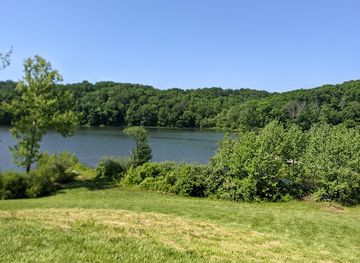
Brown County State Park occupies more than 15,000 acres of forested hills in southern Indiana, making it the state’s largest state park. Its landscape is defined by long wooded ridges, narrow ravines, steep slopes and winding roads that rise and fall through the uplands. In autumn, the hardwood forest becomes one of the region’s major attractions, while spring brings woodland flowers and fresh foliage to the trails. The terrain is more rugged than much of the surrounding Midwest, although the park includes routes and viewpoints suited to different levels of walking ability.Read more about Brown County State Park
Trails, Lakes and Scenic Drives
Park and Village
When is the best time to visit Brown County State Park?
Best: June, August–September · 23–28°C| Month | High (°C) | Rainfall (mm) |
|---|---|---|
| January | 4 | 75 |
| February | 6 | 70 |
| March | 10 | 90 |
| April | 17 | 100 |
| May | 22 | 110 |
| June (best) | 26 | 110 |
| July | 28 | 110 |
| August (best) | 28 | 100 |
| September (best) | 23 | 90 |
| October | 18 | 80 |
| November | 12 | 90 |
| December | 7 | 80 |
Getting to and around Brown County State Park
How to get there
Transportation
Best attractions in Brown County State Park
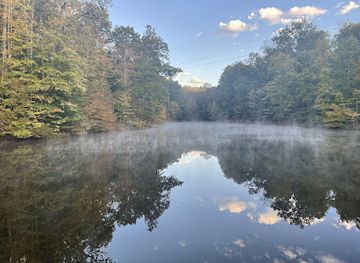
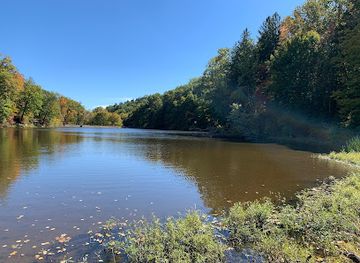
Brown County State Park’s main attractions are its extensive hardwood forest, ridge-top roads and ravine trails, which reveal the varied terrain of southern Indiana at walking pace or from a scenic drive. Hesitation Point is one of the park’s best-known overlooks, with open views across the wooded hills, while the vistas near Beanblossom Overlook provide another perspective on the surrounding countryside. Ogle Lake offers a quieter setting for shoreline walks, fishing and permitted boating, and the Abe Martin Lodge area forms the park’s principal visitor and accommodation centre. The Saddle Barn and designated bridle trails reflect Brown County’s long association with horseback riding, while the park’s roads attract experienced cyclists seeking demanding climbs. Campgrounds, picnic areas and observation points are dispersed throughout the grounds, so visitors should treat the park as a broad landscape rather than a single attraction. Nearby Nashville adds galleries, craft shops and local history to the outdoor visit.
-
Park
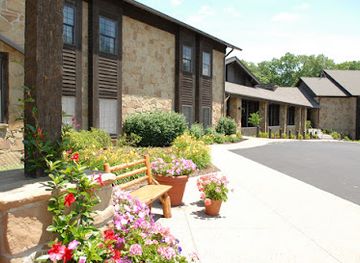
Abe Martin Lodge
Experience the enchanting beauty of nature at Abe Martin Lodge, your gateway to adventure in Brown County State Park, Indiana.
-
Outdoor activity organiser
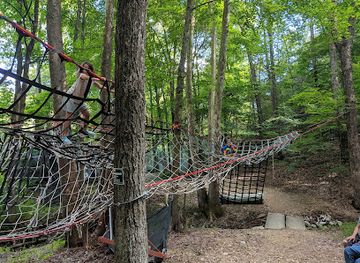
eXplore Brown County
Explore the natural beauty of Brown County with thrilling outdoor activities, unique campsites, and memorable gatherings at eXplore Brown County.
-
Antique store
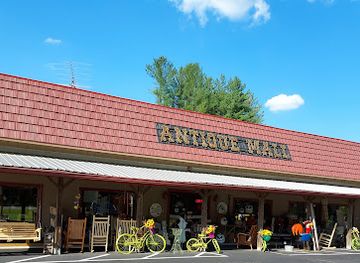
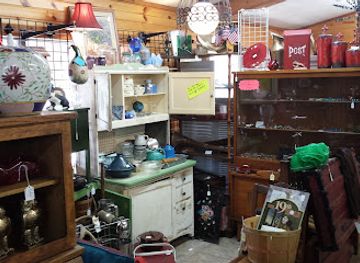
Brown County Antique Mall
Explore the Brown County Antique Mall, a treasure trove of unique antiques and vintage finds in Nashville, Indiana, perfect for collectors and casual shoppers alike.
-
Distillery
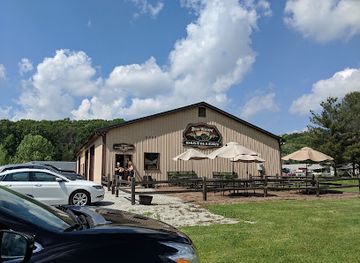
Bear Wallow Distillery
Explore the artistry of whiskey-making at Bear Wallow Distillery, an enchanting destination for spirit lovers in the heart of Indiana.
Best landmarks in Brown County State Park
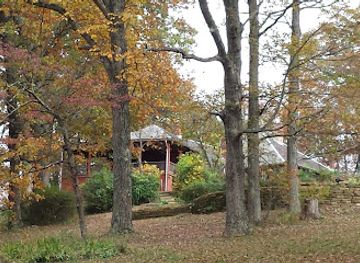
The park’s defining landmarks are natural and landscape-based: long forested ridges, steep ravines, narrow valleys and overlooks that express the character of Brown County’s hill country. Hesitation Point is a recognised scenic landmark, offering an elevated view across the wooded terrain, while Ogle Lake provides a contrasting lowland setting surrounded by forest. Abe Martin Lodge is the principal built landmark within the park and an enduring symbol of its recreational history, its name recalling the Hoosier character created by Indiana cartoonist Kin Hubbard. The Saddle Barn represents the park’s established equestrian tradition, while the network of roads and overlooks reflects the planned park development of the twentieth century. Outside the park boundary, the village of Nashville is a cultural landmark of Brown County, known for its concentration of galleries, craft businesses and historic small-town tourism.
-
State park
Yellowwood State Forest
Discover the tranquility of Yellowwood State Forest, a stunning Indiana state park perfect for hiking, fishing, and enjoying the beauty of nature.
-
Outdoor activity organiser
eXplore Brown County
Experience the great outdoors at eXplore Brown County, Indiana's top destination for hiking, camping, and thrilling outdoor activities.
-
Art gallery
T.C. Steele State Historic Site
Discover the beauty of nature and art at T.C. Steele State Historic Site in Brown County, a must-visit for art lovers and history buffs.
-
Park
Brown County State Park Nature Center
Immerse yourself in the natural beauty of Brown County State Park Nature Center, where scenic trails and vibrant wildlife await your discovery.
Explore Brown County State Park on the map
Plan your trip on one map. See where the top attractions, landmarks, restaurants and hotels are, and book hotels and experiences in a few clicks.
Best hotels in Brown County State Park
Best restaurants in Brown County State Park
There are few conventional dining choices deep inside Brown County State Park, so most visitors eat at Abe Martin Lodge facilities, prepare food at a campsite or cabin, or drive to Nashville immediately south of the park. Nashville’s restaurants, cafés, ice-cream shops and traditional casual dining rooms serve visitors exploring the state park and the wider Brown County arts community. Menus vary, but the regional setting makes hearty American cooking, sandwiches, soups, baked goods and seasonal fare common choices, with Indiana-produced ingredients appearing in some establishments. Visitors staying farther afield can also find broader dining options in Bloomington and Columbus, although both are outside the park. Self-catering is practical for longer outdoor days, particularly when plans involve remote trailheads, cycling or horseback riding, since food and drink facilities are concentrated around the lodge and nearby settlements rather than distributed across the woodland.
-
 Hotel
HotelBrown County Inn
Discover comfort at Brown County Inn in Nashville, Indiana—your gateway to scenic beauty and local arts.
-
American
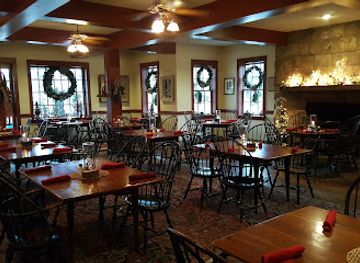
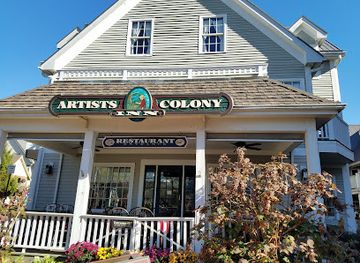
Artists Colony Inn & Restaurant
Discover warmth and creativity at Artists Colony Inn & Restaurant, where comfort meets culinary delight in Nashville, Indiana.
-
Bed & breakfast
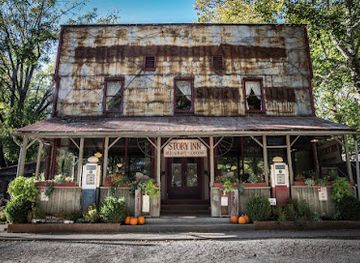
Story Inn
Discover the rustic charm of Story Inn - your perfect getaway in Brown County, Indiana with delightful dining and serene accommodations.
-
Ice Cream
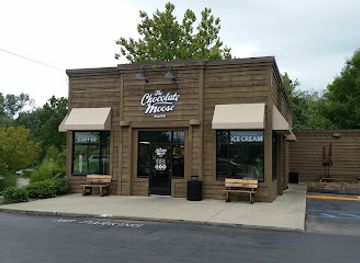
The Chocolate Moose
Experience the ultimate dessert haven at The Chocolate Moose in Nashville, Indiana - where sweet dreams come true!
Best bars in Brown County State Park
Brown County State Park is a quiet natural destination rather than a nightlife centre. Evening entertainment is concentrated in Nashville, where visitors may find village pubs, casual bars, restaurants with drinks and seasonal live music associated with the town’s tourist and arts scene. The character is generally relaxed and early-evening rather than club-oriented, with activity varying according to the season and individual venue schedules. Inside the park, evenings are more commonly spent around accommodation, campfires where permitted, or quiet woodland surroundings, subject to state park rules and weather conditions. Bloomington and Indianapolis offer a broader choice of bars, music venues and late-night entertainment, but they are outside the immediate destination and require travel. Visitors should not assume that every Nashville business operates late or that entertainment is available throughout the week, particularly outside the main tourist periods.
-
Pizza
Big Woods Pizza
Discover Big Woods Pizza in Nashville, Indiana—a must-visit gastropub known for its innovative pizzas and local craft beers.
-
American
Hobnob Corner
Discover the heart of American cuisine at Hobnob Corner in Nashville, Indiana - where flavors meet hospitality in a charming setting.
-
Hotel
Brown County Inn
Discover the charm of Brown County Inn, your perfect retreat in Nashville, Indiana, where comfort meets the beauty of nature.
-
Grill
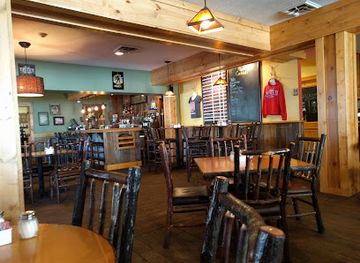
The Restaurant at Hard Truth
Discover the culinary delights of The Restaurant at Hard Truth, where great food meets a charming atmosphere in Nashville, Indiana.
Best shops in Brown County State Park
Shopping is limited inside Brown County State Park to the practical and visitor-oriented facilities associated with the lodge, campgrounds and park services, so Nashville is the principal place to browse and buy. The village is known for galleries, craft shops, studios and independent retailers selling artwork, locally themed gifts, pottery, woodwork, jewellery, textiles and other handmade goods, although the range and opening patterns vary between businesses. Food shops and casual retail outlets can supply provisions for a day outdoors, while larger supermarkets and general shopping are easier to find in regional towns such as Bloomington or Columbus. Visitors should distinguish products genuinely made by local artists from souvenirs simply carrying a Brown County image; the area’s long-standing arts identity is most visible in its working galleries and craft-oriented businesses rather than in a large formal market.
-
State park
Brown County State Park
Discover the stunning vistas and outdoor adventures at Brown County State Park, Indiana's largest state park, perfect for nature lovers and thrill-seekers.
-
Ice Cream
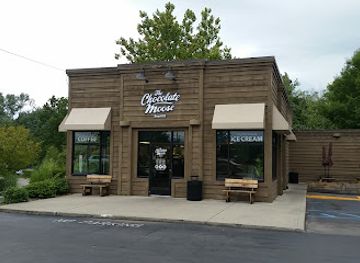
The Chocolate Moose
Explore the sweet side of Nashville, IN at The Chocolate Moose – where delicious ice cream and coffee await!
-
Antique store
Brown County Antique Mall
Explore the Brown County Antique Mall for a unique shopping experience filled with vintage treasures and timeless collectibles in Nashville, Indiana.
-
Gift shop
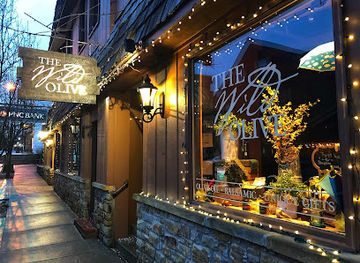
The Wild Olive
Discover Nashville's unique charm at The Wild Olive, where gourmet groceries and local crafts unite for an unforgettable shopping experience.
Get your free copy of our complete guide to Brown County State Park, delivered straight to you.
Everything on this page, from attractions and restaurants to essentials and local phrases, in one PDF you can read offline, print or share.
Already have an account? Sign in
Your Brown County State Park guide is ready.
We'll send it to · Not you? Sign out

Getting your guide ready…
We are putting together a fresh copy of the Brown County State Park guide. This can take up to a minute.
This can take a few moments. If your browser asks, choose Allow so the download can start. You'll find the guide in your Downloads folder.
Nothing happened? Download it again
Sorry, the guide is taking longer than usual. Please try again in a minute, or get it by email instead.
Brown County State Park essentials
Currency and Payment
Safety
Emergency Situations
Do's and Don'ts
Local Tips
From Eve
Local phrases worth knowing
You don't need to get them perfect. A few words go a long way, and locals appreciate the effort.
Basics
| English | Local | Say it |
|---|---|---|
| Hello | Howdy | [haw-dee] |
| Goodbye | See ya later | [see ya lay-ter] |
| Yes | Yep | [yep] |
| No | Nah | [na] |
| Please/You're welcome | Please and thank you | [pleez and thank yoo] |
| Thank you | Thanks a bunch | [thanks uh bunch] |
| Excuse me/Sorry | Pardon me | [pahr-dun me] |
| How are you? | Howdy, how ya doin'? | [haw-dee, how ya doin'] |
| Fine. And you? | Jus' fine. How 'bout yerself? | [just fine. how bout yer-self?] |
| Do you speak English? | Ya speak English? | [ya speak English?] |
| I don't understand | I'm afraid I don't follow ya | [I'm uh-fraid I don't follow ya] |
Eating & Drinking
| English | Local | Say it |
|---|---|---|
| I'd like to see the menu, please | Kin I take a gander at the menu? | [kin I take uh gan-der at the menu?] |
| I don't eat meat | I ain't no meat eater | [I ain't no meat eater] |
| Cheers! | Cheers! | [cheers!] |
| I would like to pay, please | I reckon I'll settle up now | [I reckon I'll settle up now] |
Emergencies
| English | Local | Say it |
|---|---|---|
| Help! | Help! | [Help!] |
| Go away! | Git! | [Git!] |
| Call the Police! | Call the Sheriff! | [Call the Sheriff!] |
| Call a doctor! | Fetch the doc! | [Fetch the doc!] |
| I'm lost | I'm plumb lost | [I'm plumb lost] |
| I'm ill | I'm feelin' poorly | [I'm feelin' poorly] |
Shopping
| English | Local | Say it |
|---|---|---|
| I'd like to buy... | I'm fixin' to purchase... | [I'm fixin' to purchase...] |
| I'm just looking | I'm jus' browsin' | [I'm jus' browsin'] |
| How much is it? | How much fer that? | [How much fur that?] |
| That's too expensive | That's a mite pricey | [That's uh mite pricey] |
| Can you lower the price? | Kin ya cut me a deal? | [Kin ya cut me uh deal?] |
Time & Numbers
| English | Local | Say it |
|---|---|---|
| What time is it? | What's the hour? | [What's the hour?] |
| It's one o'clock | It's one | [It's one] |
| Half past (10) | Ten-thirty | [Ten-thirty] |
| Morning | Mornin' | [Mornin'] |
| Afternoon | Afternoon | [Afternoon] |
| Evening | Evenin' | [Evenin'] |
| Yesterday | Yest'day | [Yest'day] |
| Today | Today | [Today] |
| Tomorrow | Tomorrer | [Tomorrer] |
| 1 | One | [One] |
| 2 | Two | [Two] |
| 3 | Three | [Three] |
| 4 | Four | [Four] |
| 5 | Five | [Five] |
| 6 | Six | [Six] |
| 7 | Seven | [Seven] |
| 8 | Eight | [Eight] |
| 9 | Nine | [Nine] |
| 10 | Ten | [Ten] |
Transport & Directions
| English | Local | Say it |
|---|---|---|
| Where's a/the...? | Where's the... | [Where's the...] |
| What's the address? | What's the whereabouts? | [What's the whereabouts?] |
| Can you show me (on the map)? | Can ya point it out (on the map)? | [Can ya point it out (on the map)?] |
| When's the next (bus)? | When's the next one (bus)? | [When's the next one (bus)?] |
| A ticket (to ....) | A pass (to ....) | [A pass (to ....)] |
History of Brown County State Park
A Landscape of Forested Uplands
Brown County State Park lies within the rugged hill country of southern Indiana, a region shaped by ridges, ravines and deeply cut valleys rather than broad level farmland. Its woodland environment reflects the wider history of the Brown County uplands, where forests, small streams and uneven ground limited large-scale cultivation in many locations. Human use included hunting, timber harvesting and scattered rural settlement, while the surrounding landscape gradually became associated with the distinctive scenery of southern Indiana.
Settlement and Brown County Identity
Brown County was established in the nineteenth century, and the village of Nashville developed as its county seat and principal commercial community. Farming, timber and local trade shaped the county’s early economy, while the hills influenced the pattern of roads and settlement. Nashville later became closely associated with artists, craft workers, galleries and tourism, helping to establish the cultural identity that now complements the state park’s natural attractions.
Creation of the State Park
Indiana acquired the land for Brown County State Park in 1929, during a period when the state was expanding its park system and protecting representative landscapes for public recreation. The park’s large scale allowed the preservation of extensive woodland and the development of roads, trails, overlooks, camping areas and other visitor facilities. Its creation also transformed land that had been used primarily for rural and timber-related purposes into a managed public landscape.
The Civilian Conservation Corps Era
During the 1930s, work associated with the Civilian Conservation Corps helped develop Brown County State Park as a recreational landscape. Across the United States, CCC crews constructed roads, trails, structures and landscape improvements in public parks, and Brown County retains elements of this period in its planned park infrastructure and rustic character. Abe Martin Lodge, named after the homespun fictional character created by Indiana cartoonist Kin Hubbard, became an enduring part of the park’s visitor identity.
Tourism, Recreation and Conservation
Improved roads and the growing popularity of motoring made Brown County increasingly accessible to visitors from Indianapolis, Bloomington and other parts of Indiana. Hiking, camping, cycling, fishing and horseback riding developed alongside scenic driving and autumn leaf viewing. Modern management balances these uses with the protection of woodland habitats, streams, ravines and steep terrain. The park now functions both as a major recreation area and as an important public example of southern Indiana’s forested hill country.
Brown County State Park in Photos
Browse through our photo collection highlighting the charm and character of the destination.
Neighbouring destination travel guides
The closest destinations to Brown County State Park, if you have time for more than one.
-

-
-

-

-


Swipe for more destinations
Explore more

Explore more of The Knobs
Explore The Knobs in southern Indiana for wooded ridges, cave country, Corydon history, scenic drives, orchards and outdoor recreation.
Explore The Knobs
Explore more of Indiana
Explore Indiana: From the bustling streets of Indianapolis to the serene beauty of Indiana Dunes, discover the diverse experiences that make Indiana the Crossroads of America.
Explore Indiana