

Free Bangka Belitung Islands Travel Guide & Mobile App
Explore Bangka Belitung Islands with free travel guides. Discover regional history, expert tips, proposed trips, and audio guides on web or mobile app.


Explore Indonesia’s Bangka Belitung Islands for granite beaches, tin heritage, Malay culture, seafood and clear-water island excursions.
Read more about Bangka Belitung Islands
When is the best time to visit Bangka Belitung Islands?
Best: June–August · 30°C| Month | High (°C) | Rainfall (mm) |
|---|---|---|
| January | 30 | 250 |
| February | 30 | 230 |
| March | 31 | 210 |
| April | 31 | 200 |
| May | 31 | 170 |
| June (best) | 30 | 150 |
| July (best) | 30 | 140 |
| August (best) | 30 | 130 |
| September | 30 | 150 |
| October | 31 | 180 |
| November | 31 | 210 |
| December | 30 | 240 |
Getting to and around Bangka Belitung Islands
How to get there
Transportation
Best attractions in Bangka Belitung Islands
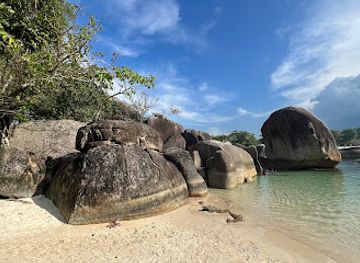
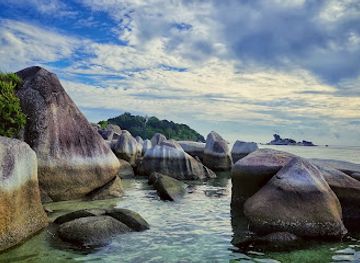
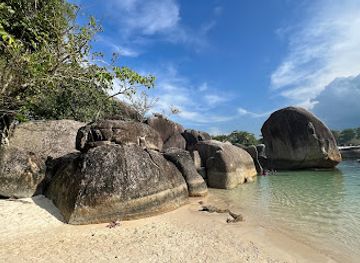
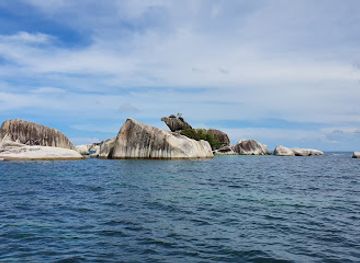
The Bangka Belitung Islands offer a varied attraction landscape built around coast, geology, maritime life and mining history. Belitung’s western beaches, including Tanjung Tinggi and Tanjung Kelayang, are known for pale sand and large granite formations, while nearby boat trips reach small islands and snorkelling areas when conditions permit. Around Bangka, the coast near Sungailiat and Belinyu combines coves, fishing settlements and granite outcrops, with a more industrial and historically mining-focused hinterland. Pangkalpinang provides museums, markets and urban heritage, while Tanjung Pandan is a useful starting point for Belitung’s cultural and coastal excursions. Visitors can also explore former tin-mining landscapes, pepper-growing areas, village communities and Chinese-Indonesian places of worship. Outdoor activities centre on swimming, snorkelling, island-hopping, photography and relaxed coastal walks rather than demanding mountain trekking. Sea conditions, tides and weather strongly influence boat access, so local operators’ advice matters. The islands’ appeal lies in combining recognisable beaches with the less immediately visible histories of mining, migration, trade and everyday island life.
-
Beach
Tanjung Tinggi Beach
Discover the breathtaking beauty and serene atmosphere of Tanjung Tinggi Beach in the Bangka Belitung Islands, a true paradise for beach lovers.
-
Beach
Tanjung Kelayang Beach
Discover the beauty of Tanjung Kelayang Beach, where pristine sands and crystal-clear waters await your arrival in Indonesia's coastal paradise.
-
Tourist attraction
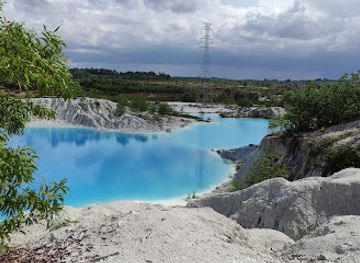
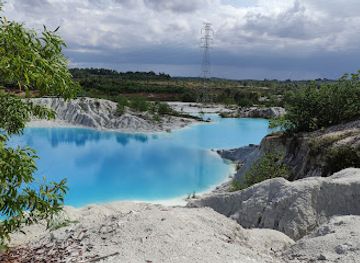
Danau Kaolin/Kulong Biru (Bangka Tengah)
Experience the breathtaking beauty of Danau Kaolin, a stunning turquoise lake in Central Bangka, perfect for photography and relaxation.
-
Beach
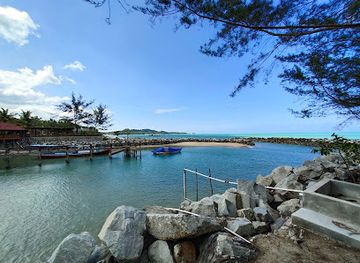
Tongaci Beach
Explore the serene Tongaci Beach in Bangka Belitung Islands, where crystal-clear waters and stunning landscapes create the perfect beach getaway.
Best landmarks in Bangka Belitung Islands
The Bangka Belitung Islands’ most recognisable landmarks are often geological rather than monumental. The huge rounded granite formations at Tanjung Tinggi and Tanjung Kelayang on Belitung create distinctive coastal silhouettes and are closely associated with the island’s public image. Belitung’s lighthouse on Lengkuas Island, built during the Dutch colonial period, stands as a prominent maritime marker, although access and climbing arrangements may vary. On Bangka, the Menumbing area near Muntok carries national historical importance because it was connected with the detention of senior Indonesian leaders during the revolutionary period; the hill landscape also reflects the island’s colonial and mining history. Pangkalpinang’s Tin Museum interprets the industry that shaped the province, while Chinese temples and mosques in older settlements express the overlapping religious and commercial histories of Malay, Chinese and Indonesian communities. Former mining pits, industrial remnants and altered ground are less polished landmarks, but they are essential to understanding the islands’ economy and landscape. Coastal granite, pepper-growing districts and historic harbour settlements complete a regional landmark story defined by geology, maritime movement and tin.
-
Beach
Tanjung Tinggi Beach
Explore the serene beauty of Tanjung Tinggi Beach in Bangka Belitung Islands, a tropical paradise perfect for relaxation and adventure.
-
Beach
Tanjung Kelayang Beach
Discover the serene beauty of Tanjung Kelayang Beach in Indonesia, where crystal-clear waters meet stunning granite formations.
-
Tourist attraction
Danau Kaolin/Kulong Biru (Bangka Tengah)
Discover the enchanting turquoise waters and stunning landscapes of Danau Kaolin, a must-visit tourist attraction in Bangka Tengah, Indonesia.
-
Hotel
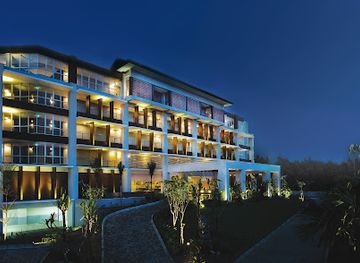
Hotel Santika Premiere Beach Resort Belitung
Experience the ultimate beach getaway at Hotel Santika Premiere Beach Resort Belitung, where luxury meets the beauty of Indonesia's stunning coastline.
Explore Bangka Belitung Islands on the map
Plan your trip on one map. See where the top cities, national parks and sights are, and book hotels and experiences in a few clicks.
Best hotels in Bangka Belitung Islands
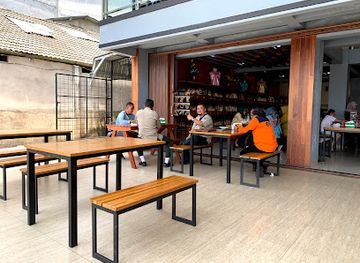
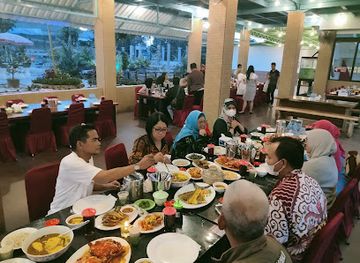
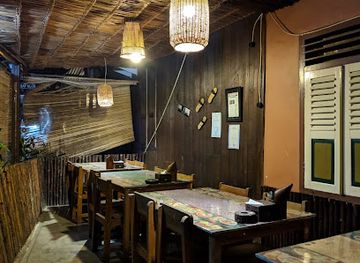
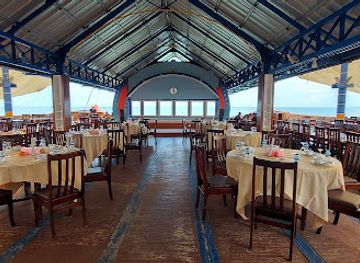
Best restaurants in Bangka Belitung Islands
Dining in Bangka Belitung is strongly connected to seafood, Malay seasoning and Chinese-Indonesian culinary traditions. Belitung’s mie Belitung consists of noodles served with a rich seafood-based sauce, while gangan is a sour, turmeric-coloured fish soup often associated with Belitung’s home cooking. Bangka is noted for otak-otak, a seasoned fish preparation that is commonly grilled, and for seafood dishes incorporating local chillies, herbs and spices. Coastal towns provide grilled fish, prawns, squid and shellfish, while markets and modest eateries are often the best places to encounter everyday regional flavours. Pangkalpinang and Tanjung Pandan have the broadest choice of restaurants and cafés, but food stalls in smaller towns can offer more specifically local dishes. Chinese-Indonesian influences appear in noodle dishes, seafood preparations and festive foods, alongside Malay rice meals and snacks. Visitors should expect varying spice levels and may wish to ask whether a dish contains shellfish or very hot chilli. Formal dining is available, but the region’s culinary character is most visible in local warungs, markets and roadside stalls.
-
Restaurant
Otak - Otak Ase Melintas
Experience authentic pempek at Otak - Otak Ase Melintas in Pangkal Pinang—your gateway to Indonesian culinary delights.
-
Seafood
Restaurant Seafood Mr. Adox
Discover culinary excellence at Restaurant Seafood Mr. Adox in Pangkal Pinang - where fresh seafood meets vibrant Indonesian hospitality.
-
Restaurant
Ruma Makan Belitong Timpo Duluk
Discover authentic Indonesian flavors at Ruma Makan Belitong Timpo Duluk - a culinary treasure in Belitung.
-
Seafood
Neptune Club - Istana Laut Restaurant - Aroma Laut Restaurant
Discover Neptune Club - your ultimate seafood destination in Pangkal Pinang with stunning beach views and delectable dishes.
Best bars in Bangka Belitung Islands
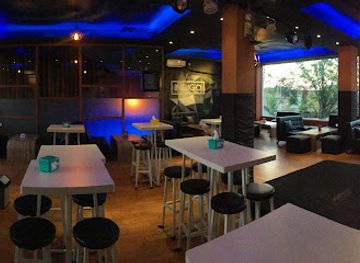
Nightlife in Bangka Belitung is generally low-key and concentrated in Pangkalpinang and Tanjung Pandan rather than organised around large entertainment districts. Evening activity commonly centres on seafood restaurants, coffee shops, hotel lounges and informal eateries, with live music or karaoke available in some urban venues. In coastal areas, sunset dining and relaxed cafés are more typical than late-night clubbing. Beer and other alcoholic drinks are available in selected hotels and licensed establishments, but drinking is not central to the region’s social or cultural identity, and availability can be limited outside the main towns. Local coffee culture, including informal gatherings in cafés and kopitiam-style settings, offers a more representative evening experience. Smaller settlements on Bangka and Belitung usually become quiet relatively early, while weekends and holiday periods may bring busier restaurant areas. Check current local arrangements before planning around a particular venue, as nightlife businesses and operating patterns can change.
-
Restaurant
D'Barleys Cafe
Discover the best of local and international cuisine at D'Barleys Cafe, a must-visit restaurant in Pangkal Pinang.
-
Restaurant
De' Loco
Experience the flavors of Bangka at De' Loco, a restaurant offering local delicacies and stunning views in a vibrant atmosphere.
-
Karaoke bar
Masterpiece Family Karaoke
Experience joy and fun at Masterpiece Family Karaoke, the ultimate karaoke bar for families and friends in Central Bangka Regency.
-
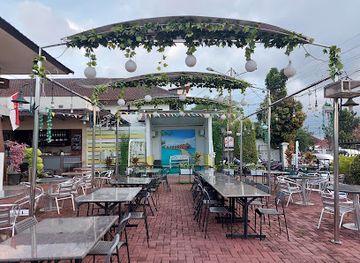
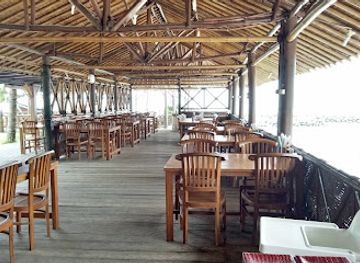
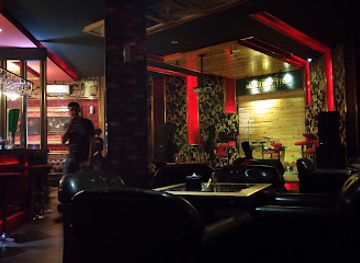
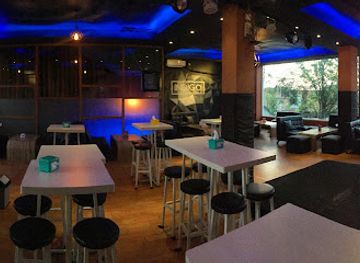
Cafe
Kedai 8 & Indigo Lounge
Experience the vibrant culture of Pangkal Pinang at Kedai 8 & Indigo Lounge, where delicious coffee meets lively nightlife.
Best nightclubs in Bangka Belitung Islands
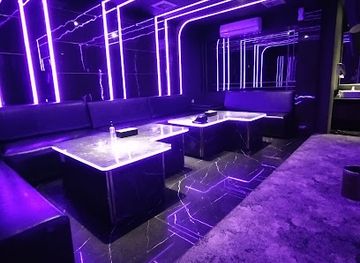
Nightlife in Bangka Belitung is generally low-key and concentrated in Pangkalpinang and Tanjung Pandan rather than organised around large entertainment districts. Evening activity commonly centres on seafood restaurants, coffee shops, hotel lounges and informal eateries, with live music or karaoke available in some urban venues. In coastal areas, sunset dining and relaxed cafés are more typical than late-night clubbing. Beer and other alcoholic drinks are available in selected hotels and licensed establishments, but drinking is not central to the region’s social or cultural identity, and availability can be limited outside the main towns. Local coffee culture, including informal gatherings in cafés and kopitiam-style settings, offers a more representative evening experience. Smaller settlements on Bangka and Belitung usually become quiet relatively early, while weekends and holiday periods may bring busier restaurant areas. Check current local arrangements before planning around a particular venue, as nightlife businesses and operating patterns can change.
-
Cafe
Kedai 8 & Indigo Lounge
Experience the vibrant atmosphere and diverse flavors at Kedai 8 & Indigo Lounge, a top café and lounge in Pangkal Pinang.
-
Karaoke bar
Glamz Celebrity KTV Belitung
Dive into the vibrant nightlife at Glamz Celebrity KTV Belitung, where unforgettable karaoke and local charm await every visitor.
-
Bar
ALOHA CLUB & KTV BELITUNGv c
Discover the lively nightlife at Aloha Club & KTV Belitung, where music, dancing, and karaoke create unforgettable moments in the heart of Belitung.
-
Bar
SA Club Discoutique
Experience the vibrant nightlife at SA Club Discoutique in Bangka Regency, where great drinks and a lively atmosphere await every visitor.

Best shops in Bangka Belitung Islands
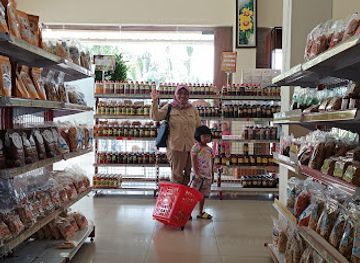
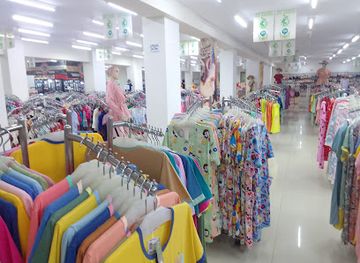
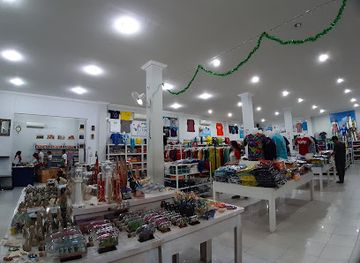
Shopping in Bangka Belitung is centred on town markets, small food shops, craft outlets and local produce rather than large-scale luxury retail. Pangkalpinang and Tanjung Pandan offer the widest range of supermarkets, department stores and independent retailers, while smaller market towns provide a more local selection of snacks, household goods, clothing and fresh food. Regional edible gifts include packaged otak-otak, crackers, dried seafood, pepper and other spice products, although travellers should check packaging and airline restrictions before carrying food. Belitung’s island imagery appears on crafts, textiles and souvenirs, while Bangka’s Chinese-Indonesian and Malay heritage is reflected in food traditions and festive merchandise. Traditional markets are useful for observing daily commerce, but opening patterns and product availability vary. Choose responsibly made crafts and avoid coral, shells, wildlife products or stones taken from beaches. Bargaining may be appropriate in some informal markets when no price is displayed, but it is not expected in supermarkets, established shops or fixed-price stores.
-
Shopping mall
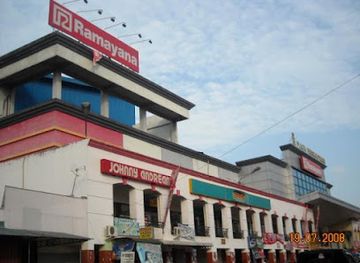
Ramayana Pangkalpinang
Explore Ramayana Pangkalpinang, a vibrant shopping hub in Bangka Belitung, blending local culture with diverse shopping and dining experiences.
-
Souvenir store
Toko Oleh Oleh Klapa Belitung
Discover the heart of Belitung's culture at Toko Oleh Oleh Klapa, where authentic souvenirs and local delights await every traveler.
-
Department store
Barata Department Store - Tanjungpandan
Explore Barata Department Store in Tanjungpandan for an unforgettable shopping experience with local flair and modern convenience.
-
Souvenir store
BELUT - Belitung Outlet
Explore the vibrant BELUT - Belitung Outlet, your go-to destination for unique souvenirs and local crafts in the heart of Belitung.
Get your free copy of our complete guide to Bangka Belitung Islands, delivered straight to you.
Everything on this page, from attractions and restaurants to essentials and local phrases, in one PDF you can read offline, print or share.
Already have an account? Sign in
Your Bangka Belitung Islands guide is ready.
We'll send it to · Not you? Sign out

Getting your guide ready…
We are putting together a fresh copy of the Bangka Belitung Islands guide. This can take up to a minute.
This can take a few moments. If your browser asks, choose Allow so the download can start. You'll find the guide in your Downloads folder.
Nothing happened? Download it again
Sorry, the guide is taking longer than usual. Please try again in a minute, or get it by email instead.
Bangka Belitung Islands essentials
Currency and Payment
Safety
Emergency Situations
Do's and Don'ts
Local Tips
From Eve
Local phrases worth knowing
You don't need to get them perfect. A few words go a long way, and locals appreciate the effort.
Basics
| English | Local | Say it |
|---|---|---|
| Hello | Halo | [ha-lo] |
| Goodbye | Selamat tinggal | [se-la-mat tin-gal] |
| Yes | Iya | [ee-ya] |
| No | Tidak | [tee-dak] |
| Please/You're welcome | Silakan/ Sama-sama | [si-la-kan/ sa-ma sa-ma] |
| Thank you | Terima kasih | [te-ri-ma ka-si] |
| Excuse me/Sorry | Maaf | [ma-af] |
| How are you? | Apa kabar? | [a-pa ka-bar] |
| Fine. And you? | Baik. Dan kamu? | [ba-ik. dan ka-mu] |
| Do you speak English? | Apakah kamu bisa bahasa Inggris? | [a-pa-kah ka-mu bi-sa ba-ha-sa ing-gris] |
| I don't understand | Saya tidak mengerti | [sa-ya ti-dak meng-er-ti] |
Eating & Drinking
| English | Local | Say it |
|---|---|---|
| I'd like to see the menu, please | Saya ingin melihat menu, tolong | [sa-ya in-gin me-li-hat me-nu, to-long] |
| I don't eat meat | Saya tidak makan daging | [sa-ya ti-dak ma-kan da-ging] |
| Cheers! | Selamat minum! | [se-la-mat mi-num] |
| I would like to pay, please | Saya mau bayar, tolong | [sa-ya mau ba-yar, to-long] |
Emergencies
| English | Local | Say it |
|---|---|---|
| Help! | Tolong! | [to-long] |
| Go away! | Pergi jauh! | [per-gi ja-uh] |
| Call the Police! | Panggil polisi! | [pang-gil po-li-si] |
| Call a doctor! | Panggil dokter! | [pang-gil dok-ter] |
| I'm lost | Saya tersesat | [sa-ya ter-se-sat] |
| I'm ill | Saya sakit | [sa-ya sa-kit] |
Shopping
| English | Local | Say it |
|---|---|---|
| I'd like to buy... | Saya ingin membeli... | [sa-ya in-gin mem-be-li] |
| I'm just looking | Saya hanya melihat | [sa-ya han-ya me-li-hat] |
| How much is it? | Berapa harganya? | [be-ra-pa har-ga-nya] |
| That's too expensive | Itu terlalu mahal | [i-tu ter-la-lu ma-hal] |
| Can you lower the price? | Bisakah kamu menurunkan harga? | [bi-sa-kah ka-mu me-nu-run-kan har-ga] |
Time & Numbers
| English | Local | Say it |
|---|---|---|
| What time is it? | Jam berapa? | [jam be-ra-pa] |
| It's one o'clock | Jam satu | [jam sa-tu] |
| Half past (10) | Setengah sebelas | [se-ten-gah se-be-las] |
| Morning | Pagi | [pa-gi] |
| Afternoon | Siang | [si-ang] |
| Evening | Sore | [so-re] |
| Yesterday | Kemarin | [ke-ma-rin] |
| Today | Hari ini | [ha-ri i-ni] |
| Tomorrow | Besok | [be-sok] |
| 1 | Satu | [sa-tu] |
| 2 | Dua | [du-a] |
| 3 | Tiga | [ti-ga] |
| 4 | Empat | [em-pat] |
| 5 | Lima | [li-ma] |
| 6 | Enam | [e-nam] |
| 7 | Tujuh | [tu-juh] |
| 8 | Delapan | [de-la-pan] |
| 9 | Sembilan | [sem-bi-lan] |
| 10 | Sepuluh | [se-pu-luh] |
Transport & Directions
| English | Local | Say it |
|---|---|---|
| Where's a/the...? | Di mana ...? | [di ma-na] |
| What's the address? | Apa alamatnya? | [a-pa a-la-mat-nya] |
| Can you show me (on the map)? | Bisakah kamu tunjukkan saya (di peta)? | [bi-sa-kah ka-mu tun-juk-kan sa-ya (di pe-ta)] |
| When's the next (bus)? | Kapan bus berikutnya? | [ka-pan bus be-ri-kut-nya] |
| A ticket (to ....) | Sebuah tiket (ke ...) | [se-buah ti-ket (ke ...)] |
History of Bangka Belitung Islands
Early Austronesian and Maritime Communities
Long before the modern province existed, Bangka and Belitung were inhabited by Austronesian-speaking communities whose livelihoods combined fishing, farming, forest use and coastal trade. Their position between Sumatra, Java and the Malay Peninsula placed the islands within wider maritime networks. Archaeological finds and local traditions point to a history of movement across the southern South China Sea and the Bangka Strait, while the islands’ rivers, coves and natural harbours supported settlements that were connected more readily by water than by inland roads.
Malay Maritime Influence and the Islamic Sultanates
The islands came within the orbit of Malay maritime powers and later Islamic sultanates, particularly the Sultanate of Palembang, whose influence was important on Bangka. Islam spread through commerce, political relationships and settlement, while older customs continued alongside new religious practices. Belitung likewise developed through connections with Malay coastal polities and regional trading routes. Mosques, village traditions, language and ceremonial life still reflect this long interaction between local communities and the wider Malay world.
The Expansion of Tin Mining
Tin transformed Bangka and Belitung from the eighteenth century onwards. The metal was known earlier, but mining expanded under the influence of the Palembang sultanate and then European colonial power. Chinese miners, many recruited through regional networks, became central to the industry and established communities whose descendants contributed strongly to the islands’ cultural and commercial life. Mining settlements, water-filled pits, altered landscapes and Chinese temples remain visible reminders of an economic system that linked the islands to global demand for tin.
Dutch Colonial Rule and the Billiton Company
The Dutch consolidated control over the islands during the nineteenth century and developed large-scale tin operations. On Belitung, the Billiton Maatschappij became especially important, operating mines and infrastructure while drawing labour from across the archipelago and from Chinese communities. Colonial administration, company towns, transport routes and export facilities reshaped local society, though mining profits and decision-making largely served external interests. The industry’s continuing physical and social legacy is one of the defining historical features of both islands.
Japanese Occupation and the Indonesian Revolution
During the Second World War, Bangka and Belitung were occupied by Japan, bringing military control, shortages and forced labour into the islands’ wartime experience. In 1942, several Dutch and Allied officials and civilians were evacuated to Bangka; their later history became associated with the negotiations surrounding Indonesian independence. After Japan’s surrender, the islands were incorporated into the new Republic of Indonesia, although the transition involved continuing political and military uncertainties across the archipelago.
From Tin Economy to Provincial Identity
For much of the twentieth century, tin remained a major pillar of the islands’ economy, alongside fishing, pepper cultivation, agriculture and trade. Environmental damage and changing commodity conditions encouraged wider economic diversification, including tourism and services. Bangka Belitung became a separate Indonesian province in 2000, strengthening an administrative identity distinct from South Sumatra. Contemporary development continues to balance mining’s economic legacy with coastal conservation, fisheries, cultural heritage and the careful growth of tourism.
Bangka Belitung Islands in Photos
Browse through our photo collection highlighting the charm and character of the destination.
Neighbouring regions of Bangka Belitung Islands
The closest regions to Bangka Belitung Islands, if you have time for more than one.
-

-

-

-

-


Swipe for more regions
Explore more

Explore more of Indonesia
Explore Indonesia: An archipelago of diverse cultures, stunning landscapes, and endless adventures from bustling cities to serene beaches.
Explore Indonesia