
Riau Islands, Indonesia Travel Guide
Discover the Riau Islands: Indonesia's enchanting archipelago with stunning beaches, diverse culture, and thrilling activities perfect for every traveler.
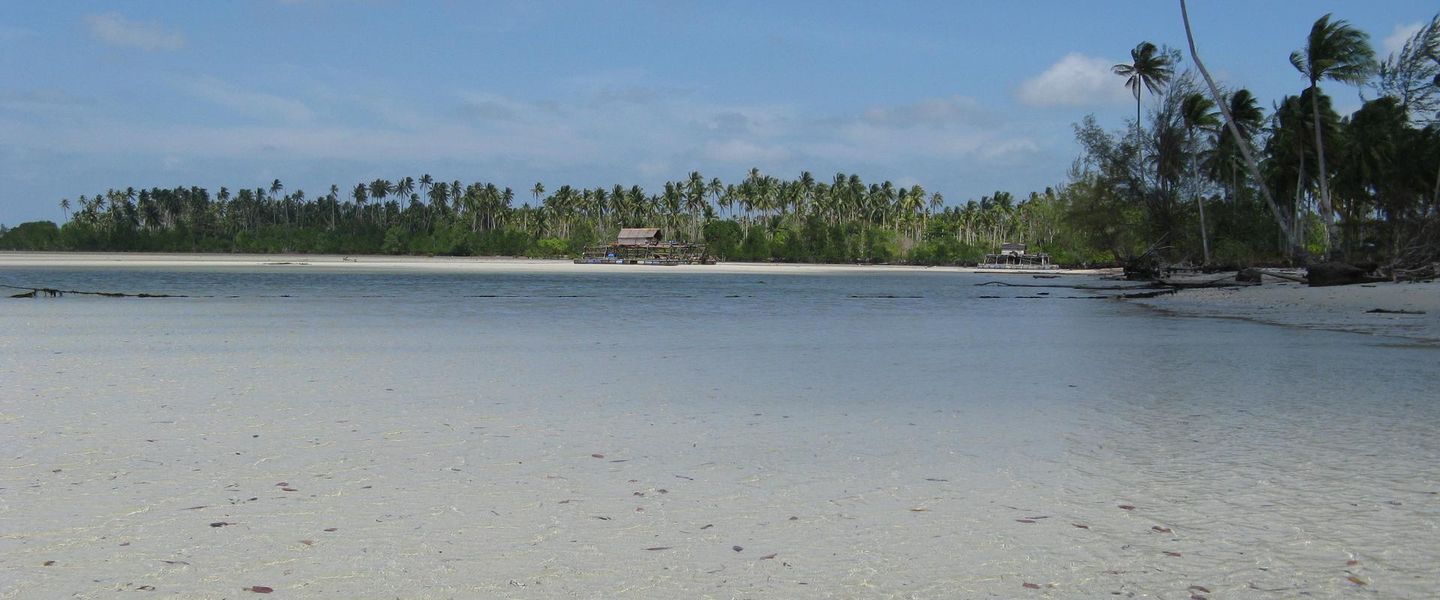
The Riau Islands, an archipelago of over 3,000 islands in Indonesia, offer an exotic getaway with stunning beaches, vibrant culture, and rich history. Each island has its unique charm, from bustling cities to tranquil retreats, making it a perfect destination for all kinds of travelers. Batam Island is the most developed and well-known among the Riau Islands. It serves as a convenient gateway and offers a mix of modern amenities, shopping centers, and lively nightlife. For those looking for adventure, Batam also provides various water sports and golf courses. Bintan Island is another popular destination, known for its luxurious resorts and pristine beaches. It's a favorite spot for honeymooners and those seeking relaxation. The island also has beautiful temples and traditional markets where visitors can immerse themselves in local culture. For nature lovers, the smaller islands like Lingga and Anambas are heaven on earth. These islands boast crystal-clear waters, coral reefs, and lush green forests. They are perfect for diving, snorkeling, and hiking. The local communities are warm and welcoming, offering a glimpse into the traditional Indonesian way of life. Don't miss the opportunity to explore the rich marine biodiversity, savor the delicious seafood, and experience the unique blend of Malay, Chinese, and Indonesian cultures that make the Riau Islands a must-visit destination.

Know before you go
Hi, I'm Eve. Here are a few practical things to know before exploring Riau Islands.
- Currency: Carry enough Indonesian Rupiah, as ATMs might be sparse on smaller islands.
- Transport: Rent a scooter or bike to explore the islands at your own pace.
- Best Time: Visit during the dry season (April to October) for the best weather.
- Local Cuisine: Try the fresh seafood, especially the grilled fish and chili crab.
- Language: Learn a few basic Indonesian phrases; locals appreciate the effort.
Explore Riau Islands: Things to Do, Places to Eat, Hotels & More
Handpicked recommendations for top attractions, local dining, accommodations, and more

Top Attractions & Sightseeing in Riau Islands
Top-rated picks
Best Attractions

Alun Alun Batam Centre
Experience the beauty of Alun Alun Batam Centre, an urban oasis in Batam City filled with lush landscapes, cultural events, and recreational activities.

Treasure Bay Bintan
Experience the ultimate getaway at Treasure Bay Bintan, where adventure meets luxury in Southeast Asia's largest lagoon.

Lagoi Beach
Discover the natural beauty and vibrant atmosphere of Lagoi Beach in Bintan, where relaxation meets adventure in a tropical paradise.

Waterpark Top 100 Batu Aji
Experience the ultimate aquatic adventure at Waterpark Top 100 Batu Aji in Batam City, a family-friendly paradise filled with thrilling slides and relaxing pools.

Best landmarks in Riau Islands
Top-rated picks
Best Landmarks

Welcome to Batam Sign
Discover the vibrant spirit of Batam at the iconic Welcome to Batam Sign, a must-visit attraction for every traveler.

Sulawesi
Explore the stunning landscapes, rich culture, and diverse wildlife of Sulawesi, Indonesia's hidden gem waiting to be discovered.

Treasure Bay Bintan
Experience the ultimate blend of relaxation and adventure at Treasure Bay Bintan, featuring the largest pool in Southeast Asia and thrilling outdoor activities.

Lagoi Beach
Experience the breathtaking beauty of Lagoi Beach in Bintan, where pristine sands meet crystal-clear waters for an unforgettable tropical getaway.

Best restaurants in Riau Islands
Top-rated picks
Best Restaurants

Love Seafood Restaurant
Experience the best of Indonesian seafood at Love Seafood Restaurant in Batam - where every dish is a celebration of flavor.

Rimba
Experience the best of Indonesian cuisine at Rimba Food Court in Tanjung Pinang – where flavors meet culture.

The Manabu Bintan
Experience the essence of Indonesian flavors at The Manabu Bintan – where every meal is a celebration of culture and taste.

Lamak Basamo - Lagoi
Experience authentic Padang cuisine at Lamak Basamo - Lagoi; indulge in delicious dishes from the heart of Indonesia.

Best bars in Riau Islands
Top-rated picks
Best Bars

Nomad Bar & Resto
Discover the ultimate grill experience at Nomad Bar & Resto in Batam City, where vibrant flavors and a lively atmosphere create lasting memories.

Port House Resto & Bar
Immerse yourself in the lively atmosphere of Port House Resto & Bar, where great food meets live music in the heart of Batam.

Roasteree Cafe
Discover the flavors of Batam at Roasteree Cafe, a cozy grill haven serving delicious dishes in the heart of Batu Selicin.

Altitude Rooftop Bar and Lounge
Experience breathtaking views and exquisite cocktails at Altitude Rooftop Bar and Lounge, Batam's premier rooftop destination for unforgettable evenings.

Best nightclubs in Riau Islands
Top-rated picks
Best Nightclubs

M2 Club Executive
Unleash your inner superstar at M2 Club Executive, Batam's top karaoke destination for unforgettable nights filled with music and fun.

Square Club & KTV
Discover Batam's nightlife gem at Square Club & KTV, where music, karaoke, and dance unite for an unforgettable experience.

ATMOS CLUB BATAM
Discover the electrifying nightlife at ATMOS CLUB BATAM, the ultimate destination for dance and entertainment in Batam City.

MORENA PUB & KTV
Discover the lively nightlife of Batam at Morena Pub & KTV, the ultimate destination for karaoke enthusiasts and party lovers alike.

Best shops in Riau Islands
Top-rated picks
Best Shops

Mega Mall Batam Centre
Explore Mega Mall Batam Centre - a shopper's paradise and entertainment hub in Batam, Indonesia, offering diverse shopping and dining experiences.

Batam City Square Mall
Experience Batam City Square Mall: A shopping paradise with a blend of local culture, diverse dining, and endless retail therapy.

Grand Batam Mall
Discover the ultimate shopping experience at Grand Batam Mall, where retail therapy meets culinary delights and family fun in Batam.

Hypermart Batam Nagoya
Discover the vibrant shopping experience at Hypermart Batam Nagoya, where local flavors and modern convenience meet.

Explore Riau Islands on the Map
A handpicked selection of must-see spots in Riau Islands, mapped for you.
Riau Islands Essentials
-
The Riau Islands can be accessed via several routes. The main gateway is Batam's Hang Nadim International Airport, which has direct flights from major cities like Jakarta, Singapore, and Kuala Lumpur. Another option is the Raja Haji Fisabilillah International Airport in Tanjung Pinang, Bintan. For those traveling from Singapore, ferries are a popular choice, with frequent services to Batam, Bintan, and other islands. The ferry journey typically takes between 45 minutes to two hours depending on the destination.
-
Within the Riau Islands, transportation options vary by island. In Batam, taxis and ride-hailing services like Grab are readily available. Renting a car or motorbike is also an option for greater flexibility. Bintan offers similar transportation methods, alongside local buses and minibuses (angkot). Inter-island travel is facilitated by speedboats and ferries, with regular services connecting the main islands. Always negotiate taxi fares in advance or ensure the meter is used.
-
The official currency is the Indonesian Rupiah (IDR). Credit cards are widely accepted in hotels, restaurants, and larger shops in Batam and Bintan, but smaller establishments and remote islands may require cash. ATMs are plentiful in urban areas, but it's advisable to carry enough cash when traveling to less developed islands. Currency exchange services are available at airports, banks, and authorized money changers.
-
The Riau Islands are generally safe for tourists, but it is important to take standard precautions. While Batam and Bintan are popular tourist destinations, they have areas where petty crime like pickpocketing can occur, particularly in crowded markets and nightlife spots. Avoid walking alone at night in poorly lit areas and always keep an eye on your belongings. Be cautious when using ATMs and avoid displaying large amounts of cash.
-
In case of an emergency, dial 112 for immediate assistance. Major islands like Batam and Bintan have hospitals and clinics equipped to handle medical emergencies. It's highly recommended to have travel insurance that covers medical expenses. For minor health issues, there are numerous pharmacies where over-the-counter medications can be purchased. Make sure to carry copies of important documents and emergency contact numbers.
-
Fashion: Do dress modestly, especially when visiting religious sites. Avoid wearing revealing clothing. Religion: Do show respect for local customs and traditions. When visiting mosques, women should cover their heads and both genders should dress conservatively. Public Transport: Do be respectful and patient. Public transport can be crowded. Don’t eat or drink on public transport. Greetings: Do greet people with a smile and a nod. A handshake is common, but use your right hand. Eating & Drinking: Do try local dishes and accept food offerings graciously. Don’t refuse hospitality as it may be considered impolite.
-
To experience the Riau Islands like a local, visit traditional markets where you can find fresh seafood and local produce. Engage with locals, who are often friendly and willing to share insights about their culture. Explore lesser-known islands like Penyengat Island for its historical significance and unique architecture. For a unique experience, take a traditional wooden boat (pompong) to tour the smaller islands and enjoy the serene coastal scenery.
When is the best time to visit Riau Islands?
Useful Local Phrases for Riau Islands
You don't need to speak the language perfectly. Even learning a few simple words can make conversations warmer—and locals usually appreciate the effort.
— Eve

Here are the phrases I use most often in Riau Islands. Try a few—you'll be surprised how far they go! 😊
❤️
-
- HelloHalo
[hɑːloʊ] - GoodbyeSelamat tinggal
[səˈlɑːmət ˈtɪŋgəl] - YesYa
[jɑː] - NoTidak
[tiːˈdɑːk] - Please/You're welcomeSilakan/ Sama-sama
[siˈlɑːkən/ sɑːməˈsɑːmə] - Thank youTerima kasih
[təˈriːmə ˈkɑːsi] - Excuse me/SorryPermisi/Maaf
[pərˈmisi/ mɑːf] - How are you?Apa kabar?
[ˈɑːpɑː kɑːˈbɑːr] - Fine. And you?Baik. Dan kamu?
[baɪk. dɑn ˈkɑːmu] - Do you speak English?Apakah kamu bisa berbahasa Inggris?
[ˌɑːpɑːkɑː ˈkɑːmu ˈbɪsɑː bərˈbɑːhɑː ˈɪŋɡrɪs] - I don't understandSaya tidak mengerti
[ˈsaɪə tiːˈdɑːk məŋˈərti]
- HelloHalo
-
- I'd like to see the menu, pleaseSaya ingin melihat menu, silakan
[ˈsaɪə ˈɪŋɪn məˈlɪhæt ˈmɛnu, siˈlɑːkən] - I don't eat meatSaya tidak makan daging
[ˈsaɪə tiːˈdɑːk ˈmɑːkən ˈdɑːɡɪŋ] - Cheers!Bersulang!
[bərˈsuːlɑːŋ] - I would like to pay, pleaseSaya ingin membayar, silakan
[ˈsaɪə ˈɪŋɪn məmˈbaɪjɑːr, siˈlɑːkən]
- I'd like to see the menu, pleaseSaya ingin melihat menu, silakan
-
- Help!Tolong!
[ˈtoʊlɒŋ] - Go away!Pergi!
[pərˈɡi] - Call the Police!Panggil polisi!
[pænˈɡɪl pəˈliːsi] - Call a doctor!Panggil dokter!
[pænˈɡɪl ˈdɔːktər] - I'm lostSaya tersesat
[ˈsaɪə tərˈsɛsɑt] - I'm illSaya sakit
[ˈsaɪə ˈsɑːkɪt]
- Help!Tolong!
-
- I'd like to buy...Saya ingin membeli...
[ˈsaɪə ˈɪŋɪn məmˈbəli] - I'm just lookingSaya hanya melihat
[ˈsaɪə ˈhɑːnjɑ ˈməˈlɪhɑːt] - How much is it?Berapa harganya?
[bəˈrɑːpɑ hɑːrˈɡɑːn] - That's too expensiveItu terlalu mahal
[ˈitu tərˈlɑːlu ˈmɑːhɑl] - Can you lower the price?Bisakah kamu menurunkan harga?
[ˈbɪsɑːkɑː ˈkɑːmu məˈnʊrʊŋkɑːn ˈhɑːrɡɑ]
- I'd like to buy...Saya ingin membeli...
-
- What time is it?Jam berapa sekarang?
[dʒɑːm bəˈrɑːpɑ səˈkɑːrɑŋ] - It's one o'clockJam satu
[dʒɑːm ˈsɑːtu] - Half past (10)Setengah sebelas
[səˈtɛŋə ˈsəˈbəlɑs] - MorningPagi
[ˈpɑːɡi] - AfternoonSore
[ˈsɔːrə] - EveningMalam
[ˈmɑːlɑːm] - YesterdayKemarin
[kəˈmɑːrɪn] - TodayHari ini
[hɑːrɪ ˈiːni] - TomorrowBesok
[bɛˈsɔk] - 1Satu
[ˈsɑːtu] - 2Dua
[ˈduːɑː] - 3Tiga
[ˈtiːɡɑ] - 4Empat
[ɛmˈpɑːt] - 5Lima
[ˈliːmɑ] - 6Enam
[əˈnɑːm] - 7Tujuh
[ˈtuːdʒʊh] - 8Delapan
[dəˈlɑːpən] - 9Sembilan
[səmˈbɪlɑːn] - 10Sepuluh
[səˈpʊlʊh]
- What time is it?Jam berapa sekarang?
-
- Where's a/the...?Di mana ...?
[di ˈmɑːnɑː] - What's the address?Apa alamatnya?
[ˈɑːpɑː əˈlɑːmɑːt] - Can you show me (on the map)?Bisakah kamu tunjukkan saya (di peta)?
[ˈbɪsɑːkɑː ˈkɑːmu tuːnˈdʒʊkən ˈsaɪə (di pəˈtɑː)] - When's the next (bus)?Kapan bus berikutnya?
[ˈkɑːpɑn bʊs bɪˈrɪkʊt] - A ticket (to ....)Sebuah tiket (ke ....)
[səˈbʊəh ˈtiːkɛt (kə ....)]
- Where's a/the...?Di mana ...?
History of Riau Islands
-
The Riau Islands have a storied maritime history, serving as a nexus of trade and culture in Southeast Asia. As early as the 3rd century, the region was part of a flourishing network of maritime kingdoms, including the Srivijaya Empire. This thalassocratic state dominated the region and facilitated trade between China, India, and the Middle East, leaving behind archaeological treasures and ancient inscriptions.
-
The 15th century saw the rise of the Malacca Sultanate, which extended its influence over the Riau Islands. Malacca became a powerful trading empire, controlling the strategic maritime routes through the Strait of Malacca. The Riau Islands, under Malacca's influence, became a melting pot of cultures, hosting traders and settlers from across Asia. This period marked the spread of Islam in the region, with many local rulers converting to the new faith.
-
After the fall of Malacca to the Portuguese in 1511, the Johor-Riau Sultanate emerged as a successor state. The Riau Islands became a crucial part of this sultanate, with Bintan and Lingga serving as important administrative and trading centers. The sultanate continued to thrive on maritime trade, even as it faced challenges from European colonial powers and regional rivals.
-
The 18th and 19th centuries were marked by intense colonial competition in the Riau Islands. The Dutch East India Company (VOC) and the British vied for control over the strategic waterways and lucrative trade routes. The Anglo-Dutch Treaty of 1824 eventually divided the Malay Archipelago between the British and Dutch, with the Riau Islands falling under Dutch control. This period saw significant changes in the region's political landscape, as local rulers navigated the complexities of colonial rule.
-
During World War II, the Riau Islands were occupied by Japanese forces. The occupation period (1942-1945) was marked by hardship and resistance, as local populations endured forced labor, food shortages, and military oppression. The end of the war and the subsequent Indonesian National Revolution led to the islands becoming part of the newly independent Republic of Indonesia in 1949.
-
In recent decades, the Riau Islands have experienced significant economic growth and development. Batam, in particular, has transformed into a major industrial and commercial hub due to its strategic location near Singapore and favorable economic policies. The region's rich cultural heritage continues to attract tourists, while its diverse population contributes to a vibrant, multicultural society. The Riau Islands today stand as a testament to centuries of historical evolution and cultural exchanges.
Neighbouring Regions of Riau Islands
The closest regions to Riau Islands, if you have time for more than one.



Your all‑in‑one travel companion app
Explore expert travel guides, compare and book tours, experiences, hotels, and more—all from the palm of your hand. Download now for seamless trip planning wherever your wanderlust takes you.


Explore More of Indonesia

Looking beyond Riau Islands? Discover Indonesia for broader travel guides, local hot-spots, and regional highlights.
Explore IndonesiaRiau Islands in Photos
Browse through our photo collection highlighting the charm and character of the destination.


Enchanting Riau Islands: Indonesia's Hidden Gem
The Riau Islands, an archipelago of over 3,000 islands in Indonesia, offer an exotic getaway with stunning beaches, vibrant culture, and rich history. Each island has its unique charm, from bustling cities to tranquil retreats, making it a perfect destination for all kinds of travelers. Batam Island is the most developed and well-known among the Riau Islands. It serves as a convenient gateway and offers a mix of modern amenities, shopping centers, and lively nightlife. For those looking for adventure, Batam also provides various water sports and golf courses. Bintan Island is another popular destination, known for its luxurious resorts and pristine beaches. It's a favorite spot for honeymooners and those seeking relaxation. The island also has beautiful temples and traditional markets where visitors can immerse themselves in local culture. For nature lovers, the smaller islands like Lingga and Anambas are heaven on earth. These islands boast crystal-clear waters, coral reefs, and lush green forests. They are perfect for diving, snorkeling, and hiking. The local communities are warm and welcoming, offering a glimpse into the traditional Indonesian way of life. Don't miss the opportunity to explore the rich marine biodiversity, savor the delicious seafood, and experience the unique blend of Malay, Chinese, and Indonesian cultures that make the Riau Islands a must-visit destination.