

Free Lampung Travel Guide & Mobile App
Explore Lampung with free travel guides. Discover regional history, expert tips, proposed trips, and audio guides on web or mobile app.


Lampung combines Bandar Lampung, elephant country, volcanic coastlines, island waters, surf beaches and distinctive South Sumatran culture.
Read more about Lampung
When is the best time to visit Lampung?
Best: June–August · 30°C| Month | High (°C) | Rainfall (mm) |
|---|---|---|
| January | 30 | 200 |
| February | 30 | 180 |
| March | 31 | 210 |
| April | 31 | 180 |
| May | 31 | 150 |
| June (best) | 30 | 130 |
| July (best) | 30 | 120 |
| August (best) | 30 | 130 |
| September | 31 | 150 |
| October | 31 | 180 |
| November | 30 | 200 |
| December | 30 | 210 |
Getting to and around Lampung
How to get there
Transportation
Best attractions in Lampung
Lampung’s attractions are spread across contrasting environments rather than concentrated in one resort area. Way Kambas National Park in the east is the province’s best-known wildlife destination, with lowland habitats associated with Sumatran elephants and other species; visits are most rewarding when organised around conservation guidance rather than guaranteed sightings. In the south-west, Bukit Barisan Selatan National Park combines rainforest, mountain scenery, rivers and coastal habitats, although access can be demanding and conditions vary. Around Lampung Bay, Pahawang Island and nearby islets offer boating, snorkelling and quiet coastal scenery, while Kiluan Bay is known for marine excursions and a dramatic setting beneath the hills. Surfers head towards Tanjung Setia on the western coast, where Indian Ocean conditions create a very different experience from the sheltered bay. Other options include the Pugung Raharjo archaeological park, viewpoints around Mount Rajabasa and Siger Tower, and beaches near Bandar Lampung and South Lampung. The province’s attraction landscape is strongest when wildlife, archaeology, traditional culture and coastal travel are combined with realistic allowances for road and boat journeys.
-
Tourist attraction
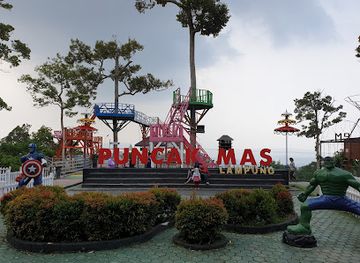
Puncak Mas
Discover the breathtaking views and natural beauty of Puncak Mas, a must-visit park in Bandar Lampung for nature lovers and families alike.
-
Recreation center
Lampung Walk
Experience the lively charm of Lampung Walk, a recreational center in Bandar Lampung, where sports, food, and fun come together in perfect harmony.
-
Park
Lungsir (Taman Kota)
Discover Lungsir (Taman Kota), a tranquil urban park in Bandar Lampung, perfect for relaxation, recreation, and experiencing local culture amidst lush greenery.
-
Monument
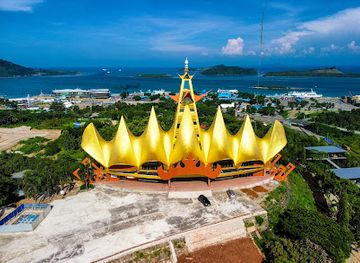
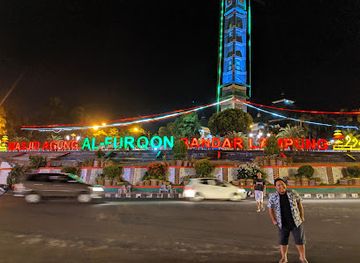
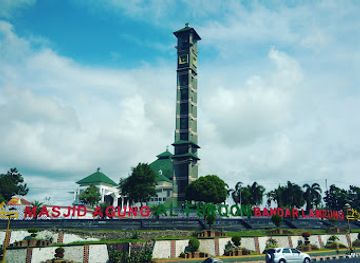
Menara Siger
Discover the breathtaking views and cultural significance of Menara Siger, a majestic monument in Lampung, Indonesia, perfect for every traveler.


Best landmarks in Lampung
The Siger Tower on the southern approach to Bandar Lampung is one of the province’s most recognisable modern symbols, its form drawing on the siger head ornament associated with Lampung culture and its position overlooking the Sunda Strait. The Pugung Raharjo archaeological complex in East Lampung is a more ancient landmark, where earthworks, stone features and ritual remains mark a long-settled cultural landscape. The Krakatau island group, offshore in the Sunda Strait, represents one of the world’s most consequential volcanic landscapes; access is weather-dependent and the islands are associated with active volcanic hazards, so visits must follow official and local guidance. Mount Rajabasa provides a prominent volcanic backdrop to South Lampung and the Kalianda area, while the forested ranges of Bukit Barisan Selatan form a major natural landmark in the west. Tanjung Setia’s open shoreline is significant less for built architecture than for its expansive Indian Ocean setting and surf. Together these places express Lampung’s defining relationship with volcanoes, sea routes, customary culture, archaeology and protected landscapes.
-
Tourist attraction
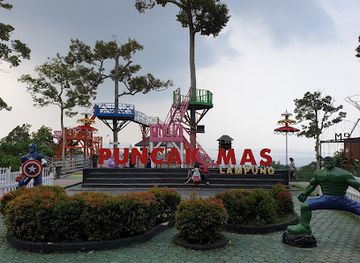
Puncak Mas
Discover Puncak Mas in Bandar Lampung: an enchanting park offering panoramic views, thrilling activities, and serene nature for an unforgettable experience.
-
Recreation center
Lampung Walk
Discover the vibrant blend of sports, leisure, and local culture at Lampung Walk, the ultimate recreation center in Bandar Lampung.
-
Park
Lungsir (Taman Kota)
Explore Lungsir (Taman Kota) in Bandar Lampung, a tranquil park ideal for relaxation, picnics, and enjoying nature's beauty.
-
Monument
Adipura Monument
Discover the Adipura Monument, a stunning symbol of Bandar Lampung's commitment to sustainability and a must-visit cultural landmark.
Explore Lampung on the map
Plan your trip on one map. See where the top cities, national parks and sights are, and book hotels and experiences in a few clicks.
Best hotels in Lampung
Best restaurants in Lampung
Dining in Lampung reflects both its own culinary traditions and the wider movement of people through southern Sumatra. Seruit, generally based on fish served with chilli, fermented or fresh accompaniments and vegetables, is a notable local food tradition often associated with communal eating. Seafood is prominent in coastal towns, while Bandar Lampung offers restaurants and food stalls serving grilled fish, spicy sambal, rice dishes, noodles and food from Javanese, Sumatran and other Indonesian communities. Local agricultural products include coffee, pepper, cassava, bananas and rice, and these appear in drinks, snacks and market produce. Small warungs are useful for inexpensive regional meals, whereas city restaurants provide broader Indonesian menus and more predictable facilities for international visitors. In rural areas, dining choices may be limited outside market centres, so carrying water and simple snacks is sensible on long excursions. Meals are commonly eaten with rice, and spice levels can vary; ask before ordering if a milder preparation is preferred.
-
Hawker stall
Elephant Park Of Lampung
Experience the magic of nature at Elephant Park of Lampung – where adventure meets conservation in Indonesia.
-
Indonesian
Nasi Bakar LG - Pahoman
Discover authentic Indonesian flavors at Nasi Bakar LG - Pahoman, a seafood lover's paradise in Bandar Lampung.
-
Sundanese restaurant
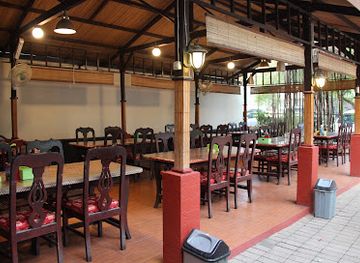
Kampoeng Bamboe Restoran
Discover authentic Sundanese cuisine at Kampoeng Bamboe Restoran in Bandar Lampung – a delightful dining experience surrounded by traditional charm.
-
Restaurant
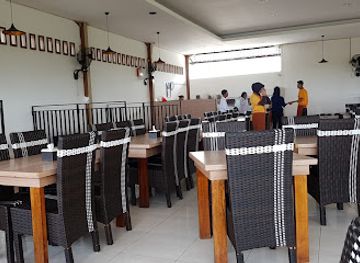
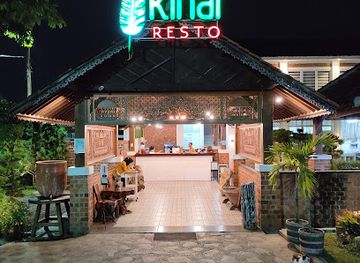
Kinar Resto
Experience authentic Indonesian cuisine at Kinar Resto in Bandar Lampung – a perfect blend of tradition and taste.
Best bars in Lampung
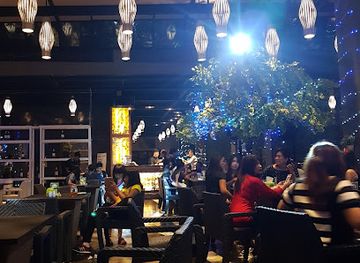
Lampung’s evening culture is centred more on cafés, restaurants, family food streets, hotel lounges and traditional or contemporary music than on a large nightclub circuit. Bandar Lampung has the province’s broadest selection of late-opening cafés, karaoke venues and bars, with activity concentrated around commercial districts and hotels rather than a single famous nightlife quarter. In smaller towns and coastal communities, evenings usually revolve around seafood restaurants, coffee stalls, guesthouse social areas and local gathering places. Alcohol is available in some licensed establishments, but it is not central to the region’s social life, and availability is more limited outside the capital and tourist-oriented venues. Around surfing and island destinations, nightlife is generally relaxed and seasonal, with visitors returning early after boat trips or beach activities. Confirm current venue arrangements locally, particularly during religious holidays and in conservative communities, and choose licensed premises with clear pricing.
-
Bar
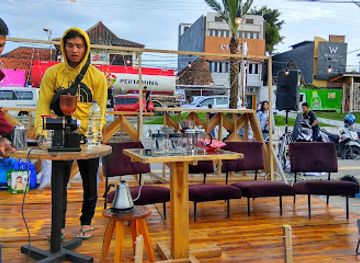
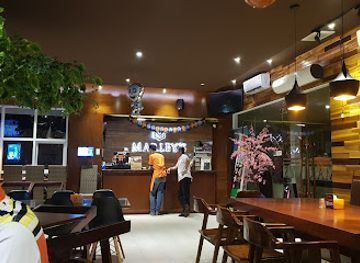
Marley's Cafe Coffee And Resto
Discover Marley's Cafe Coffee And Resto in Bandar Lampung – a perfect blend of coffee, cuisine, and live music awaits you.
-
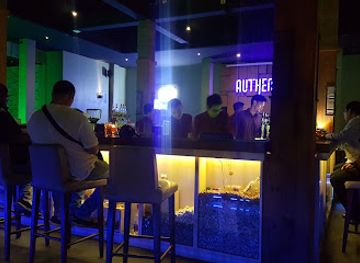
Bar
Nudi Eat Drink Leisure
Explore the vibrant culinary scene at Nudi Eat Drink Leisure, a premier bar and café in Bandar Lampung offering delicious food and refreshing drinks.
-
Karaoke bar
Grand Karaoke
Experience the vibrant nightlife of Bandar Lampung at Grand Karaoke, where singing and fun go hand in hand in a stylish setting.
-
Karaoke bar
Nav Karaoke Lampung
Experience the vibrant nightlife of Bandar Lampung at Nav Karaoke, where singing and fun come together in a lively atmosphere.
Best nightclubs in Lampung
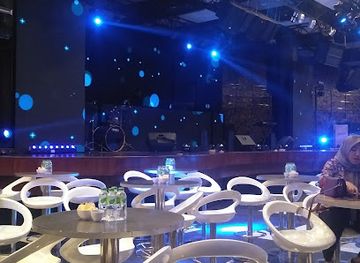
Lampung’s evening culture is centred more on cafés, restaurants, family food streets, hotel lounges and traditional or contemporary music than on a large nightclub circuit. Bandar Lampung has the province’s broadest selection of late-opening cafés, karaoke venues and bars, with activity concentrated around commercial districts and hotels rather than a single famous nightlife quarter. In smaller towns and coastal communities, evenings usually revolve around seafood restaurants, coffee stalls, guesthouse social areas and local gathering places. Alcohol is available in some licensed establishments, but it is not central to the region’s social life, and availability is more limited outside the capital and tourist-oriented venues. Around surfing and island destinations, nightlife is generally relaxed and seasonal, with visitors returning early after boat trips or beach activities. Confirm current venue arrangements locally, particularly during religious holidays and in conservative communities, and choose licensed premises with clear pricing.
-
Disco club
Center Stage
Experience the vibrant nightlife at Center Stage, Bandar Lampung's top disco club, where music, dance, and fun unite in perfect harmony.
-
Karaoke bar
NYX CLUB LAMPUNG
Experience the vibrant nightlife of Bandar Lampung at NYX Club, the ultimate karaoke destination for tourists and locals alike.
-
Karaoke bar
De Sky Resto And Lounge
Experience the vibrant nightlife of Bandar Lampung at De Sky Resto And Lounge, where delicious dining meets lively karaoke entertainment.
-
Rock music club
Jasmine And Rose
Discover the heart of Bandar Lampung's music scene at Jasmine And Rose, where electrifying rock performances await in an unforgettable atmosphere.

Best shops in Lampung
Bandar Lampung is the province’s principal shopping centre, with modern retail complexes, department stores, markets and independent shops supplying clothing, food and everyday goods. For a more regional purchase, look for tapis textiles, whose intricate motifs and labour-intensive weaving make them more meaningful than generic souvenirs; quality, materials and production methods vary, so buy from reputable craft sellers or cooperatives. Lampung’s food products are also practical gifts, including coffee, pepper, banana-based snacks, cassava preparations and packaged sambal. Traditional markets in Bandar Lampung and larger towns are useful for observing everyday commerce, although bargaining should remain polite and proportionate. Near coastal and island destinations, small stalls may sell shell-themed objects and beachwear, but visitors should avoid products made from protected wildlife, coral or questionable marine materials. Shopping becomes more limited in rural park areas, so purchase essentials and cash before leaving the main urban centres.
-
Shopping mall
Mall Boemi Kedaton
Discover a vibrant shopping experience at Mall Boemi Kedaton, Bandar Lampung's premier destination for shopping, dining, and entertainment.
-
Souvenir store
Keripik Pisang Lampung dan Pusat Oleh-Oleh Asli Lampung Hai-Toms
Discover authentic Keripik Pisang and local delights at Hai-Toms, the premier souvenir store in Bandar Lampung.
-
 Shopping mall
Mall Kartini
Discover the vibrant shopping experience at Mall Kartini, featuring diverse shops and dining options in the heart of Bandar Lampung.
-
Shopping mall
Simpur Center
Explore the vibrant shopping scene at Simpur Center in Bandar Lampung, where fashion, food, and fun come together in a modern retail experience.
Get your free copy of our complete guide to Lampung, delivered straight to you.
Everything on this page, from attractions and restaurants to essentials and local phrases, in one PDF you can read offline, print or share.
Already have an account? Sign in
Your Lampung guide is ready.
We'll send it to · Not you? Sign out

Getting your guide ready…
We are putting together a fresh copy of the Lampung guide. This can take up to a minute.
This can take a few moments. If your browser asks, choose Allow so the download can start. You'll find the guide in your Downloads folder.
Nothing happened? Download it again
Sorry, the guide is taking longer than usual. Please try again in a minute, or get it by email instead.
Lampung essentials
Currency and Payment
Safety
Emergency Situations
Do's and Don'ts
Local Tips
From Eve
Local phrases worth knowing
You don't need to get them perfect. A few words go a long way, and locals appreciate the effort.
Basics
| English | Local | Say it |
|---|---|---|
| Hello | Halo | [ha-lo] |
| Goodbye | Selamat tinggal | [se-la-mat ting-gal] |
| Yes | Iya | [ee-ya] |
| No | Tidak | [tee-dak] |
| Please/You're welcome | Silakan | [si-la-kan] |
| Thank you | Terima kasih | [te-ri-ma ka-si] |
| Excuse me/Sorry | Maaf | [ma-af] |
| How are you? | Apa kabar? | [a-pa ka-bar] |
| Fine. And you? | Baik. Dan kamu? | [ba-ik. dan ka-mu] |
| Do you speak English? | Apakah kamu bisa Berbahasa Inggris? | [a-pa-kah ka-mu bi-sa ber-ba-ha-sa in-gris] |
| I don't understand | Saya tidak mengerti | [sa-ya tee-dak me-ngerti] |
Eating & Drinking
| English | Local | Say it |
|---|---|---|
| I'd like to see the menu, please | Saya ingin melihat menu, silakan | [sa-ya in-gin me-li-hat me-nu, si-la-kan] |
| I don't eat meat | Saya tidak makan daging | [sa-ya tee-dak ma-kan da-ging] |
| Cheers! | Selamat minum! | [se-la-mat mi-num] |
| I would like to pay, please | Saya ingin membayar, silakan | [sa-ya in-gin mem-ba-yar, si-la-kan] |
Emergencies
| English | Local | Say it |
|---|---|---|
| Help! | Tolong! | [to-long] |
| Go away! | Pergi dari sini! | [per-gi da-ri si-ni] |
| Call the Police! | Panggil Polisi! | [pang-gil po-li-si] |
| Call a doctor! | Panggil dokter! | [pang-gil dok-ter] |
| I'm lost | Saya tersesat | [sa-ya ter-se-sat] |
| I'm ill | Saya sakit | [sa-ya sa-kit] |
Shopping
| English | Local | Say it |
|---|---|---|
| I'd like to buy... | Saya ingin membeli... | [sa-ya in-gin mem-be-li] |
| I'm just looking | Saya hanya melihat | [sa-ya han-ya me-li-hat] |
| How much is it? | Berapa harganya? | [be-ra-pa har-ga-nya] |
| That's too expensive | Itu terlalu mahal | [i-tu ter-la-lu ma-hal] |
| Can you lower the price? | Bisakah anda menurunkan harga? | [bi-sa-kah an-da me-nu-run-kan har-ga] |
Time & Numbers
| English | Local | Say it |
|---|---|---|
| What time is it? | Jam berapa? | [jam be-ra-pa] |
| It's one o'clock | Jam satu | [jam sa-tu] |
| Half past (10) | Setengah (10) | [se-ten-gah] |
| Morning | Pagi | [pa-gi] |
| Afternoon | Siang | [si-ang] |
| Evening | Sore | [so-re] |
| Yesterday | Kemarin | [ke-ma-rin] |
| Today | Hari ini | [ha-ri i-ni] |
| Tomorrow | Besok | [be-sok] |
| 1 | Satu | [sa-tu] |
| 2 | Dua | [du-a] |
| 3 | Tiga | [ti-ga] |
| 4 | Empat | [em-pat] |
| 5 | Lima | [li-ma] |
| 6 | Enam | [e-nam] |
| 7 | Tujuh | [tu-juh] |
| 8 | Delapan | [de-la-pan] |
| 9 | Sembilan | [sem-bi-lan] |
| 10 | Sepuluh | [se-pu-luh] |
Transport & Directions
| English | Local | Say it |
|---|---|---|
| Where's a/the...? | Di mana ...? | [di ma-na] |
| What's the address? | Apa alamatnya? | [a-pa a-la-mat-nya] |
| Can you show me (on the map)? | Bisakah kamu menunjukkan (di peta)? | [bi-sa-kah ka-mu me-nun-juk-kan di pe-ta] |
| When's the next (bus)? | Kapan bus berikutnya? | [ka-pan bus be-ri-kut-nya] |
| A ticket (to ....) | Sebuah tiket (ke ...) | [se-buah ti-ket ke] |
History of Lampung
Early Settlements and the Pugung Raharjo Complex
The Pugung Raharjo archaeological site in East Lampung preserves an important landscape of prehistoric and later Hindu-Buddhist remains, including stone structures, earthworks and carved features. Its exact development unfolded over different periods, but the site demonstrates that the province was connected to settled communities and wider cultural networks long before modern Lampung emerged. The surrounding lowlands were not an empty frontier: waterways, fertile soils and routes towards the coast supported agriculture, exchange and ritual activity.
Maritime Networks and the Influence of Sriwijaya
Southern Sumatra was linked to the maritime world of the Srivijaya or Sriwijaya sphere, whose influence extended across the Straits of Malacca and surrounding waters from roughly the seventh century onwards. Lampung’s position near the Sunda Strait gave it access to routes connecting Sumatra, Java and the wider Indonesian archipelago. Evidence for direct political control varies by place and period, but the province’s archaeological and cultural record reflects long participation in Buddhist, Hindu and trading networks.
Lampung Communities and Banten Connections
Before Dutch colonial consolidation, Lampung was organised through local communities and customary authorities rather than a single centralised state. Its pepper-growing regions attracted merchants and political interest from Java, especially the Sultanate of Banten, which developed strong connections with the southern Sumatran coast from the sixteenth century. Lampung society retained distinct Saibatin and Pepadun traditions, while trade, marriage, religious change and migration linked communities across the Sunda Strait.
Dutch Colonial Rule and the Pepper Economy
The Dutch expanded administrative and economic control over Lampung during the nineteenth century, building on the province’s importance as a source of pepper and other agricultural products. Colonial roads, plantations and government settlements altered older patterns of land use and trade. The region’s position opposite Java also made it strategically important for movement through the Sunda Strait. Colonial rule did not erase local customary structures, but it imposed new boundaries, taxation systems and commercial priorities on Lampung communities.
The 1883 Krakatoa Eruption
The catastrophic eruption of Krakatoa in August 1883 transformed the Sunda Strait and remains one of the defining events in Lampung’s modern history. The eruption and associated tsunamis devastated coastal settlements on both the Sumatran and Javanese shores, causing very large loss of life and sending ash around the world. The Krakatau island group lies in the strait near Lampung’s southern coast, and the event continues to shape regional geology, hazard awareness and scientific interest. Anak Krakatau later emerged within the caldera.
Transmigration and Post-Independence Change
After Indonesian independence, Lampung became one of the principal destinations for government-sponsored transmigration from densely populated parts of Java and Bali, alongside earlier voluntary migration. New settlements expanded agriculture and contributed to the province’s demographic and economic diversity, while also creating pressure on forests and customary land. Rice, cassava, coffee, pepper and other commodities became central to the modern economy. These movements help explain why contemporary Lampung contains overlapping regional identities rather than a single uniform cultural landscape.
Conservation and the Modern Province
The twentieth and twenty-first centuries brought a growing emphasis on conserving Lampung’s forests, wetlands, wildlife and marine environments. Way Kambas became associated with the protection of Sumatran elephants and other threatened species, while Bukit Barisan Selatan safeguards important rainforest and coastal habitats. At the same time, Bandar Lampung expanded as a provincial capital and transport centre, and coastal tourism developed around islands, beaches and surfing areas. Conservation, agriculture, transport and tourism now remain closely connected in the province’s future.
Lampung in Photos
Browse through our photo collection highlighting the charm and character of the destination.
Neighbouring regions of Lampung
The closest regions to Lampung, if you have time for more than one.
-

-

-

-

-


Swipe for more regions
Explore more

Explore more of Indonesia
Explore Indonesia: An archipelago of diverse cultures, stunning landscapes, and endless adventures from bustling cities to serene beaches.
Explore Indonesia