

Free Bengkulu Travel Guide & Mobile App
Explore Bengkulu with free travel guides. Discover regional history, expert tips, proposed trips, and audio guides on web or mobile app.


Explore Bengkulu’s colonial fort, Indian Ocean beaches, volcanic highlands, Rafflesia habitat and distinctive Sumatran food culture.
Read more about Bengkulu
When is the best time to visit Bengkulu?
Best: June–August · 30°C| Month | High (°C) | Rainfall (mm) |
|---|---|---|
| January | 30 | 400 |
| February | 30 | 350 |
| March | 30 | 300 |
| April | 30 | 250 |
| May | 30 | 200 |
| June (best) | 30 | 200 |
| July (best) | 30 | 200 |
| August (best) | 30 | 200 |
| September | 30 | 250 |
| October | 30 | 300 |
| November | 30 | 350 |
| December | 30 | 400 |
Getting to and around Bengkulu
How to get there
Transportation
Best attractions in Bengkulu
Bengkulu’s attractions range from colonial history in the capital to volcanic uplands and rainforest beyond it. Fort Marlborough provides the clearest introduction to the province’s British trading past, while the Sukarno exile house connects local history with Indonesia’s nationalist movement. The coastal edge includes Pantai Panjang, Tapak Paderi and other open beaches suited to walking, sunset views and informal recreation, though swimming conditions require care. Inland, Curup and the surrounding Rejang Lebong highlands offer cooler air, agricultural scenery and access towards Bukit Kaba’s volcanic landscape. Forest areas associated with Kerinci Seblat National Park support trekking and wildlife observation, but responsible guiding is essential. Rafflesia sites are a major botanical draw, with flowering dependent on season and precise local conditions. Traditional markets, district towns, waterfalls and plantation roads provide a more everyday view of the province, while Enggano Island offers a remote island experience for travellers prepared to organise transport and supplies in advance.
-
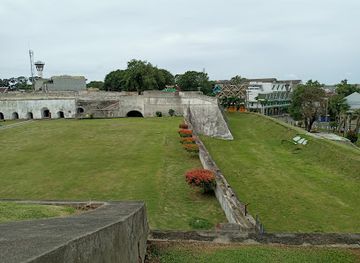
Fortress
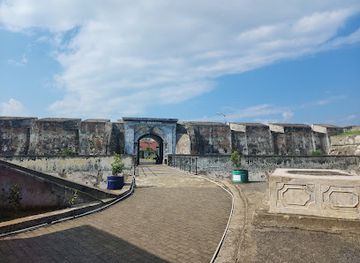
Fort Marlborough
Discover Fort Marlborough, a magnificent fortress in Bengkulu, Indonesia, rich in history and surrounded by serene parkland, perfect for exploration and relaxation.
-
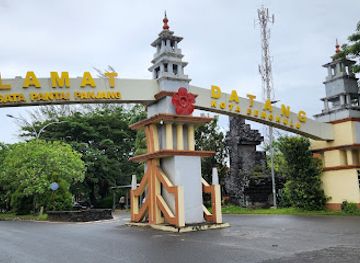
Beach
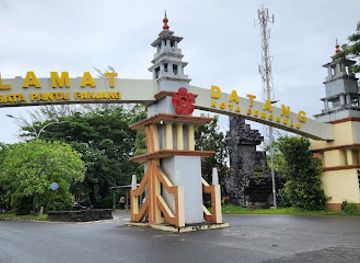
Pantai Panjang Bengkulu
Discover the tranquil beauty of Pantai Panjang Bengkulu, the longest beach in Indonesia, perfect for relaxation and unforgettable sunsets.
-
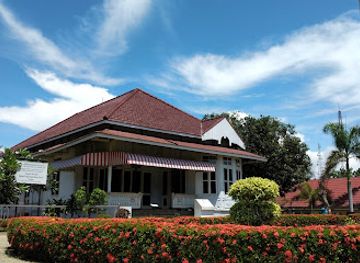
Historical landmark
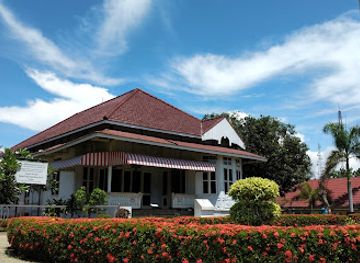
Soekarno's exile house in Bengkulu
Visit Soekarno's exile house in Bengkulu, a historical landmark and museum that unveils the life and legacy of Indonesia's first president.
-
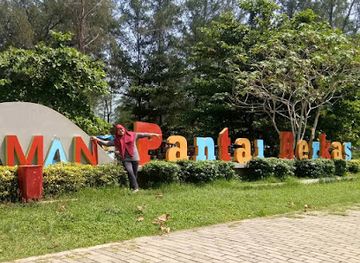
Park
Pantai Berkas Park
Explore the scenic beauty and vibrant culture of Pantai Berkas Park, a must-visit destination for tourists in Bengkulu City.
Best landmarks in Bengkulu
Fort Marlborough is Bengkulu’s defining built landmark, a large early eighteenth-century coastal fortress whose surviving walls, gateways and defensive layout express the strategic importance of the former British settlement. The former Sukarno residence is less monumental but carries exceptional national significance: it commemorates the nationalist leader’s exile in Bengkulu and the personal connections formed there. In the surrounding historic area, the Thomas Parr Monument recalls the controversial British administration and the death of Thomas Parr, whose grave monument became part of the colonial cityscape. Bengkulu’s natural landmarks are equally prominent. Pantai Panjang forms a long, open Indian Ocean frontage beside the capital, while Bukit Kaba gives the inland landscape a volcanic focus near Curup. In forest districts, Rafflesia habitats and the protected landscapes connected with Kerinci Seblat represent a living natural heritage rather than a single architectural site.
-
Fortress
Fort Marlborough
Explore Fort Marlborough, a historic fortress in Bengkulu, Indonesia, where British heritage meets breathtaking views and serene park spaces.
-
Hotel
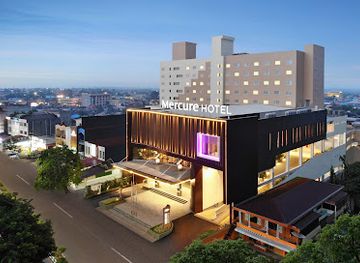
Mercure Bengkulu
Experience the perfect blend of modern comfort and local charm at Mercure Bengkulu, your ideal base for exploring the beauty of Bengkulu City.
-
Beach
Pantai Panjang Bengkulu
Explore the pristine shores of Pantai Panjang Bengkulu, Indonesia's longest beach, where stunning sunsets and vibrant local culture await.
-
Historical landmark
Soekarno's exile house in Bengkulu
Discover the historical significance of Soekarno's exile house in Bengkulu, an essential stop for understanding Indonesia's journey to independence.
Explore Bengkulu on the map
Plan your trip on one map. See where the top cities, national parks and sights are, and book hotels and experiences in a few clicks.
Best hotels in Bengkulu
Best restaurants in Bengkulu
Bengkulu’s food culture is rooted in fish, rice, coconut, chilli, aromatic leaves and the produce of both coast and highlands. Pendap is the province’s signature dish: seasoned fish is wrapped in leaves and cooked slowly until the flavours deepen, and it is commonly sought in traditional eateries and markets. Bagar hiu, a strongly spiced shark preparation, belongs to the coastal culinary repertoire, although availability and sustainable sourcing vary. Visitors may also encounter tempoyak, fermented durian used in savoury dishes, as well as regional versions of gulai, grilled fish and vegetable preparations. Bengkulu city has the broadest choice of warungs, cafés and family restaurants, while Curup and other upland towns offer produce-driven cooking and Sumatran coffee. Small roadside stalls are useful for breakfast, snacks and local sweets; menus may be limited, so explain allergies clearly and expect rice-based meals to dominate.
-
Seafood
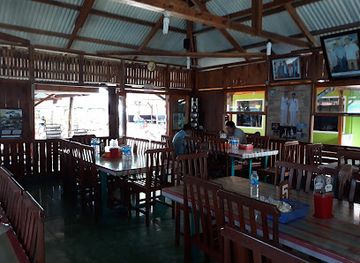
RM Marola
Discover the culinary delight of RM Marola in Bengkulu – where fresh seafood meets local flavors in a breathtaking seaside setting.
-
Seafood
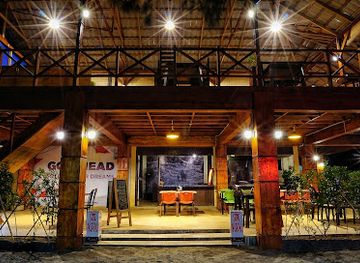
Aloha Resto
Discover Aloha Resto: Where Fresh Seafood Meets Stunning Coastal Views in Bengkulu City.
-
Diner
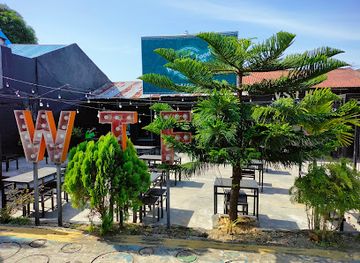
Well The Food ( WTF Cafe )
Experience culinary creativity at Well The Food in Bengkulu - where delightful dishes meet inspiring art.
-
Restaurant
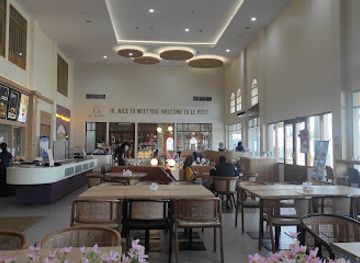
Lavenrice
Experience the best of Indonesian and international cuisine at Lavenrice in Bengkulu City.
Best bars in Bengkulu
Bengkulu has a restrained nightlife scene rather than a concentrated club district. In the provincial capital, evenings centre on cafés, casual restaurants, hotel lounges and food stalls, with some venues offering coffee, live music or views towards the coast. Traditional coffee shops and late-opening eateries are often more characteristic than cocktail bars or large nightclubs. Pantai Panjang and nearby central areas can become busier after sunset, particularly at weekends, but activity remains dependent on weather and local schedules. In Curup and smaller district towns, nightlife is chiefly social and dining-focused, with coffee houses, family restaurants and informal gatherings replacing a formal late-night circuit. Alcohol may be limited or unavailable in many establishments, and visitors should follow local rules and the atmosphere of each neighbourhood rather than assuming that drinking is central to the evening.
-
Karaoke bar
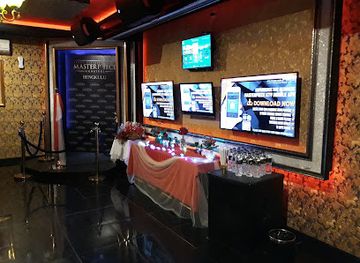
Masterpiece Bengkulu Family Karaoke
Discover the joy of singing and dining at Masterpiece Bengkulu Family Karaoke, a top spot for entertainment and delicious food in Bengkulu.
-
Seafood
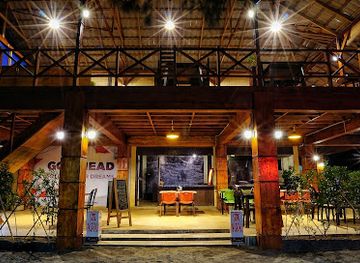
Aloha Resto
Discover Aloha Resto in Bengkulu, where fresh seafood meets stunning coastal views, offering a memorable dining experience for every visitor.
-
Diner
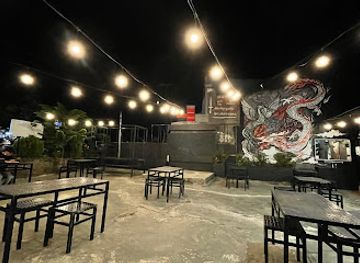
Well The Food ( WTF Cafe )
Experience the perfect fusion of art and food at Well The Food Cafe in Bengkulu City, where every meal is a work of culinary art.
-
Karaoke bar
Ayu Ting-Ting Family KTV
Experience the joy of singing at Ayu Ting-Ting Family KTV, the top karaoke bar in Bengkulu City, where family and fun come together.

Best nightclubs in Bengkulu
Bengkulu has a restrained nightlife scene rather than a concentrated club district. In the provincial capital, evenings centre on cafés, casual restaurants, hotel lounges and food stalls, with some venues offering coffee, live music or views towards the coast. Traditional coffee shops and late-opening eateries are often more characteristic than cocktail bars or large nightclubs. Pantai Panjang and nearby central areas can become busier after sunset, particularly at weekends, but activity remains dependent on weather and local schedules. In Curup and smaller district towns, nightlife is chiefly social and dining-focused, with coffee houses, family restaurants and informal gatherings replacing a formal late-night circuit. Alcohol may be limited or unavailable in many establishments, and visitors should follow local rules and the atmosphere of each neighbourhood rather than assuming that drinking is central to the evening.
-
Karaoke bar
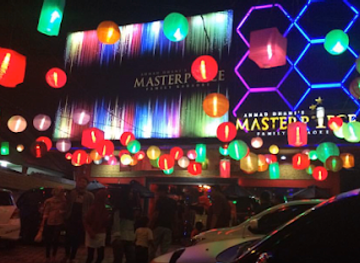
Masterpiece Bengkulu Family Karaoke
Experience the ultimate karaoke fun at Masterpiece Bengkulu, where great food meets unforgettable entertainment in a family-friendly atmosphere.
-
Karaoke bar
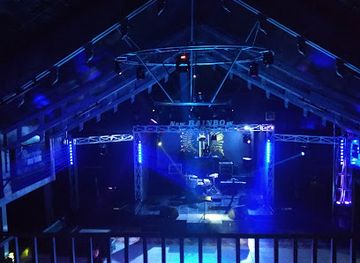
New Rainbow Club & Karaoke
Discover the vibrant nightlife at New Rainbow Club & Karaoke, Bengkulu’s premier destination for singing and socializing with friends.
-
Karaoke bar
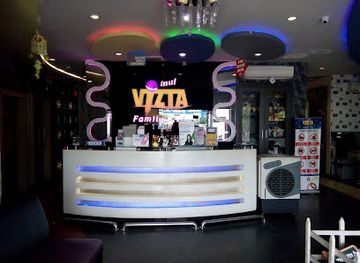
Inul Vizta
Experience the joy of singing at Inul Vizta, a lively karaoke bar in Bengkulu offering private rooms and a vast song selection.
-
Karaoke bar
Aleksis'X Karaoke
Experience the joy of singing at Aleksis'X Karaoke in Bengkulu, where unforgettable nights and lively entertainment await every visitor.

Best shops in Bengkulu
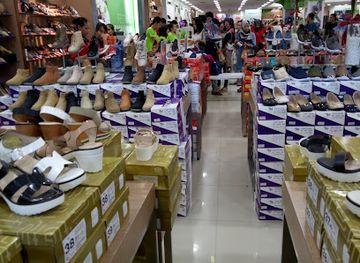
Shopping in Bengkulu is centred on everyday markets, modest urban retail streets, supermarkets and independent food shops rather than large-scale luxury retail. Traditional markets in Bengkulu city and district towns are the best places to see local produce, spices, dried fish, snacks and seasonal fruit, while small food retailers sell packaged versions of regional specialities such as pendap ingredients, chilli preparations and coffee from upland areas. Visitors may find woven goods, simple handicrafts and locally made textiles, though selection varies between towns and should not be assumed to be available year-round. Curup and other highland settlements are useful for agricultural produce, coffee and roadside supplies; the capital offers the broadest choice of clothing, household goods and practical travel items. Bargaining may be appropriate in informal markets when no price is displayed, but a friendly, moderate approach is preferable.
-
Shopping mall
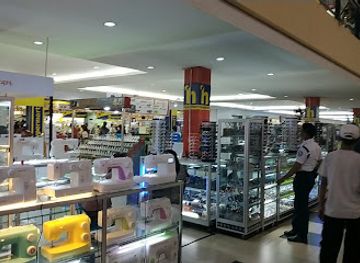
Bencoolen Mall
Explore Bencoolen Mall: Bengkulu's top shopping destination with a blend of local and international flavors, perfect for every traveler.
-
Shopping mall
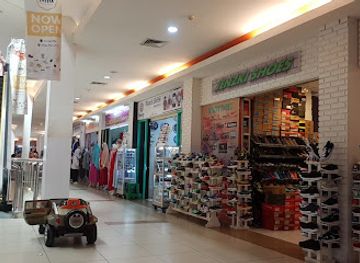
Mega Mall Bengkulu
Explore Mega Mall Bengkulu, a vibrant shopping center offering a mix of local and international brands, delicious dining options, and exciting entertainment.
-
Department store
Matahari Department Store Bencoolen Mall
Explore a diverse selection of fashion and home goods at Matahari Department Store in Bencoolen Mall, a premier shopping destination in Bengkulu.
-
Cosmetics store
Toko New Khatulistiwa
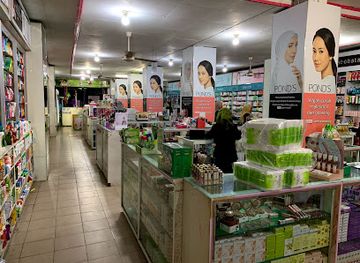
Explore Toko New Khatulistiwa in Bengkulu for a unique blend of cosmetics, beauty supplies, and local grocery treasures.
Get your free copy of our complete guide to Bengkulu, delivered straight to you.
Everything on this page, from attractions and restaurants to essentials and local phrases, in one PDF you can read offline, print or share.
Already have an account? Sign in
Your Bengkulu guide is ready.
We'll send it to · Not you? Sign out

Getting your guide ready…
We are putting together a fresh copy of the Bengkulu guide. This can take up to a minute.
This can take a few moments. If your browser asks, choose Allow so the download can start. You'll find the guide in your Downloads folder.
Nothing happened? Download it again
Sorry, the guide is taking longer than usual. Please try again in a minute, or get it by email instead.
Bengkulu essentials
Currency and Payment
Safety
Emergency Situations
Do's and Don'ts
Local Tips
From Eve
Local phrases worth knowing
You don't need to get them perfect. A few words go a long way, and locals appreciate the effort.
Basics
| English | Local | Say it |
|---|---|---|
| Hello | Halo | [ha-lo] |
| Goodbye | Selamat tinggal | [se-la-mat tin-gal] |
| Yes | Iya | [ee-ya] |
| No | Tidak | [ti-dak] |
| Please/You're welcome | Silakan/ Sama-sama | [si-la-kan/ sa-ma sa-ma] |
| Thank you | Terima kasih | [te-ri-ma ka-sih] |
| Excuse me/Sorry | Permisi/ Maaf | [per-mi-si/ ma-af] |
| How are you? | Apa kabar? | [a-pa ka-bar] |
| Fine. And you? | Baik. Dan kamu? | [ba-ik. dan ka-mu] |
| Do you speak English? | Apakah kamu bisa berbahasa Inggris? | [a-pa-kah ka-mu bi-sa ber-ba-ha-sa ing-gris] |
| I don't understand | Saya tidak mengerti | [sa-ya ti-dak men-ger-ti] |
Eating & Drinking
| English | Local | Say it |
|---|---|---|
| I'd like to see the menu, please | Saya ingin melihat menu, silakan | [sa-ya in-gin me-li-hat me-nu, si-la-kan] |
| I don't eat meat | Saya tidak makan daging | [sa-ya ti-dak ma-kan da-ging] |
| Cheers! | Santai! | [san-tai] |
| I would like to pay, please | Saya ingin membayar, silakan | [sa-ya in-gin mem-ba-yar, si-la-kan] |
Emergencies
| English | Local | Say it |
|---|---|---|
| Help! | Tolong! | [to-long] |
| Go away! | Pergi sana! | [per-gi sa-na] |
| Call the Police! | Panggil polisi! | [pang-gil po-li-si] |
| Call a doctor! | Panggil dokter! | [pang-gil dok-ter] |
| I'm lost | Saya tersesat | [sa-ya ter-se-sat] |
| I'm ill | Saya sakit | [sa-ya sa-kit] |
Shopping
| English | Local | Say it |
|---|---|---|
| I'd like to buy... | Saya ingin membeli... | [sa-ya in-gin mem-be-li] |
| I'm just looking | Saya hanya melihat | [sa-ya han-ya me-li-hat] |
| How much is it? | Berapa harganya? | [be-ra-pa har-ga-nya] |
| That's too expensive | Itu terlalu mahal | [i-tu ter-la-lu ma-hal] |
| Can you lower the price? | Bisakah kamu menurunkan harga? | [bi-sa-kah ka-mu me-nu-run-kan har-ga] |
Time & Numbers
| English | Local | Say it |
|---|---|---|
| What time is it? | Jam berapa sekarang? | [jam be-ra-pa se-ka-rang] |
| It's one o'clock | Jam satu | [jam sa-tu] |
| Half past (10) | Setengah (10) | [se-ten-gah] |
| Morning | Pagi | [pa-gi] |
| Afternoon | Siang | [si-ang] |
| Evening | Sore | [so-re] |
| Yesterday | Kemarin | [ke-ma-rin] |
| Today | Hari ini | [ha-ri i-ni] |
| Tomorrow | Besok | [be-sok] |
| 1 | Satu | [sa-tu] |
| 2 | Dua | [du-a] |
| 3 | Tiga | [ti-ga] |
| 4 | Empat | [em-pat] |
| 5 | Lima | [li-ma] |
| 6 | Enam | [e-nam] |
| 7 | Tujuh | [tu-juh] |
| 8 | Delapan | [de-la-pan] |
| 9 | Sembilan | [sem-bi-lan] |
| 10 | Sepuluh | [se-pu-luh] |
Transport & Directions
| English | Local | Say it |
|---|---|---|
| Where's a/the...? | Di mana ...? | [di ma-na] |
| What's the address? | Apa alamatnya? | [a-pa a-la-mat-nya] |
| Can you show me (on the map)? | Bisakah kamu tunjukkan (di peta)? | [bi-sa-kah ka-mu tun-juk-kan di pe-ta] |
| When's the next (bus)? | Kapan bus berikutnya? | [ka-pan bus be-ri-kut-nya] |
| A ticket (to ....) | Tiket (ke ...) | [ti-ket ke] |
History of Bengkulu
Early coastal communities and pepper trade
Long before European rule, the Bengkulu coast and its inland valleys were connected to regional trading networks across western Sumatra. Pepper became especially important because the plant thrived in the humid foothills and the spice was highly valued in international commerce. Local polities, coastal traders and communities from the interior participated in exchanges involving forest products, food, textiles and maritime goods. The province’s later colonial history cannot be separated from this commercial geography: European powers were drawn to Bengkulu chiefly because its coast provided access to pepper-producing areas and a strategic position on the Indian Ocean.
British Bencoolen and the East India Company
The English East India Company established a permanent settlement at Bengkulu, then commonly called Bencoolen, in the late seventeenth century. The settlement was intended to secure pepper supplies and provide a foothold on Sumatra’s western coast, though disease, difficult communications and competition affected its fortunes. British influence was concentrated around the coastal settlement and its trading interests rather than extending evenly across the interior. This period left an enduring architectural legacy, most visibly Fort Marlborough, and explains why Bengkulu forms an unusual British colonial chapter within the history of Indonesia.
Fort Marlborough and the colonial port
Fort Marlborough was constructed by the British in the early eighteenth century after the earlier Fort York site proved unsuitable. The large coastal fort served as a defensive base, administrative centre and symbol of the East India Company’s authority. Its position reflected Bengkulu’s role as a port linked to pepper-producing hinterlands, while its surviving walls reveal the military and commercial priorities of the period. Although the settlement remained vulnerable to disease and economic difficulties, the fort helped establish the physical and political framework around which modern Bengkulu city developed.
Raffles and the transition to Dutch rule
Thomas Stamford Raffles served as British lieutenant-governor of Bencoolen from 1818 to 1824. His tenure belongs to a wider period of British and Dutch rivalry over commercial and strategic influence in the Indonesian archipelago. Under the Anglo-Dutch Treaty of 1824, Britain exchanged its possessions on Sumatra, including Bengkulu, for Dutch control of Melaka. The transfer marked a decisive change in the province’s colonial administration. Dutch authority subsequently incorporated Bengkulu more firmly into the Netherlands East Indies, while British-built sites remained part of the local landscape.
Sukarno’s exile in Bengkulu
In 1938, the Dutch colonial government exiled the nationalist leader Sukarno to Bengkulu after earlier imprisonments and restrictions elsewhere in the archipelago. He lived there until the Japanese occupation in 1942 and became involved in local educational and community life. The house associated with his residence is now an important historical site in the provincial capital. Bengkulu also became significant in Sukarno’s personal history through his marriage to Fatmawati, a local woman who later helped sew the red-and-white flag used at Indonesia’s 1945 Proclamation of Independence.
Japanese occupation and the independence era
Japanese forces occupied Bengkulu during the Second World War, ending Dutch colonial administration and imposing a new military regime. The occupation brought shortages, coercive labour policies and wartime disruption, as it did across the Indonesian archipelago. After Japan’s surrender, nationalist movements and the new Indonesian Republic confronted the return of Dutch authority during the wider Indonesian National Revolution. Bengkulu’s earlier nationalist associations, including Sukarno’s residence and Fatmawati’s connection to the independence story, gave the province a lasting place in the country’s political memory.
Provincial development and conservation
Bengkulu became a province of the Republic of Indonesia in the late 1960s, consolidating an administrative identity that brought its coastal capital, plantation districts and upland communities within one provincial framework. Later development expanded roads, education, agriculture and urban services, while also highlighting the environmental value of western Sumatra’s forests. The presence of Kerinci Seblat National Park within parts of the province and the international interest in Rafflesia have strengthened conservation awareness. Today Bengkulu’s identity balances agriculture, coastal settlement, historical tourism and the protection of fragile mountain and forest ecosystems.
Bengkulu in Photos
Browse through our photo collection highlighting the charm and character of the destination.
Neighbouring regions of Bengkulu
The closest regions to Bengkulu, if you have time for more than one.
-

-

-

-

-


Swipe for more regions
Explore more

Explore more of Indonesia
Explore Indonesia: An archipelago of diverse cultures, stunning landscapes, and endless adventures from bustling cities to serene beaches.
Explore Indonesia